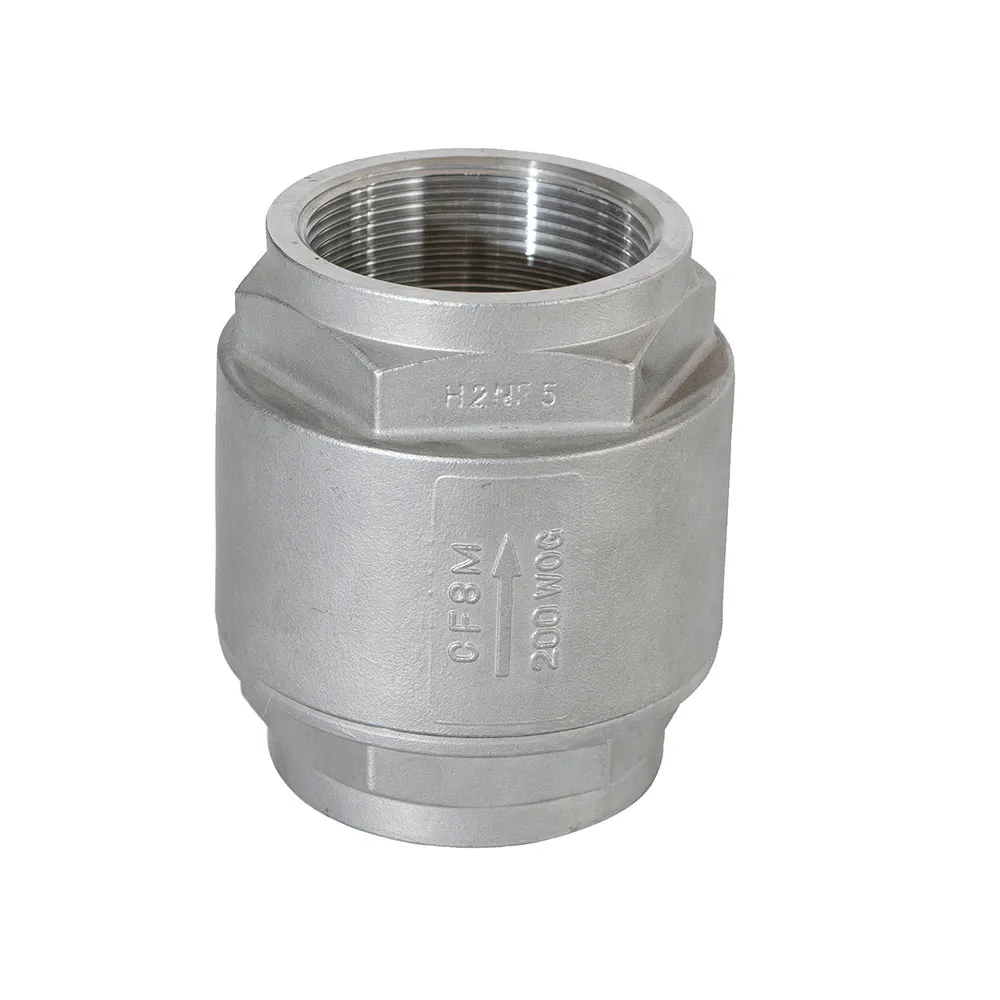
High Quality Mini Ball Valve and 25mm ss ball valve price Guide
Selecting a fluid control component for confined spaces requires a balance between dimensional efficiency and material reliability. The Mini Ball Valve M/M is engineered specifically for low-flow systems and compact networks where precise flow management is non-negotiable. By utilizing high-grade stainless steel 304 or 316, these valves provide a leak-free interface for critical instruments, medical equipment, and industrial cooling circuits.
For procurement managers and engineers, understanding the factors that influence the 25mm ss ball valve price involves evaluating the total cost of ownership, including corrosion resistance and seal longevity. This compact solution eliminates the need for additional adapters through its external threaded design, streamlining installation in laboratory analytical systems and pneumatic lines while ensuring compliance with international ISO and CE standards.

Engineering the Compact Fluid Control Interface for High-Precision Environments
The Mini Ball Valve M/M is designed to solve the common challenge of integrating reliable shut-off mechanisms into restricted spaces. Unlike standard industrial valves, the compact external/external thread design allows for direct installation into meters, gauges, and small-scale hydraulic lines. This architectural choice reduces the number of potential leak points by minimizing the need for intermediate fittings.
From a technical standpoint, the integration of premium Teflon seats is critical. Teflon provides a low-friction interface that reduces operating torque, allowing for smooth actuation even after extended periods of inactivity. These seals are rated for temperatures ranging from -20°C to 150°C, making the valve versatile across various thermal environments, from cryogenic laboratory settings to high-heat industrial steam lines.
Material selection further defines the performance envelope. Depending on the chemical aggressiveness of the medium, users can specify either SS304 or SS316. While SS304 offers excellent general-purpose corrosion resistance, SS316 is deployed in more corrosive environments, such as marine hardware or chemical processing, where molybdenum addition provides enhanced protection against pitting and crevice corrosion.

Critical Application Scenarios and Fluid Compatibility Matrix
The operational versatility of the Mini Ball Valve makes it an essential component across four primary industrial sectors. In Medical and Food Equipment, the sanitary nature of stainless steel ensures that fluid handling meets strict hygiene requirements, preventing contamination in dispensing units. In HVAC and Plumbing, these valves are frequently utilized in water filtration units and small-scale heating loops where space optimization is key.
Industrial machinery relies on these valves for pneumatic systems and cooling circuits. The ability to handle a wide range of fluids—including air, oil, gas, steam, and mild chemicals—allows a single valve design to be standardized across multiple machine functions. This standardization simplifies spare parts inventory and reduces maintenance downtime.
In laboratory and analytical systems, the Mini Ball Valve serves as a precise isolation point for pressure gauges and sampling ports. The high-precision CNC machining of the valve body ensures that the external threads (available in NPT, BSP, or metric) provide a hermetic seal, which is vital when dealing with volatile gases or high-purity liquids where any leak could compromise experimental data.
Procurement Considerations for Industrial Valve Integration
When evaluating suppliers for precision casting and machining, buyers must look beyond the initial unit cost. The value of a valve is found in its reliability and the manufacturer's ability to meet special process demands. For instance, components requiring deep and complex cavities or highly accurate positioning necessitate advanced manufacturing capabilities, such as the silicon sol lost wax precision casting process.
A robust quality management system is the primary safeguard against field failure. Technical buyers should verify that the manufacturer utilizes advanced testing instruments, including Swiss ARL spectrographs for material verification and metallurgical microscopes for grain structure analysis. This level of scrutiny ensures that the stainless steel grade matches the specified ASTM, DIN, or JIS standards.
Additionally, maintenance accessibility should be a priority. The Mini Ball Valve is designed for quick maintenance; the seals can be removed, cleaned, or replaced without dismantling the entire fluid network. This modularity reduces the long-term operational expense and ensures that the system can be restored to peak performance with minimal effort.
Technical Specification and Selection Guide
| Feature/Material | SS304 Grade | SS316 Grade | Operational Impact |
|---|---|---|---|
| Corrosion Resistance | Standard/High | Superior/Marine | Determines service life in salt/acid |
| Temperature Range | -20°C to 150°C | -20°C to 150°C | Teflon seal thermal limits |
| Thread Options | NPT/BSP/Metric | NPT/BSP/Metric | Integration with global standards |
| Fluid Suitability | Water, Air, Oil | Chemicals, Steam | Prevents material degradation |
| Installation Space | Compact/Mini | Compact/Mini | Optimizes layout in tight areas |
Manufacturing Excellence and Quality Assurance Protocols
High-performance valves are the result of a synchronized production line that spans from mold design to final surface treatment. The use of high-precision CNC machines ensures that the tolerances of the ball and seat are kept to a minimum, which is the only way to guarantee a truly leak-free performance over thousands of cycles. This precision is what distinguishes industrial-grade valves from commercial alternatives.
The precision casting process is particularly vital for creating the complex internal geometries required for efficient flow. By adhering to international standards such as GB, ASTM, and ANSI, the resulting products maintain consistency across different batches. This reliability is crucial for OEM buyers who integrate these valves into larger machinery exported to global markets.
Post-production testing is where the quality is validated. Every valve undergoes rigorous inspection using universal testing machines and hardness testers to ensure the structural integrity of the stainless steel. For international shipments, the products are individually wrapped in anti-corrosion materials and packed in reinforced cardboard or veneer pallets, ensuring they arrive at the site in pristine condition.
Future Trends in Compact Fluid Management Solutions
The trend in fluid control is moving toward "miniaturization without compromise." As industrial equipment becomes more compact, the demand for valves that provide full-bore flow in a smaller footprint is increasing. We are seeing a shift toward more exotic alloys and advanced polymer seals that can withstand even more extreme temperatures and pressures while remaining compact.
Sustainability is also driving the adoption of more durable materials. By investing in higher-grade stainless steel and precision-engineered seats, companies can extend the replacement cycle of their valves, reducing waste and lowering the overall environmental impact of their operations. This lifecycle approach is becoming a standard part of the procurement process for forward-thinking engineering firms.
Ultimately, the choice of a valve should be driven by the specific requirements of the application. Whether it is the chemical resistance needed for a pharmaceutical plant or the space-saving requirements of a laboratory instrument, the focus remains on the intersection of material science and precision engineering. This ensures that the 25mm ss ball valve price is justified by the operational security it provides to the entire system.
Common Technical Inquiries Regarding Mini Ball Valves
What is the main difference between SS304 and SS316 for mini ball valves?
SS304 is ideal for general applications like water, air, and oil. SS316 contains molybdenum, which provides significantly higher resistance to chlorides and corrosive chemicals, making it the necessary choice for marine or chemical processing environments.
Can these valves be used for high-temperature steam?
Yes, the premium Teflon seals used in these valves are compatible with temperatures from -20°C up to 150°C, making them suitable for steam and other high-temperature fluids within this range.
Which thread standards are available for the M/M connections?
The valves are available with NPT, BSP, or metric threads, allowing for seamless integration into various regional piping standards without the need for additional adapters.
How is the leak-free performance guaranteed during manufacturing?
Leak-free performance is achieved through high-precision CNC machining of the ball and seat, combined with a strict quality management system and testing via universal testing machines and metallurgical microscopes.
Are these valves suitable for medical or food-grade applications?
Yes, the use of high-grade stainless steel ensures the valves are suitable for sanitary fluid handling in medical and food equipment, provided they are maintained according to sanitary standards.
What should I consider when evaluating the total cost of these valves?
Buyers should evaluate the material grade (304 vs 316), the seal quality (Teflon), and the manufacturer's certifications (ISO 9001, CE) to ensure that the initial price reflects long-term durability and reduced maintenance costs.
Technical References and Industry Standards
- ISO Quality Management Standards for Valve Manufacturing
- ASTM International Material Specifications for Stainless Steel
- ANSI Standards for Industrial Piping and Fittings
- DIN Technical Standards for Fluid Control Components
For detailed technical drawings, material certifications, or custom configuration inquiries, please contact our engineering team to ensure the perfect fit for your system.
Related Industry Insights