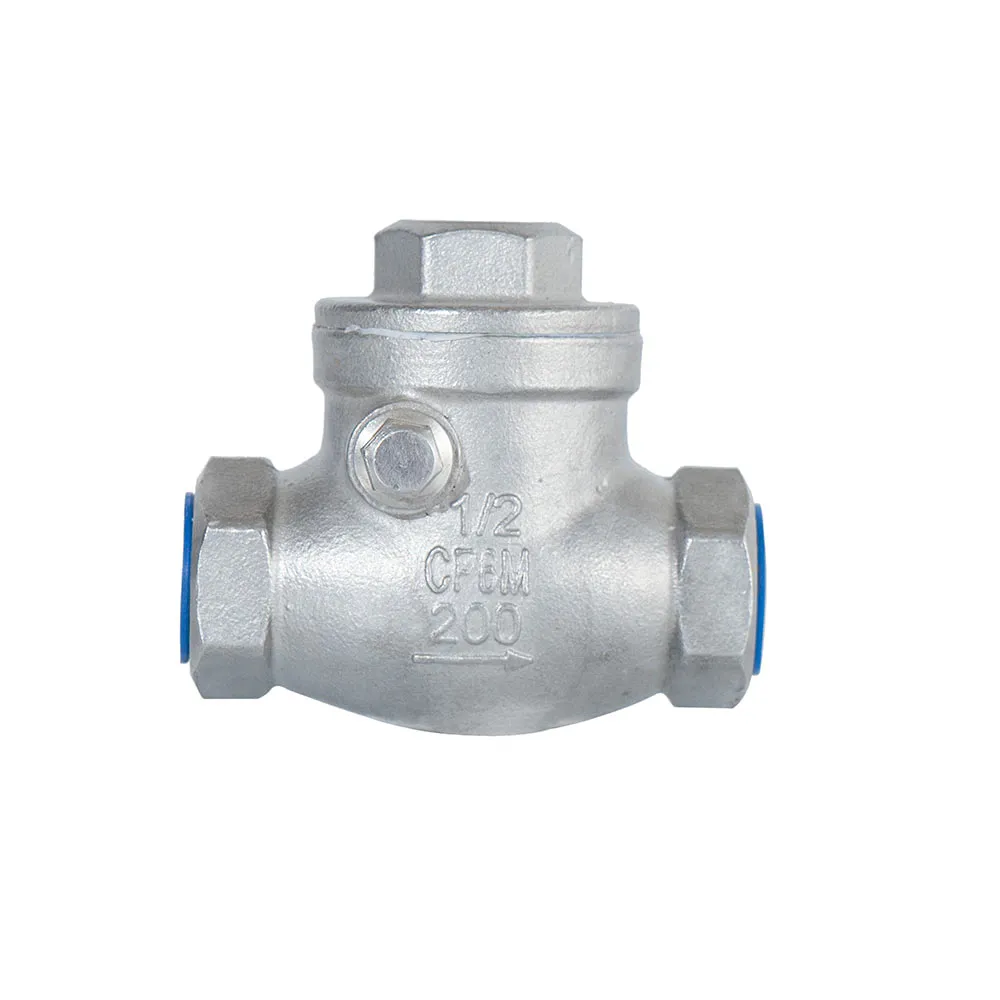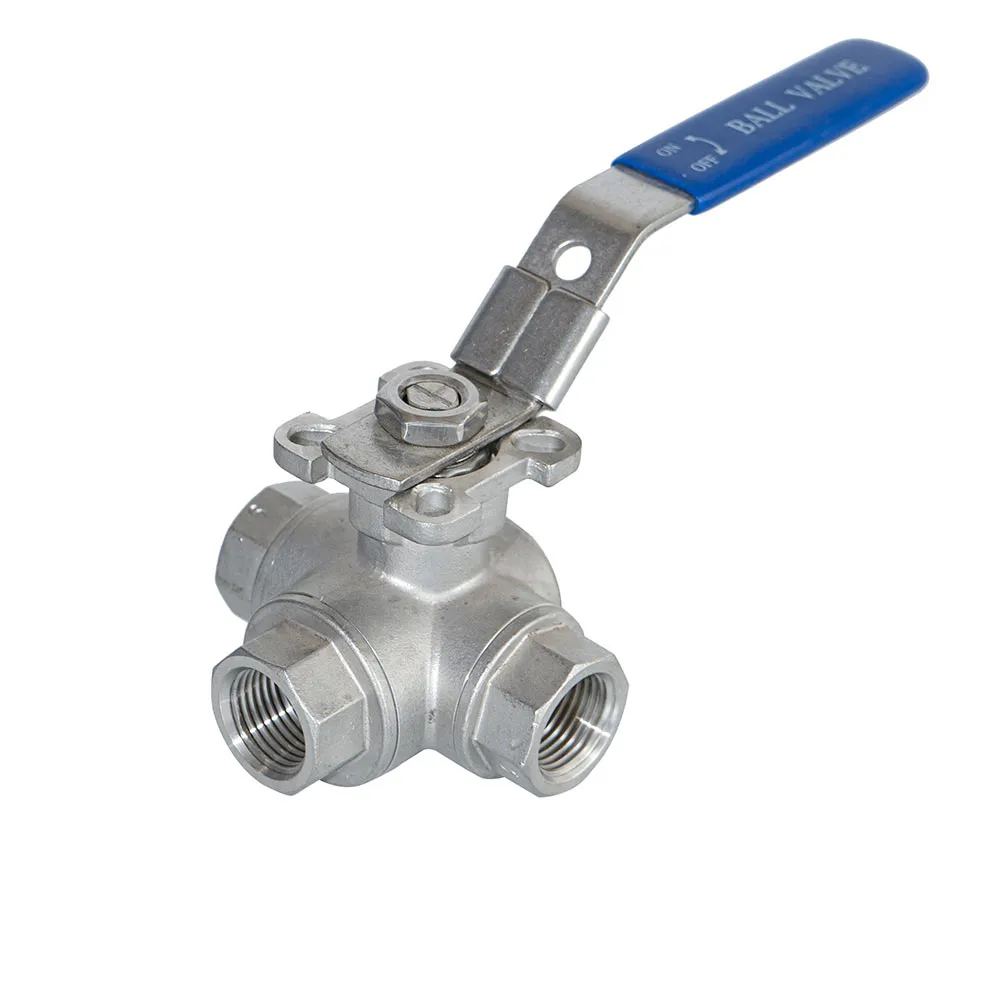
Industrial Disk Check Valve Guide and 1 ss ball valve price
Managing fluid dynamics in industrial piping requires a precise balance between responsiveness and durability. The Disk Check Valve, often referred to as a butterfly check valve, serves as a critical safeguard against medium backflow in liquid, gas, and steam transportation systems. Unlike traditional gate or globe valves, this compact device utilizes a symmetrical butterfly design that reacts instantaneously to pressure changes, protecting expensive pumps and compressors from the destructive effects of water hammer. For engineers and procurement managers, understanding the operational efficiency and material integrity of these valves is essential for maintaining system stability in high-demand environments such as HVAC, marine hardware, and chemical processing plants.

Mechanics of the Symmetrical Butterfly Design for Backflow Prevention
The operational logic of the Disk Check Valve centers on its symmetrical axis design. The valve disc is engineered to open automatically under the force of the medium's forward pressure, offering a streamlined path that minimizes flow resistance. However, the moment the flow rate drops or the medium attempts to reverse direction, the disc closes rapidly. This quick-response mechanism is vital for preventing the backflow of corrosive or high-pressure fluids, ensuring that the pipeline maintains a unidirectional flow.
Because the closing stroke is significantly shorter than that of traditional swing check valves, system shock is drastically reduced. This stability is particularly beneficial in high-rise building water systems and shipboard piping where spatial constraints are tight and mechanical vibrations can lead to premature joint failure. By reducing the impact of sudden pressure surges, the butterfly check valve extends the overall operational lifespan of the entire fluid network.

Material Engineering and Corrosion Resistance in Harsh Environments
In industrial settings involving acids, alkalis, or saltwater, material selection is the primary determinant of valve longevity. The internal components of these valves are precision-machined from high-grade stainless steel or specialized alloys. This metallurgical choice ensures that the sealing surfaces remain intact despite constant exposure to corrosive media. The use of stainless steel not only prevents rust but also maintains the dimensional accuracy of the butterfly disc, ensuring a leak-proof seal over thousands of cycles.
The manufacturing process often involves advanced silicon sol lost wax precision casting, which allows for the creation of complex internal cavities and accurate positioning. This precision reduces mechanical wear on moving parts and minimizes pressure loss across the valve. For industries such as petrochemical and food processing, where purity and hygiene are paramount, these non-reactive materials prevent contamination of the transported medium while offering the robustness needed for continuous operation.
Strategic Application Scenarios across Modern Industrial Systems
The versatility of the Disk Check Valve makes it an indispensable component in several key sectors. In municipal water supply and HVAC systems, its compact footprint allows for installation in confined spaces where traditional valves would be too bulky. Its ability to be installed in either horizontal or vertical pipelines provides engineers with greater flexibility during the design phase of complex piping layouts.
- Petrochemical & Chemical Engineering: Handles corrosive fluids and prevents hazardous backflow into processing units.
- Marine Hardware: Resistant to saltwater corrosion and capable of withstanding the vibrations inherent in ship engines.
- Industrial Circulating Water: Optimizes energy efficiency by reducing pressure drops during high-volume circulation.
- Construction & HVAC: Ensures stable water distribution in high-rise structures and climate control systems.
Moreover, because these valves operate entirely on the automatic control of the medium's flow, they require no external energy source. This self-actuating nature reduces operational costs and eliminates the risk of electronic failure in critical safety zones.
Technical Evaluation and Selection Criteria for Check Valves
| Evaluation Factor | Stainless Steel (316/316L) | Carbon Steel (WCB) | Alloy Steel | Selection Priority |
|---|---|---|---|---|
| Corrosion Resistance | Excellent | Moderate | High | Chemical/Marine |
| Installation Space | Compact | Compact | Compact | High-rise/Ships |
| Response Speed | Fast | Fast | Fast | Water Hammer Prevention |
| Maintenance Need | Low | Medium | Low | Continuous Operation |
| Pressure Loss | Low | Low | Low | Energy Efficiency |
Procurement Considerations and Quality Assurance Standards
When sourcing stainless steel valves, procurement managers must look beyond the initial 1 ss ball valve price and evaluate the total cost of ownership. Quality assurance is anchored in adherence to international standards such as ASTM, ANSI, BS, DIN, and JIS. A valve that meets these rigorous specifications ensures compatibility with existing infrastructure and guarantees that the pressure ratings are accurate, reducing the risk of catastrophic failure in the field.
Verification of manufacturing capabilities is equally important. Leading manufacturers utilize Swiss ARL spectrographs and metallurgical microscopes to verify the chemical composition and grain structure of the steel. Universal testing machines and three-dimensional coordinate measuring machines (CMM) are used to ensure that the butterfly disc fits perfectly within the seat, providing a bubble-tight seal. This level of technical scrutiny is what separates industrial-grade valves from commercial-grade alternatives.
Future Trends in Fluid Control and Energy Optimization
The trend in modern fluid systems is shifting toward "Smart Piping," where energy efficiency and minimal maintenance are the primary goals. The Disk Check Valve aligns with this trend by providing a low-pressure-drop solution that reduces the load on pumps and compressors. As industries strive for carbon neutrality, reducing the energy required to move fluids becomes a critical operational objective.
Future developments are focusing on the integration of advanced surface treatments to further enhance wear resistance and the use of additive manufacturing for highly customized cavity designs. For buyers, this means that the ability to source valves from manufacturers with strong R&D capabilities—those who can adapt designs for deep and complex cavities or accurate positioning—will be a significant competitive advantage in optimizing plant performance.
Common Technical Inquiries regarding Disk Check Valves
What is the primary difference between a Disk Check Valve and a Swing Check Valve?
The Disk Check Valve features a symmetrical butterfly design that allows for a much shorter closing stroke and a more compact physical footprint compared to the larger, hinged disc of a swing check valve, making it ideal for limited installation spaces.
Can these valves be installed in vertical pipelines?
Yes, the compact and balanced structure of the Disk Check Valve allows it to be installed freely in both horizontal and vertical pipelines without restricting the flow or compromising the sealing effectiveness.
Which materials are best for transporting saltwater or acidic media?
Stainless steel grades such as 316 and 316L are highly recommended for corrosive environments due to their molybdenum content, which provides superior resistance to pitting and chloride-induced corrosion.
How does the valve prevent water hammer?
By utilizing a fast response speed and a short closing stroke, the valve shuts the flow path almost instantaneously when pressure drops, preventing the sudden surge of fluid backflow that causes water hammer.
Is online maintenance possible for this type of valve?
Most models are designed with a simple structure that supports easy disassembly and assembly, and many configurations allow for online inspection and maintenance to minimize system downtime.
Does the operation of the Disk Check Valve require external power?
No, it is a completely automatic device that relies solely on the pressure and flow of the medium to open and close, making it energy-efficient and highly reliable.
Technical References and Industry Standards
- ASTM International - Materials Standards for Valves
- ANSI - American National Standards Institute
- ISO - International Organization for Standardization
- DIN - German Institute for Standardization
Selecting the right backflow prevention device is a critical decision for any industrial fluid system. By prioritizing material grade and manufacturing precision, operators can ensure long-term reliability and operational safety.
Related Technical Insights