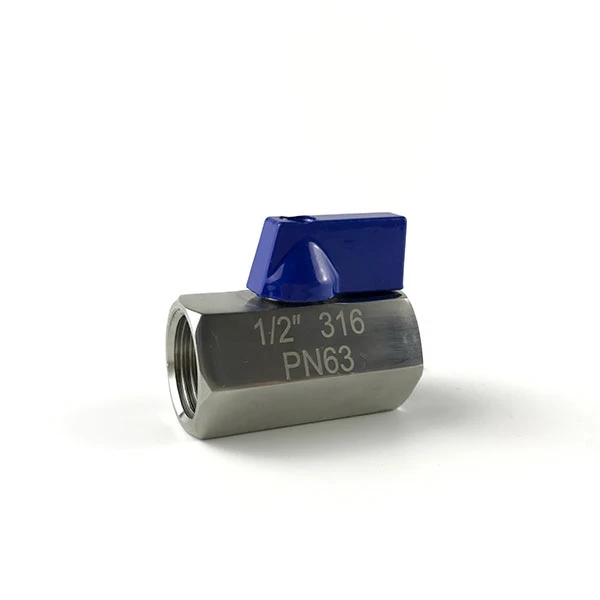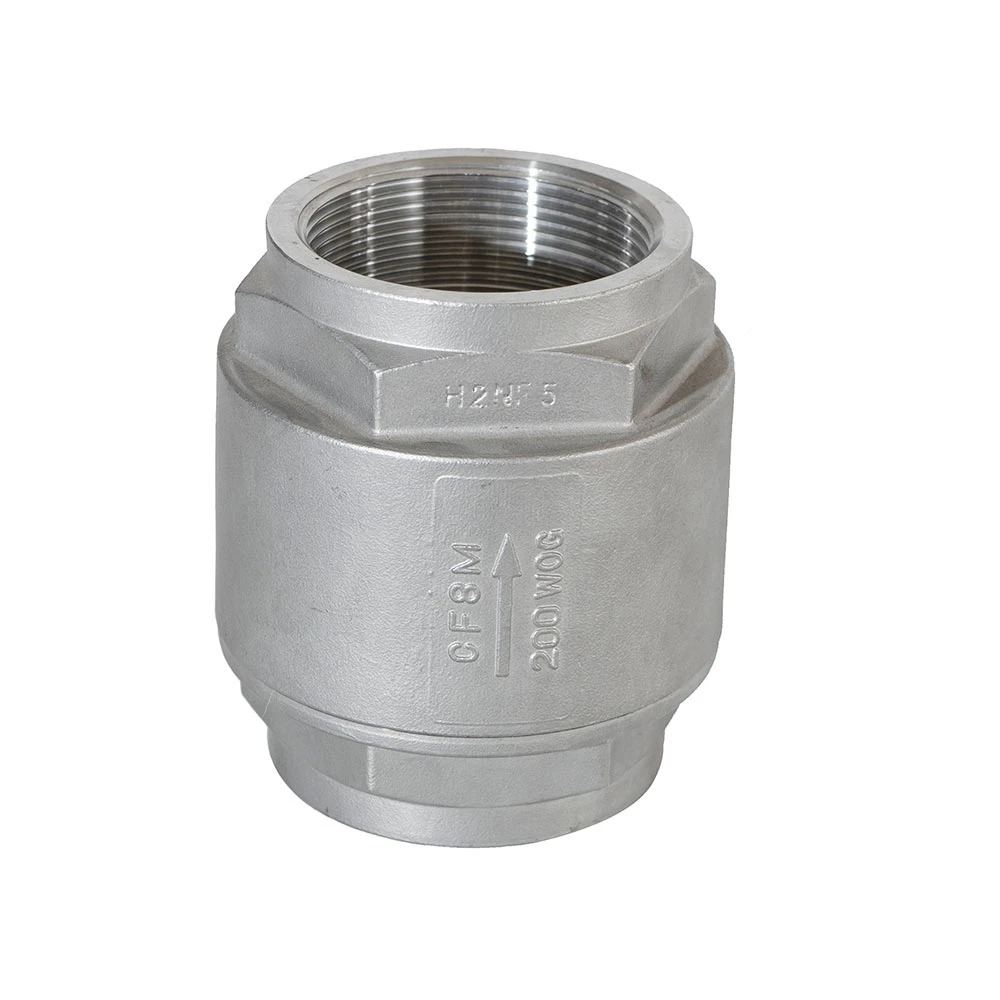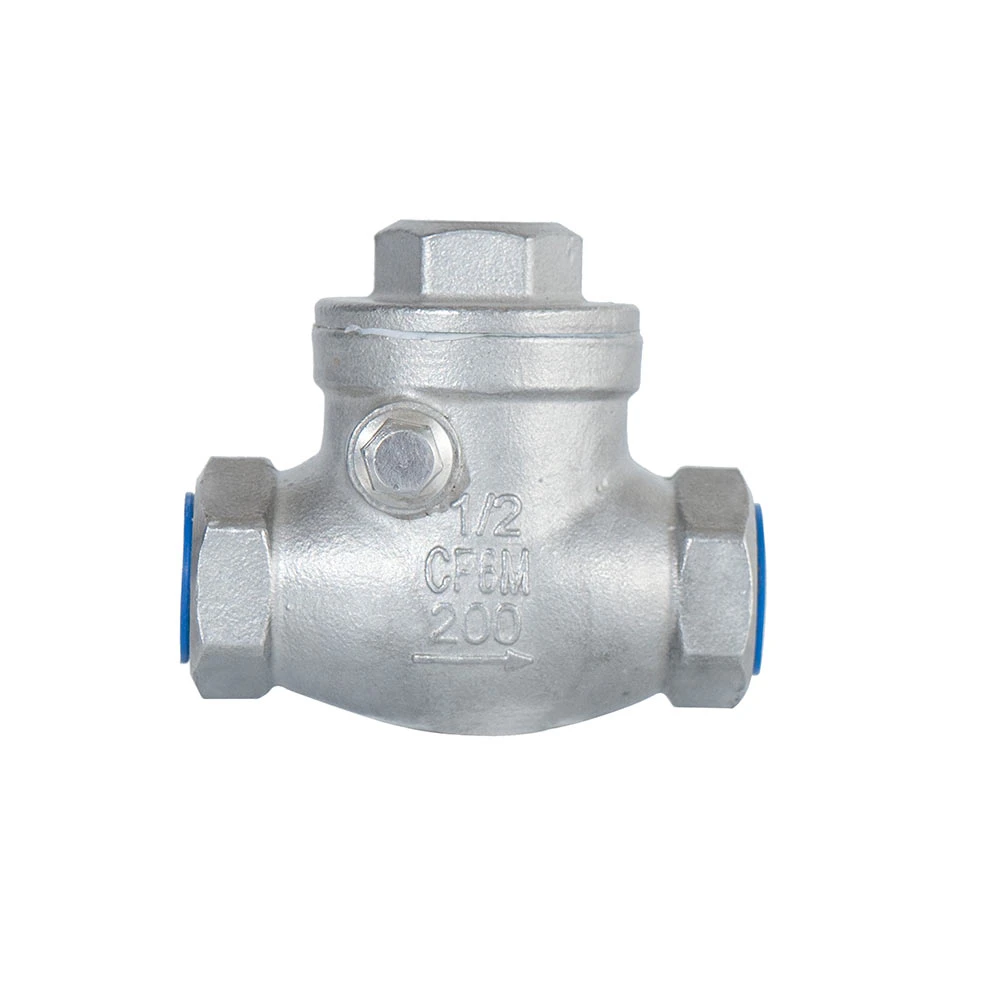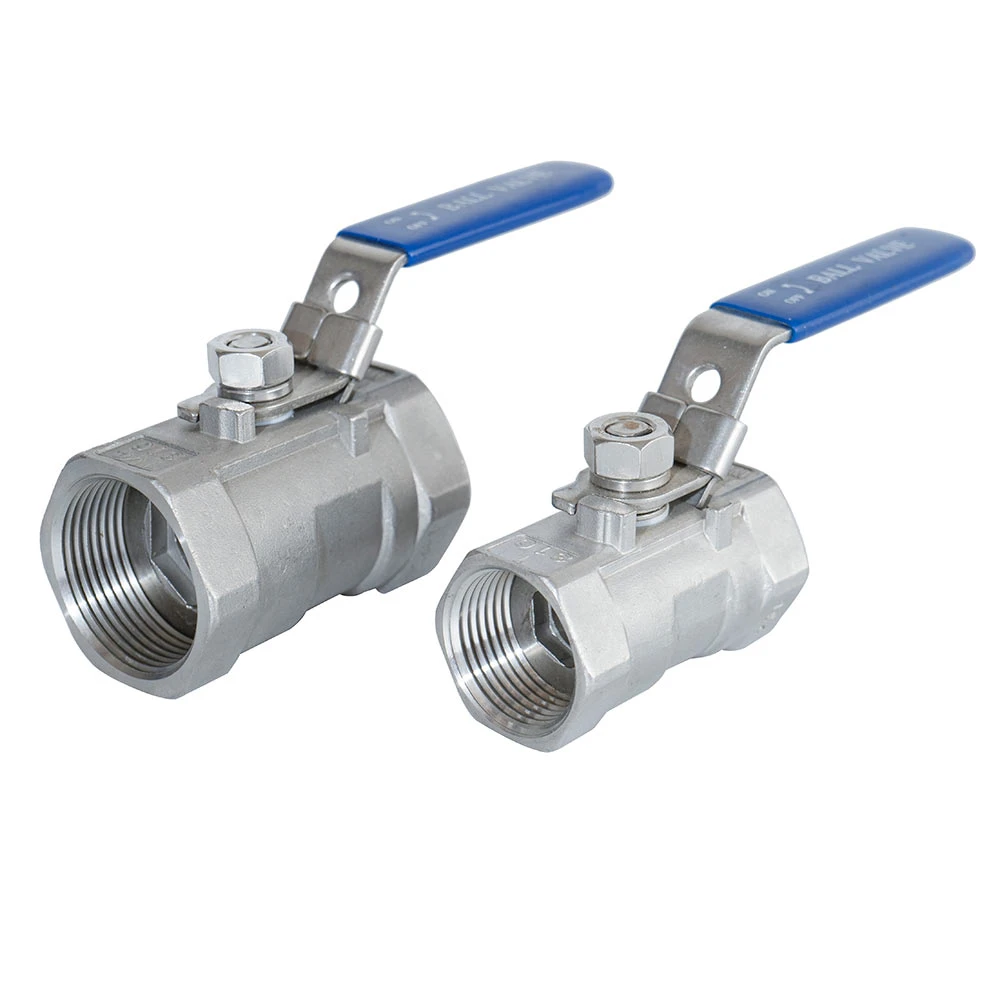
The food and beverage industry operates under some of the most stringent hygiene and safety regulations globally. Every component within processing lines—from piping to valves—must prevent contamination, withstand rigorous cleaning protocols, and ensure product integrity. At the heart of these critical systems lies the stainless steel flanged ball valve, a marvel of engineering designed to meet exacting sanitary standards. Cangzhou Houde Stainless Steel Products Co., Ltd., established in 2010 in Hebei, China, leverages advanced manufacturing expertise to produce these indispensable valves. Equipped with silicon sol lost wax precision casting, CNC machining centers, and metallurgical testing instruments (like Swiss ARL spectrographs and universal testing machines), Houde adheres to GB, ASTM, DIN, and JIS standards. Their valves—crafted from 304/316L stainless steel—embody the company’s "Quality First, Customer Foremost" ethos, serving sectors like food processing with uncompromising reliability.
Understanding the Flanged Ball Valve in Food Industry Applications
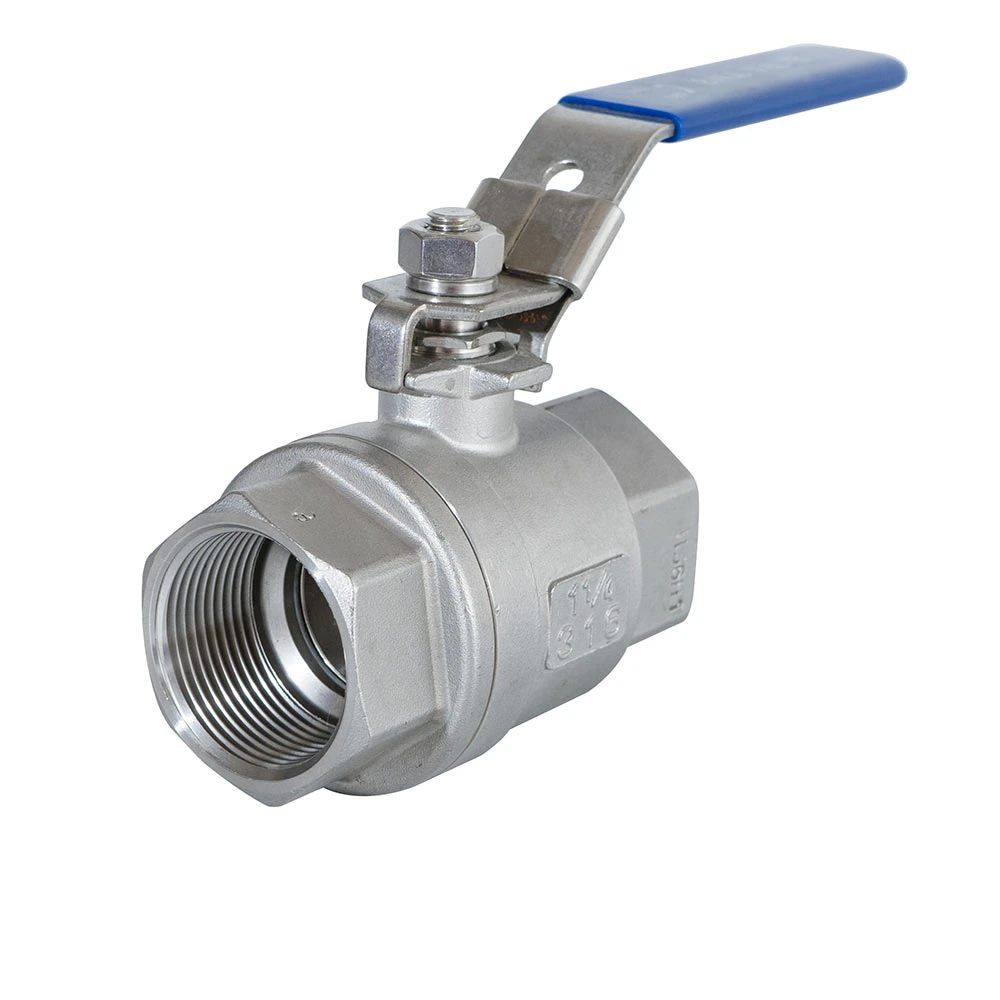
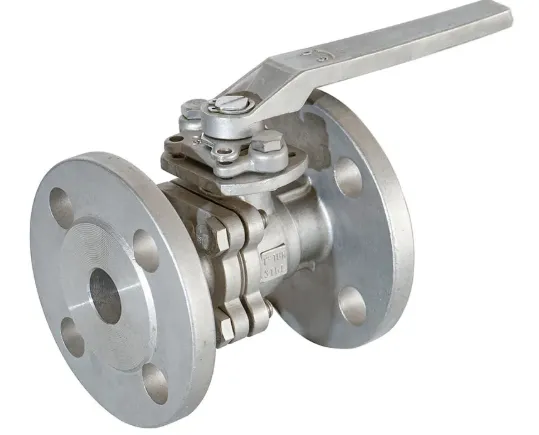
A flanged ball valve uses a rotating ball with a bore to control flow. When the bore aligns with the pipeline, fluid passes; when rotated 90°, flow stops. The "flanged" design refers to rimmed ends bolted between pipe flanges, creating leak-proof seals ideal for high-pressure or frequent-disassembly environments. In food processing, these valves handle dairy, sauces, oils, and CIP (Clean-in-Place) chemicals. Unlike threaded valves, flanged connections withstand thermal cycling and aggressive cleaning without loosening. Their full-port design (where the bore matches pipe diameter) minimizes turbulence and dead zones where bacteria could proliferate. For facilities producing juice or beer, this prevents residue buildup that could spoil batches. Moreover, flanged valves simplify maintenance—technicians can remove individual valves without dismantling entire lines, reducing downtime during sanitation cycles.
Why Stainless Steel Flanged Ball Valves Excel in Sanitary Environments
Stainless steel flanged ball valves are non-negotiable in food applications for three reasons: corrosion resistance, surface smoothness, and compliance. Grades 304 and 316L stainless steel resist citric acids, brines, and sterilants like hydrogen peroxide. Houde’s investment casting process ensures valves have Ra≤0.8 μm surface finishes, exceeding EHEDG/3-A standards. Smooth surfaces prevent microbial adhesion and enable efficient CIP/SIP (Sterilize-in-Place). Passivation—a nitric acid bath applied post-machining—creates a chromium oxide layer that enhances corrosion resistance. Additionally, stainless steel is non-reactive, ensuring no metallic leaching affects flavor or safety. For chocolate or dairy lines where temperature control is vital, stainless steel’s thermal stability prevents warping. Houde’s valves also feature blow-out-proof stems, containing pressure even if actuators fail, critical for protecting operators from hot or hazardous media.
Optimizing Flow Control with 2 Inch Flanged Ball Valves
The 2 inch flanged ball valve strikes an ideal balance between flow capacity and compactness, making it ubiquitous in food transfer lines, filler machines, and pasteurizers. Its 2" (DN50) size handles moderate-to-high flow rates—like those in brewery wort kettles or vegetable oil deodorizers—without excessive pressure drops. Key advantages include:
Space Efficiency: Fits seamlessly into dense processing layouts.
Flow Accuracy: Maintains laminar flow in viscous products (e.g., honey or syrup).
Actuator Compatibility: ISO5211 mounting pads support pneumatic/electric actuators for automation.
Below are the technical specifications of Houde’s 2-inch valves within their broader product range:
|
Parameter |
Specification |
|
Size Range |
1/4" to 4" (DN8-DN100) |
|
Pressure Rating |
PN10-PN40 |
|
Port Type |
Plný port |
|
Mounting Pad |
ISO5211 Standard |
|
Body Material |
316L/304 Stainless Steel (Investment Casting) |
|
Stem Design |
Blow-out Proof |
|
Certifications |
PED 97/23/EC (CE0036), AD2000-W0 |
|
Design Standards |
DIN 3357, EN 12516 |
|
End Flange Standards |
DIN 2501 (PN10-PN40) |
|
Face-to-Face Dimensions |
DIN 3202-F4 |
|
Testing Standards |
DIN 3230/3, EN 12266 |
These specifications ensure compatibility with European and global food safety frameworks while enabling easy integration into existing DIN-standard pipelines.
FAQs About Stainless Steel Flanged Ball Valves
How do stainless steel flanged ball valves prevent contamination?
Stainless steel flanged ball valves eliminate contamination risks through material inertness and design. 316L steel resists pitting from chlorides in cleaning agents, while electropolished surfaces (≤0.8μm Ra) leave no niches for biofilm formation. Full-port designs avoid product stagnation, and crevice-free seats prevent particle trapping. Houde’s valves meet EHEDG guidelines, ensuring cleanability for allergens like gluten or nuts.
Why choose a 2 inch flanged ball valve over other sizes?
A 2 inch flanged ball valve optimizes flow dynamics for mid-scale operations—ideal for connecting tanks to fillers or pumps. It balances flow velocity (preventing shear damage to delicate products like yogurt) with manageable pressure drops. Its compactness simplifies retrofitting in space-constrained facilities, while standardized flanges (DIN2501) ensure interoperability with existing 2" infrastructure.
Are flanged ball valves suitable for high-pressure steam cleaning?
Absolutely. Flanged ball valves with PN40 ratings withstand CIP/SIP steam pressures up to 40 bar. Houde’s investment-cast bodies and blow-out-proof stems maintain integrity under thermal shock. DIN/EN-compliant face-to-face dimensions (DIN3202-F4) prevent flange misalignment during thermal expansion, ensuring leak-free performance.
What certifications do Houde’s stainless steel flanged ball valves hold?
Houde’s stainless steel flanged ball valves carry PED 97/23/EC (CE0036) and AD2000-W0 certifications, validating their safety for food-grade pressurized systems. They comply with DIN 3230/3 and EN 12266 testing protocols, including shell/seat pressure tests and 100% material traceability.
How do your 2 inch flanged ball valves enhance operational efficiency?
Our 2 inch flanged ball valves feature ISO5211 actuator mounts for automated control, reducing manual labor. Full-port designs lower pumping costs by minimizing flow resistance, while DIN-compliant dimensions slash installation time. With maintenance intervals exceeding 100,000 cycles (per EN 12516), downtime for replacements plummets.
In the hyper-vigilant food industry, the stainless steel flanged ball valve is more than a component—it’s a safeguard. From preventing recalls due to contamination to enabling seamless automation, valves like Houde’s 2-inch flanged models embody precision engineering tailored for hygiene-critical environments. By integrating advanced casting, rigorous testing, and global certifications (PED, AD2000), Cangzhou Houde delivers solutions where failure isn’t an option. As food safety standards evolve, their commitment to R&D ensures valves meet tomorrow’s challenges—today. For processors prioritizing purity and efficiency, the choice is clear: specify valves where every micron and molecule matters.