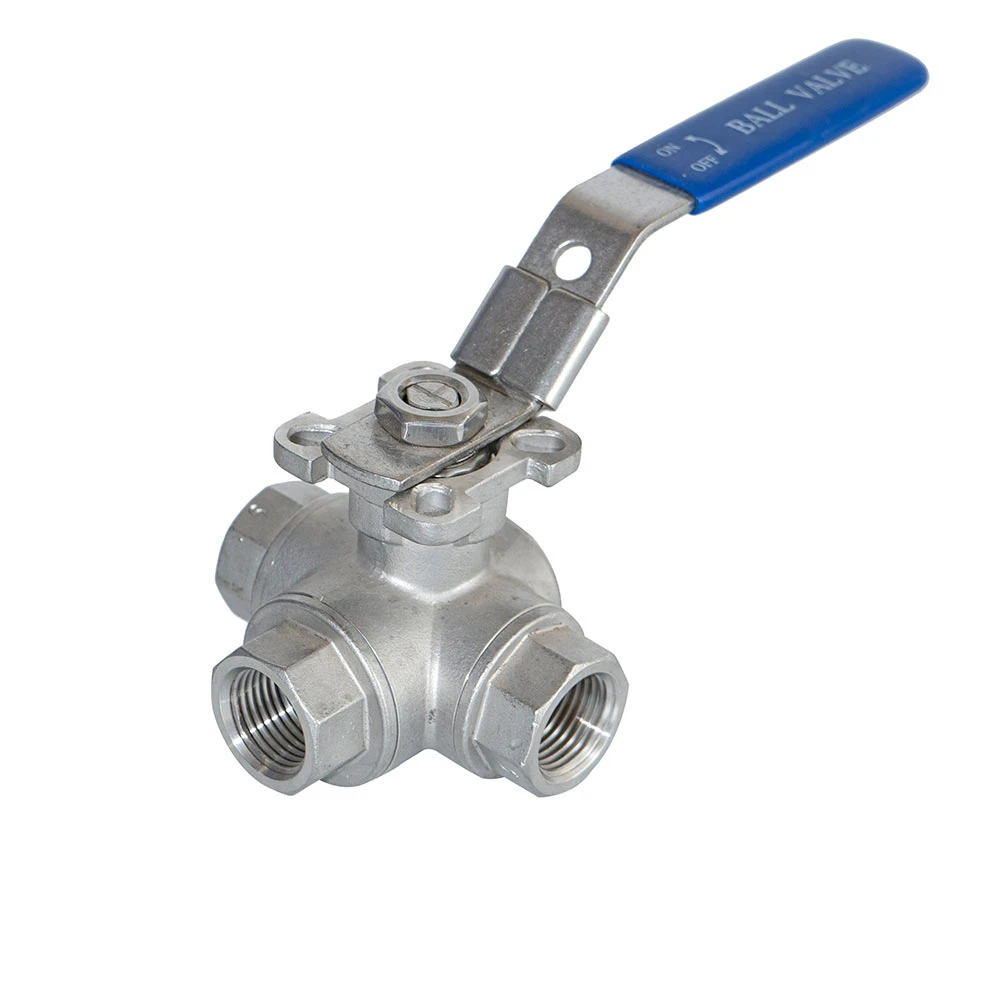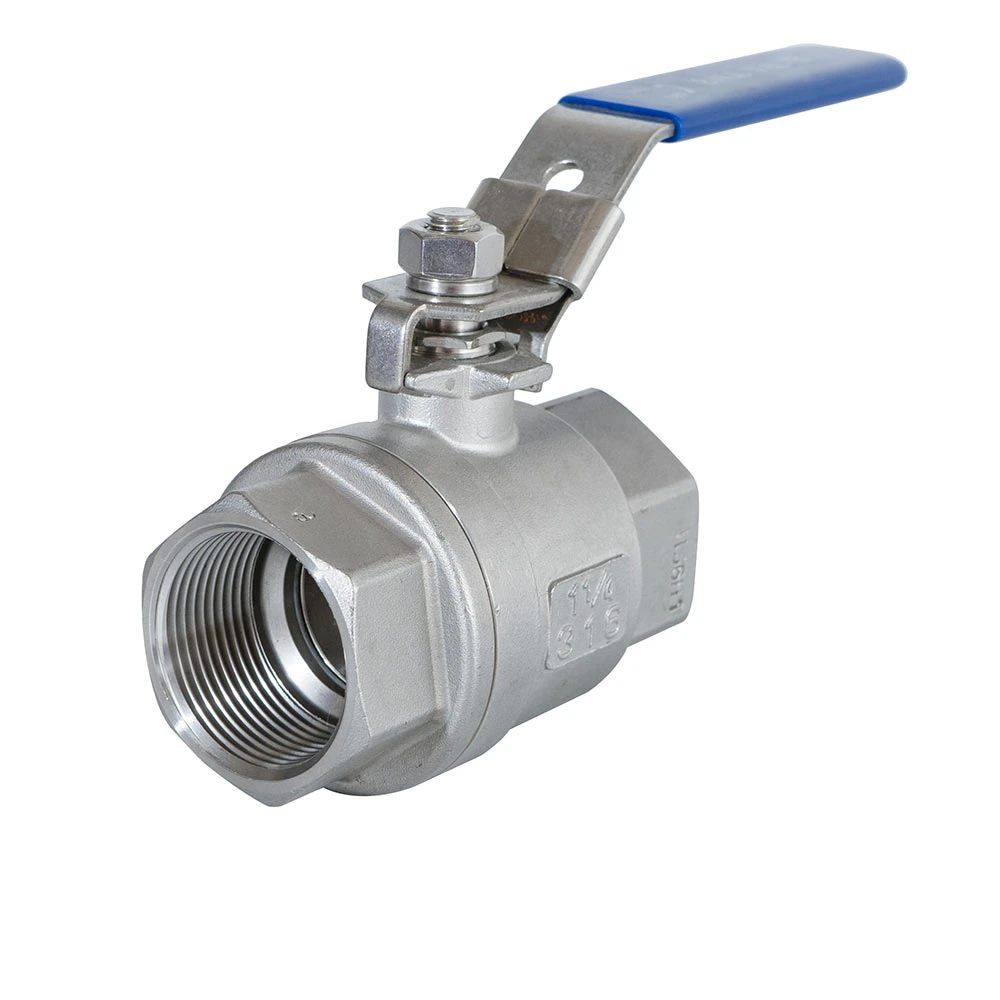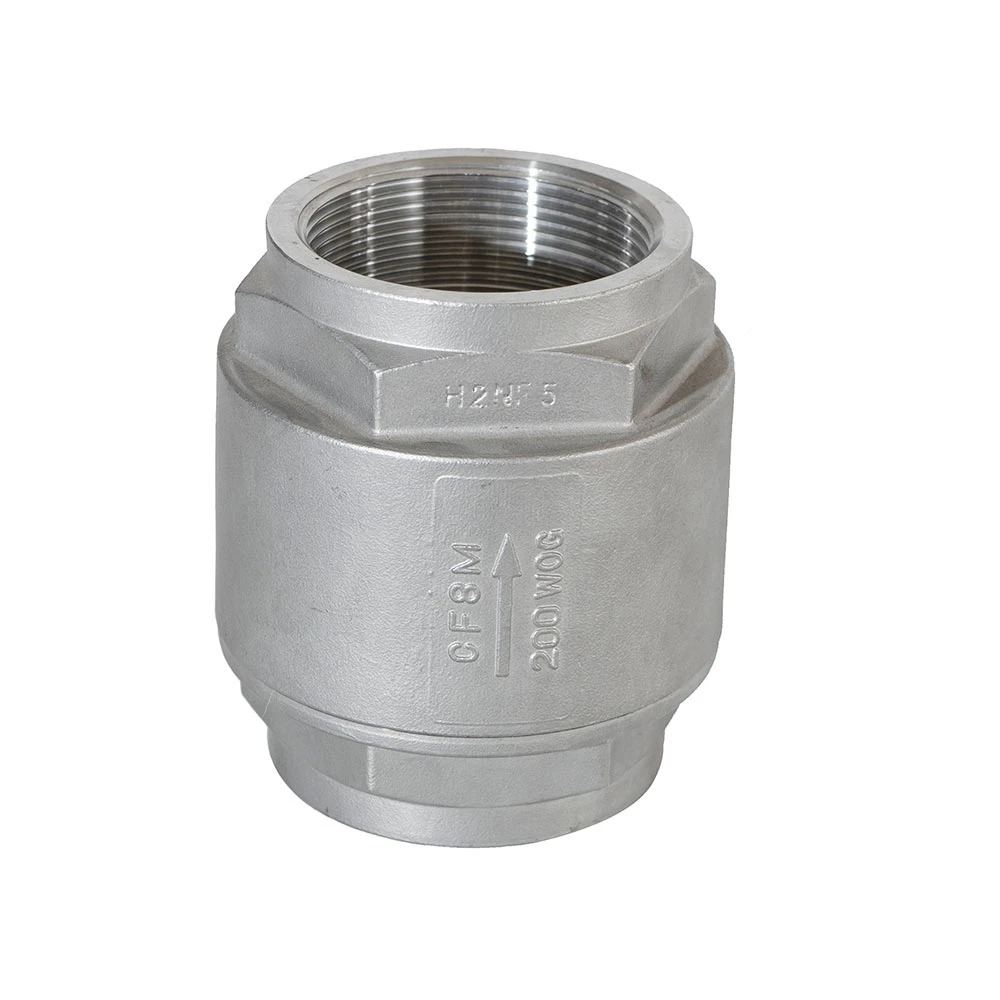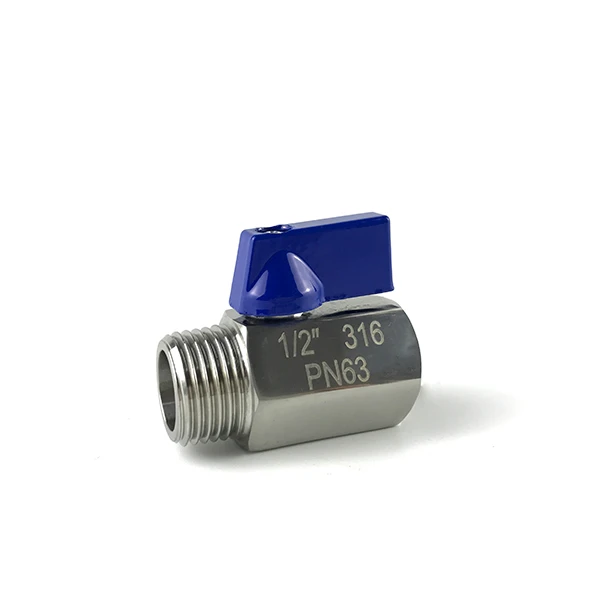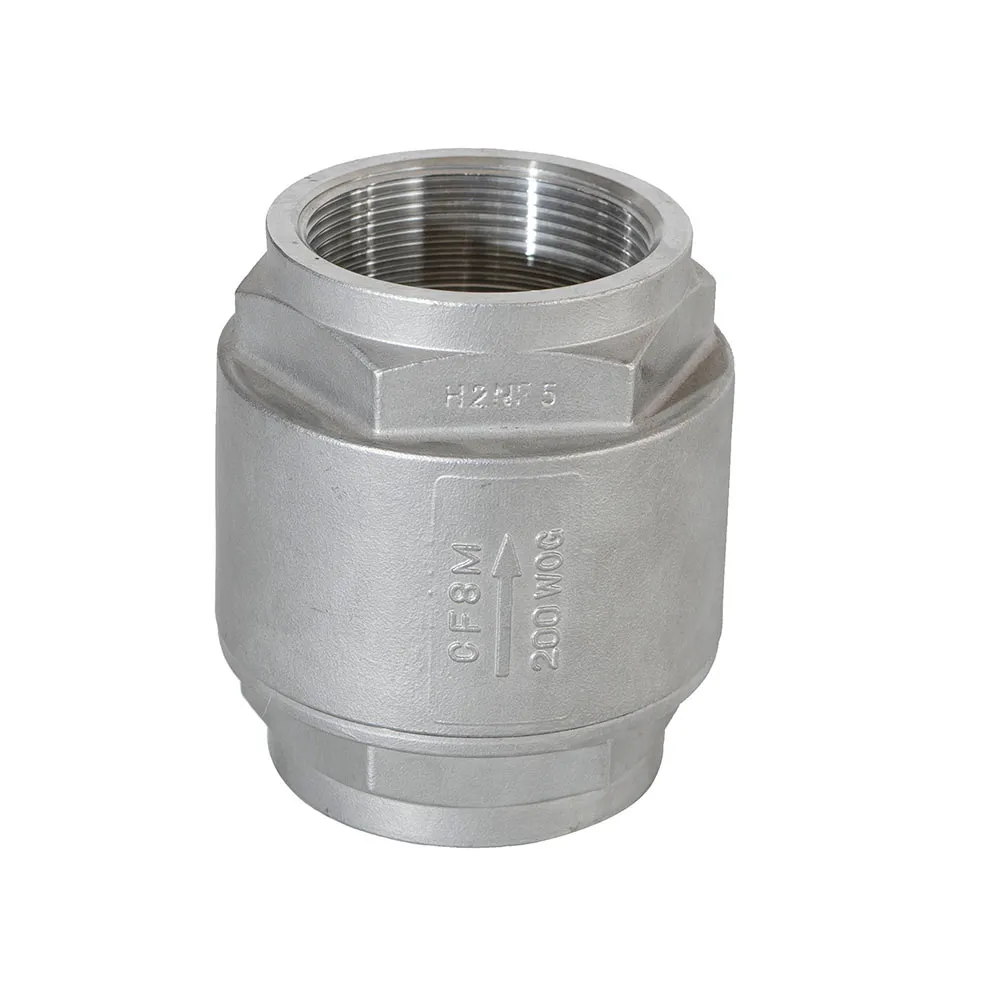
In the intricate networks of pipelines that power our industries—from roaring oil refineries to sterile pharmaceutical labs—one humble component stands as a silent guardian against chaos: the swing check valve. This critical device ensures fluids flow in one direction only, preventing damaging backflow that can cripple systems, cause costly downtime, or even create hazardous situations. When crafted from robust stainless steel, these valves transcend ordinary function, offering unparalleled longevity, hygiene, and reliability. For engineers and procurement specialists prioritizing efficiency and lifecycle value, understanding the unique advantages of stainless swing check valve technology isn't just technical—it's strategic.
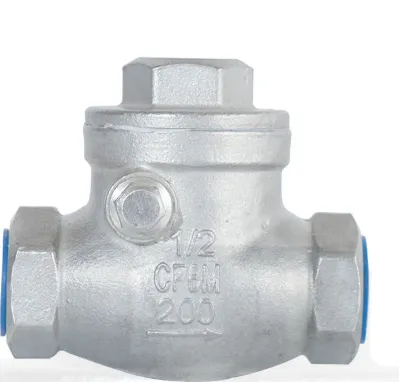
Cangzhou Houde Stainless Steel Products Co., Ltd., established in 2010 in China’s industrial heartland of Hebei, exemplifies the fusion of precision engineering and material excellence. Leveraging silicon sol lost wax casting, CNC machining centers, and rigorous testing (including spectrography and pressure validation per API598/EN12266), Houde delivers valves trusted across petroleum, chemical, and food processing sectors. Their adherence to "Quality First, Customer Foremost" isn’t a slogan—it’s embedded in every swing check valve they produce.
Understanding The Core Mechanics Of Swing Check Valves
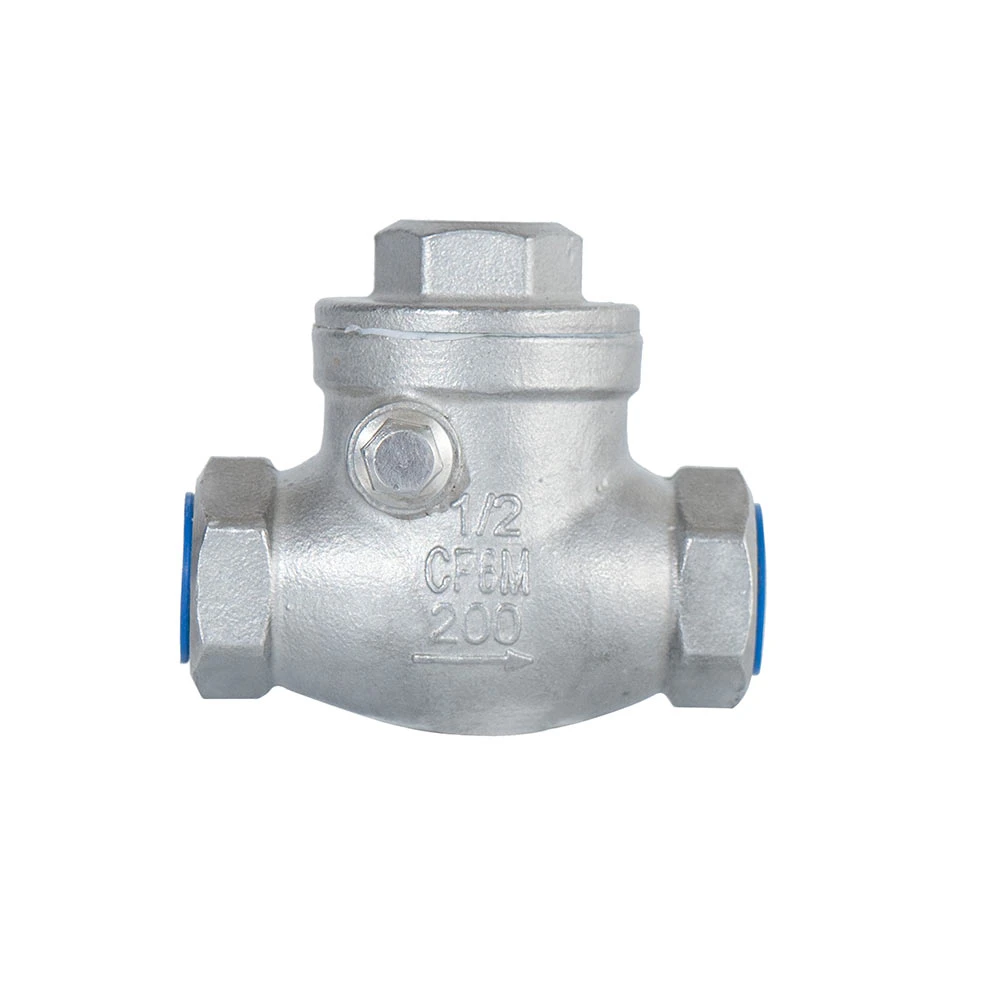
A swing check valve operates on elegantly simple yet profoundly effective principles. Imagine a hinged disc (or "clapper") inside a valve body. When fluid flows in the intended direction, pressure pushes the disc open, allowing unimpeded passage. If flow reverses or stops, gravity and backpressure swiftly swing the disc back onto its seal, creating an immediate, leak-tight barrier. Unlike complex motorized valves, this entirely mechanical action requires no external power—making it inherently fail-safe.
Key components include the body, hinge pin, disc, and seat. Material selection here is non-negotiable; stainless steel’s resistance to galling ensures the hinge moves freely for decades without seizing. In wastewater systems or chemical plants, where debris or aggressive media are present, the full-bore design of quality swing check valves minimizes turbulence and clogging risk. This self-actuating reliability is why swing checks remain the default choice for pump discharge lines, boiler feed systems, and anywhere reverse flow could cause catastrophic damage like water hammer.
Why Stainless Swing Check Valve Is The Ultimate Material Choice
Stainless steel transforms a standard swing check valve into a corrosion-defying, long-life asset. Grades like 304/304L and 316/316L—mainstays in Houde’s production—offer chromium-nickel-molybdenum alloys that form passive oxide layers. This self-repairing barrier laughs off rust, pitting, and stress corrosion cracking that destroy ordinary carbon steel valves, especially in:
Saltwater/Marine Environments: Offshore platforms, desalination plants, and shipboard systems demand 316L’s resistance to chlorides.
Chemical Processing: Acids, alkalis, and solvents meet their match with properly alloyed stainless.
High-Purity Applications: Pharma, food, and beverage sectors require non-contaminating, smooth, cleanable surfaces—a natural strength of polished stainless.
Beyond corrosion resistance, stainless steel excels in strength-to-weight ratio, temperature tolerance (-250°C to +800°C), and fatigue resistance. When combined with Houde’s investment casting and precise grinding, you get a valve with near-zero porosity, dimensional accuracy, and sealing surfaces that achieve bubble-tight shutoff cycle after cycle. Consider the total cost of ownership: while cheaper valves fail prematurely, a stainless swing check valve slashes maintenance budgets and replacement frequency.
Houde Stainless Steel Swing Check Valve Specifications
|
Parameter |
Specification |
Importance |
|
Size Range |
1/2" to 3" (inches) |
Versatility for diverse pipeline diameters and flow requirements. |
|
Pressure Rating |
200 PSI / PN16 |
Suitable for medium-pressure industrial, commercial, and utility systems. |
|
Body Material |
304/316 Stainless Steel (Investment Cast) |
Maximizes corrosion resistance, structural integrity, and longevity. |
|
Seat Finish |
Rectificado preciso |
Ensures perfect disc-to-seat contact for leak-free sealing. |
|
Certifications |
PED 2014/68/EU (0036), AD2000-W0 |
Compliance with EU Pressure Equipment Directive and German boiler code. |
|
Testing Std. |
API 598, EN 12266 |
Guarantees performance under rigorous industry leak and pressure tests. |
Exploring Common Swing Check Valve Types And Their Applications
Not all swing check valve types are interchangeable. Design variations optimize them for specific pressures, fluids, and installation constraints:
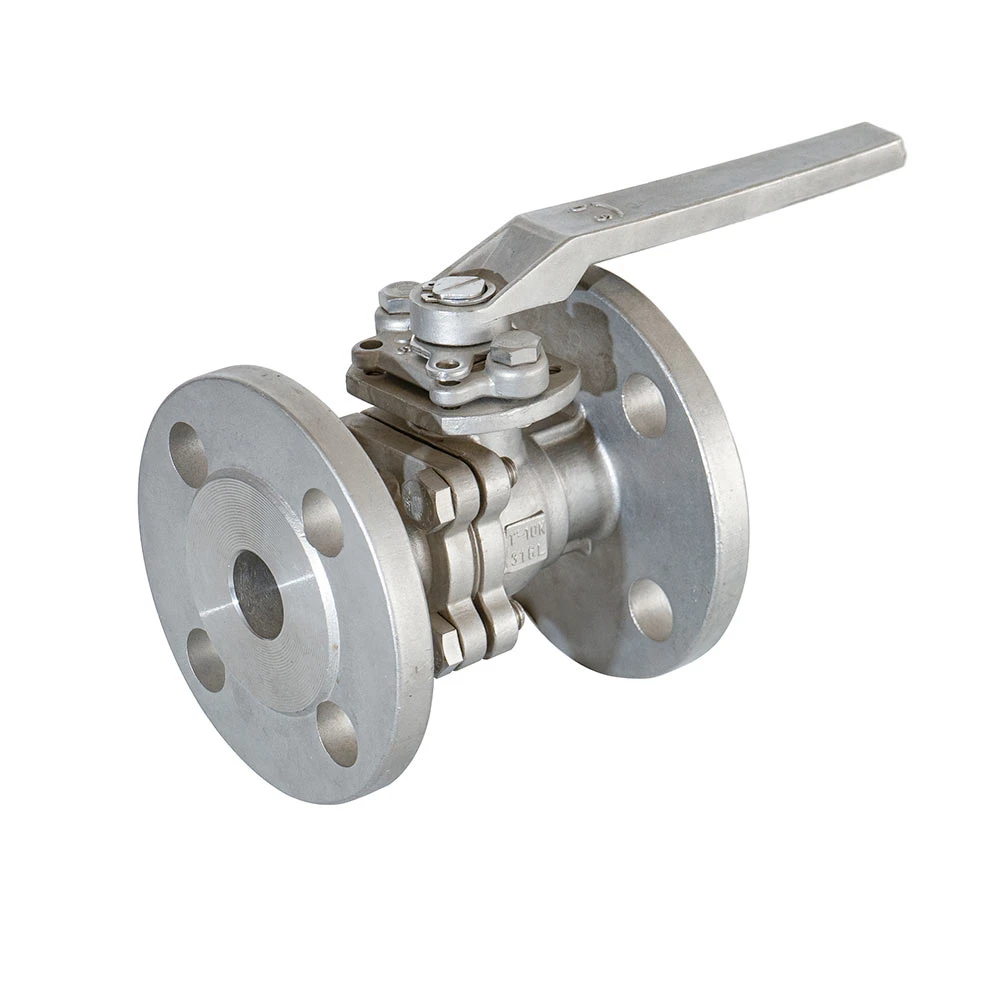
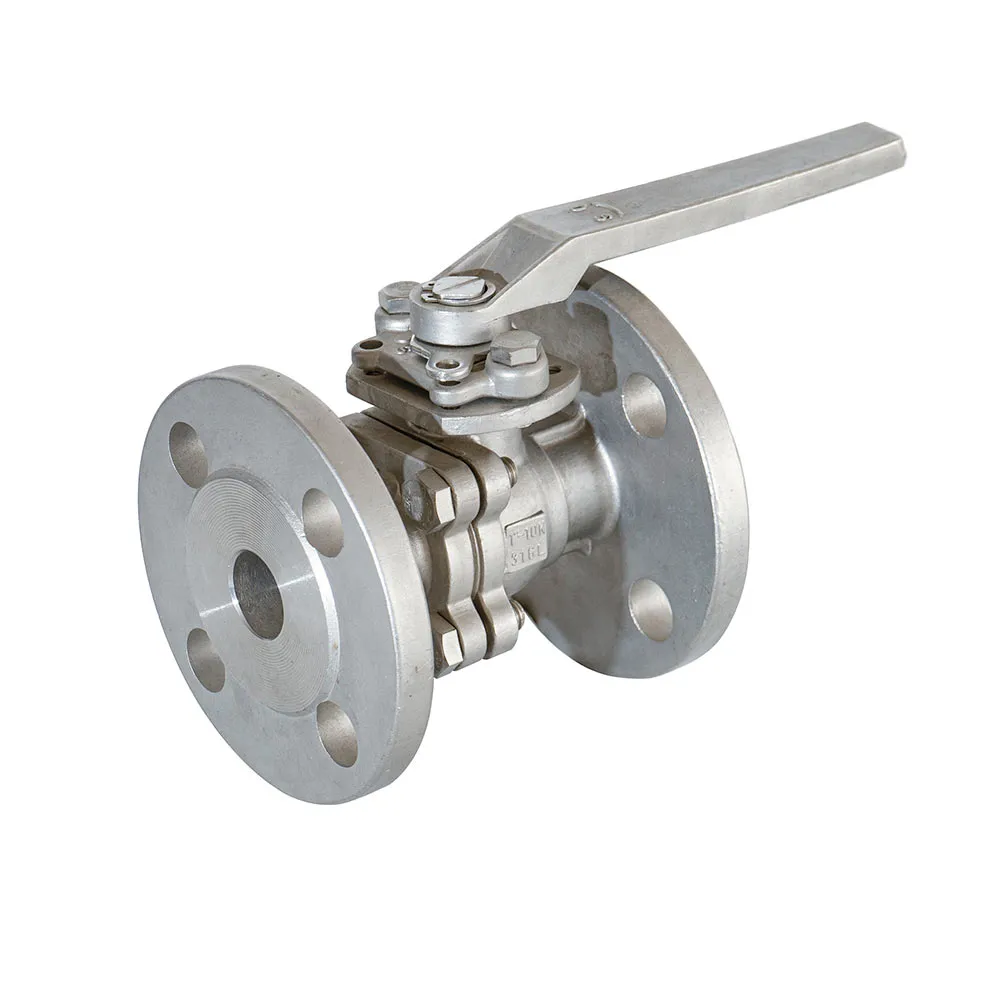
Flanged Swing Check Valves: Feature ANSI/ASME/DIN flanges for bolted connections. Ideal for high-pressure steam lines, large-diameter water mains, or applications requiring frequent disassembly. Houde’s precisely machined flanges ensure gasket integrity even under thermal cycling.
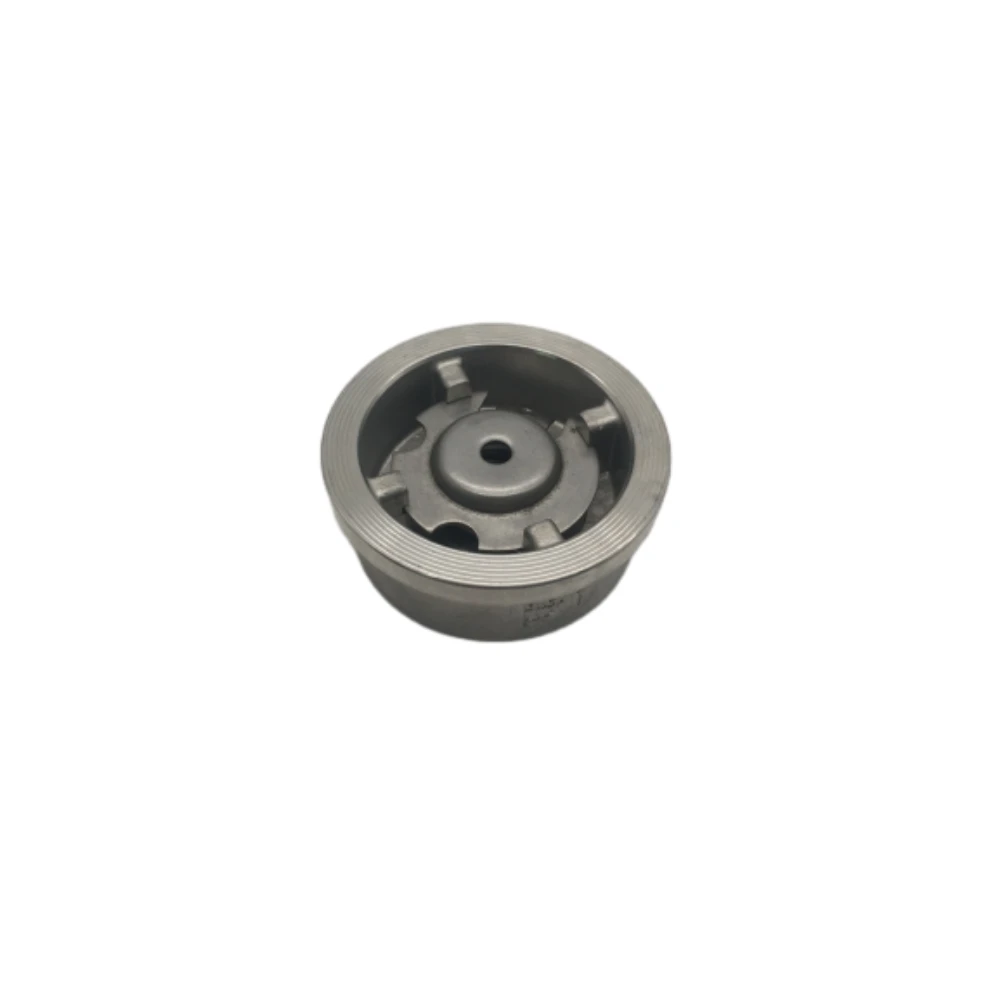
Wafer Swing Check Valves: Slim-profile valves "sandwiched" between pipeline flanges. Perfect for space-limited retrofit projects or HVAC systems. Their lightweight design reduces structural load.
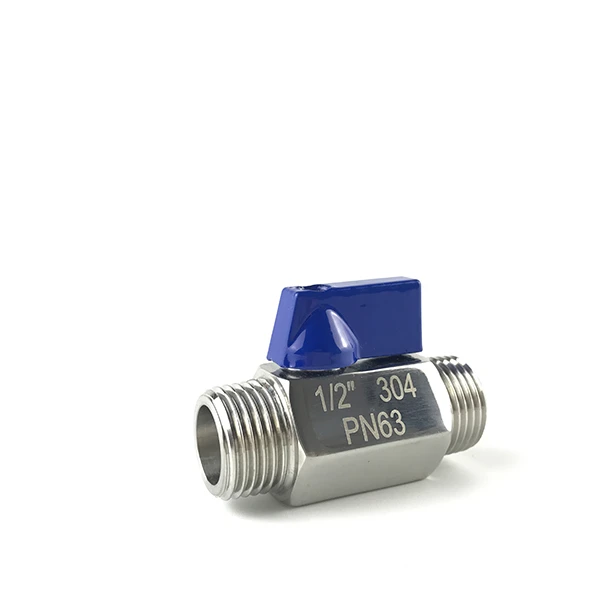
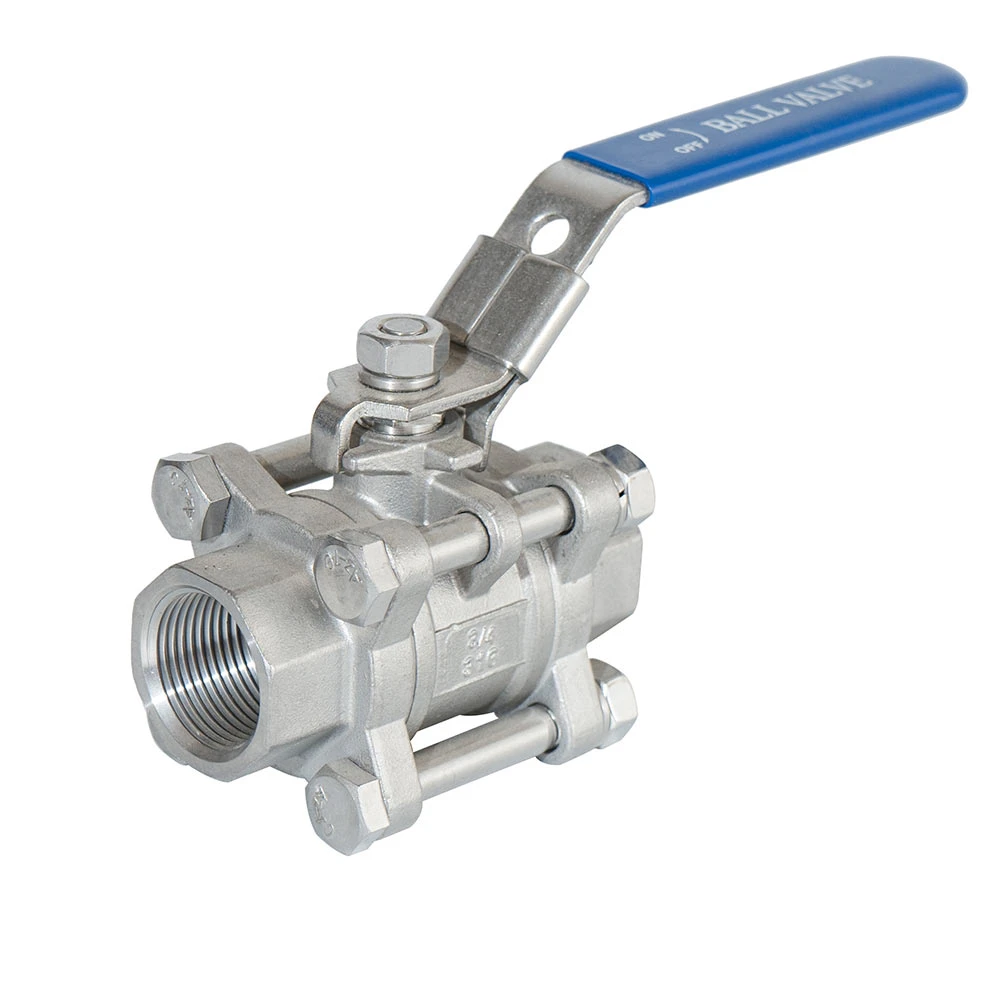
Threaded (Screwed) Swing Checks: Compact valves with NPT/BSPT threads for smaller lines (under 2"). Common in instrumentation skids, fuel dispensing, or compressed air systems.
Tilting Disc Check Valves: A subtype using a spring-assisted disc for faster closure. Crucial for preventing water hammer in rapid-cycling pumps or turbine bypass lines.
Material choice remains pivotal within these types. A wafer valve in a seawater cooling system must use 316L stainless to avoid chloride-induced failure. Similarly, flanged valves in sour gas service (H2S present) often require 316L or super duplex alloys. Understanding fluid chemistry, temperature extremes, and cyclic loads guides optimal selection among swing check valve types.
FAQs: Answering Your Critical Stainless Swing Check Valve Questions
What advantages does a stainless swing check valve offer over carbon steel?
Stainless steel provides superior corrosion resistance, essential for wet, chemical, or high-purity environments. It withstands oxidation, pitting, and stress cracking that rapidly degrade carbon steel, especially with chlorides or acids present. Stainless also maintains strength at higher temperatures, offers better hygiene for food/pharma, and delivers a dramatically longer service life—reducing total ownership costs despite a higher initial price.
How does the design prevent water hammer in swing check valves?
Water hammer occurs when a sudden valve closure creates destructive pressure waves. Quality swing check valves minimize this via: 1) A lightweight disc for rapid closure upon flow reversal, 2) A short stroke (disc travel) reducing "slam," 3) Optional spring or lever assist for critical high-velocity lines. Proper sizing (avoiding oversized valves) and orientation (vertical flow-up preferred) are also crucial.
Are there swing check valve types suitable for vertical pipelines?
Yes, but orientation matters. For upward flow, standard swing checks work well—gravity aids closure. For downward flow, a spring-loaded or dual-plate check valve is better, as gravity works against disc seating in a traditional swing design. Always consult manufacturer guidance; Houde’s technical team specifies valves based on your flow direction and velocity.
Why choose investment casting for stainless swing check valves?
Investment casting (lost-wax process) creates complex, near-net-shape valve bodies with exceptional surface finish and dimensional accuracy—critical for pressure integrity and sealing. It eliminates porosity common in sand casting, allows thinner walls without sacrificing strength, and delivers superior metallurgical consistency. Houde’s precision-cast bodies require less machining, yielding cost-efficient, high-performance valves.
How do certifications like PED and AD2000 impact swing check valve safety?
The PED (Pressure Equipment Directive 2014/68/EU) and AD2000-W0 are rigorous EU standards mandating design validation, material traceability, and manufacturing controls. Compliance—like Houde’s Module H (0036) certification—guarantees valves safely handle stated pressures/temperatures. This is non-negotiable for legal operation in Europe and signifies top-tier quality globally.
The swing check valve is more than a pipeline accessory—it’s insurance against operational disasters. Opting for a stainless swing check valve elevates this protection to its highest form, merging fail-safe mechanics with material science that defies degradation. Whether confronting seawater corrosion, high-purity mandates, or relentless cyclic duty, stainless steel delivers decades of silent, uncompromising service.
Cangzhou Houde embodies this philosophy. Their fusion of investment casting, CNC precision, and certifications like PED/AD2000 ensures every valve—from compact 1/2" threaded checks to robust 3" flanged units—meets the harshest industrial demands. In a world where downtime costs thousands per minute, the choice isn’t just about valves; it’s about resilience engineered in stainless steel.