Corrosion is the silent adversary in fluid control systems, causing catastrophic failures and costly downtime across industries. Selecting the right ball valve material isn’t just a technical detail—it’s a strategic decision impacting safety, longevity, and operational efficiency. At Cangzhou Houde Stainless Steel Products Co., Ltd., we combine 14 years of metallurgical expertise with cutting-edge silicon sol lost wax casting to engineer valves that defy degradation in aggressive environments. This guide demystifies material science for different types of ball valves, empowering engineers to make corrosion-resistant choices that endure.
Understanding Different Types of Ball Valves and Their Applications
Ball valves dominate fluid control due to their reliability, tight sealing, and versatility. Understanding their structural variations is crucial for corrosion management:
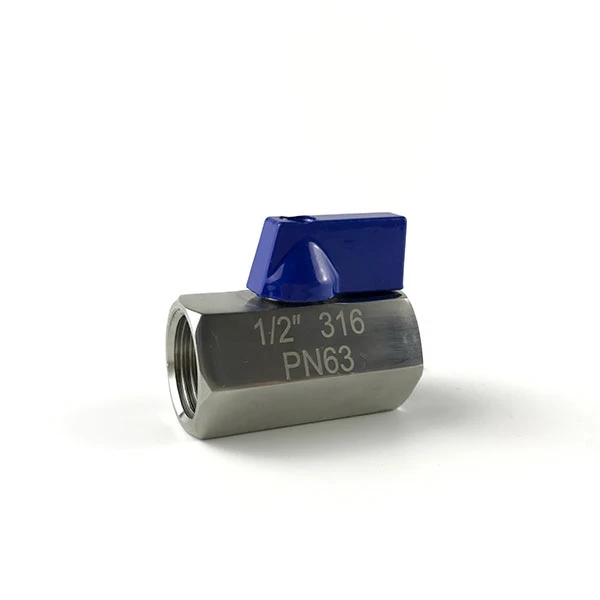
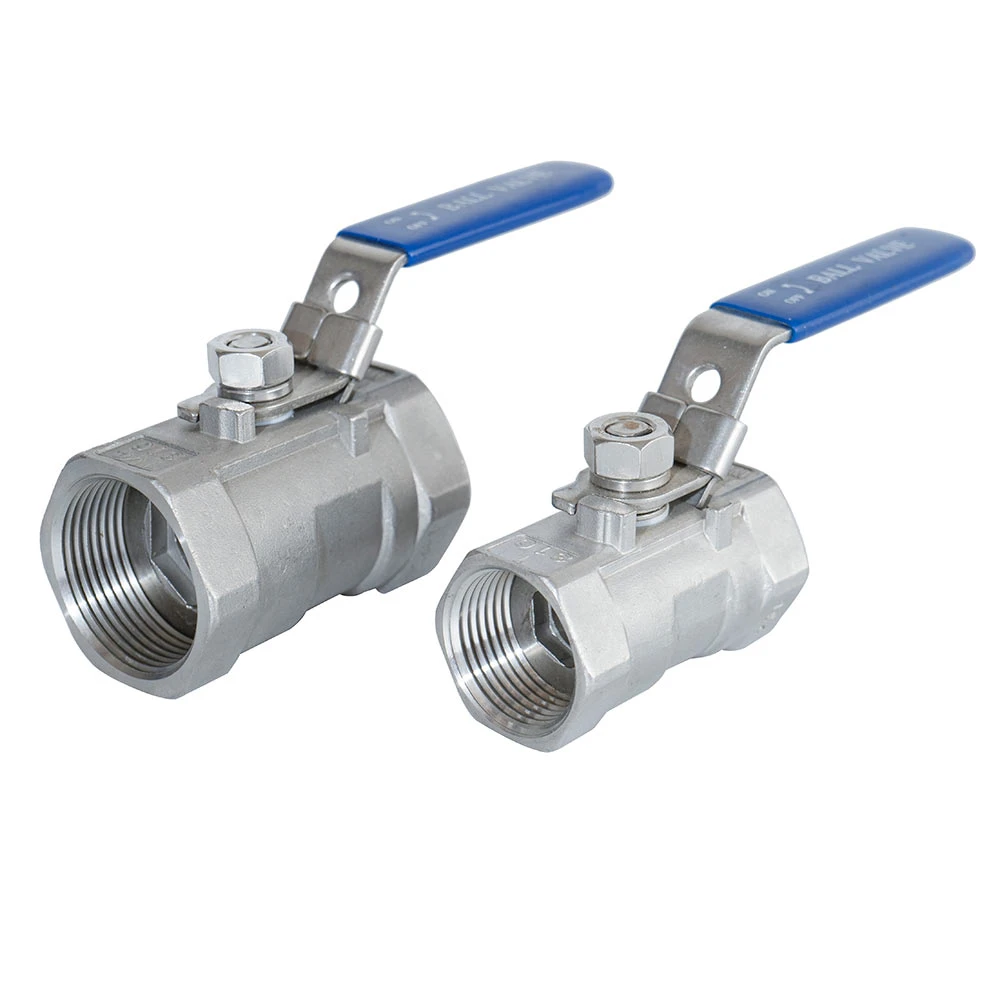
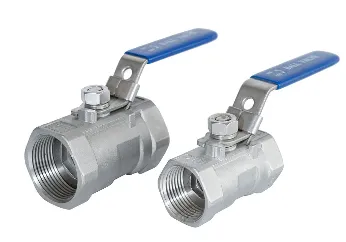
One-Piece Ball Valves: Ideal for moderate-pressure applications, these compact, leak-resistant valves feature a single-body construction. Houde’s investment-cast 316L stainless steel versions excel in chemical processing where crevice corrosion is a risk.
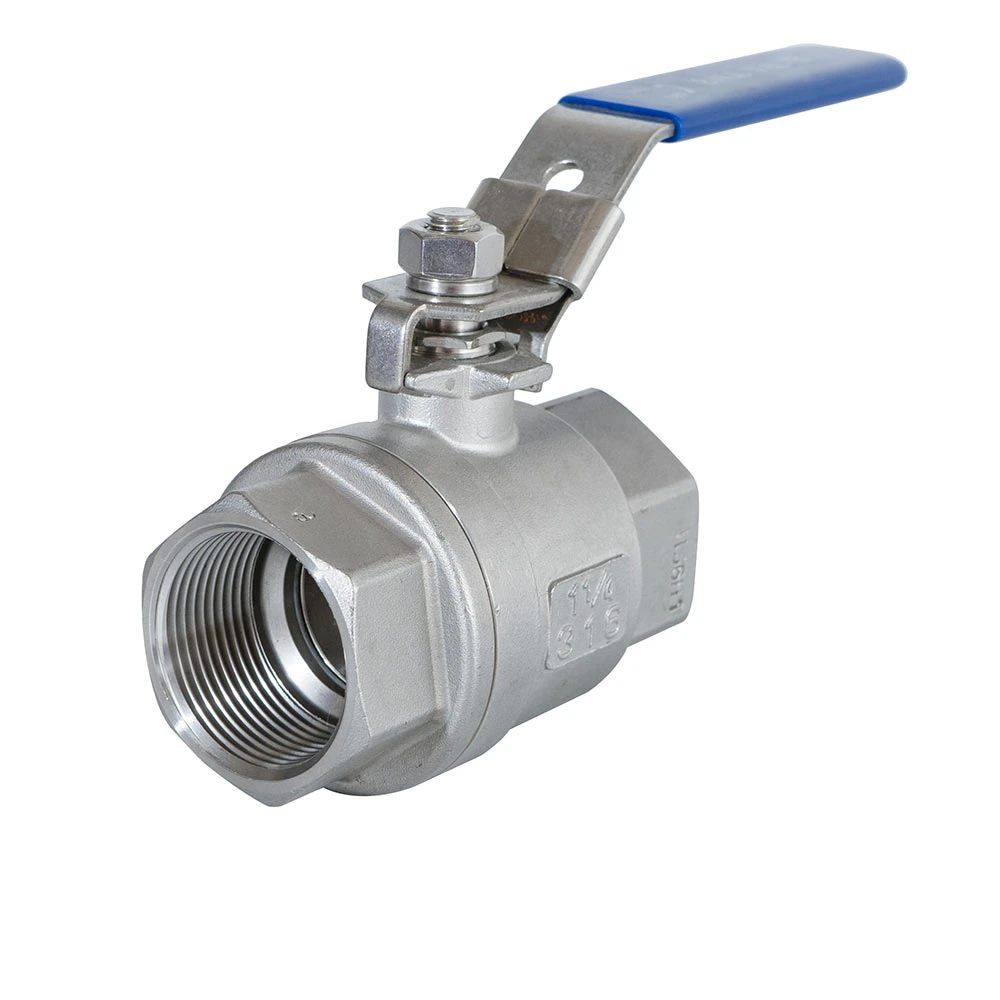
Two-Piece Ball Valves: With a separable body and end connector, these allow maintenance without pipeline disassembly. Our CNC-machined 304 variants serve food processing plants, resisting acidic sanitizers.
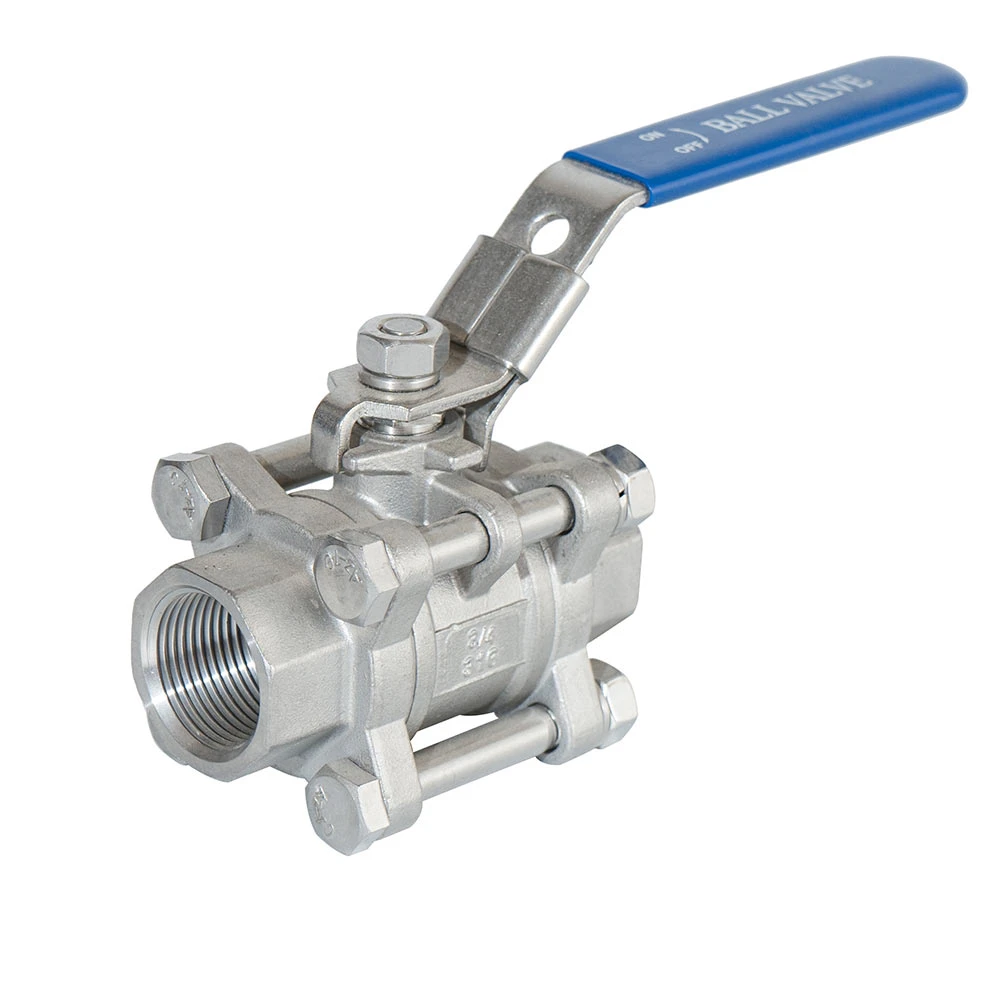
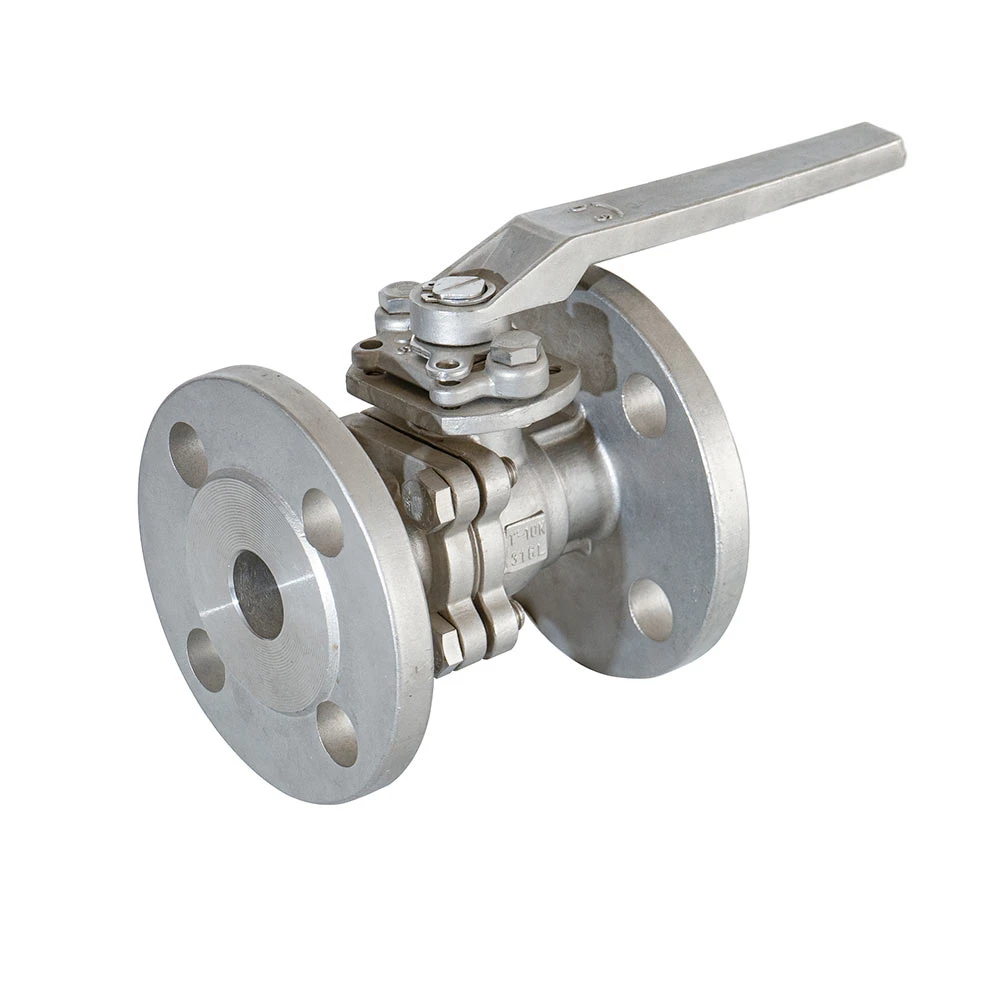
Three-Piece Ball Valves: Designed for high-pressure systems, the modular body enables easy stem/seat replacement. Houde’s WCB carbon steel models with epoxy coatings handle petroleum sluices where abrasion meets chemical exposure.
Top-Entry & Fully Welded Ball Valves: Used in subsea or nuclear contexts, these prevent fugitive emissions. Houde employs argon-arc welding on super duplex stems for chloride-rich offshore environments.
Corrosion vulnerability varies by design: One-piece valves minimize failure points but limit inspectability; three-piece valves offer repairability but introduce more sealing surfaces. Material compatibility with media (e.g., chlorides, H₂S, ammonia) dictates valve longevity more than design alone.
Key Factors When Choosing Ball Valves for Sale
Selecting corrosion-resistant ボールバルブ販売 requires evaluating operational parameters beyond price. Critical factors include:
Material Chemistry:
*304/304L Stainless Steel*: Resists organic acids and nitric acid. Vulnerable to chlorides.
*316/316L Stainless Steel*: Molybdenum addition defends against sulfides and seawater. Houde’s 316L valves pass ASTM G48 pitting tests at 25°C.
Super Duplex UNS S32750: For hypochlorite or sulfuric acid exposure, with PREN >40.
Alloy 20: Combats hot sulfuric acid in pharmaceutical industries.
Mechanical & Environmental Stress:
Cyclic thermal loading accelerates stress-corrosion cracking (SCC). Houde’s blow-out proof stems and hardened seats in ball valves mitigate this via uniform stress distribution.
Certifications & Testing:
Valves lacking PED or AD2000-W0 approvals risk compliance failures. Houde subjects every lot to:
Helium leak tests (EN 12266-1)
Hardness validation (HRC 22 max for NACE MR0175)
Spectrographic alloy verification
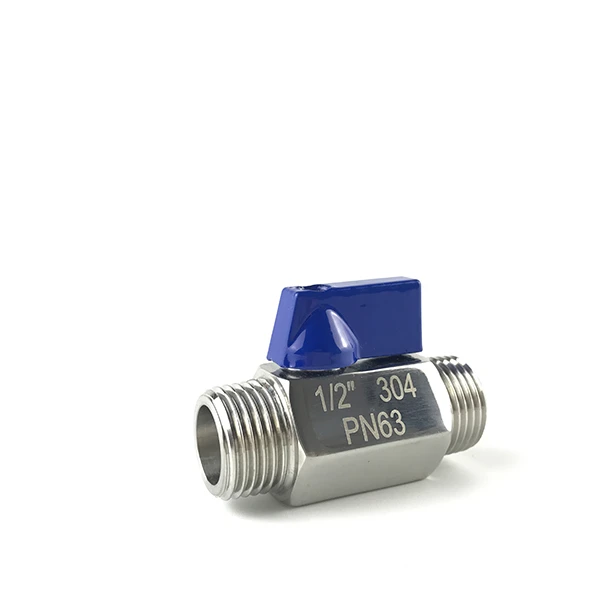
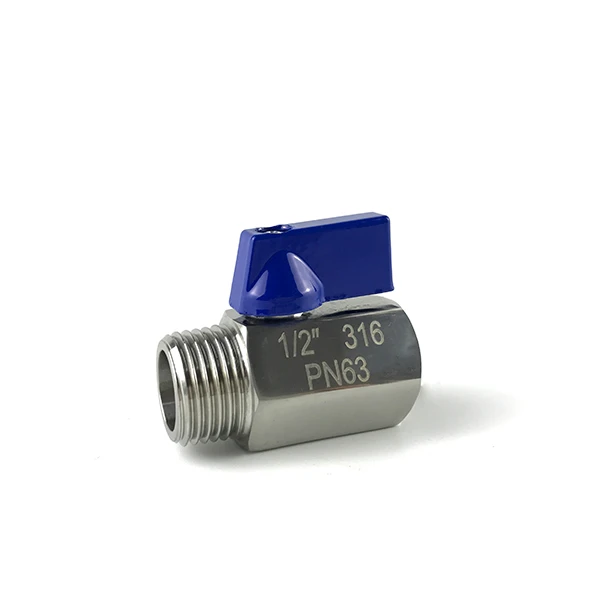
Featured Product: Houde One-Piece Ball Valve
|
Parameter |
Specification |
|
Size Range |
1/4" – 4" |
|
Pressure Rating |
1000 PSI / PN63 (Tested to API 598) |
|
Body Material |
316/316L SS (Investment Casting, ARL Spectrograph Verified) |
|
Stem |
316 SS Blow-out Proof Design |
|
Port |
Full Port (Reduced Pressure Drop) |
|
End Connections |
Threaded (NPT, BSPP, BSPT), Socket Weld |
|
Standards |
PED 2014/68/EU (0036), AD2000-W0, ISO 5211 Actuator Mounting |
|
Testing |
100% Shell Test, 100% Air Seat Test (EN 12266 A Grade) |
Note: Custom cladding (Hastelloy C276, Inconel 625) available for HCl or caustic soda service.
Material Science Behind Ball Valve Corrosion Resistance
Corrosion manifests uniquely across materials. Here’s how Houde’s metallurgical strategy counters degradation modes:
Pitting & Crevice Corrosion
Chloride ions penetrate passive oxide layers. Solution: Houde’s 316L valves leverage 2.1% molybdenum content, raising Critical Pitting Temperature (CPT) to 35°C in 3.5% NaCl. Electropolishing minimizes surface micro-crevices.
Galvanic Corrosion
Dissimilar metal contact creates destructive potential differences. Mitigation: Isolating SS balls from brass actuators using PTFE spacers. Houde’s threaded ends include dielectric unions for mixed-material pipelines.
SCC in Sulfide Environments
H₂S in oil/gas induces hydrogen embrittlement. Countermeasures:
Annealing at 1050°C followed by rapid quenching suppresses carbide precipitation.
NACE-compliant hardness control via CNC-turned stems.
Erosion-Corrosion
High-velocity slurries abrade protective films. Houde’s response:
Tungsten-carbide-coated balls for mining slurries.
Ra ≤0.8 μm mirror finishes via abrasive flow machining.
Our Swiss ARL spectrograph ensures raw material chemistry deviations ≤0.03%, while salt-spray tests (ASTM B117) validate 1,200+ hours of white rust resistance.
FAQs About Ball Valves
What advantages do different types of ball valves offer?
Different types of ball valves cater to unique operational demands. One-piece valves provide exceptional leak integrity with fewer joints—ideal for hazardous media. Two-piece designs balance cost and maintainability for water treatment plants. Three-piece valves enable component replacement without pipe disassembly, slashing downtime in refinery turnarounds. Fully welded valves eliminate gasket failures in LNG cryogenic service. Houde’s precision-cast bodies ensure dimensional consistency across all types, guaranteeing drop-in replacements and interchangeability per ASME B16.10.
Why choose your ball valves for sale over competitors?
Houde ボールバルブ販売 integrate aerospace-grade manufacturing with industrial robustness. Unlike generic imports, each valve undergoes: 1) 100% radiographic casting inspection, 2) CNC profile grinding for ball-sphere accuracy (≤5μm deviation), and 3) dual-pressure testing. Our PED and AD2000-W0 certifications validate design integrity, while 316L stems resist blowout even at 1000 PSI surges. With in-house mold design to surface treatment, we control quality vertically, ensuring 10+ year service life in chemical duty.
How does material selection impact ball valve longevity?
Material dictates a ball valve’s corrosion survival. For example: 304SS fails in seawater within months due to pitting, while 316L lasts decades. Houde’s metallurgists match alloys to threats—Alloy 20 for sulfuric acid, super duplex for hypochlorite. Our investment casting prevents slag inclusions that initiate corrosion, while solution annealing restores chromium oxide layers post-machining. Result: Valves that outlast cheaper alternatives 3:1 in pulp/paper bleach plants.
Can your ball valves handle extreme temperatures?
Absolutely. Standard ball valve seals suit -20°C to 200°C. For cryogenics (-196°C), we use graphite-reinforced PTFE seats; for 550°C steam, metal-seated valves with Stellite 6 balls. Houde’s thermal cycling tests simulate 5,000+ transitions without seal degradation. Critical applications like solar salt molten storage (565°C) leverage special heat-treated 316H bodies with extended bonnets.
Are custom ball valves available for unique media?
Yes. Houde’s R&D team engineers valves for phosphoric acid, hydrogen peroxide, or abrasive slurries. Options include:
Electroless nickel plating for caustic soda resistance
Hollow balls for viscous polymers
Fire-safe designs per API 607 (30-minute burn test)
We replicate client piping conditions in our lab using autoclaves and corrosion coupons to pre-qualify materials.
Corrosion isn’t inevitable—it’s manageable through intelligent material selection and precision engineering. Cangzhou Houde’s fusion of lost-wax casting expertise, rigorous testing protocols, and corrosion-centric design produces ball valves that thrive where others decay. Whether specifying valves for acetic acid distillation or offshore brine injection, remember: The true cost of a valve is measured not in purchase price, but in years of uninterrupted service.