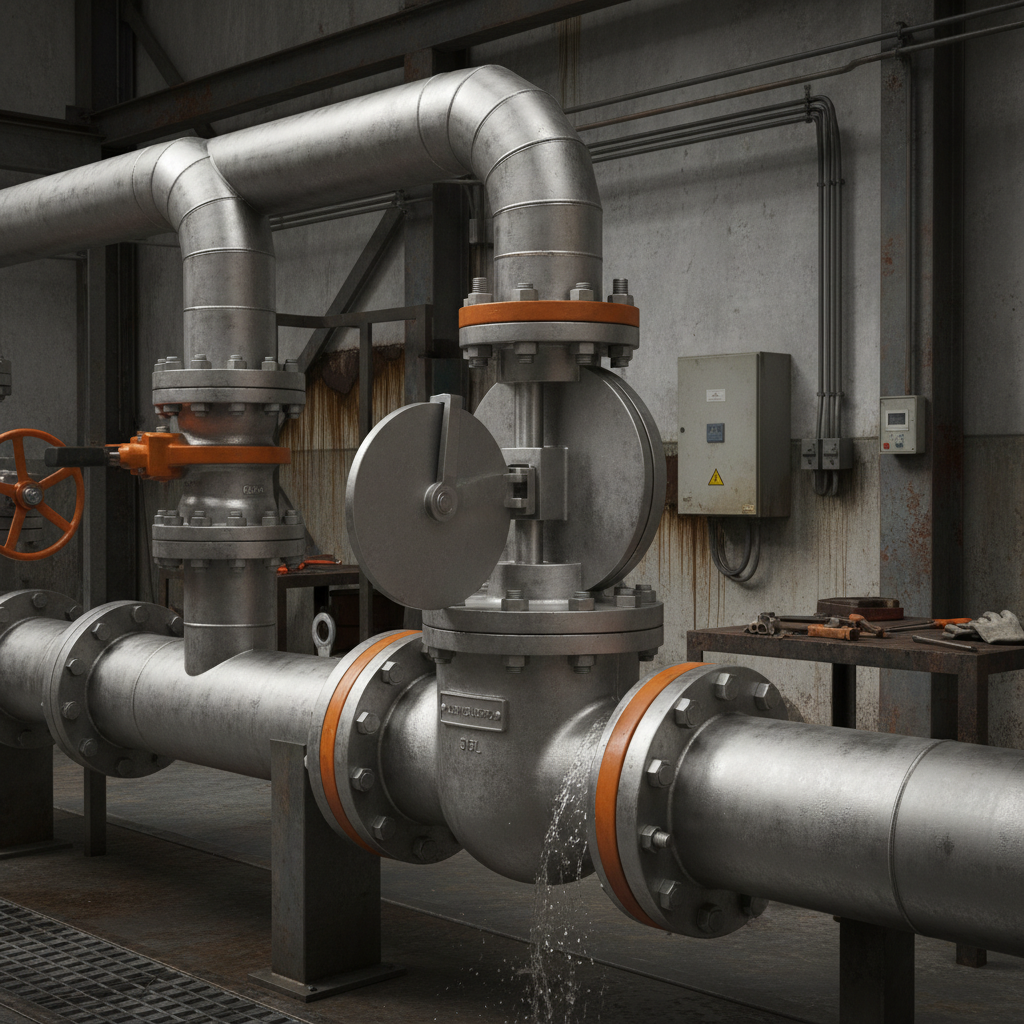
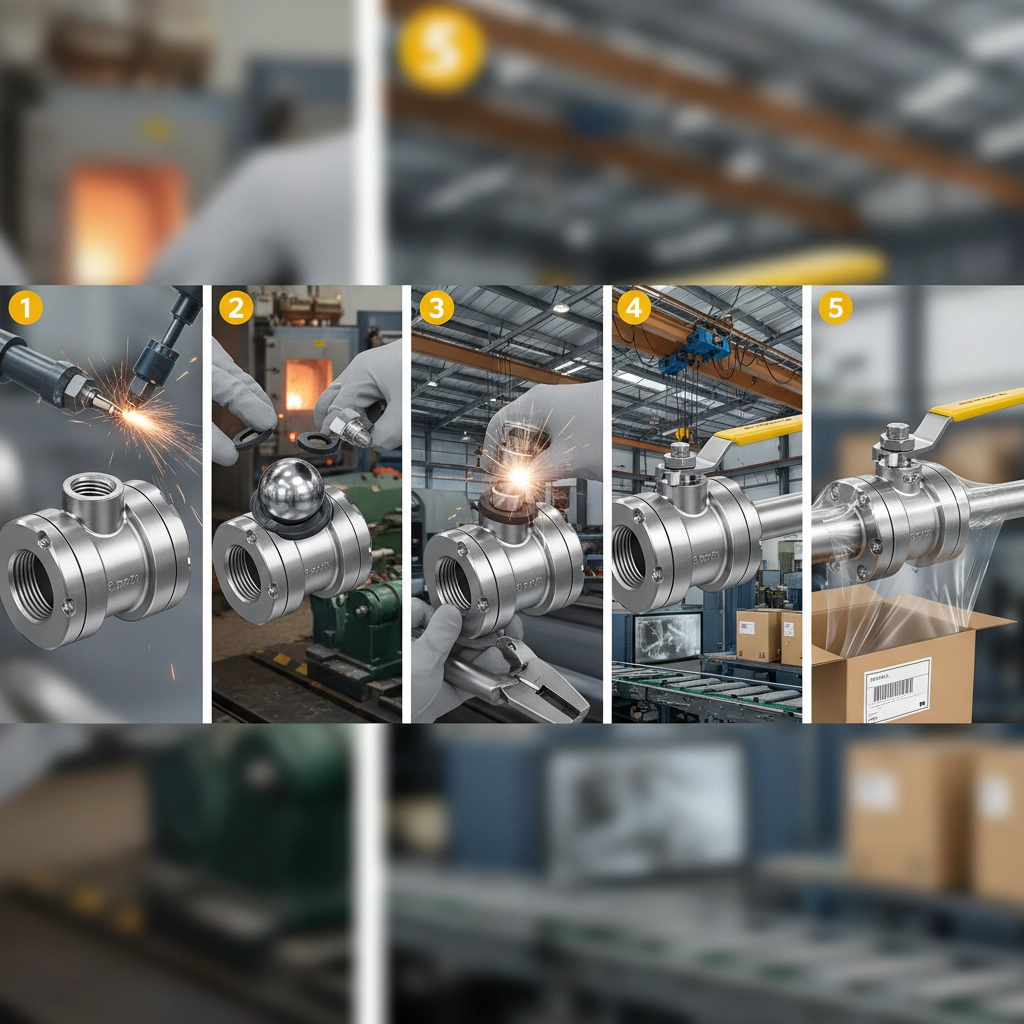
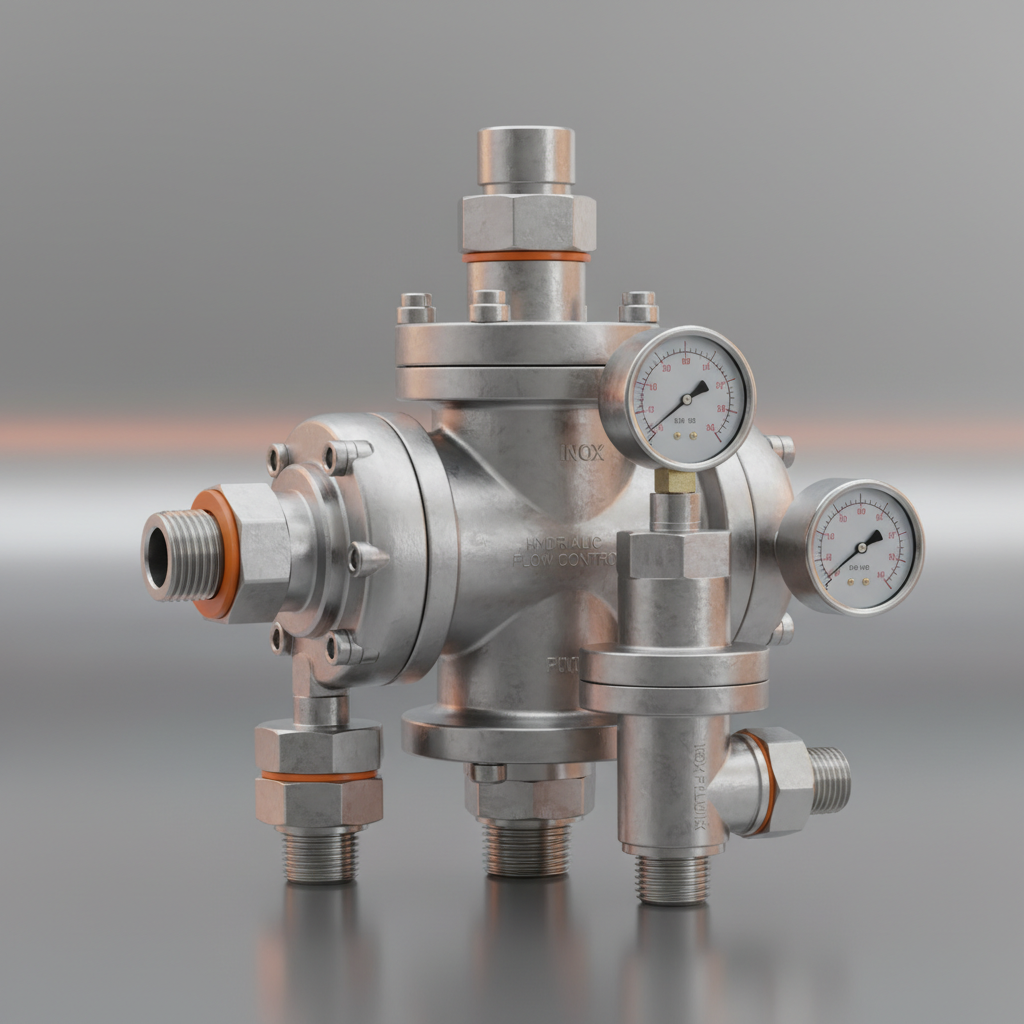
Stainless steel flap valves are critical components in a wide range of industrial and commercial applications, renowned for their durability and reliable backflow prevention. Their ability to handle diverse fluids and withstand harsh environments makes them indispensable in sectors like wastewater treatment, chemical processing, and marine engineering. Understanding their design, materials, and applications is vital for engineers, facility managers, and anyone involved in fluid handling systems. The increasing demand for efficient and long-lasting valve solutions is driving innovation in stainless steel flap valve technology.
Globally, the need for effective fluid control is escalating due to factors like population growth, industrial expansion, and stricter environmental regulations. Stainless steel flap valves play a pivotal role in ensuring compliance with these regulations by preventing contamination and protecting infrastructure. Their relatively low maintenance requirements and long service life contribute to reduced operational costs, making them a financially sound investment for businesses and municipalities alike. The consistent performance of these valves directly impacts the efficiency and safety of crucial processes across various industries.
The widespread adoption of stainless steel flap valves reflects a growing emphasis on robust and dependable infrastructure. These valves offer a cost-effective solution for maintaining system integrity and minimizing downtime. From preventing reverse flow in sewage systems to safeguarding sensitive equipment in manufacturing plants, their functionality underpins many essential operations. Recognizing the significance of these valves enables informed decision-making regarding fluid handling infrastructure and sustainable operational practices.
Introduction to Stainless Steel Flap Valves
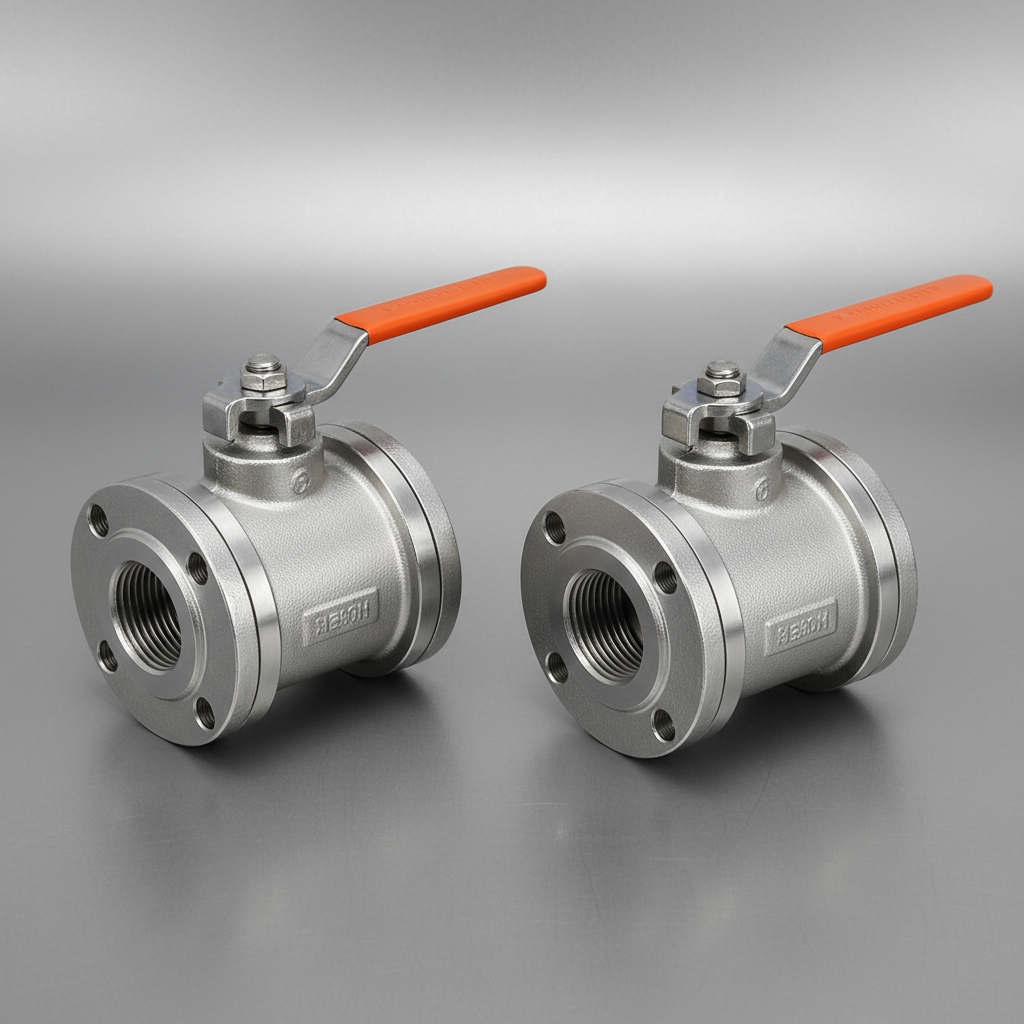
Stainless steel flap valves are check valves designed to allow flow in one direction while preventing backflow. Their simple yet effective design relies on a hinged disc (the “flap”) that opens with forward flow and automatically closes to seal against reverse flow. The use of stainless steel in their construction ensures corrosion resistance, durability, and suitability for handling a wide range of fluids. stainless steel flap valve are a common choice in many industries.
These valves are valued for their minimal pressure drop, quick response time, and lack of moving parts requiring frequent maintenance. This makes them a reliable and cost-effective solution for critical fluid handling applications. The robust nature of stainless steel extends the valve's operational lifespan, reducing replacement costs and downtime for end-users.
Global Relevance and Industry Context
The global market for industrial valves, including stainless steel flap valves, is significant and continues to grow. According to a report by Grand View Research, the global industrial valves market size was valued at USD 78.76 billion in 2022 and is expected to expand at a compound annual growth rate (CAGR) of 5.4% from 2023 to 2030. This growth is driven by increasing industrialization, particularly in emerging economies, and the need for efficient fluid management systems.
A major challenge addressed by stainless steel flap valves is the prevention of water hammer and system damage caused by backflow. In wastewater treatment plants, for example, preventing the reverse flow of sewage is crucial for protecting pumps, pipelines, and the environment. Similarly, in marine applications, these valves prevent seawater from re-entering freshwater systems, safeguarding the integrity of onboard processes. ISO standards increasingly emphasize the importance of backflow prevention mechanisms in industrial and municipal infrastructure.
The demand for stainless steel flap valves is particularly high in industries dealing with corrosive or abrasive fluids. Chemical processing plants, power generation facilities, and mining operations all rely on these valves to ensure safe and reliable operation. Moreover, the increasing focus on environmental sustainability is driving demand for valves that minimize leaks and contribute to responsible fluid handling practices.
Defining Stainless Steel Flap Valves
A stainless steel flap valve, at its core, is a type of check valve that utilizes a hinged disc – the flap – to control fluid flow. Its primary function is to permit unidirectional flow while automatically preventing backflow, protecting systems from contamination and damage. The “stainless steel” component refers to the material of construction, offering exceptional corrosion resistance and durability in diverse applications.
The connection between stainless steel flap valves and modern industry is undeniable. These valves are fundamental in ensuring the smooth and efficient operation of countless industrial processes, from chemical manufacturing to wastewater treatment. Without reliable backflow prevention, systems would be vulnerable to costly failures, environmental contamination, and safety hazards.
These valves also have relevance to humanitarian needs. In disaster relief efforts, providing access to clean water is paramount. Stainless steel flap valves can be used in water purification and distribution systems to prevent contamination and ensure the delivery of safe drinking water to affected populations. Their durability and low maintenance requirements make them especially suitable for deployment in challenging environments.
Key Factors & Core Components
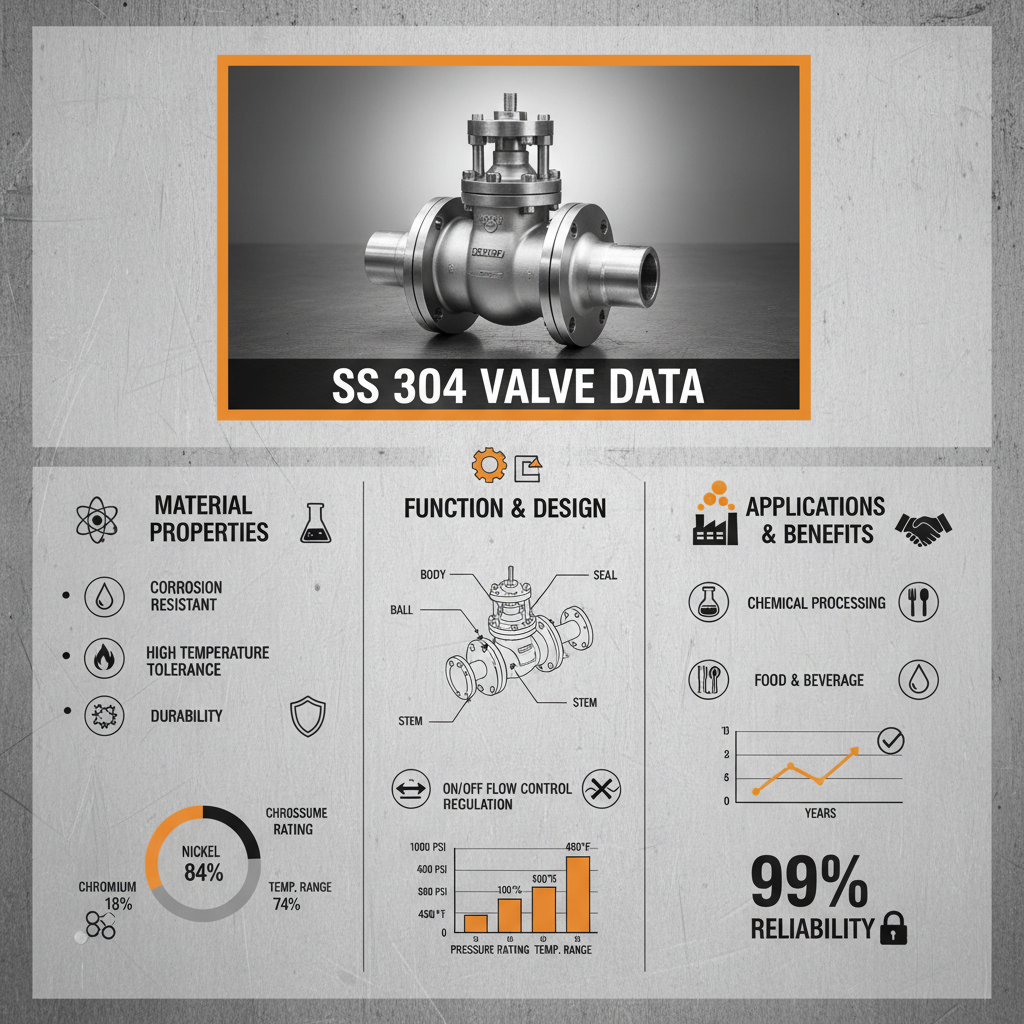
Durability: Stainless steel’s inherent resistance to corrosion, erosion, and wear ensures a long service life, even in harsh environments. This minimizes the need for frequent replacements, reducing lifecycle costs. The robust construction of the valve body and flap contribute to its ability to withstand high pressures and temperatures. stainless steel flap valve are known for their reliability.
Fluid Compatibility: Stainless steel is compatible with a wide range of fluids, including water, chemicals, oils, and gases. This versatility makes these valves suitable for diverse applications. Different grades of stainless steel are available to optimize performance with specific fluids.
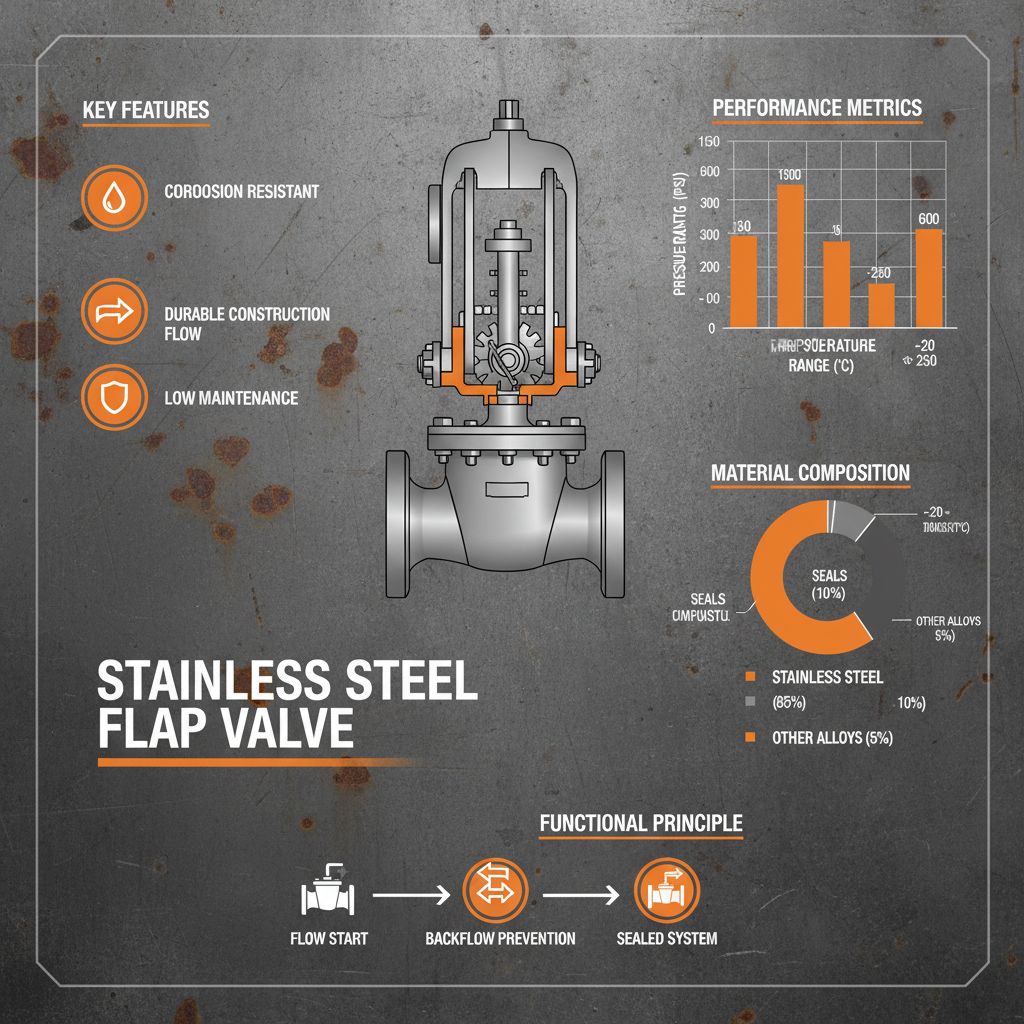
Stainless Steel Flap Valve Performance Metrics
Global Applications & Use Cases
Stainless steel flap valves are extensively used in wastewater treatment plants worldwide to prevent backflow in sewage systems, safeguarding pumps and pipelines. They are also crucial in the marine industry, protecting freshwater systems on ships and offshore platforms from saltwater contamination. In post-disaster relief operations, these valves are deployed in mobile water purification units to ensure the delivery of safe drinking water to affected communities.
Within the chemical processing industry, these valves handle a wide range of corrosive fluids, preventing contamination and ensuring the integrity of chemical processes. Power generation facilities rely on them to protect cooling water systems from reverse flow. In remote industrial zones, where maintenance access is limited, their reliability and long service life are particularly valued.
Further applications can be found in the food and beverage industry, where hygienic fluid handling is paramount. These valves are designed to meet stringent sanitary standards, ensuring product safety and quality. Their resistance to corrosion from cleaning agents and food products makes them a preferred choice in these applications.
Advantages & Long-Term Value
The cost-effectiveness of stainless steel flap valves extends beyond their initial purchase price. Their durability and minimal maintenance requirements translate to lower lifecycle costs compared to valves made from less robust materials. The reduced risk of failure and downtime improves operational efficiency and profitability. stainless steel flap valve provide excellent ROI.
From a sustainability perspective, the long service life of these valves reduces the need for frequent replacements, minimizing waste and environmental impact. Their reliable backflow prevention capabilities protect water resources and prevent contamination, contributing to a healthier environment. The use of stainless steel, a recyclable material, further enhances their sustainability profile.
Future Trends & Innovations
Emerging trends in valve technology are focused on incorporating smart features and enhancing monitoring capabilities. Integrating sensors and IoT connectivity into stainless steel flap valves enables real-time monitoring of performance, detection of potential issues, and predictive maintenance. This proactive approach minimizes downtime and optimizes operational efficiency.
New materials and coatings are being developed to further enhance corrosion resistance and extend the service life of these valves. Research is also focused on optimizing valve designs to minimize pressure drop and improve flow efficiency. Automation and digital transformation are playing an increasingly important role in valve management, enabling remote control and monitoring of fluid handling systems.
Challenges & Solutions
One common challenge is the potential for debris buildup on the flap, which can impede its movement and affect valve performance. Regular inspection and cleaning are essential to prevent this issue. Self-cleaning designs, incorporating features that dislodge debris, are also available.
Another challenge is selecting the appropriate grade of stainless steel for a specific application. Factors such as the fluid's chemical composition, temperature, and pressure must be considered. Consulting with valve experts and conducting thorough material compatibility testing are crucial. Proper installation and maintenance are also essential to ensure long-term reliability.
Addressing these challenges requires a proactive approach to valve management, including regular inspections, preventative maintenance, and the implementation of advanced monitoring technologies. By embracing these solutions, end-users can maximize the performance and longevity of their stainless steel flap valves.
Summary of Common Stainless Steel Flap Valve Issues and Solutions
| Issue |
Severity (1-10) |
Common Cause |
Proposed Solution |
| Debris Buildup |
6 |
Contaminated Fluid |
Regular Inspection & Cleaning |
| Corrosion |
7 |
Incompatible Fluid |
Correct Stainless Steel Grade |
| Leakage |
8 |
Worn Seal |
Seal Replacement |
| Flap Sticking |
5 |
Lack of Lubrication |
Periodic Lubrication |
| Incorrect Installation |
9 |
Improper Support |
Professional Installation |
| High Pressure |
4 |
System Surge |
Pressure Relief Valve |
FAQS
Stainless steel offers superior corrosion resistance, durability, and a long service life compared to other materials like cast iron or plastic. This translates to lower lifecycle costs and reduced maintenance requirements. Its compatibility with a wide range of fluids makes it a versatile choice for various applications. Its hygienic properties are crucial in food & beverage applications.
Regular inspections are recommended, ideally at least annually, or more frequently in harsh environments or critical applications. Inspections should focus on checking for signs of corrosion, debris buildup, and seal wear. Maintenance may include cleaning, lubrication, and seal replacement. A preventative maintenance schedule is always best practice.
Fluid compatibility is the primary factor. The chemical composition, temperature, and pressure of the fluid must be considered. Different grades of stainless steel (e.g., 304, 316) offer varying levels of corrosion resistance. Consulting with a valve specialist is recommended to ensure the correct grade is selected for the specific application.
Yes, but the appropriate grade of stainless steel must be selected. Certain grades are specifically designed for high-temperature service. Factors like thermal expansion and stress should also be considered. It’s important to check the valve’s temperature rating to ensure it’s suitable for the intended application.
Proper alignment and support are crucial. The valve should be installed in the correct orientation to ensure proper operation. Avoid excessive stress on the valve body during installation. Ensure the connecting piping is properly sized and supported. Following the manufacturer’s instructions is essential for optimal performance.
The design of the flap and the valve body significantly influence pressure drop. Streamlined designs with minimal obstructions reduce pressure loss. Larger valve sizes generally result in lower pressure drops. The angle of the flap and the smoothness of the flow path also play a role. Selecting a valve optimized for low pressure drop is important in applications where energy efficiency is a priority.
Conclusion
Stainless steel flap valves are essential components in numerous industrial and municipal applications, providing reliable backflow prevention and long-term durability. Their corrosion resistance, low maintenance requirements, and compatibility with a wide range of fluids make them a cost-effective and sustainable solution for fluid handling systems. Understanding their key features, applications, and future trends is crucial for engineers, facility managers, and anyone involved in fluid control.
Looking ahead, the integration of smart technologies and the development of new materials will further enhance the performance and efficiency of stainless steel flap valves. By embracing proactive maintenance practices and staying abreast of emerging innovations, end-users can maximize the value of these valves and ensure the reliable operation of their fluid handling systems. For expert advice and a comprehensive range of high-quality stainless steel flap valves, visit our website: www.houdevalve.com.