The ss 304 valve is a critical component in a vast array of industrial processes and applications, ensuring the safe and efficient flow of fluids and gases. Its widespread adoption stems from a unique combination of properties, including corrosion resistance, durability, and hygienic characteristics. Understanding the intricacies of ss 304 valves is paramount for engineers, plant managers, and anyone involved in fluid handling systems, as it directly impacts operational safety, longevity of equipment, and overall process efficiency.
Globally, the demand for ss 304 valves continues to rise, driven by expanding infrastructure projects, stringent safety regulations, and the growth of industries like pharmaceuticals, food & beverage, and chemical processing. The International Organization for Standardization (ISO) sets high standards for valve materials and performance, further bolstering the demand for high-quality ss 304 valve products. This increasing demand presents both opportunities and challenges for manufacturers and suppliers, requiring a commitment to innovation and quality control.
Addressing the need for reliable fluid control in harsh environments, the ss 304 valve offers a solution that minimizes downtime, reduces maintenance costs, and protects against contamination. This makes it an indispensable element in modern industrial operations and critical infrastructure, playing a vital role in global supply chains and economic growth.
Defining the Role of ss 304 Valve
An ss 304 valve is a valve constructed primarily from stainless steel grade 304. It's designed to control the flow of liquids or gases within a piping system. The 304 stainless steel alloy offers excellent corrosion resistance, making these valves suitable for a wide range of applications, particularly those involving aggressive or corrosive fluids. The valve’s function is to regulate, direct or stop the passage of these fluids, providing a critical control point in any fluid handling process.
The importance of an ss 304 valve extends beyond simple fluid control. Its inherent hygienic properties make it indispensable in industries like food processing, pharmaceuticals, and biotechnology, where maintaining purity and preventing contamination are paramount. It's a fundamental component in safeguarding product quality and ensuring compliance with stringent regulatory standards, ultimately impacting public health and safety.
Global Significance and Industry Context
The global ss 304 valve market is experiencing consistent growth, estimated at around $X billion in 2023 with projections reaching $Y billion by 2030 (source: Market Research Future). This expansion is driven by significant infrastructure investments in emerging economies, particularly in Asia-Pacific, and the rising demand for hygienic and corrosion-resistant solutions in developed nations. The construction of new power plants, water treatment facilities, and chemical processing plants all contribute to the increased need for reliable and durable valves.
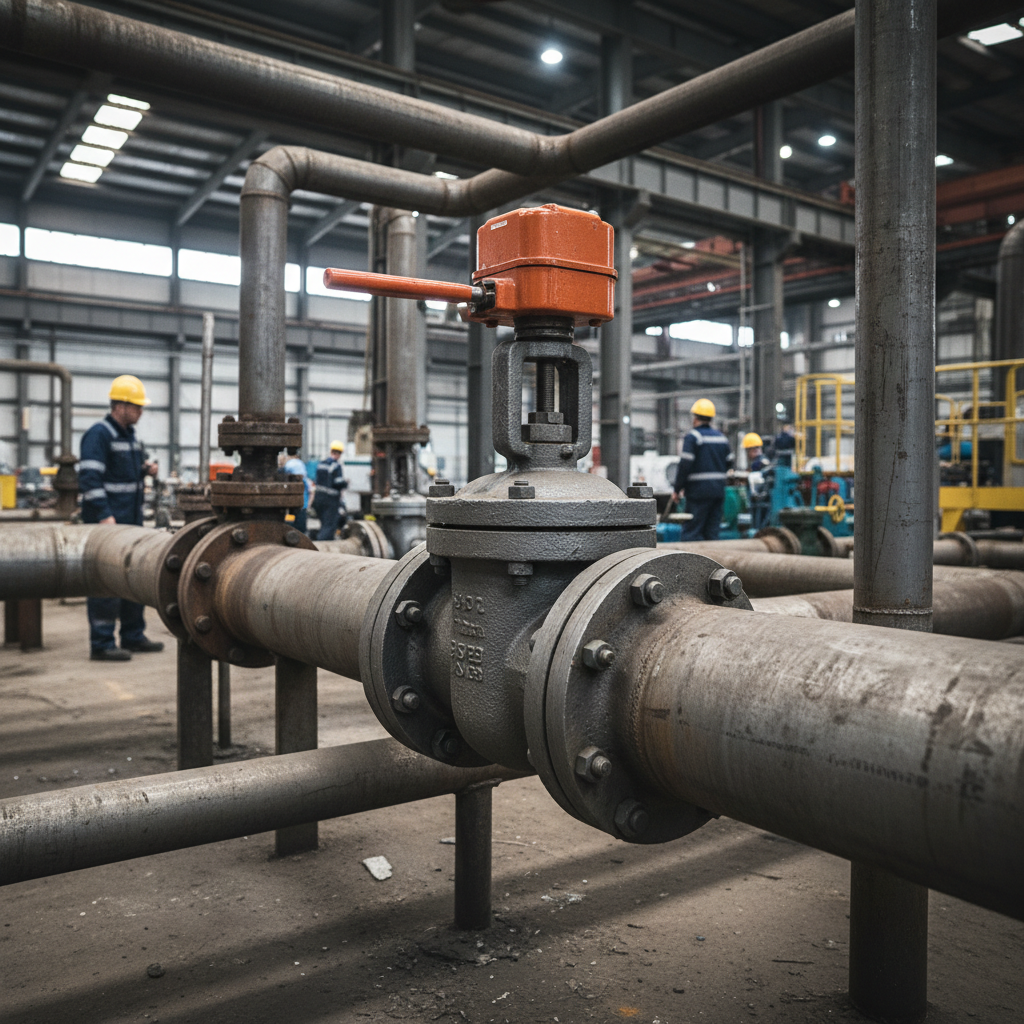
Industries heavily reliant on ss 304 valves include oil and gas, chemical processing, pharmaceutical manufacturing, food and beverage production, and water treatment. Within these sectors, applications range from critical process control to safety shut-off mechanisms. The increasing complexity of modern industrial processes necessitates valves capable of handling high pressures, extreme temperatures, and corrosive substances – demands that ss 304 valves are well-equipped to meet.
A significant challenge lies in maintaining consistent quality and supply chain resilience in the face of fluctuating raw material costs and geopolitical instability. Manufacturers are increasingly focusing on sustainable sourcing practices and diversifying their supplier base to mitigate these risks and ensure uninterrupted production. The demand for digitally enabled “smart” valves, offering remote monitoring and predictive maintenance capabilities, is also gaining traction.
Understanding the Composition of ss 304 Valve
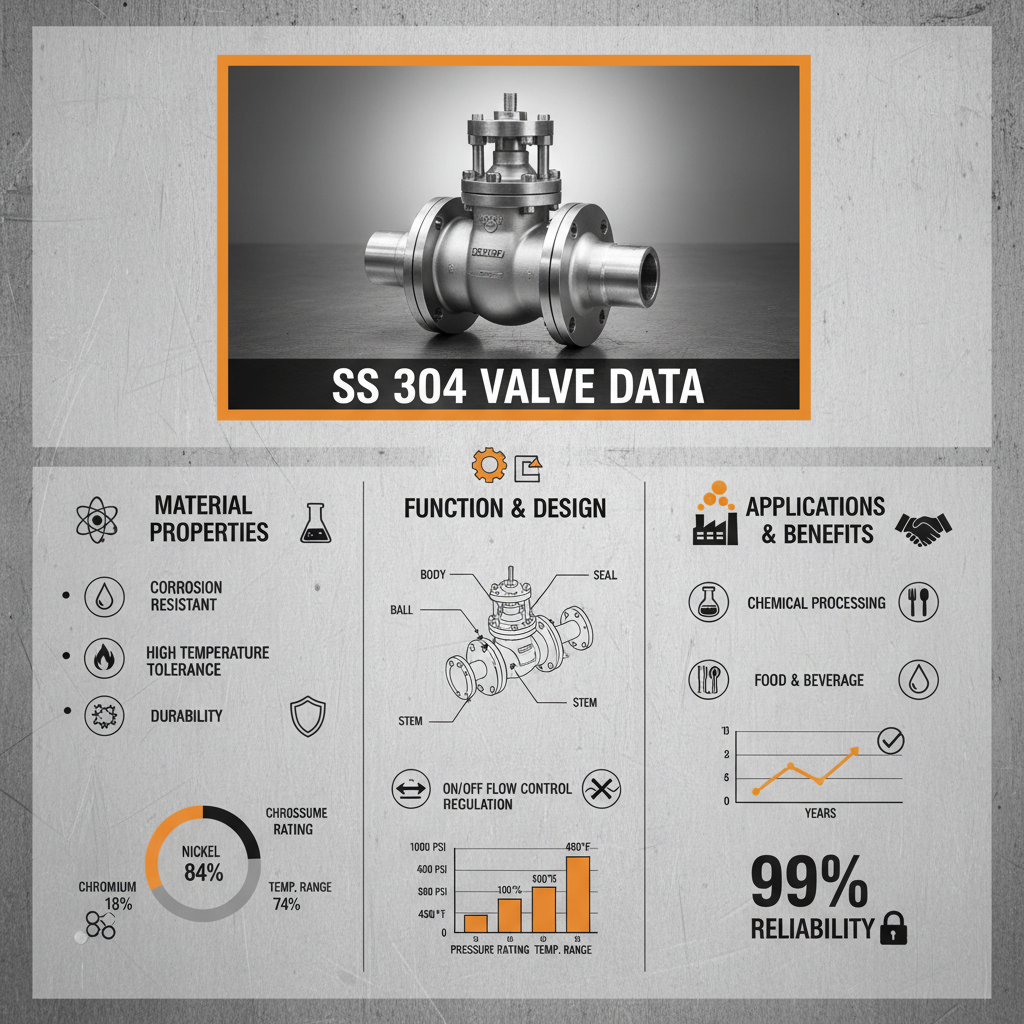
ss 304 stainless steel is an austenitic chromium-nickel alloy that’s renowned for its exceptional corrosion resistance. It typically contains 18-20% chromium and 8-10.5% nickel, along with small amounts of other elements like manganese, silicon, and carbon. This specific composition gives the alloy its ability to form a passive chromium oxide layer on the surface, protecting it from rust and corrosion in a variety of environments.
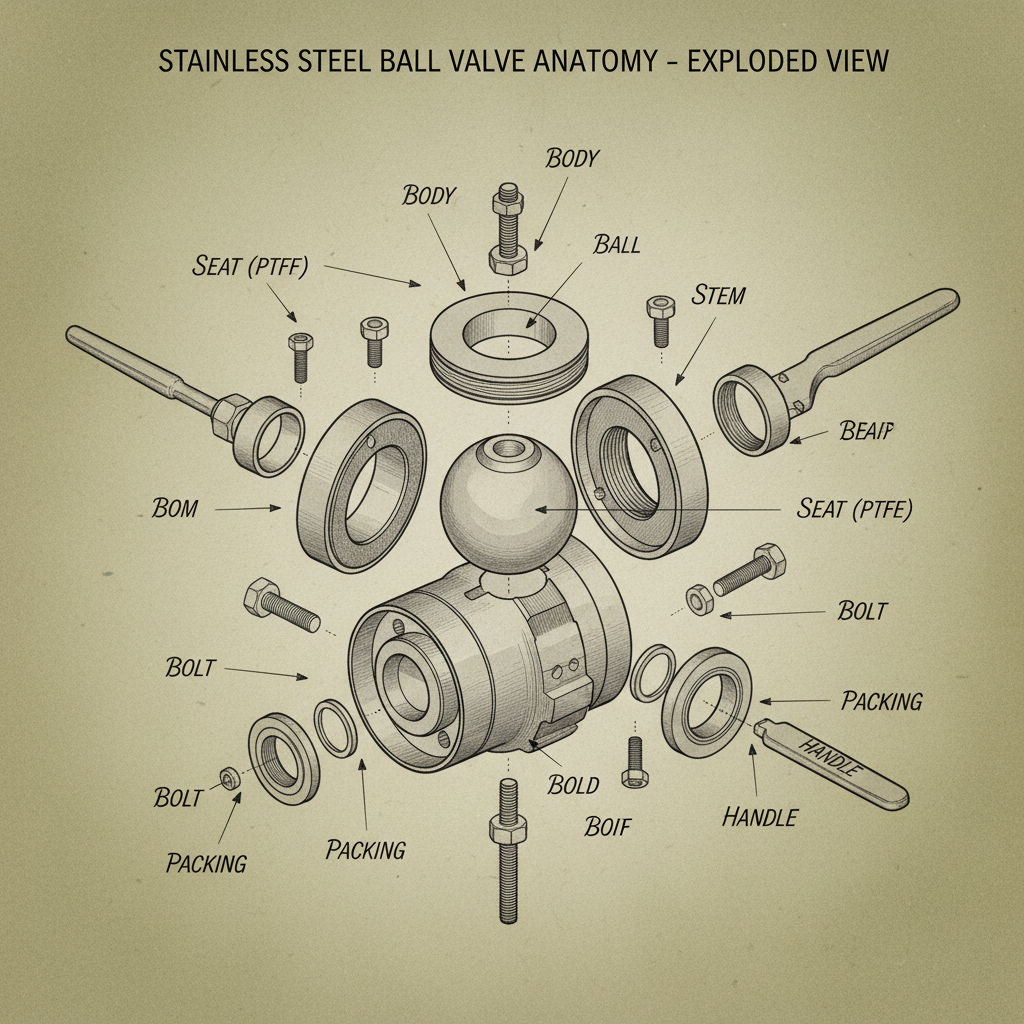
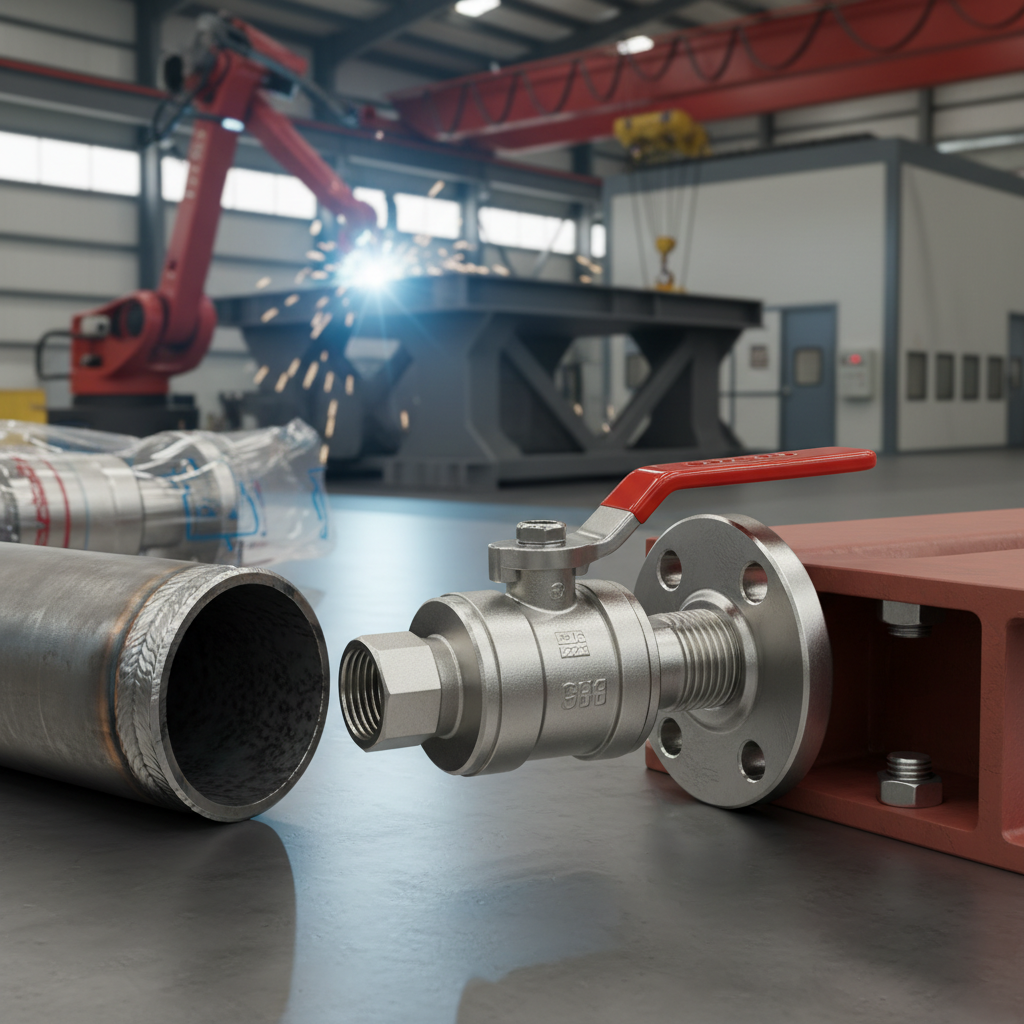
The manufacturing process of an ss 304 valve involves several key steps: forging or casting the valve body from the alloy, machining the internal components to precise specifications, and assembling the valve with seals, actuators, and other necessary parts. Proper heat treatment and surface finishing are crucial to ensure the valve's mechanical strength, corrosion resistance, and operational reliability.
Different components within the valve might be manufactured using slightly varied techniques to optimize performance for specific applications. For instance, the sealing materials are selected based on the fluid being handled, and the actuator mechanisms are designed to provide the necessary torque and precision for controlling the valve’s operation.
Core Characteristics of ss 304 Valve Performance
The durability of an ss 304 valve is a primary advantage, stemming from the inherent strength and corrosion resistance of the 304 stainless steel alloy. This translates to a longer service life, reduced maintenance frequency, and lower total cost of ownership. Valves made from this material can withstand significant pressure fluctuations, temperature variations, and exposure to harsh chemicals without degradation.
The versatility of ss 304 valves is another key characteristic. They can be configured in a variety of designs—ball, gate, globe, check, butterfly—to suit diverse applications. This adaptability makes them ideal for use in complex industrial systems where multiple types of valves are required to control different aspects of the fluid flow.
ss 304 Valve Performance Metrics
Diverse Applications of ss 304 Valve Worldwide
In the pharmaceutical industry, ss 304 valves are essential for maintaining sterile and hygienic conditions throughout the manufacturing process. They are used in bioreactors, fermentation systems, and filling lines to prevent contamination and ensure the quality of drugs and vaccines. Regulations like those enforced by the FDA demand the highest standards of cleanliness and traceability, making ss 304 valves a critical compliance component.
The food and beverage industry relies on ss 304 valves for similar reasons – maintaining product purity and preventing microbial growth. They're found in milk processing plants, breweries, wineries, and food packaging facilities, controlling the flow of liquids and gases without compromising food safety. From pasteurization to bottling, these valves play a vital role in the production of a wide range of consumer goods.
Advantages and Long-Term Value Proposition
Investing in ss 304 valves offers significant cost savings over the long term. While the initial investment might be slightly higher than valves made from alternative materials, the extended service life, reduced maintenance requirements, and minimized downtime contribute to a lower total cost of ownership. This is particularly important in critical applications where unexpected failures can lead to costly production disruptions.
Beyond the financial benefits, ss 304 valves enhance operational safety and reliability. Their resistance to corrosion and pressure fluctuations reduces the risk of leaks and failures, protecting personnel and the environment. This contributes to a more sustainable and responsible operation, building trust with stakeholders and ensuring regulatory compliance.
Future Trends and Innovation in ss 304 Valve Technology
The integration of smart technology into ss 304 valves is a rapidly growing trend. These “smart” valves incorporate sensors and communication capabilities that allow for remote monitoring, predictive maintenance, and automated control. This data-driven approach enhances operational efficiency, minimizes downtime, and improves overall process optimization.
Furthermore, research is underway to explore the use of advanced coatings and surface treatments to further enhance the corrosion resistance and performance of ss 304 valves. Developments in additive manufacturing (3D printing) are also enabling the creation of complex valve designs with customized features, tailored to specific application requirements.
Addressing the Challenges and Delivering Robust Solutions
One common challenge with ss 304 valves is the potential for galling or seizing in certain applications, particularly those involving abrasive fluids or low lubrication. Solutions include employing specialized surface finishes, utilizing self-lubricating materials, and implementing regular maintenance protocols to ensure smooth operation.
Another area of concern is the potential for crevice corrosion in specific valve designs. Careful attention to design details, such as avoiding sharp corners and ensuring proper weld quality, can mitigate this risk. Regular inspection and preventative maintenance are also crucial for identifying and addressing potential corrosion issues before they escalate.
Core Attributes of ss 304 Valve Solutions
| Application Area |
Corrosion Resistance Level (1-10) |
Maintenance Frequency (Months) |
Estimated Service Life (Years) |
| Pharmaceutical Manufacturing |
10 |
12 |
15-20 |
| Food & Beverage Processing |
9 |
6-9 |
10-15 |
| Chemical Processing |
8 |
3-6 |
8-12 |
| Water Treatment Facilities |
7 |
12-18 |
12-18 |
| Oil and Gas Pipelines |
6 |
6-12 |
5-10 |
| HVAC Systems |
5 |
24+ |
10+ |
FAQS
ss 304 valves offer superior corrosion resistance compared to carbon steel or brass, making them ideal for handling aggressive fluids. They also boast excellent hygienic properties, crucial for food, beverage, and pharmaceutical applications. While initially more expensive, their durability and reduced maintenance lead to lower long-term costs and increased reliability, especially in demanding environments.
ss 304 valves are compatible with a wide range of fluids, including water, oil, gas, acids, alkalis, and many chemicals. However, it's crucial to verify compatibility with specific fluids, especially those containing chlorides, as high concentrations can potentially lead to pitting corrosion. Consulting a materials specialist is recommended for highly corrosive or unusual fluid applications.
The frequency of inspection and maintenance depends on the specific application and operating conditions. Generally, annual inspections are recommended, including visual checks for leaks, corrosion, and wear. More frequent inspections may be necessary in harsh environments. Regular lubrication of moving parts and replacement of seals are also crucial preventative maintenance tasks.
With proper maintenance and operation, an ss 304 valve can have a lifespan of 10-20 years or even longer. Factors affecting lifespan include the operating environment, the type of fluid handled, and the frequency of use. Regular inspection and preventative maintenance are key to maximizing the valve’s service life and preventing premature failure.
ss 304 valves can be designed and manufactured to withstand high pressures, but it's essential to select a valve with the appropriate pressure rating for the specific application. Factors like valve size, design, and material thickness all influence pressure capacity. Always consult the manufacturer’s specifications and ensure the valve is properly installed and supported.
Consider factors such as the fluid type, pressure and temperature requirements, flow rate, and the specific application. Also, determine the valve type (ball, gate, globe, etc.) best suited for the task. Ensure the valve meets relevant industry standards and certifications, and consider the availability of spare parts and technical support.
Conclusion
In summary, the ss 304 valve stands as a cornerstone of modern fluid handling systems. Its inherent durability, corrosion resistance, and hygienic properties make it a vital component across numerous industries, from pharmaceuticals to food processing. By understanding the core characteristics and advantages of ss 304 valves, engineers and operators can optimize process efficiency, ensure product quality, and enhance overall operational safety.
Looking ahead, the integration of smart technologies and advancements in materials science will further elevate the performance and capabilities of ss 304 valves. Embracing these innovations will be crucial for addressing emerging challenges and meeting the evolving demands of a rapidly changing industrial landscape. For reliable ss 304 valve solutions, visit our website: www.houdevalve.com.