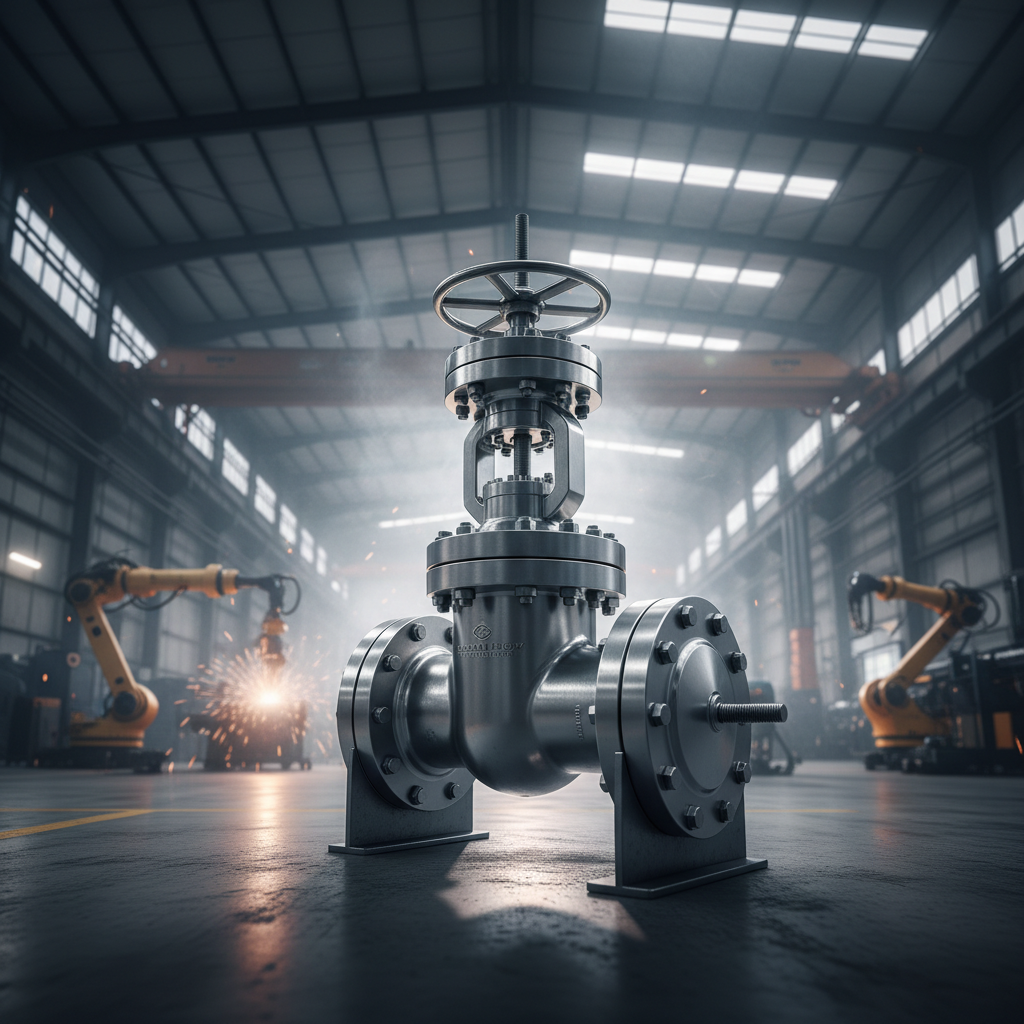
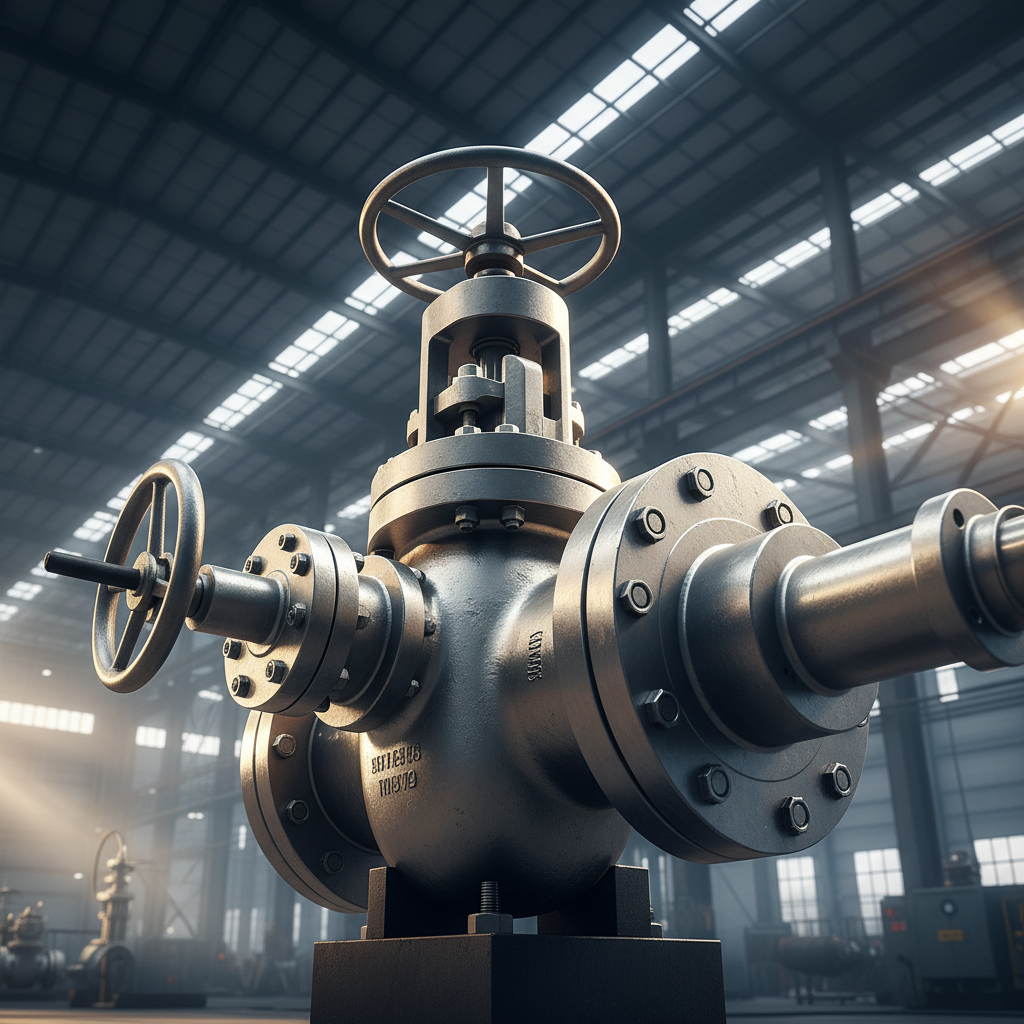
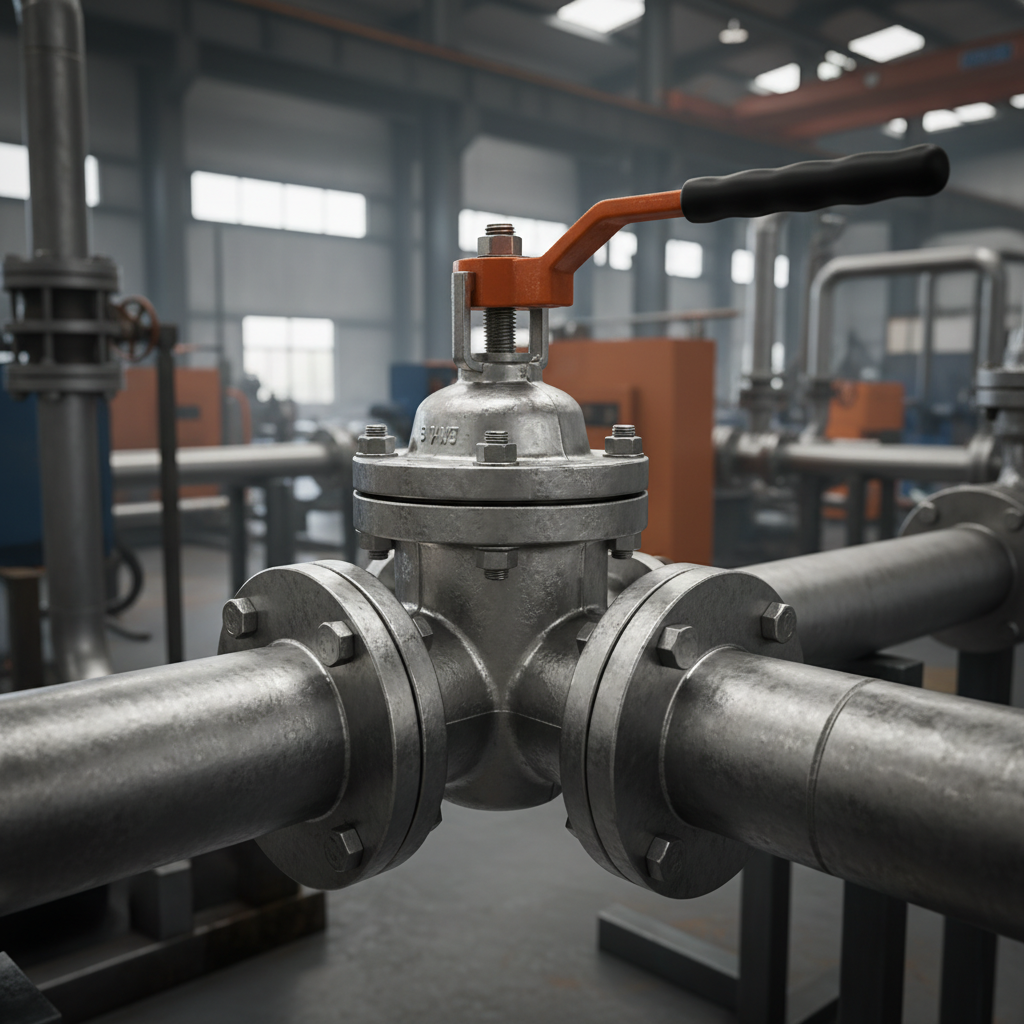
Stainless steel valves are critical components in a vast array of industries, from oil and gas to pharmaceutical manufacturing and water treatment. Their importance stems from their exceptional corrosion resistance, durability, and ability to maintain process integrity. The global market for these valves is substantial, driven by increasing infrastructure development, stringent safety regulations, and the demand for reliable fluid control systems. Understanding the nuances of stainless steel valve technology is essential for engineers, procurement professionals, and anyone involved in maintaining the safety and efficiency of critical processes.
The demand for stainless steel valves is inextricably linked to global economic growth and industrialization. Emerging economies, particularly in Asia-Pacific, represent significant growth markets due to rapid infrastructure expansion and increased manufacturing activity. According to a report by Grand View Research, the global valve market size was valued at USD 73.88 billion in 2022 and is expected to expand at a compound annual growth rate (CAGR) of 4.8% from 2023 to 2030. Stainless steel valves represent a significant portion of this market, driven by their long-term cost-effectiveness and reliability.
Addressing challenges related to fluid handling, process safety, and environmental protection requires robust and dependable valve solutions. Stainless steel valves offer a superior alternative to traditional materials in many applications, reducing maintenance costs, minimizing downtime, and enhancing operational efficiency. The ability to withstand harsh environments and corrosive media makes them an indispensable component in modern industrial infrastructure.
Introduction to stainless steel valve
Stainless steel valves play a pivotal role in controlling the flow of fluids – liquids, gases, and slurries – across numerous industrial applications. They are designed to withstand corrosive environments and high pressures, ensuring the safe and efficient operation of critical processes. Their long-term reliability and minimal maintenance requirements make them a cost-effective solution for many industries.
The selection of the appropriate stainless steel valve is crucial for optimal performance and safety. Factors such as the fluid being handled, the operating temperature and pressure, and the specific application requirements must be carefully considered. Different grades of stainless steel offer varying levels of corrosion resistance and mechanical strength, making it essential to choose the material best suited to the intended environment.
Defining Stainless Steel Valves
A stainless steel valve is a mechanical device used to control the flow of fluids within a system. What differentiates it is its construction from stainless steel alloys, known for their exceptional resistance to corrosion and oxidation. This resistance is due to the presence of chromium, typically at least 10.5%, which forms a passive layer of chromium oxide on the surface, protecting the underlying metal.
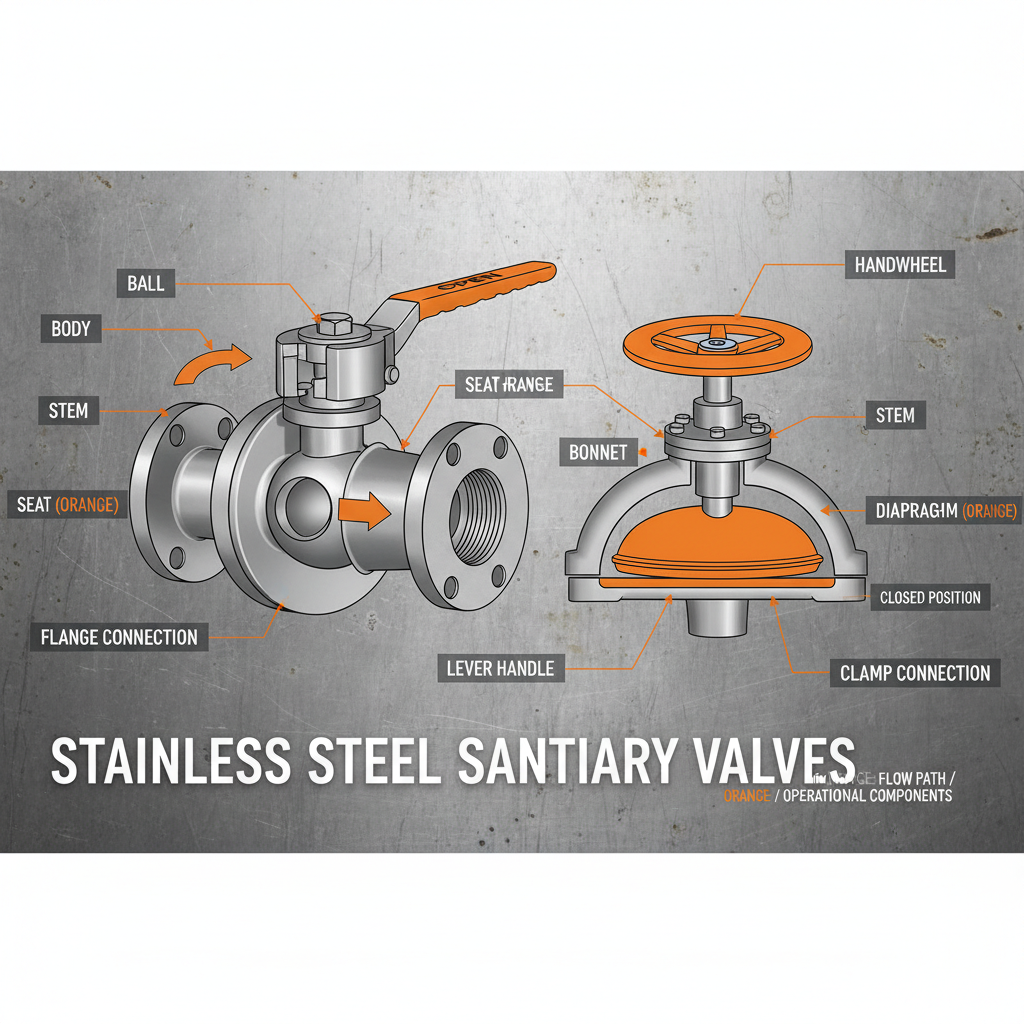
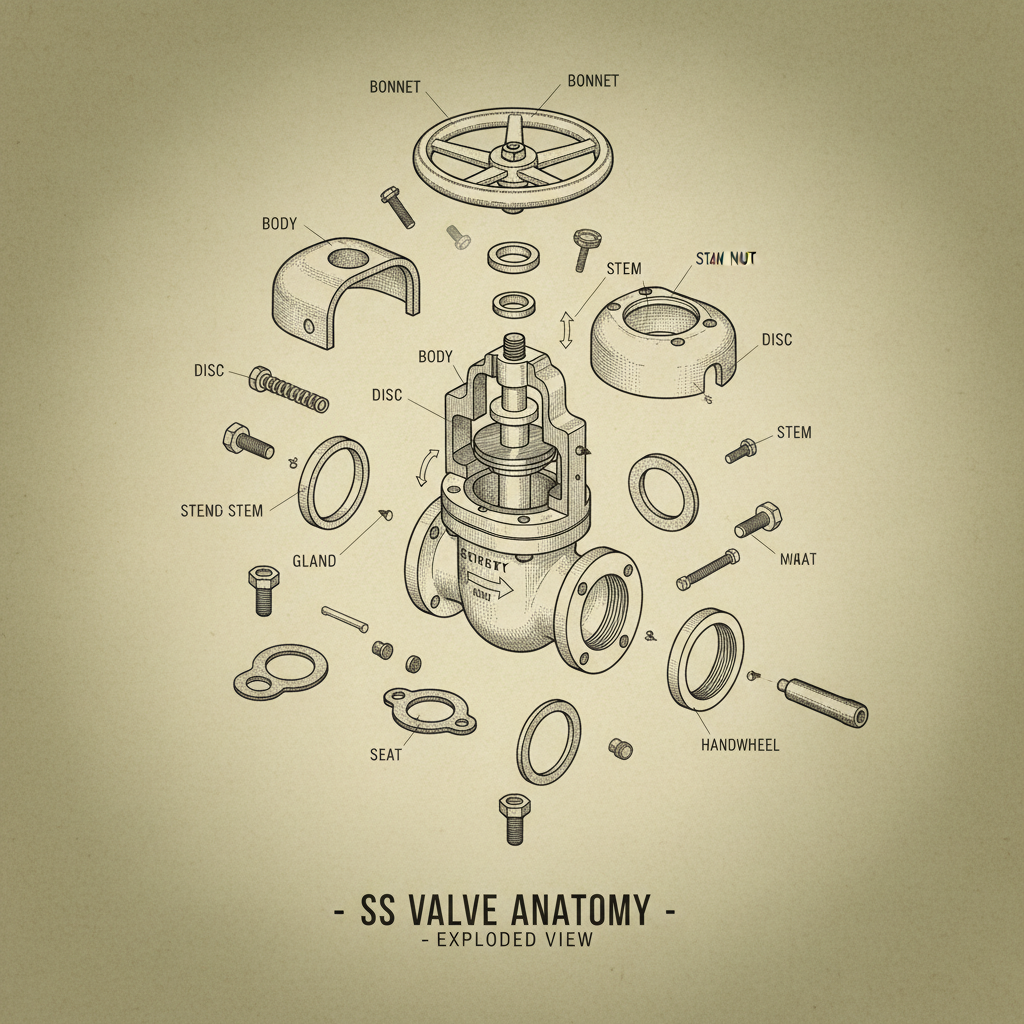
These valves come in a wide variety of designs – ball valves, gate valves, globe valves, butterfly valves, check valves, and more – each suited to specific applications. The choice of valve type depends on factors like flow rate, pressure drop requirements, and the nature of the fluid being controlled. Their application extends to vital areas needing precise fluid handling.
Stainless steel valves are integral to modern industry, acting as essential control points in countless systems. They are vital in industries where purity and hygiene are paramount, such as pharmaceutical manufacturing and food processing, and in harsh environments where corrosion is a constant threat, like chemical processing and offshore oil & gas.
Core Characteristics of Stainless Steel Valves
The superior corrosion resistance of stainless steel is the defining characteristic of these valves. This resistance minimizes the risk of contamination, extends the valve’s lifespan, and reduces maintenance costs, particularly when dealing with aggressive fluids. Different grades, such as 304, 316, and duplex stainless steels, provide varying levels of protection against specific corrosive agents.
Durability is another critical benefit. Stainless steel boasts high tensile strength and can withstand extreme temperatures and pressures without deformation or failure. This is particularly important in demanding applications like high-pressure steam lines or cryogenic systems. Their robust construction also makes them less susceptible to damage from shock or vibration.
The hygienic properties of stainless steel are crucial in industries like food and beverage and pharmaceuticals. The smooth, non-porous surface prevents bacterial adhesion and simplifies cleaning and sterilization procedures, ensuring product purity and safety. This minimizes the risk of contamination and meets stringent regulatory requirements.
Practical Applications of Stainless Steel Valves
Stainless steel valves are frequently utilized in the chemical processing industry to control the flow of corrosive chemicals and acids. The valve materials resist degradation, ensuring safe and reliable operation. Specific applications include controlling the flow of sulfuric acid, hydrochloric acid, and other aggressive media.
In the oil and gas sector, these valves are employed in upstream, midstream, and downstream operations. They handle crude oil, natural gas, and refined products, often in harsh offshore environments. Resistance to saltwater corrosion and high pressures is paramount in these applications.
Stainless Steel Valve Performance Metrics
Global Applications and Use Cases
In the pharmaceutical industry, stringent hygiene standards necessitate the use of stainless steel valves in drug manufacturing processes. The valves’ smooth surfaces prevent contamination and enable effective cleaning and sterilization. Applications include controlling the flow of sterile water, process fluids, and cleaning solutions.
Water and wastewater treatment facilities extensively employ stainless steel valves for controlling the flow of treated water, chemicals, and sludge. Their corrosion resistance ensures long-term reliability in harsh environments. These valves are crucial for managing water distribution networks and treating industrial effluent.
Advantages and Long-Term Value
The initial cost of stainless steel valves may be higher than valves made from other materials, but their extended lifespan and reduced maintenance requirements result in significant long-term cost savings. The elimination of frequent repairs and replacements reduces downtime and improves operational efficiency.
Beyond economic benefits, stainless steel valves contribute to sustainability by reducing resource consumption and minimizing environmental impact. Their durability translates to fewer replacements, decreasing the demand for raw materials and energy used in manufacturing.
Reliability is paramount. Stainless steel valves ensure consistent and predictable performance, minimizing the risk of leaks, failures, and process disruptions. This enhances safety and protects valuable assets.
Future Trends in Stainless Steel Valve Technology
The integration of smart technologies, such as sensors and actuators, is revolutionizing the valve industry. Intelligent stainless steel valves can provide real-time data on flow rates, pressure, temperature, and valve status, enabling predictive maintenance and optimized process control.
Advances in materials science are leading to the development of new stainless steel alloys with enhanced corrosion resistance and mechanical properties. These alloys are designed to withstand even more aggressive environments and extend valve lifespan. The emergence of duplex and super duplex stainless steels is a significant development.
Additive manufacturing (3D printing) is gaining traction in the valve industry, allowing for the creation of complex valve geometries and customized designs. This opens up possibilities for optimizing valve performance and reducing material waste.
Summary of Key Factors Influencing Stainless Steel Valve Selection
| Fluid Compatibility |
Operating Pressure |
Temperature Range |
Application Requirements |
| Assess the chemical composition of the fluid to ensure compatibility with the stainless steel alloy. |
Select a valve rated for the maximum expected operating pressure, with a safety factor. |
Verify that the valve can withstand the minimum and maximum operating temperatures. |
Consider specific requirements, such as hygienic standards, flow control precision, and automation capabilities. |
| Highly corrosive fluids require higher grades of stainless steel (e.g., 316, duplex). |
High-pressure applications necessitate robust valve designs and materials. |
Cryogenic applications require special alloys designed to withstand extremely low temperatures. |
Food and beverage applications demand sanitary valves with smooth, easily cleanable surfaces. |
| Incorrect fluid compatibility can lead to corrosion and valve failure. |
Exceeding the pressure rating can cause catastrophic valve damage. |
Operating outside the temperature range can compromise valve performance. |
Failure to meet application requirements can result in process inefficiencies. |
| Conduct thorough fluid analysis and consult with material experts. |
Choose valves with appropriate pressure ratings and safety factors. |
Select valves designed for the specific temperature range of the application. |
Ensure the valve meets all relevant industry standards and regulations. |
| Rating: 8/10 (Importance) |
Rating: 9/10 (Importance) |
Rating: 7/10 (Importance) |
Rating: 10/10 (Importance) |
| Cost Impact: Moderate |
Cost Impact: High |
Cost Impact: Moderate |
Cost Impact: High |
FAQS
Stainless steel valves offer superior corrosion resistance, durability, and hygiene compared to materials like brass or carbon steel. This leads to longer lifespans, reduced maintenance, and lower total cost of ownership. They are also suitable for handling a wider range of fluids, including corrosive chemicals and high-purity substances. Their ability to operate reliably in harsh environments makes them a preferred choice in many critical applications.
The choice of stainless steel grade depends on the fluid being handled and the operating environment. 304 stainless steel is suitable for general applications, while 316 offers enhanced corrosion resistance to chlorides and other aggressive chemicals. Duplex and super duplex stainless steels provide even greater resistance to corrosion and are often used in offshore and marine applications. Consult with a materials expert to determine the optimal grade for your specific needs.
Stainless steel valves generally require minimal maintenance. Regular inspection for leaks and proper lubrication of moving parts are essential. Avoid abrasive cleaning agents that could damage the passive layer. In corrosive environments, periodic passivation may be necessary to restore the protective chromium oxide layer. Following the manufacturer's recommendations for maintenance will ensure long-term reliability.
The lifespan of a stainless steel valve varies depending on the application and operating conditions, but typically ranges from 10 to 30 years or more. Proper selection of the material, installation, and maintenance contribute significantly to extending the valve’s service life. In less demanding applications, they can often outlast other valve types by a considerable margin.
Yes, certain grades of stainless steel are well-suited for high-temperature applications. Austenitic stainless steels, like 304 and 316, maintain good strength and corrosion resistance at elevated temperatures. However, it’s crucial to select a grade specifically designed for the operating temperature and to consider potential creep or oxidation at very high temperatures. Proper gasket selection is also essential.
While stainless steel valves typically have a higher initial cost than valves made from other materials, their long-term cost-effectiveness is often superior. Reduced maintenance, longer lifespan, and minimized downtime contribute to significant savings over the valve’s operating life. Considering the total cost of ownership, stainless steel valves often prove to be a more economical choice in the long run.
Conclusion
In conclusion, stainless steel valves are essential components in numerous industrial applications due to their exceptional corrosion resistance, durability, and hygienic properties. The ability to withstand harsh environments, maintain process integrity, and minimize long-term costs makes them a preferred choice for critical fluid control systems. Understanding the nuances of stainless steel valve technology and selecting the appropriate grade and design are vital for ensuring optimal performance and safety.
Looking ahead, innovations in materials science, smart technologies, and additive manufacturing will further enhance the capabilities of stainless steel valves. Embracing these advancements will be crucial for optimizing process efficiency, improving sustainability, and meeting the evolving demands of modern industry. For reliable and high-performance stainless steel valve solutions, visit our website today!