Honestly, this whole ss valve manufacturer business… it’s changed a lot in the last few years. Used to be, you just needed something that didn’t leak, right? Now everyone’s talking about ‘smart valves’ and ‘digital twins’ and all this jazz. It’s a bit much, if you ask me. But, to be fair, there is a real need for better monitoring and control, especially with these big infrastructure projects. Everyone wants to remotely check if something’s working or not. It's crazy how fast things move.
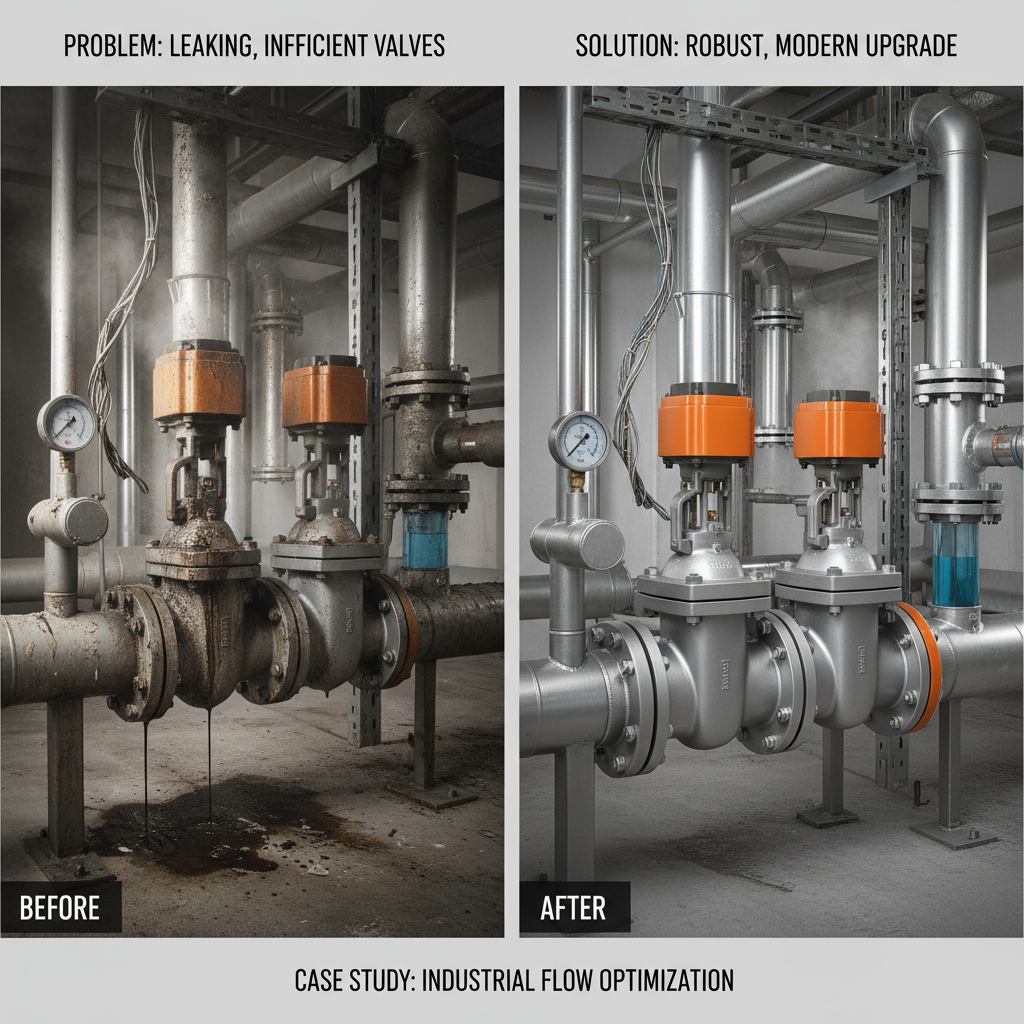
What I’ve noticed, being on site all the time, is how many people mess up the basic design. They try to get too clever, too fast. You see these fancy valve bodies, all curves and angles, and you just know it’s going to be a nightmare to clean and maintain. Simple is often better, folks. Simple is always better. I encountered this at a water treatment plant in Tianjin last time - beautiful design on paper, but the guys couldn’t even get a wrench on half the bolts.
And the materials… that’s a whole other story. Everyone’s obsessed with 316 stainless, which is fine, but it’s not a magic bullet. It’s heavy, it's expensive, and sometimes a good 304 is all you need. I’ve handled a lot of these alloys – you can tell the quality by the smell when you’re machining it, honestly. Good 316 has a sort of… metallic sweetness. Cheap stuff smells like burnt metal. And don't even get me started on the PTFE seals. They feel slick and smooth when they’re new, but they get brittle with age. You gotta check those regularly.
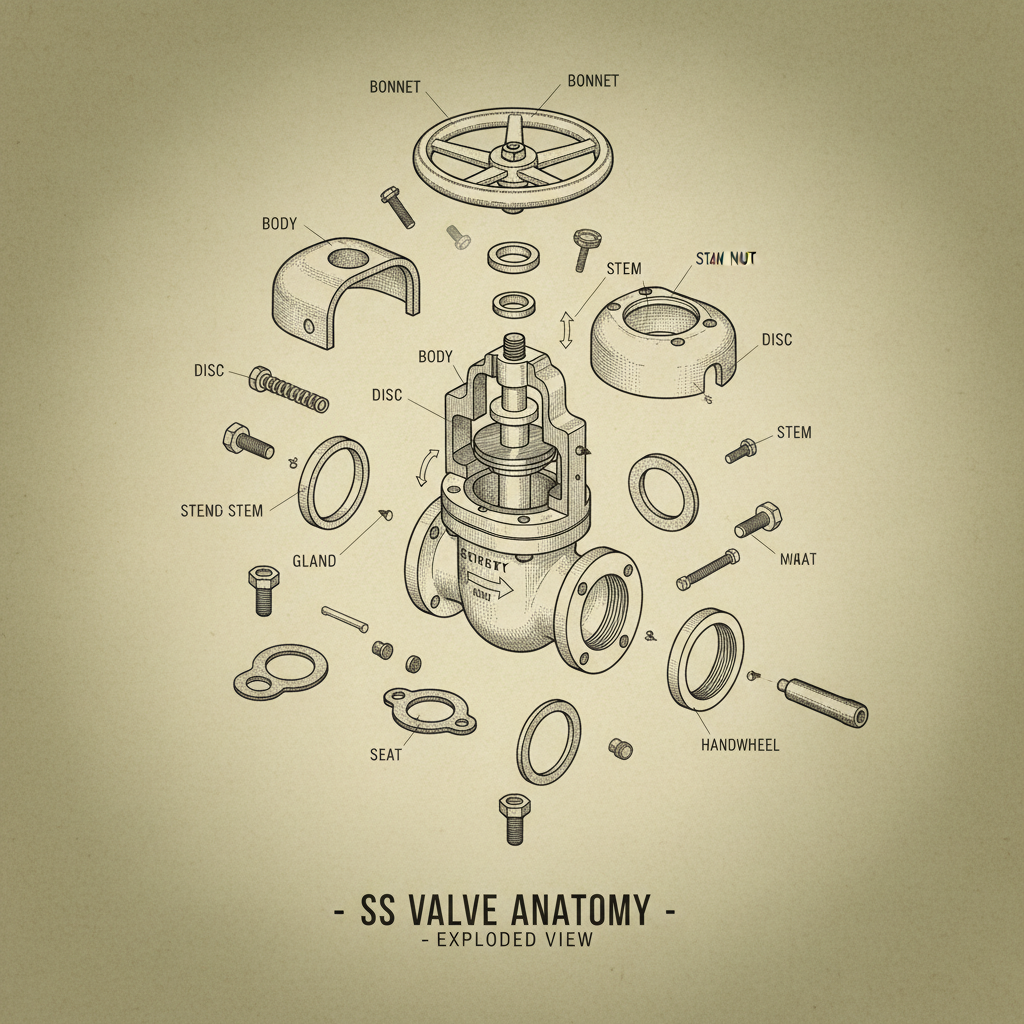
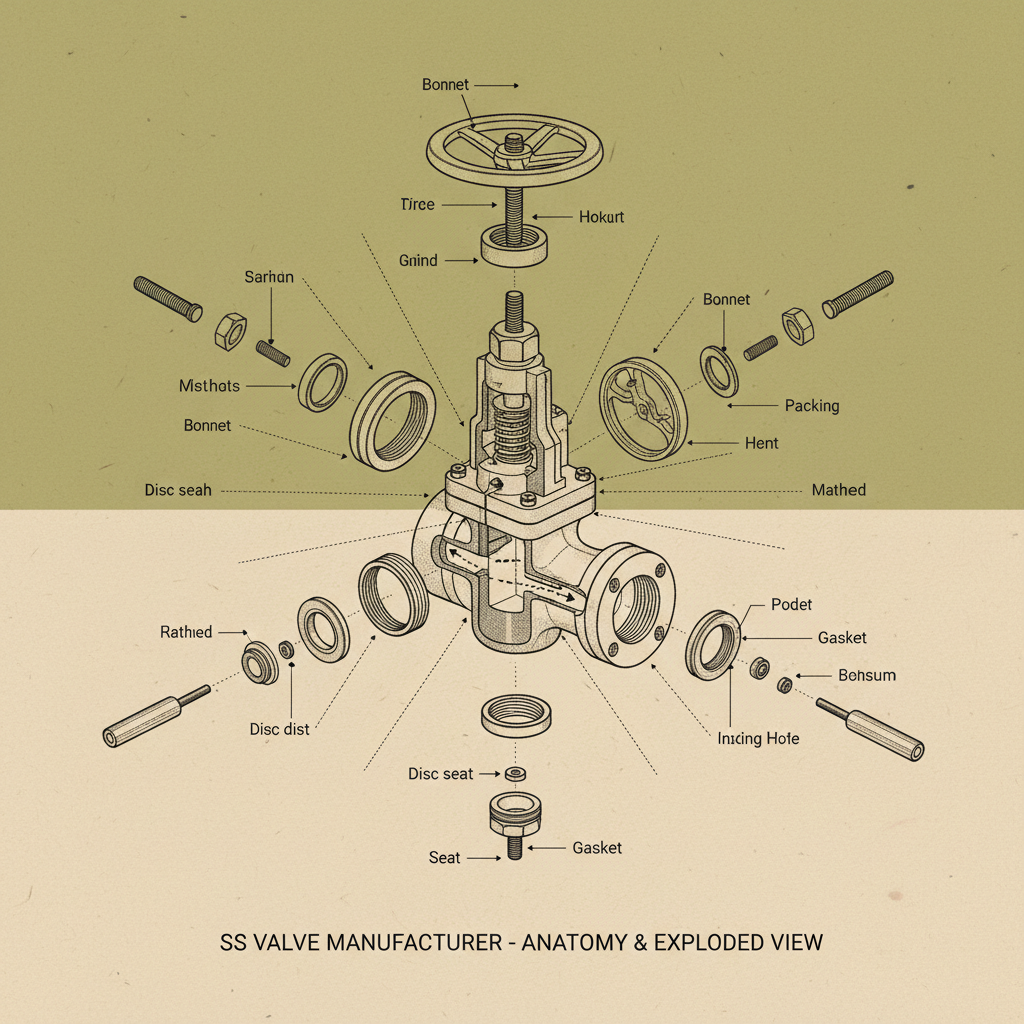
Strangely enough, a lot of folks are chasing higher pressure ratings now. They're building these pipeline systems that are just… aggressive. I don’t know why they need to push things so hard, but they do. Then there’s the whole corrosion resistance thing, especially in saltwater environments. You need the right alloys for that, no question. But again, it’s easy to overspend on materials when a simpler solution would do. I've seen it too many times.
Anyway, I think the biggest trend is towards automation. Everyone wants valves that can talk back – send data on flow rates, pressures, temperatures. It makes sense, I guess, but it adds a whole layer of complexity. More things to go wrong. Later… forget it, I won’t mention it.
Honestly, it's not understanding the application. They just pick the cheapest option, or what they used last time, without thinking about the fluid, the pressure, the temperature, the environment. It’s a recipe for disaster. You've got to match the valve to the job, not the other way around. Think about corrosion, erosion, and the potential for water hammer. Ignoring those things can lead to catastrophic failures and costly downtime.
It's important, but it’s not everything. A certification tells you the manufacturer has a quality management system in place, but it doesn’t guarantee the valve is perfect. I've seen certified valves fail, and uncertified valves perform brilliantly. It's a good starting point, but you still need to do your due diligence and check the manufacturer's reputation, the materials used, and the testing data.
Depends on the damage. Simple things like replacing a seal or tightening a bolt can be done in the field. But if the valve body is cracked, or the internal components are severely damaged, replacement is usually the best option. Trying to repair a badly damaged valve can be risky and unreliable. The cost of a failure is almost always more than the cost of a new valve. It’s generally best to have a spare on hand.
Choosing the right material is the first step. But even with the best materials, you still need to consider the environment. Coatings can help protect against corrosion, but they need to be properly applied and maintained. Regularly inspect the valves for signs of corrosion and address any issues promptly. And keep the valves clean! Dirt and debris can accelerate corrosion.
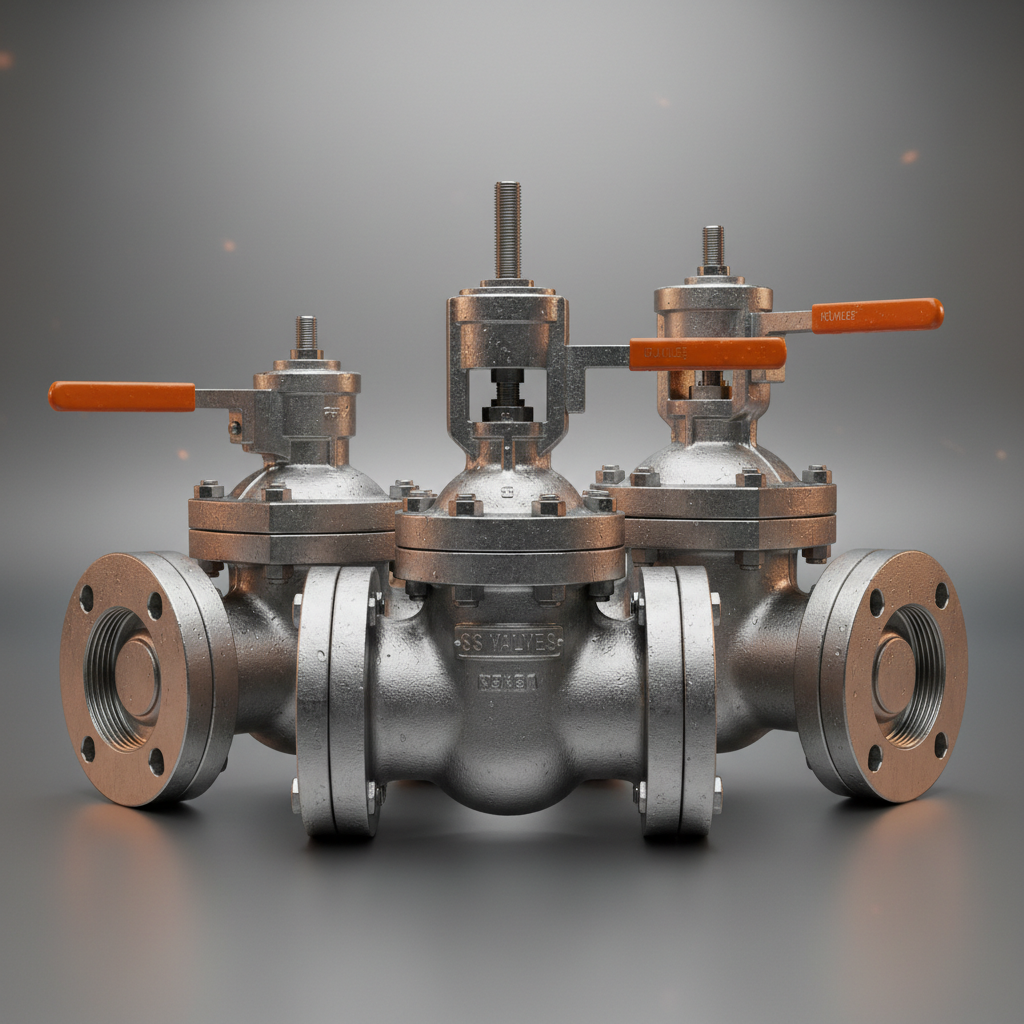
Ball valves are good for quick shutoff, and they handle high pressures well. Gate valves are better for throttling flow, but they're slower to operate. If you need to open and close the valve frequently, go with a ball valve. If you need precise flow control, go with a gate valve. It really comes down to the specific needs of the application. And consider the fluid – some fluids are harder on ball valves than others.
Definitely the move towards smart valves with integrated sensors and remote monitoring capabilities. Also, additive manufacturing (3D printing) is starting to be used to create custom valve components. It's still early days, but it has the potential to revolutionize the industry. And, of course, there's a growing focus on sustainability and reducing the environmental impact of valve manufacturing.
Ultimately, ss valve manufacturer is about finding the right balance between performance, reliability, and cost. There's no one-size-fits-all solution. You need to understand the application, choose the right materials, and pay attention to the details. It's a lot of work, but it's worth it in the end.
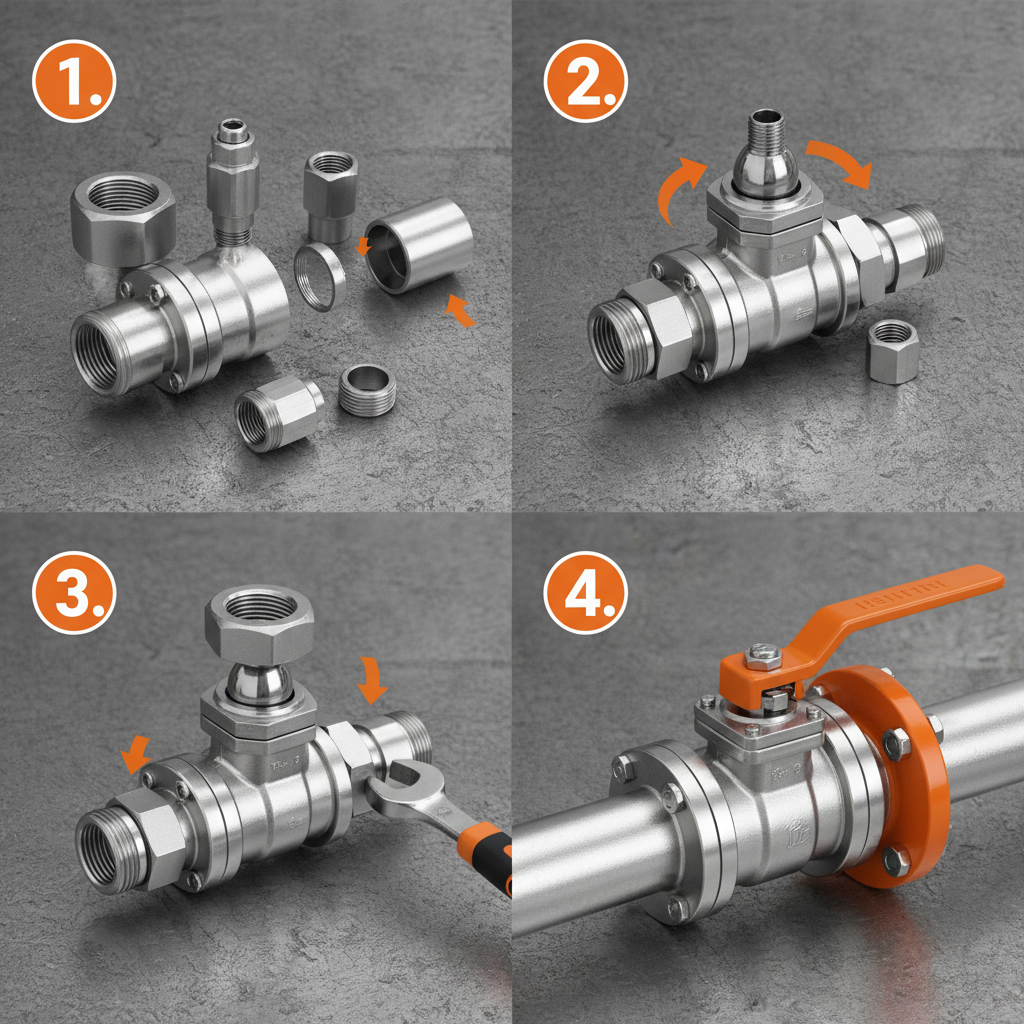
And remember: whether this thing works or not, the worker will know the moment he tightens the screw. That’s the bottom line. Trust your gut, listen to the guys on the ground, and don’t be afraid to ask questions. And, please, for the love of all that is holy, don’t design a valve with an inaccessible grease fitting.