
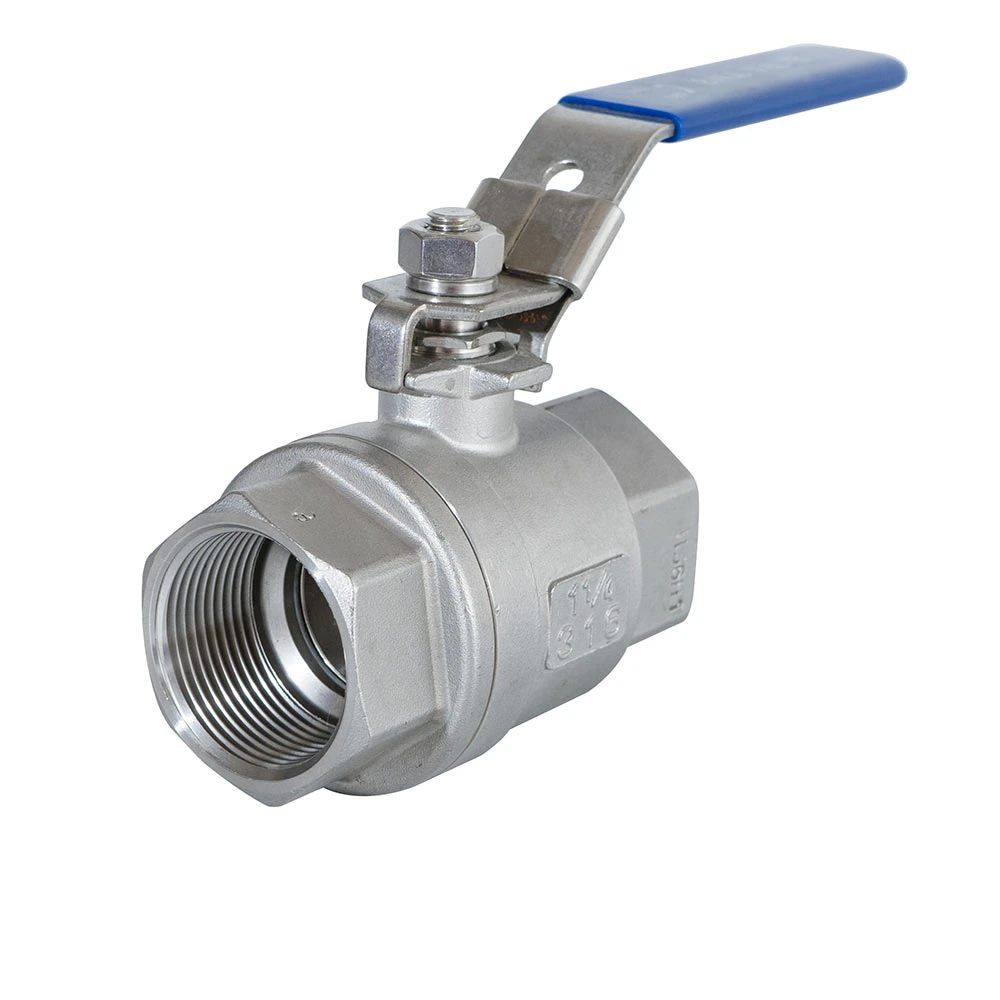
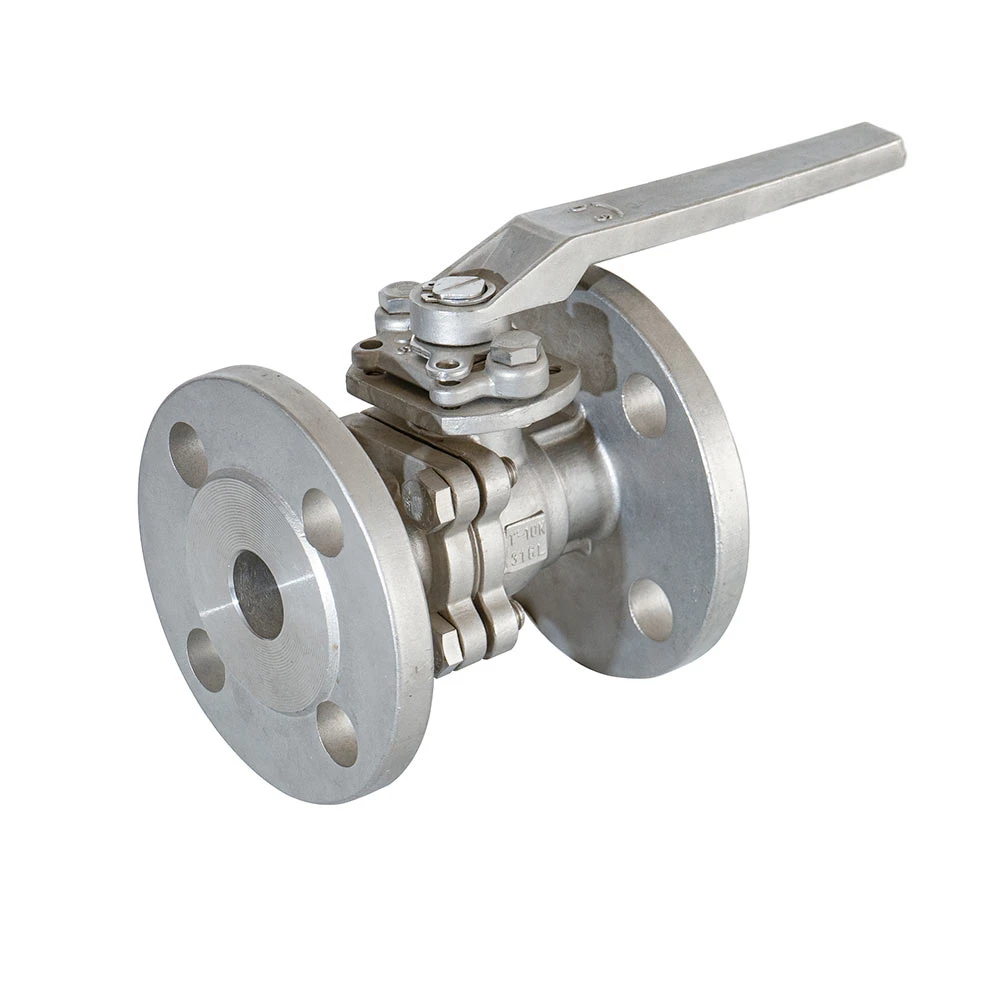
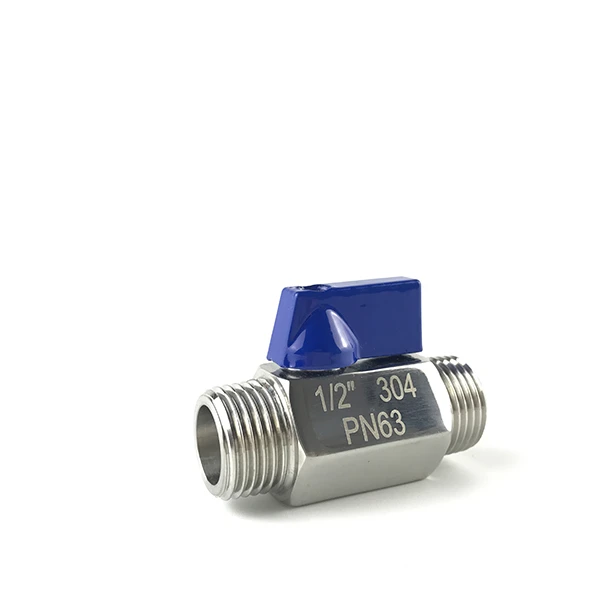
High-Performance ss y strainer Solutions for India's Industrial Infrastructure

Engineering precision-grade fluid control components to meet the rigorous demands of the Indian manufacturing and chemical sectors.

High-Performance ss y strainer Solutions for India's Industrial Infrastructure

Providing India with advanced flow control and filtration technology, integrating high-grade stainless steel valves and fittings to ensure operational safety and efficiency in extreme environments.

Current Landscape of Fluid Control in India

Analyzing the integration of corrosion-resistant components in India's evolving industrial hubs.

India's manufacturing sector, particularly in Gujarat and Maharashtra, faces unique challenges due to high humidity and saline air in coastal regions. This environmental stress necessitates the widespread adoption of stainless steel check valves to prevent backflow and corrosion in pharmaceutical and textile pipelines.

The rapid expansion of the "Make in India" initiative has shifted the demand toward high-precision steel check valve systems that can withstand fluctuating pressure levels common in the country's aging energy grids and new smart cities.

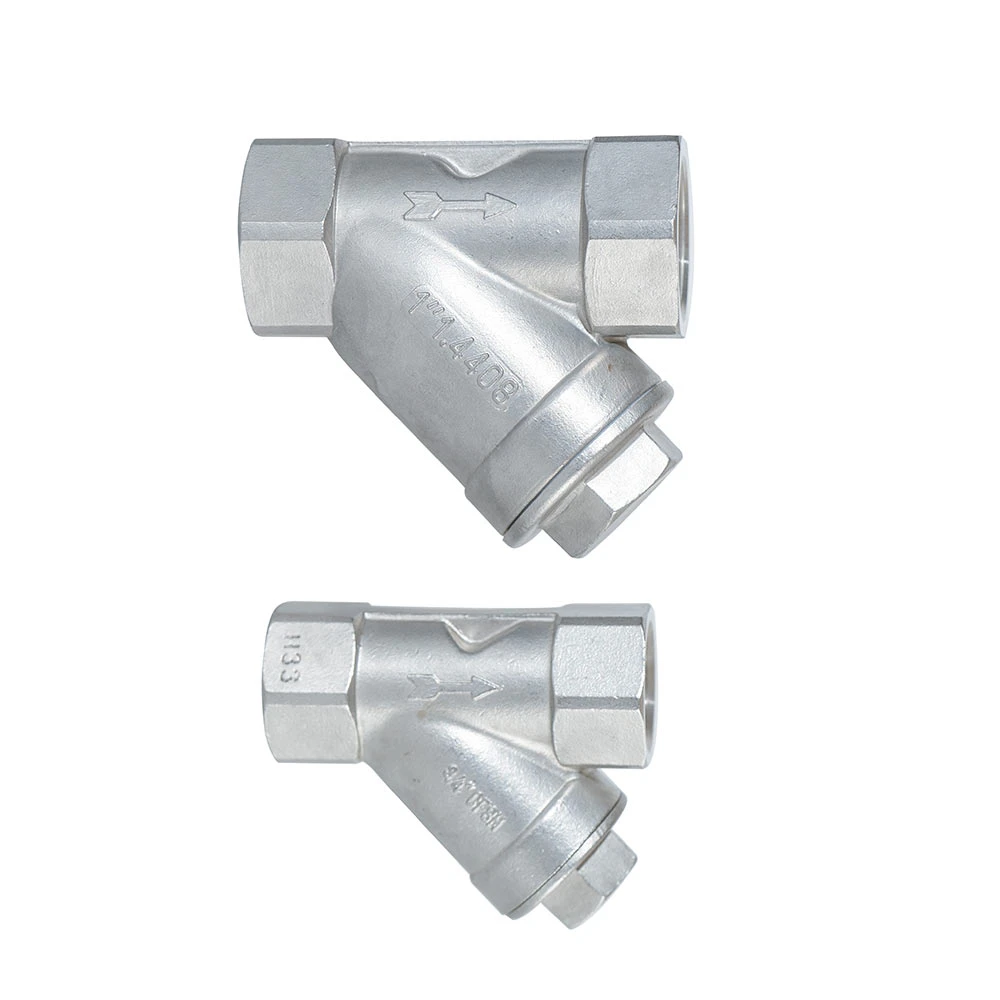
Furthermore, the stringent purity standards in the Indian food processing industry have made the stainless steel y strainer an essential component for removing particulate matter, ensuring that contamination is minimized in high-throughput production lines.
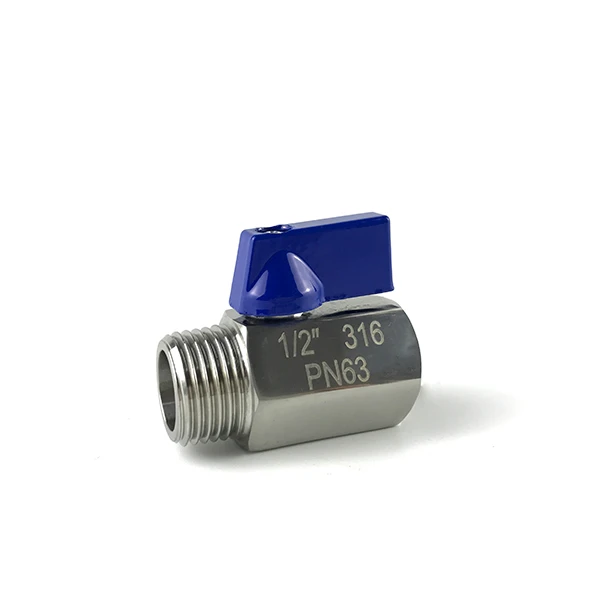
Technical Evolution and Development Trajectory

From basic casting to precision CNC machining in the Indian valve market.

Market Development History

In the early 2000s, the Indian market primarily relied on heavy cast iron components. However, between 2010 and 2018, there was a decisive shift toward Grade 304 and 316 stainless steel as the chemical processing industry expanded, demanding better chemical compatibility.

The period from 2015 to 2022 saw the integration of advanced sealing technologies. The transition from basic gaskets to high-performance PTFE seals in stainless steel valves and fittings significantly reduced leakage rates in high-pressure steam applications.

Recently, the focus has shifted toward "Zero Leakage" standards, where the precision of the steel check valve is now measured by microns, reflecting India's alignment with global ISO and ASME standards.

Future Development Trends

Smart Monitoring Integration

Integrating IoT sensors into valve bodies to monitor flow rates and pressure drops in real-time, reducing unplanned downtime in Indian refineries.

Material Hybridization

The use of duplex stainless steels to combat the extreme pitting corrosion found in the desalination plants along the Indian coastline.

Additive Manufacturing

Adopting 3D metal printing for complex internal geometries of strainers to optimize flow dynamics and reduce pressure loss.

Industry Trends and Future Outlook

Projecting the next 3-5 years of fluid handling technology in Asia's fastest-growing economy.

Digital Twin Integration
Using virtual models to predict the wear life of stainless steel check valves in high-cycle applications.
Sustainable Metallurgy
Increased demand for recycled stainless steel components to meet India's new green building certifications.
Ultra-Low Leakage
Shift toward bubble-tight shut-off in stainless steel valves and fittings for hazardous gas lines.
Automated Cleaning
Integration of CIP (Clean-in-Place) compatibility for ss y strainer units in the biotech sector.

Industry Outlook

Based on Google search trends in India, there is a rising volume of queries related to "corrosion resistant fittings" and "high pressure check valves," suggesting a move toward specialized materials. The Indian market is transitioning from price-driven procurement to value-driven lifecycle cost analysis.

We anticipate that by 2027, the adoption of smart valve actuators paired with high-grade steel check valve bodies will become the standard for the Oil & Gas sectors in Mumbai and Chennai, focusing on reducing fugitive emissions.

Localized Application Scenarios in India

Tailored fluid control solutions for India's most demanding industrial environments.

01. Pharmaceutical Hubs in Hyderabad

Implementing ss y strainer systems in sterile drug production lines to ensure zero particulate contamination in injectable medicine pipelines.

02. Chemical Plants in Gujarat

Utilizing stainless steel check valves to handle aggressive acidic media, preventing backflow in reactor feeding systems.

03. Dairy Processing in Punjab

Applying sanitary-grade stainless steel valves and fittings to maintain hygiene standards and prevent bacterial growth in milk transport lines.

04. Water Treatment in Delhi-NCR

Installing heavy-duty steel check valve units in municipal water pumping stations to prevent water hammer effects during power outages.

05. Textile Dyeing in Tamil Nadu

Using corrosion-resistant strainers and valves to manage high-temperature dye liquids and caustic cleaning agents in fabric processing plants.

Brand Story

Global Development Journey of Cangzhou Houde Stainless Steel Products Co., Ltd.

Foundational Excellence

Established with a vision to solve the problem of premature valve failure in corrosive environments through superior metallurgy.

Technological Pivot

Invested in precision CNC machining and automated testing rigs to ensure every valve meets international pressure ratings.

Global Certification

Achieved ISO and CE certifications, allowing our high-performance components to enter the strict European and North American markets.

Strategic Expansion to India

Developed localized support and customized product grades specifically for the Indian chemical and pharmaceutical sectors.

Industry Leadership

Currently leading the market in providing integrated, leak-proof fluid control solutions for the most challenging industrial fluids globally.

Comprehensive Product Portfolio for the Indian Market

A one-stop solution for all high-grade stainless steel flow control needs, from filtration to unidirectional flow management.

Common Technical Queries in India

Expert answers to the most frequent questions regarding stainless steel valve installation and maintenance.

How to choose between 304 and 316 for stainless steel check valves in coastal areas?

For coastal regions in India, SS316 is highly recommended due to its molybdenum content, which provides superior resistance to chloride-induced pitting and corrosion compared to SS304.

What is the ideal mesh size for a stainless steel y strainer in pharmaceutical lines?

Depending on the fluid viscosity, we typically recommend mesh sizes between 40 and 100 for pharma applications to ensure maximum particulate removal without causing excessive pressure drop.

Can a steel check valve handle high-temperature steam in Indian power plants?

Yes, our high-temperature series features specialized seat materials and reinforced bodies designed to maintain a tight seal even under extreme thermal expansion cycles.

How often should I clean my ss y strainer in a textile dyeing plant?

Due to high lint and chemical residues in textile plants, we recommend a weekly inspection and cleaning cycle, or until the pressure differential exceeds 0.5 bar.

Are your stainless steel valves and fittings compliant with ASME standards?

Absolutely. All our products are manufactured and tested according to ASME B16.34 and other relevant international standards to ensure safety and interoperability.

What causes cavitation in stainless steel check valves and how to prevent it?

Cavitation is caused by rapid pressure drops. It can be prevented by correctly sizing the valve and using a balanced-disc design to stabilize the flow velocity.

Request a Technical Consultation

Our engineering team is ready to help you optimize your fluid systems across India with precision-engineered stainless steel solutions.

Contact Us Now

If you are interested in our products, you can choose to leave your information here, and we will be in touch with you shortly.