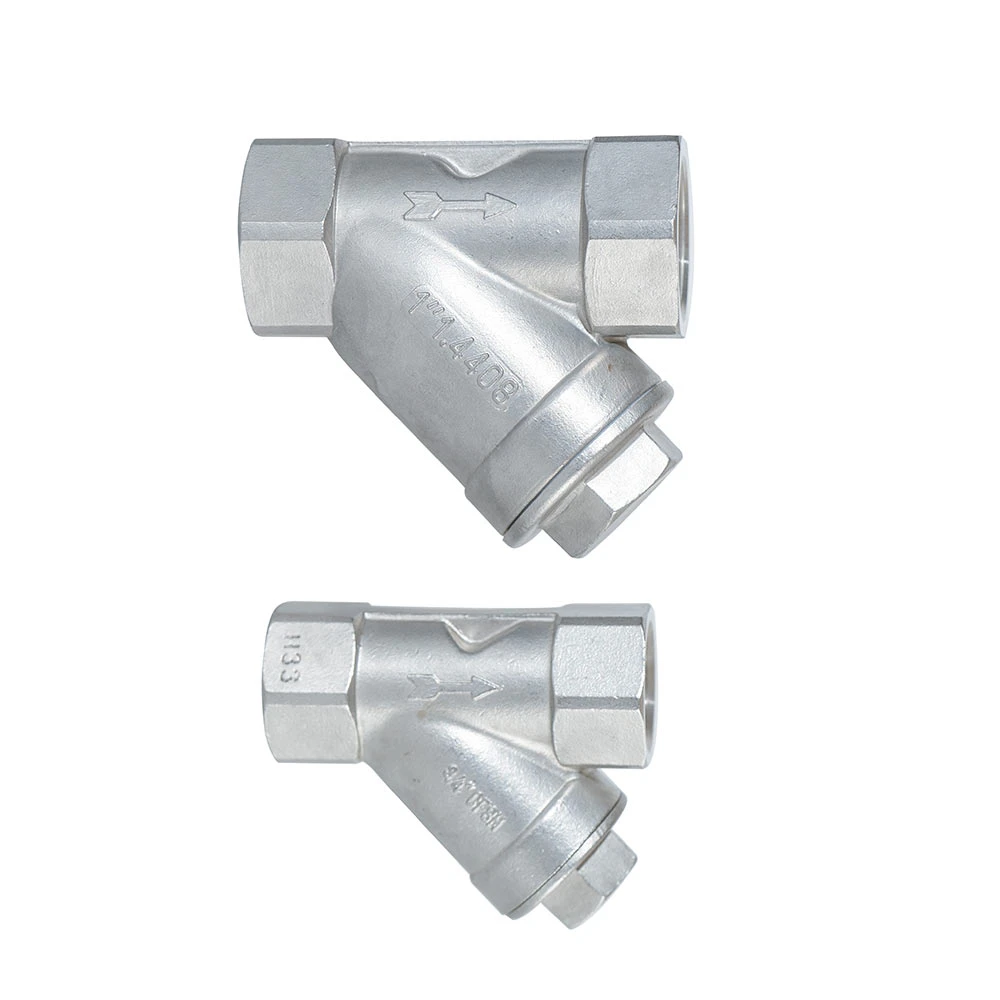
High-Performance stainless steel y strainer Solutions for Yemen

Engineered for extreme environments, providing superior fluid control and filtration across Yemen's industrial sectors.

High-Performance stainless steel y strainer Solutions for Yemen

Providing specialized fluid management components including stainless steel valves and fittings to ensure operational stability in Yemen's challenging industrial landscapes.

Industrial Fluid Control Realities in Yemen

Analyzing the impact of coastal salinity and arid climates on valve longevity.

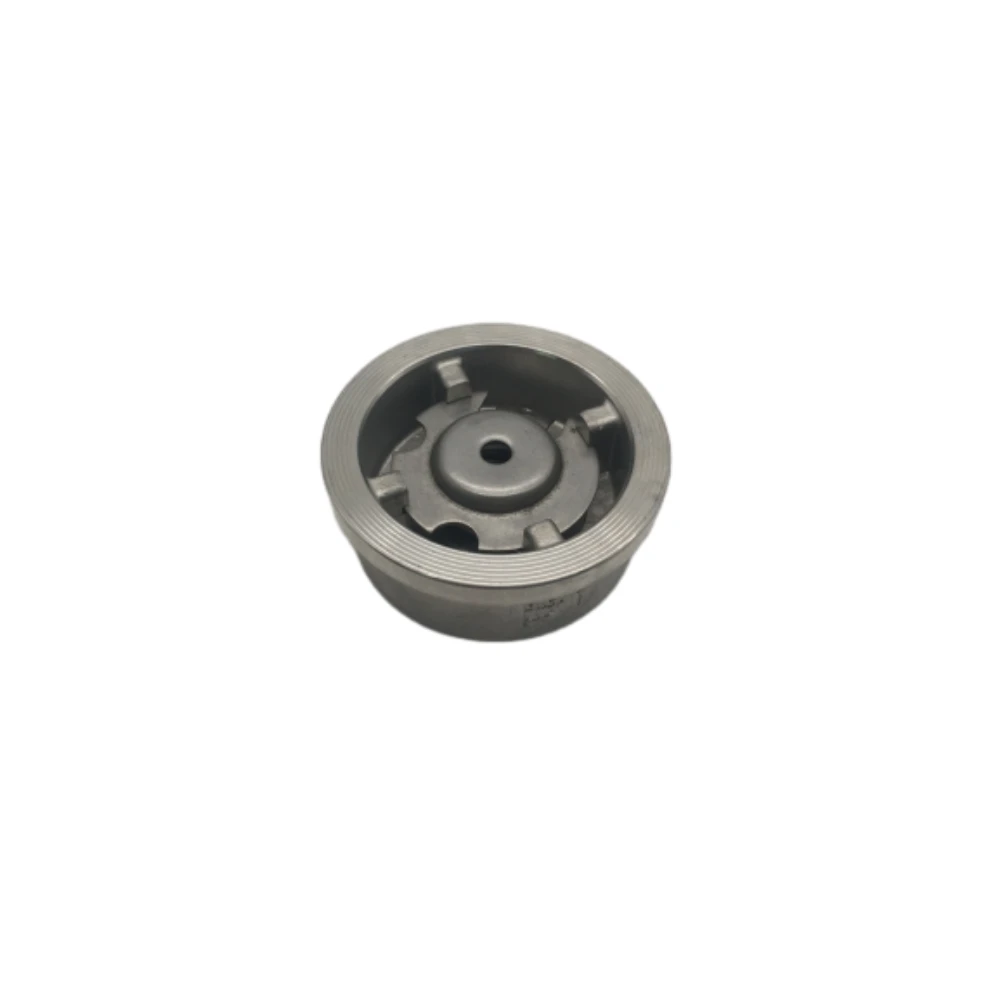
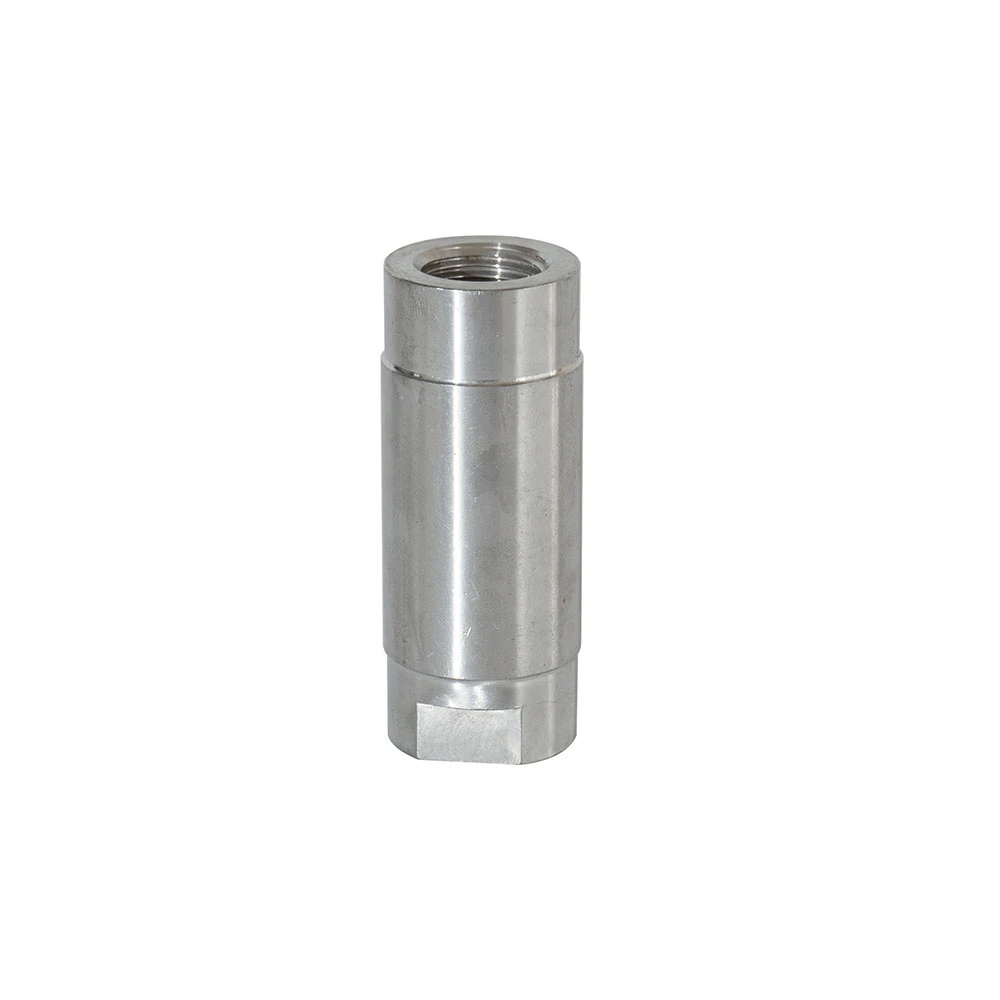
In Yemen, the manufacturing and oil sectors face severe corrosion challenges due to high humidity in coastal cities like Aden and extreme temperature fluctuations in the highlands. This environment demands the use of stainless steel check valves to prevent backflow in volatile piping systems while resisting salt-air oxidation.

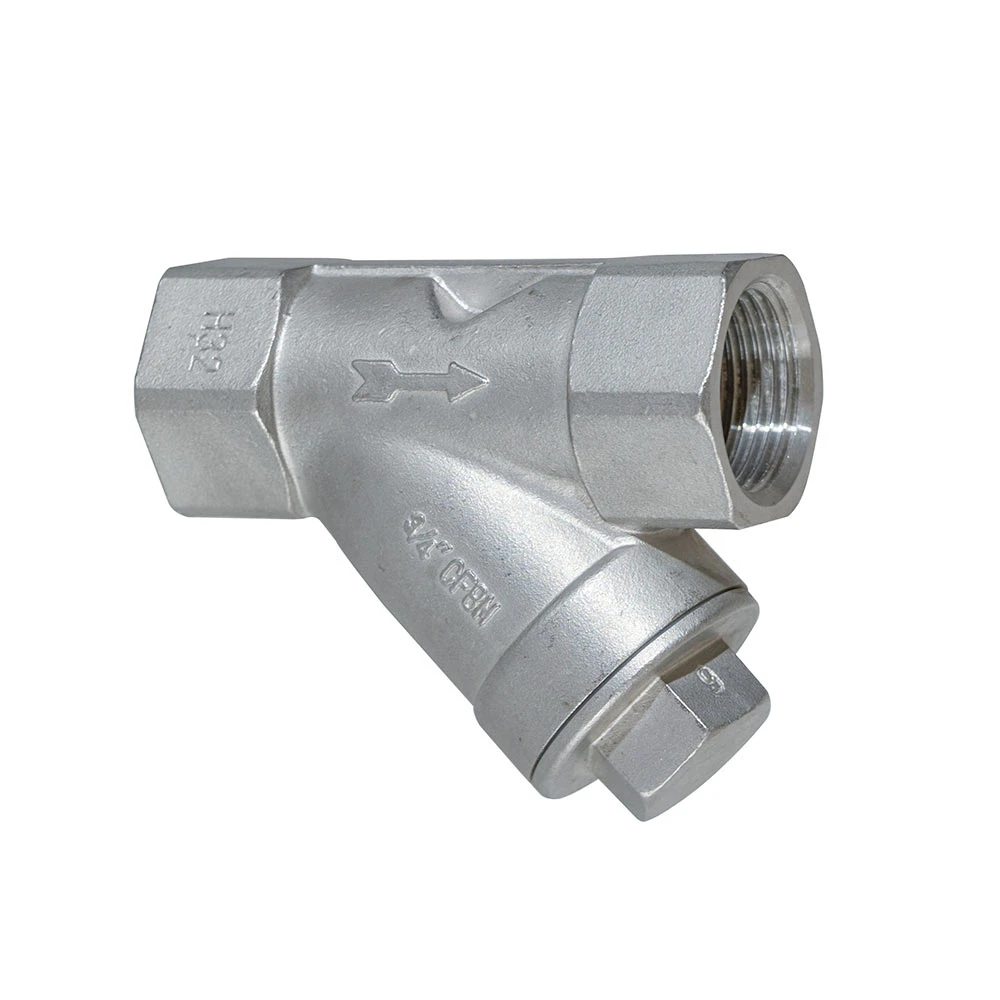
The local infrastructure often struggles with particulate contamination in water and fuel lines. Consequently, the integration of a high-grade ss y strainer has become a critical necessity for protecting downstream equipment from abrasive debris common in regional piping networks.

Economic constraints and supply chain volatility in the region have led to a shift toward "life-cycle value" purchasing. Operators are moving away from cheap carbon steel toward a durable steel check valve to reduce frequent replacement costs and unplanned downtime.
Evolution of Piping Technology in Yemen

From traditional manual valves to high-precision stainless steel engineering.

Market Development History

Prior to 2010, the Yemen market relied heavily on basic cast iron components which suffered from rapid degradation in saline environments. The focus was primarily on immediate functionality rather than long-term durability.

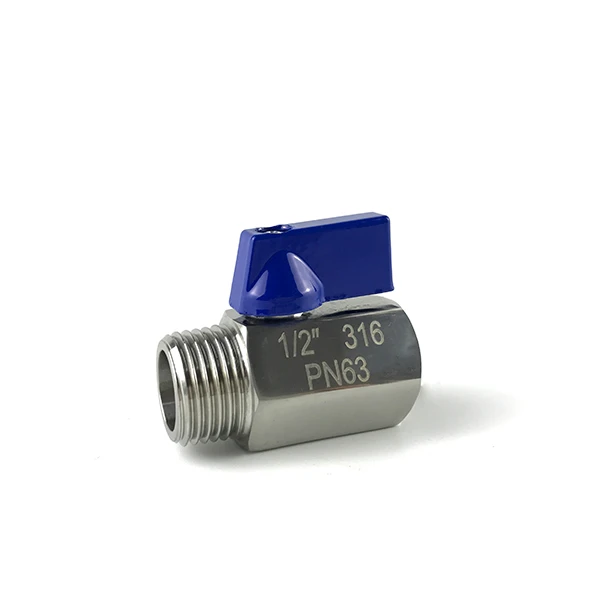
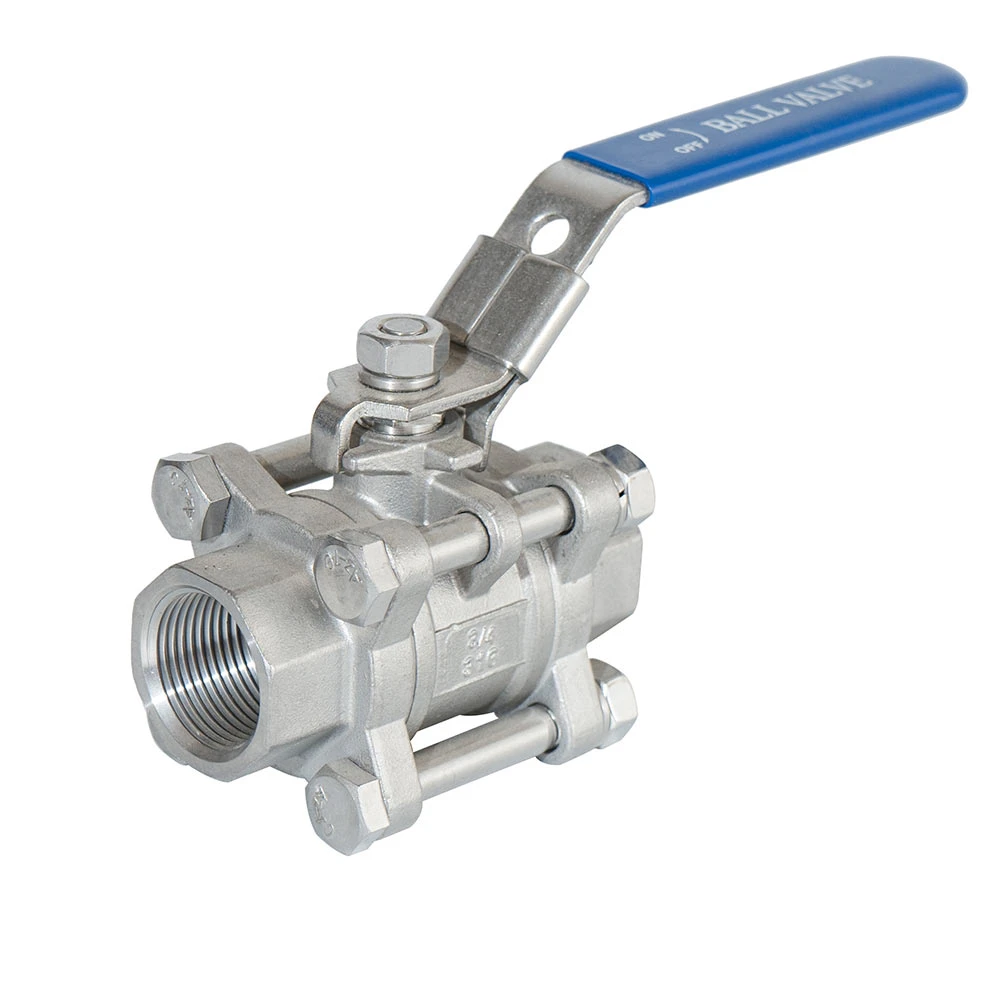
Between 2010 and 2020, there was a significant pivot toward international standards (ANSI/DIN). The introduction of stainless steel valves and fittings allowed the local oil and gas industry to improve safety margins and leak prevention.

From 2020 to the present, the trend has shifted toward material specialization, where CF8M and CF8 stainless steel grades became the baseline for critical infrastructure to ensure resistance against chemical corrosion.

Future Development Trends

Smart Monitoring Integration

Increasing demand for sensors integrated with check valves to monitor flow direction and pressure drops in real-time across distant pipeline nodes.

Advanced Metallurgy

A transition toward Duplex stainless steel to handle higher pressures and more aggressive corrosive media in Yemen's desalination plants.

Modular Filtration Systems

Shift from simple strainers to multi-stage filtration systems to handle the increasing silt levels in regional water sources.

Industry Outlook and Technical Forecast

Predicting the trajectory of fluid control systems for the next 3-5 years.

Corrosion Resistance Upgrade
Widespread adoption of 316L stainless steel to combat extreme salinity in Yemen's coastal industrial zones.
Zero-Leakage Standards
Implementation of bubble-tight sealing in steel check valve designs for hazardous chemical transport.
Energy-Efficient Flow
Optimization of internal geometries to reduce pressure drop and lower pumping energy costs in water treatment.
Rapid-Deployment Kits
Standardized kits combining valves and strainers for fast installation in emergency reconstruction projects.

Industry Outlook

Google search trends indicate a rising interest in "corrosion resistant industrial valves" within the Middle East. For Yemen, this translates to a shift away from generic components toward specialized metallurgy that can withstand high-sulfur environments.

The future focus will be on the synergy between durability and maintenance. We expect a surge in the demand for easy-clean stainless steel y strainer models that allow for rapid debris removal without disrupting the entire system.

Localized Application Scenarios in Yemen

Real-world deployment of stainless steel fluid control in regional industries.

01. Coastal Desalination Plants

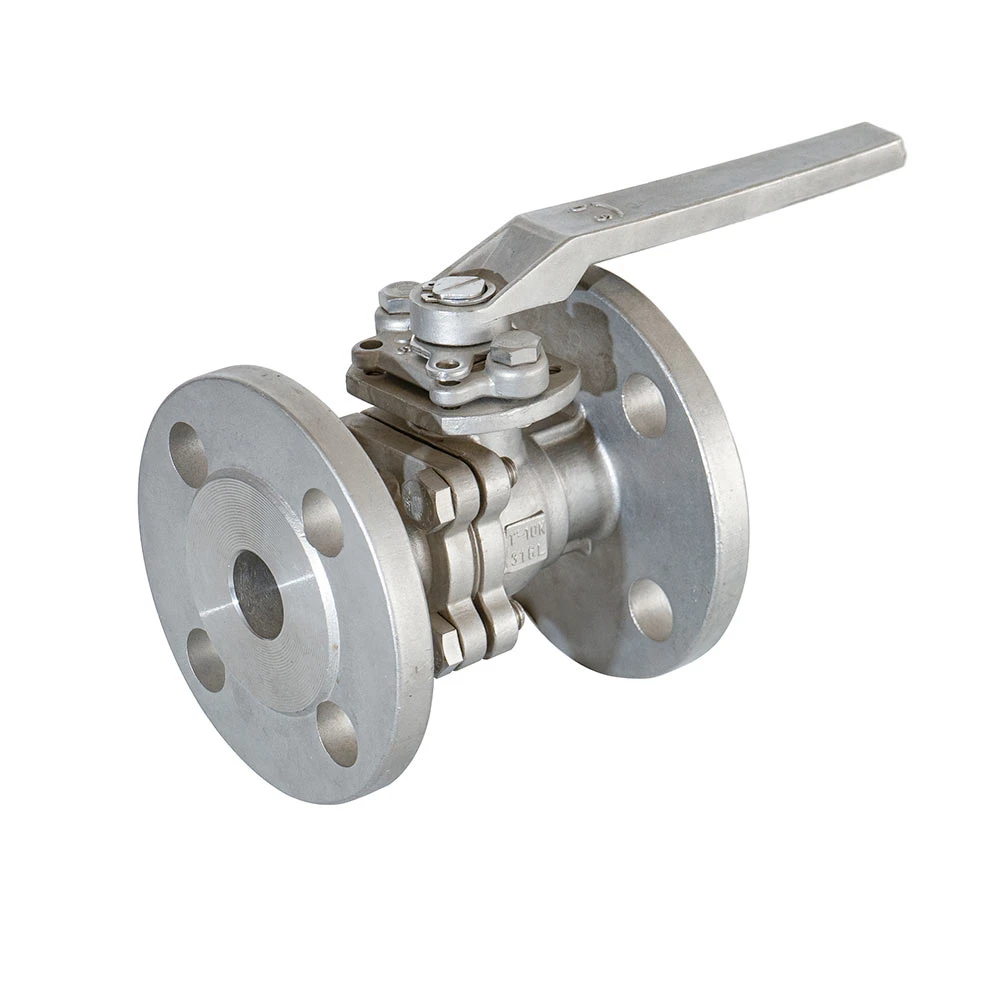
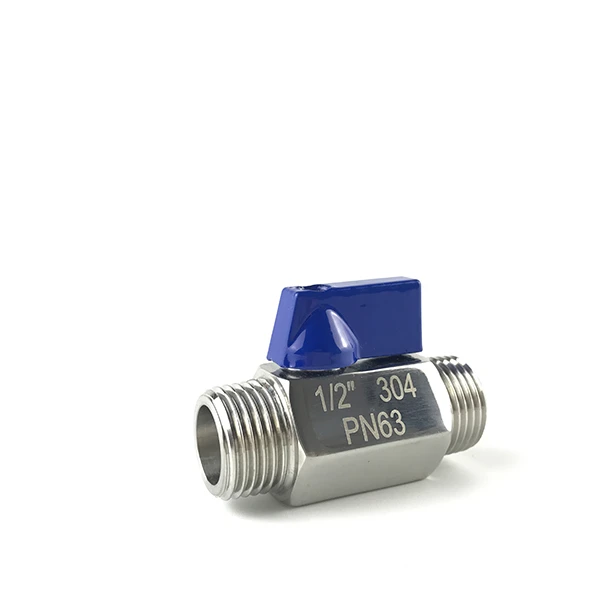
Using high-grade stainless steel valves and fittings to handle hyper-saline brine, preventing pitting and crevice corrosion in the filtration stage.

02. Oil & Gas Refineries in Shabwah

Installing robust stainless steel check valves to prevent dangerous backflow of hydrocarbons during pump failure incidents.

03. Agricultural Irrigation in the Highlands

Deploying ss y strainer units to remove volcanic sediment and sand from groundwater, protecting drip irrigation emitters.

04. Pharmaceutical Production in Sana'a

Implementing sanitary-grade stainless steel components to ensure zero contamination in sterile fluid transport lines for medicine manufacturing.

05. Food and Beverage Processing

Utilizing steel check valve solutions in dairy and juice lines to maintain one-way flow and prevent cross-batch contamination.

Brand Story

Global Development Journey of Cangzhou Houde Stainless Steel Products Co., Ltd.

Foundational Excellence

Established with a focus on precision casting, we began by solving the most basic problem in valve manufacturing: eliminating porosity in stainless steel bodies.

Technological Expansion

Invested in CNC machining and advanced testing labs to ensure every valve meets international pressure and leakage standards.

Market Globalization

Expanded our reach to the Middle East, specializing in high-corrosion environments and tailored solutions for the Yemeni industrial market.

Quality Certification

Achieved global certifications that validate our commitment to E-E-A-T principles in engineering and manufacturing excellence.

Vision for Sustainability

Leading the transition toward eco-friendly manufacturing processes while providing the most durable fluid control components globally.

Complete Product Portfolio for Yemen

Integrated solutions combining filtration and flow control for maximum efficiency.

Common Industrial Inquiries in Yemen

Expert answers to technical challenges faced by regional engineers.

How to choose between 304 and 316 for stainless steel check valves in coastal areas?

For coastal regions like Aden, 316L is strongly recommended over 304 due to its molybdenum content, which provides superior resistance to chloride-induced pitting from sea air.

What is the typical maintenance interval for a stainless steel y strainer in dusty environments?

In arid, sandy regions of Yemen, we recommend a bi-weekly inspection of the strainer screen to prevent pressure drops and ensure optimal flow efficiency.

Can a steel check valve handle high-temperature steam in industrial boilers?

Yes, provided the valve is specified with the correct seat material (such as reinforced PTFE or Metal-to-Metal) to withstand thermal expansion and high-pressure steam.

How do stainless steel valves and fittings prevent system contamination in food plants?

The non-reactive nature of stainless steel combined with polished internal surfaces prevents bacterial growth and eliminates the risk of rust leaching into the product.

What causes premature failure of an ss y strainer in oil applications?

Premature failure is usually caused by undersizing the strainer, leading to excessive pressure differentials that can collapse the internal mesh screen.

Are these components compatible with ANSI and DIN piping standards?

Yes, all our products are manufactured to meet strict international standards, ensuring seamless integration with existing piping infrastructure in Yemen.

Get Expert Technical Consultation

Our engineers are ready to optimize your fluid control systems across Yemen. Contact us today for customized specifications.

Contact Us Now

If you are interested in our products, you can choose to leave your information here, and we will be in touch with you shortly.