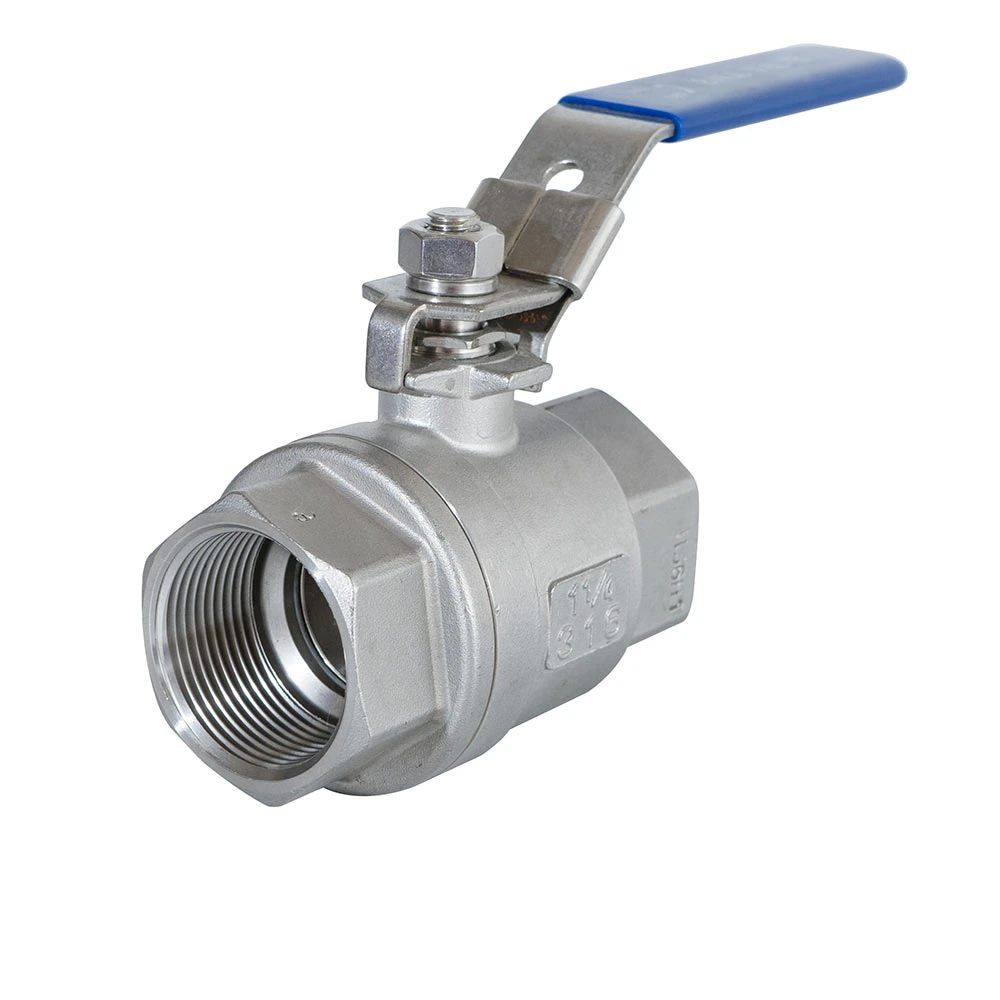
Industrial Flow Control Solutions with ss y strainer in Brazil

High-performance fluid management systems engineered for Brazil's demanding industrial sectors, specializing in corrosion-resistant stainless steel components.

Industrial Flow Control Solutions with ss y strainer in Brazil

Providing Brazil's chemical, oil, and food processing industries with precision-engineered stainless steel valves and fittings to ensure operational safety and maximum efficiency.

Industrial Fluid Dynamics in the Brazilian Market

Analyzing the demand for high-grade alloys in South America's largest economy.

Brazil's industrial landscape is characterized by aggressive environments, from the humid coastal regions of Santos to the heavy mining operations in Minas Gerais. These conditions demand a high reliance on stainless steel check valves to prevent backflow and protect critical machinery from saline corrosion and industrial pollutants.

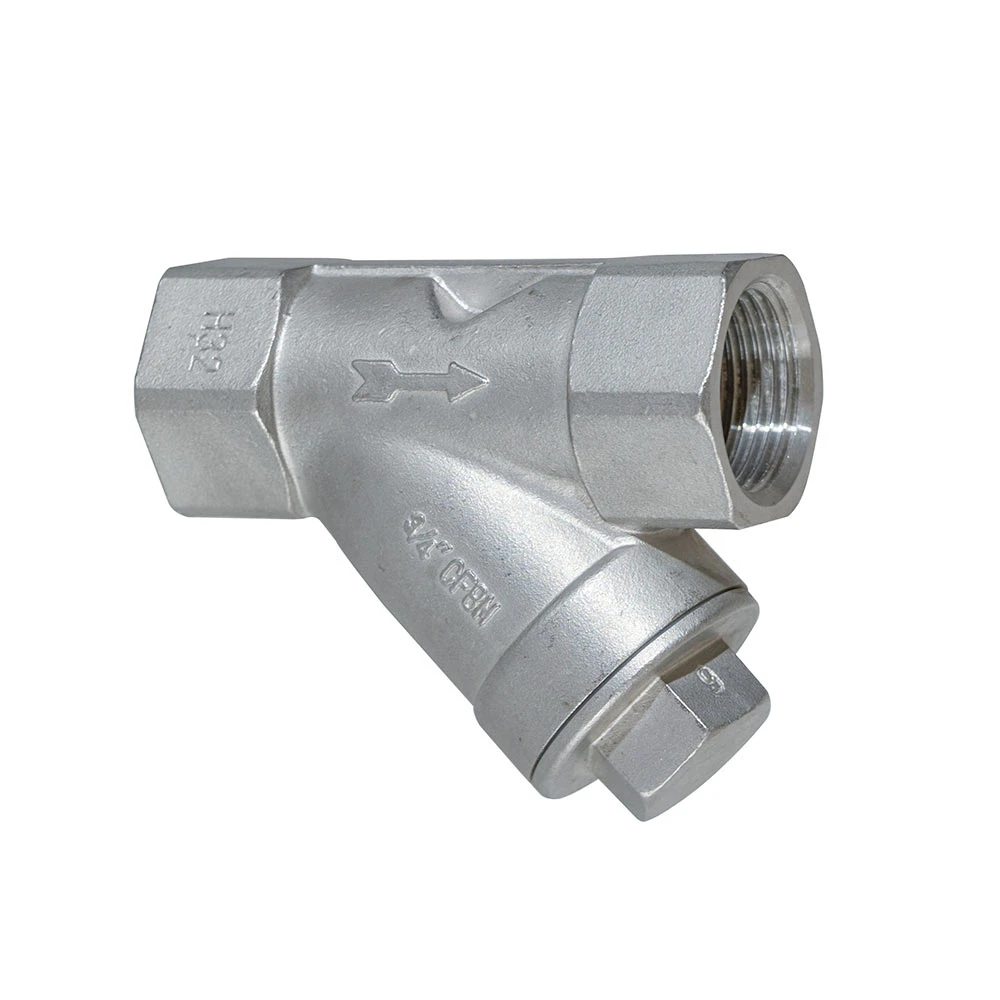
The petrochemical hub in Rio de Janeiro and the agribusiness clusters in the center-west drive a massive demand for filtration and flow regulation. The integration of a robust stainless steel y strainer is essential in these systems to remove debris from crude oil and sugarcane ethanol processing lines, ensuring pump longevity.

Currently, the Brazilian market is shifting from traditional cast iron to high-grade alloys. The adoption of steel check valve technology has increased as industries seek to reduce maintenance downtime and align with international safety standards like ASME and DIN.
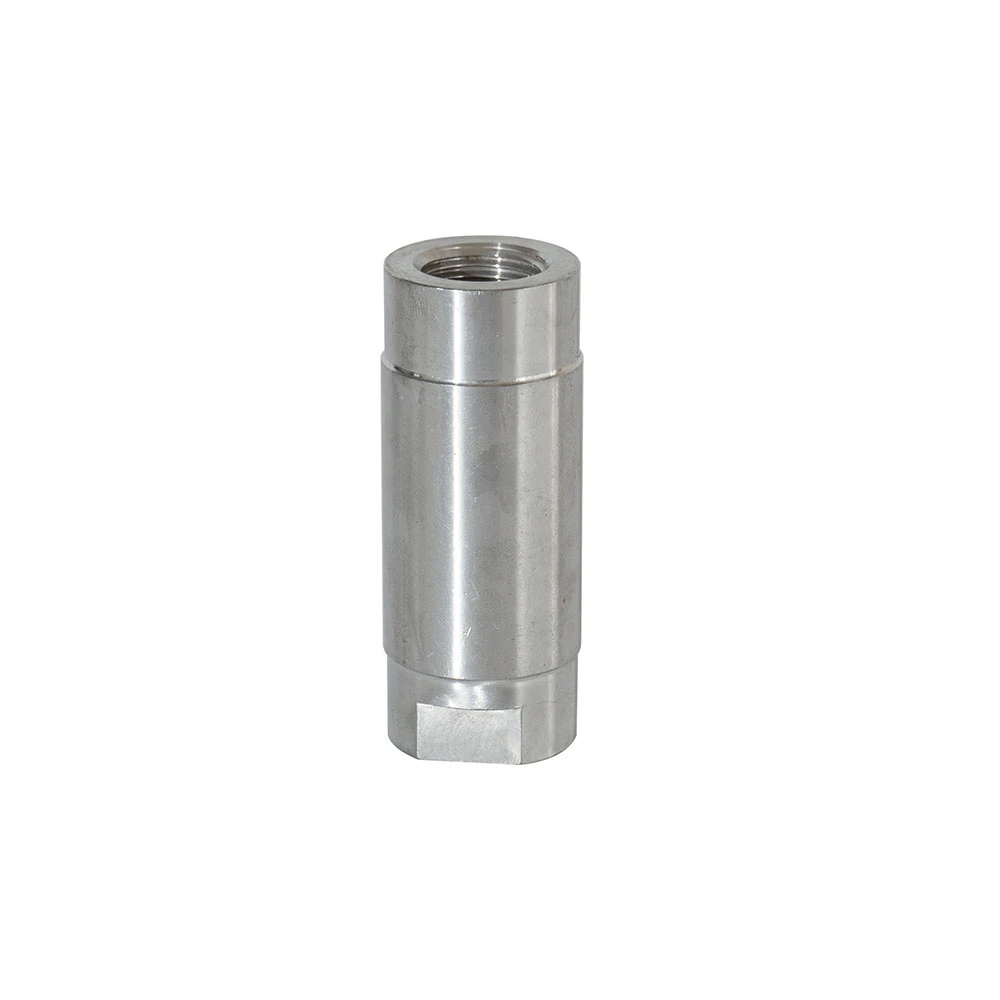
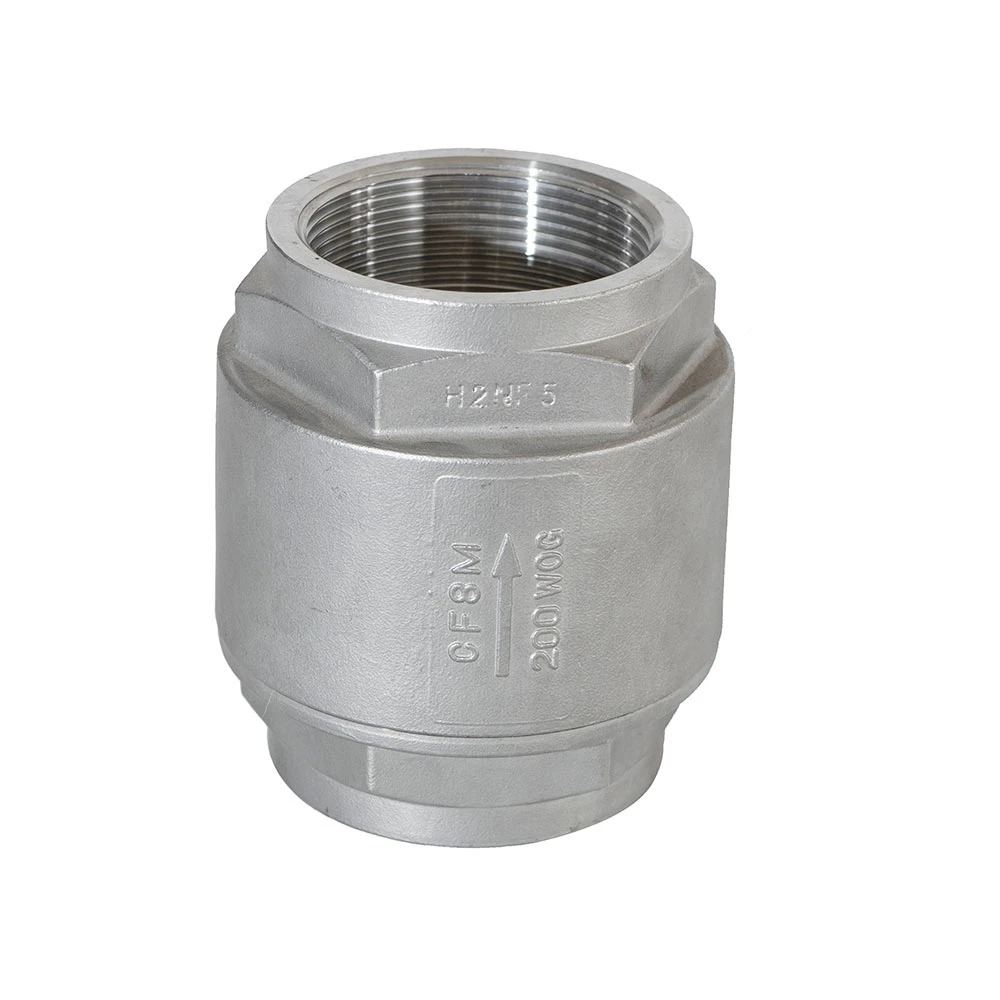
Evolution of Valve Technology in Brazil

From basic mechanical gates to precision-engineered stainless steel flow control.

Market Development History

Between 1990 and 2005, the Brazilian industrial sector relied heavily on imported basic steel components. Most flow control was handled by manual gate valves with limited corrosion resistance, leading to frequent failures in the humid tropical climate.

From 2006 to 2015, there was a significant pivot toward specialized alloys. The rise of the offshore Pre-salt oil fields necessitated the use of high-pressure stainless steel valves and fittings to handle high-salinity deep-sea environments.

Since 2016, the focus has shifted toward "Smart Flow," integrating high-precision components and standardized stainless steel check valves that offer lower cracking pressures and zero-leakage performance.

Future Development Trends

Additive Manufacturing Integration

The next 3 years will see 3D printing of complex internal geometries for stainless steel y strainer elements to optimize flow rates and filtration efficiency.

Digital Twin Monitoring

Integration of IoT sensors within the valve body to monitor wear and tear in real-time, predicting the failure of a steel check valve before it occurs.

Sustainable Material Sourcing

A move toward "Green Steel" and recycled high-grade alloys to meet Brazil's tightening ESG (Environmental, Social, and Governance) regulations in the manufacturing sector.

Future Outlook for Brazil's Flow Control Industry

Strategic projections based on global search trends and regional industrial growth.

Corrosion Resistance Upgrade
Increasing migration to 316L stainless steel to combat high humidity in coastal Brazilian industrial zones.
Process Automation
Shift toward actuator-integrated valves to reduce manual labor in large-scale pulp and paper mills.
Precision Filtration
Higher demand for micron-level mesh in strainers for the pharmaceutical industry in São Paulo.
Regulatory Alignment
Strict adherence to NR-13 standards for pressure vessels and piping in Brazilian factories.

Industry Outlook

Based on Google search trends for "industrial valve maintenance" in Brazil, there is a clear trajectory toward preventative replacement. Companies are increasingly searching for long-term durability over low initial cost, favoring premium stainless steel options.

The projected growth of the Brazilian hydrogen economy will further accelerate the demand for high-pressure, leak-proof stainless steel valves and fittings as infrastructure for clean energy transport is developed.

Local Application Scenarios in Brazil

Real-world deployments of stainless steel fluid control in key Brazilian sectors.

1. Petrobras Offshore Platforms

Installation of heavy-duty steel check valve units in deep-water extraction pipelines to prevent catastrophic backflow under extreme pressure.

2. São Paulo Pharmaceutical Hubs

Use of ultra-hygienic ss y strainer systems to ensure purity in liquid medicine production lines, avoiding particulate contamination.

3. Mato Grosso Agribusiness Plants

Deployment of stainless steel check valves in soybean oil processing plants to handle viscous fluids and resist organic acids.

4. Minas Gerais Mining Operations

Integration of robust stainless steel valves and fittings in slurry transport systems to withstand highly abrasive mineral particles.

5. Coastal Desalination Plants

Utilization of Grade 316 stainless steel filtration units to manage high-salinity seawater intake, preventing premature corrosion of pump internals.

Brand Story

Global Development Journey of Cangzhou Houde Stainless Steel Products Co., Ltd.

Foundational Excellence

Established with a focus on metallurgical precision, we began by solving the basic leakage problems of traditional industrial valves.

Material Innovation

We expanded our R&D to master complex stainless steel alloys, ensuring our products could survive the harshest chemical environments.

Global Expansion

Recognizing the need for reliability in South America, we optimized our logistics to provide rapid delivery to the Brazilian market.

Quality Standardization

Achieving international certifications (ISO/CE) to ensure every valve meeting the strictest global safety and performance criteria.

Future Vision

Our mission is to eliminate industrial downtime worldwide by providing zero-fail flow control solutions tailored to local environmental needs.

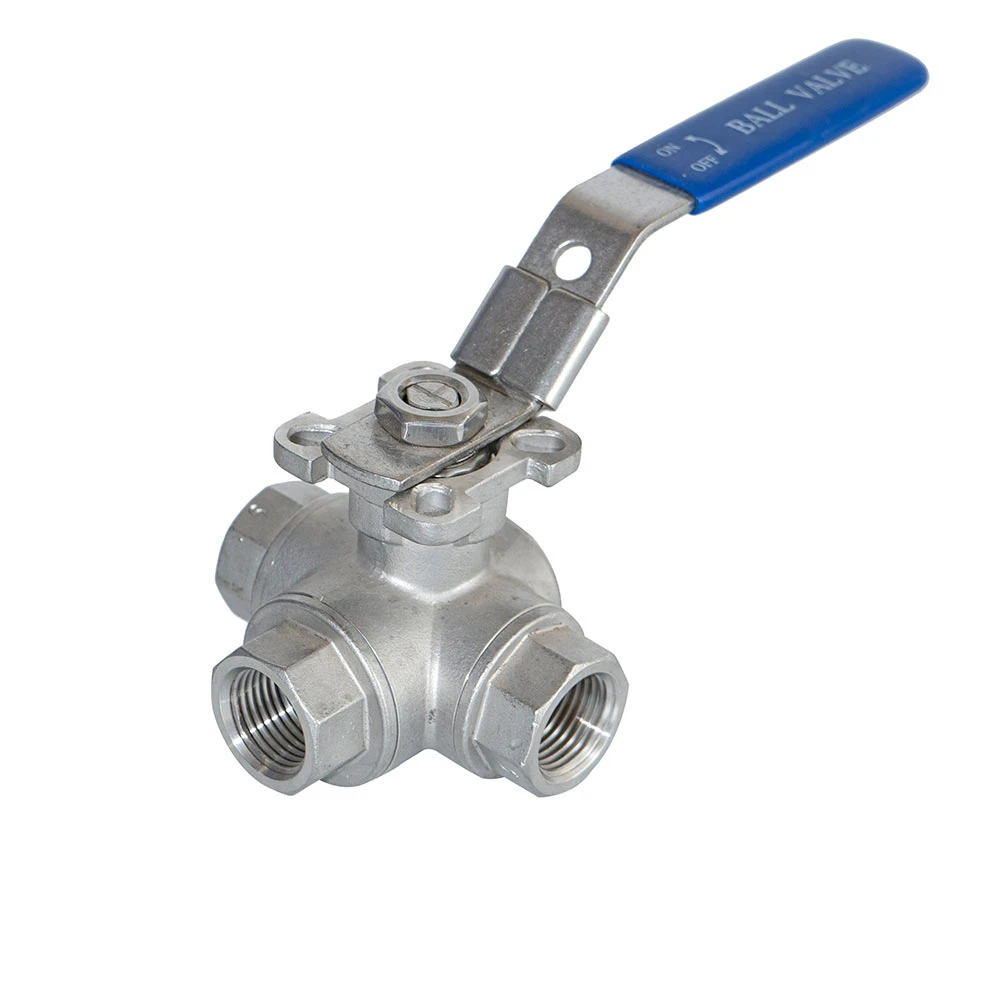
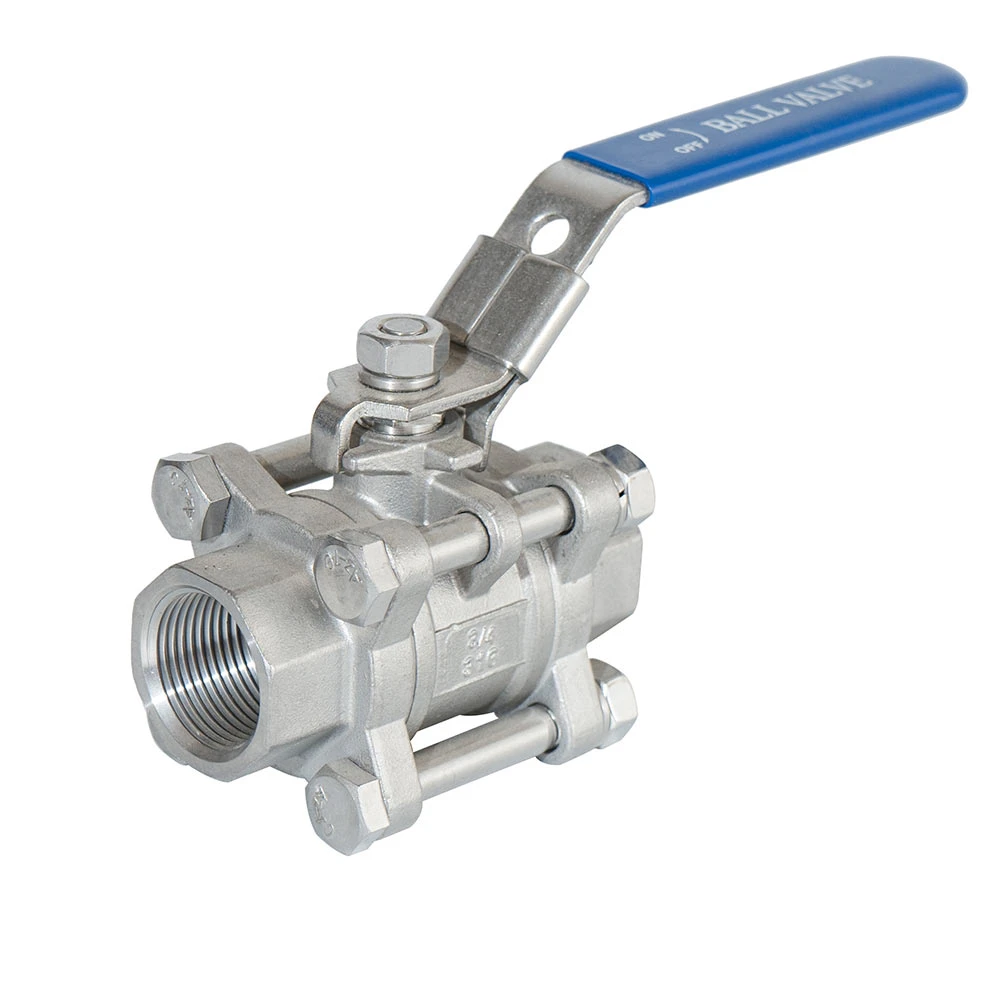
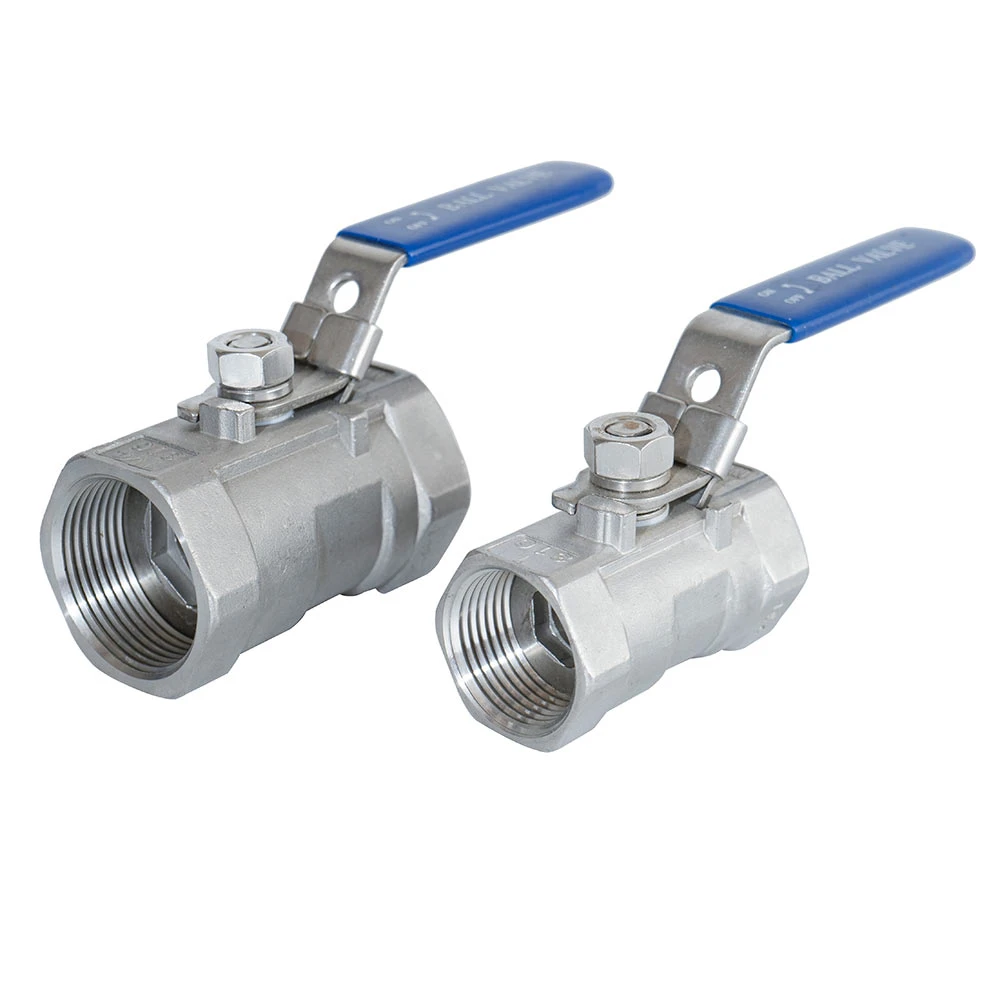
Comprehensive Flow Control Portfolio for Brazil

A full suite of corrosion-resistant solutions engineered for Brazilian industrial standards.

Common Inquiries for Industrial Valves in Brazil

Expert answers to technical questions regarding fluid control in the Brazilian region.

Which grade is best for stainless steel check valves in coastal Brazil?

For coastal areas with high salinity, we strongly recommend Grade 316L stainless steel due to its superior resistance to chloride pitting compared to Grade 304.

How often should a stainless steel y strainer be cleaned in sugarcane ethanol plants?

Depending on the fluid viscosity, we recommend a monthly inspection and cleaning cycle to prevent pressure drops and ensure optimal flow efficiency.

Can a steel check valve handle the high-pressure requirements of Pre-salt oil rigs?

Yes, our forged steel check valves are designed for high-pressure applications and meet international API standards for deep-sea oil and gas operations.

Do your stainless steel valves and fittings comply with Brazilian NR-13 standards?

All our products are manufactured to ASME/DIN standards, which provide the necessary technical documentation required for NR-13 safety compliance in Brazil.

What is the benefit of using an ss y strainer over a basket strainer?

The Y-strainer offers a more compact design and is ideal for high-pressure lines where space is limited and only coarse filtration is required.

How do I prevent water hammer using stainless steel check valves?

We recommend using a silent check valve or a spring-loaded design to ensure rapid closure, which minimizes the impact of water hammer in piping systems.

Expert Guidance for Your Piping Project

Our technical engineers are ready to help you select the perfect flow control components for your operations in Brazil.

Contact Us Now

If you are interested in our products, you can choose to leave your information here, and we will be in touch with you shortly.