
Industrial Fluid Control Solutions for ss y strainer in Italy

High-performance stainless steel filtration and flow control engineered for the rigorous demands of Italian manufacturing and petrochemical sectors.

Industrial Fluid Control Solutions for ss y strainer in Italy

Integrating premium stainless steel valves and fittings to ensure zero-leakage and maximum durability in Italy's diverse industrial landscapes.

The State of Fluid Management in Italy

Analyzing the adoption of high-grade alloy components in the Mediterranean industrial hub.

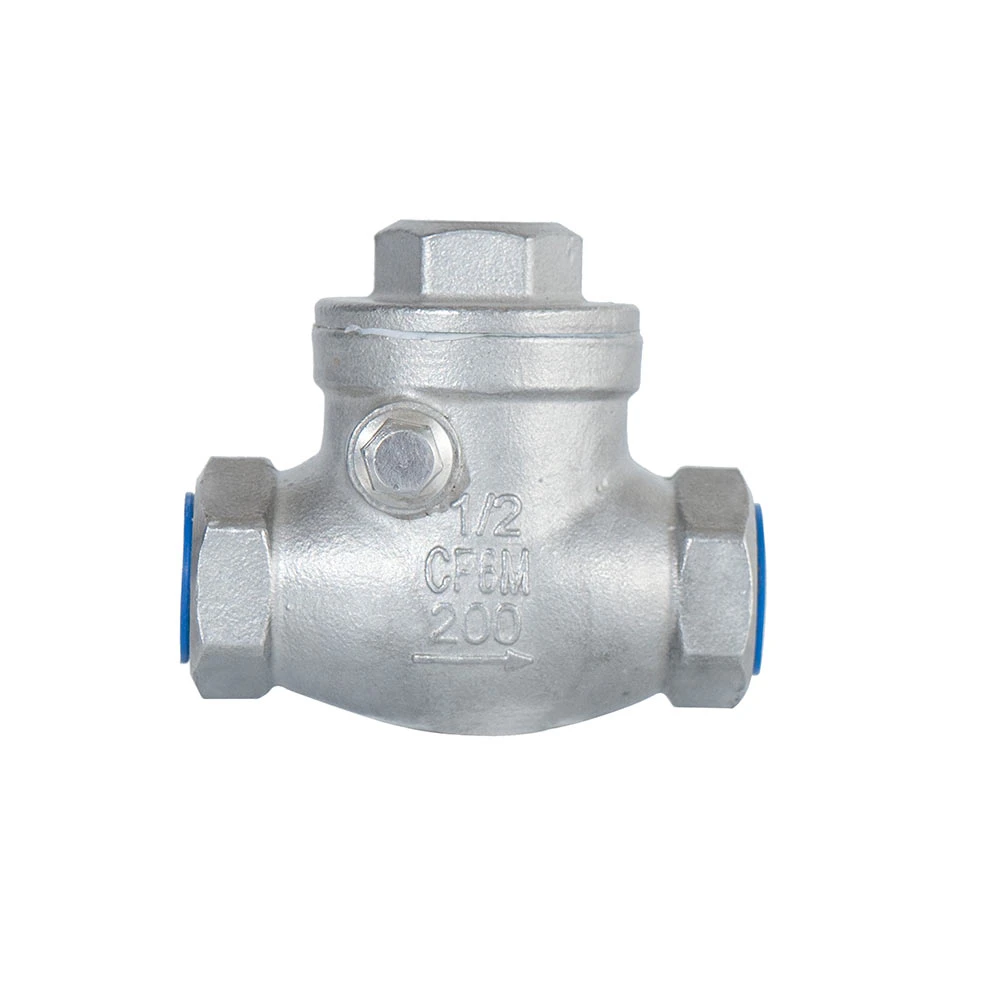
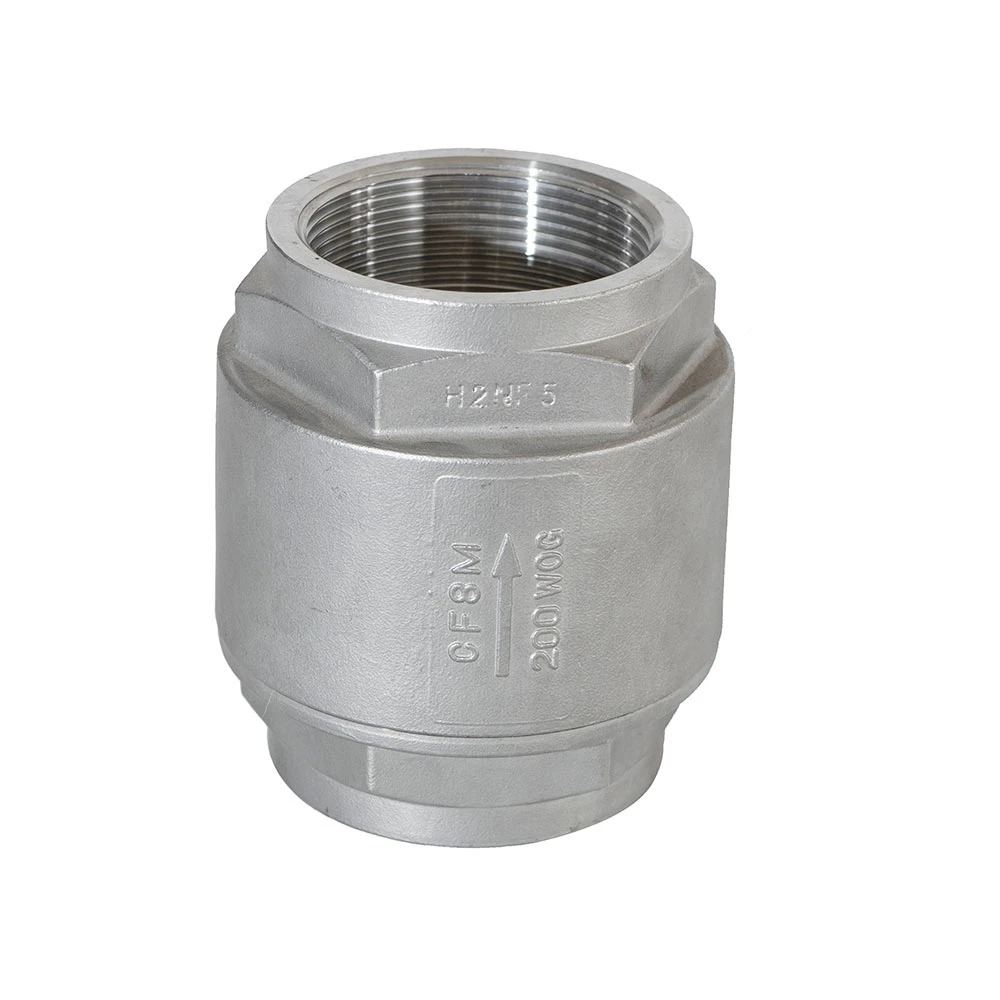
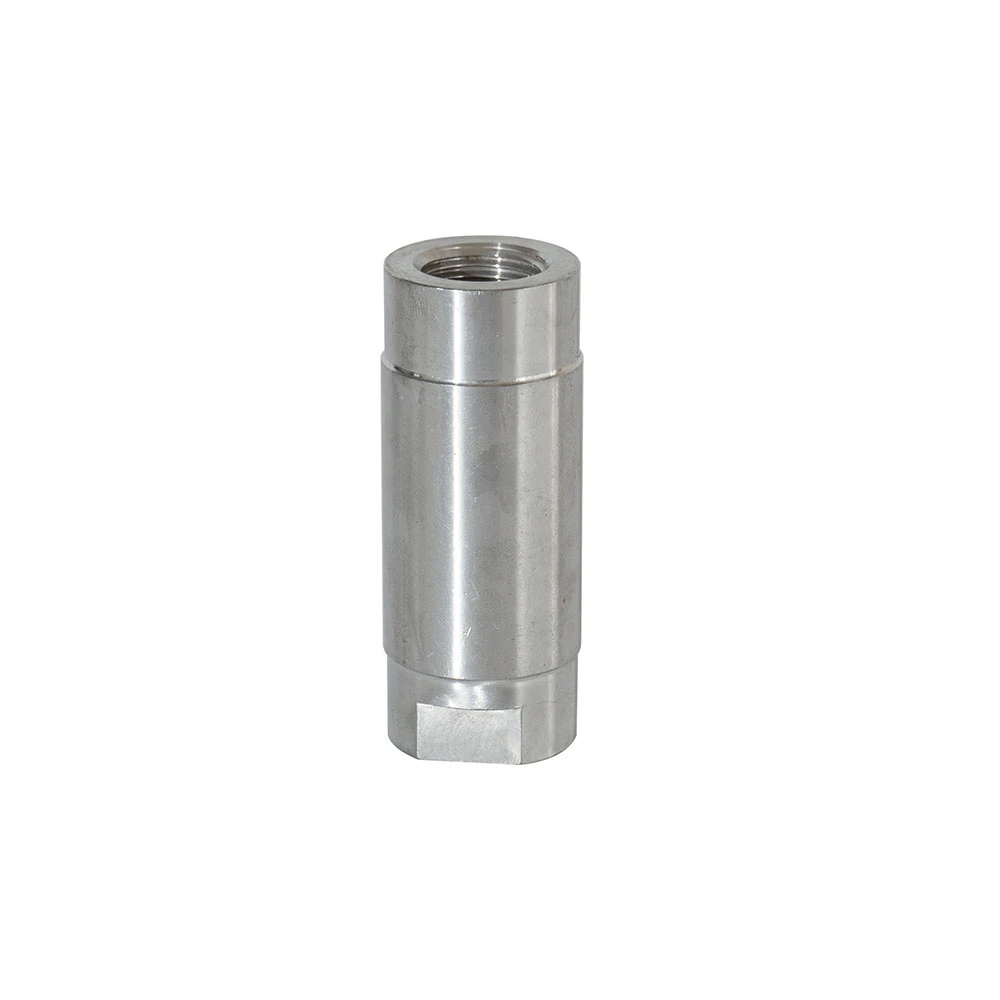
Italy's industrial sector, particularly in the northern regions like Lombardy and Veneto, relies heavily on precision engineering. The prevalence of saline air in coastal industrial zones necessitates the use of stainless steel check valves to prevent corrosion and ensure the unidirectional flow of corrosive fluids in chemical processing.

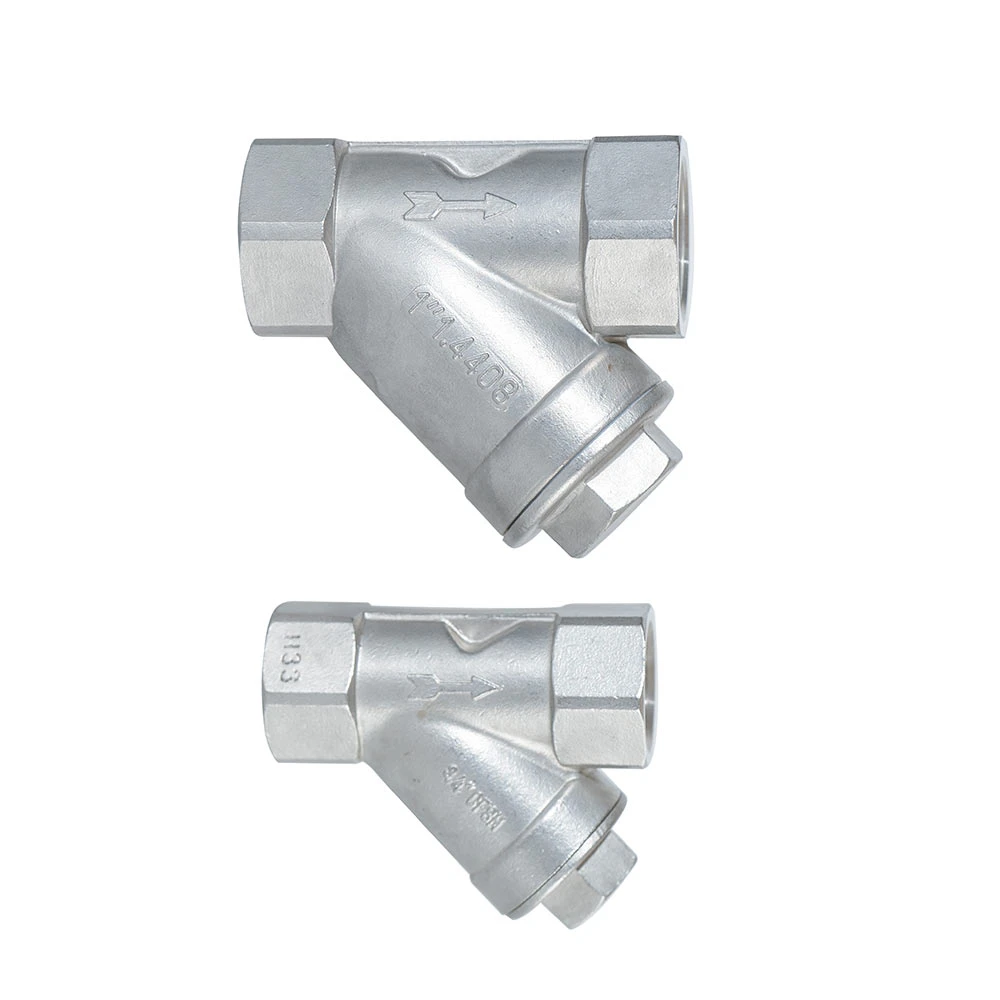
In the food and beverage industry—a cornerstone of the Italian economy—the demand for hygienic stainless steel y strainer systems is paramount. These components must withstand frequent CIP (Clean-in-Place) cycles and strict EU sanitary regulations, driving a shift toward AISI 316L grade materials.

Currently, Italian manufacturers are transitioning from traditional cast iron to a high-performance steel check valve architecture to handle higher pressure differentials in automated pharmaceutical plants, reducing maintenance downtime and increasing operational safety.
Technical Evolution of Valve Manufacturing in Italy

From artisanal casting to CNC-precision fluid control systems.

Market Development History

During the 1980s and 90s, the Italian market was dominated by standard brass and carbon steel fittings. However, as the chemical industry expanded, the transition to stainless steel valves and fittings became essential to combat oxidation and fluid contamination.

By the early 2010s, the integration of CAD/CAM technology allowed for tighter tolerances in the production of stainless steel check valves, significantly reducing the "water hammer" effect in large-scale Italian irrigation and heating systems.

In the last five years, the focus has shifted toward "Industry 4.0," where the physical properties of a steel check valve are now paired with digital monitoring sensors to predict wear and tear in real-time.

Future Development Trends

Additive Manufacturing Integration

We anticipate a rise in 3D-printed stainless steel internals for customized strainers to optimize flow dynamics in specialized Italian biotech labs.

Green Hydrogen Compatibility

The shift toward hydrogen energy in Europe will require valves with advanced hydrogen embrittlement resistance, pushing the boundaries of alloy metallurgy.

Smart Filtration Systems

Future ss y strainer units will likely feature differential pressure sensors that alert operators via IoT when cleaning is required.

Industry Trends and Future Outlook

Strategizing for the next era of fluid dynamics in the European market.

Material Optimization
Increased adoption of Duplex stainless steels to handle higher chloride environments in Italian coastal plants.
Digital Integration
Integrating smart sensors into valve bodies for predictive maintenance and leak detection.
Eco-Design Focus
Reducing carbon footprint through recycled steel procurement and energy-efficient manufacturing.
Strict Certification
Alignment with PED (Pressure Equipment Directive) and ISO 15848 for fugitive emissions.

Industry Outlook

Google search trends indicate a sharp increase in queries related to "corrosion resistant valves" and "low-emission fittings" within Italy. This suggests a market pivot toward sustainability and long-term reliability over initial procurement costs.

As Italy invests more in the "Green Deal" infrastructure, the demand for high-precision fluid control will escalate, particularly in waste-to-energy plants and carbon capture facilities.

Local Application Scenarios in Italy

Real-world deployments of stainless steel components in Italian industry.

01. Wine and Olive Oil Production (Tuscany/Puglia)

Implementation of stainless steel y strainer units to remove organic particulates from fluid lines, ensuring the purity of premium exports.

02. Pharmaceutical Synthesis (Lombardy)

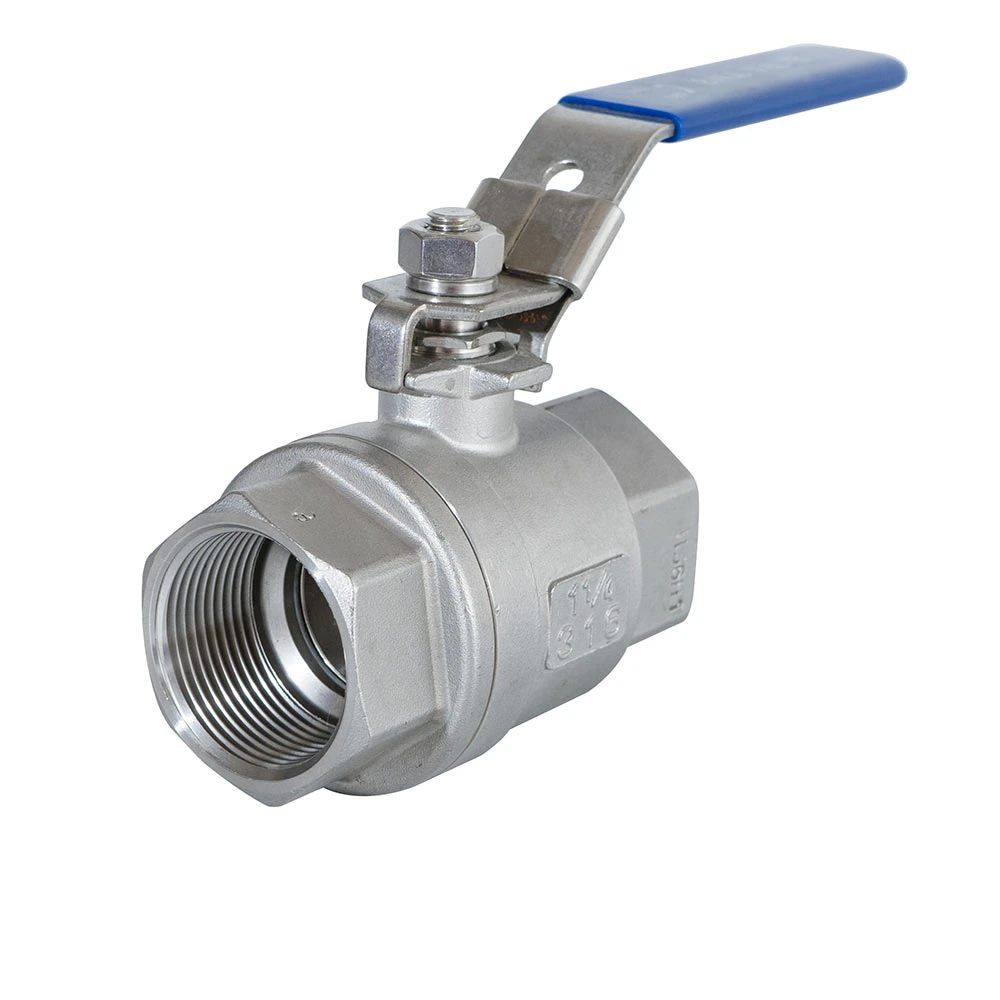
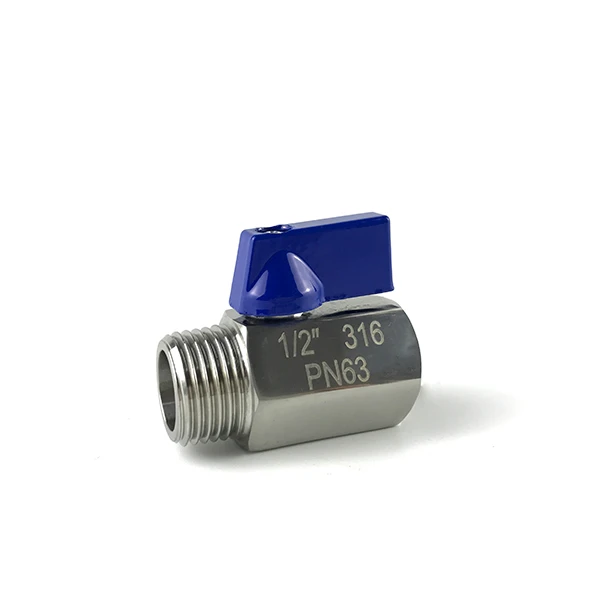
Use of high-precision stainless steel valves and fittings to maintain sterile environments and prevent cross-contamination in drug formulation.

03. Petrochemical Refineries (Sicily/Sardinia)

Installation of heavy-duty steel check valve systems to manage high-pressure hydrocarbon flow and prevent backflow in volatile environments.

04. Marine Engineering (Genoa/Trieste)

Deploying stainless steel check valves in desalination plants and ship engine cooling systems to resist salt-water corrosion.

05. Industrial Heating Systems (Milan/Turin)

Integration of stainless steel filtration components in district heating networks to protect boilers from scale and debris.

Brand Story

Global Development Journey of Cangzhou Houde Stainless Steel Products Co., Ltd.

Foundational Excellence

Established with a focus on precision casting, Houde began by solving the core problem of premature valve failure in corrosive environments.

Technological Pivot

Invested in advanced CNC machining to transition from standard components to high-tolerance custom valves for global industries.

European Expansion

Successfully entered the European market by aligning production with PED and CE standards, catering to the strict Italian engineering codes.

Innovation Leadership

Developed a proprietary coating process that extends the lifespan of stainless steel valves in high-salinity coastal regions.

Sustainable Future

Committed to a carbon-neutral manufacturing path, providing the global market with sustainable fluid control solutions.

Complete Fluid Control Portfolio for Italy

A comprehensive range of AISI 304/316L components designed for maximum reliability.

Frequently Asked Questions - Italy Region

Expert answers regarding stainless steel valve applications and maintenance.

Which grade of stainless steel check valves is best for coastal industries in Italy?

For coastal regions like Genoa or Venice, we strongly recommend AISI 316L due to its superior molybdenum content, which provides enhanced resistance to pitting and crevice corrosion caused by chlorides.

How often should a stainless steel y strainer be cleaned in a food processing plant?

Depending on the viscosity of the fluid, we recommend a weekly inspection and a monthly deep clean to prevent pressure drops and ensure compliance with hygienic standards.

Can a steel check valve handle high-temperature steam in Italian power plants?

Yes, provided the valve is rated for the specific temperature and pressure. Our high-temp series utilizes specialized seating materials to maintain a tight seal under thermal expansion.

Do your stainless steel valves and fittings meet EU PED certifications?

Absolutely. All our components are manufactured in accordance with the Pressure Equipment Directive (PED) to ensure safety and legality for installation within the European Union.

What is the advantage of an ss y strainer over a basket strainer?

Y-strainers are more compact, generally more cost-effective, and ideal for high-pressure applications where space is limited, making them a preferred choice for Italian industrial piping.

How do I prevent cavitation in stainless steel check valves?

Prevent cavitation by ensuring correct sizing of the valve to avoid excessive pressure drops and by installing the valve in a position that minimizes turbulence.

Ready to Optimize Your Fluid Systems?

Our engineering team is ready to provide tailored valve and fitting solutions for your projects in Italy.

Contact Us Now

If you are interested in our products, you can choose to leave your information here, and we will be in touch with you shortly.