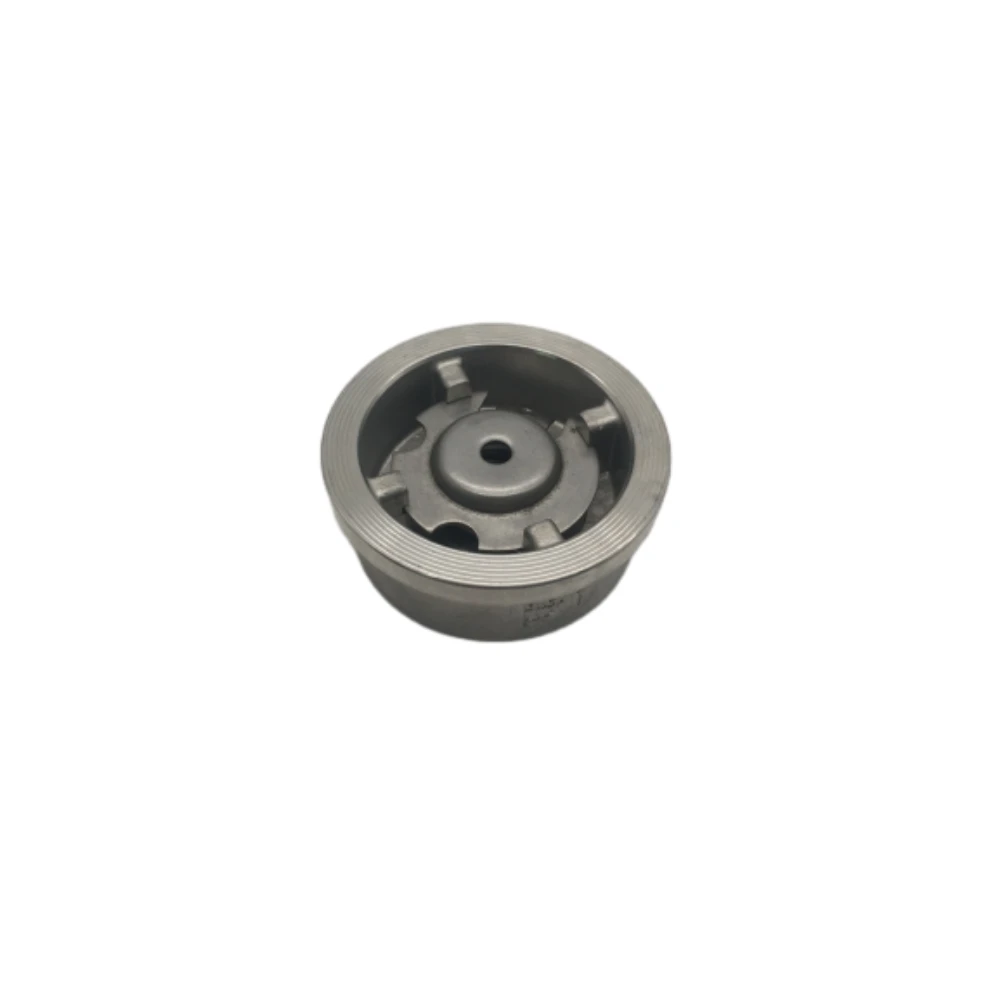
Industrial Fluid Control Solutions for ss y strainer in Netherlands

High-performance fluid management components engineered for the demanding maritime and industrial environments of the Dutch market.

Industrial Fluid Control Solutions for ss y strainer in Netherlands

Providing precision-engineered stainless steel valves and fittings to ensure operational safety and leak-proof performance across the Netherlands' industrial hubs.

Current Landscape of Fluid Control in the Netherlands

Analyzing the demand for corrosion-resistant flow components in Western Europe's logistics heartland.

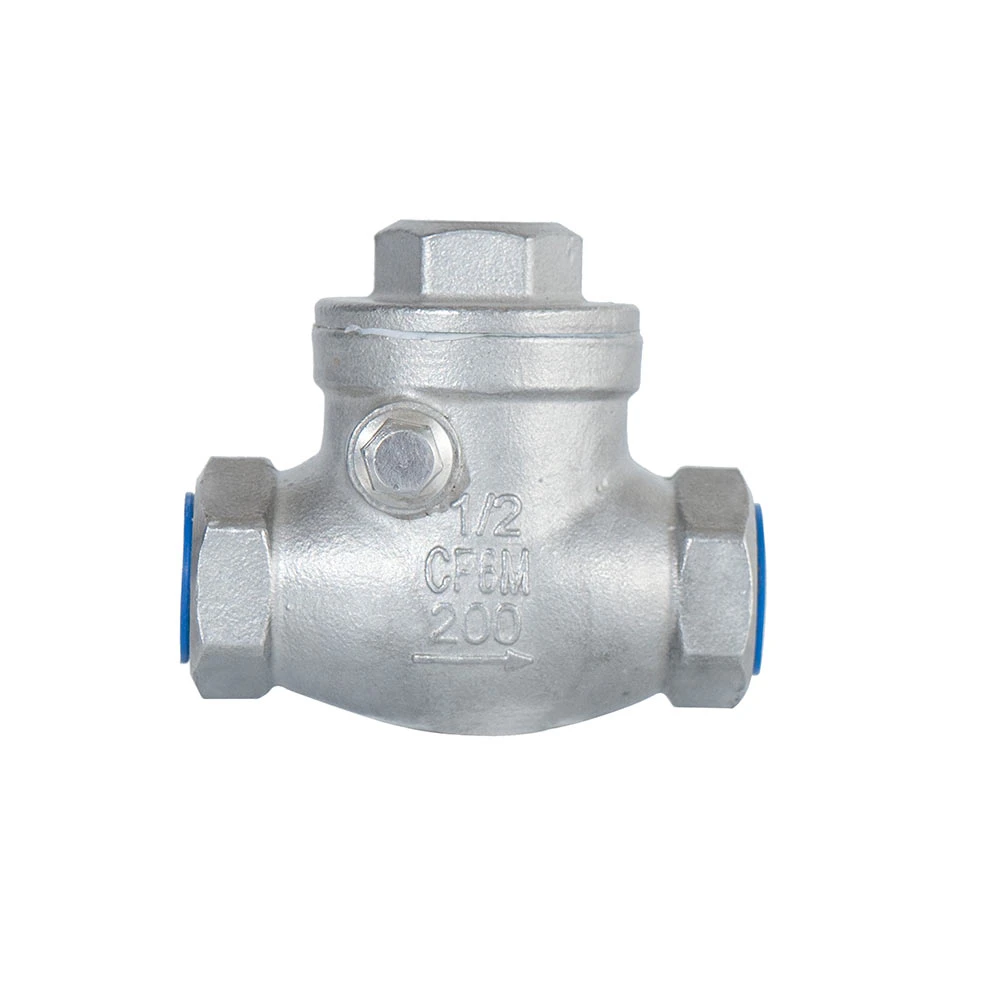
The Netherlands, characterized by its extensive network of canals, ports like Rotterdam, and a high concentration of chemical processing plants, demands exceptional material durability. The prevalence of saline air and humid coastal climates makes the use of stainless steel check valves a critical requirement to prevent atmospheric corrosion and ensure long-term system integrity.

In the Dutch industrial sector, there is a stringent adherence to European PED (Pressure Equipment Directive) standards. This regulatory environment has pushed manufacturers to shift from standard alloys to high-grade steel check valve options that can withstand both high-pressure fluctuations and the aggressive chemical agents used in local refineries.

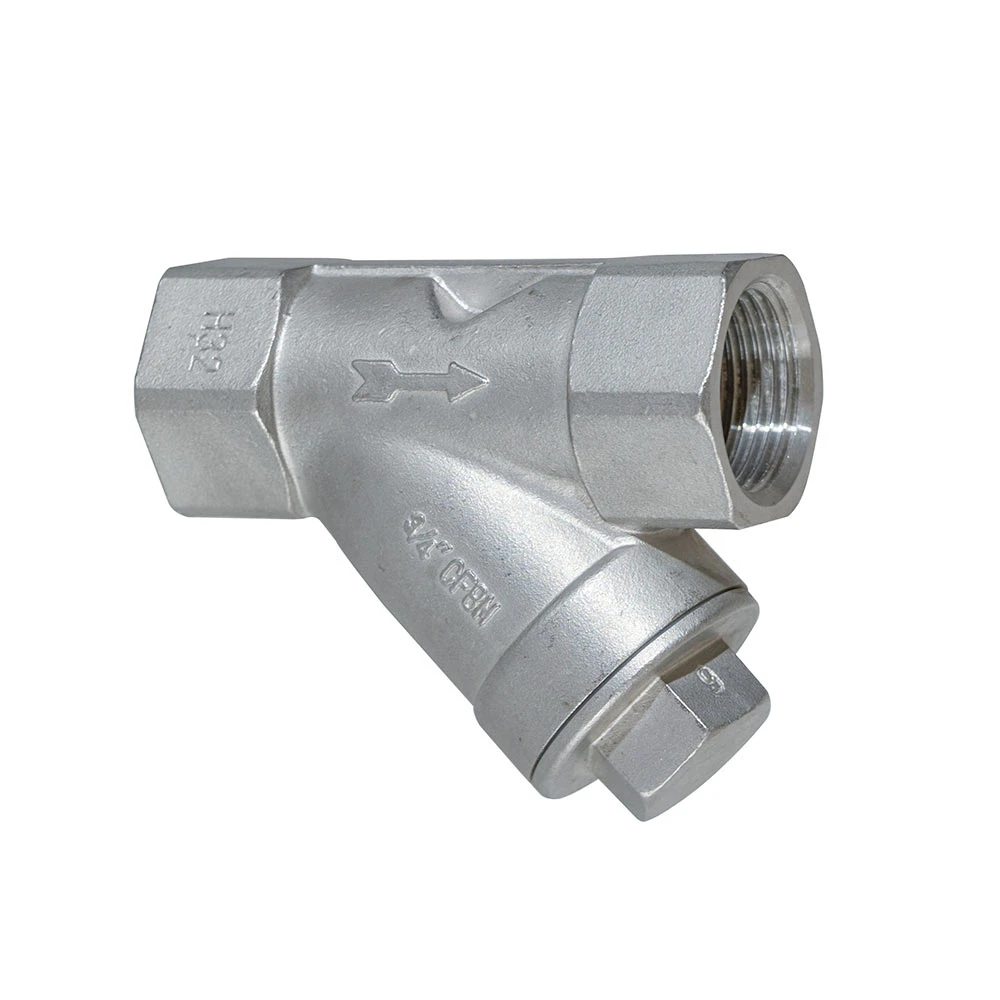
Furthermore, the Dutch commitment to "Circular Economy" goals has increased the demand for components with longer lifecycles. The implementation of high-quality stainless steel y strainer units has become standard practice to protect downstream equipment from particulate contamination, thereby reducing waste and maintenance downtime in automated factories.
Evolution of Valve Technology in Dutch Manufacturing

From manual mechanical seals to smart, corrosion-resistant fluid systems.

Market Development History

During the late 20th century, the Dutch market primarily relied on carbon steel and cast iron fittings. However, as the petrochemical sector expanded around the Maasvlakte, the vulnerability of these materials to chloride-induced stress corrosion cracking led to a rapid transition toward 304 and 316 stainless steel in the 1990s.

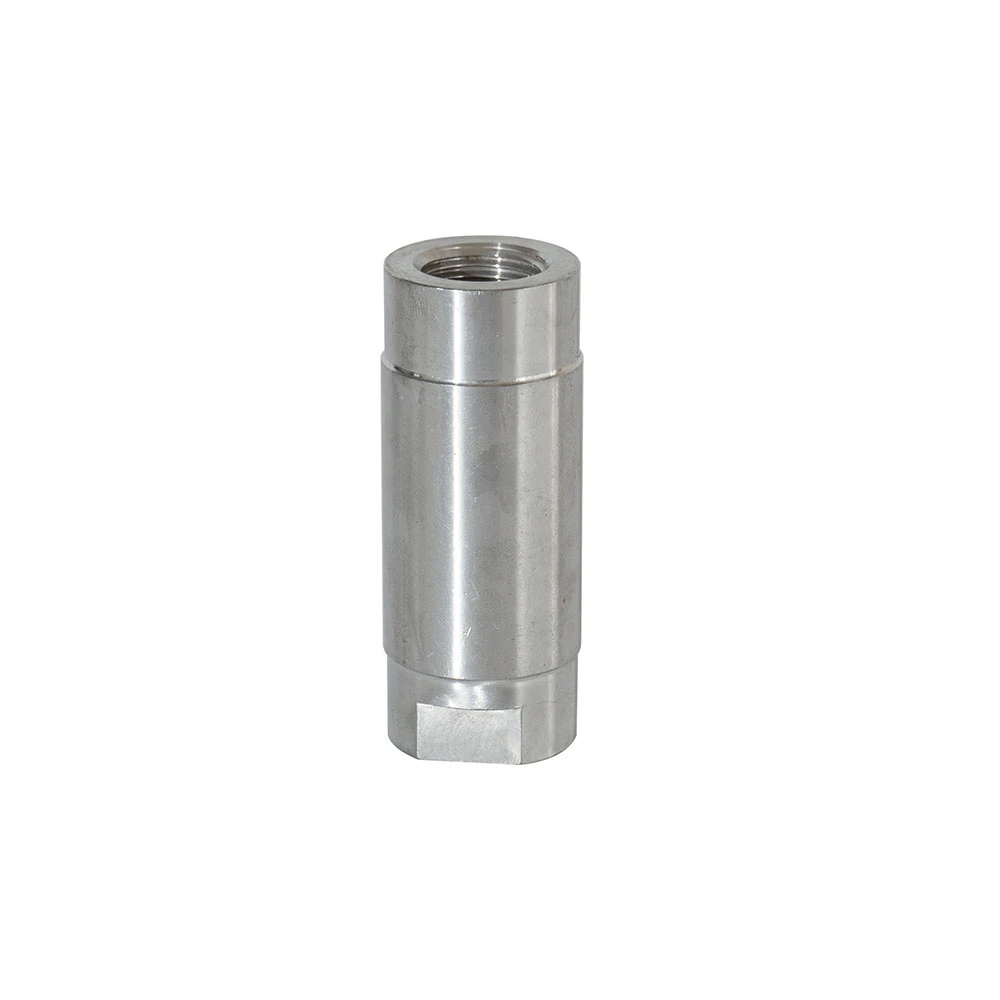
By the early 2010s, the focus shifted from simple material replacement to precision engineering. The introduction of CNC-machined stainless steel check valves allowed for tighter tolerances and reduced leakage rates, meeting the increasing efficiency demands of the Dutch energy transition projects.

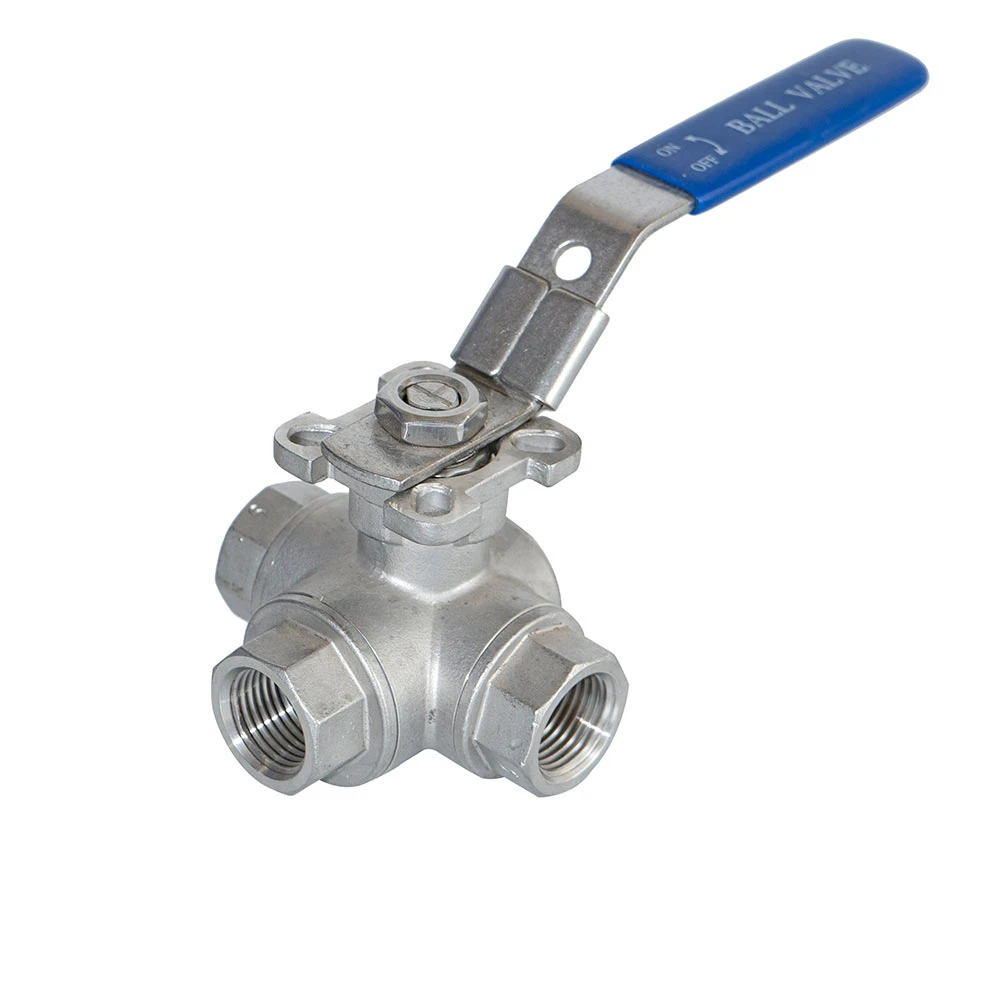
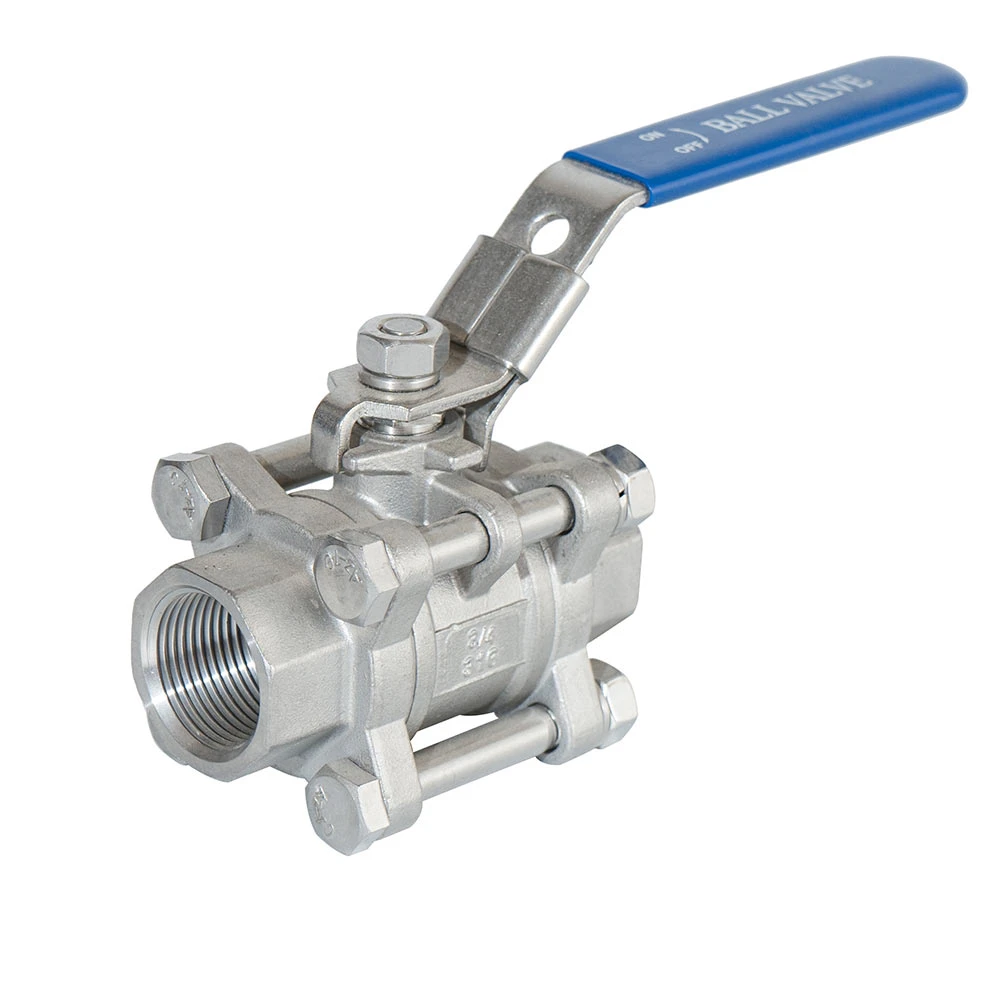
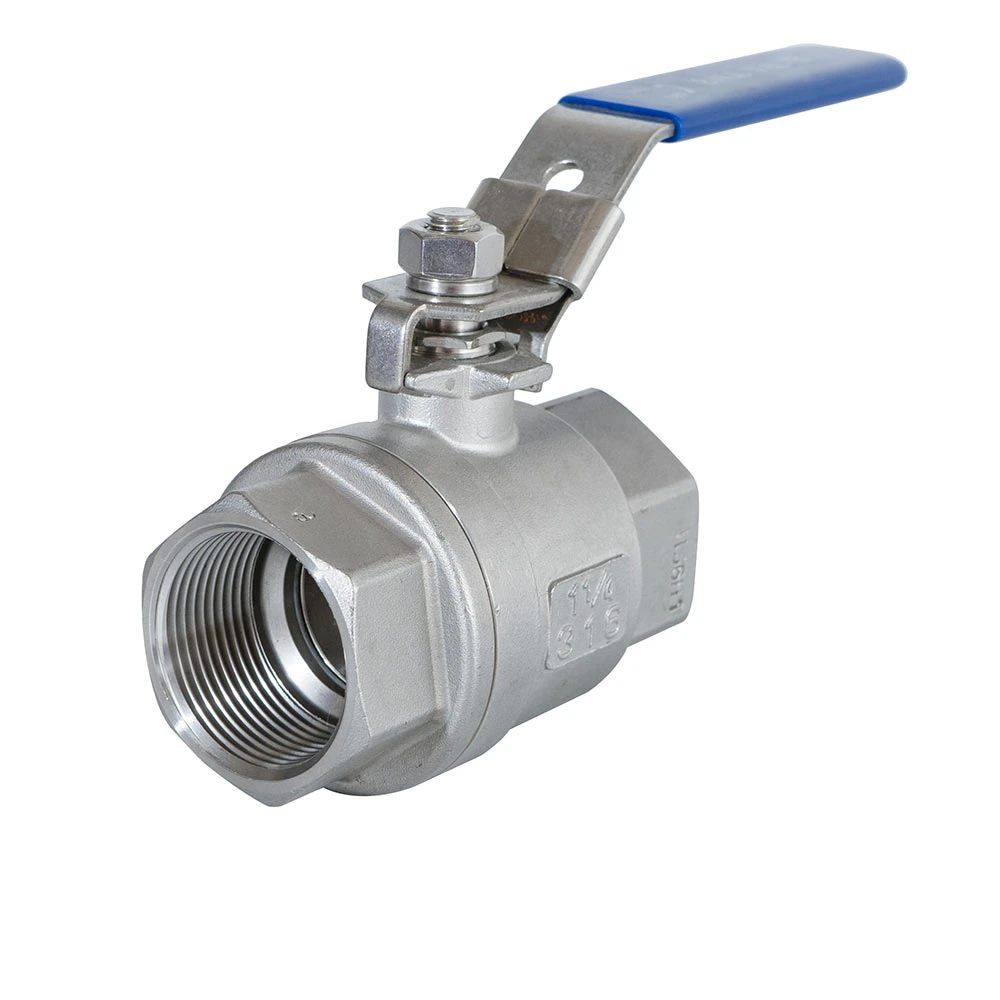
In recent years, the integration of modularity has become key. The current era is defined by "plug-and-play" stainless steel valves and fittings that allow for rapid installation and maintenance, supporting the Netherlands' move toward highly flexible, digitized production lines.

Future Development Trends

Additive Manufacturing for Complex Geometries

We anticipate a surge in 3D-printed internal structures for strainers to optimize flow dynamics and filtration efficiency beyond traditional casting limits.

Smart Monitoring Integration

Integration of IoT sensors within valve bodies to monitor pressure drops and wear in real-time, aligning with the Industry 4.0 initiatives prevalent in the Eindhoven region.

Ultra-Low Emission Materials

Development of next-generation alloys that offer zero-leakage performance to comply with the EU's tightening methane and volatile organic compound (VOC) emission regulations.

Strategic Outlook for the Netherlands Valve Industry

Predicting the shift toward sustainable and intelligent flow control systems.

Hydrogen Infrastructure Readiness
As the Netherlands becomes a hydrogen hub, the demand for hydrogen-compatible steel valves is skyrocketing.
Digital Twin Integration
Using virtual models to predict the failure of check valves and schedule predictive maintenance.
Carbon-Neutral Manufacturing
Shift toward "Green Steel" production to reduce the embedded carbon footprint of industrial fittings.
Advanced Filtration Tech
Evolution of y-strainers to include micron-level filtration for high-purity pharmaceutical applications.

Industry Outlook

Google search trends for "high-pressure stainless steel components" in the Netherlands indicate a growing intersection between traditional mechanical engineering and smart technology. We expect the market to move away from generic commodity valves toward specialized, application-specific solutions that prioritize energy efficiency.

Over the next 3-5 years, the integration of sustainable materials and digital diagnostics will define the winners in the Dutch market. Companies that provide certified, traceable, and eco-friendly stainless steel valves and fittings will see the highest growth as the EU's "Green Deal" takes full effect.

Localized Application Scenarios in the Netherlands

Real-world implementation of stainless steel flow control in key Dutch industries.

01. Rotterdam Port Chemical Terminals

Utilizing stainless steel check valves in corrosive saltwater environments to prevent backflow of hazardous chemicals during ship-to-shore transfers.

02. North Sea Offshore Wind Support

Installation of high-grade steel check valve systems in hydraulic lines of offshore platforms to ensure unidirectional flow under extreme pressure.

03. Dutch Pharmaceutical Hubs (Leiden Bio Science Park)

Implementing ss y strainer components in sterile piping to ensure no particulates enter the vaccine production lines.

04. Food Processing Plants in Brabant

Integration of sanitary-grade stainless steel valves and fittings to meet strict EU food safety and hygiene standards for dairy and beverage processing.

05. Greenhouse Automation Systems (Westland)

Using corrosion-resistant strainers and valves in nutrient-rich irrigation systems to prevent clogging and ensure precise nutrient delivery to crops.

Brand Story

Global Development Journey of Cangzhou Houde Stainless Steel Products Co., Ltd.

Foundational Excellence

Started with a focus on precision forging, solving the industry pain point of inconsistent wall thickness in high-pressure valves.

Material Innovation

Expanded our R&D into molybdenum-enhanced stainless steels to combat pitting corrosion in maritime applications.

Global Standardization

Achieved full compliance with ASME and DIN standards, enabling our expansion into the strict European regulatory markets.

Strategic Dutch Expansion

Established specialized supply chains for the Netherlands, focusing on just-in-time delivery for the Rotterdam industrial zone.

The Future of Flow

Now leading the way in sustainable manufacturing, reducing waste by 30% through advanced CNC optimization.

Comprehensive Fluid Control Portfolio for the Netherlands

A curated selection of high-performance valves and strainers designed for European industrial specifications.

Common Questions for Dutch Industrial Clients

Technical insights into selecting the right stainless steel components for the local environment.

Which grade of stainless steel check valves is best for the Rotterdam port area?

For coastal areas with high salinity, we strongly recommend Grade 316L stainless steel. It provides superior resistance to chloride pitting compared to 304, ensuring the valve does not seize in saline air.

How does a steel check valve prevent water hammer in Dutch piping systems?

Our precision-engineered check valves feature optimized closing speeds and dampened seats that minimize the pressure surge (water hammer) common in long-distance pumping stations.

Can a stainless steel y strainer be used for high-temperature steam in Netherlands factories?

Yes, provided the seal materials are upgraded to graphite or PTFE. Our stainless steel y strainers are designed to maintain structural integrity under high thermal expansion cycles.

What is the maintenance interval for an ss y strainer in chemical applications?

Depending on fluid purity, we recommend a quarterly inspection of the screen. Our designs feature easy-access blow-off valves to clear debris without dismantling the entire system.

Do your stainless steel valves and fittings comply with the EU PED 2014/68/EU?

Absolutely. All our products are manufactured and tested according to the Pressure Equipment Directive (PED), providing full certification and material traceability for European auditors.

How to choose the right mesh size for a stainless steel y strainer?

Selection depends on the downstream equipment's sensitivity. For general protection, 40 mesh is common; however, for high-precision meters, we provide customized fine-mesh screens.

Expert Technical Support for the Netherlands

Looking for precision-engineered fluid solutions? Our team is ready to assist with customs specifications for your projects in the Netherlands.

Contact Us Now

If you are interested in our products, you can choose to leave your information here, and we will be in touch with you shortly.