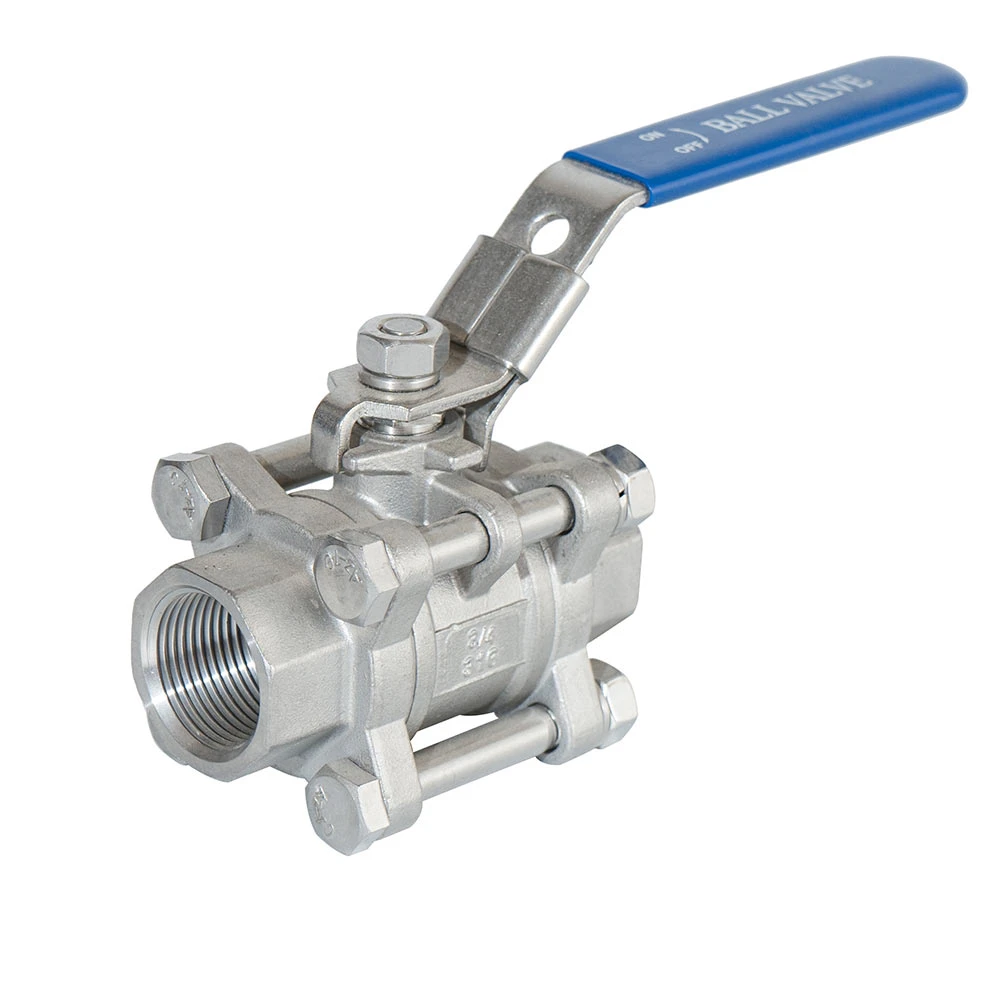
Industrial Grade ss y strainer Solutions for Algeria's Energy Sector

Providing high-performance fluid control and filtration systems engineered to withstand the extreme environmental conditions of North Africa.

Industrial Grade ss y strainer Solutions for Algeria's Energy Sector

Our specialized range of stainless steel valves and fittings is designed to meet the rigorous demands of Algeria's oil, gas, and desalination industries, ensuring zero-leakage and maximum durability.

Current Landscape of Valve Infrastructure in Algeria

Analyzing the operational challenges of fluid management in the Maghreb region.

Algeria's industrial landscape is heavily dominated by the hydrocarbon sector, where the use of stainless steel valves and fittings is critical. The geographic diversity—ranging from the humid coastal areas to the hyper-arid Sahara—creates a challenging environment where salt-air corrosion and extreme temperature fluctuations can rapidly degrade standard carbon steel components.

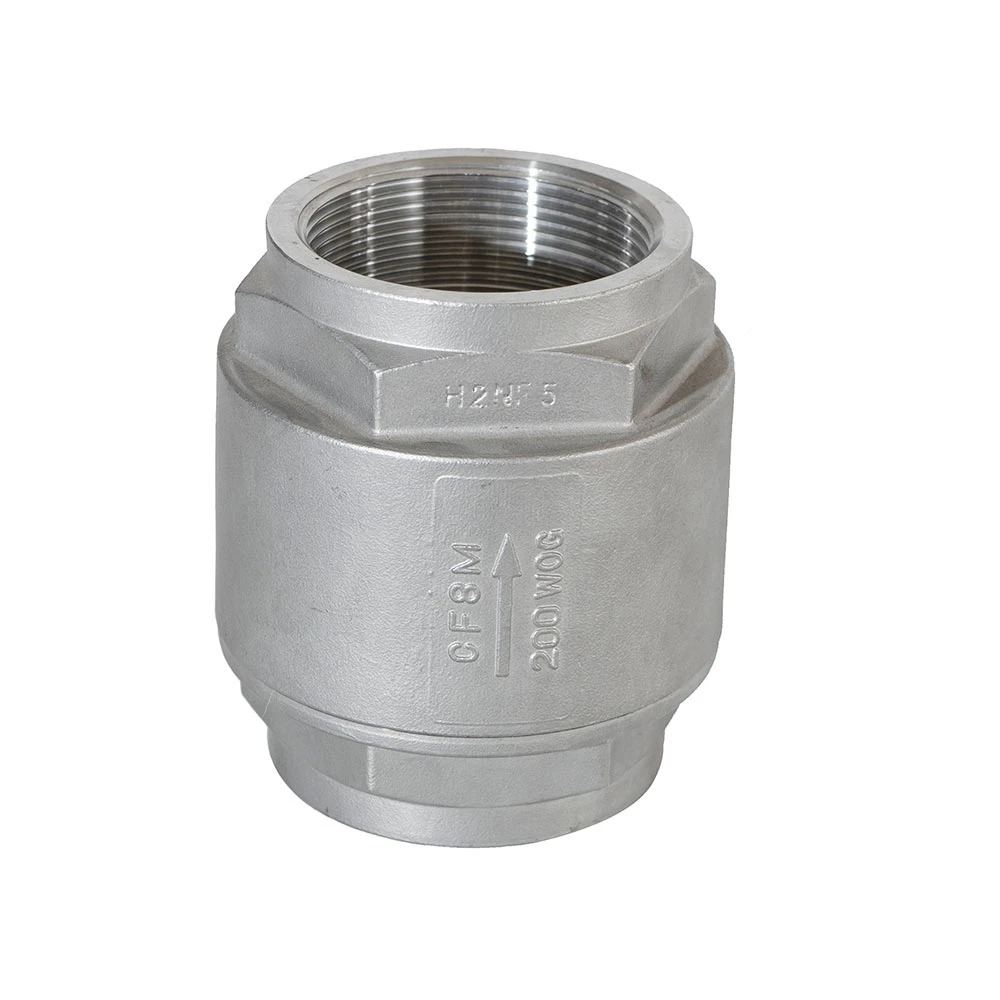
In the desalination plants along the Mediterranean coast, the requirement for stainless steel check valves is paramount. The high salinity of the intake water demands materials with superior molybdenum content to prevent pitting and crevice corrosion, which are common failure points in inferior valve systems.

Furthermore, the expansion of the petrochemical hubs in Arzew and Skikda has increased the demand for high-precision steel check valve installations. The focus has shifted from simple procurement to Lifecycle Cost (LCC) analysis, as operators seek to reduce downtime caused by frequent valve replacements in corrosive process lines.
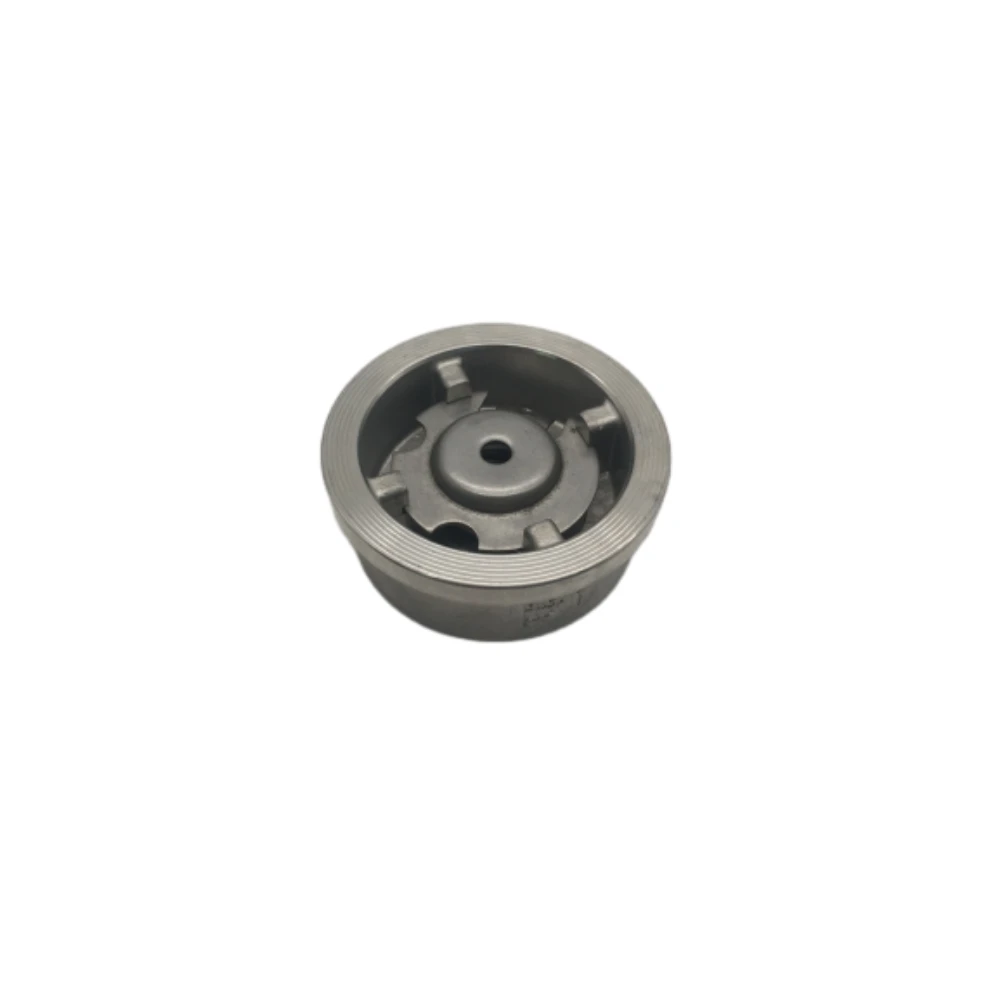
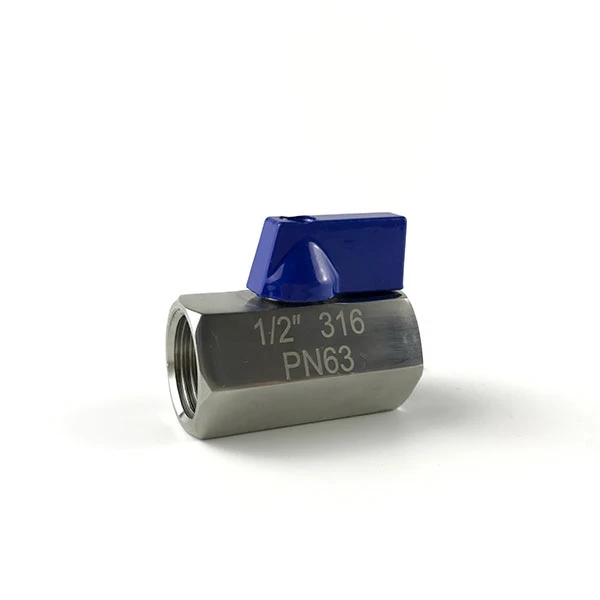
Evolution and Technical Trajectory of Flow Control in Algeria

From traditional cast iron to advanced metallurgical alloys.

Market Development History

In the 1980s and 90s, the Algerian market relied heavily on legacy cast iron and basic carbon steel valves. These systems provided basic functionality but suffered from severe oxidation and frequent leaks, requiring intensive manual maintenance cycles every 6 to 12 months.

Between 2000 and 2015, there was a significant transition toward the adoption of stainless steel check valves. This era marked the shift toward international standards (API and ASME), as the energy sector integrated more sophisticated offshore drilling technologies that required higher pressure ratings and better corrosion resistance.

From 2016 to the present, the market has evolved toward specialized filtration. The integration of high-mesh stainless steel y strainer systems has become standard practice to protect downstream sensitive equipment from the fine sand and particulate matter typical of Saharan pipeline environments.

Future Development Trends

Smart Valve Integration

The transition toward Industry 4.0 in Algeria's oil fields will lead to the adoption of "intelligent" valves equipped with IoT sensors for real-time leak detection and pressure monitoring.

Duplex and Super Duplex Alloys

Due to the increasing aggressiveness of processed fluids, we predict a surge in the replacement of standard 316L stainless steel with Duplex alloys to extend service life in desalination projects.

Modular Valve Manifolds

Future installations will move toward prefabricated modular manifolds to reduce on-site welding time and minimize the risk of installation errors in remote desert locations.

Strategic Outlook for Fluid Control Technology

Predicting the next 5 years of engineering excellence in the Algerian market.

Corrosion Resistance Optimization
Increasing the use of high-nickel alloys to combat the hypersaline environments of the Algerian coast.
Energy Efficiency Standards
Implementing low-pressure drop valve designs to reduce pumping energy costs in large-scale pipelines.
Zero-Leakage Mandates
Tightening environmental regulations in Algeria will force a shift toward bubble-tight shut-off valves.
Predictive Maintenance Adoption
Integrating acoustic emission sensors to monitor the health of check valves without system shutdown.

Industry Outlook

Google search trends for "industrial valve durability" and "anti-corrosive piping" in North Africa indicate a growing awareness of the long-term benefits of premium materials. The market is moving away from "lowest initial cost" toward "lowest total cost of ownership," which favors high-grade stainless steel products.

Over the next 3-5 years, we anticipate that the Algerian government's push for domestic industrialization will create a hybrid market where high-end core components like steel check valve units are imported, while assembly and maintenance are localized.

Localized Application Scenarios in Algeria

Real-world deployments of our valve systems across diverse Algerian industrial sectors.

01. Saharan Oil & Gas Pipelines

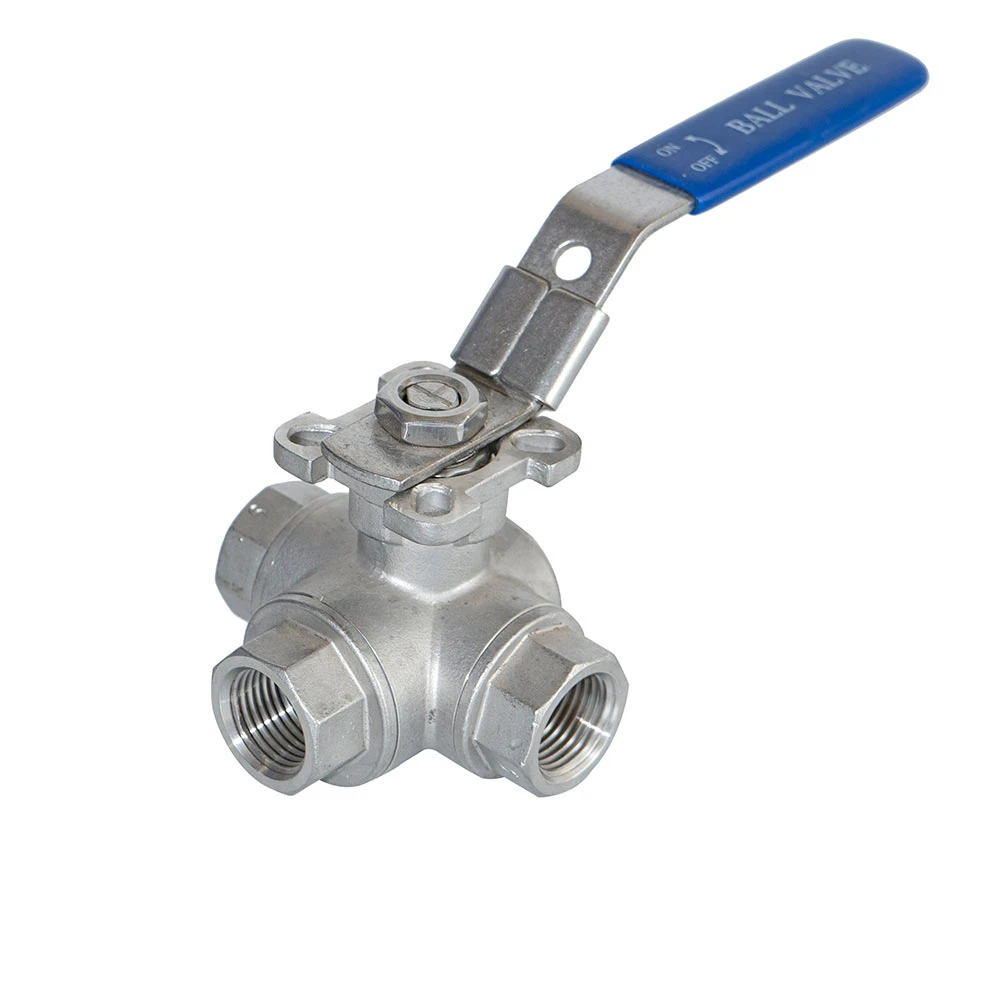
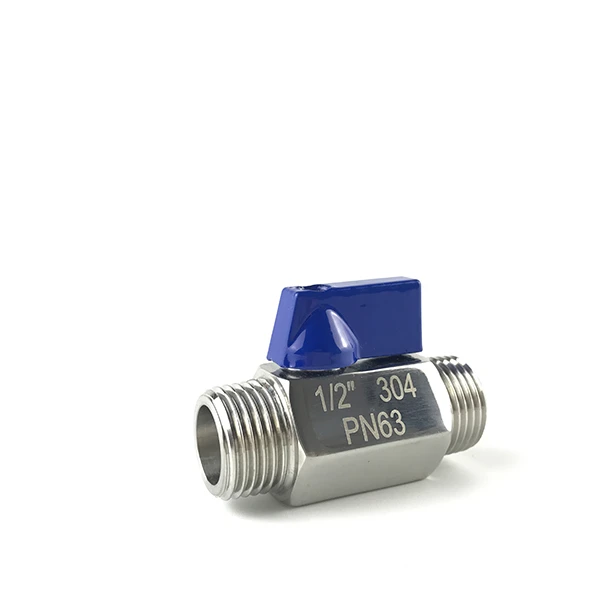
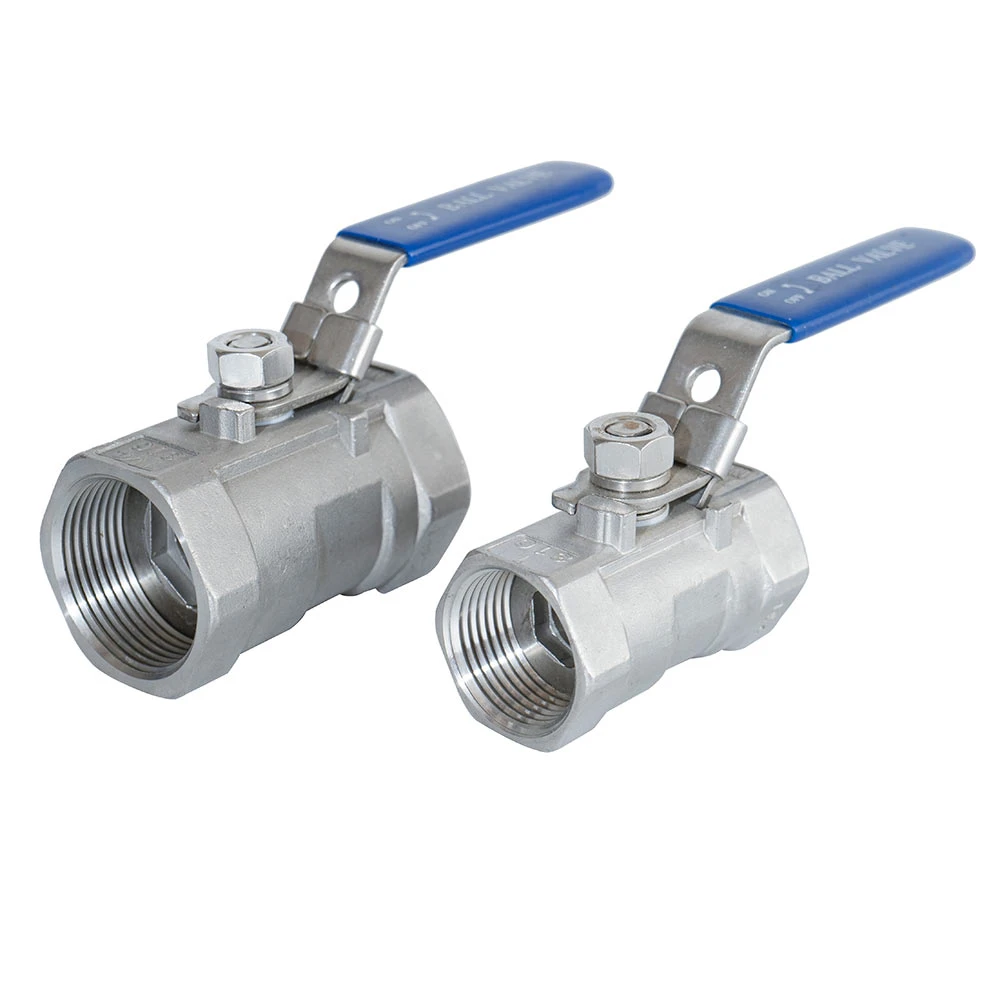
Deployment of heavy-duty stainless steel valves and fittings in Hassi Messaoud to prevent backflow in crude oil transport lines, engineered to handle high sand content and extreme heat.

02. Coastal Desalination Plants

Installation of corrosion-resistant stainless steel check valves in seawater intake systems to ensure unidirectional flow and prevent salt-water ingress into freshwater pumps.

03. Chemical Processing in Arzew

Application of high-precision ss y strainer units to filter chemical impurities and protect downstream catalysts from particulate contamination.

04. Pharmaceutical Production in Algiers

Use of sanitary-grade stainless steel components to ensure sterile fluid transport, meeting strict hygiene standards for the local medicine manufacturing sector.

05. Mining Operations in the Highlands

Implementation of ruggedized steel check valve systems for slurry transport, where abrasive minerals require hardened valve seats to prevent premature wear.

Brand Story

Global Development Journey of Cangzhou Houde Stainless Steel Products Co., Ltd.

Foundation & Core Expertise

Established with a mission to solve the most persistent leakage and corrosion problems in the general machinery industry, focusing on metallurgical precision.

Technical Innovation Leap

Developing advanced casting and machining techniques that allowed our valves to withstand pressures 20% higher than the industry average.

Global Market Expansion

Expanding our footprint into North Africa, specifically tailoring our product line for the unique environmental demands of the Algerian energy sector.

Quality Certification Era

Achieving international ISO and API certifications to ensure every component meets the safety mandates of global oil and gas majors.

Sustainable Engineering Vision

Committing to eco-friendly manufacturing processes that reduce waste while increasing the operational lifespan of our stainless steel products.

Complete Product Portfolio for Algeria

A comprehensive selection of fluid control components engineered for extreme environments.

Frequently Asked Questions - Algeria Market

Expert answers to common technical queries regarding valve selection in North Africa.

Which grade of stainless steel check valves is best for Algerian desalination plants?

For high-salinity environments, we recommend Grade 316L or Duplex stainless steel. These provide superior resistance to chloride-induced pitting compared to Grade 304.

How often should a stainless steel y strainer be cleaned in desert pipeline applications?

Given the high sand concentration in Saharan regions, we recommend a quarterly inspection and cleaning cycle, or the installation of differential pressure gauges to trigger maintenance.

Can a standard steel check valve handle the temperature swings in the Algerian Highlands?

Yes, provided the valve is rated for the specific temperature range. Our valves are tested for thermal expansion and contraction to ensure seal integrity from -10°C to +200°C.

What are the advantages of using ss y strainer over traditional T-type strainers?

Y-strainers offer a more compact design and are easier to install in constrained spaces, while providing excellent protection for pumps and meters against debris.

Do your stainless steel valves and fittings comply with API standards?

Yes, all our products are manufactured in strict accordance with API 6D and ASME B16.34 standards to ensure safety and interchangeability in the energy sector.

How do I prevent galvanic corrosion when installing a steel check valve in a mixed-metal system?

We recommend using dielectric unions or insulating gaskets to break the electrical path between dissimilar metals, preventing accelerated corrosion at the junction.

Ready to Optimize Your Fluid Systems?

Our engineering team is ready to provide customized valve solutions for your industrial projects in Algeria.

Contact Us Now

If you are interested in our products, you can choose to leave your information here, and we will be in touch with you shortly.