Industrial Piping Solutions for stainless steel y strainer in Russia

High-performance fluid control and filtration systems engineered for the extreme climatic conditions and heavy industrial demands of the Russian Federation.

Industrial Piping Solutions for stainless steel y strainer in Russia

Providing the Russian industrial sector with precision-engineered stainless steel valves and fittings that ensure operational safety and long-term durability in corrosive environments.

Current Market Status of Valve Manufacturing in Russia

Analyzing the operational challenges and material requirements for the Eurasian industrial landscape.

The Russian industrial market is characterized by extreme temperature fluctuations, requiring steel check valve components that can withstand cryogenic lows and high-pressure surges. The reliance on heavy metallurgy in the Ural and Siberian regions drives a constant demand for high-grade alloys.

Currently, there is a significant shift toward importing high-precision stainless steel check valves to replace aging Soviet-era infrastructure. The focus has moved from simple durability to combined efficiency and corrosion resistance.

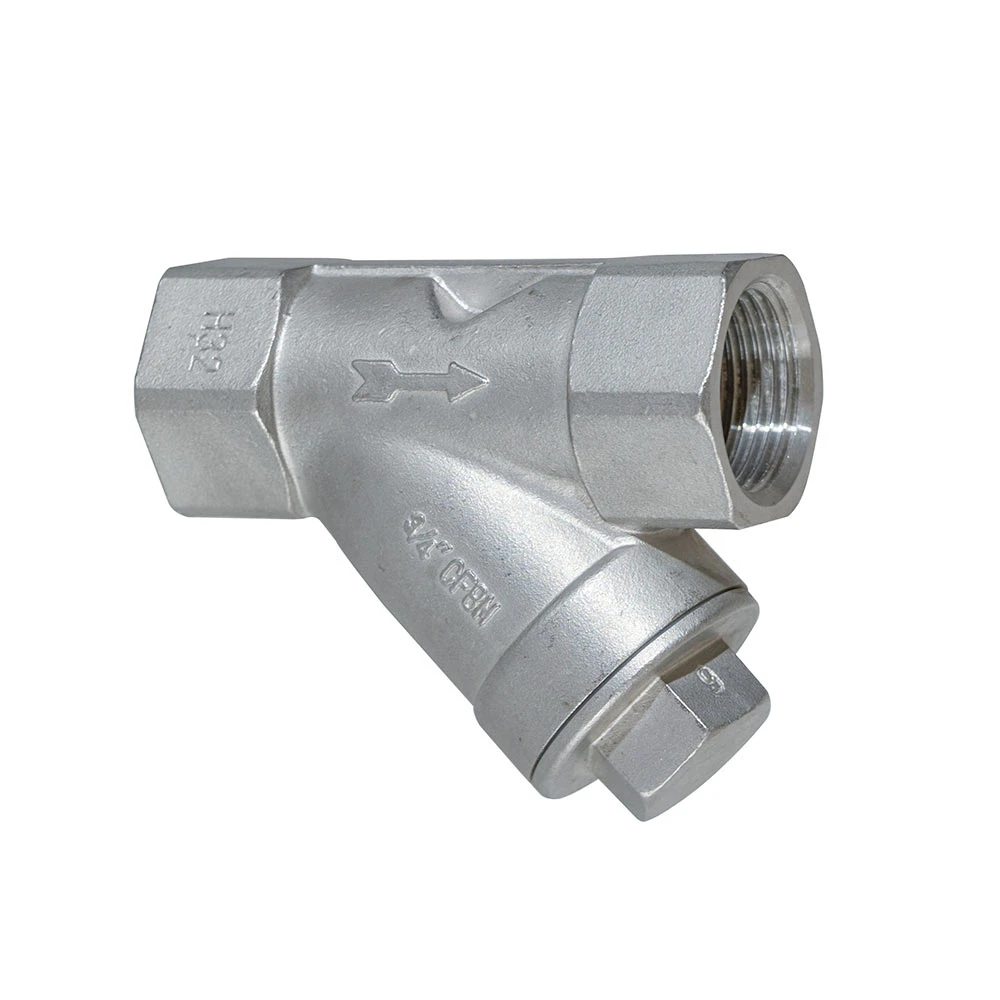
Integration of ss y strainer systems has become critical in the oil and gas midstream sectors to protect expensive downstream equipment from particulate contamination common in rugged extraction sites.
Evolution and Technical Trajectory of Fluid Control

From heavy cast iron to advanced stainless steel alloys.

Market Development History

During the 1970s-1990s, the Russian market relied primarily on heavy cast iron and carbon steel valves, which were prone to rapid corrosion in chemical environments, necessitating frequent replacements.

Around 2005-2015, the industry entered a modernization phase, introducing standardized stainless steel valves and fittings based on DIN and ANSI standards to facilitate global technical cooperation.

From 2016 to the present, the focus has pivoted toward "Smart Materials," utilizing duplex and super-duplex stainless steels to combat the highly corrosive salts and acids found in Arctic exploration.

Future Development Trends

Additive Manufacturing Integration

The shift toward 3D printing of complex internal geometries for valves to reduce turbulence and pressure drop.

Extreme Low-Temperature Certification

Increased demand for specialized testing at -60°C to ensure the integrity of steel check valve seals.

IoT-Enabled Monitoring

Integration of sensors into strainer bodies to monitor differential pressure in real-time, reducing maintenance downtime.

Industry Trends and Future Outlook

Strategic foresight for the Russian metal products and valve industry.

Material Superiority
Transitioning from 304 to 316L and Duplex steels to handle aggressive chemical media.
Precision Engineering
Implementation of CNC machining to ensure zero-leakage tolerance in stainless steel check valves.
Sustainability
Reducing carbon footprints in production while increasing the lifespan of industrial fittings.
Modularization
Designing interchangeable components for rapid field replacement in remote locations.

Industry Outlook

Google search trends indicate a rising demand for "corrosion-resistant industrial valves" in the CIS region, reflecting a broader move toward infrastructure upgrading. We predict a 15% increase in the adoption of high-alloy stainless steel valves and fittings over the next 3 years.

The synergy between automated control systems and robust mechanical valves will define the next era of Russian industrial efficiency, moving toward zero-leakage and zero-maintenance operational models.

Localized Application Scenarios in Russia

Real-world implementation of our stainless steel solutions across diverse Russian industries.

1. Siberian Natural Gas Pipelines

Deploying specialized stainless steel check valves to prevent backflow in extreme sub-zero temperatures, ensuring pipeline stability.

2. Ural Metallurgical Plants

Using high-capacity ss y strainer units to filter industrial coolants and protect high-pressure pumps from metallic debris.

3. Caspian Sea Oil Refineries

Installation of corrosion-resistant stainless steel valves and fittings to withstand the saline atmosphere and acidic crude oil.

4. Moscow Pharmaceutical Hubs

Applying sanitary-grade stainless steel y strainer systems to maintain the purity of liquid medicine carriers.

5. Arctic Chemical Processing

Implementing reinforced steel check valve assemblies designed for high-viscosity fluids in cryogenic conditions.

Brand Story

Global Development Journey of Cangzhou Houde Stainless Steel Products Co., Ltd.

Founding Vision

Established with the mission to solve the critical failure of valves in highly corrosive industrial environments through superior metallurgy.

Technical Breakthrough

Perfected the precision casting process for complex valve bodies, reducing leakage rates by 40% compared to industry standards.

Global Expansion

Expanded operational reach into the Europe and Russia markets, adapting products to meet stringent GOST and EU certifications.

Innovation Leadership

Developed a proprietary series of low-temperature resistant alloys specifically for Arctic industrial applications.

Future Commitment

Dedicated to leading the transition toward sustainable, intelligent fluid control systems for the global manufacturing industry.

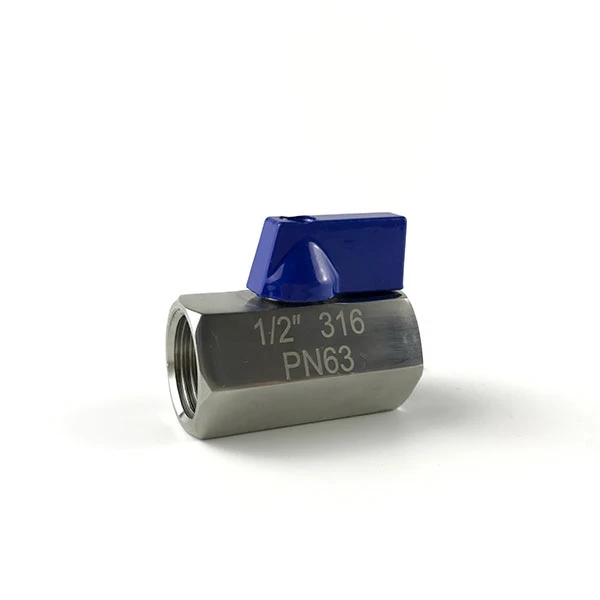
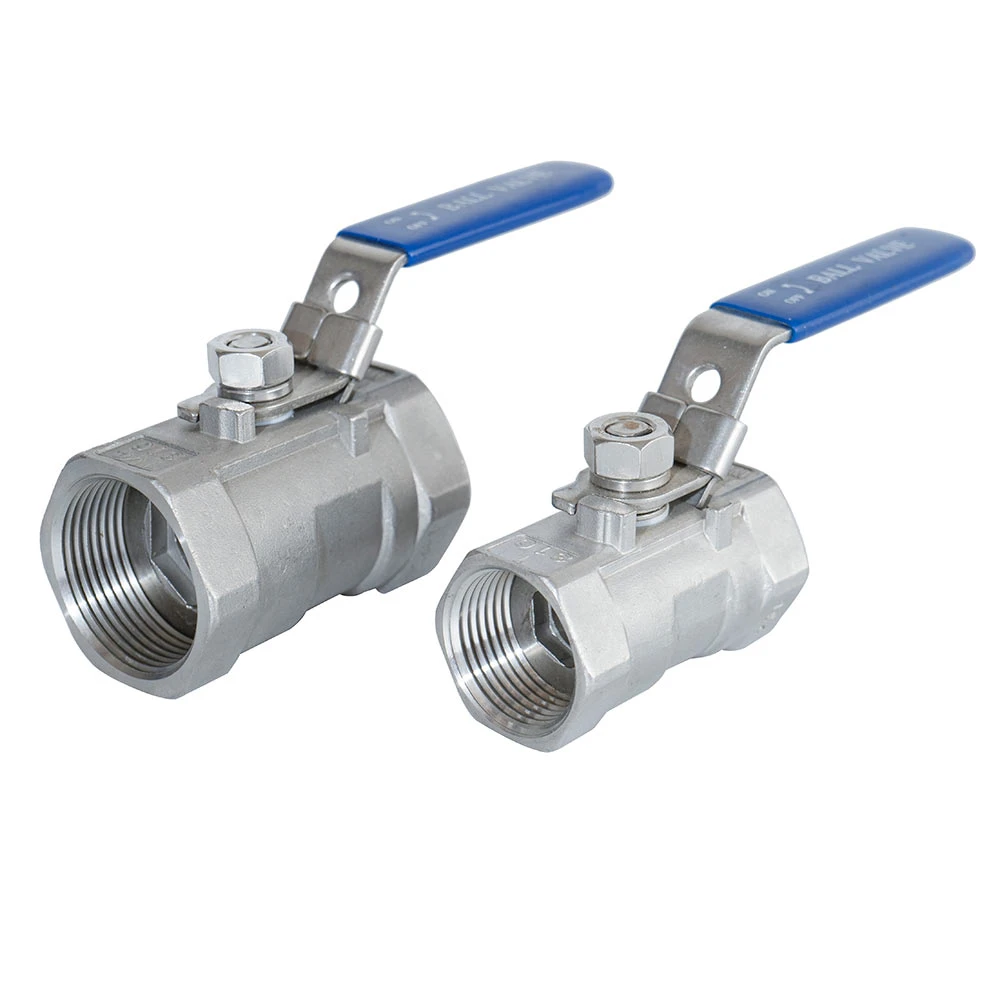
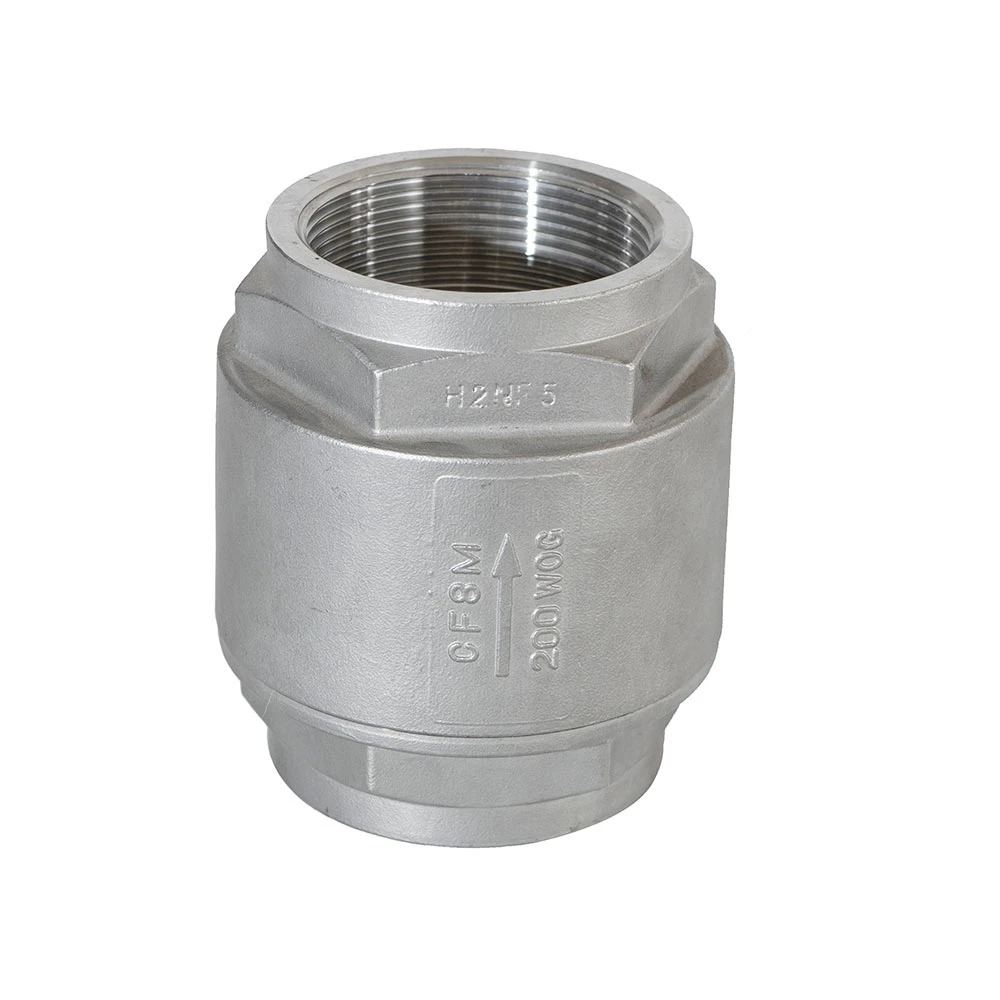
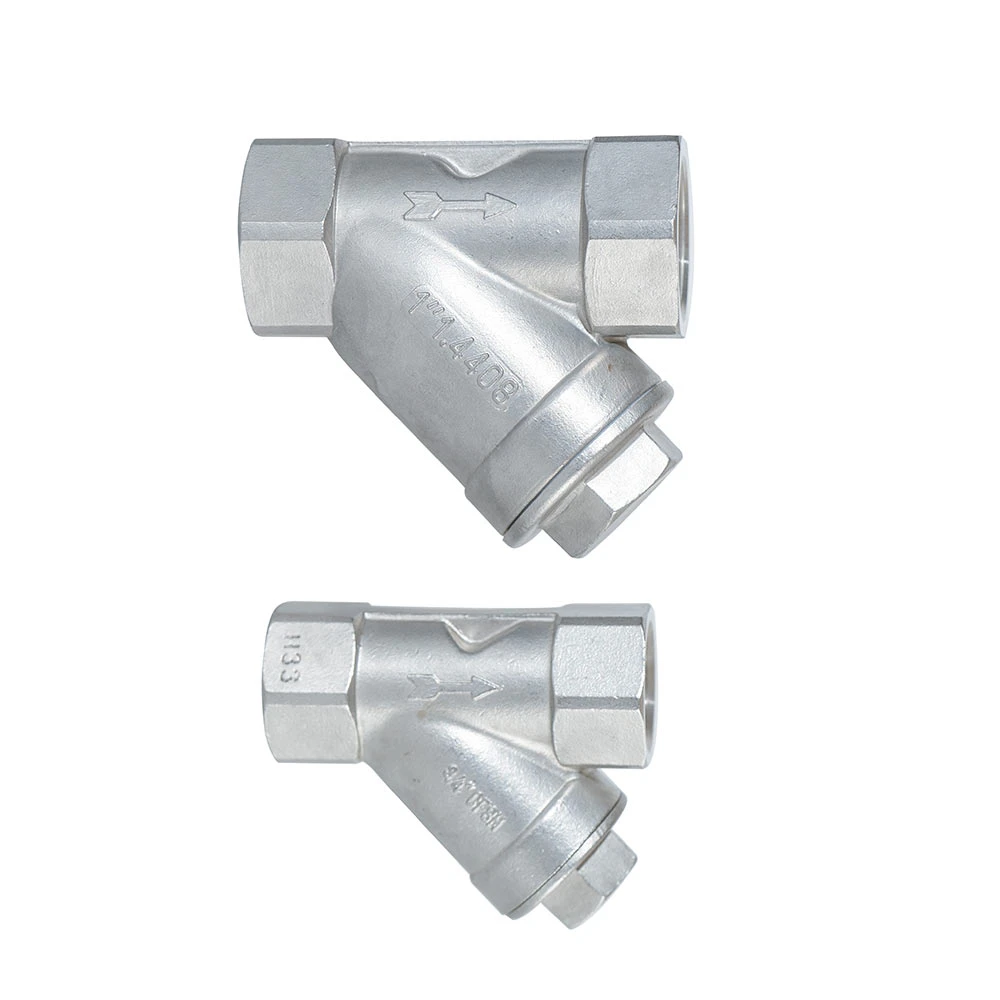
Comprehensive Product Portfolio for Russia

A curated selection of high-durability valves and fittings designed for the Eurasian market.

Common Questions in the Russian Valve Market

Expert answers to technical queries regarding stainless steel piping components.

How do stainless steel check valves perform in Siberian winters?

Our valves are tested for cryogenic stability, using specialized seals and low-carbon stainless steel to prevent embrittlement at temperatures as low as -60°C.

What is the best steel check valve material for oil refineries?

We recommend SS316L or Duplex stainless steel for oil refineries due to their exceptional resistance to chloride-induced stress corrosion cracking.

Can a stainless steel y strainer handle high-viscosity fluids?

Yes, by optimizing the mesh density and using larger bore diameters, our strainers effectively filter heavy industrial fluids without causing excessive pressure drops.

What are the maintenance requirements for an ss y strainer?

Maintenance involves periodic cleaning of the internal screen. Our designs feature easy-access blow-off valves to simplify the cleaning process without system shutdown.

Do your stainless steel valves and fittings meet GOST standards?

Our products are manufactured to align with both international ISO/ANSI standards and local GOST requirements to ensure seamless integration into Russian infrastructure.

How to choose between different stainless steel check valves for gas lines?

Selection depends on the cracking pressure and flow rate. Swing check valves are ideal for lower pressure, while piston or ball check valves are better for high-pressure gas.

Expert Consultation for Industrial Valves

Connect with our engineering team today to optimize your piping systems in Russia.

Contact Us Now

If you are interested in our products, you can choose to leave your information here, and we will be in touch with you shortly.