The global demand for precision fluid control has pushed industrial piping systems toward more robust and maintainable architectures. In high-pressure environments, the selection of reliable ball valve manufacturers is no longer just about sourcing a component, but about ensuring the structural integrity of the entire flow system against corrosion and mechanical fatigue.
Engineering challenges in the petrochemical and marine sectors often revolve around the trade-off between sealing performance and ease of maintenance. When valves are deployed in harsh operating conditions, the risk of downtime increases, making the internal architecture of the valve—specifically the body construction and material grade—critical to long-term operational stability.
This technical analysis explores the engineering advantages of two-piece flanged designs, examining how specific material selections and casting processes solve common leak-path issues. By evaluating these specifications, procurement engineers can better align their hardware choices with the actual stresses of their industrial application.


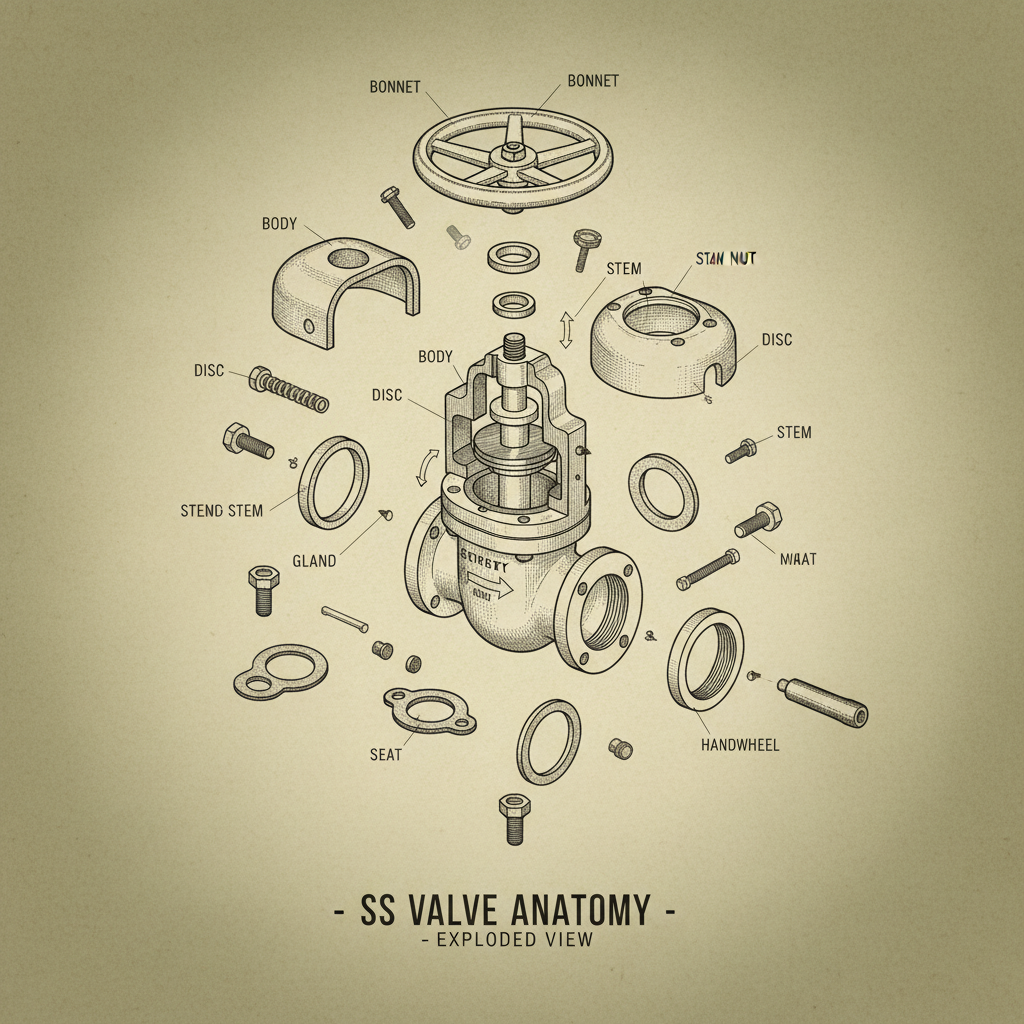
The two-piece stainless steel flanged design is engineered to minimize potential leak paths compared to three-piece variants. By utilizing two precision cast parts connected via flange bolts, the system achieves a higher sealing efficiency under high-flow conditions.
This compact architecture not only reduces the overall weight by approximately 20% but also simplifies the installation process. For engineers, this means a reduction in the number of sealing surfaces that require monitoring, directly lowering the probability of external leakage in volatile environments.
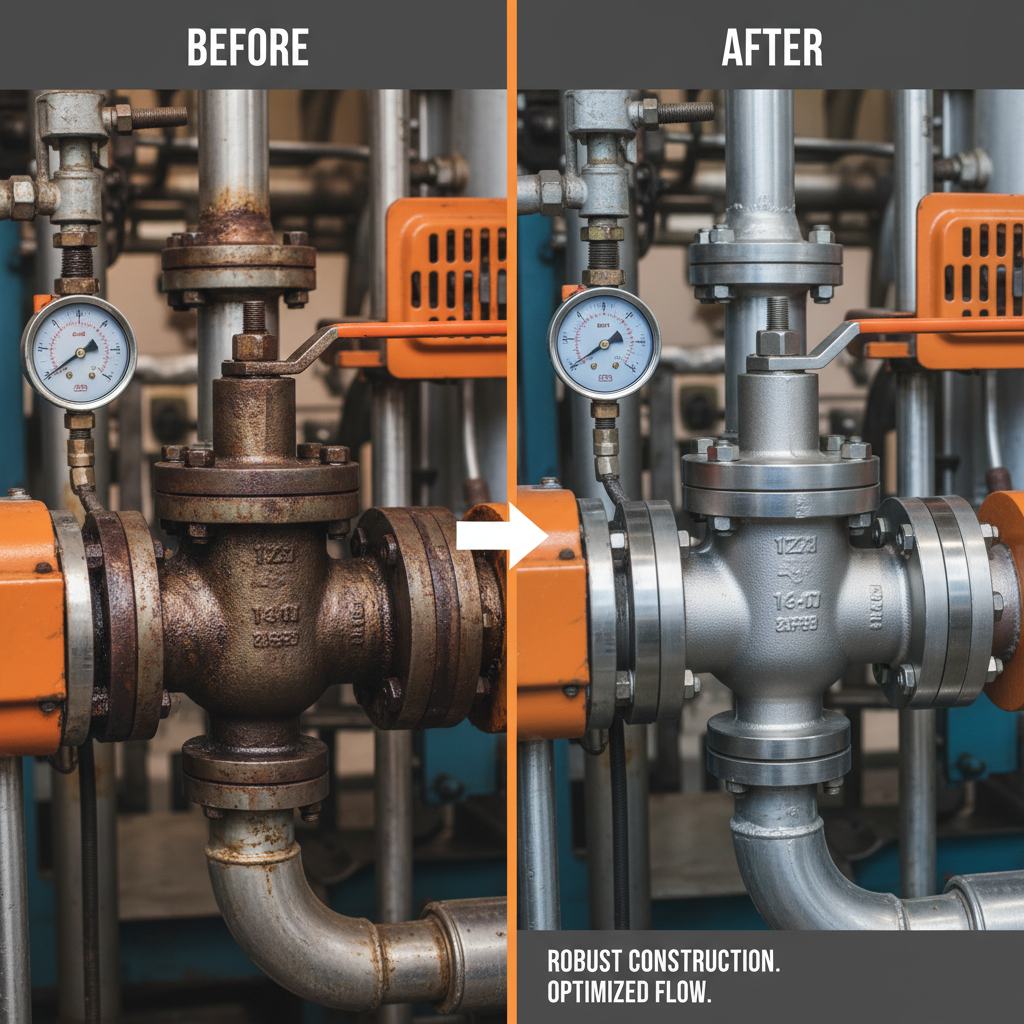
The selection of SS304 and SS316 stainless steel is fundamental to the valve's survival in acidic or saline environments. SS316, with the addition of molybdenum, provides superior resistance to pitting and crevice corrosion, which is essential for seawater desalination and marine ballast systems.
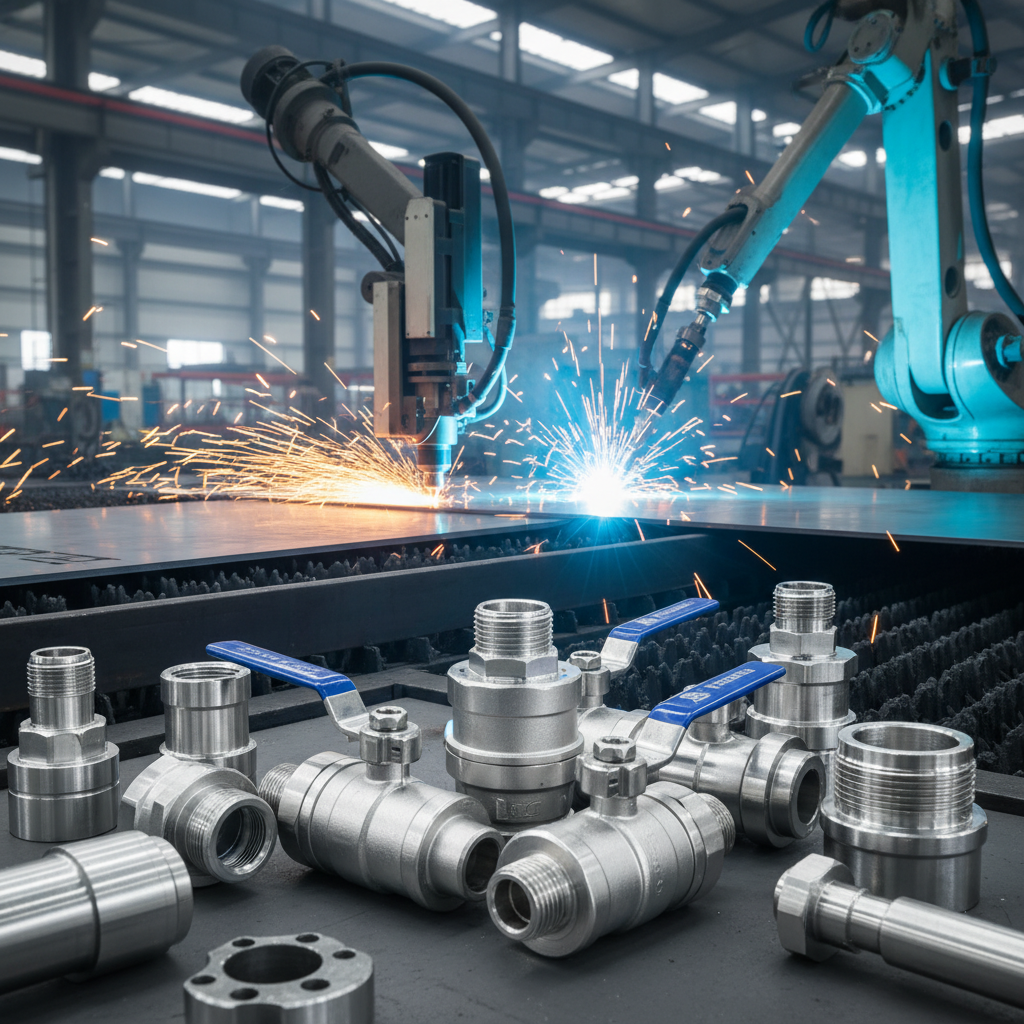
Beyond the material grade, the manufacturing process plays a pivotal role. The use of silicon sol lost wax precision casting ensures a high-density metal structure with minimal porosity, preventing internal corrosion from starting at casting defects. This level of precision is a hallmark of top-tier ball valve manufacturers who cater to the chemical industry.
When operating at high temperatures, these materials maintain their mechanical strength, preventing valve stem deformation. This stability ensures that the torque required for operation remains consistent over thousands of cycles, reducing the wear on actuators and manual handles.
Interoperability in industrial piping depends on strict adherence to international flange standards. Whether utilizing ANSI B16.5, DIN, JIS, or GB/T 9113, the flange interface must provide a reliable seal that can withstand pressures ranging from Class 150 to Class 600.
To enhance safety in extreme conditions, an anti-splash valve stem design is integrated. This prevents the hazardous release of media into the atmosphere even if the primary packing fails, ensuring that the valve remains a safe barrier in petrochemical refining units.
Evaluating the performance of a valve involves analyzing the balance between pressure loss and cost. Full-bore designs minimize turbulence and pressure drops, which is critical for high-flow applications, whereas reduced-bore options provide a more cost-effective solution for lower-priority lines.
The operational lifespan is further extended by the ease of maintenance inherent in the two-piece structure. Rapid removal for seat replacement or interior cleaning significantly reduces downtime, which is a key metric for plant managers evaluating different ball valve manufacturers.
In the petrochemical industry, these valves are deployed in LNG pipelines and refining units where they must transport acidic media without degrading. The high-strength stainless steel ensures that the valve body does not succumb to stress corrosion cracking under the cyclical thermal loads of a refinery.
Environmental water treatment facilities and marine ballast systems present a different challenge: seawater erosion. The precision-cast SS316 construction provides the necessary hardness and chemical stability to prevent pitting, ensuring that the valve's sealing surfaces remain flush and leak-free throughout their service life.
Modern industrial workflows are shifting away from purely manual operation. While handle-operated valves remain essential for isolation, the integration of pneumatic and electric actuators allows for remote control and precise timing in automated sequences.
The transition to automated actuation requires the valve stem to have high torsional rigidity. This is achieved through precision machining and a robust interface between the stem and the actuator, preventing slippage or "hunting" during the opening and closing cycles.
Future trends indicate a movement toward "smart" valves, where actuators are coupled with position sensors. This allows ball valve manufacturers to provide systems that can report their status back to a central SCADA system, enabling predictive maintenance before a leak occurs.
Selecting the correct configuration requires a detailed analysis of the fluid medium, the operating pressure, and the frequency of operation. A mismatch in material or flange standard can lead to catastrophic failure or excessive installation costs.
Engineers must balance the need for "full diameter" flow to reduce pressure loss against the cost savings of "reduced diameter" designs. For critical safety lines, the priority always shifts toward maximum reliability and the highest possible pressure rating (Class 600).
The following matrix provides a technical framework for matching valve configurations to specific industrial requirements, ensuring that the hardware is optimized for its intended environment.
| Configuration Profile | Material Grade | Pressure Class | Recommended Use Case |
|---|---|---|---|
| Standard Utility | SS304 | Class 150 | Water Treatment / Low-Acid |
| Corrosive Medium | SS316 | Class 300 | Chemical Processing / Acidic |
| Marine Grade | SS316L | Class 150-300 | Ballast Systems / Seawater |
| High-Pressure Duty | SS316 | Class 600 | Oil & Gas / Steam Lines |
| Automated Precision | SS316 | Class 300 | Remote Control / LNG Lines |
| Cryogenic Basic | Custom SS | Class 150 | Low-Temp Fluid Control |
The two-piece design reduces the number of potential leak paths by eliminating one body joint. This results in higher sealing integrity and a more compact footprint, which is critical in space-constrained industrial pipelines. Additionally, it typically offers a weight reduction of about 20%, lowering both transportation and installation costs without sacrificing pressure ratings.
SS304 is suitable for general-purpose corrosion resistance in water and mild chemical environments. However, for applications involving chlorides, seawater, or highly acidic media, SS316 is required due to the addition of molybdenum, which prevents pitting and crevice corrosion. If your system is exposed to marine air or seawater, SS316 is the industry standard to ensure long-term durability.
The anti-splash design is a safety feature that prevents the medium from ejecting vertically through the stem if the primary packing fails or is removed during maintenance. This is critical in petrochemical and energy sectors where the fluid may be toxic, flammable, or under extreme pressure, ensuring that the valve remains a safe containment barrier under failure conditions.
The choice depends on the region and project specifications. ANSI B16.5 is the standard for North American markets, while DIN and JIS are common in Europe and Asia. GB/T 9113 is the Chinese national standard. It is vital to verify the flange face (RF vs FF) and pressure class (Class 150 to 600) to ensure a leak-proof connection with the existing piping network.
Yes, the design supports various operation modes including manual handles, gearboxes, and both pneumatic and electric actuators. When integrating actuators, it is important to ensure the torque rating of the actuator exceeds the break-away torque of the valve, especially for high-pressure applications where the seat friction is higher.
Maintenance intervals depend on the medium's abrasiveness and the cycle frequency. However, the two-piece structure allows for rapid disassembly for seat replacement. We recommend a visual inspection of the stem packing every 6 months and a full seal integrity check annually for critical systems to prevent unplanned shutdowns.
The transition toward high-performance fluid control requires a rigorous focus on material science and structural precision. By leveraging two-piece flanged architectures and precision casting, industrial systems can achieve a critical balance between sealing reliability and maintenance efficiency, which directly impacts the total cost of ownership for any plant operation.
For procurement teams and engineers, the priority should remain on aligning the valve's material grade and flange standards with the actual chemical and pressure stresses of the application. Utilizing specialized solutions from experienced ball valve manufacturers ensures that the hardware not only meets current specifications but also provides the safety margins required for unforeseen operating extremes.