Understanding the Versatility of a 1 Inch Ball Valve with Drain
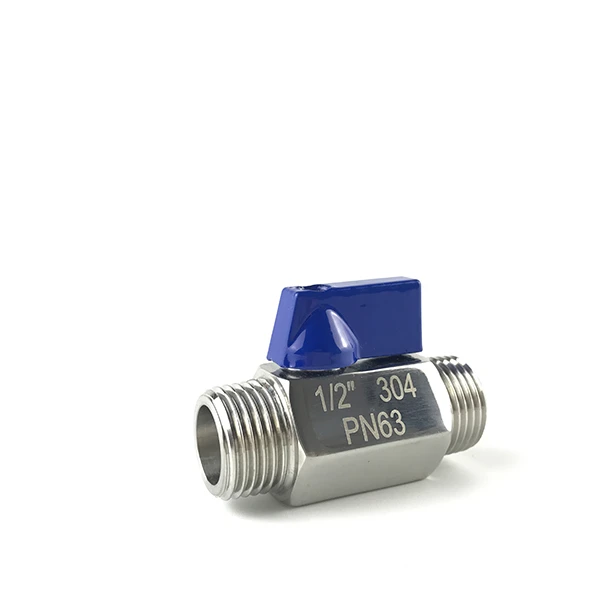
A 1 inch ball valve with drain is a crucial component in many fluid handling systems across various industries. Its ability to quickly and reliably control flow, combined with the convenience of a drain port for maintenance, makes it a popular choice for professionals. This article provides a comprehensive overview of these valves, covering their applications, features, materials, and how to choose the right one for your specific needs. Understanding the nuances of these valves will empower you to make informed decisions for optimal system performance and longevity.
Key Applications of 1 Inch Ball Valves with Drain
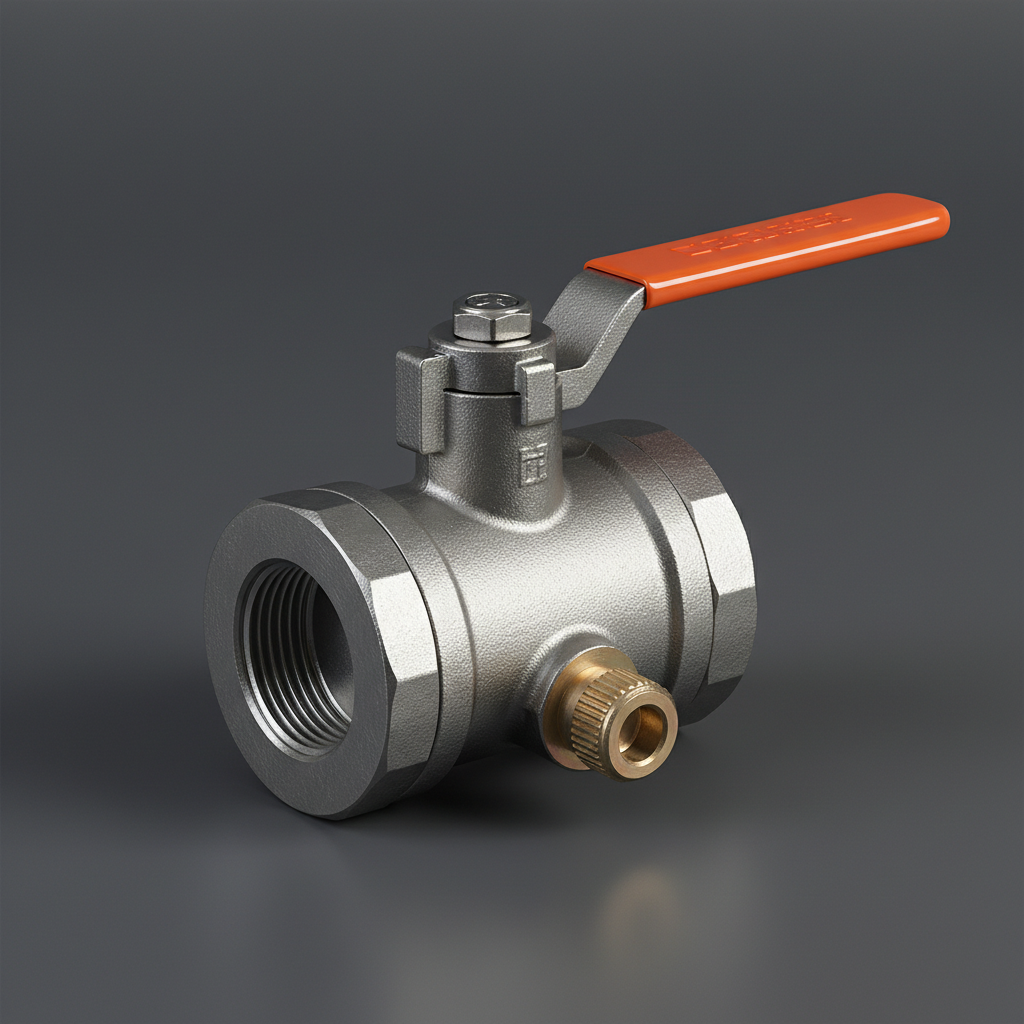
These valves find widespread use in numerous sectors. In the chemical processing industry, they regulate the flow of corrosive or hazardous liquids. Water treatment facilities rely on them for controlling water flow and draining systems for maintenance. HVAC systems utilize them for efficient temperature regulation and draining condensate lines. Furthermore, they're essential in irrigation systems, controlling water distribution to different zones. The drain feature is particularly valuable in situations where fluid needs to be completely removed from the line for inspection, repair, or winterization. Their robust construction and reliable operation make them suitable for demanding applications.
Key Highlights: Ideal for applications requiring quick shut-off and convenient drainage, offering versatility and reliability in diverse fluid handling systems.
Materials and Construction of 1 Inch Ball Valves with Drain
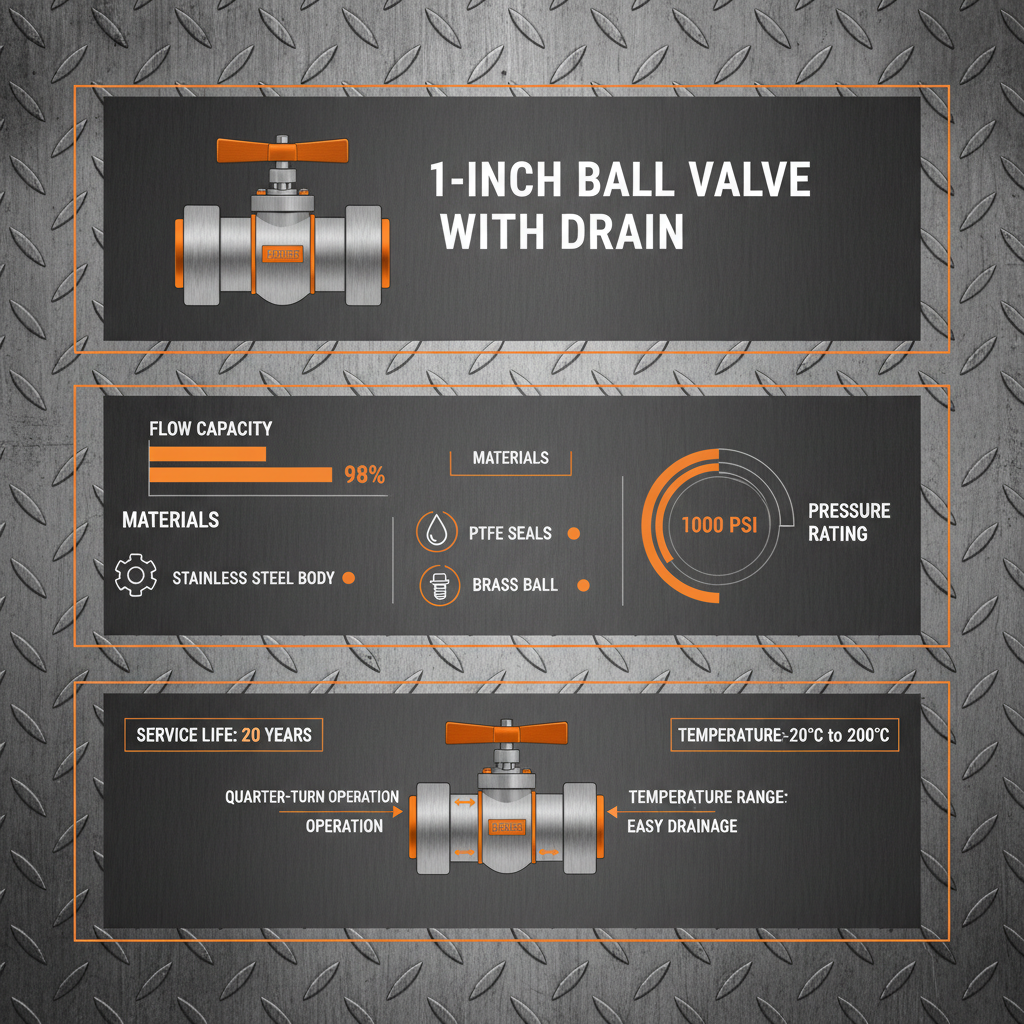
The materials used in a 1 inch ball valve with drain significantly impact its performance and suitability for specific applications. Common materials include stainless steel (304, 316), brass, and PVC. Stainless steel offers excellent corrosion resistance and is ideal for handling aggressive chemicals. Brass valves are suitable for water and other non-corrosive fluids. PVC is a cost-effective option for low-pressure applications. The ball itself is typically made from chrome-plated brass or stainless steel. Seals are often made of PTFE (Teflon) for excellent chemical resistance and sealing properties. Proper material selection is paramount to ensure compatibility with the fluid being handled and prevent premature failure.
Material Selection Considerations:
• Fluid compatibility: Ensure the material won't corrode or react with the fluid.
• Temperature and pressure ratings: Choose a material that can withstand the operating conditions.
• Cost and budget: Balance performance requirements with budgetary constraints.
Comparing Different Types of 1 Inch Ball Valves with Drain
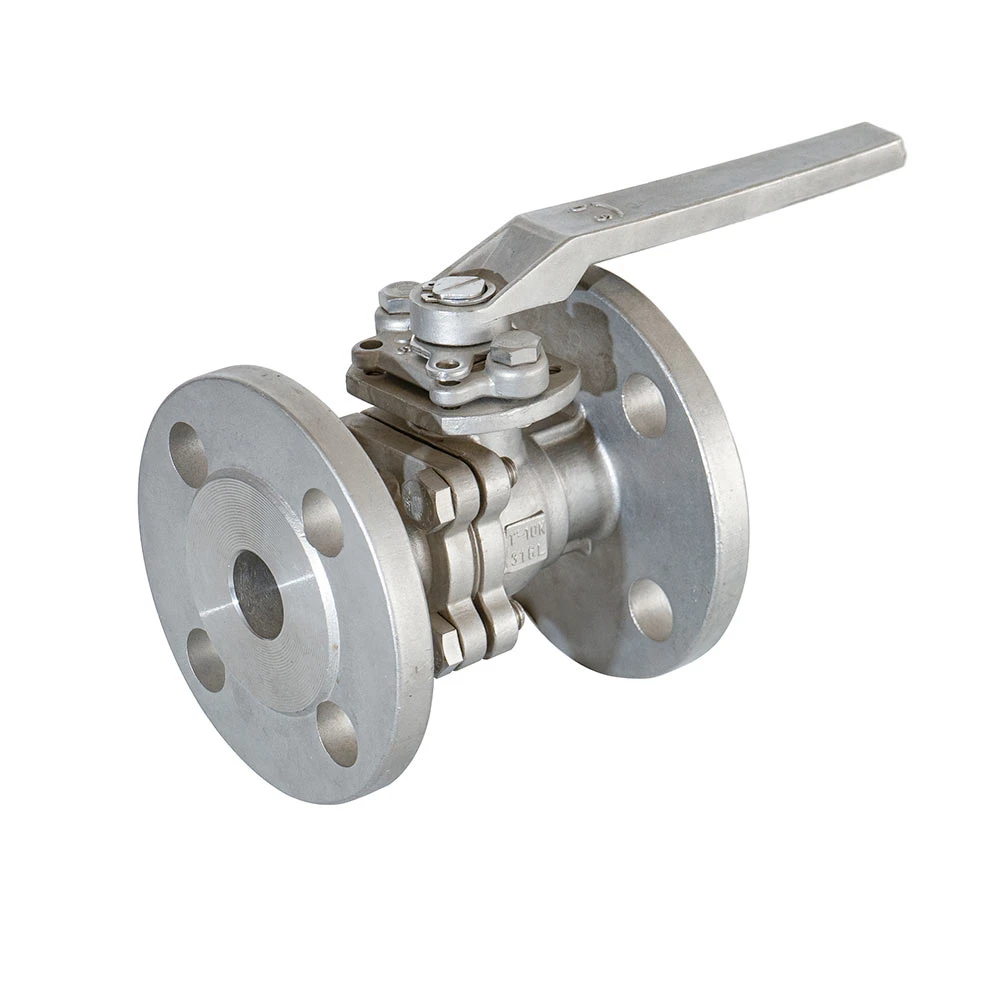
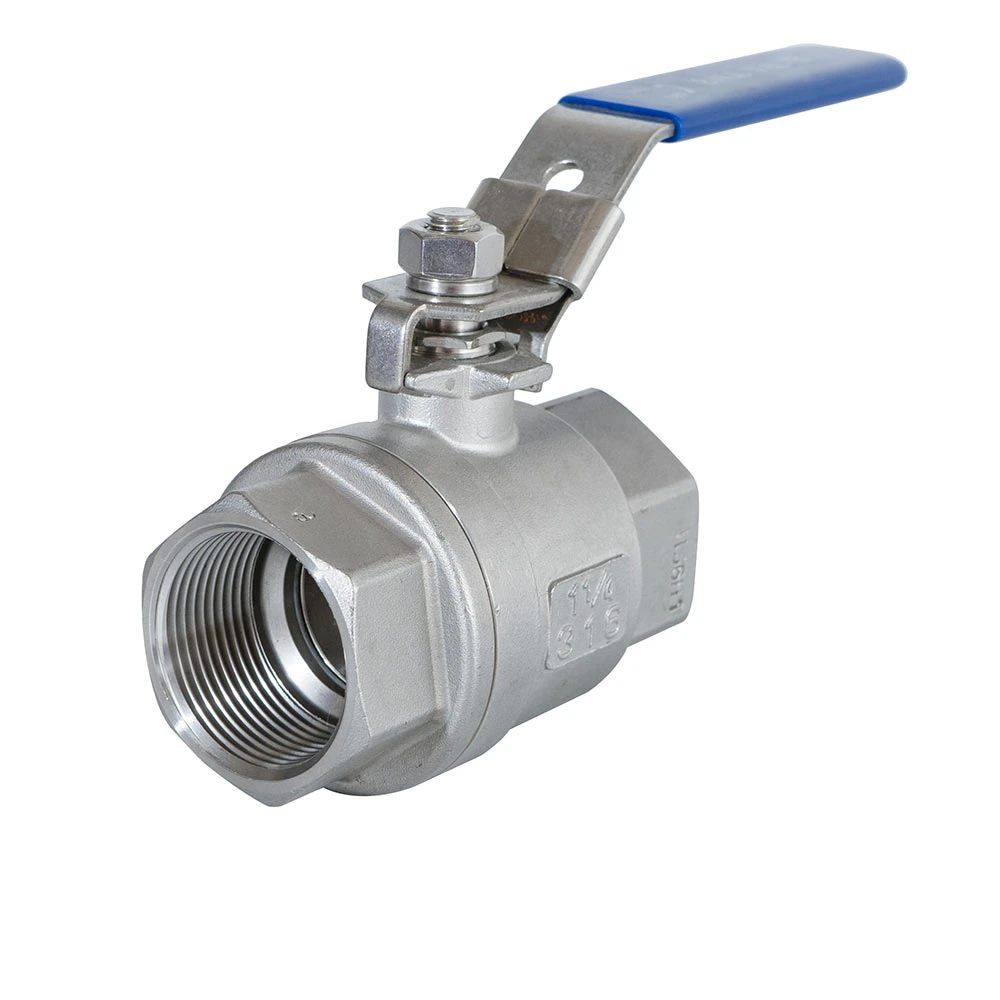
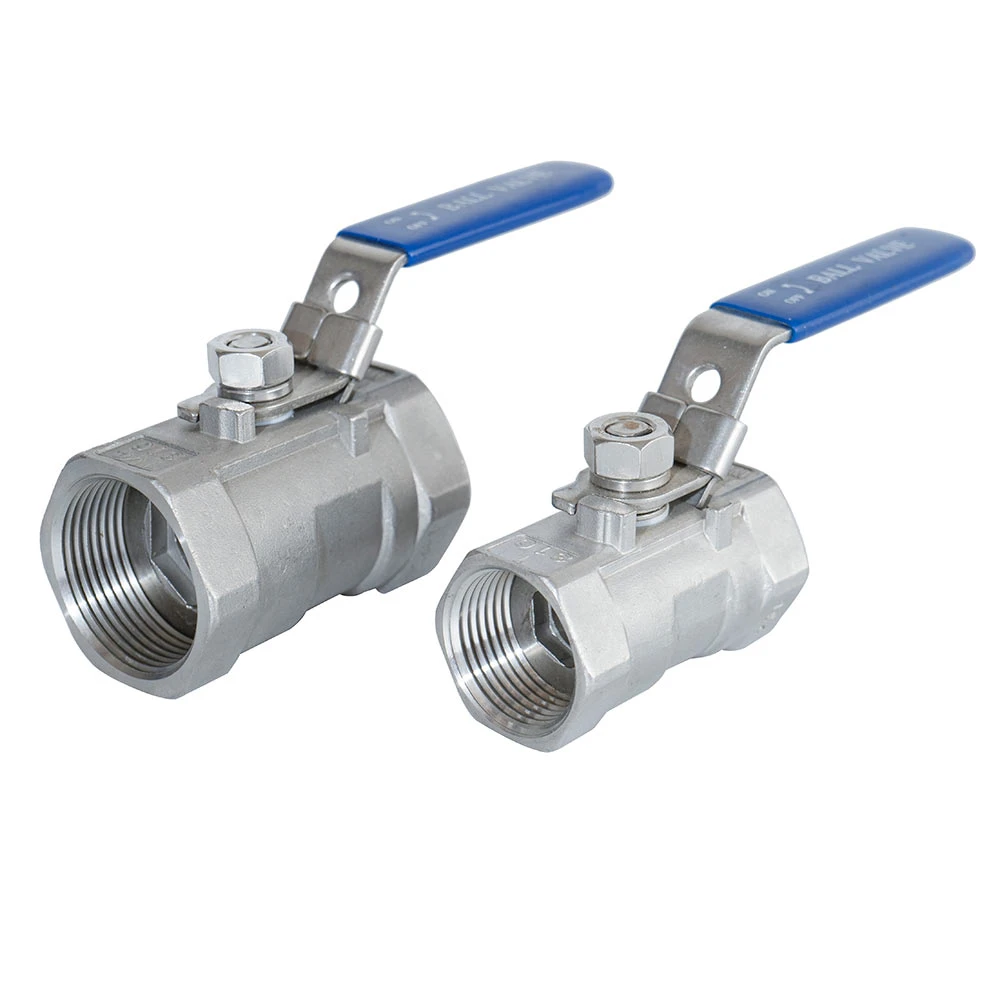
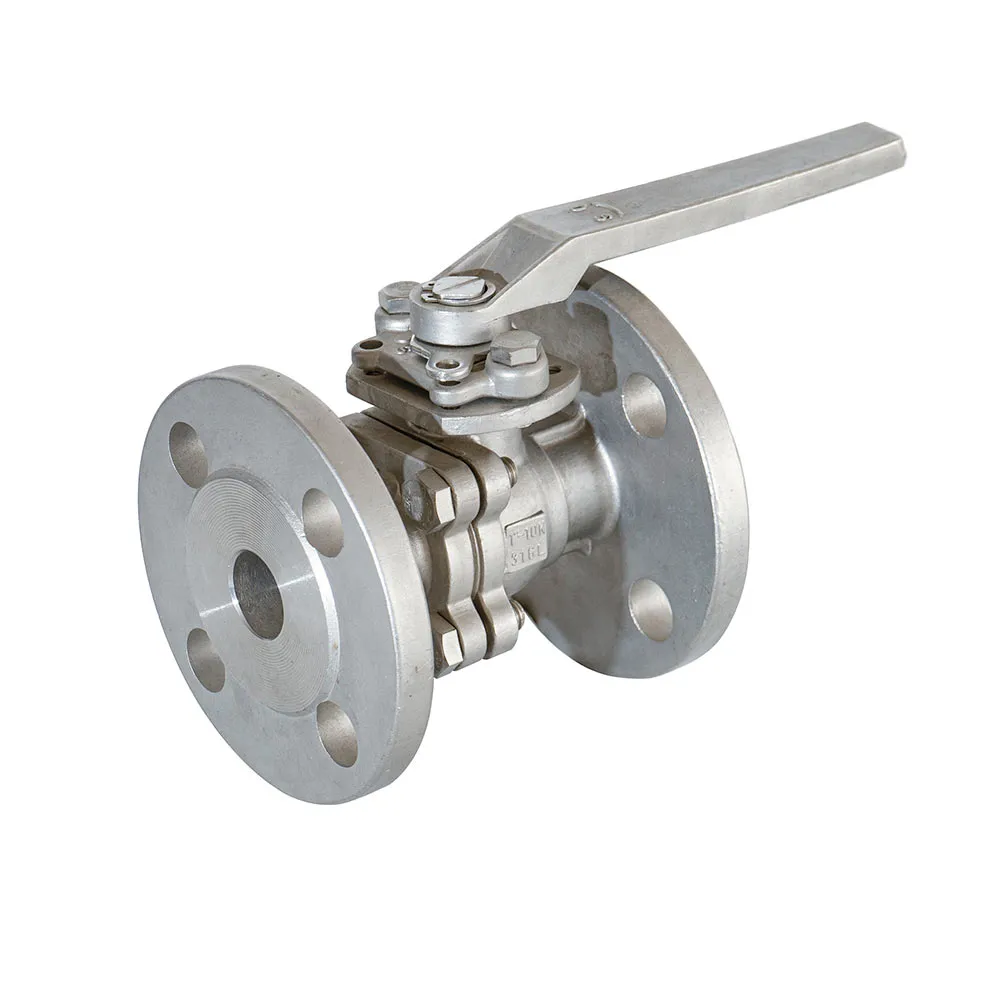
Several types of 1 inch ball valves with drain are available, each with its own advantages and disadvantages. Full port valves offer unrestricted flow, while reduced port valves have a smaller flow path. Two-piece and three-piece designs vary in terms of ease of maintenance. Flanged valves are ideal for high-pressure applications, while threaded valves are easier to install. Selecting the right type depends on the specific requirements of your application, including flow rate, pressure, temperature, and maintenance needs. Understanding these differences will help you optimize your system's performance and reliability.
Factors to Consider When Choosing a 1 Inch Ball Valve with Drain
Choosing the right valve requires careful consideration of several factors. First, determine the fluid type and its compatibility with the valve materials. Next, assess the operating pressure and temperature to ensure the valve can handle the conditions. Consider the flow rate requirements to select the appropriate port size. Finally, evaluate the installation constraints and maintenance requirements to determine the best valve configuration. Working with a reputable supplier like Houde Valve can provide expert guidance and ensure you select the ideal valve for your application.
Maintenance and Longevity of Your Ball Valve
Proper maintenance is crucial for maximizing the lifespan of your 1 inch ball valve with drain. Regularly inspect the valve for leaks, corrosion, or damage. Periodically exercise the valve to prevent seizing. Clean the valve body and drain port to remove any accumulated debris. Replace seals and packing as needed. Following these simple maintenance procedures will ensure reliable performance and prevent costly downtime. Consider implementing a preventive maintenance schedule to proactively address potential issues.
Conclusion: Choosing the Right 1 Inch Ball Valve with Drain
Selecting the correct 1 inch ball valve with drain is vital for efficient and reliable fluid handling. By considering the application requirements, material compatibility, and maintenance needs, you can ensure optimal performance and longevity. Investing in a quality valve from a trusted supplier like Houde Valve will provide peace of mind and minimize the risk of costly failures.
Frequently Asked Questions (FAQs)
What is the purpose of the drain port on a ball valve?
The drain port provides a convenient way to remove residual fluid from the valve body and pipeline. This is essential for maintenance, repair, or winterization to prevent freezing and damage. The drain port allows for complete emptying of the line, ensuring a safe and efficient working environment. It's particularly useful when dealing with hazardous or corrosive fluids where complete removal is critical.
What pressure rating should I look for in a 1 inch ball valve?
The pressure rating should be determined by the maximum operating pressure of your system. Always choose a valve with a pressure rating that exceeds the maximum pressure to provide a safety margin. Common pressure ratings for 1 inch ball valves range from 150 PSI to 600 PSI or higher. Consult your system design specifications to identify the appropriate pressure rating.
How do I determine the correct material for my application?
The fluid being handled is the primary factor in determining the correct material. For water and non-corrosive fluids, brass or stainless steel are suitable options. For corrosive chemicals, stainless steel (316) or specialized alloys are recommended. PVC is suitable for low-pressure applications with compatible fluids. Always consult a material compatibility chart or supplier like Houde Valve for expert advice.
What are the benefits of using a full port ball valve?
Full port ball valves offer minimal flow restriction due to their full-bore design. This results in lower pressure drop and higher flow rates, making them ideal for applications where maximizing flow efficiency is critical. They are particularly beneficial in systems where even a small pressure loss can impact performance.