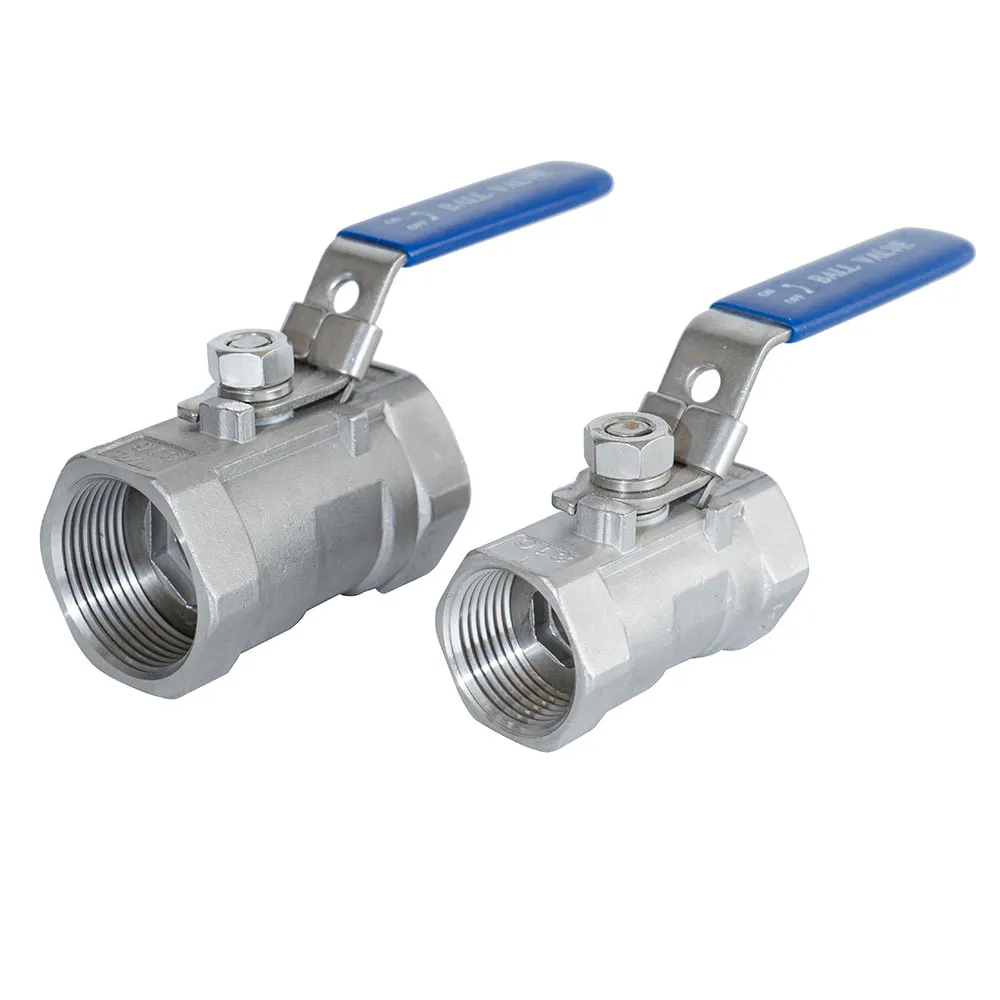
Understanding 1 Inch Ball Valves: A Comprehensive Guide
When it comes to fluid control in various industries, 1 inch ball valves are a cornerstone component. Renowned for their reliability, quarter-turn operation, and tight shut-off capabilities, they are essential in applications ranging from residential plumbing to complex industrial processes. This article provides a comprehensive overview of 1-inch ball valves, covering their features, applications, materials, installation, and key considerations for selection. Choosing the correct ball valve is crucial for ensuring efficient and safe fluid handling in your system. HoudeValve provides high-quality ball valves for various applications.
Key Features and Benefits of 1 Inch Ball Valves
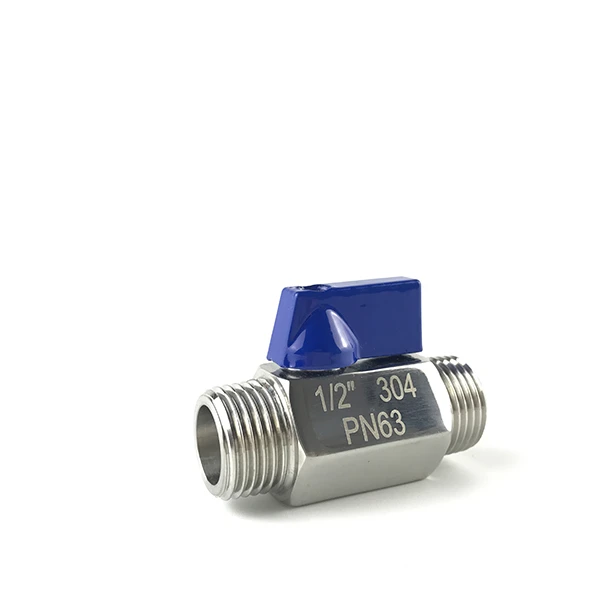
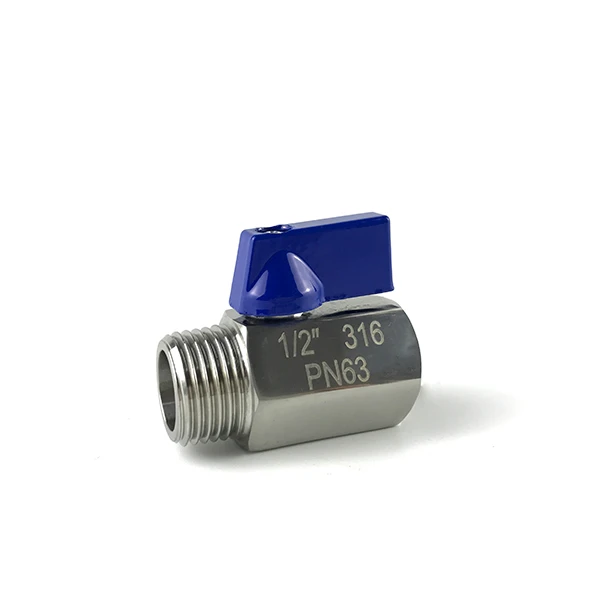
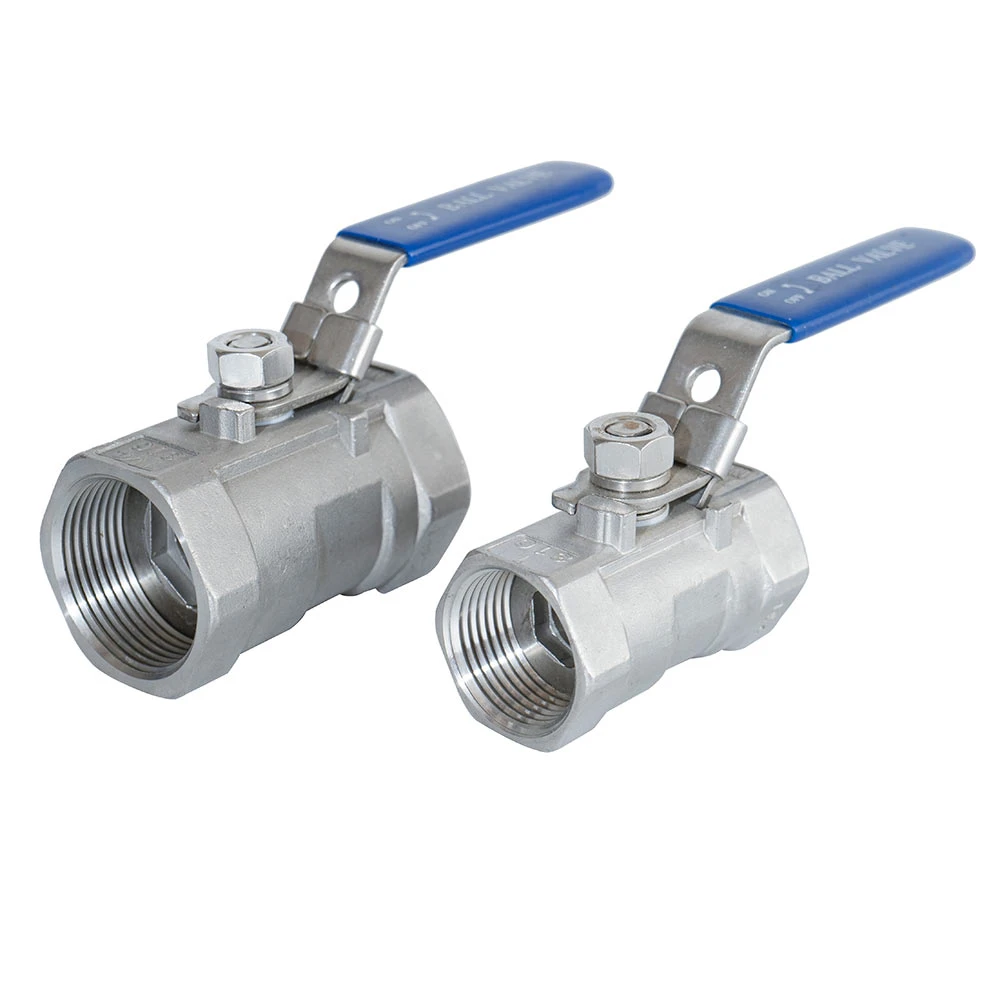
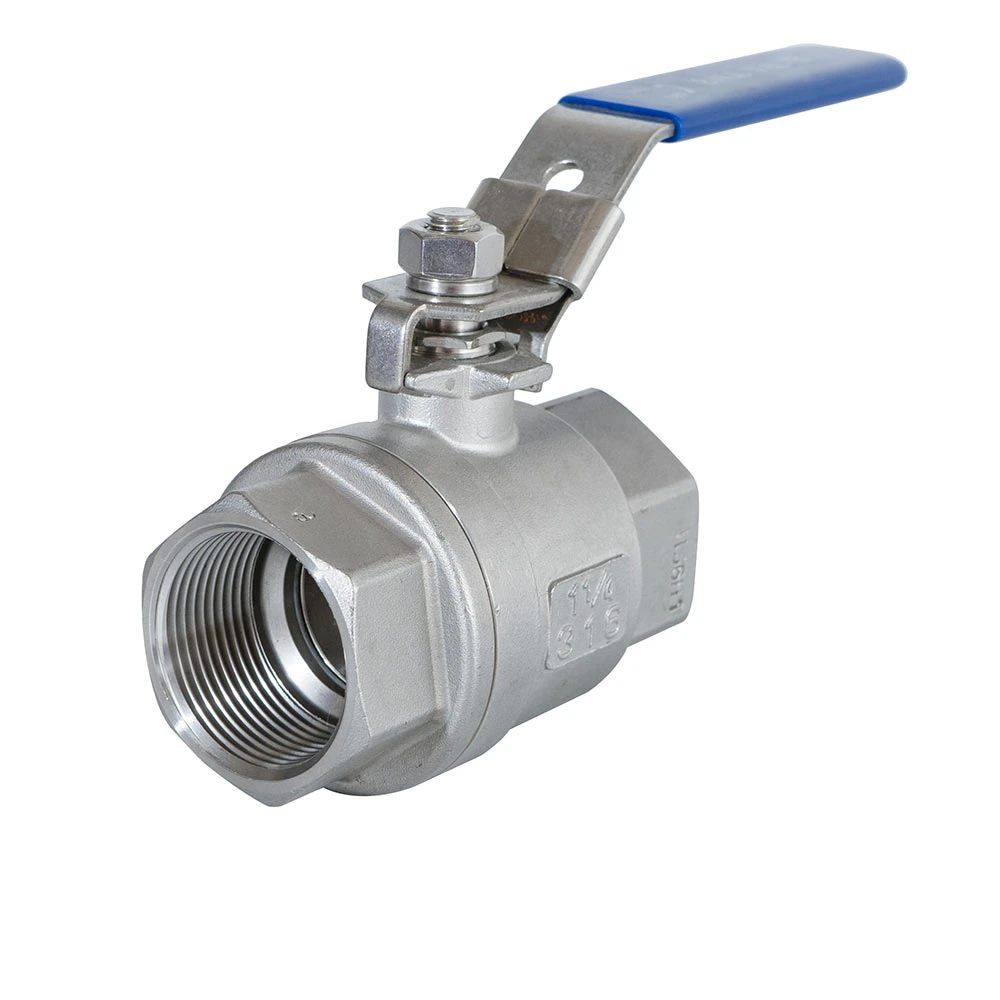
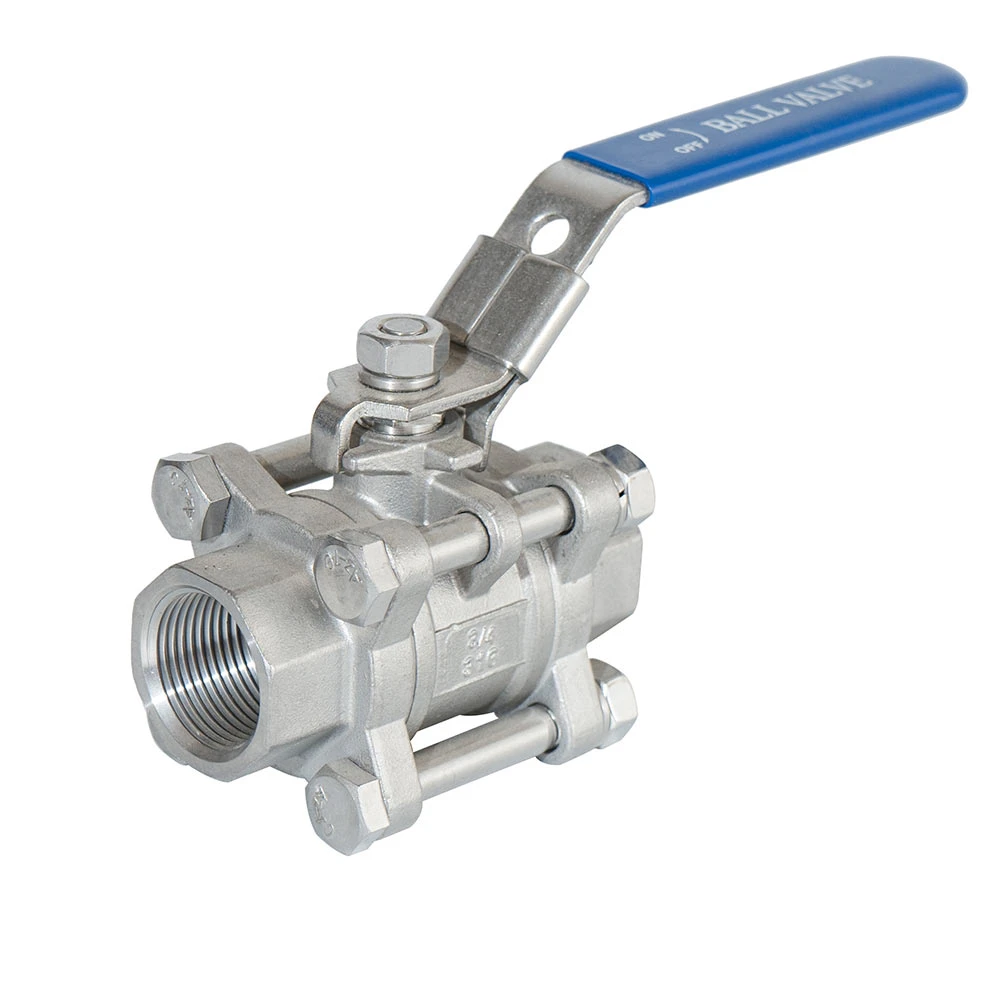
1 inch ball valves offer several advantages over other valve types. Their primary benefit is their quick and effortless operation – a simple quarter-turn of the handle is all that’s needed to fully open or completely shut off flow. This makes them ideal for applications requiring frequent and rapid control. They also provide a tight seal, minimizing leakage and ensuring efficient fluid transfer. Furthermore, the spherical design of the ball and seats results in minimal pressure drop when fully open. These valves are available in various configurations, including two-piece, three-piece, and full-port designs, each suited to specific needs. Explore HoudeValve's range to find the perfect solution.
Key Highlights: Quick quarter-turn operation, tight shut-off, minimal pressure drop, and versatile configurations.
Common Materials Used in 1 Inch Ball Valve Construction
The material of a 1 inch ball valve is critical, determined by the fluid being handled and the operating conditions. Common materials include:
- Brass: Suitable for water, oil, and gas applications where corrosion is not a major concern.
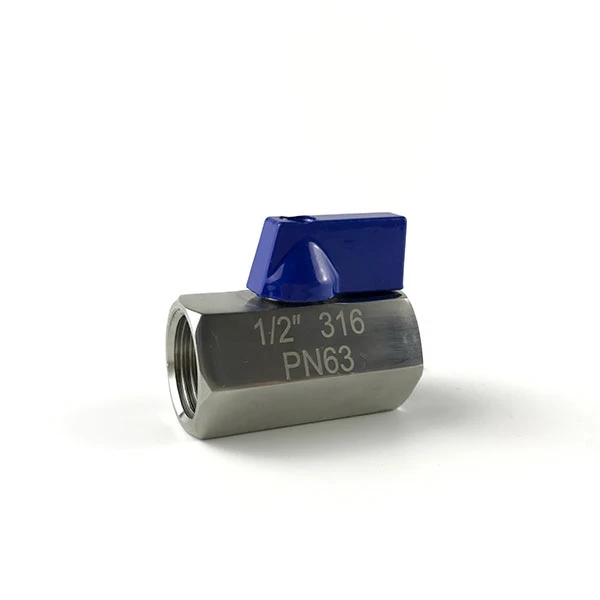
- Stainless Steel (304/316): Provides excellent corrosion resistance, making it ideal for handling aggressive chemicals, acids, and saltwater.
- PVC: A cost-effective option for non-corrosive fluids at lower temperatures and pressures.
- Carbon Steel: Often used for high-pressure and high-temperature applications in the oil and gas industry.
The choice of material directly impacts the valve's lifespan and reliability. HoudeValve offers a wide selection of ball valves in various materials to meet your specific requirements.
Material Selection Guide:
• Water/Oil/Gas: Brass, Stainless Steel
• Corrosive Fluids: Stainless Steel (316)
• Low-Pressure Applications: PVC
• High-Pressure/Temperature: Carbon Steel
1 Inch Ball Valve Applications Across Industries
1 inch ball valves are used in a remarkably diverse range of industries and applications, including:
- Plumbing: For controlling water flow in residential and commercial buildings.
- HVAC: In heating and cooling systems for regulating coolant flow.
- Irrigation: For managing water distribution in agricultural and landscaping systems.
- Oil & Gas: For controlling the flow of oil, gas, and other fluids in pipelines and processing plants.
- Chemical Processing: For handling corrosive chemicals and other fluids in chemical plants.
- Pharmaceuticals: In sterile and hygienic applications requiring precise fluid control.
The versatility of 1 inch ball valves makes them a critical component in countless systems. HoudeValve provides solutions for all these applications.
Selecting the Right 1 Inch Ball Valve: Key Considerations
Choosing the correct 1 inch ball valve involves considering several factors. Pressure rating is crucial – ensure the valve can withstand the maximum pressure of your system. Temperature range is also essential, particularly for hot or cold fluid applications. Consider the type of fluid being handled and choose a material compatible with its chemical properties. The valve’s end connection type (threaded, flanged, welded) must also match your existing piping system. Finally, the valve’s actuation method (manual, pneumatic, electric) should be selected based on your control requirements. HoudeValve’s experts can assist you with valve selection.
Installation and Maintenance Best Practices
Proper installation and regular maintenance are vital for ensuring the long-term reliability of your 1 inch ball valve. Ensure the valve is properly aligned with the piping system and that all connections are tight. Use appropriate sealing tape or gasket to prevent leaks. Avoid over-tightening, which can damage the valve’s internal components. Regularly inspect the valve for any signs of corrosion, leaks, or damage. Lubricate the valve handle periodically to ensure smooth operation. HoudeValve’s installation guides provide detailed instructions.
Conclusion: Choosing Quality for Reliable Fluid Control
Investing in high-quality 1 inch ball valves, like those offered by HoudeValve, is essential for ensuring safe, efficient, and reliable fluid control in your applications. By carefully considering the factors outlined in this guide, you can select the perfect valve for your needs and maximize its lifespan. Don’t compromise on quality when it comes to critical components like ball valves.
Frequently Asked Questions (FAQs)
What is the difference between a full-port and a reduced-port 1 inch ball valve?
A full-port ball valve has an inner diameter equal to the pipe's inner diameter, offering unrestricted flow and minimal pressure drop. A reduced-port valve has a smaller bore, creating some flow restriction. Full-port valves are preferred for applications where maximizing flow rate is critical, such as high-volume fluid transfer. Reduced-port valves are generally more cost-effective and suitable for applications where flow restriction is not a concern.
What are the common end connections for 1 inch ball valves?
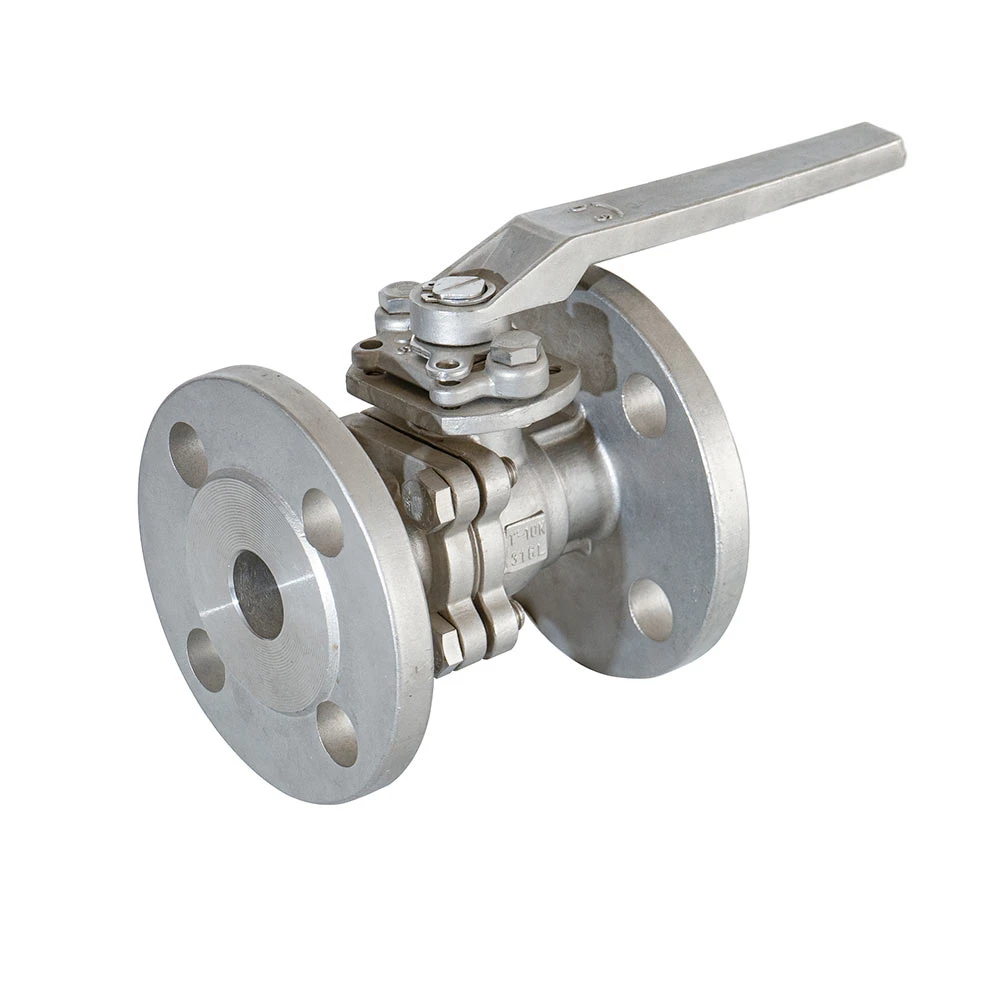
Common end connections include threaded (NPT, BSP), flanged (ANSI, DIN), and welded. Threaded connections are easy to install and suitable for lower-pressure applications. Flanged connections are used for higher pressures and larger pipe sizes. Welded connections provide a permanent and leak-proof seal, ideal for critical applications. The choice of end connection depends on the piping system and operating conditions.
How do I determine the correct pressure rating for a 1 inch ball valve?
The pressure rating should exceed the maximum operating pressure of your system. Consider not only the steady-state pressure but also any potential pressure surges or spikes. Refer to the valve’s specifications to ensure it can safely handle the expected pressure. Using a valve with an insufficient pressure rating can lead to failure and potentially hazardous leaks. Always consult with a qualified engineer if unsure.
What is the role of PTFE (Teflon) in a 1 inch ball valve?
PTFE (Polytetrafluoroethylene), commonly known as Teflon, is frequently used for the valve seats and seals in a 1 inch ball valve. It provides an excellent low-friction surface, ensuring a tight shut-off and smooth operation. PTFE is also highly resistant to chemicals, making it suitable for handling a wide range of fluids. It contributes to the valve’s longevity and reliability by minimizing wear and tear.