Understanding the Versatility of a 10 Ball Valve
When it comes to fluid control in various industries, the 10 ball valve stands as a critical component. Renowned for its reliability, durability, and ease of operation, it's a staple in applications ranging from residential plumbing to large-scale industrial processes. This article will delve into the details of the 10 ball valve – its components, types, applications, benefits, and factors to consider when selecting the right valve for your needs. HoudeValve specializes in high-quality ball valves, providing solutions for diverse industries worldwide.
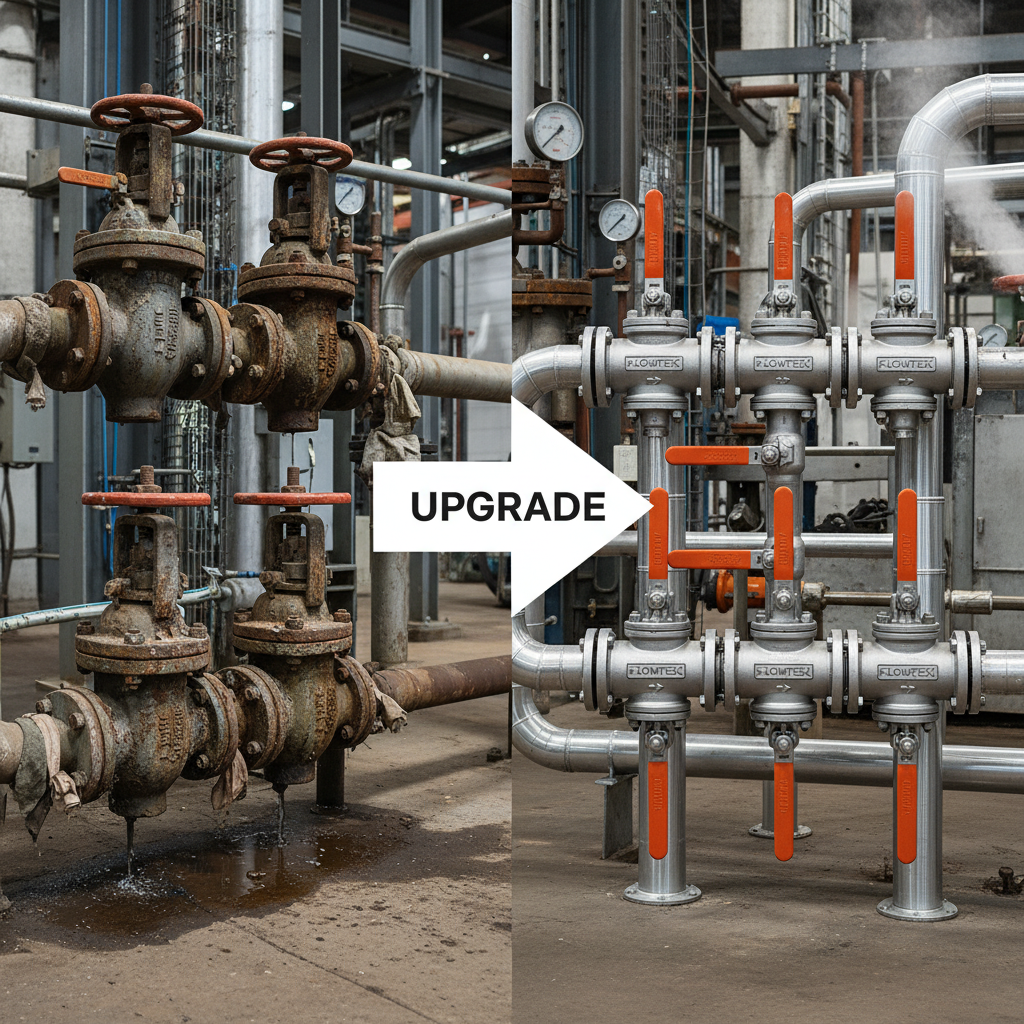
What is a 10 Ball Valve?
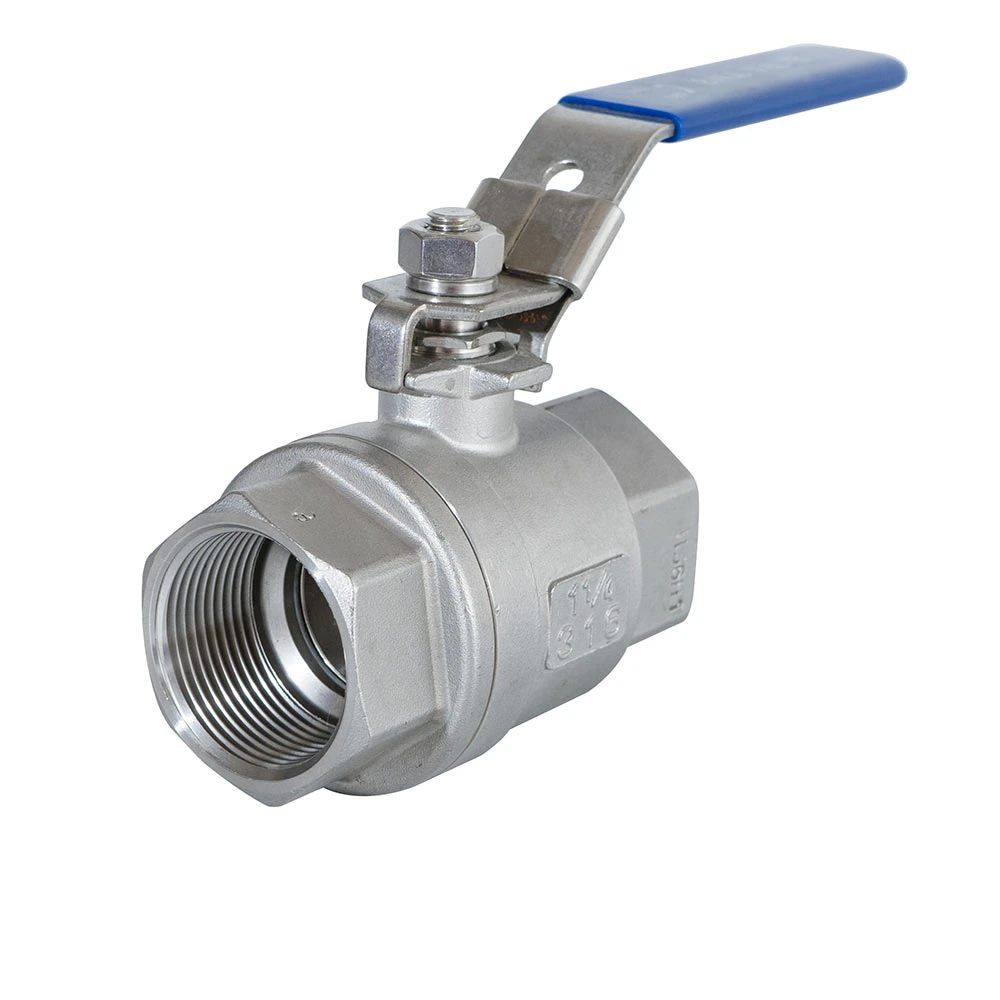
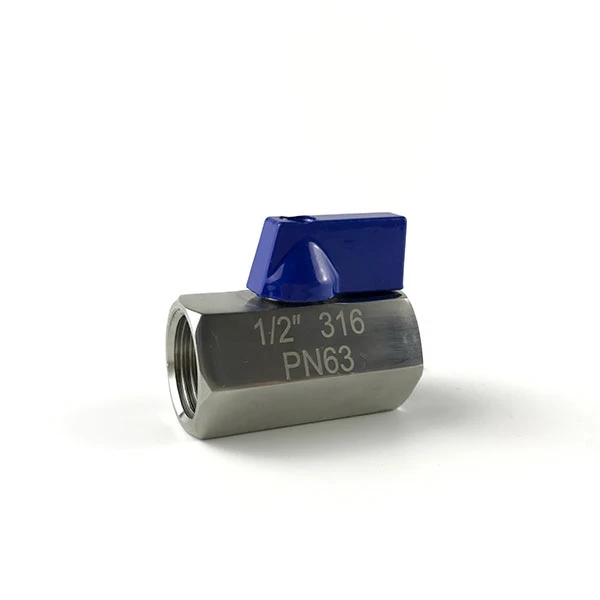
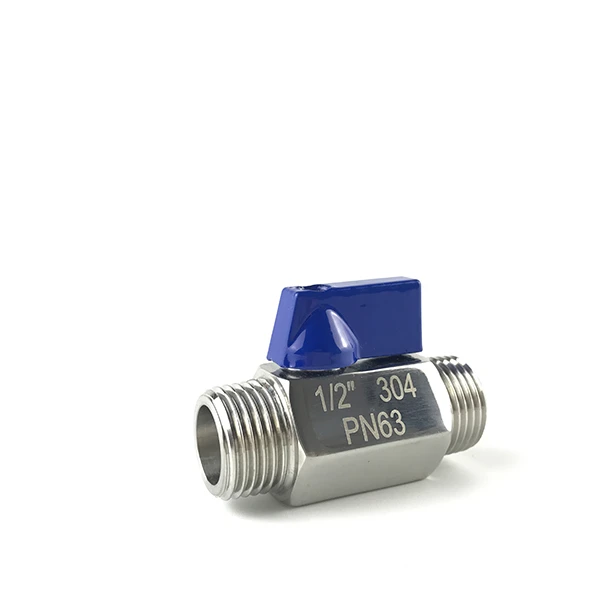
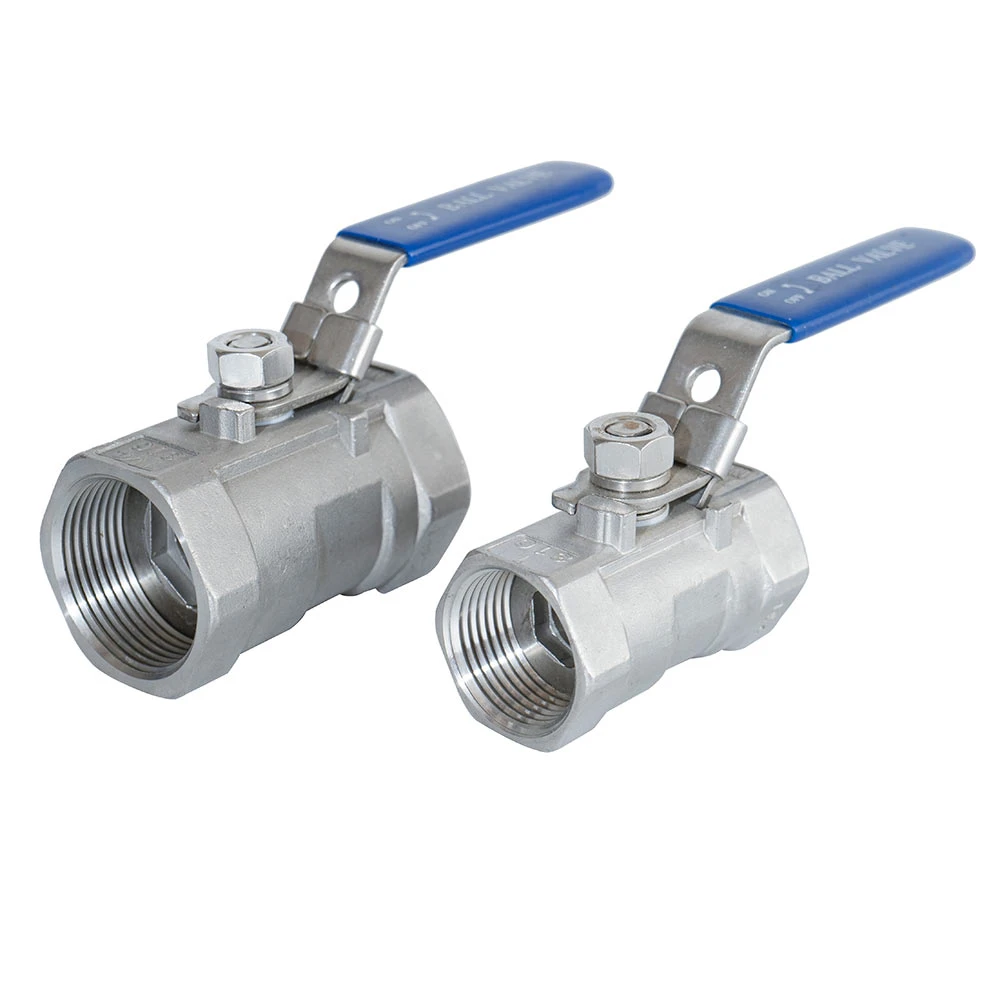
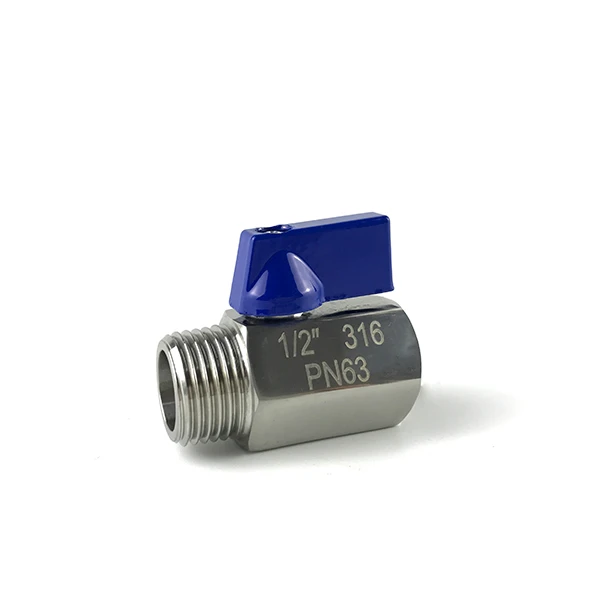
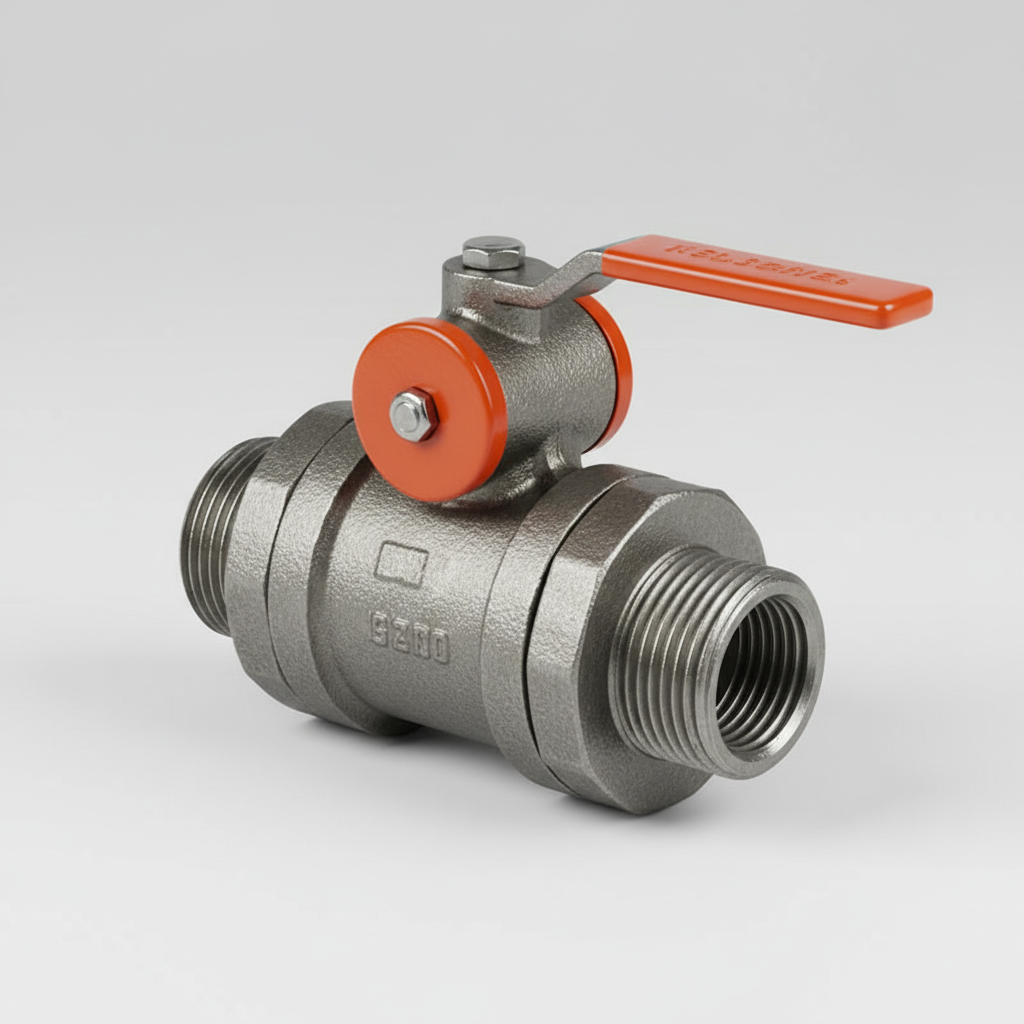
A 10 ball valve, referring to its nominal pipe size (NPS 10, or 10 inches), utilizes a hollow, perforated, and pivoting ball to control fluid flow. The valve's quarter-turn operation allows for quick on/off control, making it ideal for applications where rapid shut-off is essential. The core components include the valve body, ball, stem, seats, and packing. The body is typically constructed from materials like stainless steel, carbon steel, or brass, chosen based on the fluid being handled and the operating conditions. Understanding these core components is critical to appreciating the valve’s performance.
Key Highlights: Quick quarter-turn operation, robust construction, and versatile application across diverse industries. Often used in high-pressure applications due to their sealing capabilities.
Types of 10 Ball Valves
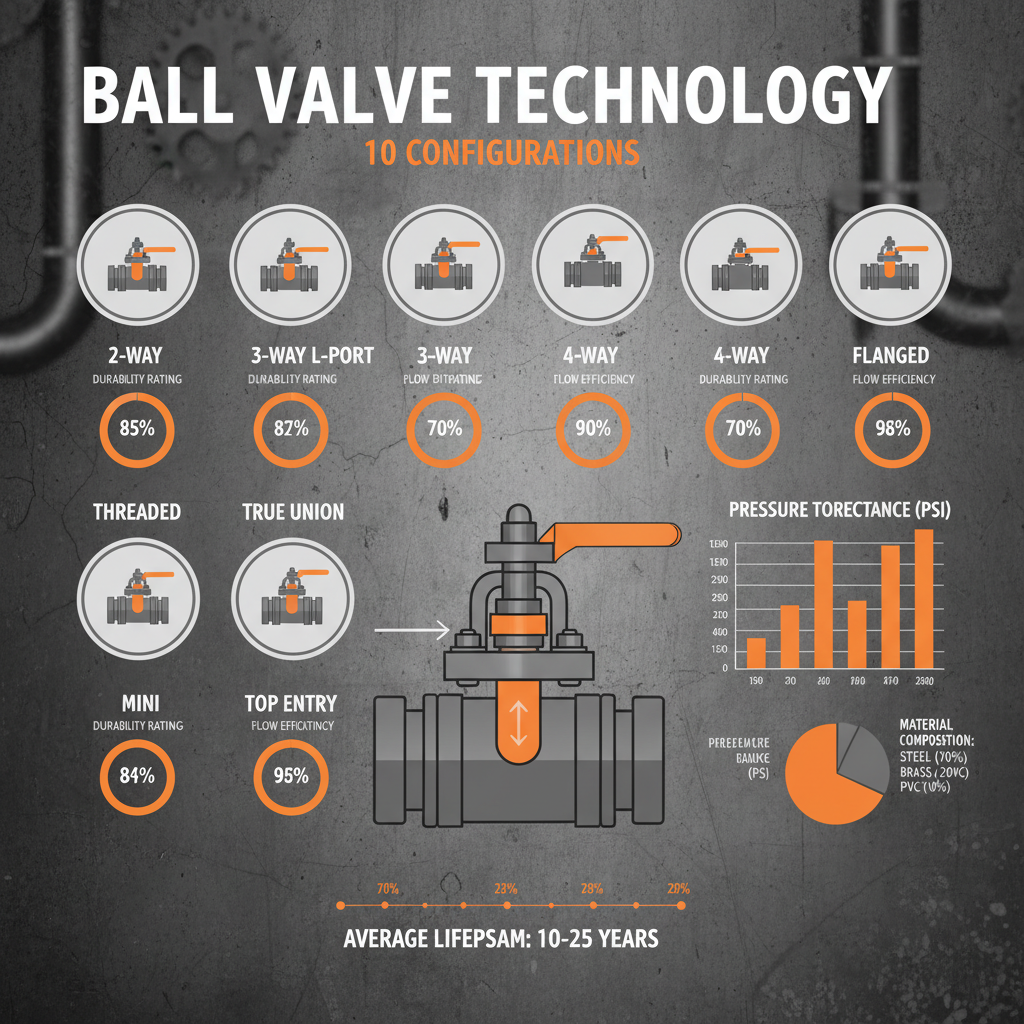
10 ball valves come in several configurations, each suited for specific applications. These include:
- Full Port Ball Valves: Offer unrestricted flow, minimizing pressure drop.
- Reduced Port Ball Valves: Have a smaller diameter bore than the pipe, leading to some pressure loss, but generally more economical.
- Three-Piece Ball Valves: Facilitate easy maintenance and replacement of internal components.
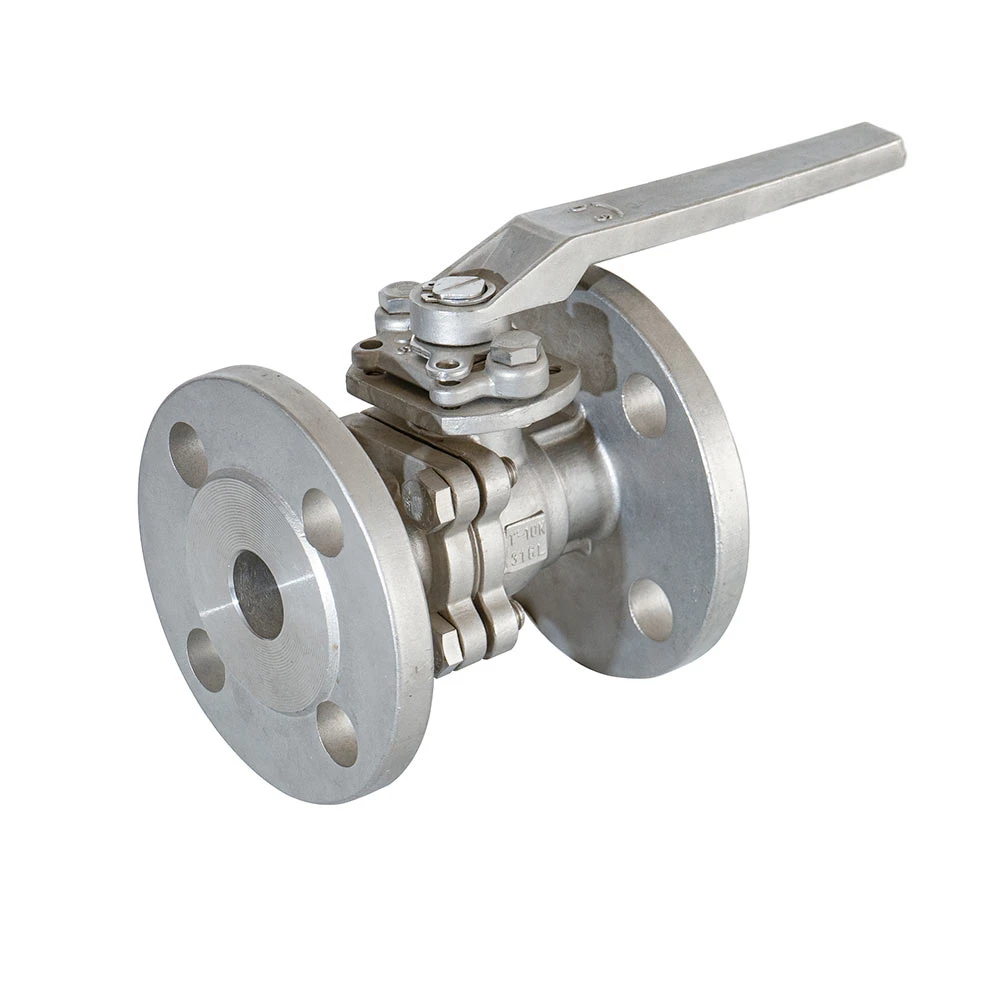
- Flanged Ball Valves: Designed for high-pressure applications and securely bolted to piping systems.
- Trunnion Mounted Ball Valves: Ideal for high-pressure, high-temperature applications and provide enhanced stability.
Selecting the right type depends on factors like fluid viscosity, pressure requirements, and maintenance considerations. HoudeValve provides a wide range of these valve types to meet varying operational needs.
Applications of 10 Ball Valves
The versatility of a 10 ball valve makes it suitable for a broad spectrum of applications. Some prominent examples include:
- Oil and Gas Industry: Controlling the flow of crude oil, natural gas, and other hydrocarbons.
- Water Treatment Plants: Isolating sections of the system for maintenance and controlling water flow.
- Chemical Processing: Handling corrosive chemicals and regulating process flows.
- Power Generation: Controlling steam and water in power plants.
- HVAC Systems: Regulating the flow of chilled water or hot water.
Application Benefits:
• Reliable shut-off in critical processes
• Minimal maintenance requirements
• Durable construction for long-term use
• Compatible with a wide range of fluids
10 Ball Valve Material Comparison
Selecting the right material is crucial for ensuring the longevity and reliability of a 10 ball valve. Here's a comparison of common materials:
Selecting the Right 10 Ball Valve: Key Considerations
Choosing the appropriate 10 ball valve involves careful evaluation of several factors. These include:
- Fluid Compatibility: Ensure the valve material is compatible with the fluid being handled.
- Pressure and Temperature Ratings: Select a valve that can withstand the operating pressure and temperature.
- End Connections: Choose the appropriate end connections (flanged, threaded, welded) based on your piping system.
- Actuation: Consider whether manual, pneumatic, or electric actuation is required.
- Service Requirements: Factor in the frequency of operation and potential maintenance needs.
HoudeValve's experienced team can provide expert guidance in selecting the optimal ball valve for your specific application.
Conclusion: Investing in Quality Ball Valves
A properly selected 10 ball valve is essential for efficient and reliable fluid control. By considering the factors outlined above and partnering with a trusted supplier like HoudeValve, you can ensure optimal performance and minimize downtime. Don't compromise on quality – choose a ball valve that meets your specific needs and delivers lasting value.
Frequently Asked Questions (FAQs)
What is the typical lifespan of a 10 ball valve?
The lifespan of a 10 ball valve can vary significantly depending on the operating conditions, the fluid being handled, and the quality of the valve itself. Generally, a well-maintained ball valve can last for 10-20 years or more. However, factors like frequent cycling, exposure to corrosive substances, and high pressure can shorten its lifespan. Regular inspection and preventative maintenance are crucial for maximizing longevity. The materials used in the valve’s construction also have a significant impact - stainless steel valves will typically last longer than carbon steel or brass valves in harsh environments.
What are the signs that a 10 ball valve needs replacement?
Several signs indicate that a 10 ball valve may need replacing. These include noticeable leaks around the stem or body, difficulty in operating the valve, a decrease in flow rate, or visible corrosion or damage to the valve components. If you observe any of these signs, it's crucial to inspect the valve thoroughly and consider replacement to prevent potential system failures or safety hazards. Continued operation with a failing valve can lead to costly repairs and downtime.
Can a 10 ball valve be repaired, or is replacement the only option?
In some cases, a 10 ball valve can be repaired, particularly if the issue is a minor leak caused by worn seals or packing. However, for more significant damage to the ball, seats, or body, replacement is generally the most cost-effective and reliable solution. Attempting to repair a severely damaged valve can be risky and may not provide a long-term fix. HoudeValve offers both repair services and replacement valves, providing options tailored to your specific needs.
What is the difference between a full port and a reduced port 10 ball valve?
A full port 10 ball valve has an internal diameter equal to the pipe size, allowing for unrestricted flow and minimal pressure drop. A reduced port valve, on the other hand, has a smaller internal diameter, creating some resistance to flow. Full port valves are preferred when maximizing flow rate is critical, while reduced port valves are often used in applications where some pressure loss is acceptable, and cost savings are desired. The choice depends on the specific requirements of the application and the characteristics of the fluid being handled.