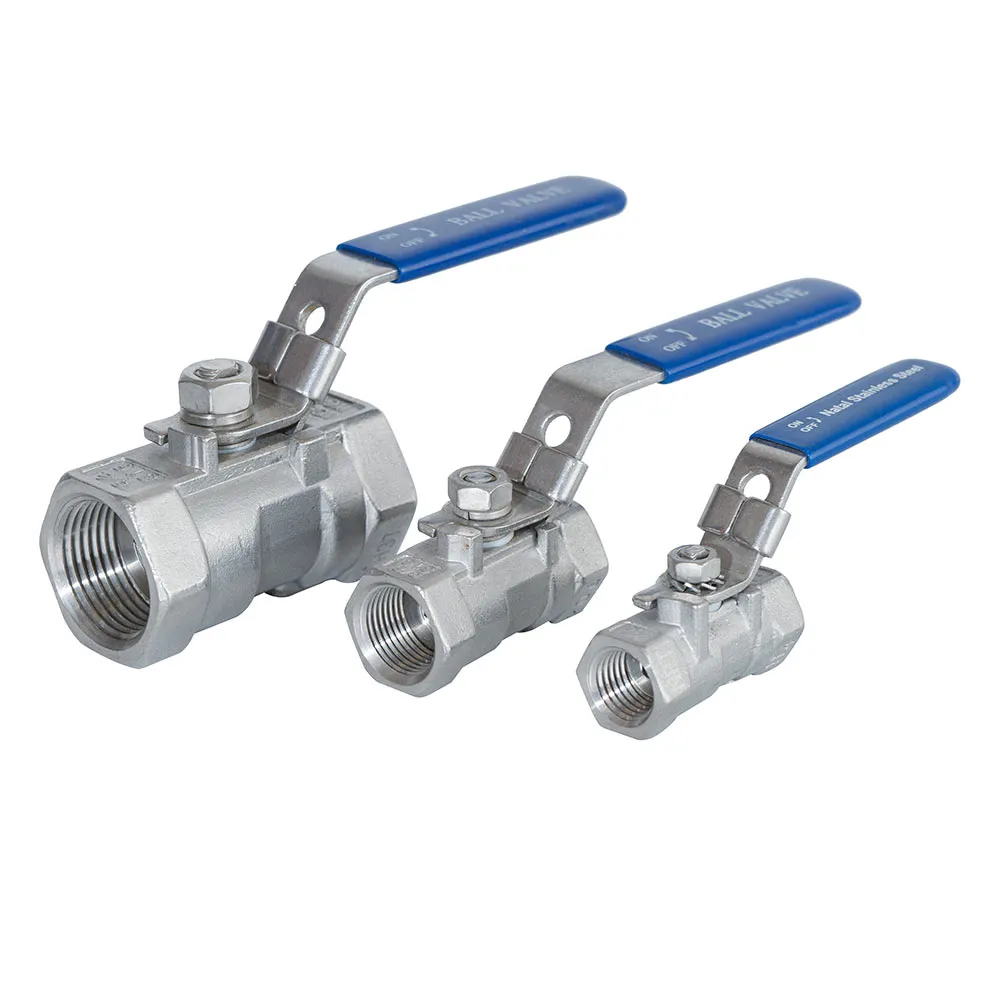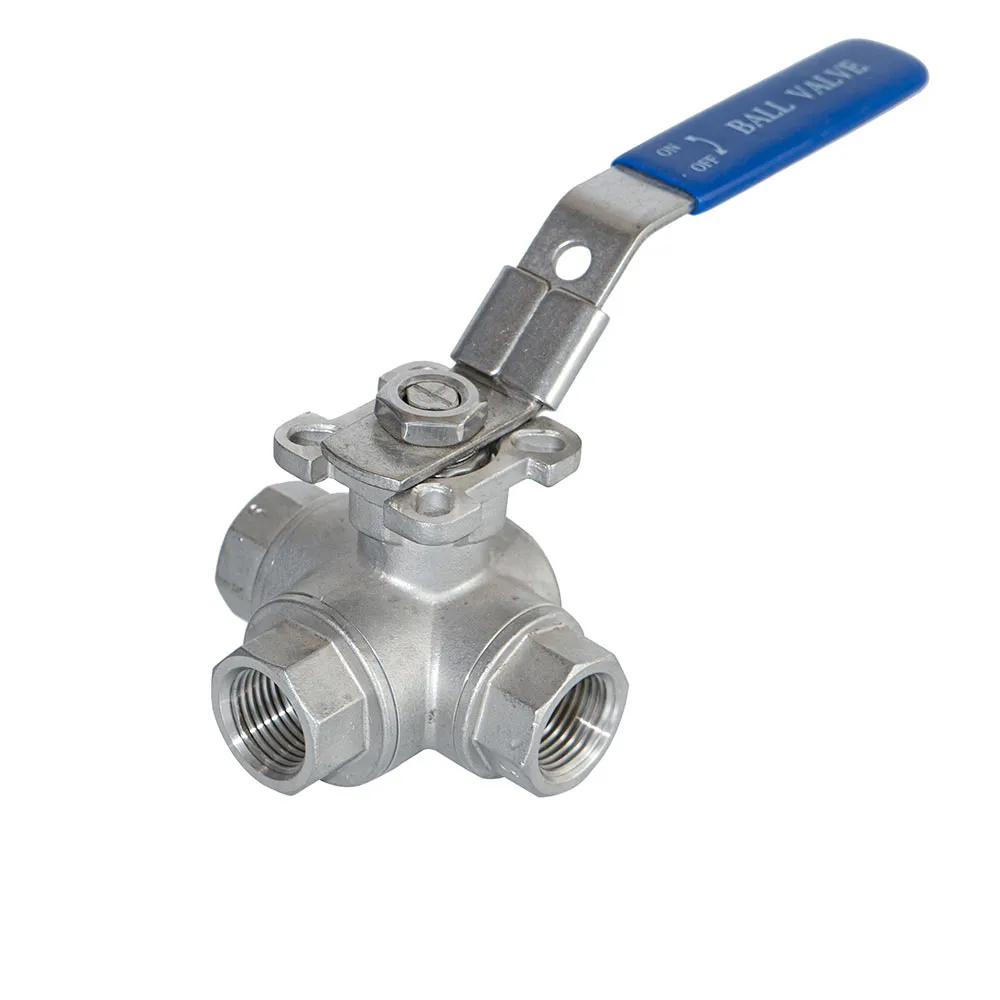
Understanding the 1 1 2 Inch 3 Way Ball Valve: A Small Component with Big Impact
At first glance, a 1 1 2 inch 3 way ball valve might sound like an odd mouthful of technical jargon, but this little device is pivotal in industries worldwide. Why should you care? Because valves control the flow of liquids and gases — powering everything from water supply networks to complex chemical plants. Grasping their role unlocks insights into efficiency, safety, and innovation in countless sectors. Plus, knowing the key benefits of this specific valve makes selecting the right valve for your project much easier.
Why the 1 1 2 Inch 3 Way Ball Valve Matters Globally
Globally, industrial automation and fluid control are projected to grow exponentially. According to ISO standards and the World Bank’s recent infrastructure data, pipeline systems handling water, oil, and gas are expanding to meet urbanization and energy demands. A valve like the 1 1 2 inch 3 way ball valve plays a crucial role here — enabling versatile flow control in compact spaces.
However, challenges arise, especially around leak prevention and efficiency. Many systems suffer from outdated valve designs or poor customization, leading to costly downtime or environmental hazards. This specific valve, with its three-port design and mid-range sizing, addresses those issues by providing flexible flow diversion with enhanced sealing reliability.
Mini Takeaway: The 1 1 2 inch 3 way ball valve is a vital solution in a world that's thirsty for more reliable and efficient flow control.
Breaking It Down: What Is a 1 1 2 Inch 3 Way Ball Valve?
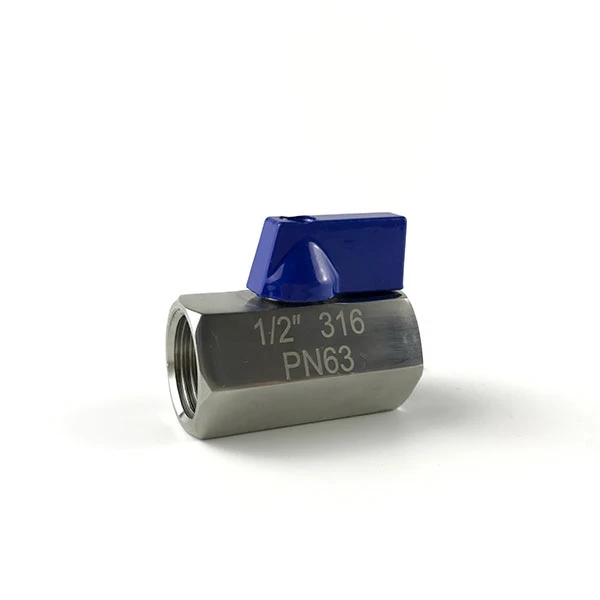
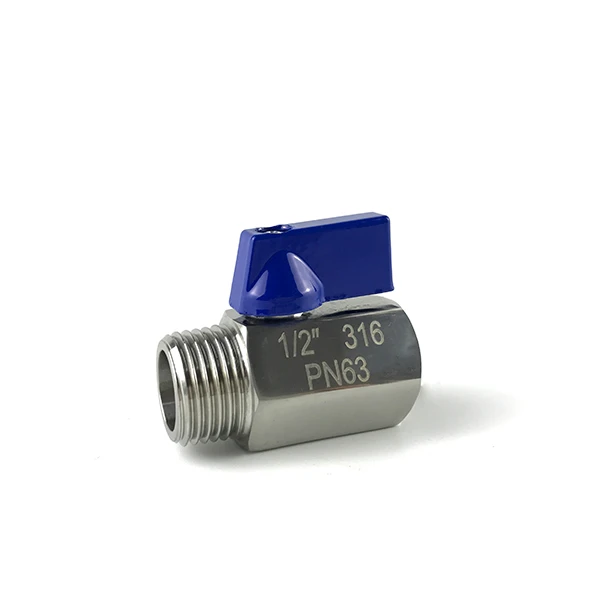
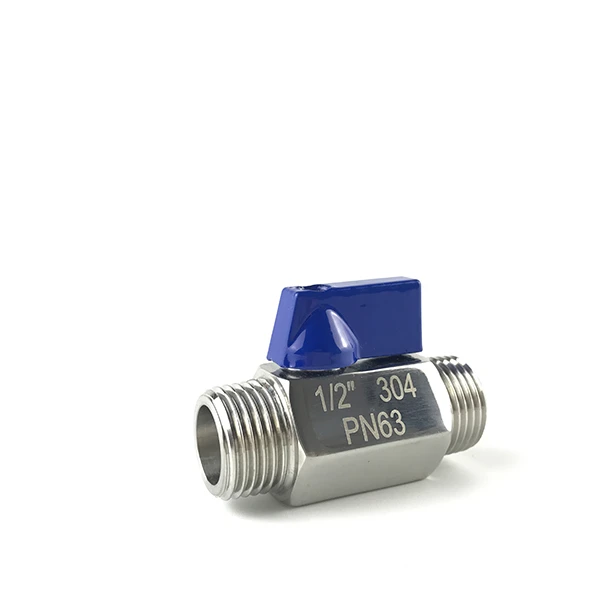
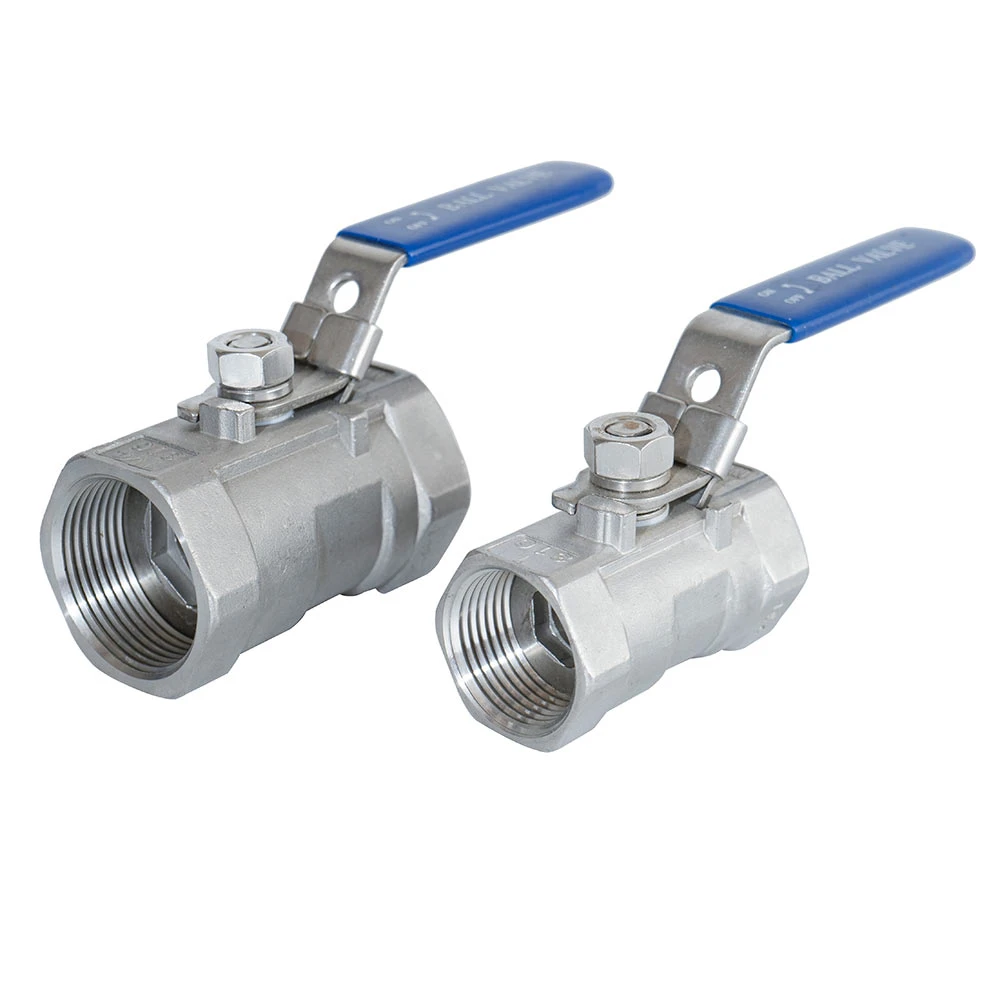
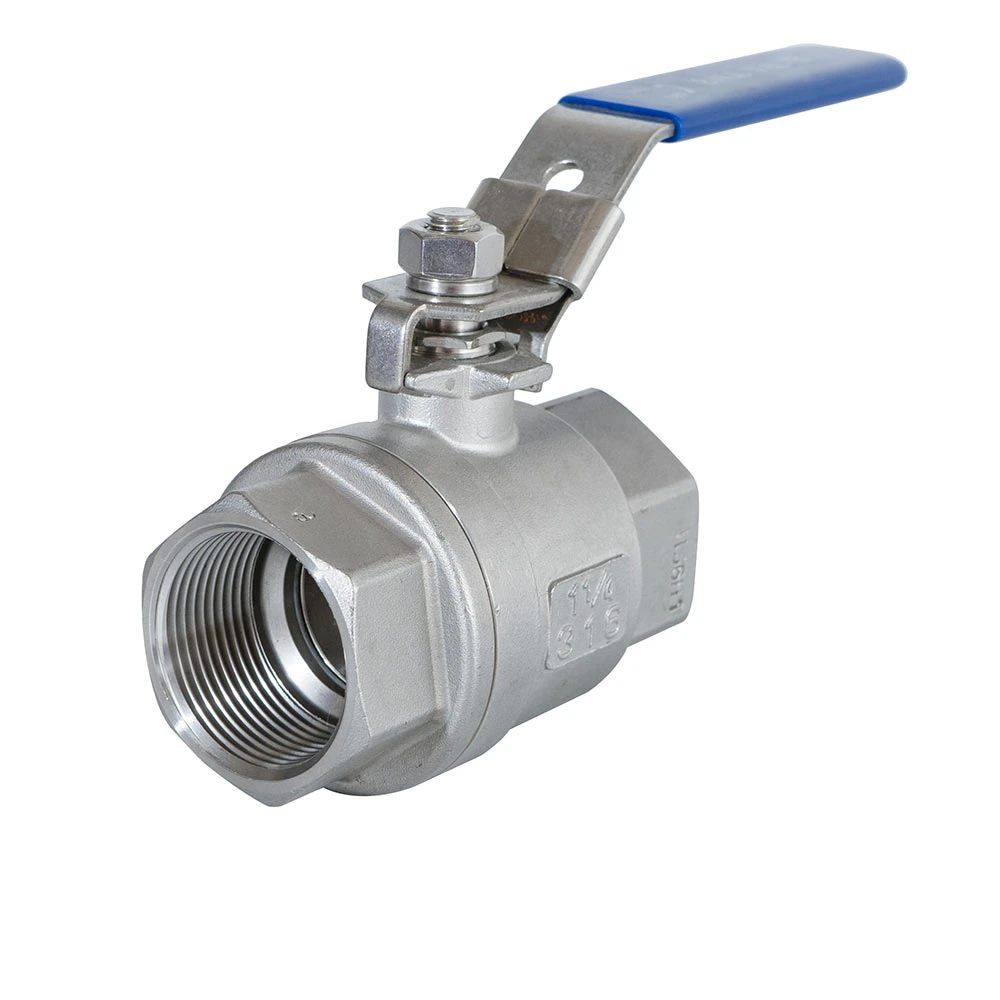
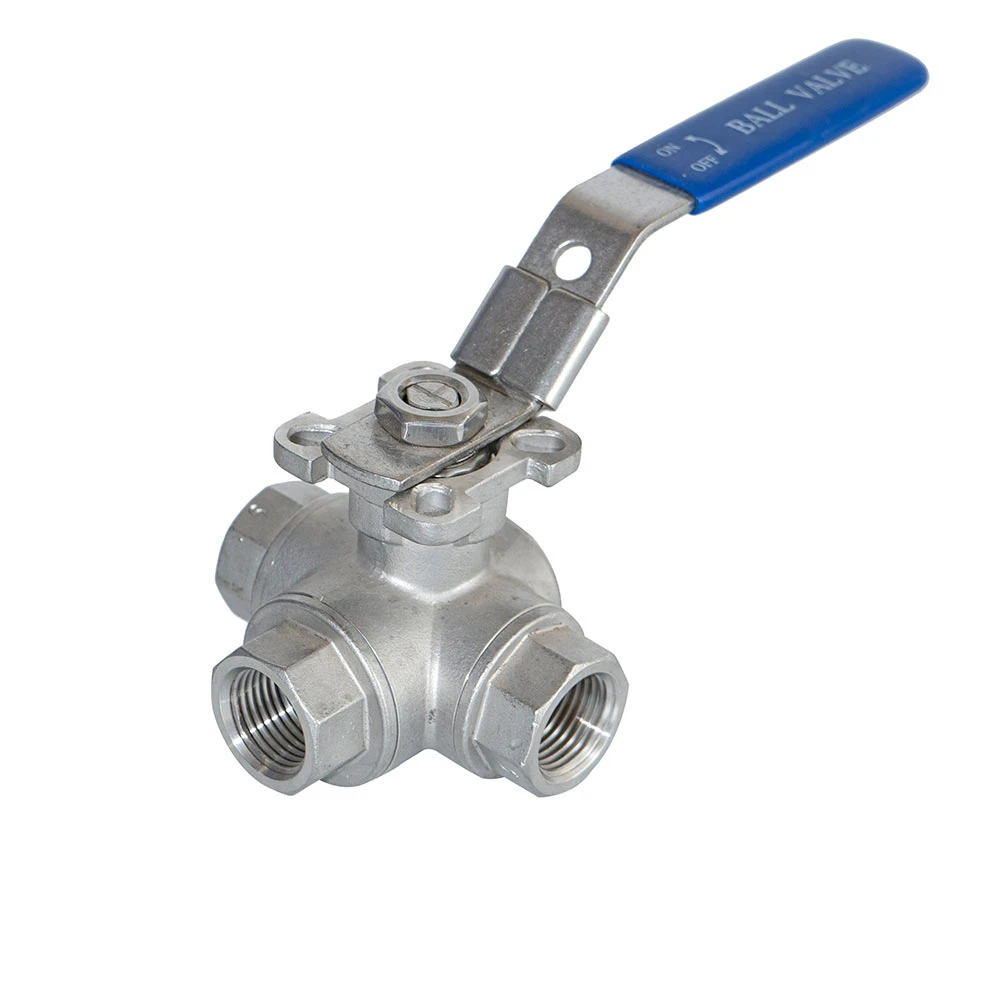
So, what actually is this valve? Simply put, a ball valve controls the flow through a pipe using a rotating ball with a hole through the middle. The "3 way" part means it has three ports or openings, allowing fluid to connect, divert, or mix between different channels.
With a nominal size of 1 1 2 inch (roughly 38 millimeters), it fits mid-sized piping systems common in many process lines — like water treatment plants, HVAC units, and chemical processing. Modern industries rely on these valves for switching flows efficiently and safely without system shutdowns.
And oddly enough, even humanitarian organizations sometimes use these valves in mobile water purification units or temporary energy supply setups — proving this isn’t just industrial fluff but a tool with real-world stakes.
Core Characteristics of the 1 1 2 Inch 3 Way Ball Valve
1. Durability and Material Choice
Many folks underestimate how much valve longevity depends on material selection. Stainless steel is common here — balancing corrosion resistance with mechanical strength. This means your valve can survive harsh chemicals, weather changes, or even rough industrial environments.
2. Versatility in Flow Control
The 3 way design lets you direct flow between ports without disconnecting pipes. For example, you can bypass a section for maintenance or blend two fluid streams. This is especially handy in industrial plants where processes must stay hot, running, and continuous.
3. Compact and Space-Saving Design
Space is often tight on-site. These valves provide multiple flow options without bulky external piping. Smaller footprint means easier integration where plant layouts are crowded.
4. Ease of Operation and Automation Compatibility
Many models can be paired with electric or pneumatic actuators, making automation simpler. That’s a game changer for remote operation or where high reliability is a must.
Mini Takeaway: The 1 1 2 inch 3 way ball valve strikes a balance between durable materials, functional design, and operational flexibility.
Where Does It All Come Together? Applications Across the Globe
You can find these valves in all sorts of places. European chemical plants use them to mix solvents with exact ratios, while Southeast Asian water treatment facilities rely on compact valves to switch between filtered and raw water lines.
Surprisingly, NGOs in disaster zones employ these valves in mobile water treatment kits — a critical lifeline when infrastructure is down. The 3-way functionality allows operators to quickly switch water sources or isolate components for cleaning without interrupting the supply.
Oil and gas sectors in North America and the Middle East favor robust options of these valves to manage flow in pipeline diverters. It's a silent workhorse behind many remote, automated field systems.
Product Specification Table
| Feature | Specification |
|---|---|
| Size | 1 1/2 inch (38 mm) nominal diameter |
| Ports | 3-way (L-port or T-port configuration) |
| Material | 316 Stainless Steel (standard) |
| Pressure Rating | Up to 1000 psi (depending on model) |
| Temperature Range | -20°C to 180°C |
| End Connections | NPT, Socket Weld, or Flanged |
Comparing Top Vendors Offering 1 1 2 Inch 3 Way Ball Valves
| Vendor | Material Options | Lead Time | Price Range | Typical Industries |
|---|---|---|---|---|
| ValvePro | Stainless Steel, Brass, PVC | 2 weeks | $$ | Water, HVAC |
| Houde Valve | 316 SS, Carbon Steel | 1 week (stock) | $$$ | Chemical, Oil & Gas, Food |
| FlowMaster | Carbon Steel, Alloy 20 | 3–4 weeks | $$$$ | Pharmaceutical, Power |
Benefits That Keep Engineers Coming Back
The 1 1 2 inch 3 way ball valve offers more than just flow control; it brings cost savings with fewer leaks and maintenance delays. Its durability means fewer replacements — that’s sustainability and roadside safety rolled into one.
There’s an emotional aspect too: operators trust these valves in critical situations — say, switching fuel lines without stopping a power plant. That trust, built on reliability, fosters innovation and allows bigger leaps in automated process control.
Keeping an Eye on the Future: Trends and Innovations
The valve industry is quietly evolving. Expect new materials that resist corrosion better than ever — think advanced polymers and coatings. Automation integration is another hot trend; many valves now come smart-ready, with sensors tracking flow and pressure in real-time.
Sustainability drives innovation, with research focusing on reducing waste and energy loss during operation. Oddly enough, even environmental policy pushes manufacturers toward greener product designs, especially where water treatment systems use these valves.
Challenges and Industry Solutions
While these valves have many perks, issues like seat wear and potential for contamination remain challenges — especially in aggressive fluids. But manufacturers are tackling this by using self-lubricating materials and precision machining to improve sealing.
Also, standardized testing protocols (like ISO 5208) help ensure valves meet high reliability. Some companies offer custom modifications for unique applications, cutting downtime and saving money long-term. So, solutions are as adaptable as the valves themselves.
Frequently Asked Questions About 1 1 2 Inch 3 Way Ball Valve
- Q: Can I automate a 1 1 2 inch 3 way ball valve for remote operation?
- A: Absolutely. Many models support electric or pneumatic actuators, enabling remote and automated control — ideal for plants aiming for digital transformation.
- Q: What industries commonly use this valve size and type?
- A: Common industries include water treatment, chemical processing, oil and gas, HVAC systems, and even food and beverage manufacturing.
- Q: How do I know if an L-port or T-port valve suits my project?
- A: L-port valves divert flow between two paths, while T-ports can mix or divert fluid among three. Your choice depends on whether you need mixing or switching functions.
- Q: Are there standard certifications I should look for?
- A: Yes, certifications like ISO 9001 for manufacturing quality and ANSI or API standards for pressure and material quality are important markers.
- Q: How does valve size relate to pipe system efficiency?
- A: Proper valve sizing ensures minimal pressure drop and optimal flow rates. A 1 1 2 inch valve fits mid-sized lines, balancing flow and compactness.
In Closing: Why the 1 1 2 Inch 3 Way Ball Valve Should Be on Your Radar
Long story short: this valve blends size, flexibility, and durability into one package that both engineers and plant operators appreciate. Its advantages in cost, sustainability, and operational trust make it a smart choice across many sectors — from big industrial plants to humanitarian efforts.
Next time you browse equipment options, consider how a well-chosen 1 1 2 inch 3 way ball valve can streamline your systems and future-proof your operations.
Ready to explore the perfect valve for your needs? Visit our website: https://www.houdevalve.com
References: