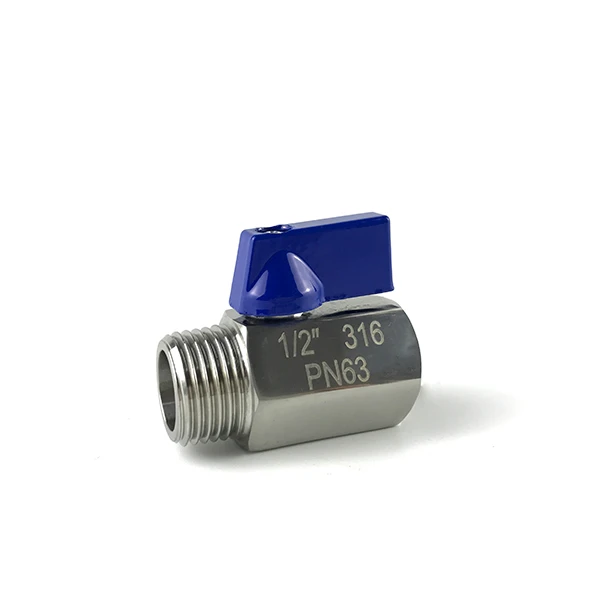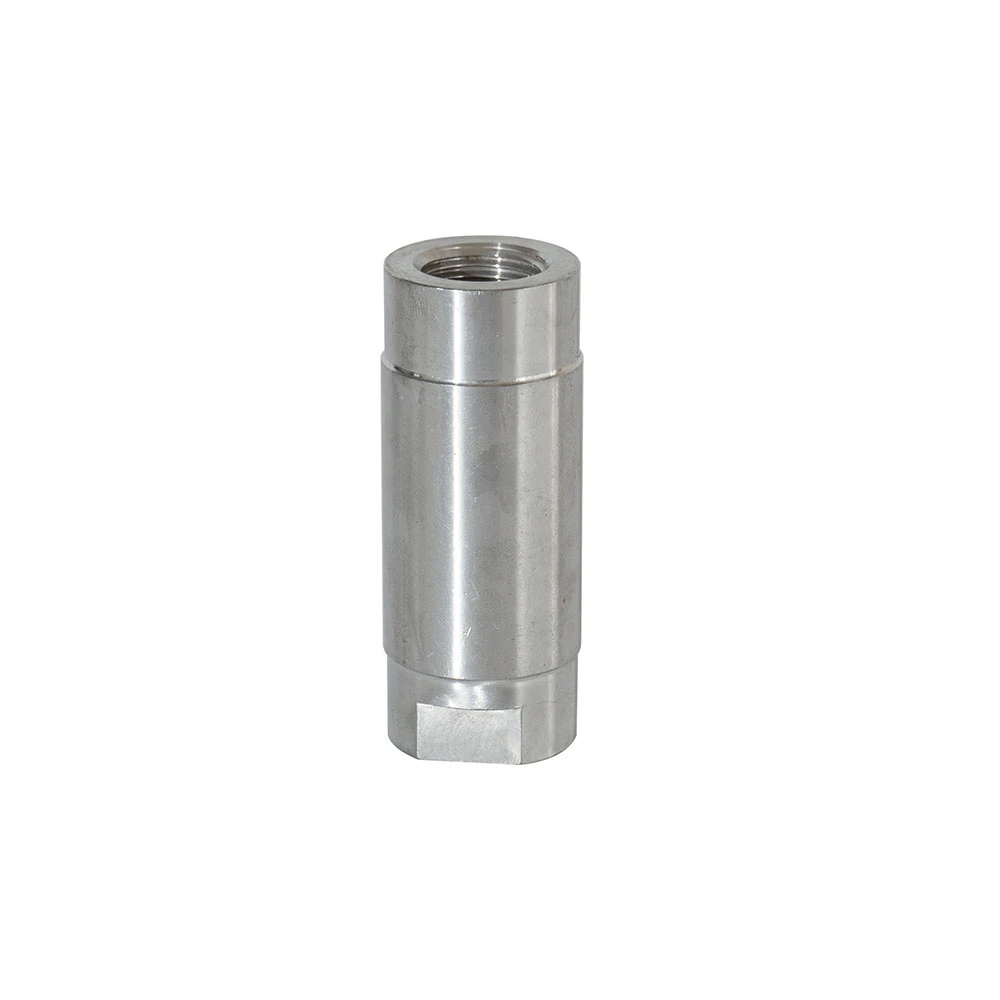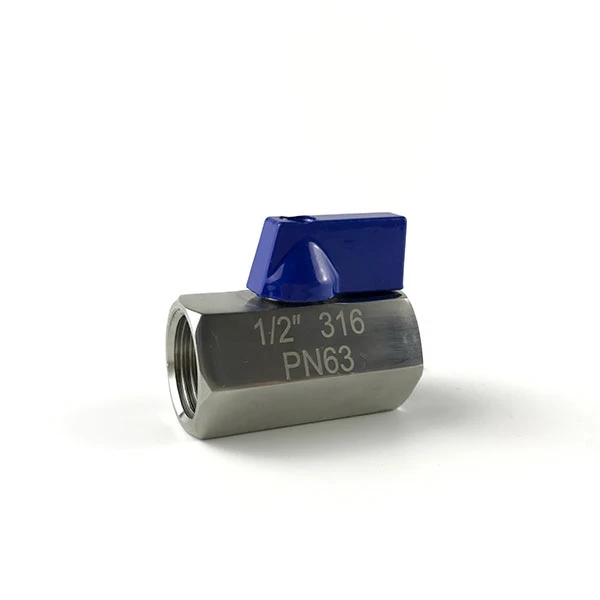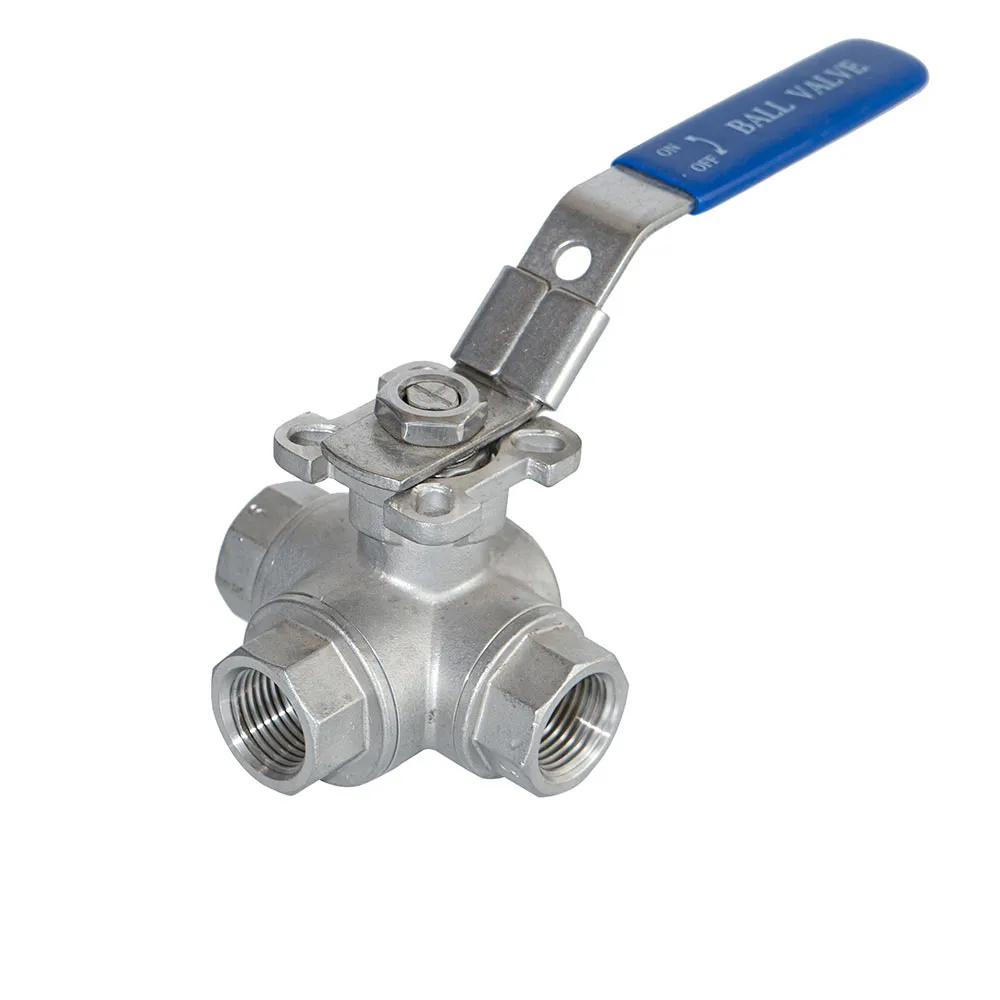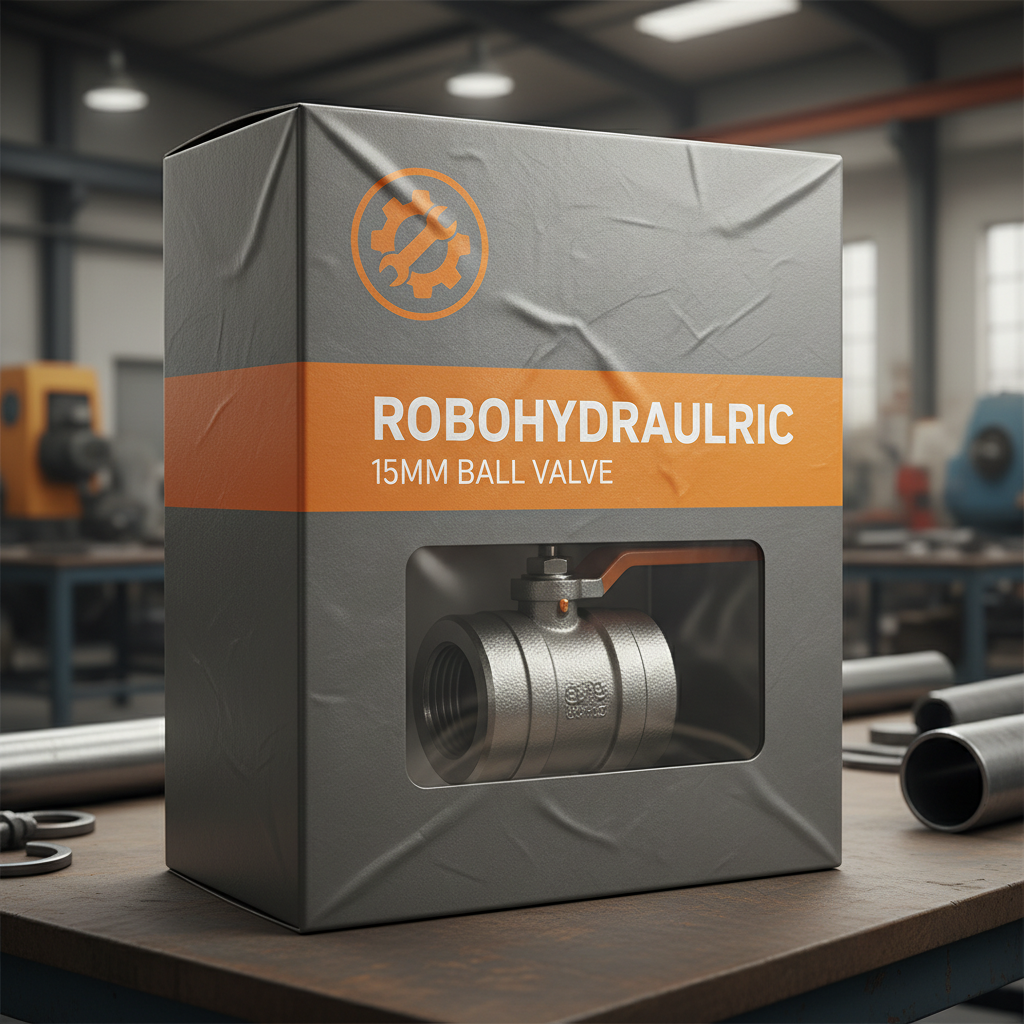
Understanding the 1 3 Way Valve: What It Is and Why It Matters
At first glance, a 1 3 way valve might sound like some niche plumbing jargon, but it’s actually a quietly indispensable piece of engineering that plays a vital role across countless industries worldwide. Whether it’s directing fluid in manufacturing plants, managing water flow in treatment facilities, or controlling gas in energy systems, these valves have shaped the way we regulate flow and pressure efficiently. Understanding them can unlock benefits in safety, cost savings, and operational flexibility for industries large and small.
Globally, with industrial growth surging in Asia and Africa and a rising push for sustainable water and energy management, the demand for versatile, reliable valves like the 1 3 way type is only increasing. For companies that want to stay at the forefront of innovation while keeping budgets in check, having a grasp of this tool’s capabilities is increasingly crucial.
Mini takeaway: The humble 1 3 way valve quietly underpins many essential fluid control systems worldwide, making it a cornerstone component in modern industry.
Global Context: Why the 1 3 Way Valve Is More Relevant Than Ever
Industries are facing complex challenges — from water scarcity to decarbonization goals, and from infrastructure upgrades to remote facility automation. According to the International Organization for Standardization (ISO), fluid handling equipment must increasingly meet standards for reliability and environmental compliance[1]. The 1 3 way valve, with its unique design allowing the control of flow between three ports from one central unit, offers practical solutions in many scenarios. It can switch flow paths, mix fluids, or divert output without multiple valves, cutting down space and maintenance needs drastically.
Imagine water treatment plants in emerging markets that must be both robust and cost-effective — here, 1 3 way valves help streamline operations. Or think about factories adopting automation and smart controls; these valves integrate nicely with actuators for precise flow management. I’ve noticed many engineers praising their flexibility in harsh environments, which is no small feat.
Mini takeaway: As industries evolve, 1 3 way valves provide a neat balance between sophistication and simplicity, helping meet tough operational demands globally.
So, What Exactly Is a 1 3 Way Valve?
To keep it straightforward: a 1 3 way valve is a valve with one inlet and three outlets—or the opposite—a configuration enabling the flow of fluid (liquid or gas) to be directed, mixed, or blocked among different pathways via a single valve body.
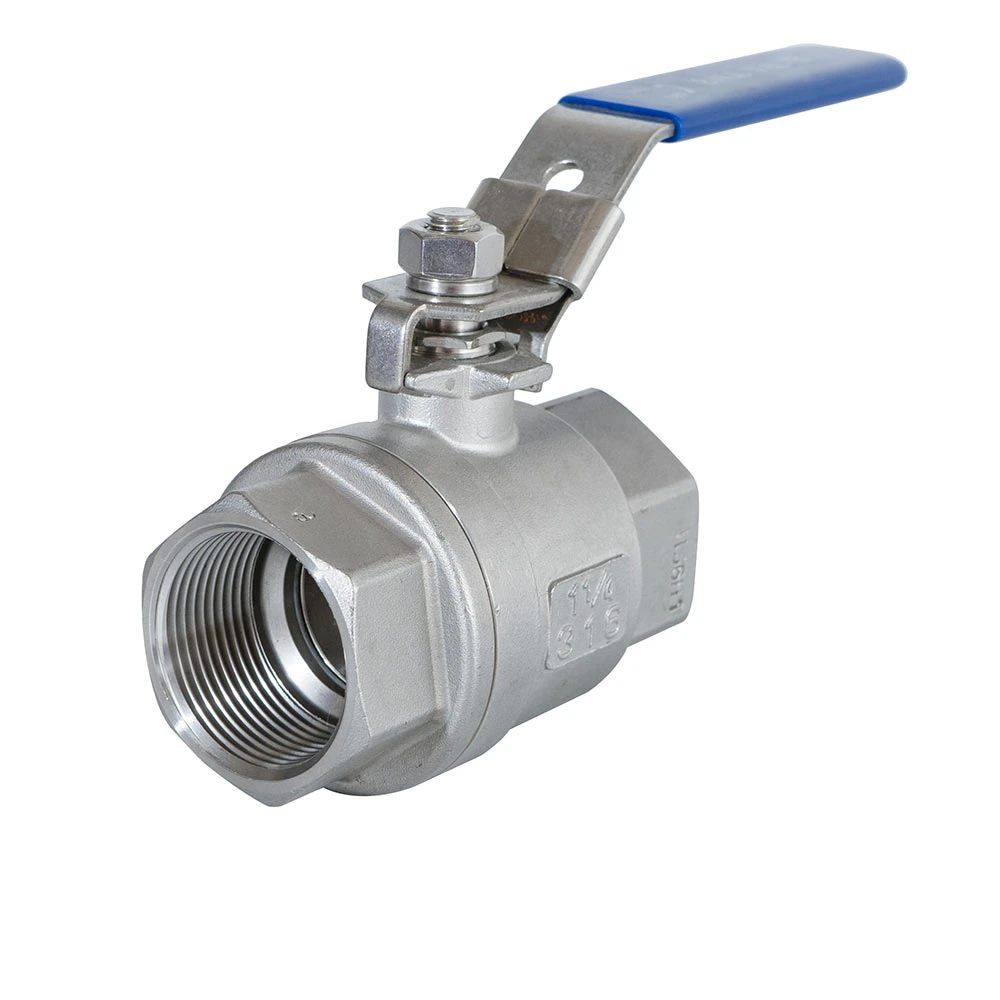
Think of it as a traffic director, deciding if fluid goes left, right, or straight ahead—whether to mix flows, divert them, or shut off to particular routes. Technically, this can be done via ball valves, plug valves, or diaphragm designs, each suited for different media and pressures. It’s a small, simple device in essence, but critical for fluid control systems that need efficiency and adaptability.
In humanitarian settings, such as clean water distribution in disaster relief, the capacity to quickly switch flows without heavy machinery is crucial. The valve’s compactness and dependability make it a tiny but mighty hero.
Mini takeaway: The 1 3 way valve is an elegant, versatile valve type that can handle complex routing tasks with surprisingly simple mechanics.
Key Features of 1 3 Way Valves You Should Know
1. Durability
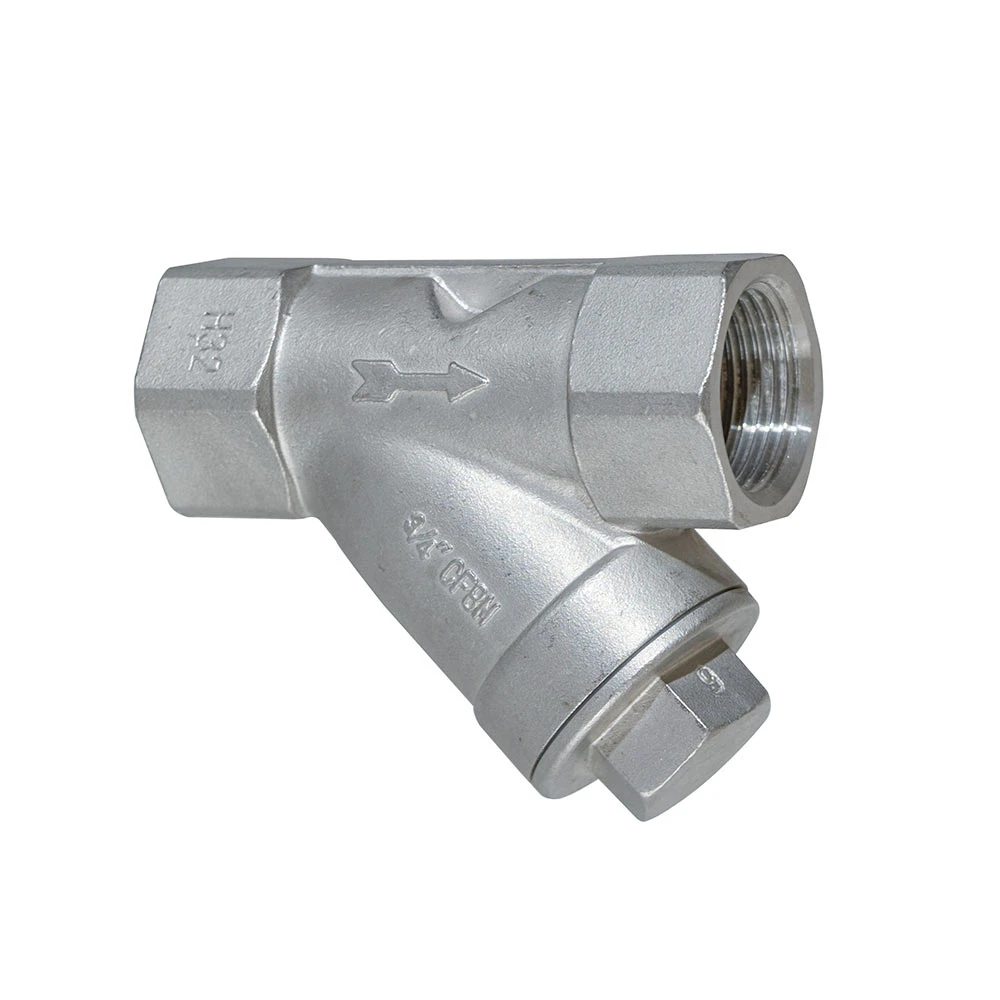
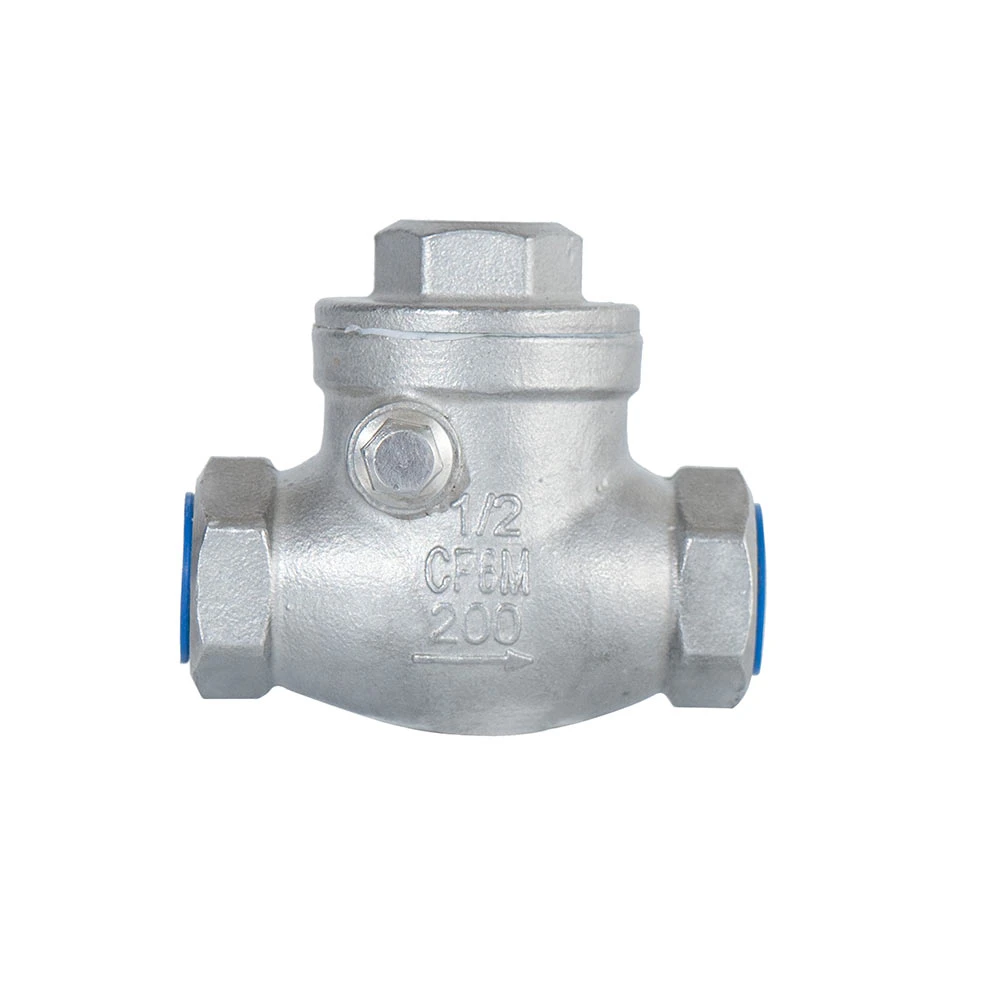
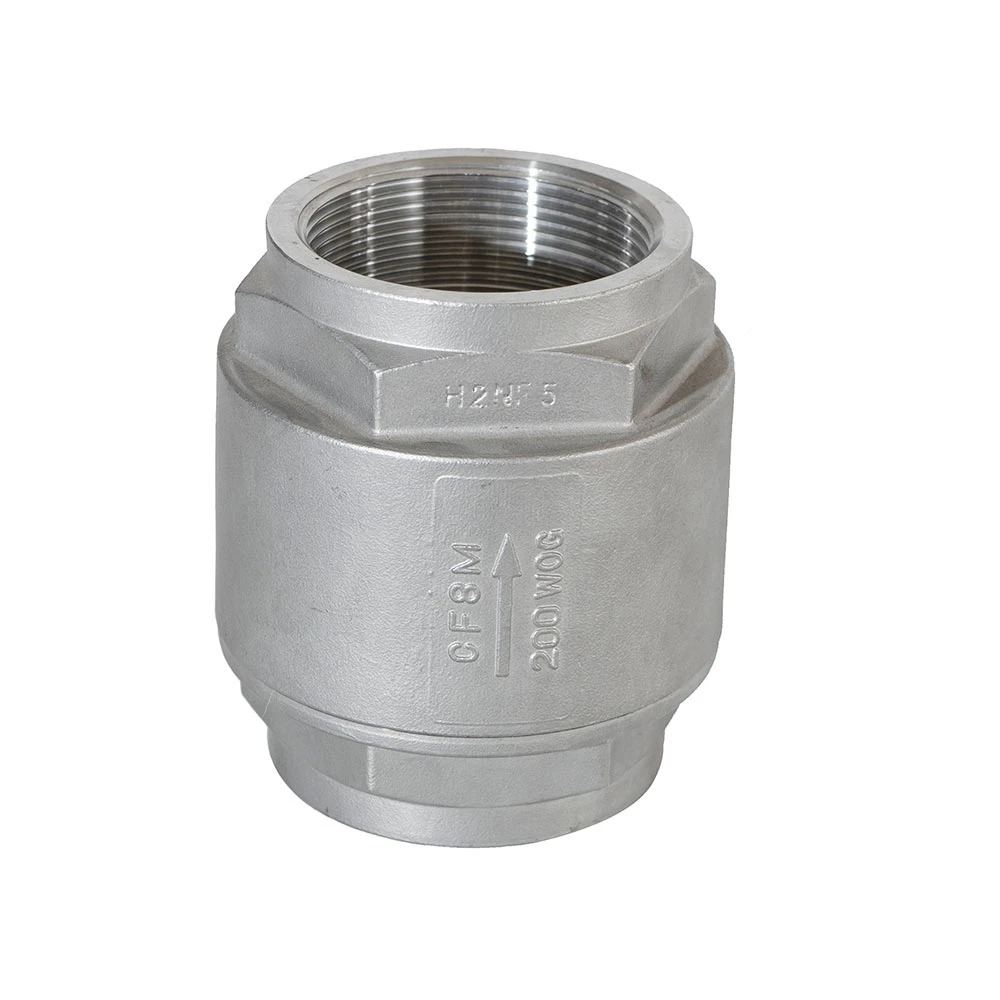
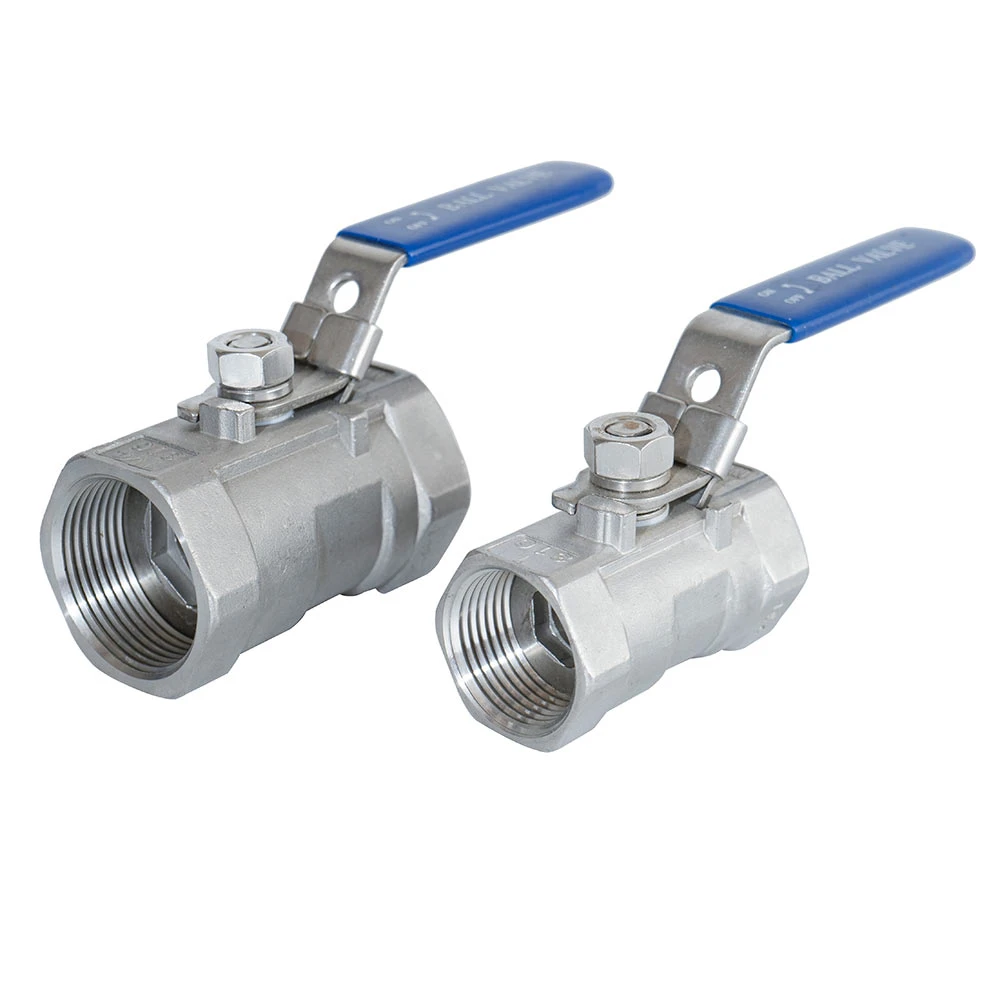
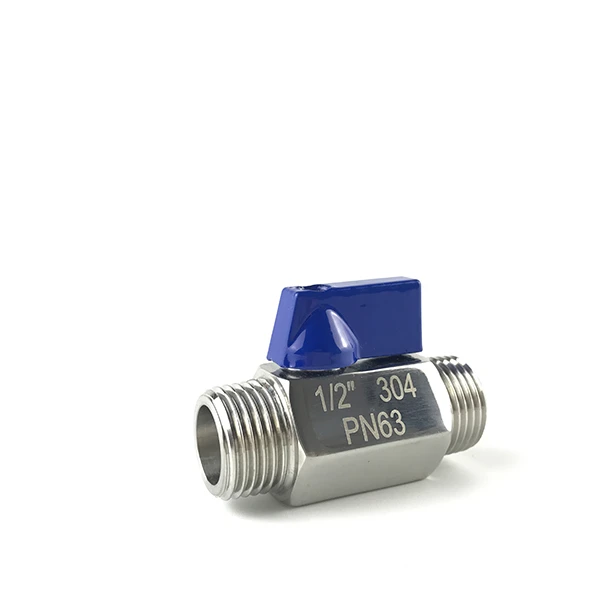
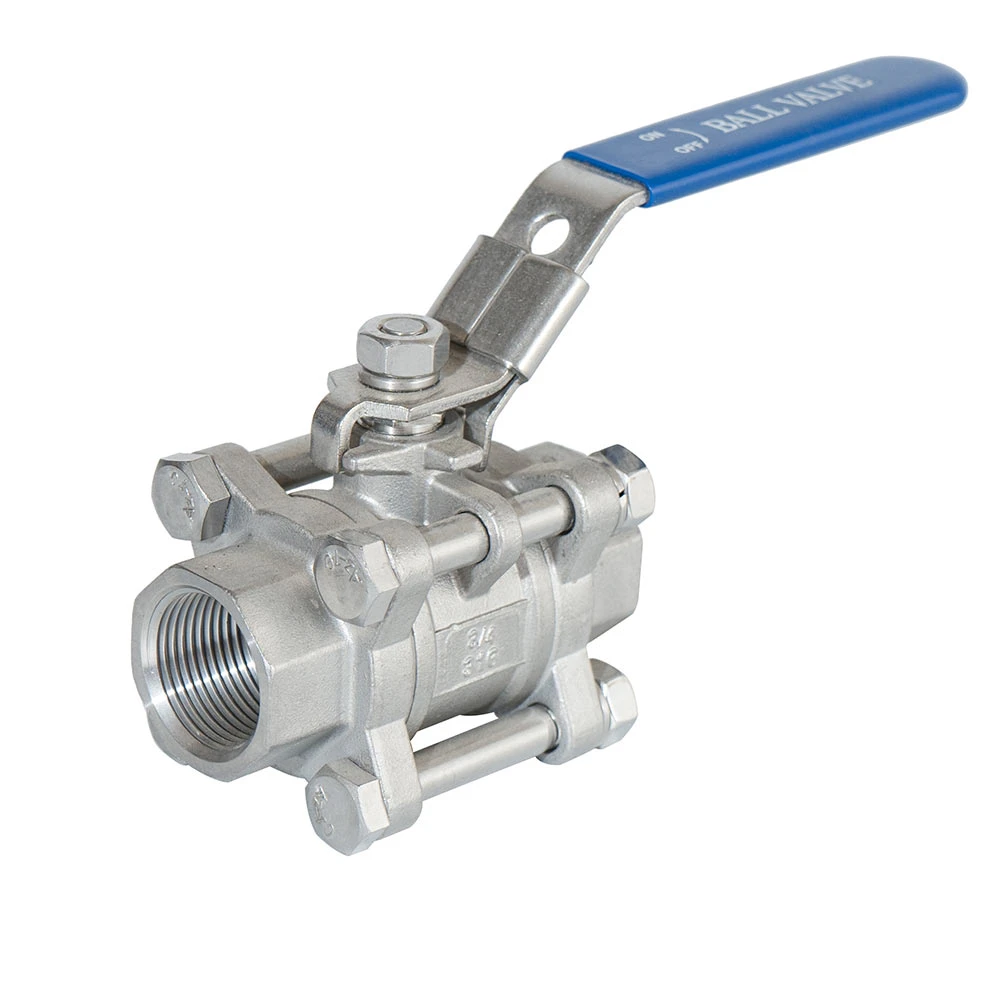
Many 1 3 way valves are made from stainless steel, brass, or specialized plastics, making them corrosion-resistant and long-lasting — essential for industries handling chemicals, wastewater, or outdoor applications.
2. Scalability
Available in sizes ranging from tiny quarter-inch models to large diameter valves for industrial pipelines, the 1 3 way valve adapts well to different flow volumes and pressures.
3. Cost Efficiency
By combining multiple flow paths in one unit, these valves reduce the need for multiple valves and connectors, saving both initial purchase costs and ongoing maintenance.
4. Compact Design
Its streamlined body means less space is required in piping systems, which is vital in cramped industrial plants or mobile units.
5. Automation Compatibility
Many modern 1 3 way valves can be fitted with pneumatic, electric, or hydraulic actuators, enabling remote or automated flow control — a game changer in process optimization.
| Specification | Details |
|---|---|
| Material | Stainless Steel / Brass / PVC |
| Pressure Rating | Up to 16 bar (230 psi) |
| Temperature Range | -20°C to 150°C (-4°F to 302°F) |
| Connection Types | Threaded, Flanged, Welded |
| Flow Characteristic | Diverting, Mixing, Shut-off |
Global Applications and Real-World Use Cases
Industries that rely heavily on the 1 3 way valve include:
- Water Treatment Plants: Directing flows between treatment stages, managing clean and waste water lines.
- Oil & Gas: Selecting different pipelines for flow, mixing additives, or isolating lines.
- HVAC Systems: Controlling hot and cold water supplies in heating systems smoothly.
- Food & Beverage: Sanitary valves route liquids without contamination risks.
- Disaster Relief & Humanitarian Projects: Rapid deployment systems route water or fuel efficiently.
Oddly enough, these valves are often unsung heroes in firefighting setups, where switching flow paths instantly can mean the difference between safety and disaster. In places like Southeast Asia or sub-Saharan Africa, low-maintenance, robust valves are vital to community water supplies, especially where maintenance expertise is thin on the ground.
Mini takeaway: The adaptability of 1 3 way valves makes them fundamental across a wide geographic and industrial spectrum, from mega infrastructure to grassroots-level projects.
The Advantages and Long-Term Value of 1 3 Way Valves
Anyone who’s managed fluid systems knows the headache of multiple valves, leaks, and complex controls. A 1 3 way valve cuts down parts, lowers leak risks, and simplifies control panels. This leads to direct cost reductions—not just in purchasing, but in downtime and labor.
From a social perspective, more reliable valves support safer drinking water and energy distribution systems, contributing directly to public health and economic stability. Many manufacturers now emphasize valves made from recyclable materials and designed for extended lifespans — aligning with global sustainability goals.
Emotionally, it’s a small comfort to engineers and operators alike to know the system is trustworthy. That reliability builds trust in infrastructure, in companies, and ultimately in communities.
Looking Ahead: Future Trends in 1 3 Way Valve Technology
The digital transformation is marching on relentlessly. Smart 1 3 way valves equipped with sensors and connected to IoT platforms allow remote diagnostics and predictive maintenance, improving uptime.
Materials science is also evolving. Expect to see valves manufactured from bio-based polymers or advanced alloys that resist fouling and wear without compromising sustainability. Green energy projects benefit from valves designed to handle novel fluids like hydrogen or biofuels.
Automation integration means valves can be part of complex flow-balancing systems, adapting in real-time to changing demands — a dream come true for process engineers.
Overcoming Challenges and Finding Practical Solutions
Like any tech, 1 3 way valves aren’t perfect. Higher initial cost versus single path valves might raise eyebrows. Sometimes complex piping means it’s tricky to retrofit existing setups with these valves.
However, innovative modular designs and standardization are lowering these barriers. Training for operators has improved with virtual simulation tools, helping users get comfortable quicker. Plus, more customizations mean valves can fit tight spaces or odd pipe configurations.
So, while not perfect, the path ahead looks promising.
FAQ: Practical Questions About 1 3 Way Valves
- Q: What industries benefit most from 1 3 way valves?
A: Water treatment, oil & gas, HVAC, food processing, and emergency services frequently rely on these valves due to their versatile flow control. - Q: How do 1 3 way valves improve automation processes?
A: With actuator integration and sensors, they allow precise, remote flow control, enabling real-time system adjustments and predictive maintenance. - Q: Can 1 3 way valves handle corrosive fluids?
A: Yes, valves made from corrosion-resistant materials like stainless steel or certain plastics are designed for harsh fluids, extending valve life. - Q: Are these valves easy to maintain in remote locations?
A: Their compact and robust design means minimal maintenance, an advantage for remote or resource-limited settings. - Q: What should I consider when choosing a 1 3 way valve?
A: Consider fluid type, pressure, temperature, connection type, and whether automation compatibility is needed to ensure optimal valve selection.
Vendor Comparison: Picking the Right 1 3 Way Valve Supplier
| Vendor | Material Options | Special Features | Typical Industries Served | Price Range |
|---|---|---|---|---|
| Houde Valve Co. | Stainless Steel, Brass | Smart actuation, corrosion-resistant coatings | Water Treatment, Oil & Gas | $$$ |
| FlowMaster Solutions | PVC, Stainless Steel | Modular design, easy retrofit kits | HVAC, Food & Beverage | $$ |
| AquaFlow Tech | Brass, Polymer | Lightweight, low-maintenance | Disaster Relief, Agriculture | $ |
Wrapping Up: Why Invest in a 1 3 Way Valve?
In the end, the 1 3 way valve might not make headlines, but it delivers consistent, reliable performance that engineers and operators depend on every day. It’s a neat, flexible solution packing multiple flow control options into one compact device — saving money, space, and hassle. As technology moves forward, these valves will only get smarter, tougher, and more essential.
For those looking to explore further or upgrade existing systems, I highly recommend checking out the offerings at 1 3 way valve specialists like Houde Valve. They understand the nuances—and the value—of the right valve in the right place.