Understanding the 1 Inch Y Strainer: Essential Tool for Modern Fluid Systems
At first glance, the phrase 1 inch y strainer may sound like technical jargon only relevant to engineers tucked away in industrial plants. But, frankly, this seemingly humble device plays a surprisingly vital role across multiple global industries and even in humanitarian efforts. From water treatment to oil and gas pipelines, the 1 inch y strainer helps keep systems clean, operational, and safe—something that certainly matters on a worldwide scale.
Why should you care about something as specific as a 1 inch y strainer? Well, understanding its function conveys broader insights into maintaining industrial equipment longevity, reducing downtime, and ensuring fluid purity. These factors translate into cost savings, environmental benefits, and importantly, system reliability that many communities and companies depend on.
Global Context and Why It Matters
Globally, fluid transport systems underpin many critical industries including municipal water supplies (ISO standards highlight strict filtration requirements), chemical manufacturing, and oil refineries. Reports from the United Nations and World Bank emphasize infrastructure resilience and sustainability as key goals for 2030, with equipment maintenance being a crucial part.
Pipelines and pump systems suffer if particles or debris clog valves or damage pumps—leading to expensive repairs or dangerous breakdowns. This is exactly where the 1 inch y strainer steps in, acting as a first line of defense by filtering out impurities before they can cause problems. In real terms, it helps industrial plants reduce downtime and water treatment facilities ensure safe supply.
What Is a 1 Inch Y Strainer?
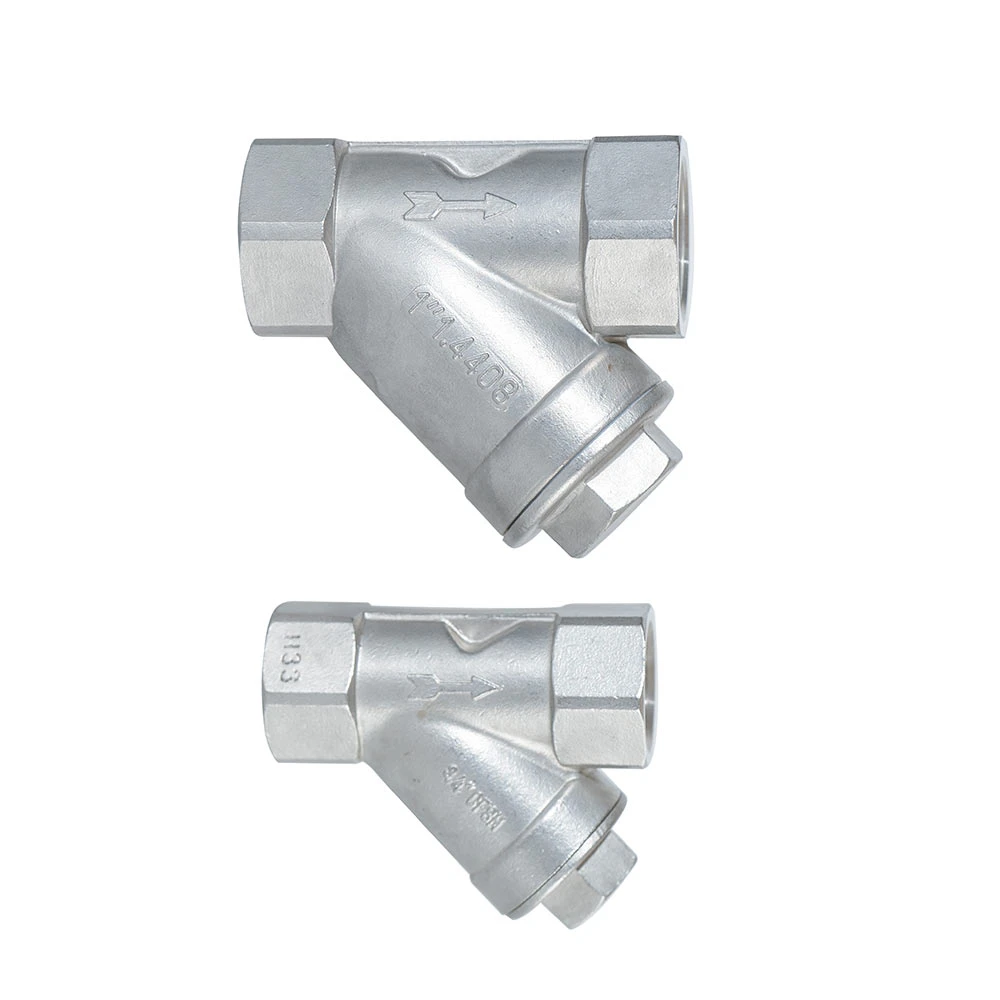
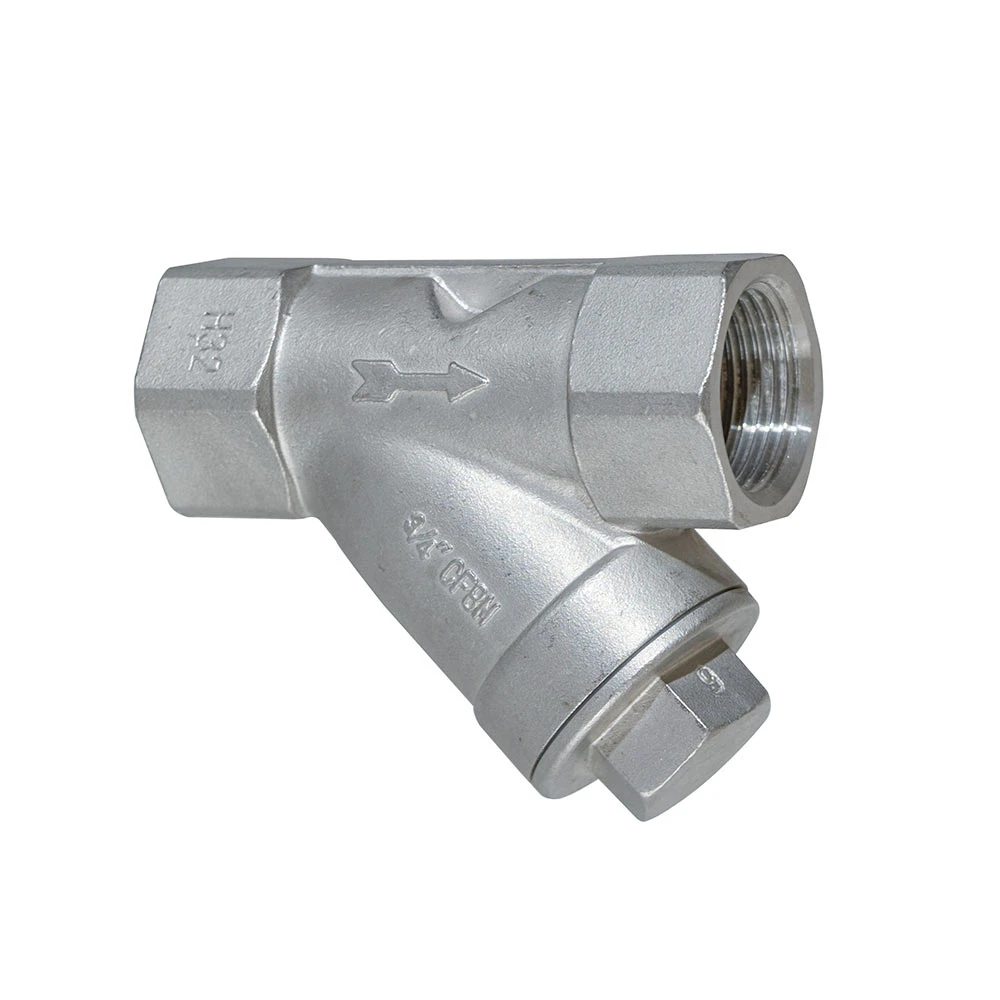
Put simply, a 1 inch y strainer is a type of inline filter installed on piping systems that removes unwanted solids from liquids or gases. Its “Y” shape comes from the strainer’s body, which looks like the letter “Y” when viewed from the side. The key feature is a mesh screen inside that traps debris, which can then be rinsed or cleaned out.
It’s widely used in sectors ranging from HVAC systems to agriculture irrigation. You might think of it as a preventive guard, protecting sensitive pumps and valves downstream. Plus, the “1 inch” part references the pipe size it fits — common enough in many small to medium-scale industrial or commercial fluid setups.
Key Features and Core Components
1. Durability
Constructed often from stainless steel or brass, these strainers endure harsh environments. Heat, corrosion resistance, and pressure ratings ensure they operate reliably over years — something many engineers note as critical when systems run continuously.
2. Ease of Maintenance
The design allows simple cleaning without extensive disassembly, greatly reducing downtime. The removable mesh screen can be flushed or swapped out quickly. This is crucial in busy facilities where extended outages are costly.
3. Versatility
The 1 inch y strainer handles various fluids including water, oils, and some gases, offering broad application scope. That makes it a flexible solution for industries as diverse as mining and food processing.
4. Pressure Handling
Depending on build specs, the strainer can withstand moderate to high pressures, aligning with industrial standards. This factor determines compatibility with different pipeline systems.
5. Cost Efficiency
Relative to its potential impact on reducing major repairs, the 1 inch y strainer is quite affordable. Maintenance savings often outweigh the initial investment many times over.
Mini takeaway: Its durability, user-friendly maintenance, and versatility position the 1 inch y strainer as a small but mighty guardian of fluid systems.
Typical Global Applications and Use Cases
- Water Treatment Plants: Protect pumps and membranes by filtering solids early in treatment stages.
- Oil & Gas: Remove particulate contaminants from fuels or process fluids, critical in offshore rigs where downtime is costly.
- Agriculture Irrigation: Keep drip irrigation nozzles free from clogging, improving crop yields sustainably.
- HVAC Systems: Prevent debris from damaging boilers and chillers, common in commercial buildings worldwide.
- Post-Disaster Relief: In emergency water systems, fast deployment of such strainers helps ensure cleaner water delivery to affected populations.
Such applications span continents, from industrial zones in Asia to municipal projects in Europe and Africa. Many engineers and facility managers swear by its reliability in challenging environments.
Specifications of a Typical 1 Inch Y Strainer
| Specification | Details |
|---|---|
| Nominal Pipe Size (NPS) | 1 inch |
| Material | Stainless Steel (304 or 316), Brass |
| Pressure Rating | Up to 300 psi (variable by model) |
| Screen Mesh Size | 40-200 mesh options |
| Connection Type | Threaded, Socket Weld, Flanged |
Vendor Comparison for 1 Inch Y Strainers
| Vendor | Material Options | Price Range | Warranty | Lead Time |
|---|---|---|---|---|
| Houde Valve | SS 304/316, Brass | $$ | 1 Year | 2-3 weeks |
| FlowTech Co. | SS 316, Carbon Steel | $$$ | 2 Years | 4 weeks |
| ClearFlow Inc. | Brass, PVC | $ | 6 months | 1 week |
Advantages and Long-Term Value
Beyond just filtering debris, the benefits of the 1 inch y strainer are both logical and emotional. You save money — fewer pump repairs, reduced downtime. You build sustainability — less waste, longer equipment life. And, there’s something reassuring about installing a device that protects something bigger, like community water systems or critical industrial processes. It feels a bit like investing in peace of mind.
Looking Ahead: Innovations and Future Trends
The future of strainers might sound dull at first, but there’s innovation underway: new materials that resist biofouling, digital sensors that alert maintenance teams when cleaning is due, and more environmentally friendly manufacturing methods. Plus, as green energy and automation take hold, expect strainers integrated into smart systems — remotely monitored to keep things running smoothly with minimal human oversight.
Challenges and Solutions
One issue is clogging in heavily contaminated fluids, requiring frequent cleaning or larger mesh sizes that reduce filtering precision. However, modular designs now enable quick screen swaps onsite, and predictive maintenance software helps operators schedule cleaning before issues arise.
FAQ: Frequently Asked Questions About 1 Inch Y Strainer
- How often should I clean the mesh screen on a 1 inch y strainer?
- Cleaning frequency depends on fluid quality, but typically every 3-6 months for clean water systems, and more often in dirtier fluids. Visual inspections and pressure drop monitoring guide maintenance intervals.
- Can a 1 inch y strainer be used in both water and oil pipelines?
- Yes, this strainer type is versatile and suitable for various fluids, including water, oils, and some gases, as long as the material and mesh size fit the application requirements.
- What types of connection are available for the 1 inch y strainer?
- Common connection types include threaded, socket weld, and flanged, making it adaptable to different piping setups.
- Is it possible to customize mesh sizes for a 1 inch y strainer?
- Absolutely. Vendors usually offer a range of mesh sizes, from coarse to fine, so you can choose based on your filtration needs and fluid characteristics.
- Where can I purchase reliable 1 inch y strainers?
- You can explore manufacturers like Houde Valve that specialize in quality strainers with warranty and customer support.
Conclusion
Ultimately, the 1 inch y strainer might seem like a tiny component in massive industrial and municipal systems, but its impact is profound. It offers a cost-effective, reliable, and sustainable solution to protect equipment and ensure fluid cleanliness — benefits that echo across economies and communities worldwide. If you manage or design fluid systems, understanding and choosing the right y strainer is worth your time.
Visit our website: https://www.houdevalve.com to explore our range of 1 inch y strainers and discuss your project requirements with experts.
A small device, big peace of mind.
References: