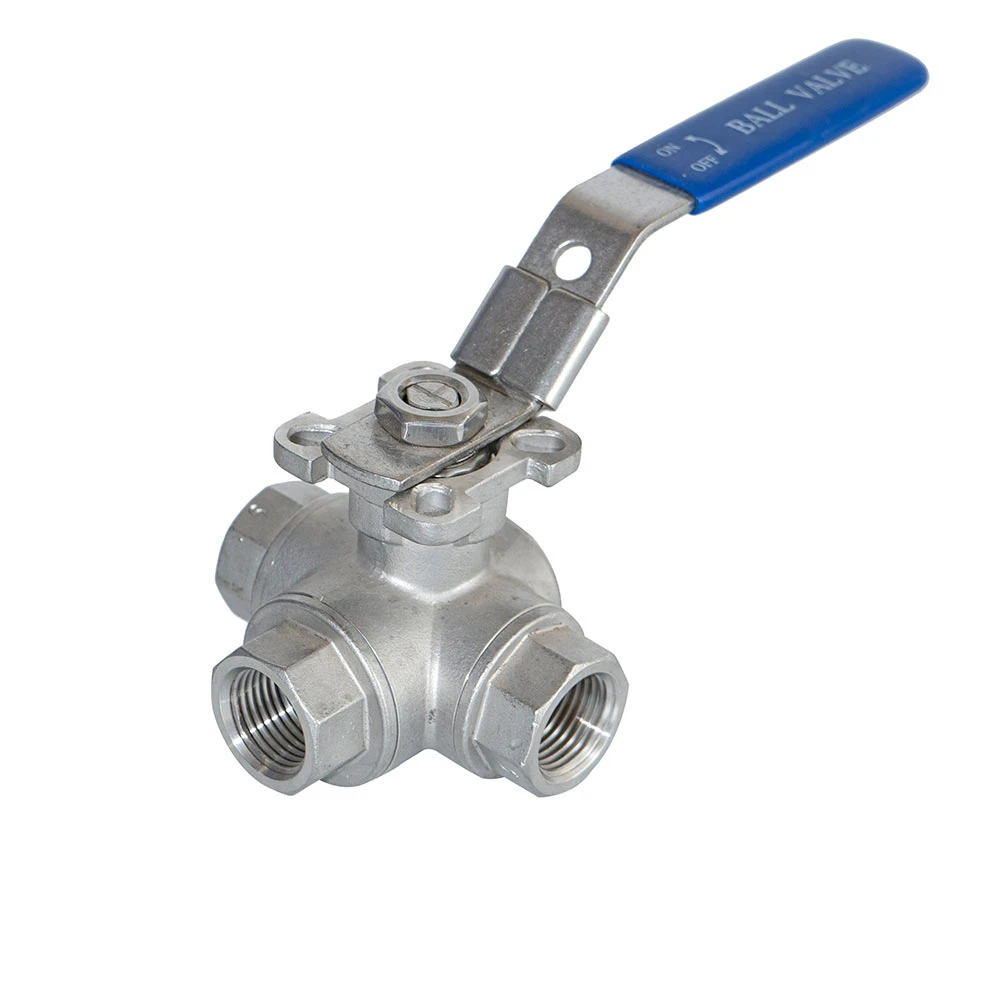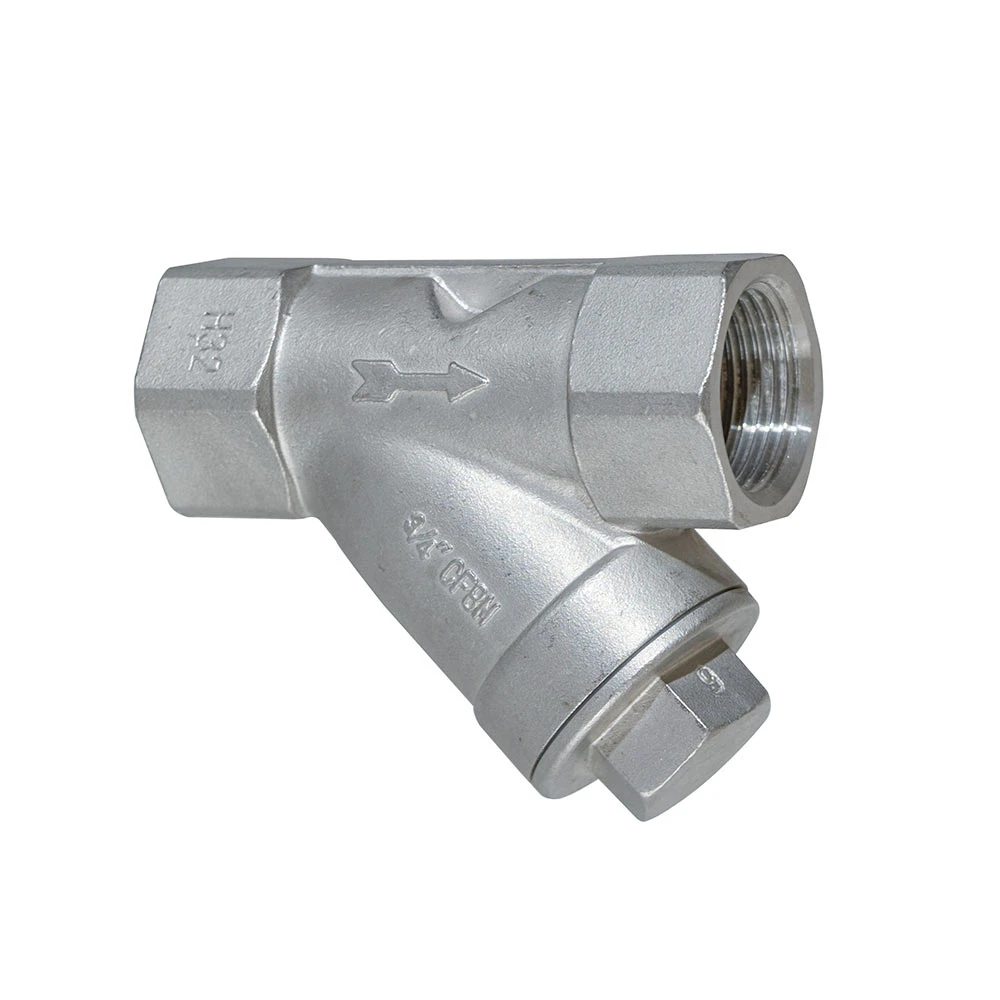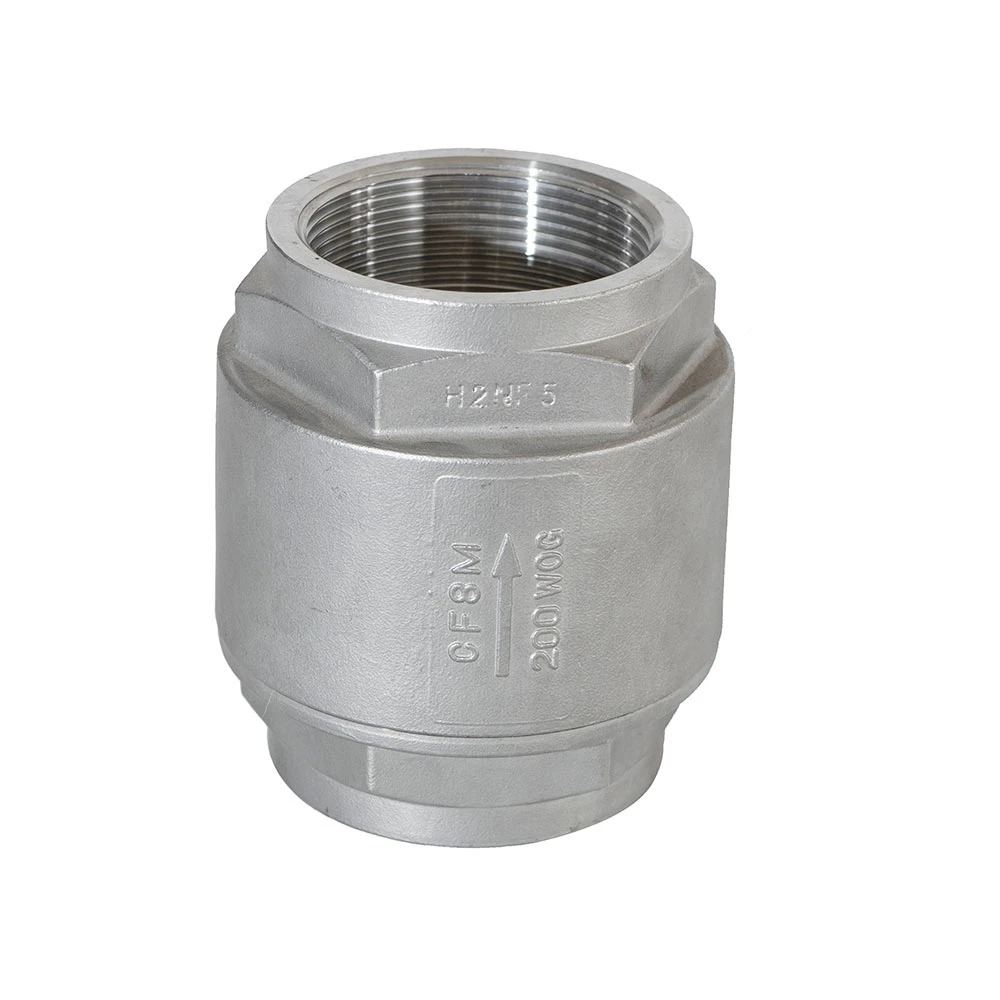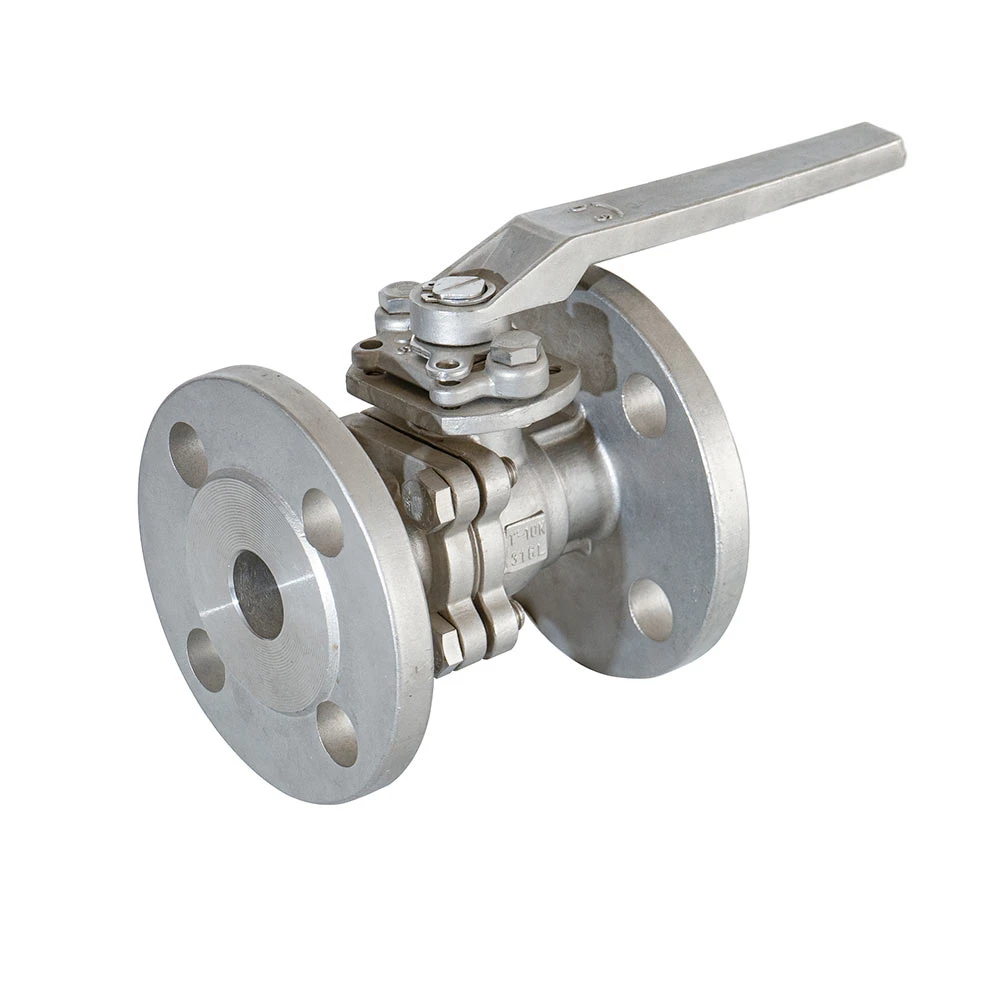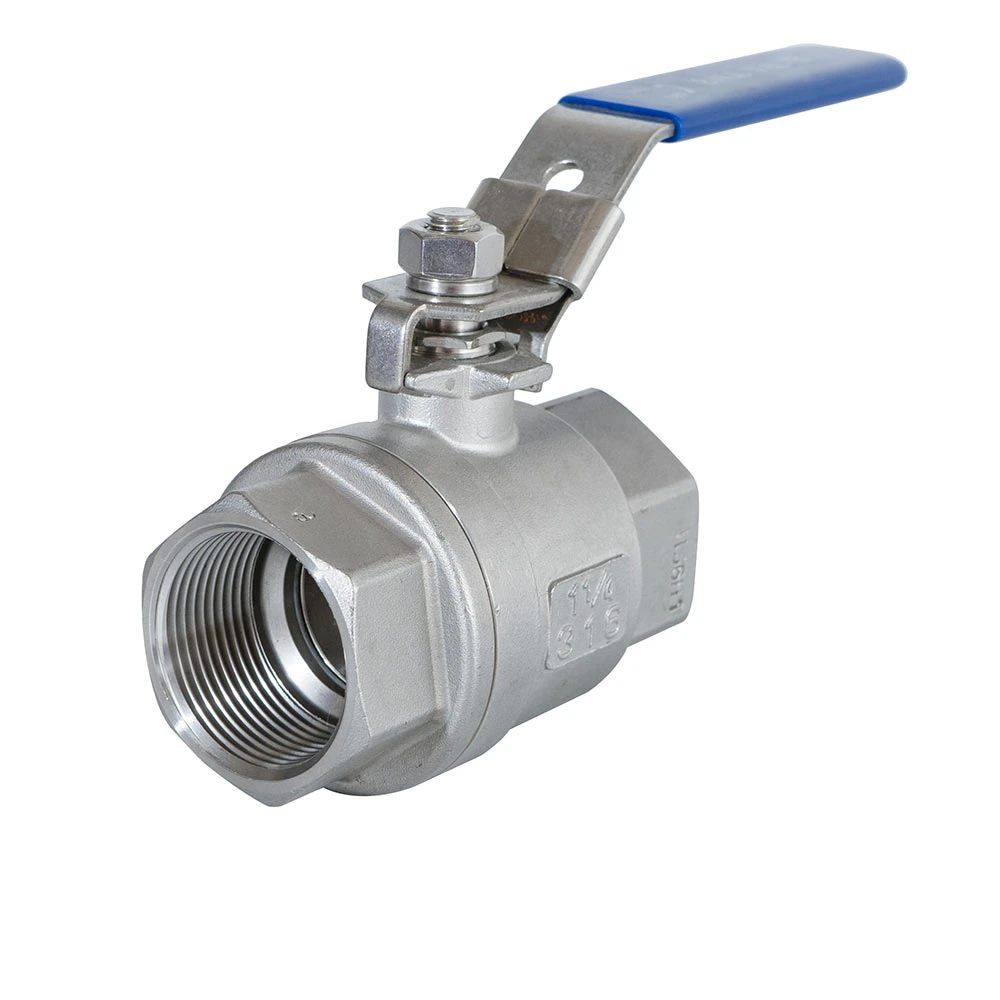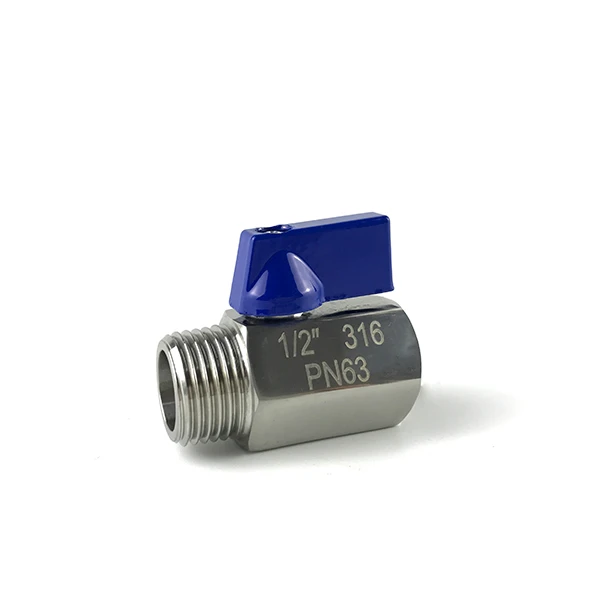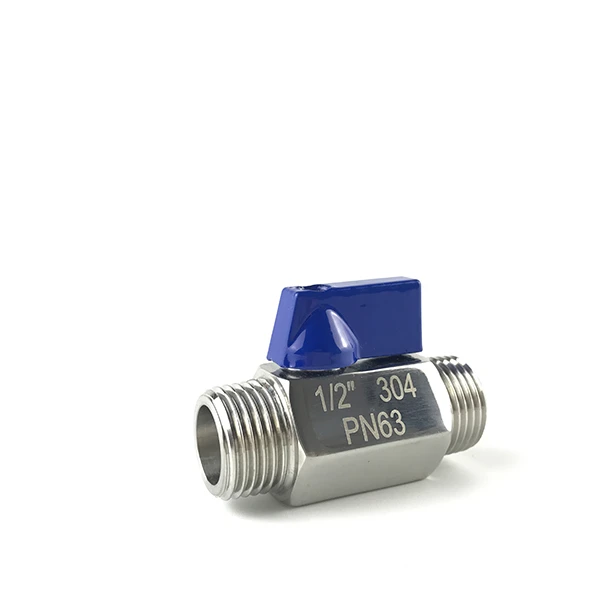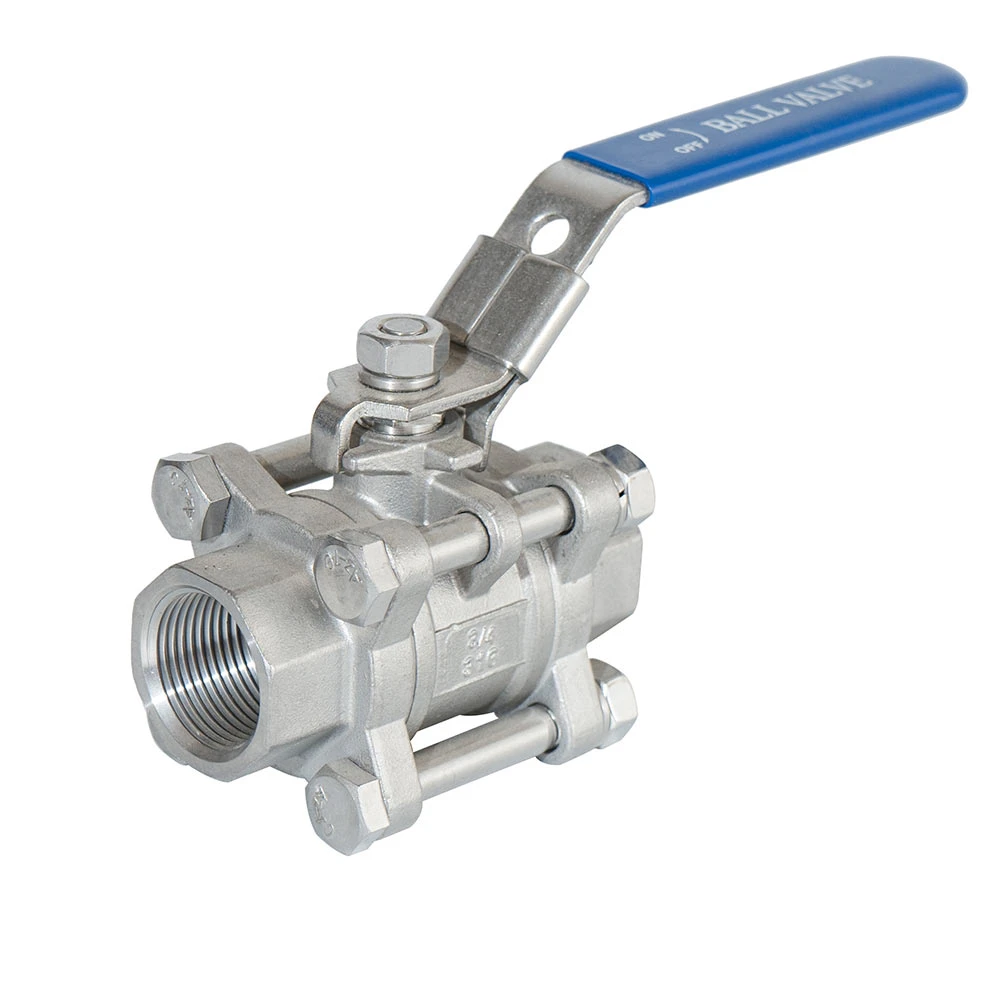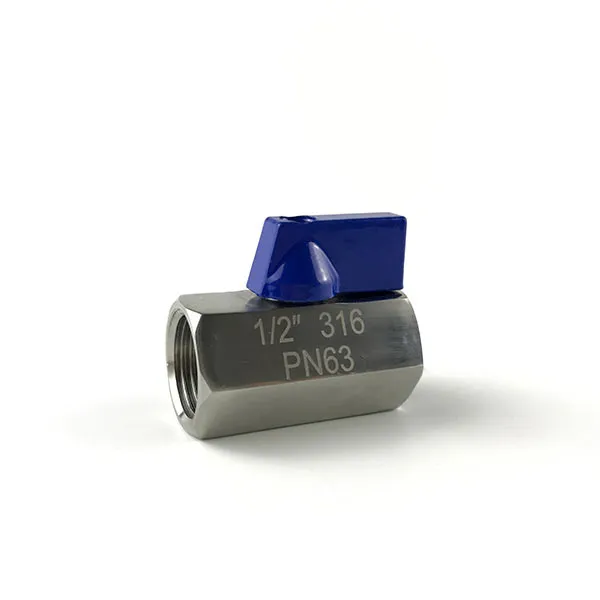
3 Way Ball Valve 3 4 Inch – Compact, Reliable Flow Control Solutions
Why Understanding the 3 Way Ball Valve 3 4 Inch Matters Globally
If you work in any industry involving fluid control—water, oil, gas, or chemicals—the 3 way ball valve 3 4 inch is more than just another fitting. It’s a small but critical component that can make or break entire systems. Globally, the demand for efficient, compact, and reliable fluid handling solutions is soaring, especially in sectors pushing for sustainability and automation. Why's that? Well, a compact 3 way ball valve (usually a 3/4” size in industrial parlance) allows operators to precisely direct flow between two or more channels—without bulky, complicated arrangements. For engineers in harsh environments, or those managing complex infrastructure, getting this right can reduce downtime, lower costs, and boost safety. So, this tiny valve packs a punch in much bigger conversations: reducing industrial waste, optimizing water usage, improving manufacturing precision, or even supporting emergency response systems where reliable fluid control becomes literally life-saving. ---Looking at the Global Context of 3 Way Ball Valves
Did you know that the global ball valve market was estimated at nearly $10 billion in 2023, growing at around 6% per year according to the International Valve Association? The “3 way” variants, due to their inherent versatility, account for a significant slice of that pie. Industries depend on these valves—from water treatment plants in arid regions of Africa to petrochemical giants in the Middle East. They solve key problems: directing flow to alternative lines during maintenance, mixing fluids safely, or isolating parts of a system to prevent leaks. With increasing environmental regulations (think ISO14001) and an aging infrastructure in developed countries, updating fluid handling components becomes imperative. The challenge? Many older industrial setups are stuck with outdated valve tech that’s bulky, inefficient, or just plain unreliable. The 3 way ball valve 3 4 inch fits that niche perfectly—compact enough for retrofitting but robust enough for modern demands. ---What Exactly is a 3 Way Ball Valve 3 4 Inch?
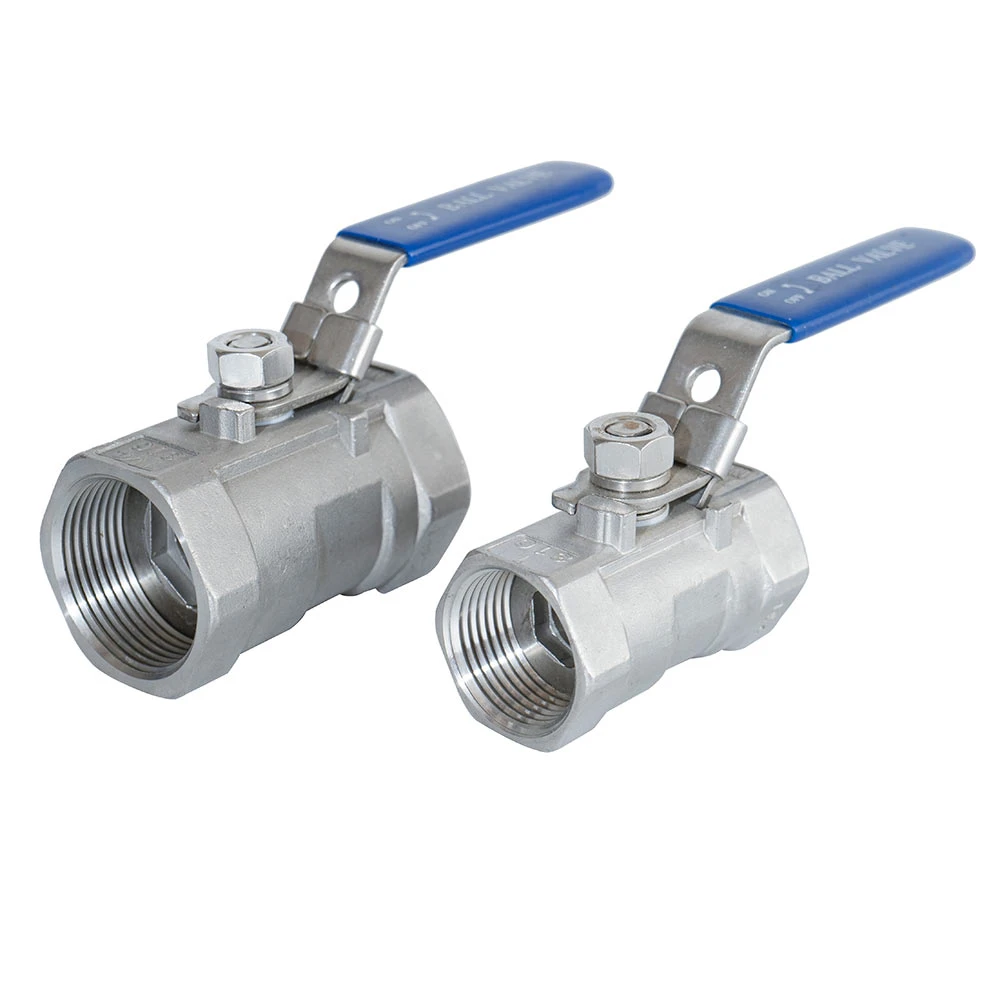
In simple terms, a 3 way ball valve is a valve with one inlet and two outlets (or vice versa), allowing you to control the direction of flow between two channels. The “3/4 inch” refers to the nominal diameter of the valve ports—ideal for moderate flow rates. Imagine a small sphere inside the valve with a hole drilled through it. By rotating that sphere (usually 90 degrees) via a lever or actuator, you can connect different ports or block flow completely. The three ports are typically arranged in a “T” or “L” configuration. This design enables functions like diverting flow or mixing fluids seamlessly. This valve type is relevant because it meets the varied requirements of complex piping networks. Whether in wastewater treatment, pharmaceuticals, or irrigation systems, it’s about reliable flow control in a compact footprint. ---Key Components and Features
1. Material Durability
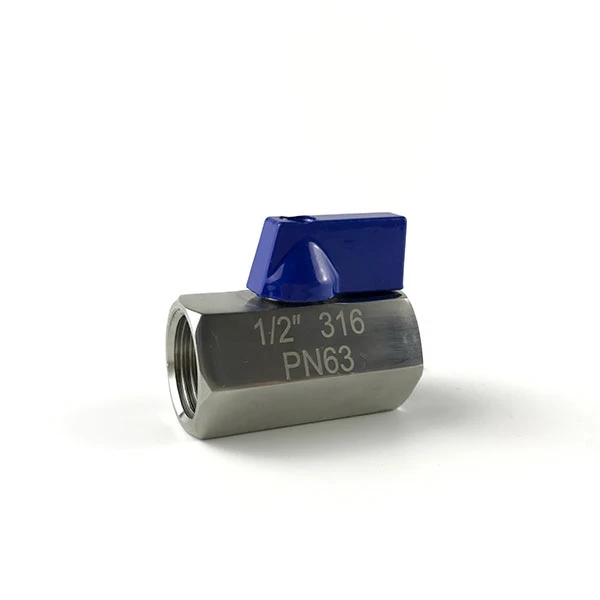
Most 3 way ball valves in 3/4 inch size are made from stainless steel, brass, or PVC. Corrosion resistance is crucial—especially if you’re dealing with aggressive fluids or outdoor conditions. Stainless steel grades like 316 offer a durable choice for high-stress industrial environments.2. Port Configuration
You’ll find mostly “L-port” or “T-port” designs. The “L” rotates to switch flow between two outlets, while the “T” can mix or divert simultaneously. Choosing the right configuration depends on your system’s needs.3. Sealing Technology
Finesse in sealing ensures leak-proof operation. Advanced soft seats (PTFE or reinforced PTFE) allow tight sealing at lower torque, reducing wear and actuator size. Many manufacturers now offer self-lubricating seat designs for extended lifecycles.4. Operation Mode
Manual vs. automated: The manual lever is simple and reliable, great for batch processes or manual intervention. Automated actuators—electric, pneumatic, or hydraulic—allow precise, remote-controlled positioning, essential in automated plants.5. Size and Flow Capacity
The 3/4 inch size is kind of a sweet spot: large enough to handle moderate flow rates (around 10-20 GPM) yet compact enough for tight spaces and minimal pressure loss. ---Real-World Uses for the 3 Way Ball Valve 3 4 Inch
Industries from oil refining in the Gulf to municipal water treatment plants in Asia rely on these valves. For example: - Water treatment facilities in developing countries: Efficiently diverting flow between filtration units during maintenance. - Pharmaceutical manufacturing: Precisely mixing chemical solutions without cross-contamination. - Remote oil rigs: Reducing valve footprint in limited spaces while enabling quick flow switching. - Disaster relief operations: Temporary water distribution systems that need fast and reliable flow direction. Interestingly, NGOs working in humanitarian water projects find the 3 way ball valve 3 4 inch invaluable for portable treatment stations—small, dependable, and easy to operate even under low-skilled conditions. ---Mini Takeaway:
The 3 way ball valve 3 4 inch bridges versatility and reliability, enhancing fluid control in countless scenarios—often where space and precision are premium. ---Advantages and Long-Term Benefits
Let’s talk benefits that resonate both logically and emotionally: - Cost Efficiency: Smaller, multi-port valves eliminate the need for multiple single-port valves and complex piping arrangements, reducing material and labor costs. - Operational Safety: Zero leakage with tight seals protects workers and environment from hazardous spills. - Sustainability: Durable materials and long service life reduce replacement waste and downtime. - Flexibility: The ability to divert or mix flows without shutting down entire systems means better uptime—and that often translates to trust and reputation in industries. - Innovation Friendly: Compatible with modern automated systems, the valve supports the growing trend of smart factories. ---Product Specification Table
| Feature | Specification |
|---|---|
| Valve Type | 3 Way Ball Valve |
| Size | 3/4 inch (20 mm) |
| Material | 316 Stainless Steel / Brass / PVC |
| Port Configuration | L-Port or T-Port Options |
| Pressure Rating | Up to 600 PSI (steel versions) |
| Actuation | Manual Lever or Automation Ready |
Leading Vendors Comparison
| Vendor | Material Options | Automation Support | Price Range (USD) | Lead Time |
|---|---|---|---|---|
| Houde Valve | SS 316, Brass, PVC | Yes | $45 - $80 | 1-3 weeks |
| FlowTech Industries | SS 304, Brass | Limited | $40 - $70 | 2-4 weeks |
| ValveCorp | PVC, Brass | No | $30 - $55 | 1-2 weeks |
Future Trends in 3 Way Ball Valve Technology
The valve world is quietly entering a digital revolution. Smart valves, including the humble 3 way ball valve 3 4 inch, are incorporating sensors for pressure, temperature, and flow rate—feeding real-time data for predictive maintenance. That means fewer surprise shutdowns and more efficient asset management. Material innovation continues too. Composite materials and bio-based polymers aim to reduce weight and environmental footprint without sacrificing strength. On the sustainability front, these valves integrate well into renewable energy systems, especially decentralized setups like solar-powered irrigation, where precise fluid control conserves scarce water. Add to this the growing demand for automation in Industry 4.0; expect more electrically actuated models tuned for internet-of-things (IoT) networks to pop up soon. ---Common Challenges and How to Overcome Them
Often, users face issues like valve leakage under high pressure, slow actuation response, or material compatibility problems in harsh chemicals. One overlooked solution is proper installation training: operators unfamiliar with 3 way valves sometimes misconfigure port directions, causing process issues. Suppliers like Houde Valve offer comprehensive user manuals and training. Additionally, advances in sealing materials and actuator technology are minimizing failure points. Some engineers advocate regular, predictive maintenance schedules, leveraging valve-monitoring tools that alert to wear before breakdown. ---FAQ: Your Questions on 3 Way Ball Valve 3 4 Inch
Q1: What are the key differences between L-port and T-port 3 way valves?A: L-port valves divert flow between two outlets but cannot mix flows, whereas T-port valves can divert or mix flow simultaneously. Your choice depends on whether you need to isolate flow paths or combine fluids. Q2: Can a 3 way ball valve 3 4 inch be automated easily?
A: Yes, many models are designed with standard mounting pads to support pneumatic or electric actuators, allowing integration into automated control systems without extensive modifications. Q3: How do I ensure compatibility with aggressive chemicals?
A: Select valve materials like 316 stainless steel and seats made from PTFE or other chemical-resistant polymers. Always consult chemical compatibility charts and consider consulting the vendor for special options. Q4: Is the 3/4 inch size suitable for high-pressure industrial applications?
A: Typically, yes. Stainless steel 3/4 inch valves can handle pressures up to 600 PSI. However, always verify valve ratings against your system requirements. Q5: Where can I buy reliable 3 way ball valve 3 4 inch solutions?
A: Vendors like Houde Valve offer a wide range of 3 way ball valves with customization and support tailored to industry needs. ---