Understanding the 3-Way L-Type Ball Valve in Industrial Applications
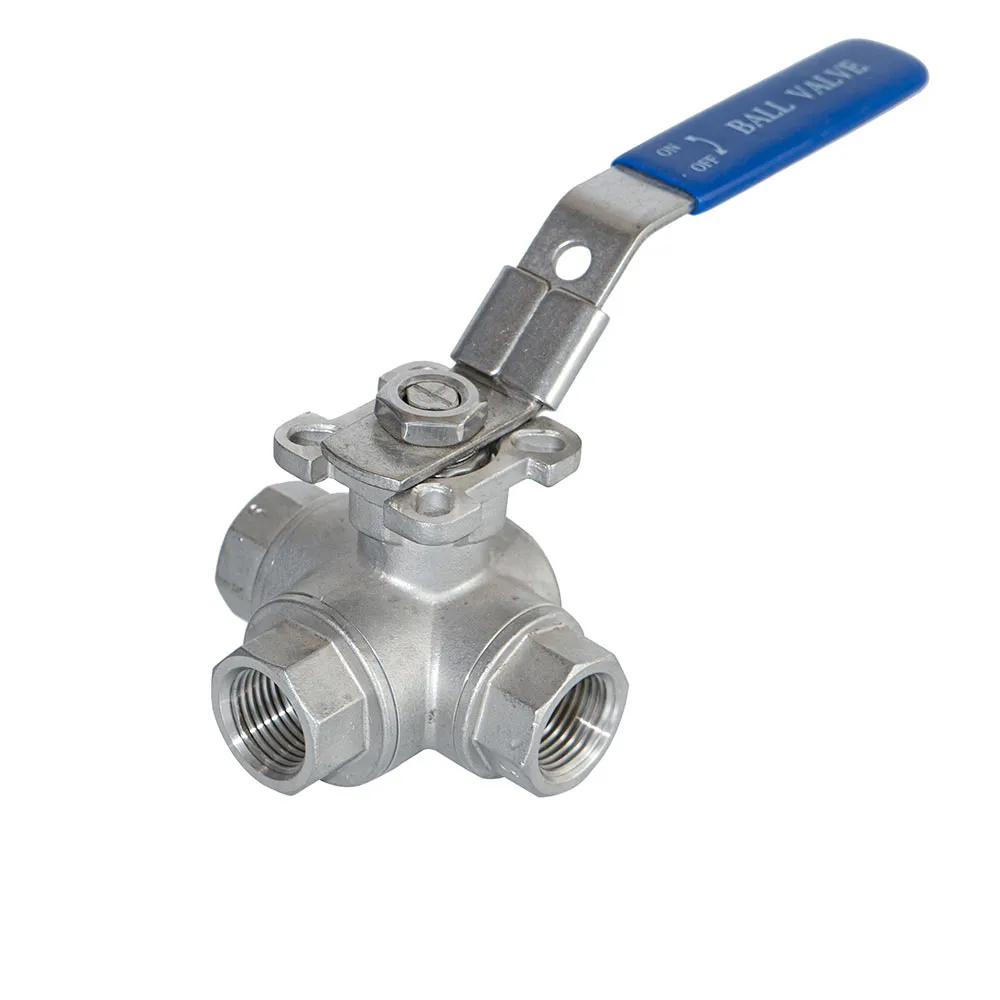
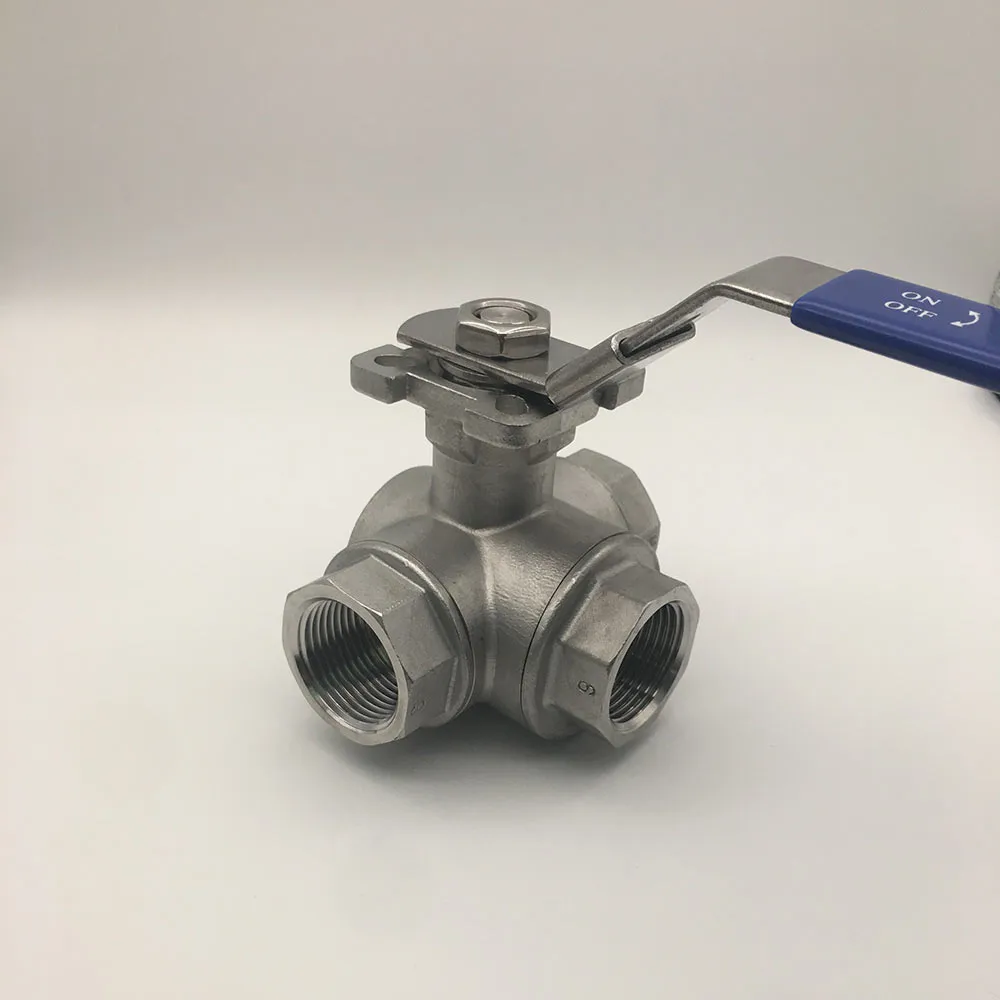
In the demanding landscape of industrial fluid control, the selection of appropriate valve technology is paramount for operational efficiency, safety, and longevity. Among the various configurations, the 3 way valve l type stands out as a critical component, engineered to manage complex fluid routing requirements. This specialized ball valve configuration is designed with an "L" shaped bore within the ball, allowing for diversion of flow from one inlet to either of two outlets, or vice-versa, without mixing. This article delves into the intricate details of this essential valve, covering its manufacturing processes, technical specifications, diverse applications, and market trends, specifically targeting B2B decision-makers and engineering professionals.
The demand for robust and reliable 3-way ball valves continues to grow across sectors such as petrochemical, pharmaceutical, power generation, and water treatment. As industries strive for optimized process control and reduced downtime, the performance characteristics of valves like the 3 way valve l type become increasingly significant. Our focus here is to provide a comprehensive technical overview, supported by industry data and best practices, ensuring a deep understanding of its strategic value.
Manufacturing Process Flow of the 3-Way L-Type Ball Valve
The production of a high-performance 3 way valve l type is a multi-stage, precision-driven process, ensuring strict adherence to international standards and delivering unparalleled reliability. From raw material sourcing to final testing, every step is critical.
1. Material Sourcing and Inspection
The foundation of a durable valve lies in its materials. Common materials for valve bodies and balls include stainless steel (e.g., SS304, SS316, SS316L) for corrosion resistance, carbon steel (e.g., A216 WCB) for high-pressure applications, and specialized alloys like Duplex or Hastelloy for extremely corrosive or high-temperature environments. Seats are typically PTFE, RPTFE, PEEK, or metal, chosen based on operating temperature, pressure, and chemical compatibility. All incoming materials undergo rigorous testing, including spectral analysis, mechanical properties testing (tensile strength, hardness), and ultrasonic inspection, to confirm compliance with ASTM, EN, or other relevant standards.
2. Body and Ball Formation (Casting/Forging)
- Casting: For larger valve sizes and complex geometries, investment casting or sand casting is employed. This involves pouring molten metal into a mold. Subsequent heat treatment processes like annealing or normalizing are crucial to relieve internal stresses and enhance material microstructure.
- Forging: For smaller to medium sizes and applications requiring higher strength and integrity, forging is preferred. This process involves shaping metal under extreme pressure, resulting in a dense, uniform grain structure that is highly resistant to fatigue and impact.
3. Precision CNC Machining
Once the basic forms are created, advanced CNC (Computer Numerical Control) machining centers precisely shape the valve body, ball, and stem to exact tolerances. This ensures perfect spherical geometry for the ball, precise port alignment for the "L" configuration, and smooth surface finishes for optimal sealing and reduced torque. Key dimensions are continuously monitored using CMM (Coordinate Measuring Machine) and other metrology instruments.
4. Assembly and Testing
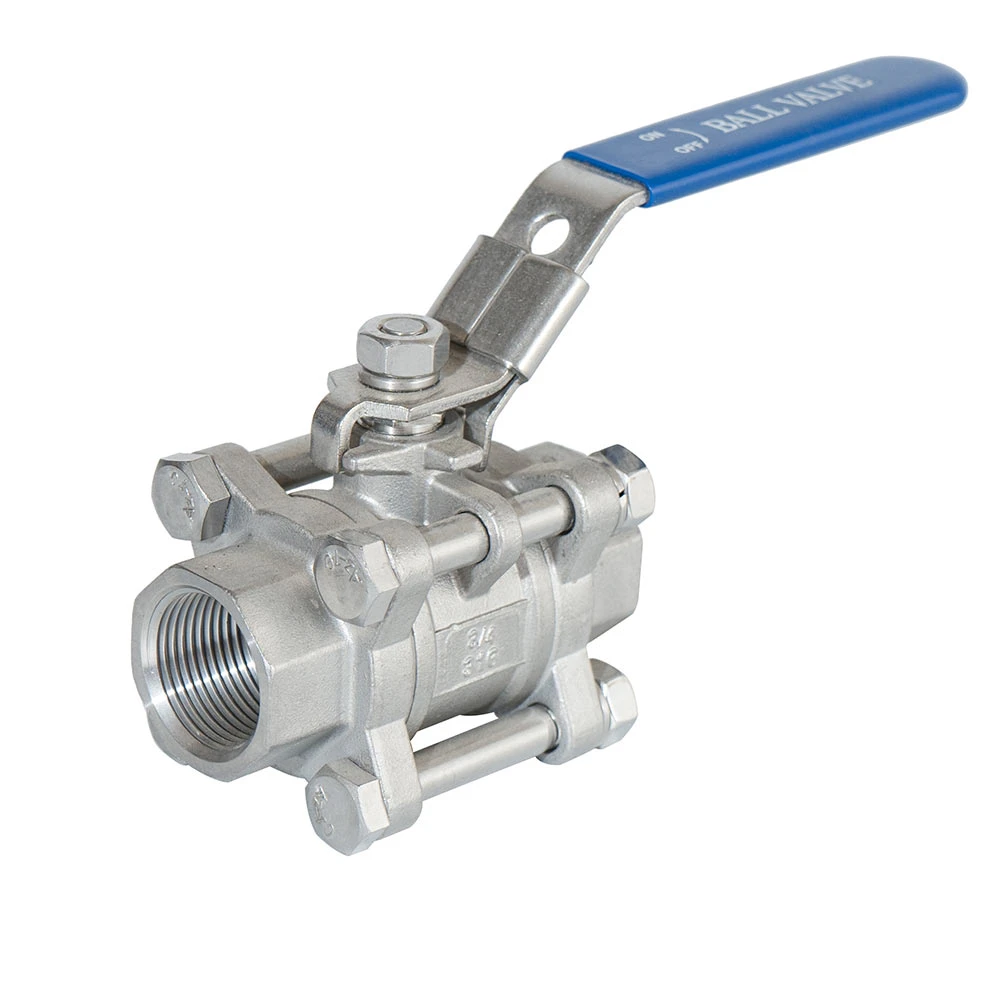
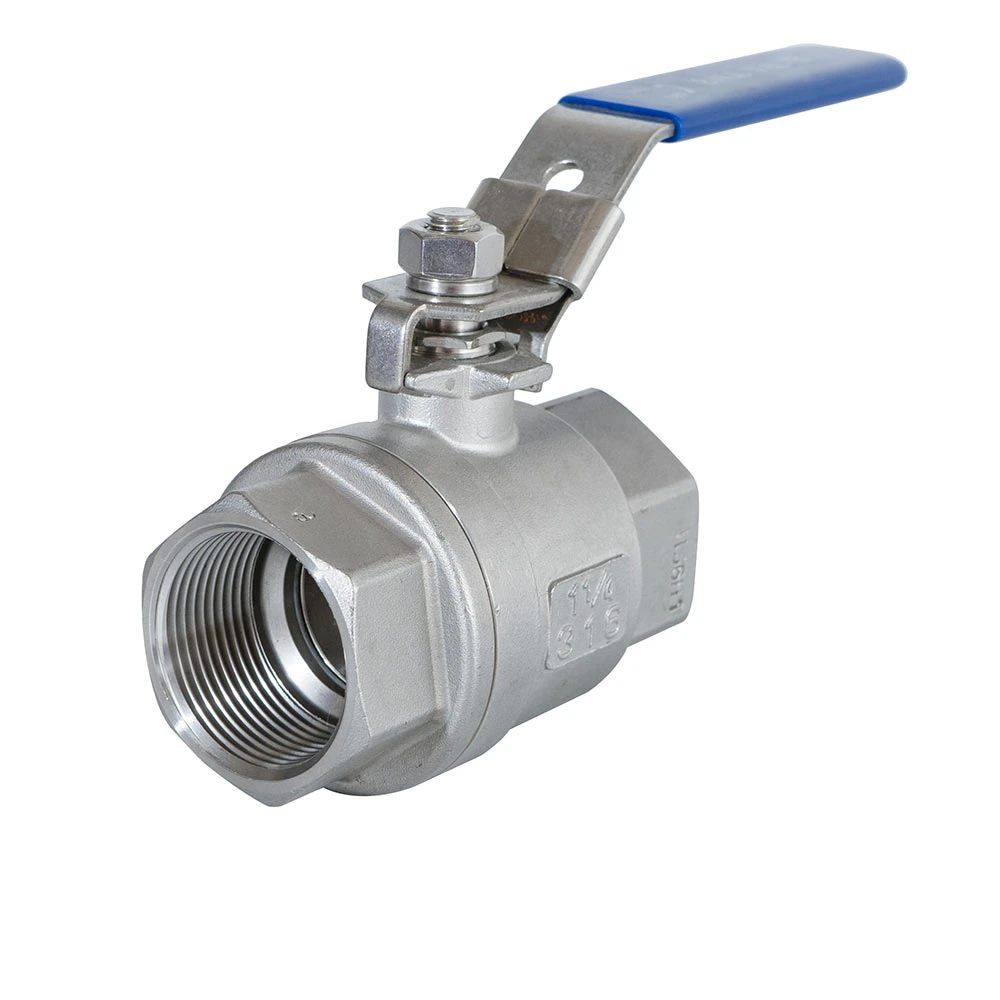
The machined components are then meticulously assembled. This includes installing seats, stem, packing, and bolting the body sections (especially for a 3 piece ball valve design). Following assembly, each valve undergoes stringent testing protocols in accordance with international standards like ISO 5208, API 598, and ANSI B16.34.
- Hydrostatic Shell Test: Verifies the integrity of the valve body under high pressure.
- High-Pressure Pneumatic Seat Test: Ensures bubble-tight shut-off across the seats.
- Low-Pressure Air Seat Test: Confirms seal integrity under low-pressure conditions.
- Fugitive Emissions Test (ISO 15848-1/API 624): Critical for preventing leakage of hazardous fluids to the atmosphere, a key concern in the petrochemical industry.
- Torque Testing: Measures the force required to operate the valve, ensuring smooth and consistent operation.
5. Surface Treatment and Packaging
Final surface treatments, such as passivation for stainless steel or protective coatings for carbon steel, enhance corrosion resistance and aesthetics. Each valve is then carefully packaged to prevent damage during transit, often with end caps and protective wrapping.
The typical service life of a well-maintained industrial ball valve can exceed 10-15 years, with some extending beyond 20 years in less arduous applications. This longevity is directly attributable to the robust manufacturing processes and adherence to stringent quality control, offering significant advantages in energy saving by preventing leaks and ensuring efficient flow diversion, along with superior corrosion resistance due to material selection and surface treatments.
Industry Trends and Market Dynamics for 3-Way Ball Valves
The market for 3-way ball valves is influenced by several key trends, reflecting broader industrial demands for efficiency, automation, and sustainability. As industries globalize and regulatory frameworks tighten, the emphasis on high-quality, compliant, and cost-effective fluid control solutions becomes paramount.
- Increased Automation: There's a growing trend towards automated valve operation using electric, pneumatic, or hydraulic actuators. This reduces manual intervention, improves operational safety, and allows for precise control in complex systems, directly impacting the demand for 3-way ball valve models with direct mounting pads.
- Sustainability and Fugitive Emissions: Environmental regulations (e.g., EPA, EU directives) are driving the adoption of valves designed for ultra-low fugitive emissions. Manufacturers are investing in advanced stem packing designs and testing protocols (like ISO 15848-1) to meet these stringent requirements, making compliant 3 way valve l type solutions highly sought after.
- Smart Manufacturing and IoT Integration: Integration of sensors for real-time monitoring of valve position, pressure, temperature, and leakage is becoming more common. This 'smart valve' technology enhances predictive maintenance capabilities and overall process optimization.
- Material Innovation: Research into advanced materials offering superior corrosion, abrasion, and temperature resistance continues. This includes specialized alloys and polymer seat materials that extend valve life in harsh operating conditions.
- Modular and Customizable Designs: The market demands greater flexibility. Valves with modular components or easily configurable options for specific applications (e.g., different end connections, actuation types) are gaining traction, including specific needs for a 3 way ball valve for sale tailored to unique process flows.
According to recent market analyses, the global industrial valve market is projected to reach over $90 billion by 2028, with a significant compound annual growth rate (CAGR) driven by infrastructure development and increasing demand from process industries. Ball valves, including 3-way types, constitute a substantial segment of this market due to their versatility and robust performance.
Technical Specifications and Parameters
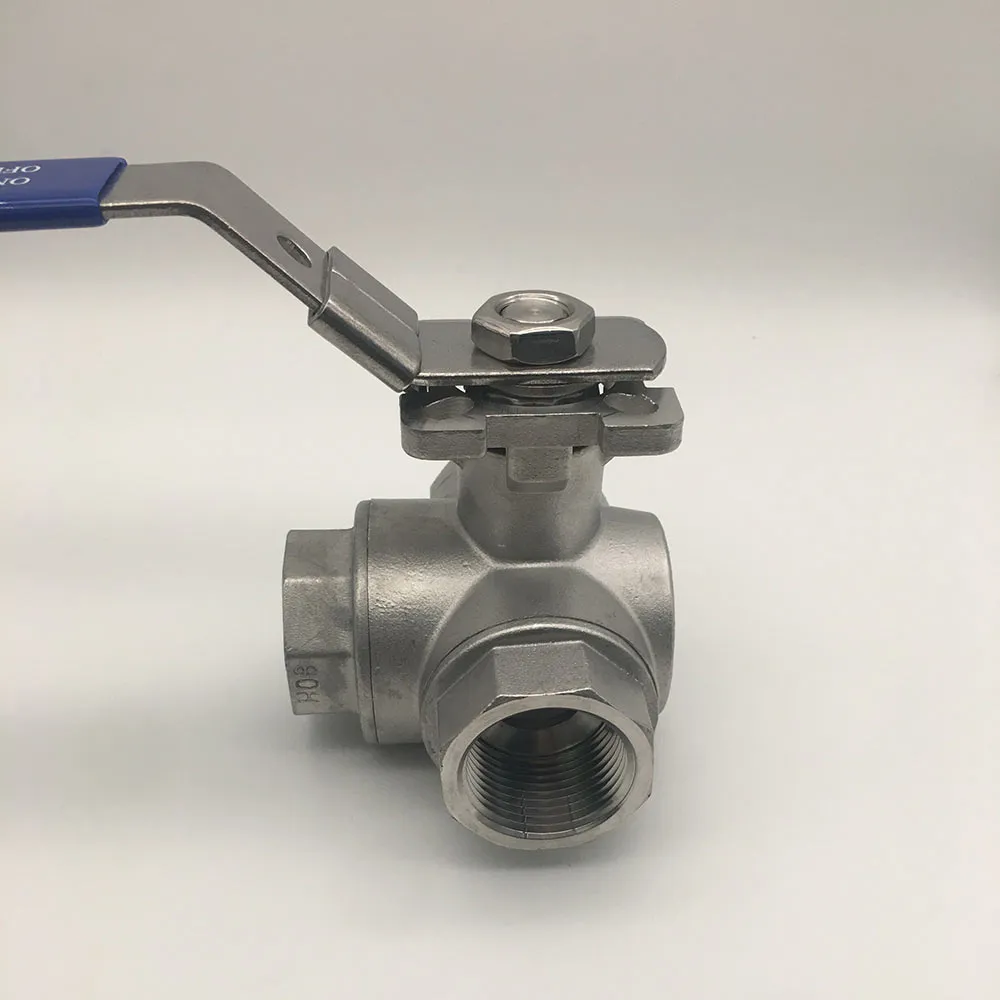
The technical specifications of a 3 way valve l type are crucial for proper selection and integration into any industrial system. These parameters define the valve's capabilities and limitations, ensuring optimal performance and safety.
Key Technical Parameters:
- Nominal Size (DN/NPS): Ranging typically from DN15 (1/2") to DN200 (8") or larger, depending on application.
- Pressure Rating (PN/Class): Commonly PN16, PN25, PN40, PN63 (ANSI Class 150, 300, 600) to accommodate various system pressures.
- Temperature Range: Dependent on body and seat materials, often from -20°C to +200°C (-4°F to +392°F) for standard PTFE seats, with higher ranges for PEEK or metal seats.
- Body Material: WCB, CF8, CF8M, Duplex, Hastelloy, etc., chosen for chemical compatibility and environmental conditions.
- Ball and Stem Material: Typically 304, 316, 316L stainless steel for corrosion resistance.
- Seat Material: PTFE, RPTFE, PEEK, Devlon, UHMWPE, or metal-to-metal seats for specific applications.
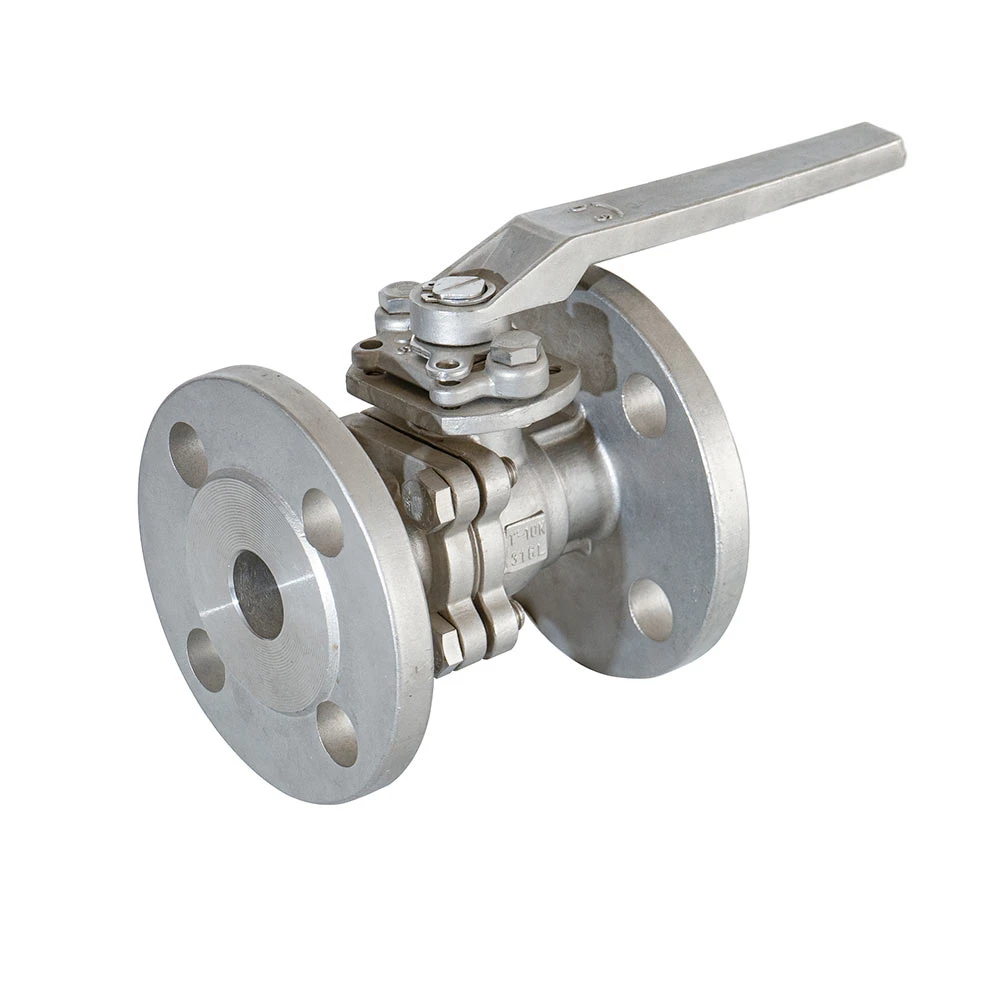
- End Connections: Flanged (RF, FF, RTJ to ANSI B16.5, DIN, JIS), Threaded (NPT, BSP), Weld (SW, BW).
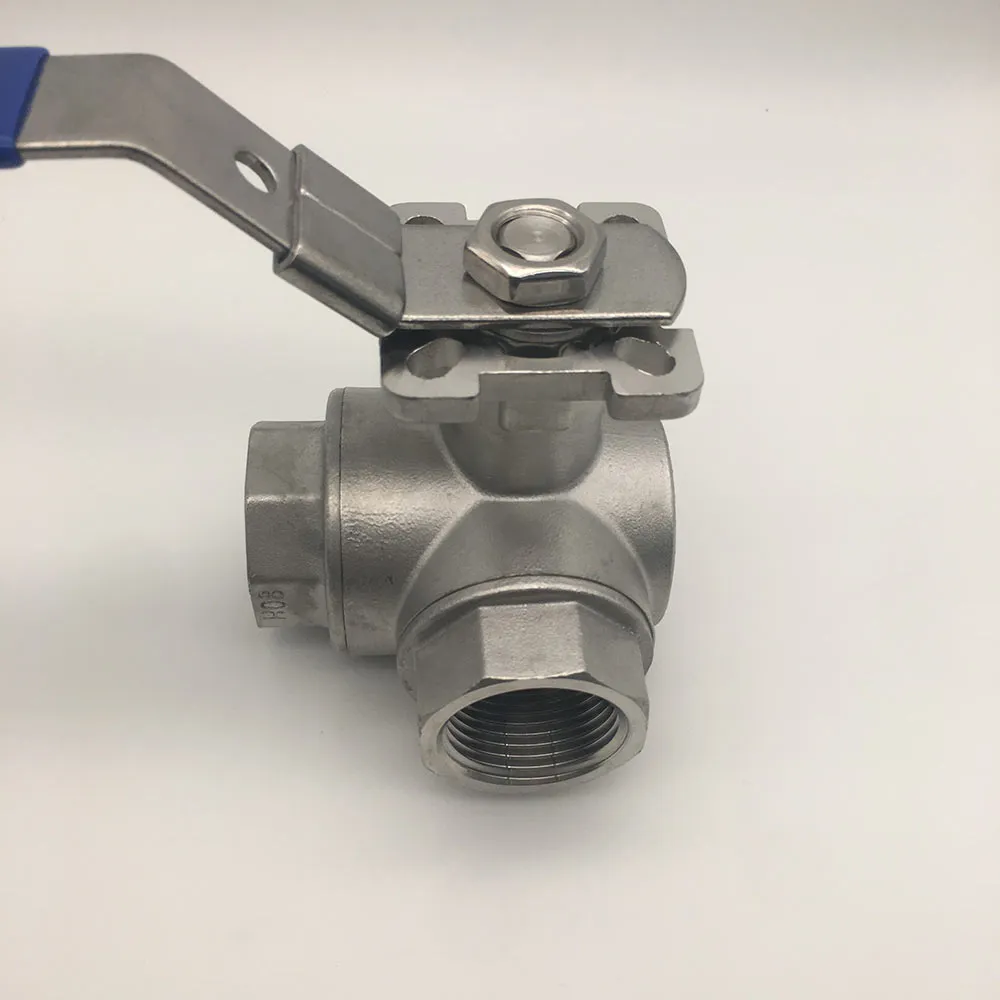
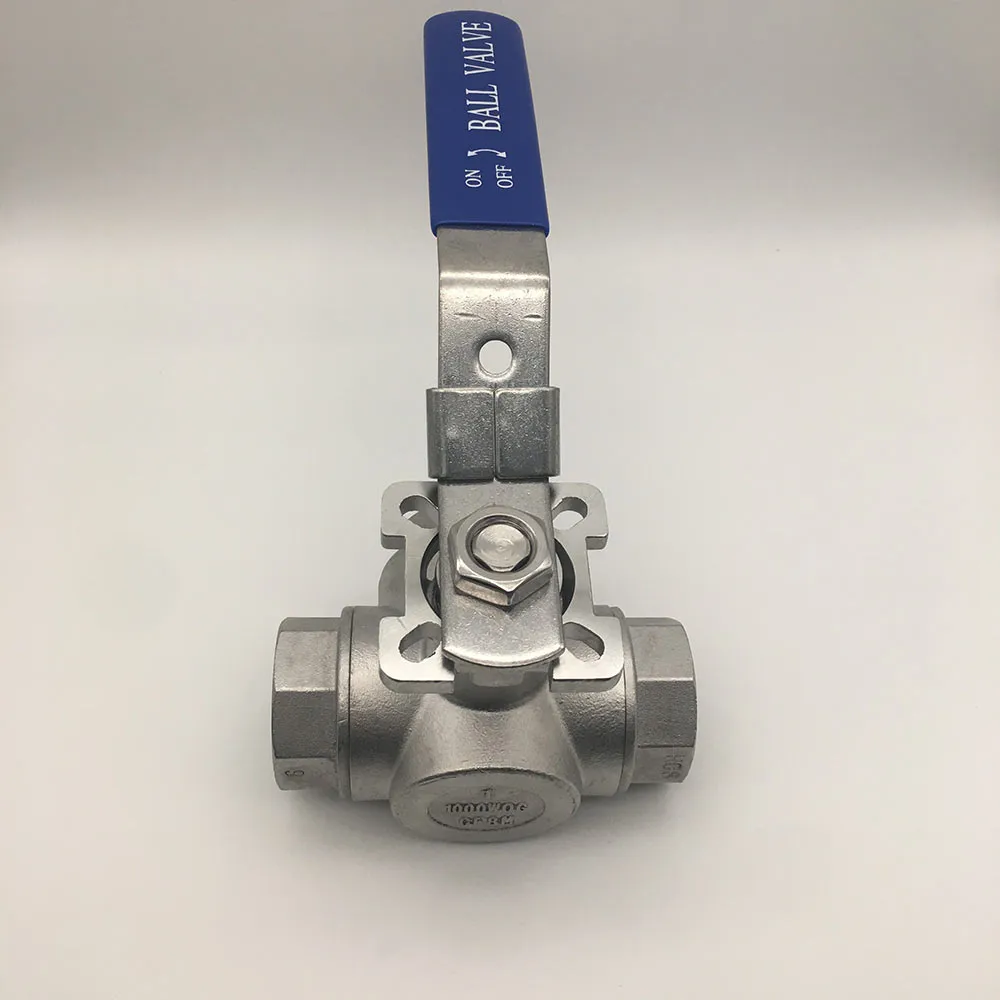
- Actuation: Manual (lever/gear), Pneumatic (double-acting, spring return), Electric. Direct mounting pad (ISO 5211) facilitates easy automation.
- Port Configuration: L-port specifically, allowing 90-degree flow diversion. In contrast, a 3 way valve t type allows for mixing or diverting across all three ports.
Typical 3-Way L-Type Ball Valve Specifications (Example):
| Parameter | Value/Description |
|---|---|
| Valve Type | 3-Way Ball Valve, L-Port |
| Body Design | 2-Piece or 3-Piece Floating Ball |
| Nominal Size Range | DN15-DN200 (1/2" - 8") |
| Pressure Rating | PN16, PN25, PN40, PN63 (ANSI Class 150, 300, 600) |
| Operating Temperature | -29°C to +200°C (Dependent on seat/seal material) |
| Body Material | ASTM A216 WCB, A351 CF8, A351 CF8M |
| Ball & Stem Material | SS304, SS316, SS316L |
| Seat Material | PTFE, RPTFE, PEEK |
| End Connection | Flanged (RF), Threaded (NPT, BSP), BW, SW |
| Actuation | Manual (Lever), ISO 5211 Direct Mounting Pad for Automation |
| Design Standards | API 6D, ASME B16.34, EN 12516-1, ISO 17292 |
| Testing Standards | API 598, ISO 5208 |
This table highlights the range of options available for a high-quality 3 way valve l type, allowing engineers to specify the exact configuration required for their unique process demands.
Application Scenarios and Technical Advantages
The L-port configuration of the 3 way valve l type is specifically designed for flow diversion, allowing fluid to be directed from a common inlet to one of two outlets, or vice-versa. This characteristic provides significant technical advantages across a spectrum of industries.
Target Industries:
- Petrochemical and Chemical Processing: Essential for diverting process streams, managing bypass lines, and isolating equipment for maintenance without shutting down the entire system. Its corrosion resistance is critical for handling aggressive chemicals.
- Oil & Gas: Used in pipeline manifold systems, sampling lines, and for redirecting flow in production facilities. The robust design handles high pressures and abrasive fluids.
- Water Supply & Drainage / Wastewater Treatment: Ideal for directing water flow to different treatment stages, bypass lines for pumps, or managing reservoir inputs/outputs. Its reliable shut-off minimizes water loss.
- HVAC Systems: For diverting hot or cold water flows in heating/cooling coils, managing dual-zone climate control.
- Pharmaceutical: Used in clean-in-place (CIP) and sterilization-in-place (SIP) systems, as well as for diverting sterile media, where high purity materials and easy cleaning are paramount.
- Food & Beverage: Similar to pharma, for diverting liquid foodstuffs, cleaning solutions, requiring hygienic designs and FDA-approved materials.
- Power Generation: In cooling water systems, fuel lines, and auxiliary process fluid management.
- Metallurgy & Mining: Handling slurries and abrasive media, where robust construction and wear-resistant materials are crucial.
Technical Advantages:
- Flow Diversion Capability: The L-port design provides excellent flow path selection, preventing mixing of fluids unlike a 3 way valve t type. This is critical in applications where distinct streams must be maintained.
- Space Efficiency: A single 3-way valve can replace two 2-way valves, simplifying piping layouts, reducing installation costs, and saving valuable plant space.
- Reduced Leak Points: Fewer connections mean fewer potential leak paths, enhancing safety and reducing fugitive emissions, directly contributing to energy saving and environmental compliance.
- Tight Shut-Off: Ball valves are known for their excellent sealing capabilities, providing bubble-tight shut-off (Class VI leakage), which is vital for process control and preventing contamination.
- Robust Construction: Designed for demanding industrial environments, these valves offer superior corrosion resistance and durability through material selection and precision manufacturing.
- Ease of Automation: Valves with ISO 5211 direct mounting pads simplify the integration of pneumatic or electric actuators, enabling remote control and process automation.
Vendor Comparison and Customized Solutions
Choosing the right vendor for industrial valves, especially for critical components like the 3 way valve l type, involves more than just price. It requires a thorough evaluation of product quality, technical expertise, customization capabilities, and post-sales support.
Key Factors in Vendor Comparison:
- Certifications and Compliance: Ensure vendors adhere to international standards such as ISO 9001 for quality management, API 6D for pipeline valves, PED (Pressure Equipment Directive) for European markets, and CE markings.
- Material Traceability: The ability to provide full material traceability (mill test certificates) is vital for high-integrity applications and regulatory compliance.
- Engineering Support: A strong vendor offers pre-sales consultation and post-sales technical assistance, helping clients select the optimal valve for their specific needs.
- Lead Time and Fulfillment: Reliable delivery schedules are crucial for project timelines. Evaluate average lead times for standard and custom orders.
- Warranty and After-Sales Service: Comprehensive warranty policies and responsive after-sales support signify a vendor's commitment to product longevity and customer satisfaction.
Customized Solutions:
While standard 3-way ball valves are widely available (including options for a 3 way ball valve for sale off-the-shelf), many complex industrial processes require bespoke solutions. A reputable manufacturer offers extensive customization capabilities, including:
- Special Materials: Providing valves in exotic alloys like Duplex, Super Duplex, Hastelloy, Monel, or Titanium for extreme corrosive or high-temperature services.
- Specific End Connections: Customizing flange facings, special welding ends, or threaded connections to match existing piping infrastructure.
- Actuation and Controls: Integrating specific actuators (pneumatic, electric, hydraulic) with positioners, limit switches, and solenoid valves for precise control and integration into DCS/SCADA systems.
- Special Coatings/Linings: Applying internal linings (e.g., PFA, FEP) for highly corrosive media or external coatings for harsh environmental conditions.
- Cryogenic or High-Temperature Service: Modifying stem extensions, gland packing, and seat materials to perform reliably under extreme thermal conditions.
- Fire-Safe Design: Ensuring compliance with API 607/API 6FA standards for fire-safe performance, critical in hydrocarbon service.
Our company, with decades of experience in valve manufacturing, proudly holds ISO 9001 certification and ensures all products meet or exceed relevant industry standards like API and CE. We partner with numerous global leaders in petrochemical, refining, and power generation, consistently delivering high-quality and reliable fluid control solutions. Our commitment to expertise and customer satisfaction ensures we are a trusted source for industrial valve technology.
Application Case Studies: 3-Way L-Type Valve in Action
Real-world applications best illustrate the value and performance of the 3 way valve l type. These case studies highlight how precise fluid control contributes to operational excellence and problem resolution.
Case Study 1: Diversion in a Chemical Blending Plant
A major chemical manufacturing facility faced challenges in diverting an intermediate product stream to either a storage tank or a downstream reactor without cross-contamination. Traditional setups using multiple 2-way valves required complex sequencing and presented increased risks of leakage. We supplied several DN80 (3-inch) 3 way valve l type units, fabricated from SS316L with RPTFE seats, integrated with pneumatic actuators and intelligent positioners. This solution streamlined the process, providing precise, automated flow diversion with zero cross-contamination, leading to a 15% reduction in batch processing time and significant material savings due to reduced waste.
— Customer Feedback from a Leading Specialty Chemical Producer
Case Study 2: Boiler Feed Water Bypass in a Power Plant
A coal-fired power plant required a reliable solution for diverting high-pressure boiler feed water during startup or maintenance of ancillary equipment. A robust 3 piece ball valve, configured as a DN150 (6-inch) L-port, was supplied. Made from A216 WCB with a chrome-plated ball and PEEK seats for high-temperature and pressure resilience, the valve proved highly effective. Its tight shut-off ensured no bypass leakage, contributing to system efficiency and preventing thermal shock to downstream components. The use of a single 3-way valve simplified the piping design compared to a two-valve system, reducing overall installation costs by approximately 20%.
— Case Report, National Energy Grid Modernization Project
Case Study 3: Agricultural Irrigation System Diversion
For large-scale agricultural operations, efficient water management is key. A farm utilizing a complex irrigation system needed to divert water from a main supply line to various field sections based on real-time soil moisture data. Our supplied PVC 3 way valve l type, equipped with electric actuators, enabled precise remote control over water distribution. This led to a 30% reduction in water consumption by optimizing delivery to specific zones, significantly improving crop yield and sustainability.
— Application Success Story, Modern Farming Solutions
Ensuring Trustworthiness: FAQ, Lead Time, Warranty, and Support
Frequently Asked Questions (FAQ)
- Q: What is the primary difference between an L-port and T-port 3-way ball valve?
- A: An L-port 3 way valve l type is designed for diverting flow, allowing flow from one inlet to one of two outlets (or vice-versa), but never allowing all three ports to be open simultaneously. This prevents mixing. A 3 way valve t type, conversely, can allow flow through all three ports at once, making it suitable for mixing fluids or diverting flow in multiple directions, including a bypass for the main line.
- Q: Can your 3-way ball valves be automated?
- A: Absolutely. Our 3-Way Ball Valves with Direct Mounting Pads are designed for easy automation, compliant with ISO 5211 standards. We offer a range of pneumatic and electric actuators, along with accessories like limit switches, solenoid valves, and positioners, to meet specific control requirements.
- Q: What is the typical lead time for an order?
- A: For standard configurations of our 3 way valve l type, lead times typically range from 2-4 weeks. Customized or large-volume orders may require 6-10 weeks, depending on material availability and specific engineering requirements. We strive to provide accurate lead time estimates at the point of inquiry and maintain transparent communication throughout the order fulfillment process.
- Q: What warranty do you offer on your valves?
- A: We stand behind the quality of our products. All our 3-way ball valves come with a standard 12-month warranty from the date of installation or 18 months from the date of shipment, whichever comes first. This warranty covers defects in material and workmanship under normal operating conditions. Extended warranty options are available upon request.
- Q: How do you ensure product quality and compliance?
- A: Our quality management system is ISO 9001 certified. We adhere to stringent quality control protocols at every stage of manufacturing, from material inspection to final functional testing. All valves are tested in accordance with industry standards such as API 598 and ISO 5208. We provide full material traceability and test certificates upon request.
Lead Time & Order Fulfillment
We understand the critical nature of project timelines. Our robust supply chain and efficient manufacturing processes enable us to offer competitive lead times. For urgent requirements, expedited production options may be available. Our dedicated logistics team ensures secure and timely delivery to global destinations, handling all necessary documentation and customs procedures for a seamless fulfillment experience.
Warranty Commitments
Our comprehensive warranty reflects our confidence in the durability and performance of our industrial valves. We are committed to providing reliable solutions that minimize operational disruptions and protect your investment. In the rare event of a product issue, our warranty process is designed for quick and efficient resolution.
Customer Support Information
Our commitment extends beyond the sale. A team of experienced technical support engineers is available to assist with product selection, installation guidance, troubleshooting, and maintenance queries. We offer multi-channel support to ensure you receive timely and effective assistance. For inquiries regarding 3 way ball valve for sale, specific technical data, or post-purchase support, please contact us via phone, email, or through our website's dedicated support portal.
References
- American Petroleum Institute (API) Standards: API 6D, API 598, API 607.
- International Organization for Standardization (ISO): ISO 9001, ISO 5211, ISO 15848-1.
- American Society of Mechanical Engineers (ASME): ASME B16.34, ASME B16.5.
- European Committee for Standardization (CEN): EN 12516-1, Pressure Equipment Directive (PED).
- Valve Manufacturers Association of America (VMA) technical publications and industry reports.