Inside the Ball Valves Factory: What Really Counts
Having spent a fair share of years in the industrial equipment sector, I've developed a sort of sixth sense about valves—particularly ball valves. There’s something quietly impressive about these devices. They’re simple in concept but incredibly critical in function, often hidden behind walls or under floors, yet they hold entire systems together. What really struck me visits to a ball valves factory is that despite their ubiquity, no two factories do it quite the same way. The materials, quality controls, and customer customization options can vary a lot.
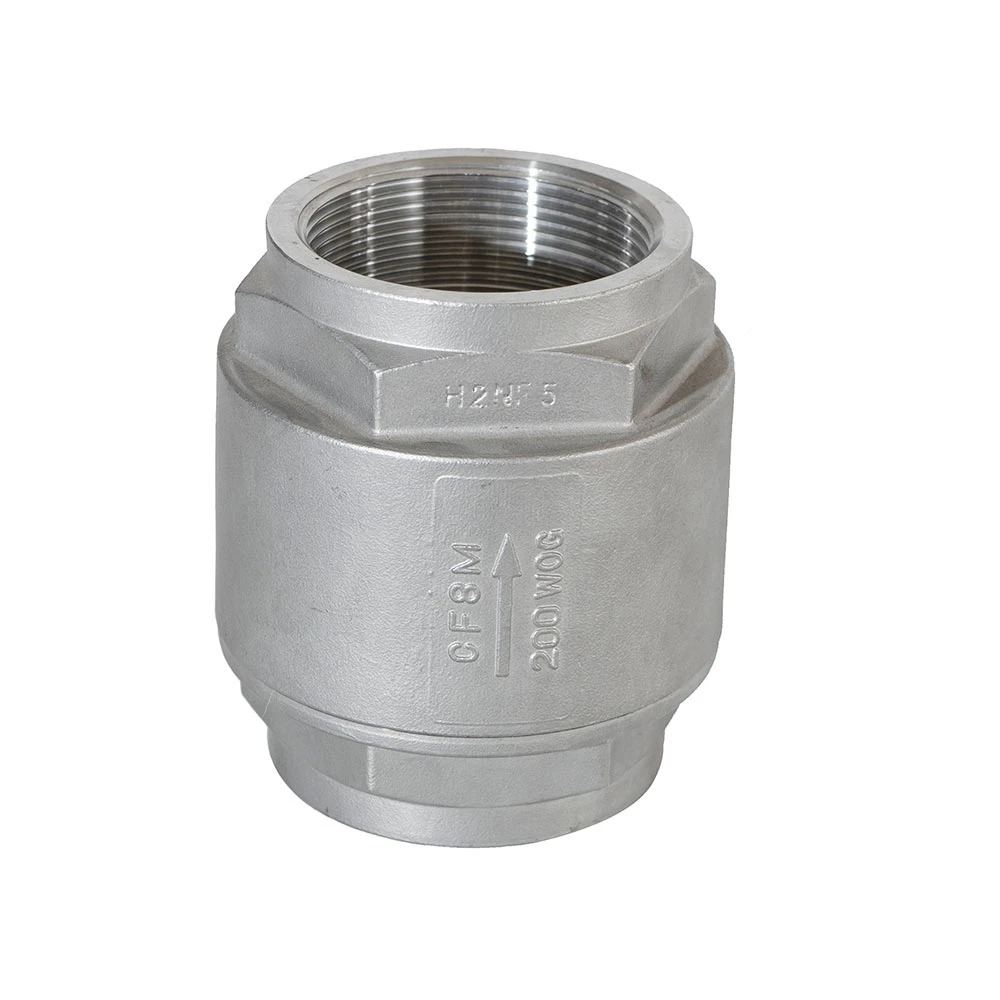
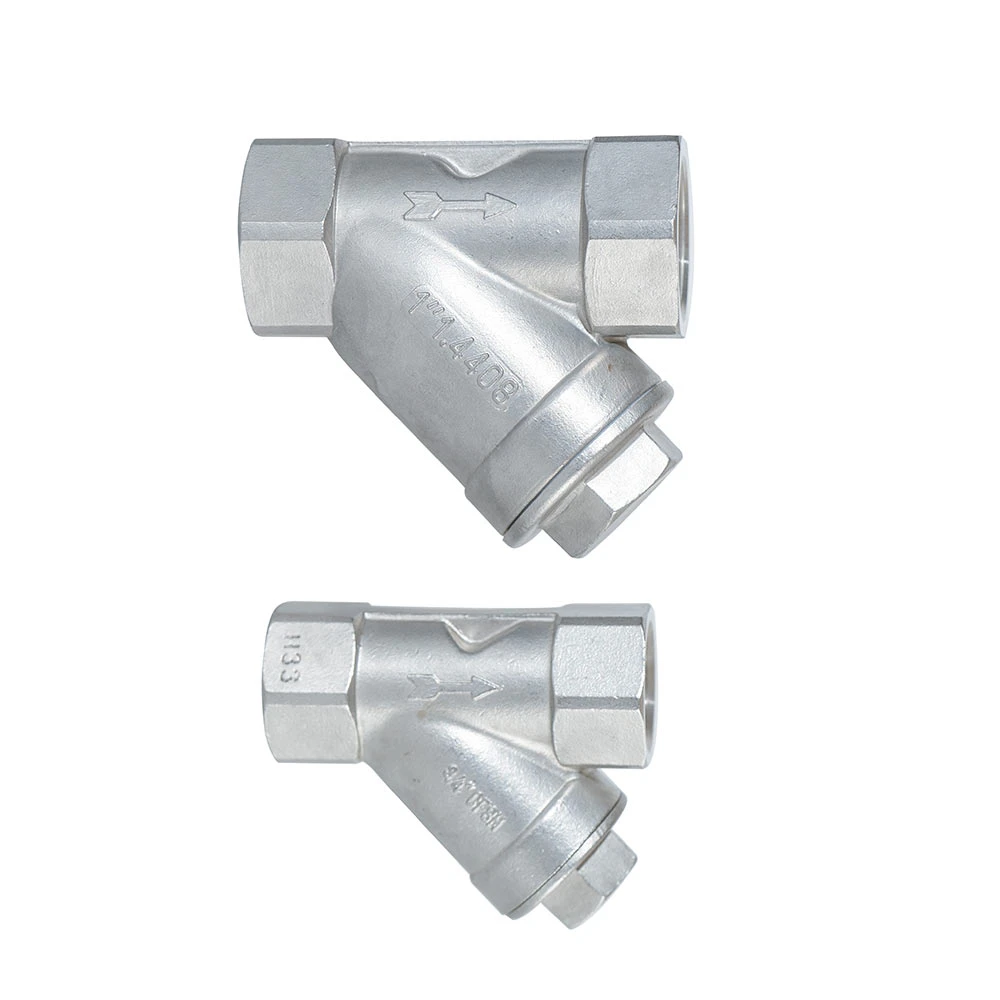
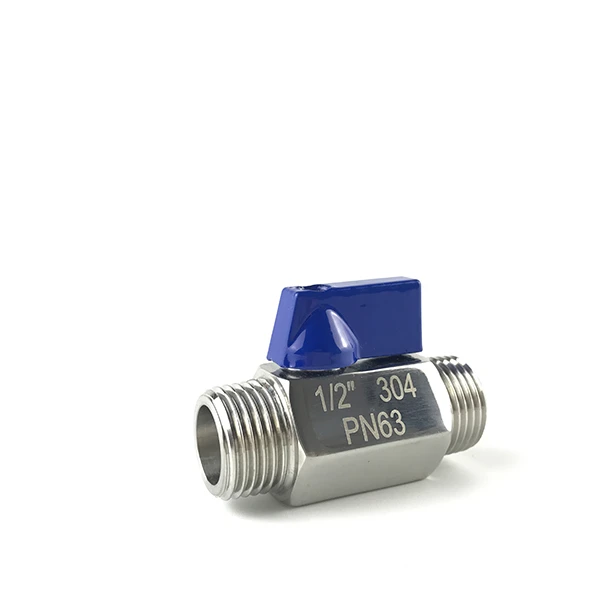
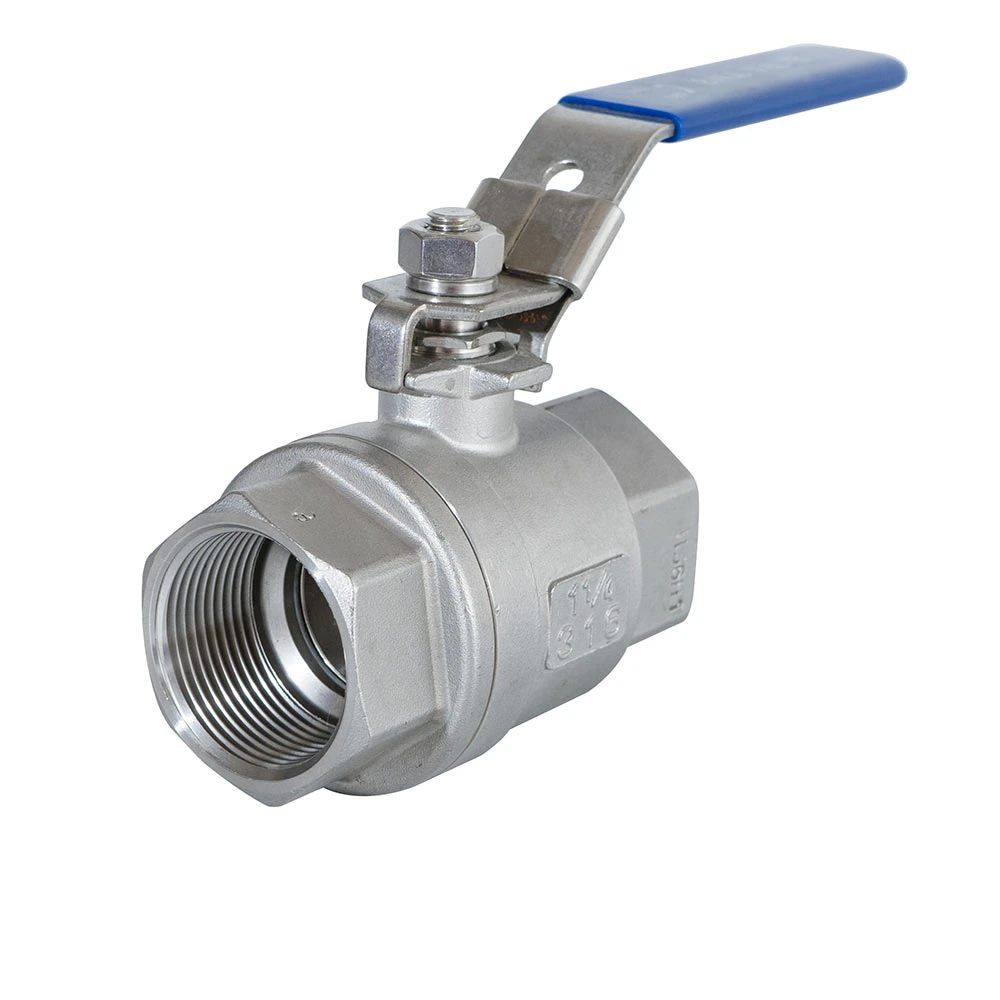
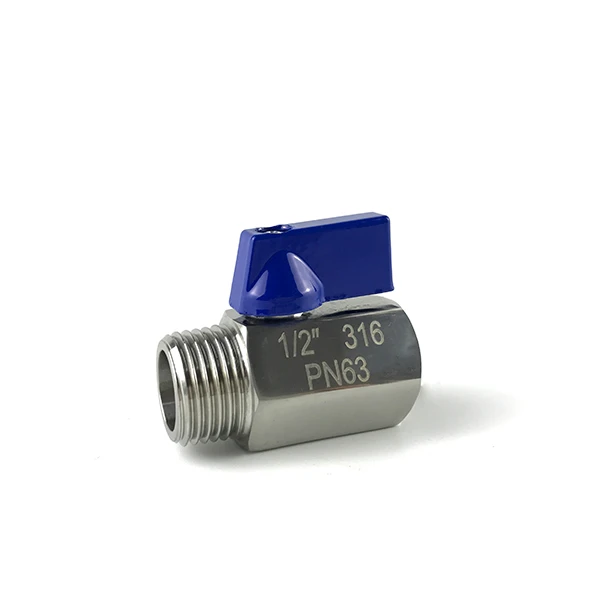
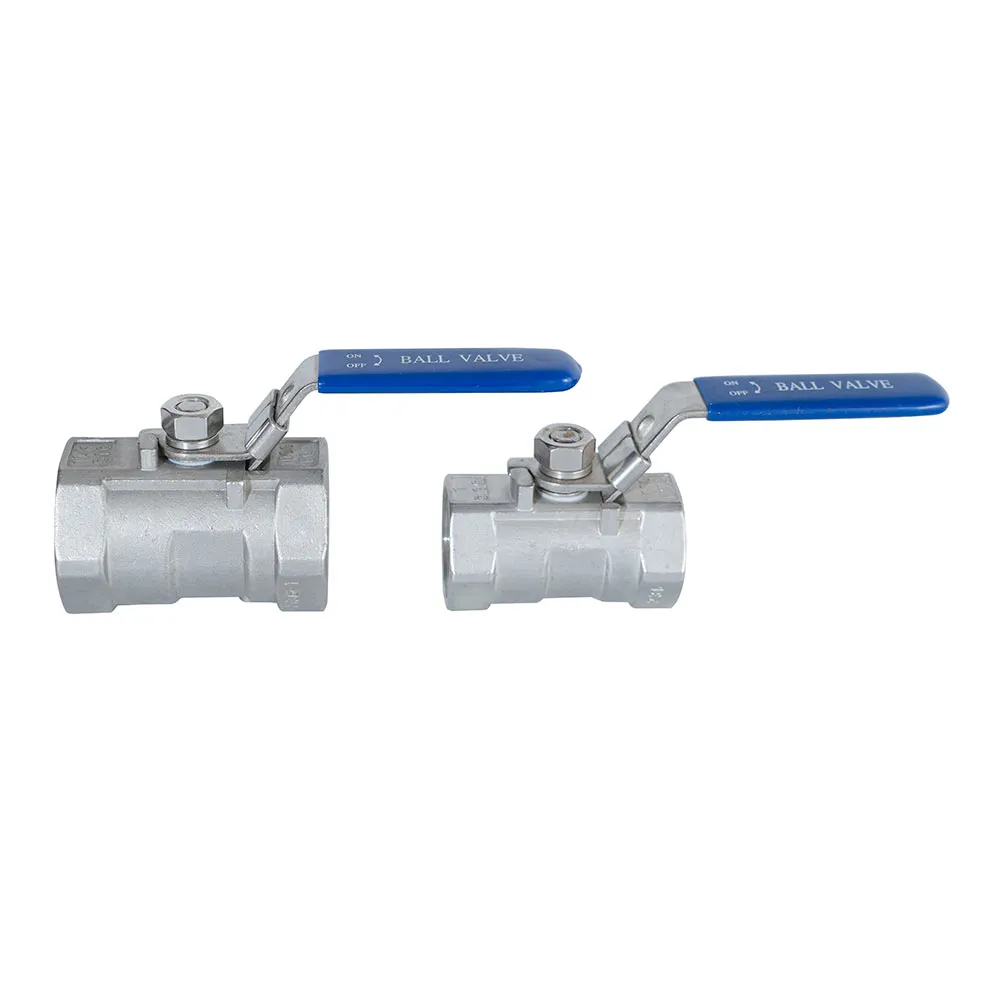
The first thing I noticed walking through such factories is the meticulous attention to material selection. Even within a single ball valve line, you might find stainless steel, brass, or carbon steel components, all chosen for specific pressures, temperatures, or chemical compatibilities. It’s a reminder that in real terms, the environment these valves work in isn’t forgiving. One misstep in materials, and there’s a headache waiting downstream—pun intended.
Product Design and Testing – It’s More Than Just a Ball and Seat
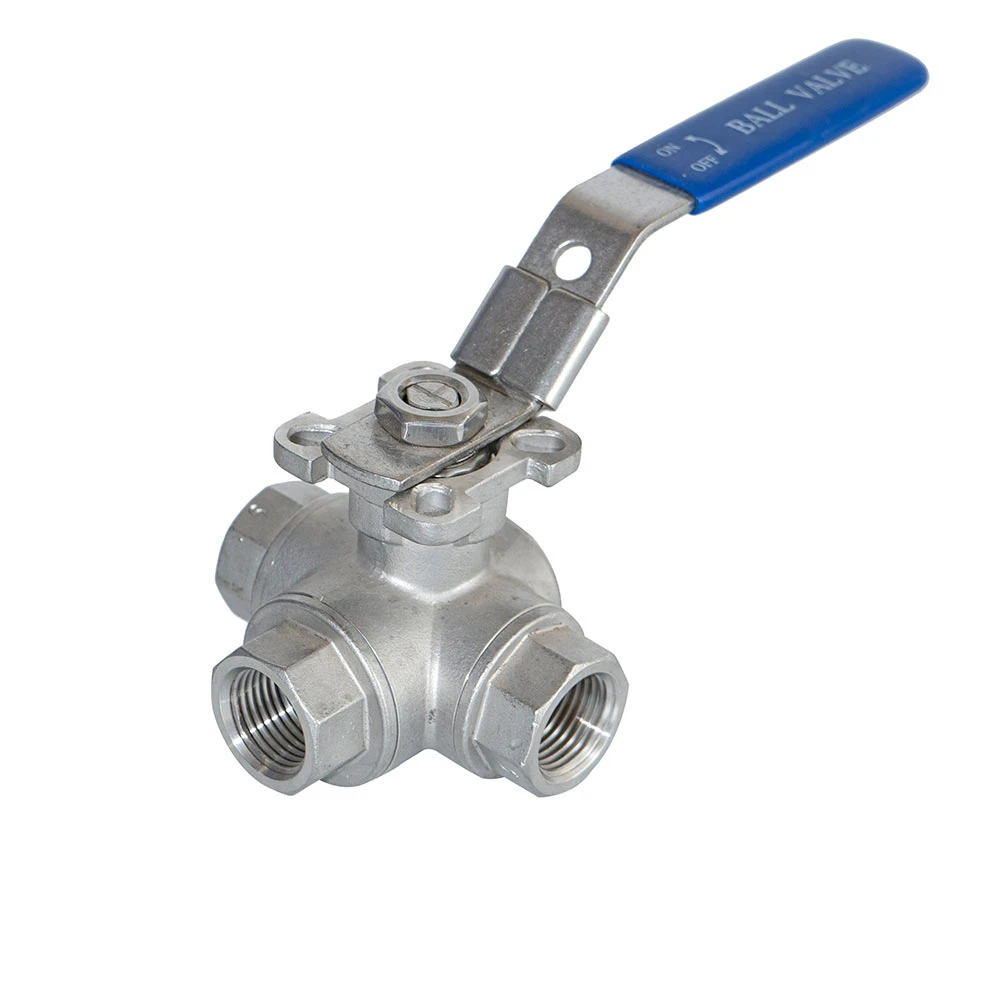
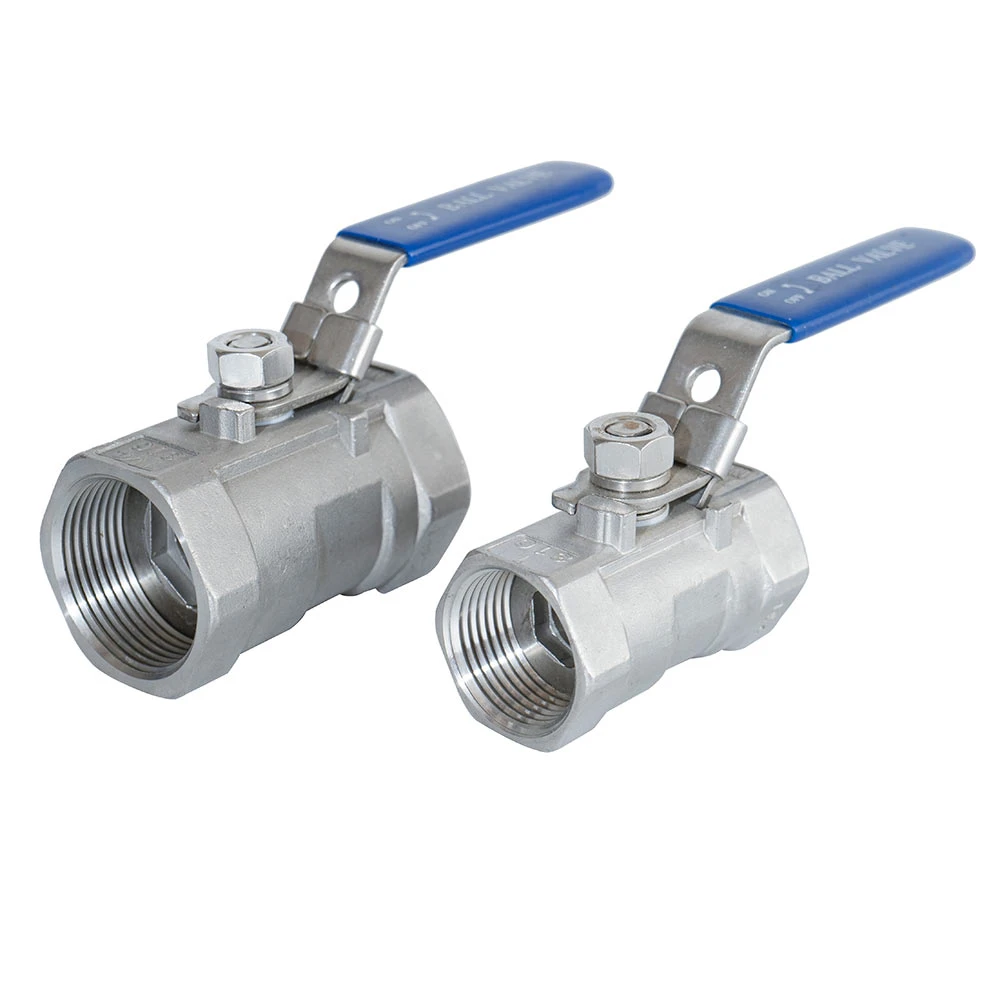
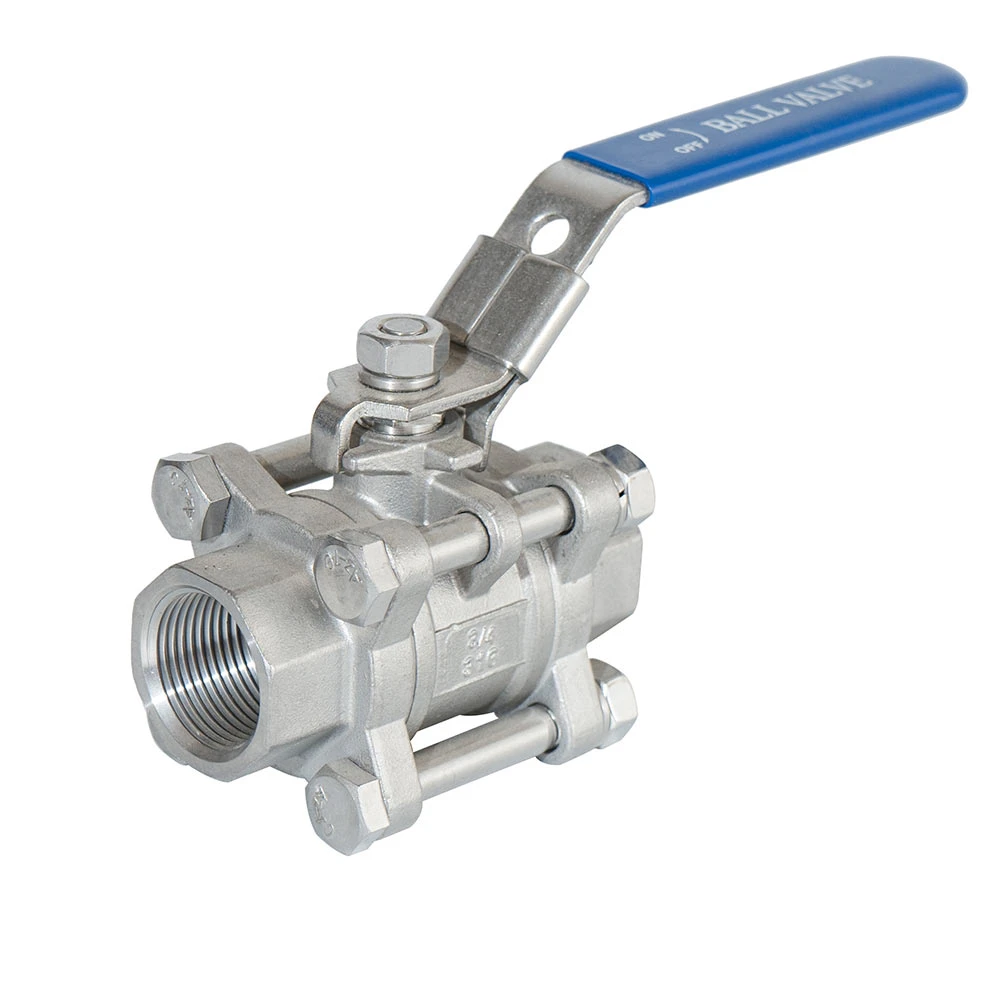
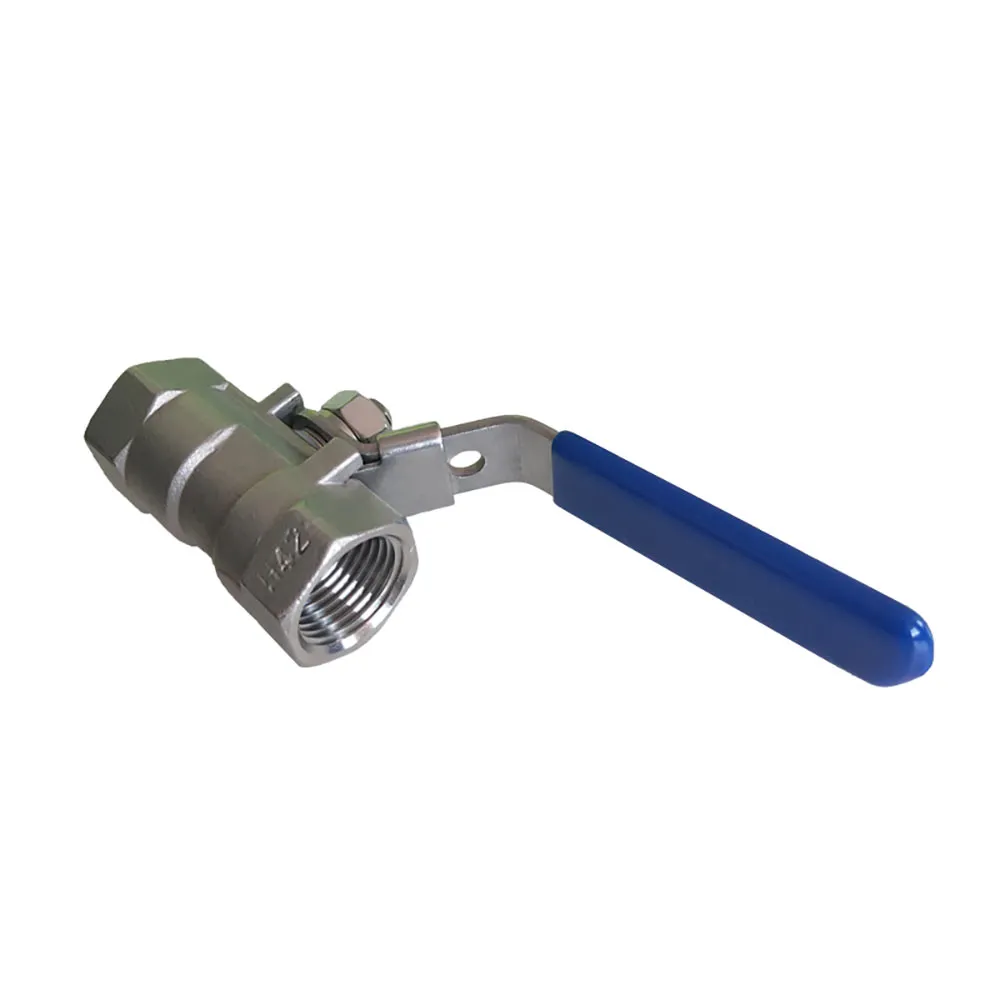
It’s easy to think a ball valve is just a hollow sphere toggled by a handle, but in reality, the design nuances matter. Many engineers I’ve chatted with emphasize the importance of the sealing materials—PTFE seats, for example, are ubiquitous because they offer low friction and chemical resistance, yet some factories experiment with reinforced seats for high-temperature or abrasive conditions. I recall a customer story where a valve that initially failed in a refinery setting was swapped for one with a special seat compound, eliminating leaks entirely.
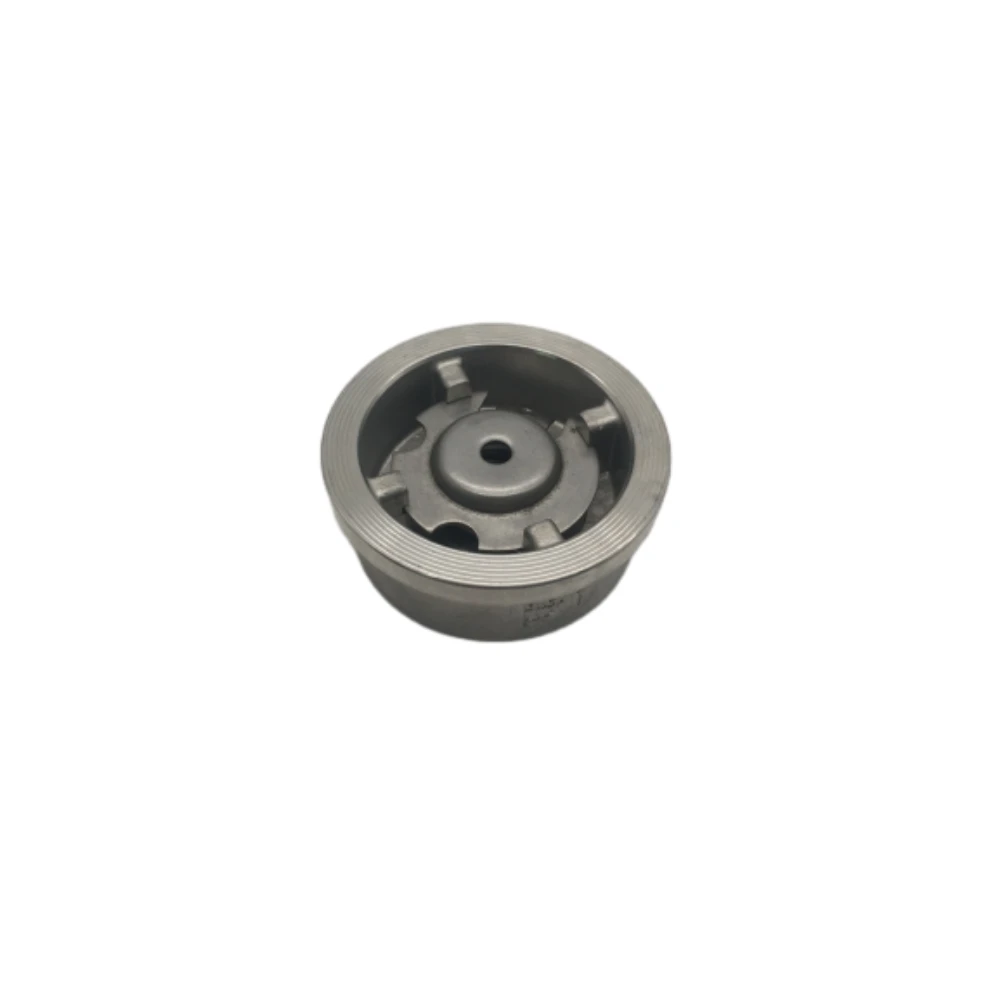
Testing is another realm where these factories either shine or falter. Most modern plants will subject their valves to pressure testing, bubble tightness checks, and cycle longevity trials. Watching operators run a valve through thousands of open-close cycles, you get a sense of durability that datasheets can’t quite capture.
| Specification | Details |
|---|---|
| Material | Stainless Steel 304/316, Brass, Carbon Steel |
| Pressure Rating | 150 PSI to 1000+ PSI (varies with materials and design) |
| Temperature Range | -20°C to 200°C (seat dependent) |
| Connection Types | Threaded, Flanged, Socket Weld |
| Seat Material | PTFE, Reinforced PTFE, PEEK |
Comparing Leading Ball Valve Manufacturers: What to Look For
In choosing a supplier, it often feels like walking a tightrope. Price is one thing, but service, lead times, and durability tend to be the real story. Below is a little vendor comparison I’ve jotted down based on years of hearing feedback across the industry and some firsthand trials.
| Vendor | Material Quality | Customization Options | Lead Time | Price Range |
|---|---|---|---|---|
| Houde Valve | High-grade Stainless Steel 316 | Extensive (sizes, seats, connections) | 2-4 weeks | Mid-range |
| Vendor B | Standard Stainless Steel 304 | Limited (mostly standard sizes) | 3-6 weeks | Lower |
| Vendor C | Carbon Steel (varied grades) | Moderate (some customization) | 1-3 weeks | Varies |
Oddly enough, the sweet spot for many is somewhere in the middle — not the cheapest valve, but not the most expensive either. I’ve found that companies like Houde Valve tend to hit that balance. Plus, their customization options really make a difference when you’re up against unique system requirements.
If you’ve ever had to switch a ball valve mid-project because the specs didn’t quite line up, you know how frustrating that scramble is. A good factory will often keep flexible production lines, making it easier to get just what you need without waiting ages or shelling out a fortune.
This balance of quality materials, thoughtful design, and practical lead times makes the difference between a valve that’s just “good enough” and one that performs flawlessly over years. In industrial piping, that difference saves money, time, and headaches... which, frankly, is priceless.
So next time you visit a ball valves factory, take a moment to appreciate the craftsmanship behind those simple spheres. There’s a lot going on under the surface — literally and metaphorically.
References / Personal reflections:
- Industry talks from valve manufacturing expos (2019-2023)
- Multiple client case studies from refinery and chemical plants
- Direct observations from plant floor visits and testing facilities