THE BUYER'S GUIDE / SELECTION
Choosing a One Piece Ball Valve: Working Requirements and Integration Fit
A buyer-focused guide to selecting a one piece ball valve from Cangzhou Houde Stainless Steel Products Co., Ltd. It covers working media, temperature range, bore options, body material and maintenance expectations. It also explains when the 2 PC, 3 PC or mini ball valves in the same catalog may fit better, and which details buyers must confirm before ordering.

Working medium compatibility: the One-Piece Ball Valve is described for water, oil, gas, chemicals and high-purity applications
Temperature range: PTFE seals stated for -20°C to 200°C (-4°F to 392°F); the mini ball valves are stated for -20°C to 150°C
Pressure: no published pressure rating for the One-Piece Ball Valve, and zero leakage is described only in suitable pressure environments; the 3 PC Ball Valve publishes PN16/PN40
Flow requirement: full bore to minimize pressure loss or reduced bore to optimize flow control
Body material: generally stainless steel, carbon steel or alloy steel
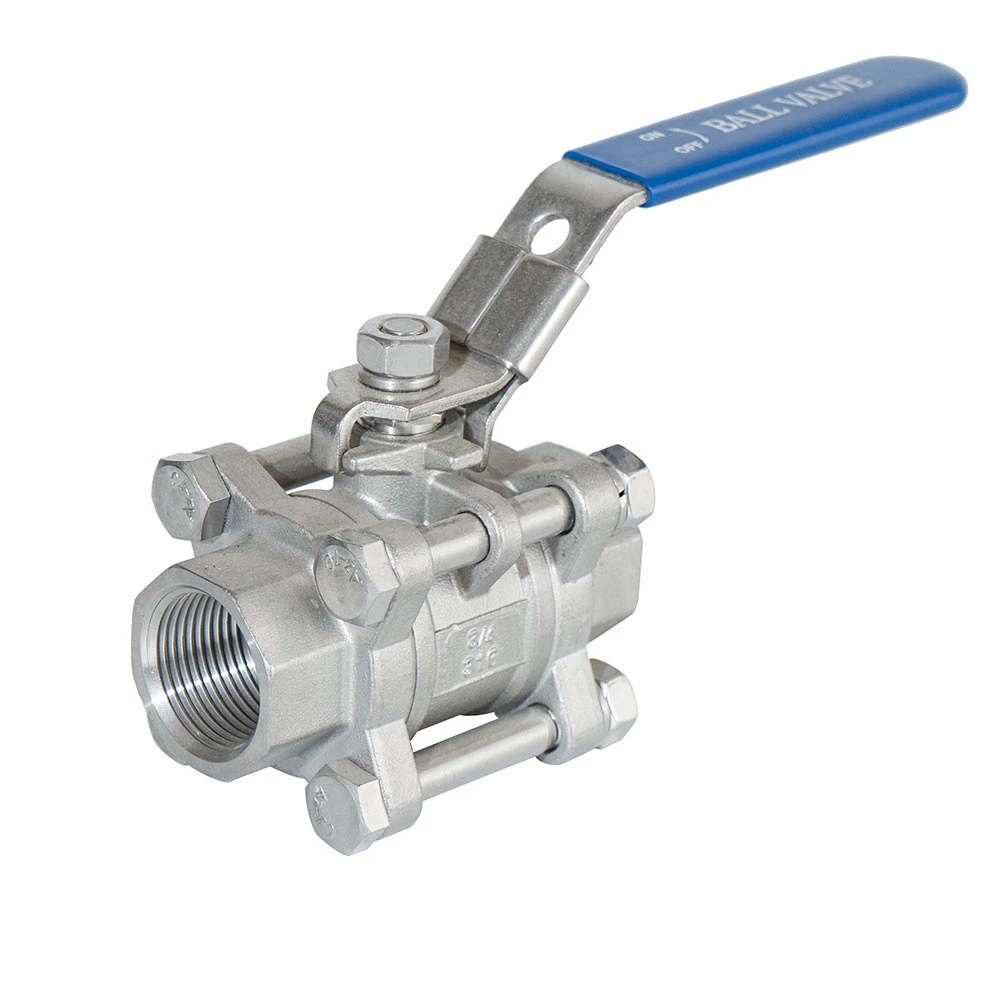
Maintenance and integration: integrated one-piece body versus the 2 PC and 3 PC bodies, which are described as easier to disassemble; the 3 PC can be serviced without removing the entire valve from the pipeline
Size and end connection: not published for the One-Piece Ball Valve and must be confirmed; the 3 PC Ball Valve lists 1/4" to 4" with NPT/BSP threaded or socket weld ends
Installation space: compact, lightweight one-piece design; mini ball valves for very confined spaces and instruments
Choosing a One Piece Ball Valve: Working Requirements and Integration Fit
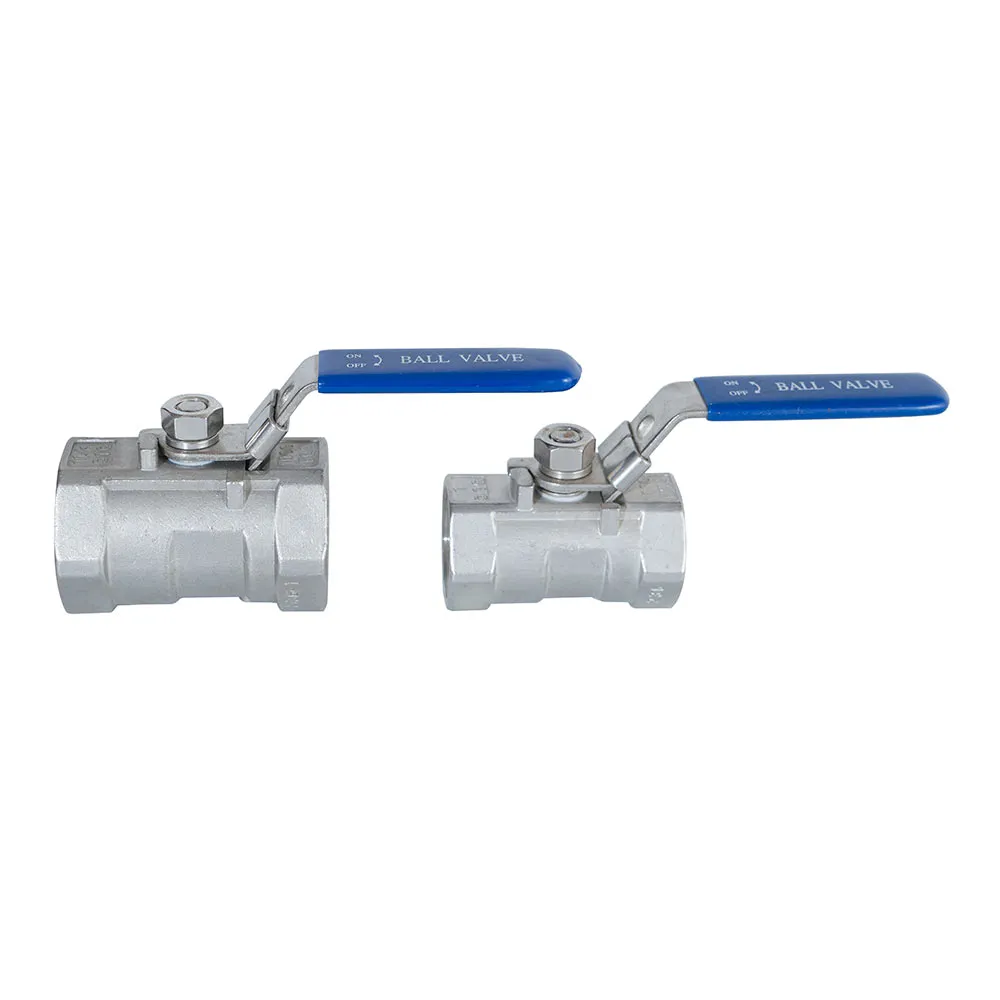
A one piece ball valve has an integrated body. That makes it a compact, simple choice for many on/off and flow-control lines, but it is not the right valve for every system. This guide shows procurement teams and engineers how to check the valve against their working requirements, using only the published product information from Cangzhou Houde Stainless Steel Products Co., Ltd. It also covers when another valve in the same catalog may integrate better.
1. Start with your working requirements
Get these facts about your system before you compare valves:
- Medium: water, oil, gas, chemicals, compressed air, steam or high-purity fluids.
- Temperature range: the minimum and maximum operating temperatures, including upsets.
- Pressure: the operating and design pressure of the line.
- Flow priority: minimal pressure loss, or controlled and reduced flow.
- Connection and size: pipe size and end connection type.
- Maintenance plan: whether the valve must be serviced while it stays in the pipeline.
- Installation space: whether the space is limited.
You need these answers to judge whether a product description matches your application.
2. What the published product information covers
The product page for the One-Piece Ball Valve states the following:
- Body material: generally selected from stainless steel, carbon steel or alloy steel. The page describes these as offering corrosion, high-temperature and pressure resistance.
- Integrated body design: described as eliminating potential leakage paths, improving structural integrity and simplifying maintenance.
- Bore options: full bore, to minimize pressure loss, or reduced bore, to optimize flow control.
- Seals: PTFE seals for tight closure and low-torque operation. The stated temperature compatibility is -20°C to 200°C (-4°F to 392°F).
- Media: water, oil, gas, chemicals and high-purity applications.
- Listed applications: oil and gas pipelines, chemical processing, power generation, HVAC systems, drinking water, wastewater, ship systems, water supply, drainage, irrigation and compressed air systems.
- Installation: described as compact and lightweight for easy installation.
- Packaging: each valve is wrapped in anti-corrosion material and packed in a strong cardboard box or veneer pallet.
- Custom configurations and certification services are listed as available on request.
Limits to check before you order
- The page gives no pressure rating, size range or end connection type for this valve. Confirm all three with the supplier for your line.
- The page describes zero leakage performance only "in suitable pressure environments". Confirm that your pressure conditions fall within the suitable range.
- The stated PTFE seal range does not cover processes that can go below -20°C or above 200°C. Discuss those conditions before you select the valve.
- Certification services are offered on request.
- The page gives no price or lead time. Request a quotation for your configuration.
3. Integration fit: when another valve type may suit better
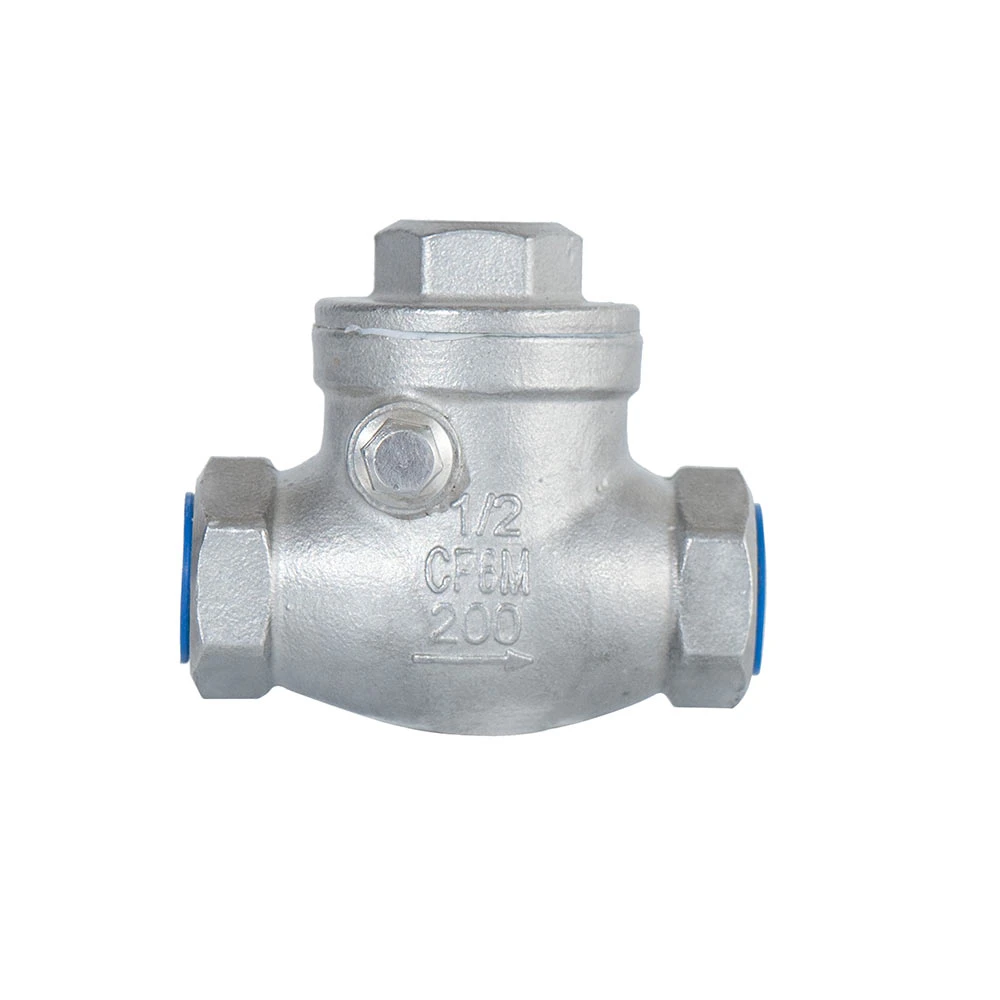
The same catalog includes multi-piece and mini ball valves. Their published descriptions help show where the one-piece design fits.
| Requirement | One-Piece Ball Valve | 2 Pc Ball Valve | 3 PC Ball Valve | Mini Ball Valves (1/4, 1/8, M/M) |
|---|---|---|---|---|
| Body construction | Integrated body | Two-piece, described as convenient for disassembly and maintenance | Three-piece; quick disassembly without removing the entire valve from the pipeline | Compact, small-diameter design |
| Published body material | Stainless, carbon or alloy steel | Stainless steel or brass | SS304/SS316 (excerpt also mentions carbon steel or brass) | Stainless steel 304 or 316 (1/8 excerpt also mentions brass) |
| Seat / seal | PTFE, -20°C to 200°C | RPTFE seat options (e.g., PTFE+25% carbon, PTFE+SS316) | PTFE seats, -20°C to 200°C depending on seals | Teflon seats, -20°C to 150°C |
| Published pressure rating | PN16/PN40 | |||
| Published size range | 1/4" to 4" (DN8 to DN100) | Small diameters (1/4, 1/8 product names) | ||
| Published end connections | Threaded (NPT/BSP) or socket weld | Threaded F/F, M/F or M/M (NPT, BSP or metric) |
How to read the table:
- Choose the one-piece design for a compact, lightweight valve with an integrated body, a choice of full or reduced bore, and PTFE seals rated -20°C to 200°C. It suits general and industrial lines once you have confirmed size, pressure and ends.
- Consider the 3 PC Ball Valve if you need to service the valve while it stays in the pipeline, need a published PN16/PN40 rating, or need socket weld ends or optional pneumatic/actuated operation. Buyers comparing 3 piece ball valve manufacturers often prioritize this in-line maintenance capability.
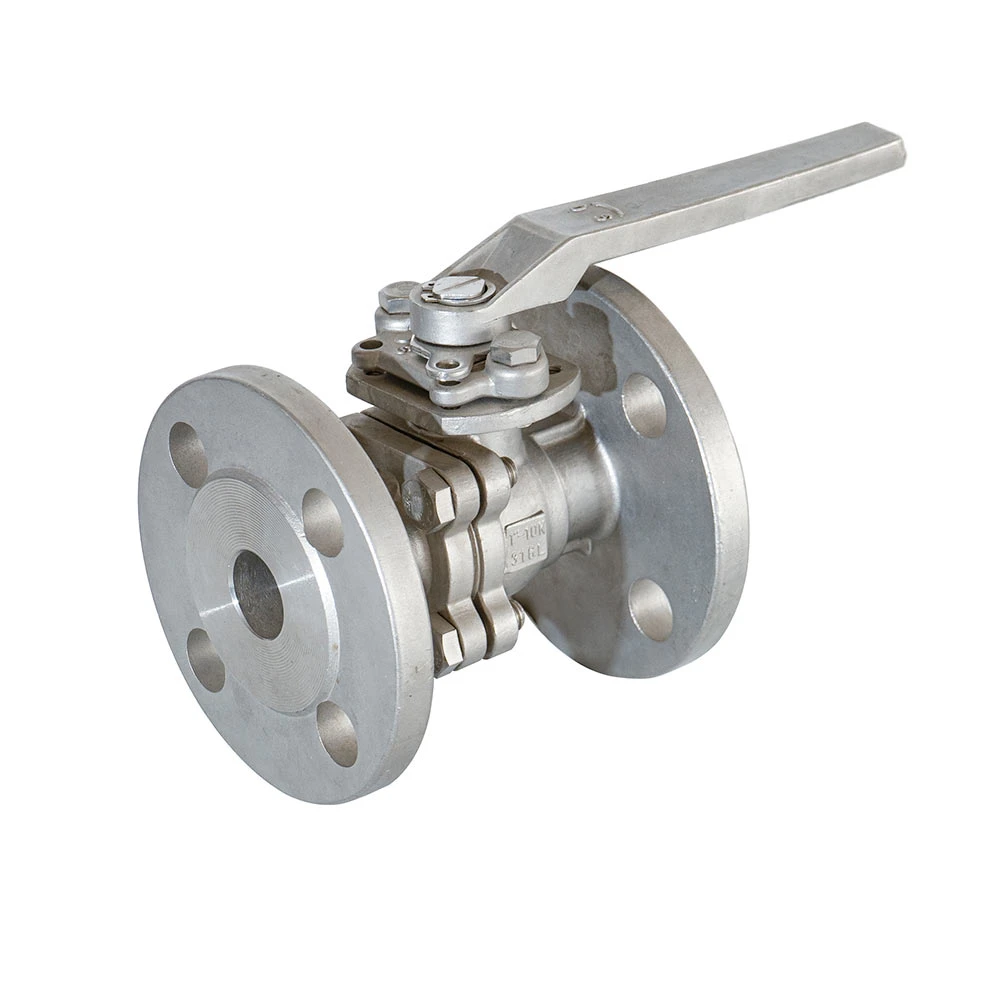
- Consider the 2 Pc Ball Valve if you want a two-piece body for easier disassembly, or need reinforced RPTFE seat options with higher strength and heat resistance than PTFE.
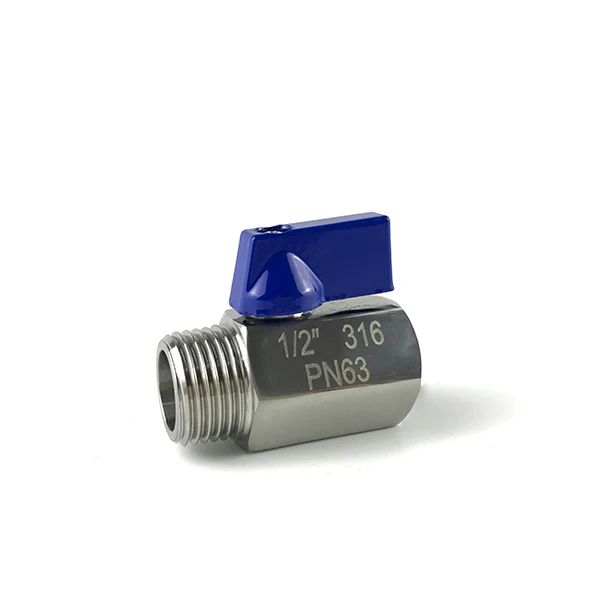
- Consider a mini ball valve for instruments, laboratory systems, pneumatic lines or other tight spaces. Their published seat temperature limit is 150°C, compared with 200°C for the one-piece model.
4. Procurement checklist
Send these points with your inquiry so the supplier can confirm the fit:
- Medium, including any chemicals or high-purity requirements.
- Operating and design pressure, and temperature range.
- Pipe size and required end connection.
- Full bore or reduced bore.
- Preferred body material (stainless steel, carbon steel or alloy steel).
- Any certificates or documents required for your project or market.
- Packaging requirements and order quantity.
Cangzhou Houde Stainless Steel Products Co., Ltd. is based in Cangzhou, Hebei Province, China. It makes stainless steel valves, fittings and pipes for the petroleum, chemical, construction and food industries. Contact the team with the details above to confirm whether a one piece ball valve, or another valve type, fits your working requirements.
THE PEOPLE

About the author
THE COMPANY
Cangzhou Houde Stainless Steel Products Co., Ltd.
Cangzhou Houde Stainless Steel Products Co., Ltd. was established in 2010 and is located in Cangzhou, Hebei Province, China. It is a professional enterprise engaged in the research, development, production, and sales of stainless steel products. The company is equipped with advanced production equipment and a top-notch technical team, dedicated to providing high-quality stainless steel valves, fittings, pipes and other products widely used in the petroleum, chemical, construction, and food industries.…
About Us ↗Visit company website ↗YOUR NEXT STEP
Bring your brief. Start a useful conversation.
Use case, specification, quantity and delivery window: make the next conversation specific.