THE BUYER'S GUIDE / SELECTION
Choosing a Vertical Spring Check Valve: Working Requirements and Integration Fit
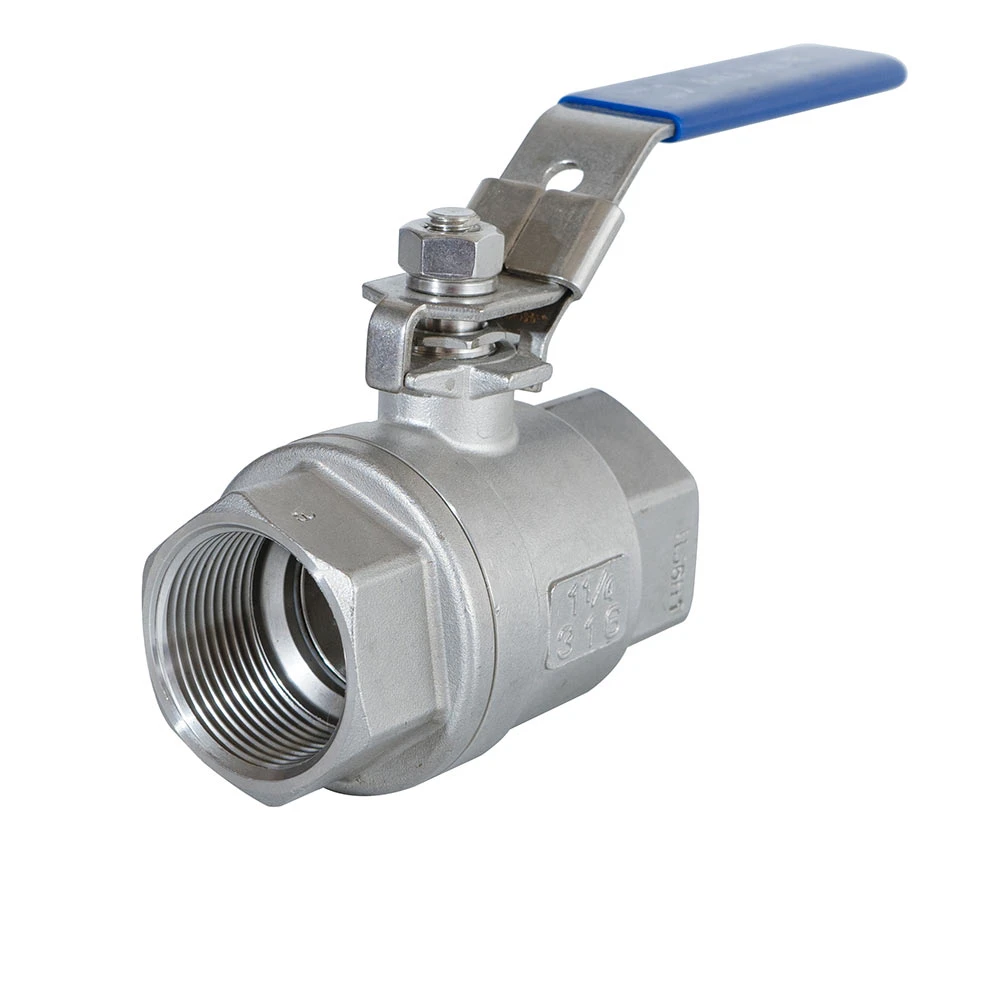
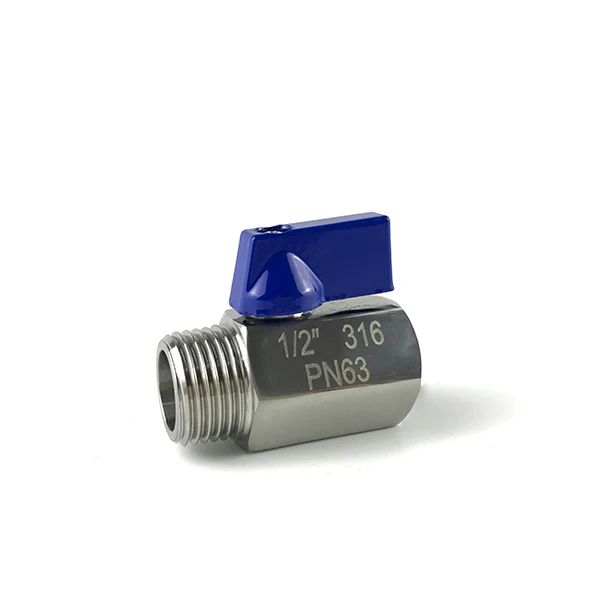
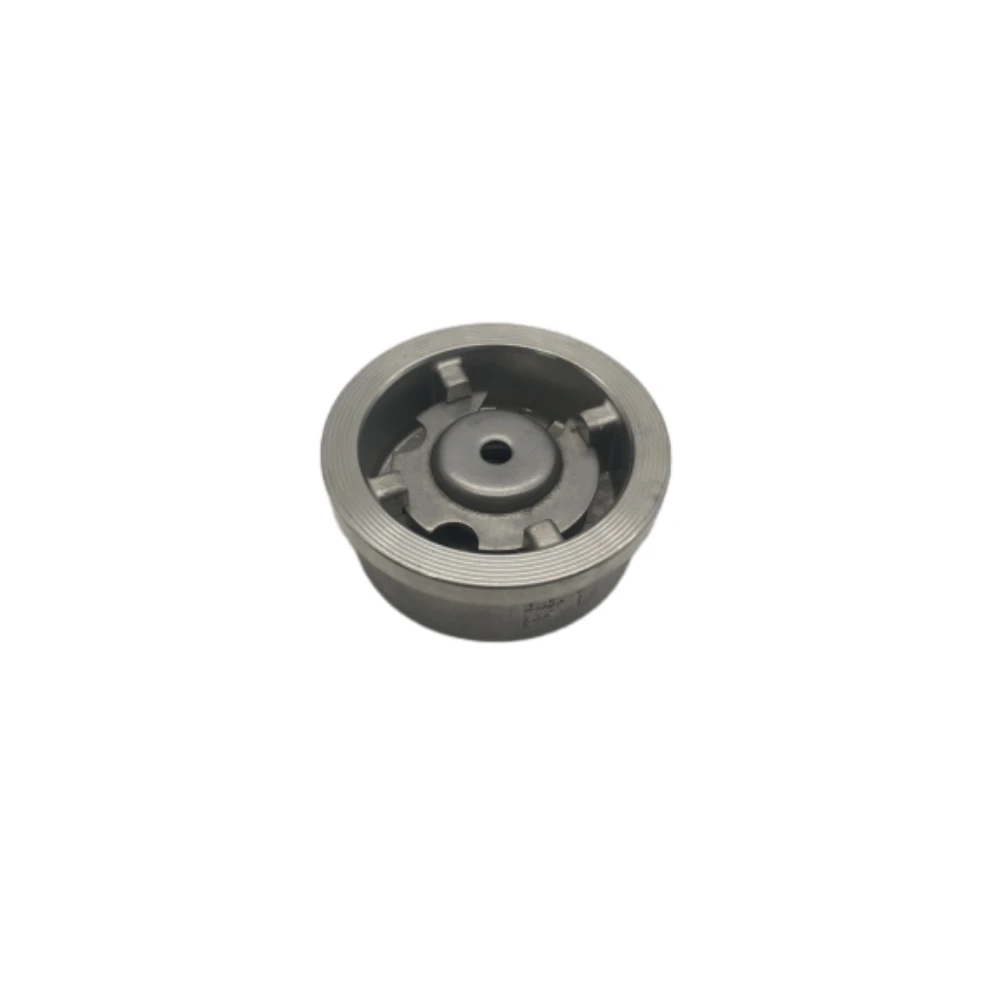
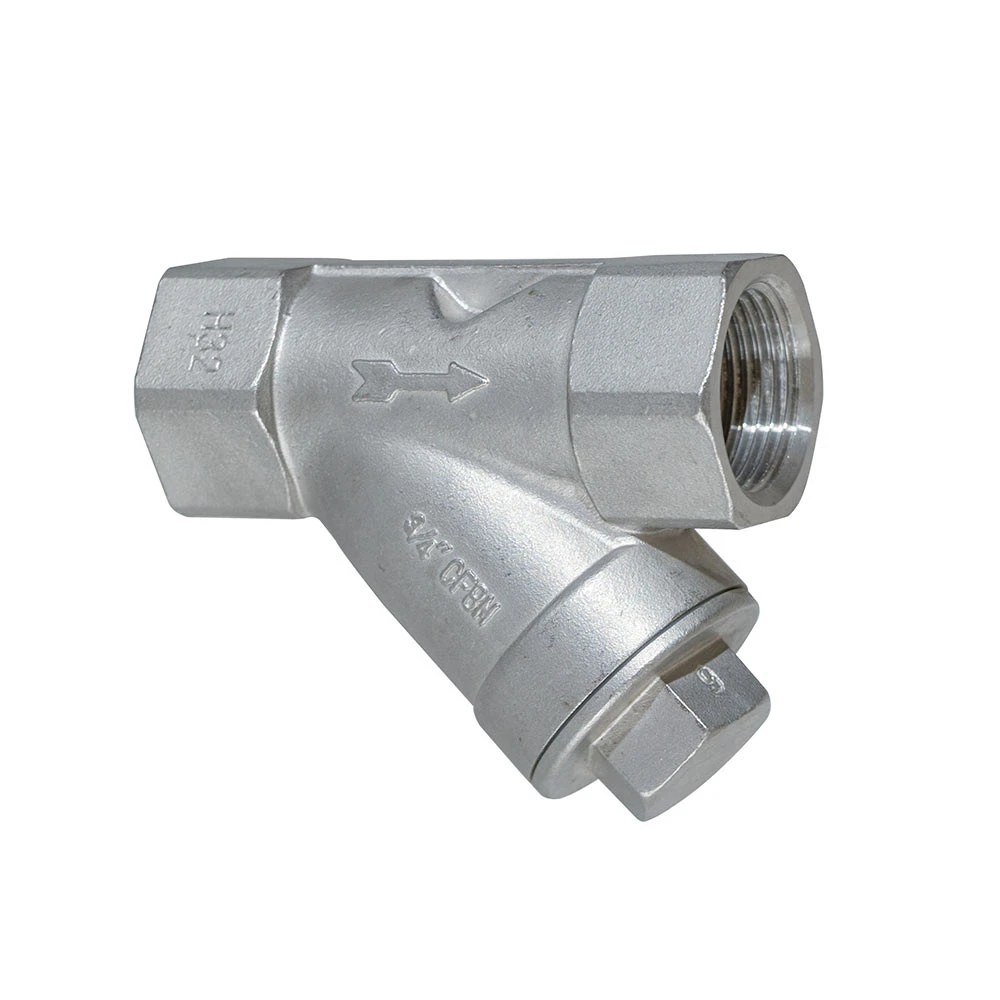
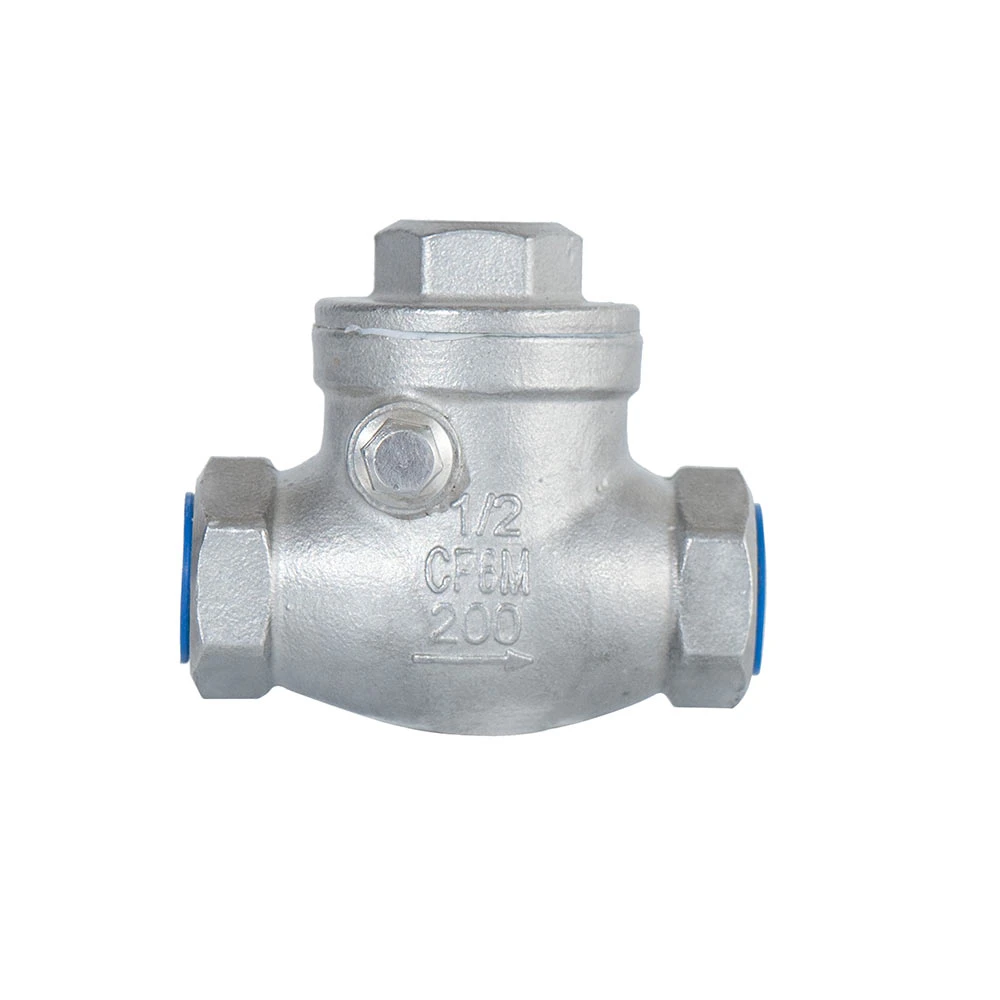
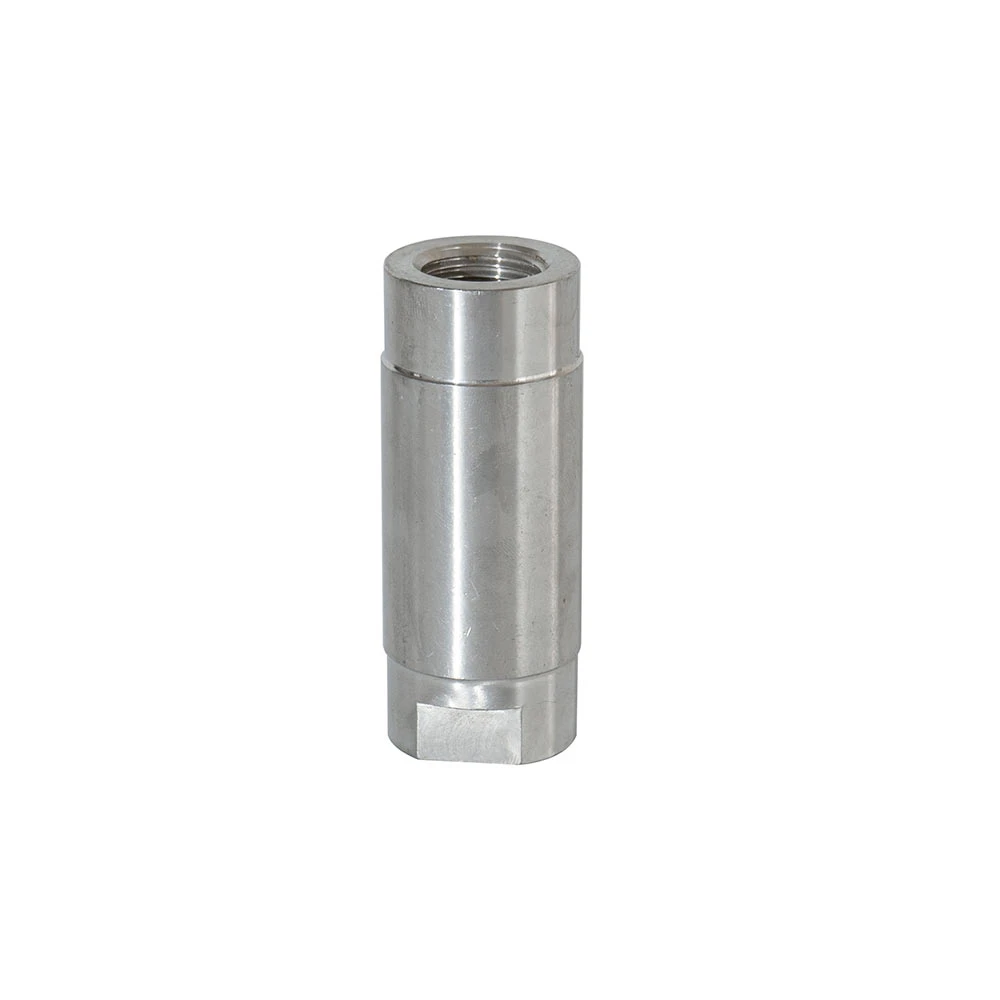
Selecting the right vertical spring check valve means matching its body structure, material, sealing type, and spring mechanism to the actual working conditions of your pipeline system. This guide walks through the key selection criteria — flow direction requirements, body construction, sealing materials, medium compatibility, and maintenance access — and maps them to three distinct vertical spring check valve designs available from Cangzhou Houde Stainless Steel Products Co., Ltd.: the 1 PC, 2 PC, and Y-type configurations.

Vertical flow orientation and installation direction: the valve must be installed in a vertical pipeline with the disc shaft perpendicular to the ground and the body arrow aligned with flow; spring-assisted closure compensates for the absence of gravity-driven closing in upward-flow systems.
Body construction and maintenance access: 1 PC single-casting eliminates leakage joints and suits permanent installations; 2 PC split-body simplifies internal access for periodic servicing in demanding conditions; Y-type minimises pressure drop and suits space-constrained or energy-sensitive systems.
Sealing material and medium compatibility: rubber (NBR/EPDM), PTFE, or metal hard sealing surfaces must be selected to match the conveyed medium — water, oil, steam, corrosive liquids, or high-temperature/high-pressure fluids; body material (cast steel WCB, stainless steel 304/316L, bronze) must similarly suit the operating environment.
What Is a Vertical Spring Check Valve?
A vertical spring check valve is an automatic, self-actuating valve installed in vertical pipelines to allow fluid flow in one direction only. Unlike gravity-dependent check valves, it uses a precision-engineered internal spring to assist disc closure, enabling reliable shut-off even at low flow rates or in low-pressure environments where gravity alone may be insufficient.
The spring mechanism closes the disc quickly when forward flow slows or stops, preventing reverse flow and the pressure surges — commonly called water hammer — that can damage pumps, compressors, and downstream equipment. Because the entire operation is automatic and requires no external control, a vertical spring check valve is a low-maintenance protective component in a wide range of fluid systems.
Key Selection Criteria
1. Vertical Flow Orientation and Installation Direction
The defining characteristic of this valve category is its suitability for vertical pipelines where fluid travels upward. The valve disc shaft must be perpendicular to the ground during installation, and the directional arrow on the valve body must align with the medium's flow direction. If your pipeline runs horizontally or at an angle, a different check valve orientation is required.
For vertical systems specifically, the spring-assisted closure is critical: it compensates for the absence of gravity-assisted closing that a horizontally installed swing check valve would rely on.
2. Body Construction: 1-Piece vs. 2-Piece vs. Y-Type
Body construction determines structural integrity, installation footprint, and ease of maintenance:
- 1 PC (integrated / one-piece) body — A single-casting design with no connection gaps. This eliminates internal leakage points and delivers high overall strength. It is well-suited for permanent installations where pipeline disassembly is infrequent and structural compactness is the priority.
- 2 PC (two-piece) body — A split-body construction that makes internal access straightforward. The two-piece format simplifies disassembly for inspection, cleaning, or component replacement, reducing downtime in systems that require periodic servicing or run under harsh operating conditions.
- Y-type body — A streamlined Y-profile that minimises pressure loss through the valve. This configuration is particularly suited to applications where system energy efficiency is a priority and where space constraints favour a compact inline profile.
3. Sealing Material and Medium Compatibility
The sealing surface material must match the conveyed medium:
| Sealing Type | Typical Media Suitability |
|---|---|
| Rubber (NBR) | Water, oils, mild petroleum products |
| Rubber (EPDM) | Hot water, steam, HVAC media |
| PTFE | Chemical liquids, mildly corrosive fluids |
| Metal hard seal | High-pressure steam, abrasive or high-temperature media |
For the main valve body, cast steel (WCB) suits general industrial fluids, while stainless steel grades (304, 316L) are selected for corrosive liquids, food-grade applications, pharmaceutical systems, and environments requiring enhanced corrosion resistance. The 2 PC valve is also available in bronze, widening the material options for marine or HVAC contexts.
4. Operating Environment: Pressure, Temperature, and Vibration
The spring-loaded disc responds quickly to pressure changes, making these valves effective in low-pressure environments where gravity-only designs may not close reliably. However, installations should avoid locations with strong mechanical vibration or frequent pump start-stop cycles. If vibration is unavoidable, pipeline supports should be added to reduce stress on the valve body.
Regular spring performance checks — recommended at one-to-two-year intervals — help confirm that the spring retains sufficient force to close the disc promptly over the valve's service life.
5. Maintenance Access Requirements
All three body designs support maintenance without full pipeline disassembly, but the access pathway differs:
- 1 PC body: The integrated structure allows online inspection and valve disc replacement without removing the valve from the pipeline.
- 2 PC body: The split body provides the most straightforward access for component-level inspection, making it preferable where scheduled maintenance intervals are short or where internal fouling is a concern.
- Y-type body: Designed with ease of vertical installation and inspection in mind; many configurations accommodate threaded or flanged end connections to suit different piping systems.
Which Valve Configuration Fits Your Application?
1 PC Spring Vertical Check Valve — Best for Permanent, High-Strength Installations
The 1 PC Spring Vertical Check Valve uses an integrated single-casting body with no assembly joints. This structure eliminates internal leakage points and delivers high structural integrity, making it suitable for applications where pipeline integrity is paramount and installation is long-term. Its low opening pressure and optimised flow channel reduce energy consumption and pressure drop across the valve.
Typical applications: Municipal water supply and drainage pump station outlets, boiler feedwater lines, cooling circulation systems, oil and gas transport pipelines, and building HVAC water systems.
When to choose it: Your pipeline is permanently routed, disassembly is infrequent, and you prioritise sealing integrity and structural strength over frequent access.
2 PC Spring Vertical Check Valve — Best for Maintainability and Harsh Conditions
The 2 PC Spring Vertical Check Valve features a two-piece body that can be separated for servicing without cutting into the pipeline. It retains all the core advantages of spring-loaded vertical check valves — quick closure, low cracking pressure, and high sealing reliability — while adding practical maintenance access. Materials including stainless steel, brass, and bronze extend its compatibility to a broad range of fluids and operating environments.
Typical applications: Water treatment facilities, HVAC systems requiring regular service, chemical processing lines, industrial fluid systems in corrosive or demanding environments.
When to choose it: Your system schedule includes planned maintenance windows, internal components require periodic inspection or cleaning, or operating conditions (media, temperature, corrosion) are demanding.
Y Spring Vertical Check Valve — Best for Energy Efficiency and Space-Constrained Systems
The Y Spring Vertical Check Valve is built around a compact Y-profile that streamlines flow through the valve body, minimising pressure drop and improving system energy efficiency. The built-in spring ensures reliable closure at low flow rates. Its inline vertical design integrates cleanly into upward-flow pipelines where horizontal space is limited, and it is available in a range of materials — including stainless steel, bronze, cast iron, and PVC — to serve corrosive, high-temperature, or specialised process media.
Typical applications: Petrochemical and pharmaceutical pipelines, food and beverage processing systems, wastewater treatment, HVAC water circuits, and any vertical application where minimising pressure loss is a design requirement.
When to choose it: System energy efficiency and low pressure drop are high priorities, or the installation environment demands a compact footprint and material flexibility for corrosive or specialised fluids.
Installation Checklist for Vertical Spring Check Valves
Before commissioning a vertical spring check valve, confirm the following:
- Flow direction — The arrow on the valve body aligns with the intended medium flow direction.
- Orientation — The valve is installed vertically with the disc shaft perpendicular to the ground.
- Vibration assessment — The installation location is free from strong mechanical vibration or frequent start-stop cycles; supports are added if needed.
- Medium compatibility — The sealing material and body material are confirmed against the conveyed medium (type, temperature, concentration).
- Maintenance access — The valve body construction matches the planned maintenance schedule and access constraints of the installation.
Summary: Matching the Valve to the Job
A vertical spring check valve is a sound choice for any upward-flow pipeline system that needs automatic, low-maintenance backflow prevention with reliable closure at varying flow rates. The selection decision centres on four practical questions:
- Body construction — Is single-cast strength (1 PC) or disassembly access (2 PC) more important for this installation?
- Material — Does the medium require stainless steel, bronze, or another body and sealing material?
- Pressure drop priority — Is a Y-profile flow path needed to minimise energy loss?
- Maintenance schedule — How frequently will the valve be inspected, and how easily must internal components be reached?
Cangzhou Houde Stainless Steel Products Co., Ltd. offers the 1 PC, 2 PC, and Y Spring Vertical Check Valve configurations to address these working requirements across municipal, industrial, energy, and HVAC pipeline systems.
THE PEOPLE

About the author
THE COMPANY
Cangzhou Houde Stainless Steel Products Co., Ltd.
Cangzhou Houde Stainless Steel Products Co., Ltd. was established in 2010 and is located in Cangzhou, Hebei Province, China. It is a professional enterprise engaged in the research, development, production, and sales of stainless steel products. The company is equipped with advanced production equipment and a top-notch technical team, dedicated to providing high-quality stainless steel valves, fittings, pipes and other products widely used in the petroleum, chemical, construction, and food industries.…
About Us ↗Visit company website ↗YOUR NEXT STEP
Bring your brief. Start a useful conversation.
Use case, specification, quantity and delivery window: make the next conversation specific.