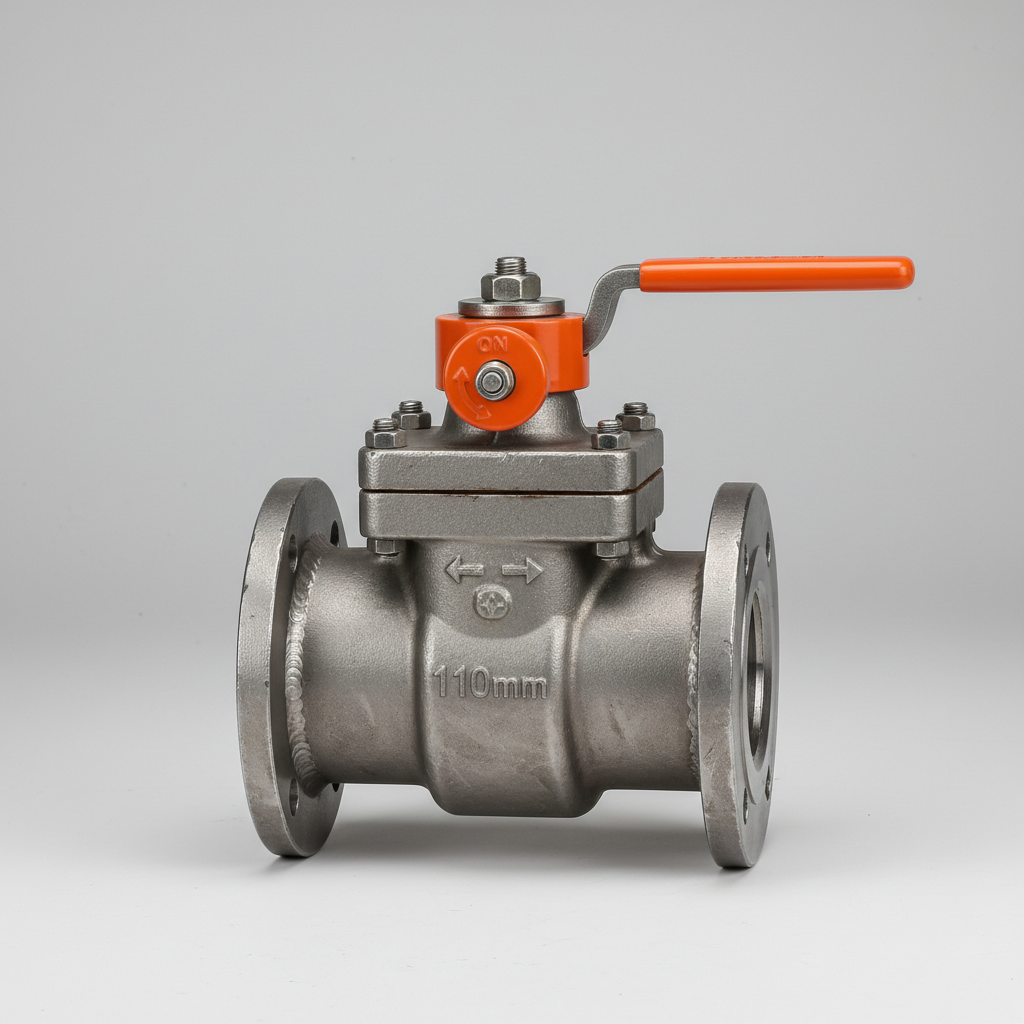
Understanding the 1 1/2 Inch Y Strainer: Essential Insights and Global Impact
Strainers might sound like humble components tucked away in piping systems, but the 1 1/2 inch Y strainer is a quietly pivotal piece of industrial equipment worldwide. From protecting pumps and valves to ensuring smooth fluid flow, the significance of understanding this small yet critical device cannot be overstated. Its design and utility offer major advantages in everything from manufacturing plants to humanitarian water supply systems—wherever clean fluid flow is paramount.
Introduction: Global Relevance of the 1 1/2 Inch Y Strainer
Globally, industries grapple with equipment maintenance costs and system downtime that can reach billions annually. In fact, the International Organization for Standardization (ISO) acknowledges that protecting mechanical parts from debris is essential across sectors, including water treatment, petrochemical refining, and municipal services. The 1 1/2 inch Y strainer specifically addresses these challenges by filtering out particles in pipelines sized for moderate flow rates, preventing costly damage.
Oddly enough, despite its simplicity, the Y strainer plays a key role in enabling equipment longevity and sustainable operations. Given expanding urban infrastructures and the push for cleaner water distribution globally (per UN water development reports), such strainers are becoming ever more critical components.
Definition & Meaning: What Exactly is a 1 1/2 Inch Y Strainer?
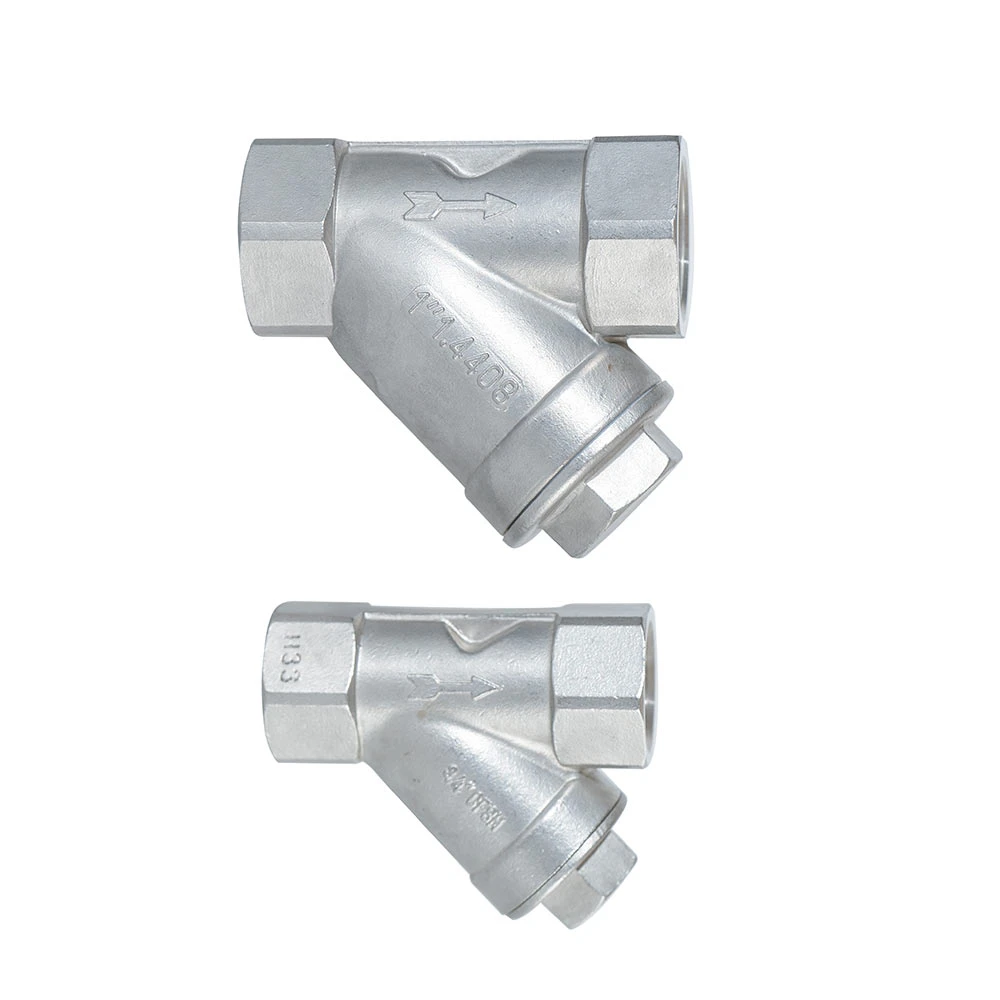
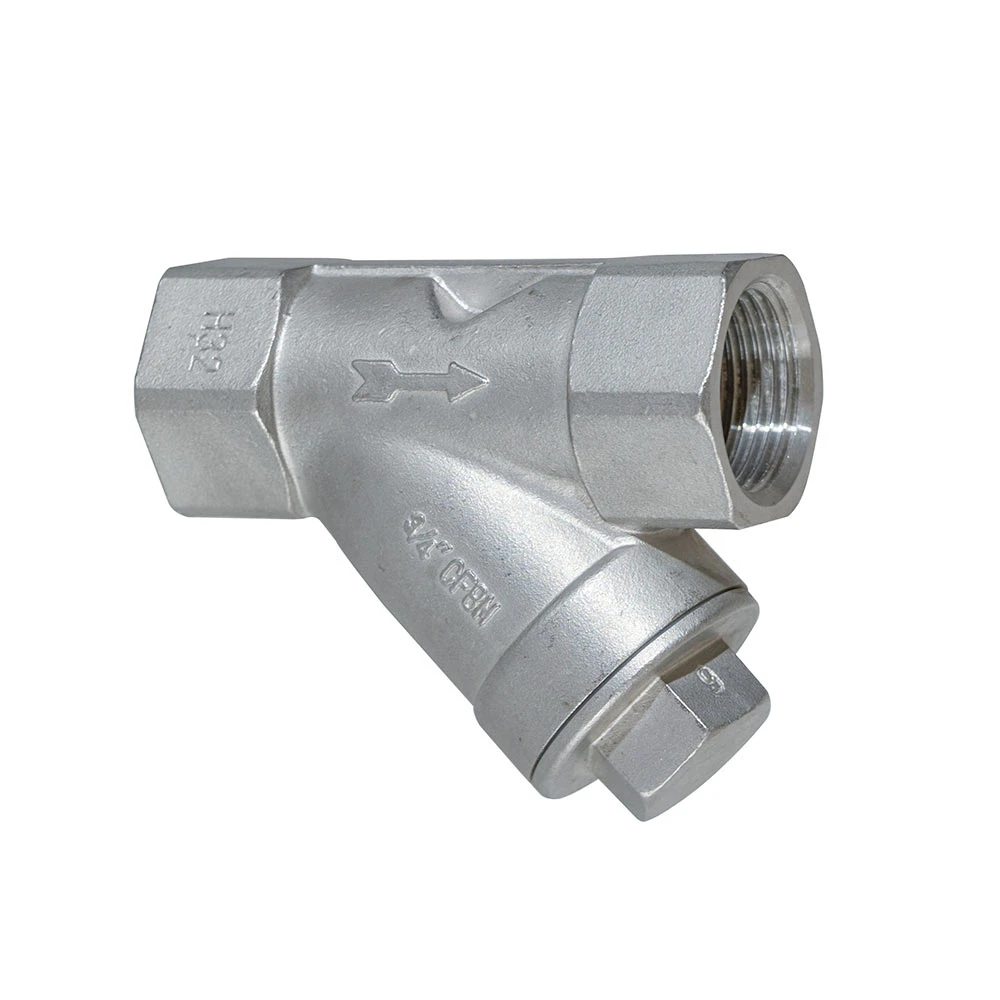
Simply put, a 1 1/2 inch Y strainer is a mechanical filtration device used in piping systems to “strain” or trap solids from liquids or gases flowing through a 1.5-inch diameter pipeline. Its distinctive Y-shaped casing houses a mesh screen that captures debris, allowing only clean fluid to continue downstream.
This modest device helps maintain smooth industrial processes by safeguarding valuable components like pumps, meters, and valves. In humanitarian contexts, such as clean water delivery in remote or disaster-hit areas, it ensures the purity and reliability of flow without complex filters or consumables.
Key Factors of the 1 1/2 Inch Y Strainer
Durability and Material Choices
Most Y strainers are crafted from stainless steel or cast iron to withstand corrosion and mechanical wear. For the 1 1/2 inch size, these materials strike a good balance between strength and weight—perfect for varied environments including chemical plants and water treatment.
Filtration Efficiency
The mesh size in the strainer determines which particles get trapped. Fine screens might capture particles as small as 40 microns but require more frequent cleaning, whereas coarser screens extend maintenance intervals but allow larger debris through. Selecting the right mesh is a subtle engineering decision depending on fluid viscosity and contamination levels.
Pressure Loss and Flow Rate
Introducing any form of filtration causes pressure drop and can impact flow. The design of the Y strainer attempts to keep this as low as possible, but operators must balance filtering capacity against system performance—all very practical concerns when uptime matters.
Ease of Maintenance
One of the beauties of the Y strainer is its straightforward access to the screen for cleaning or replacement, often without removing the entire unit from the pipeline. This aspect not only reduces downtime but also cuts labor costs.
Cost Efficiency
While initial investment is low compared to complex filtration systems, choosing a reliable 1 1/2 inch Y strainer ensures longer life and fewer unexpected repairs. Frankly, it’s a classic example of “cheap in, cheap out” — good quality pays off in the long run.
| Parameter | Typical Value |
|---|---|
| Nominal Pipe Size | 1.5 inch (40 mm) |
| Material | Stainless steel / Cast iron |
| Max Pressure | 150 psi (approx.) |
| Mesh Size | 40–100 mesh (150–370 microns) |
| Connection Type | Threaded or flanged |
| Typical Weight | 3–5 kg |
Global Applications & Use Cases
The use of a 1 1/2 inch Y strainer spans various industries and geographies:
- Water Treatment Plants: Ensures downstream systems get debris-free water, critical for municipal and rural supplies.
- Oil & Gas: Filters sediments protecting pumps in extraction and refining processes, vital in harsh environments like the Middle East or offshore rigs.
- Food & Beverage Industries: Used to maintain cleanliness and avoid contamination in production lines across Europe and North America.
- Post-Disaster Relief: NGO water systems deployed after floods or earthquakes often integrate these strainers to guarantee safe fluid flow.
For example, in remote mining operations in Australia, engineers rely on compact strainers like these to maintain system efficiency where maintenance resources are scarce.
Advantages & Long-Term Value
The practical advantages range widely—from cost savings on repairs to ensuring the safety of valuable equipment. On an emotional level, there’s peace of mind knowing your system is protected from invisible threats. It’s sort of like a silent guardian inside your pipes.
Long term, using quality Y strainers contributes to resource efficiency and sustainability goals by reducing waste and equipment replacements. Many CEOs I’ve spoken to highlight how these small components punch above their weight in ROI.
Future Trends & Innovations
Looking ahead, manufacturers are exploring advanced materials like composite alloys for even greater corrosion resistance, and 3D printing techniques to customize mesh designs for optimal filtering.
There is also a growing trend integrating sensors into strainers for digital monitoring—early alerts on clogging could vastly improve preventive maintenance. In the context of Industry 4.0 and green energy policies, these smarter components are poised to become indispensable.
Challenges & Solutions
Of course, no device is perfect. Frequent clogging in highly contaminated fluids can be a headache, as can corrosion in extreme chemical environments. However, expert operators mitigate these through periodic cleaning schedules, selecting appropriate materials, and sometimes installing parallel strainers for redundancy.
Innovations like automated self-cleaning strainers are also emerging, addressing manual maintenance burdens—though widely commercialized models for 1 1/2 inch sizes are still developing.
| Vendor | Material Options | Mesh Range | Price Range (USD) | Lead Time |
|---|---|---|---|---|
| Houde Valve | Stainless steel, Cast iron | 40-100 mesh | $80–120 | 2–3 weeks |
| Valvex Co. | Alloy Steel | 50-120 mesh | $90–130 | 3–4 weeks |
| PipeGuard Ltd. | Cast Iron, Bronze | 40-80 mesh | $70–110 | 1–2 weeks |
FAQ: Frequently Asked Questions About 1 1/2 Inch Y Strainers
1. How do I choose the right mesh size for a 1 1/2 inch Y strainer?
The ideal mesh size depends on the fluid’s contamination level and tolerance for pressure drop. Finer mesh traps smaller particles but clogs faster, requiring more frequent cleaning. Assess your system’s debris profile and maintenance capabilities; often a 40–100 mesh works well for liquids with moderate sediment. Consulting with vendors like Houde Valve can help tailor your choice.
2. Can a 1 1/2 inch Y strainer handle corrosive fluids?
Yes, but material selection is key. Stainless steel is generally resistant to mild corrosion and suitable for many industrial fluids. For aggressive chemicals, specialty alloys or protective coatings may be necessary. Always inform suppliers about your fluid’s chemistry for proper recommendations.
3. How often should I clean or replace the screen inside a Y strainer?
This depends on operational conditions. High debris loads call for frequent inspection, possibly weekly, while cleaner systems may allow longer intervals. Monitor differential pressure across the strainer as an indicator—rising pressure signals clogging. Regular maintenance ensures reliability and extends overall system life.
4. Are threaded connections or flanged connections better for the 1 1/2 inch Y strainer?
Threaded connections offer easier installation and are cost-effective for smaller pipe sizes, including 1 1/2 inch. Flanged connections provide better sealing and easier maintenance for higher pressure systems or when frequent disassembly is expected. Your choice hinges on your system’s pressure, accessibility, and budget.
5. Where can I buy quality 1 1/2 inch Y strainers?
Several manufacturers supply reliable strainers; one reputable source is Houde Valve, known for quality and customizable options. Comparing vendors by material, mesh size, delivery, and price—as shown above—helps make an informed purchase.
Conclusion
Ultimately, the 1 1/2 inch Y strainer is one of those underrated heroes in fluid management systems. Its role in protecting equipment, improving reliability, and supporting sustainable operations across global industries is undeniable. Whether you’re managing a water plant, a manufacturing line, or a disaster relief water system, understanding the specs, benefits, and maintenance will pay dividends.
To explore top-quality 1 1/2 inch Y strainers and discover tailored solutions, visit our website and consult with seasoned experts.
Mini takeaway: The 1 1/2 inch Y strainer blends simplicity with efficiency, proving that even small components can have a global impact.