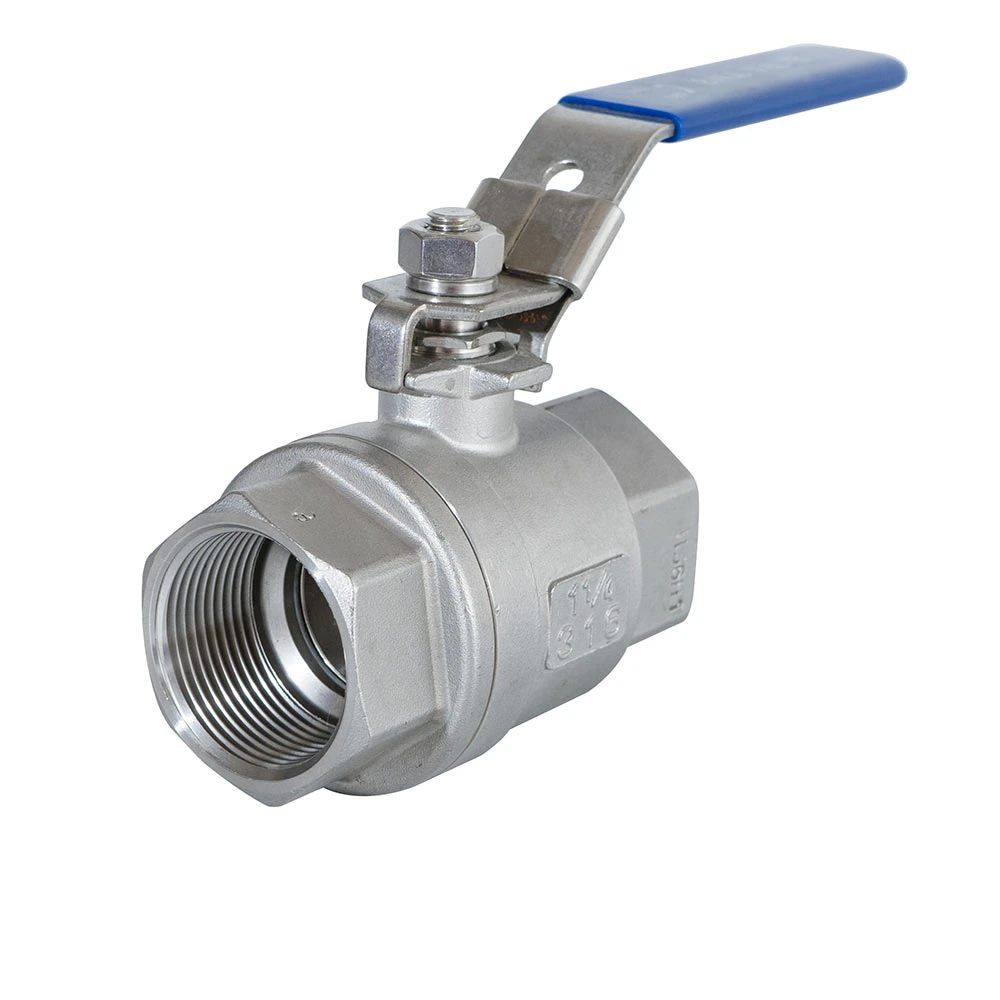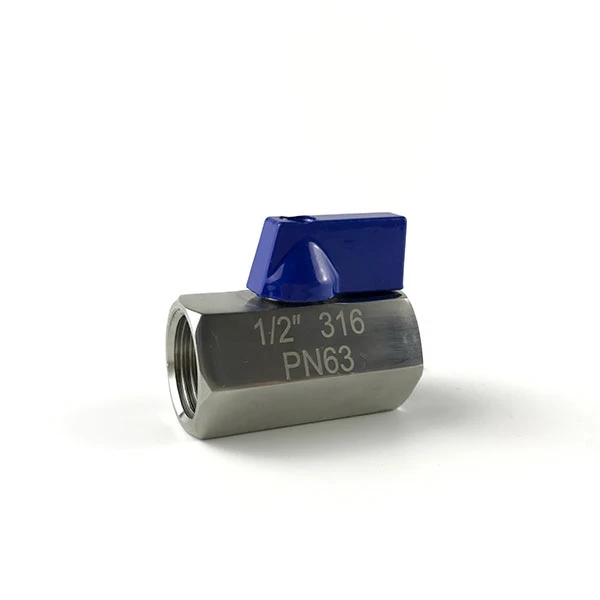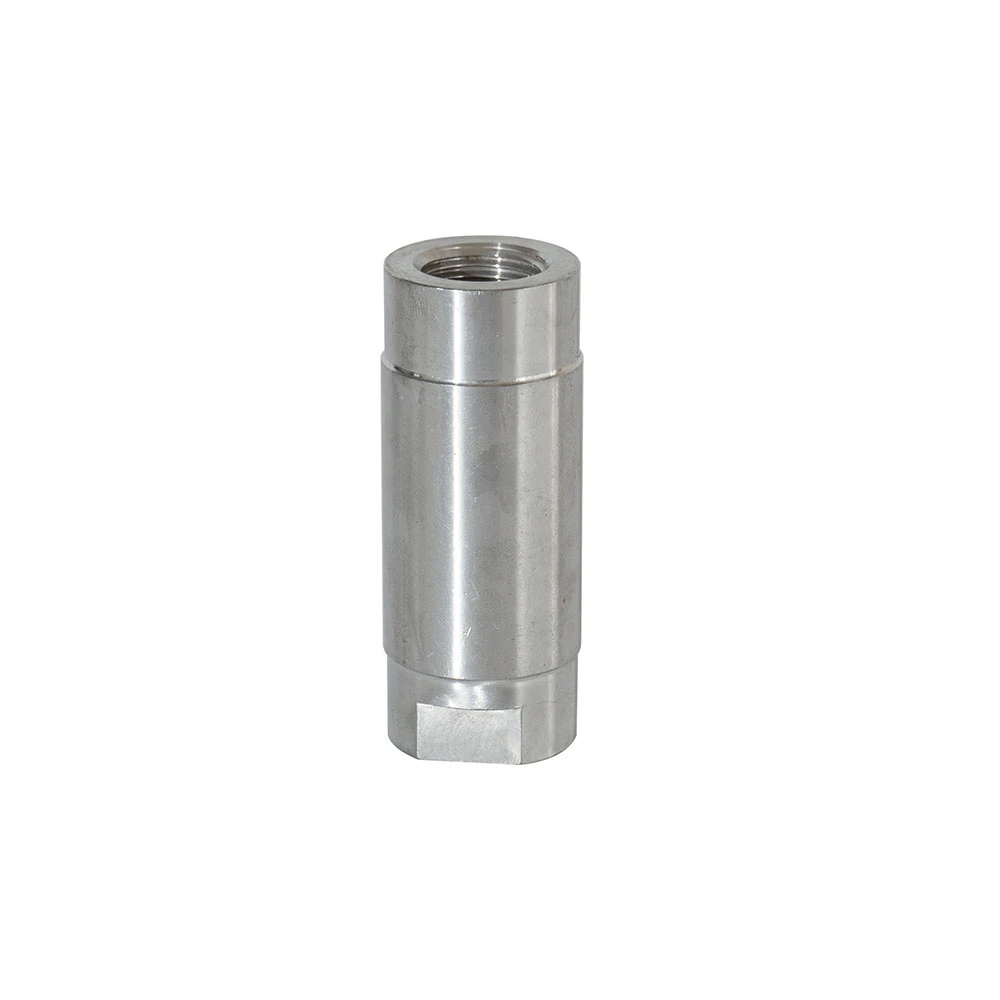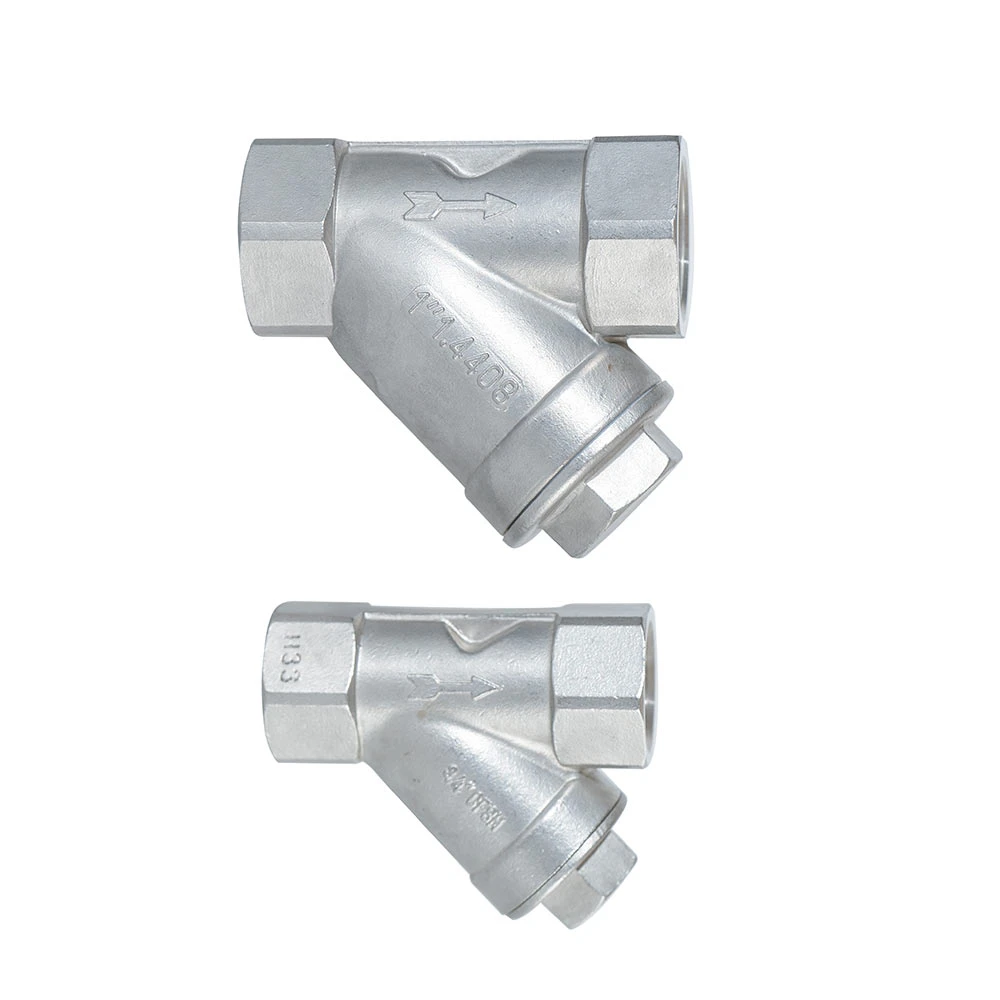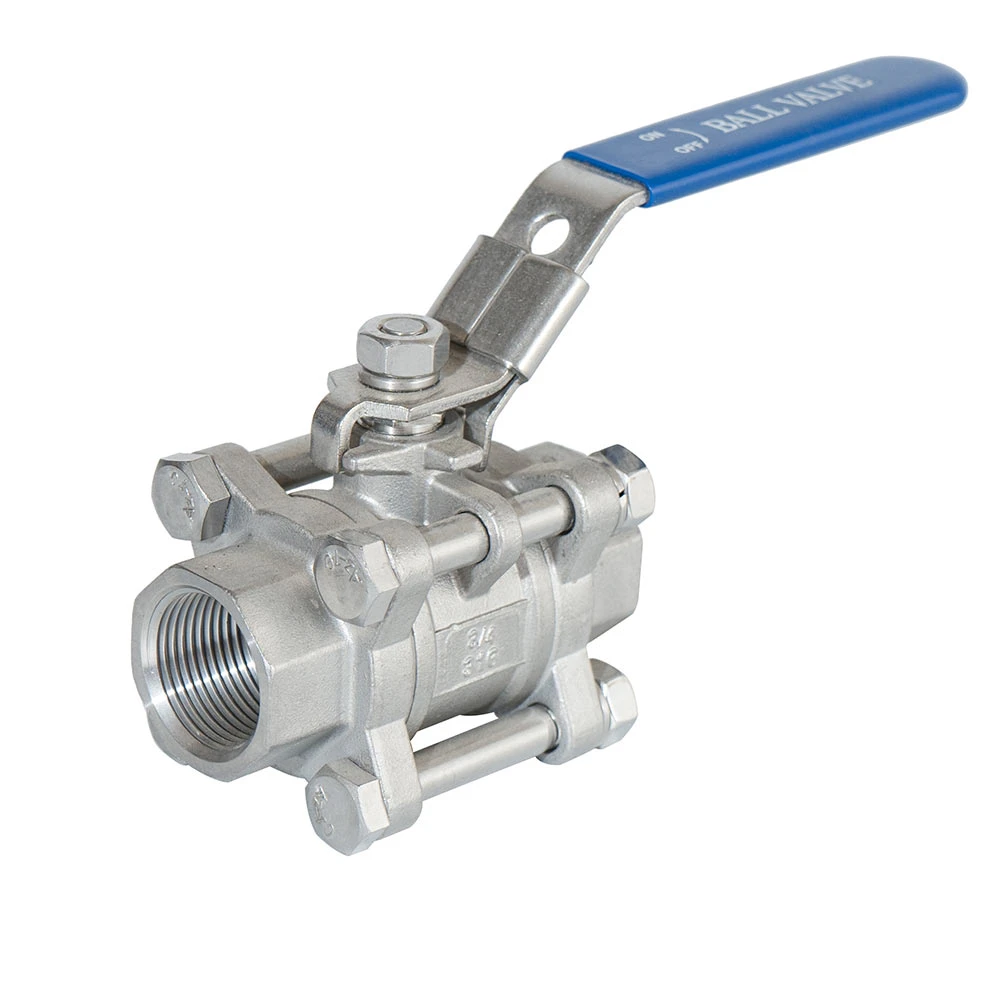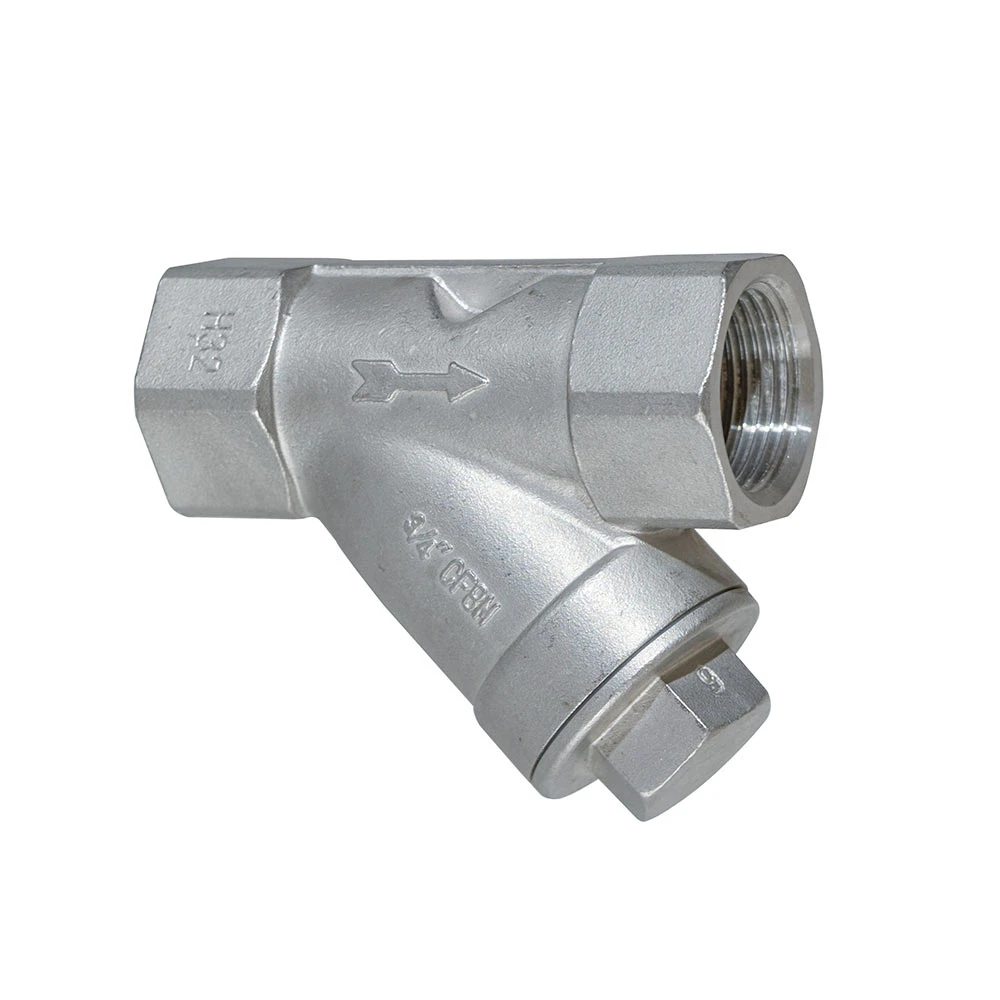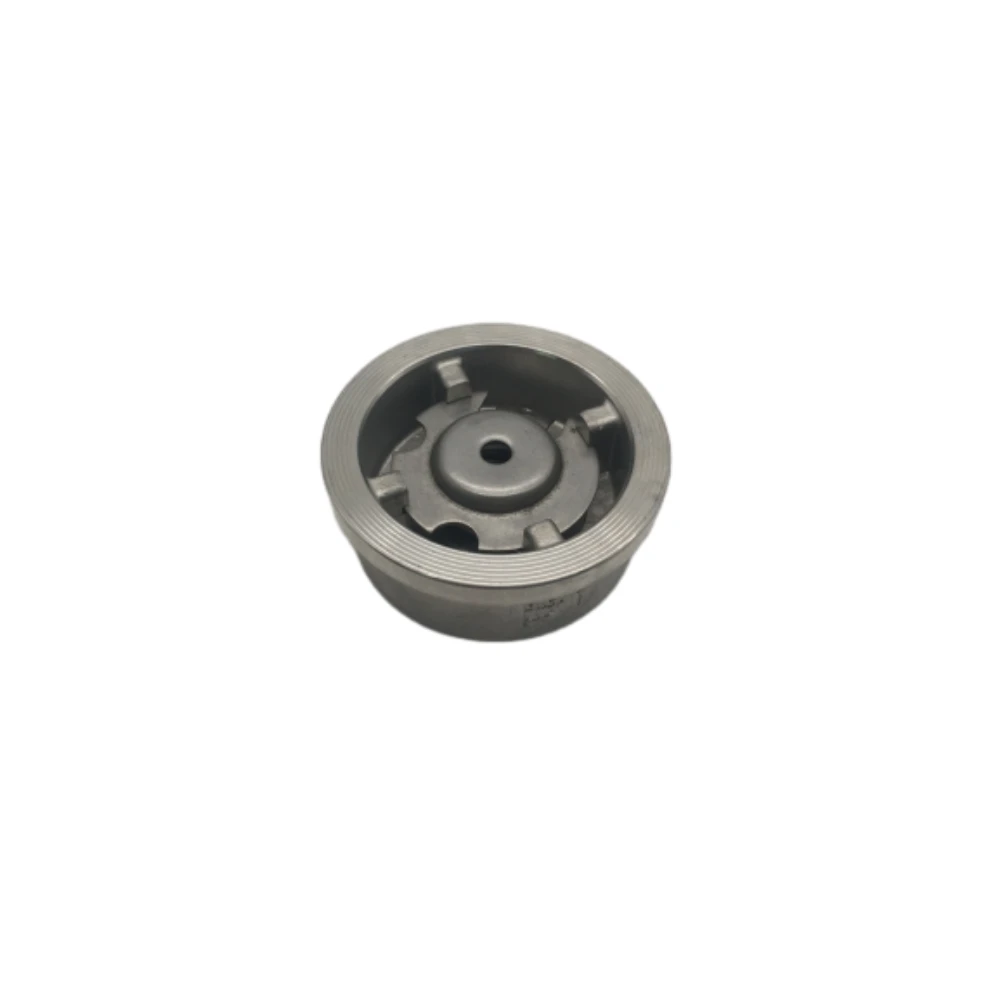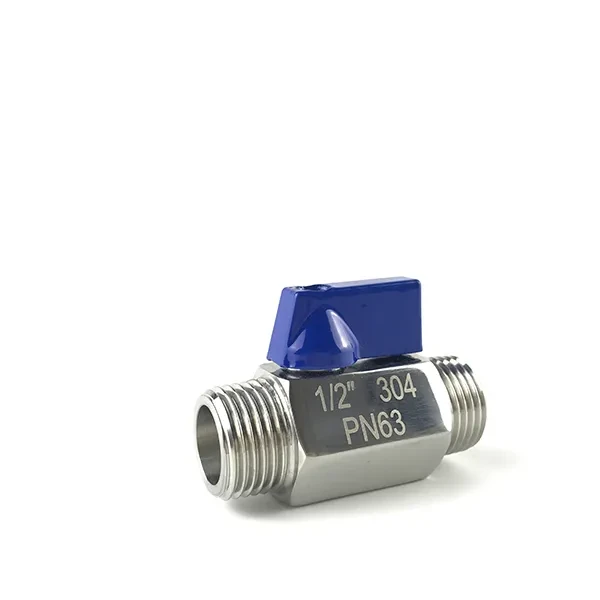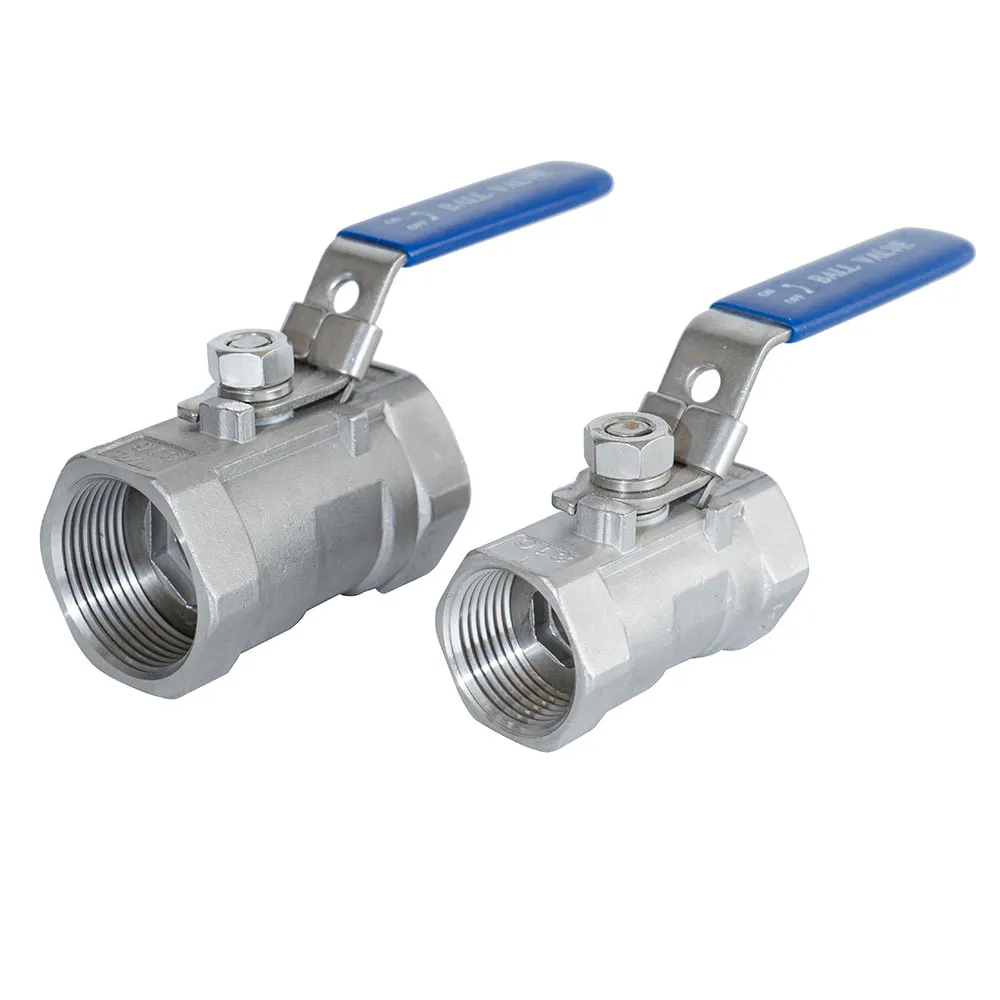
Understanding the 1 2 3 Way Valve: Why It Matters Globally
You might be surprised how such a seemingly simple device like a 1 2 3 way valve plays a pivotal role across industries worldwide—from oil and gas pipelines to water treatment plants and even innovative cooling systems. The valve’s ability to direct, mix, or shut off flows in precise ways makes it a backbone in global infrastructure. With the world increasingly driven by automation, green energy, and sustainable practices, knowing why these valves matter isn't just for engineers; it's crucial for anyone interested in how our modern systems keep running smoothly.
Valve market reports estimate billions of valves are in operation globally, handling everything from drinking water to complex chemical reactions. According to the International Organization for Standardization (ISO), improvements in valve technology contribute directly to energy savings and safety enhancements. Simply put, understanding 1 2 3 way valves is about appreciating how controlled fluid flow shapes our everyday lives and the industries that keep them humming.
The Global Role and Challenges of 1 2 3 Way Valves
Valve systems may sound low-tech compared to AI or blockchain, but they’re fundamental grist for the global mill. From statistics by the World Bank, global industrial water consumption has been skyrocketing, and valves like the 1 2 3 way type ensure precise control and distribution, avoiding waste and preserving vital resources.
One challenge valves consistently address is flow flexibility: industries demand systems that can switch flows quickly and reliably without downtime. For instance, petrochemical plants require switching between multiple fluid pathways safely to avoid costly shutdowns or accidents. The 1 2 3 way valve’s design meets these demands, allowing industries to optimize processes and reduce environmental impact.
In brief:
- Global industries rely on reliable fluid control amid rising resource pressures.
- 1 2 3 way valves provide solutions to flexible, safe flow management challenges.
Defining the 1 2 3 Way Valve: What Is It?
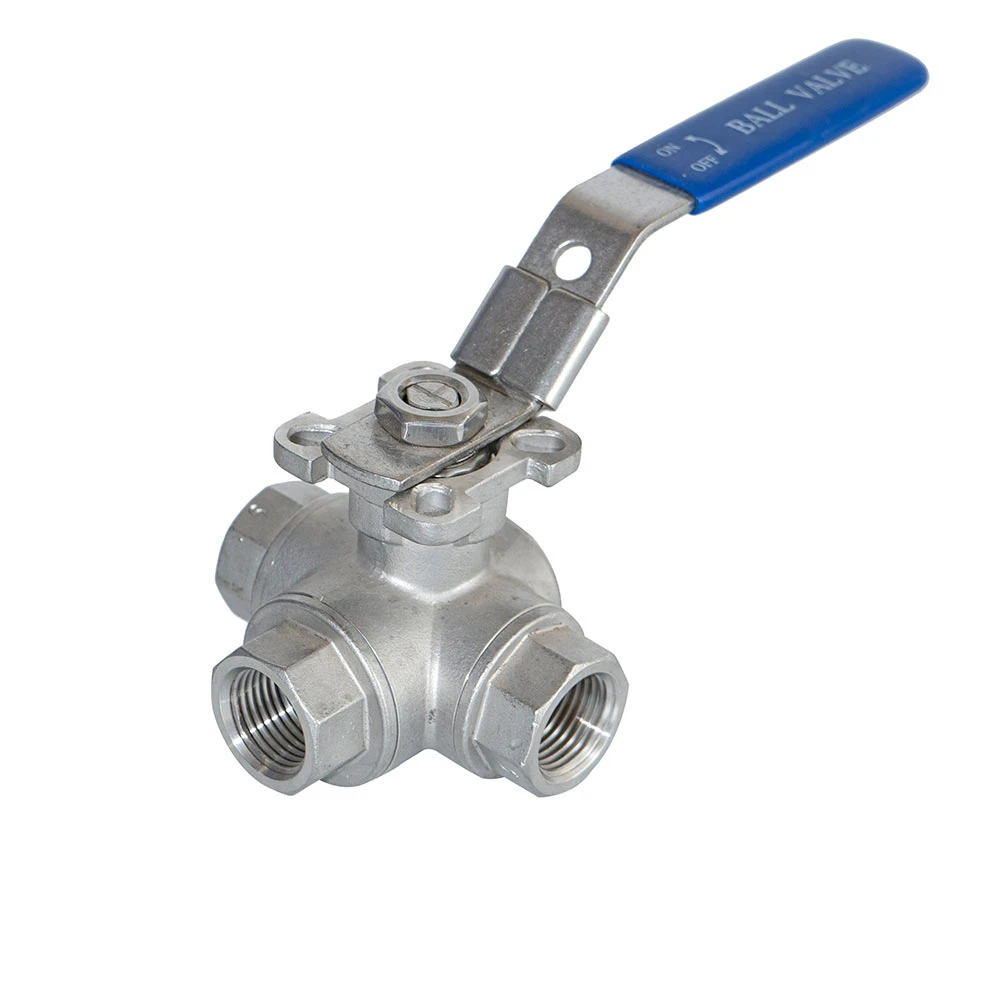
Simply put, a 1 2 3 way valve is a valve designed with three ports and two or three flow paths, providing options to divert, mix, or stop fluids. The different 'ways' refer to the number of flow paths inside the valve. The "1" and "2" usually indicate the input/output ports, while the "3 way" describes valves that connect or disconnect one flow path among three possibilities.
Why does this matter? Imagine a heating system where water flow needs switching between different radiators, or a chemical process where precise mixing of fluids is critical—such valves make complex fluid routing manageable. They’re used everywhere from massive industrial plants to municipal waterworks and agriculture irrigation systems.
Core Components and Key Features of 1 2 3 Way Valves
1. Durability and Material Selection
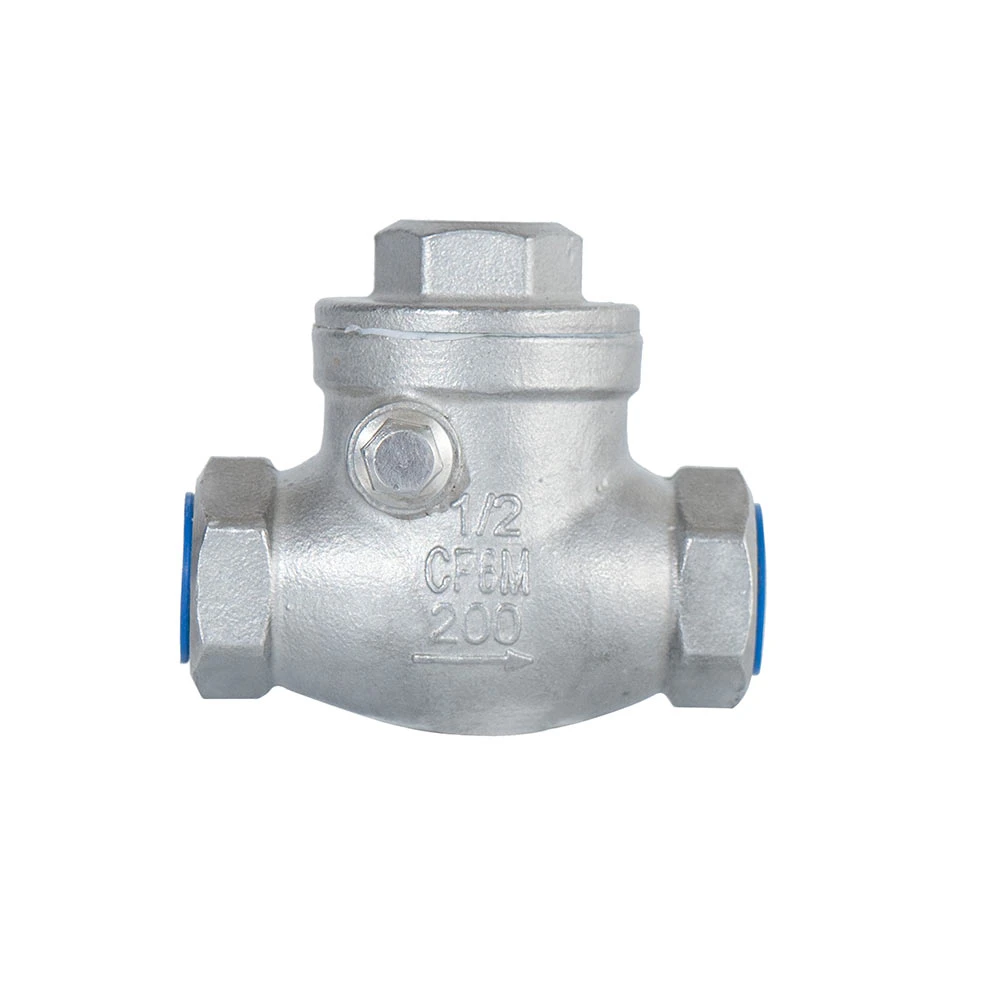
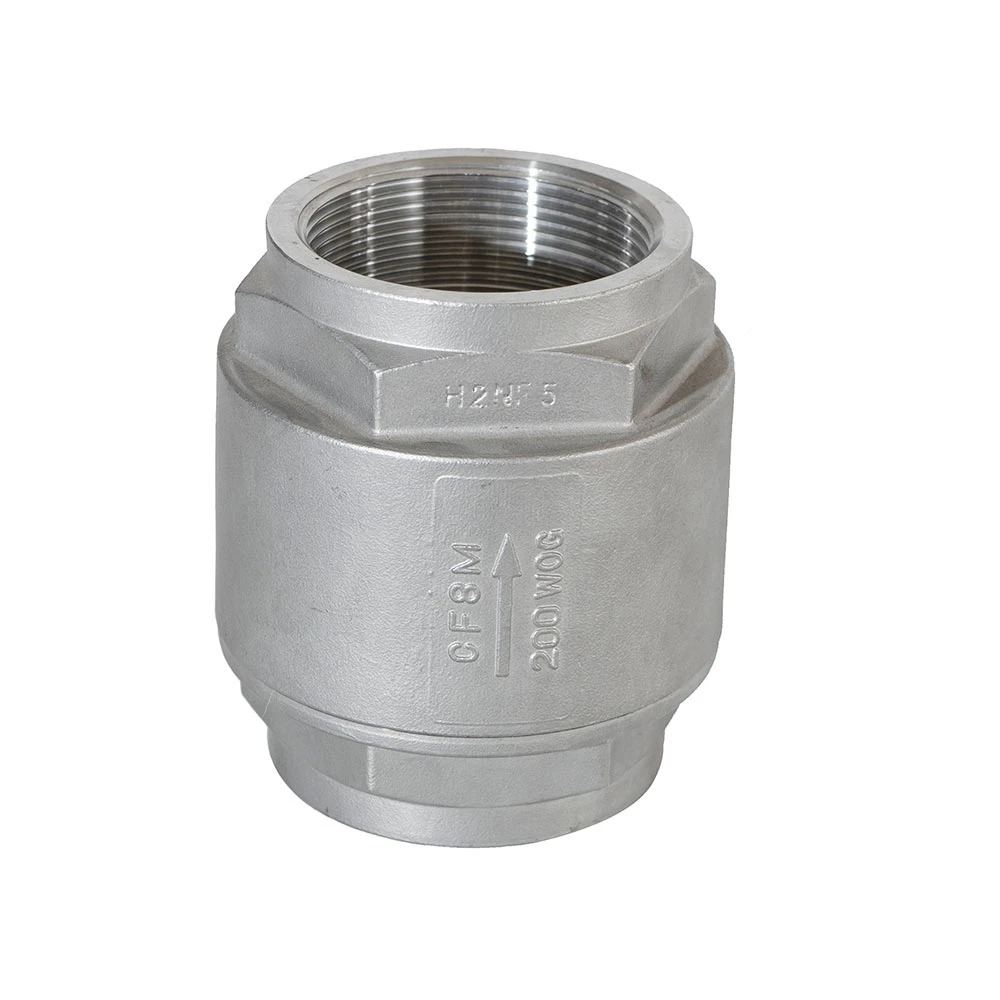
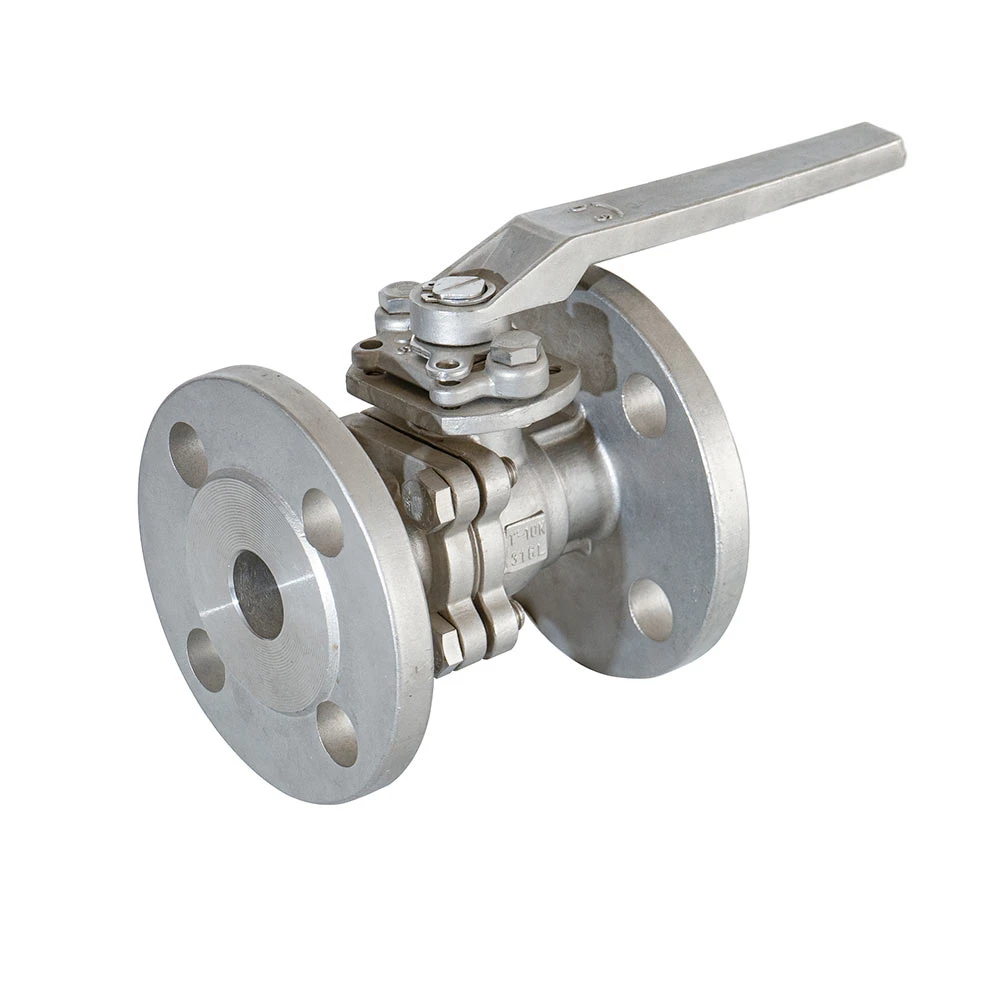
These valves often handle harsh chemicals, high pressures, and extreme temperatures. As a result, they use materials such as stainless steel, brass, or specialized polymers. In salty or corrosive environments, material choice becomes mission-critical, since valve failure would cause expensive repairs or downtime.
2. Port Configuration and Flow Paths
Typical 3-way valves come in L-port or T-port configurations, allowing different flow patterns — either diverting flow from one inlet to multiple outlets or mixing two inputs into one output. Understanding these internal paths helps users select the right valve type for a specific system.
3. Operation Mechanism
Actuation methods vary — manual handles for simple setups, electric actuators for automation, or pneumatic/hydraulic for industrial scale operations. The choice affects response time, precision, and maintenance level.
4. Sealing and Leakage Prevention
Valves must create a tight seal to avoid leaks and maintain system integrity. Advanced seat designs, gaskets, and packing materials ensure minimal leakage and extended service intervals.
1 2 3 Way Valve Specifications: A Quick Reference Table
| Feature | Details |
|---|---|
| Valve Type | Ball, Plug, Butterfly |
| Materials | Stainless Steel, Brass, PVC |
| Port Size Range | ½" to 6” (DN15 to DN150) |
| Pressure Rating | Up to 10,000 psi (689 bar) |
| Temperature Range | -40°C to +200°C |
| Actuation | Manual, Electric, Pneumatic |
Global Applications & Real World Examples
Manufacturing hubs from Germany to Japan use 1 2 3 way valves for automated assembly line cooling systems. Oddly enough, these versatile valves are critical in remote freshwater treatment facilities in sub-Saharan Africa, where they help distribute clean water efficiently despite infrastructure challenges.
In post-disaster relief operations — where temporary but reliable fluid management is vital — NGOs employ modular valve systems for sanitation and water supply setups. These valves' reliability ensures communities can quickly regain safe water access.
Industries and Regions profiting most:
- Oil & Gas: switching between crude pipelines or injecting chemicals.
- Food & Beverage: mixing ingredients or redirecting flows hygienically.
- Wastewater Treatment: diverting flows for processing and recycling.
- Renewable Energy: in solar thermal plants and hydroelectric systems.
Advantages & Long-Term Value
Devoted engineers often praise these valves for their:
- Cost Efficiency: Fewer valves needed by combining flow paths.
- Sustainability: Precise control reduces waste and emissions.
- Reliability: Long service life lowers maintenance frequency.
- Safety: Minimized leakage mitigates environmental risks.
On a more human scale, improved reliability in water treatment means better health and dignity for millions. Plus, in industrial settings, it fosters workers' trust in their equipment—something that is often overlooked but critical to smooth operations.
Emerging Trends & Innovations
Digital transformation has swept into valve markets: smart 1 2 3 way valves now come with sensors that enable remote monitoring, predictive maintenance, and integration into IoT networks. Materials science continues to contribute with novel composites that are lighter but tougher, resisting corrosion without hefty costs.
Environmental regulations push manufacturers to develop valves with lower fugitive emissions. Furthermore, robotic actuators and 3D-printed valve components hint at a near future where bespoke valve solutions are delivered faster and adapted for specialized tasks.
Challenges & How Experts Are Tackling Them
Despite advantages, 1 2 3 way valves face hurdles:
- Complexity in sealing multiple flow paths without leaks.
- Cost implications for high-spec materials or actuation.
- Standardization struggles across varying international specs.
Innovative sealing materials and modular designs allow easier repairs and customization. Global initiatives, aided by ISO standards, help harmonize specifications—making it easier for multinational projects to deploy valves effortlessly.
Vendor Comparison: Selecting the Right 1 2 3 Way Valve Supplier
| Vendor | Product Range | Customization | Tech Support | Global Reach | Price Range |
|---|---|---|---|---|---|
| HoudeValve | Extensive (Ball & Plug valves) | High – bespoke solutions | 24/7 technical support | Worldwide | Mid to premium |
| ValveCo | Moderate (Butterfly, Ball valves) | Limited customization | Business hours only | Regional (Europe, NA) | Budget friendly |
| GlobalValves Inc. | Wide range including smart valves | Moderate | 24/5 Support | Global | Premium |
FAQs About 1 2 3 Way Valves
Q1: What is the main difference between L-port and T-port 3 way valves?
A1: L-port valves allow flow between two ports at a time, effectively switching the direction of flow. T-port valves enable mixing or distributing flow between multiple ports simultaneously. Choosing depends on if your process requires flow diversion or combination.
Q2: Can 1 2 3 way valves be automated?
A2: Absolutely. Many come with electric or pneumatic actuators, providing remote or automated operation which is essential in modern industrial plants wanting precise control and safety without manual intervention.
Q3: How do I select the right material for my valve?
A3: Material should match fluid properties (corrosiveness, temperature) and pressure needs. Stainless steel is common for durability, while PVC suits less demanding, corrosive-resistant applications. Consulting your supplier’s technical data sheet helps make the right choice.
Q4: Are these valves suitable for hazardous fluids?
A4: Yes, if designed with proper sealing and material choices. For hazardous fluids, valves with tight sealing seats and corrosion-proof materials are critical to prevent leaks and ensure safe operation.
Q5: How durable are 1 2 3 way valves in outdoor conditions?
A5: When made from corrosion-resistant materials and properly maintained, these valves can last many years outdoors. Protective coatings and regular inspection extend lifespan, even in harsh weather conditions.
Wrapping Up: Why the 1 2 3 Way Valve Should Be on Your Radar
To sum up, the 1 2 3 way valve isn’t just a plumbing component; it’s a keystone for modern, efficient, and sustainable industrial systems. It balances flexibility, safety, and cost-effectiveness through diverse designs and materials, impacting everything from basic water flow to high-tech manufacturing automation.
Thinking ahead? The digital and green revolution means these valves will only get smarter and more integral. Whether you're a project engineer, procurement specialist, or simply curious—know that adopting these valves thoughtfully translates into real environmental and operational wins.
For more detailed product options, technical consultations, or personalized solutions, visit HoudeValve’s website and explore their comprehensive line of innovative valves.