Understanding 1.25 Ball Valves: A Comprehensive Guide
1. 25 ball valves are critical components in many fluid control systems, offering reliable shut-off capabilities and efficient flow management. Widely used across various industries, from residential plumbing to complex industrial processes, these valves provide a robust and cost-effective solution. This guide will explore the features, applications, materials, and benefits of 1.25 ball valves, helping you understand why they're a vital part of modern infrastructure. Explore our range of high-quality ball valves and find the perfect solution for your needs.
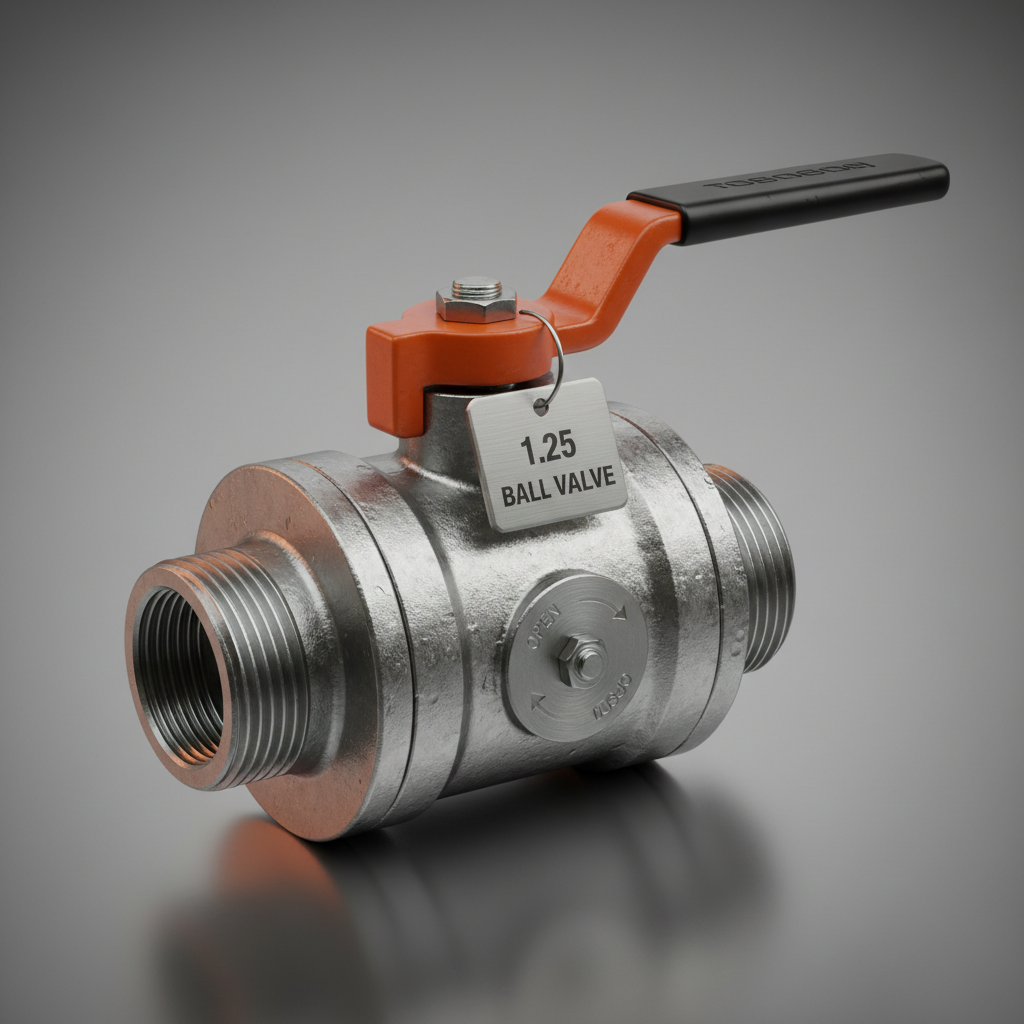
What is a 1.25 Ball Valve?
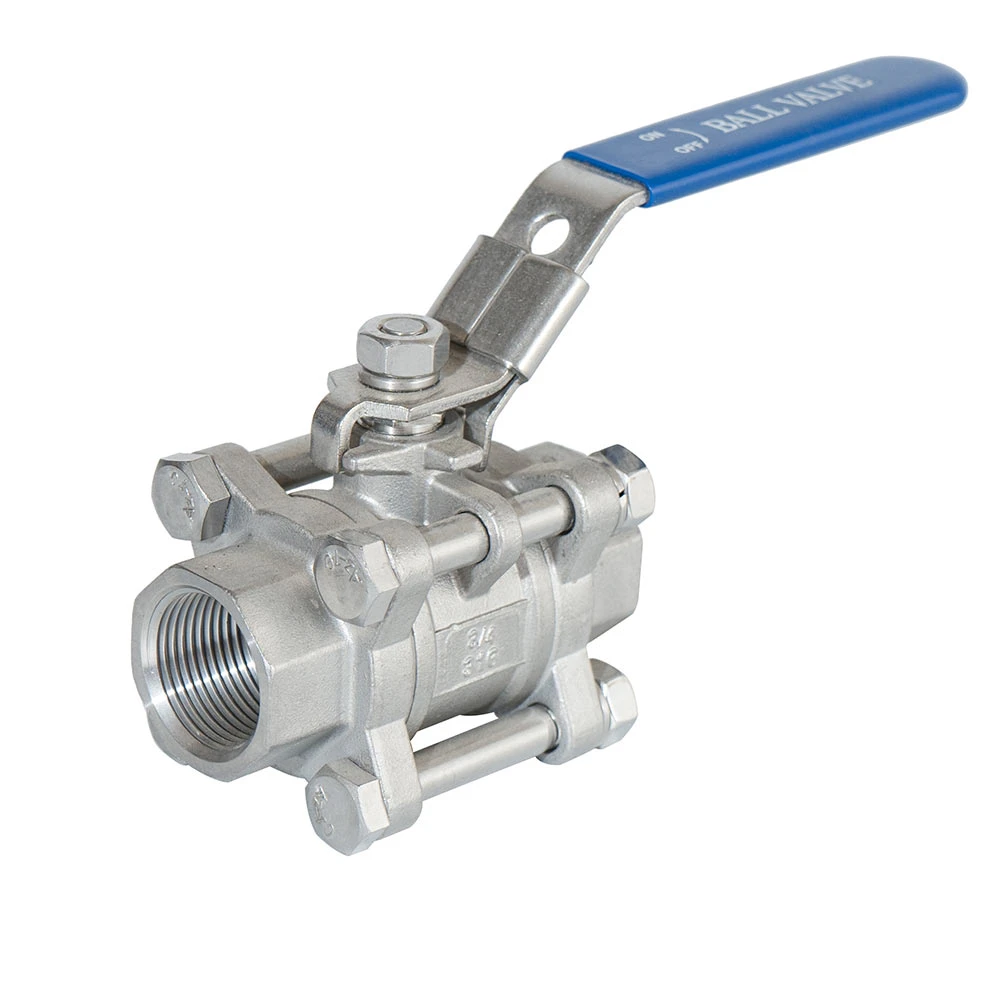
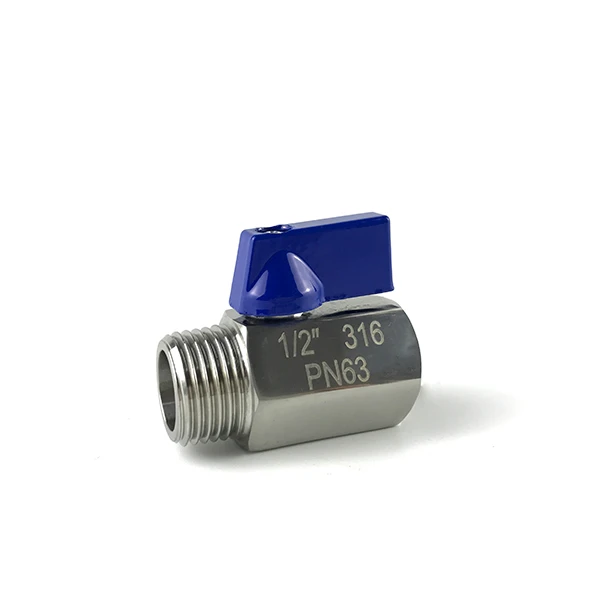
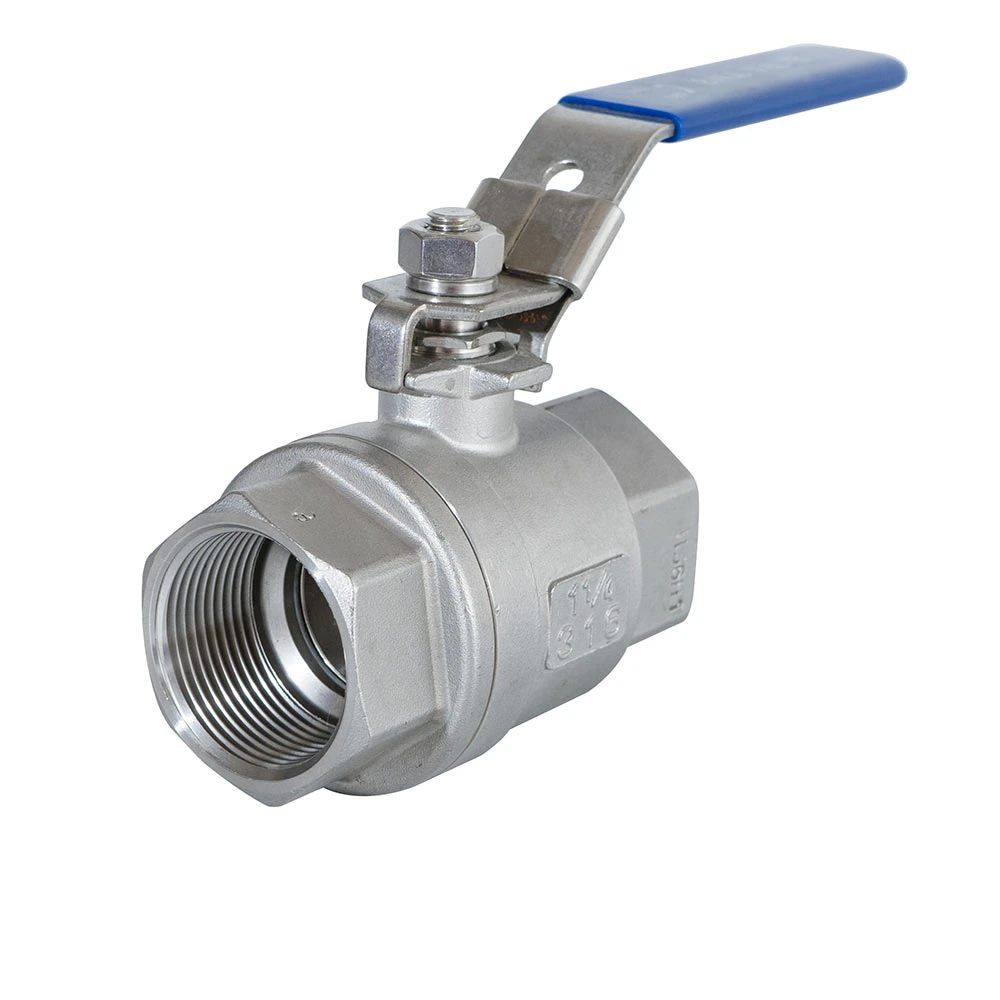
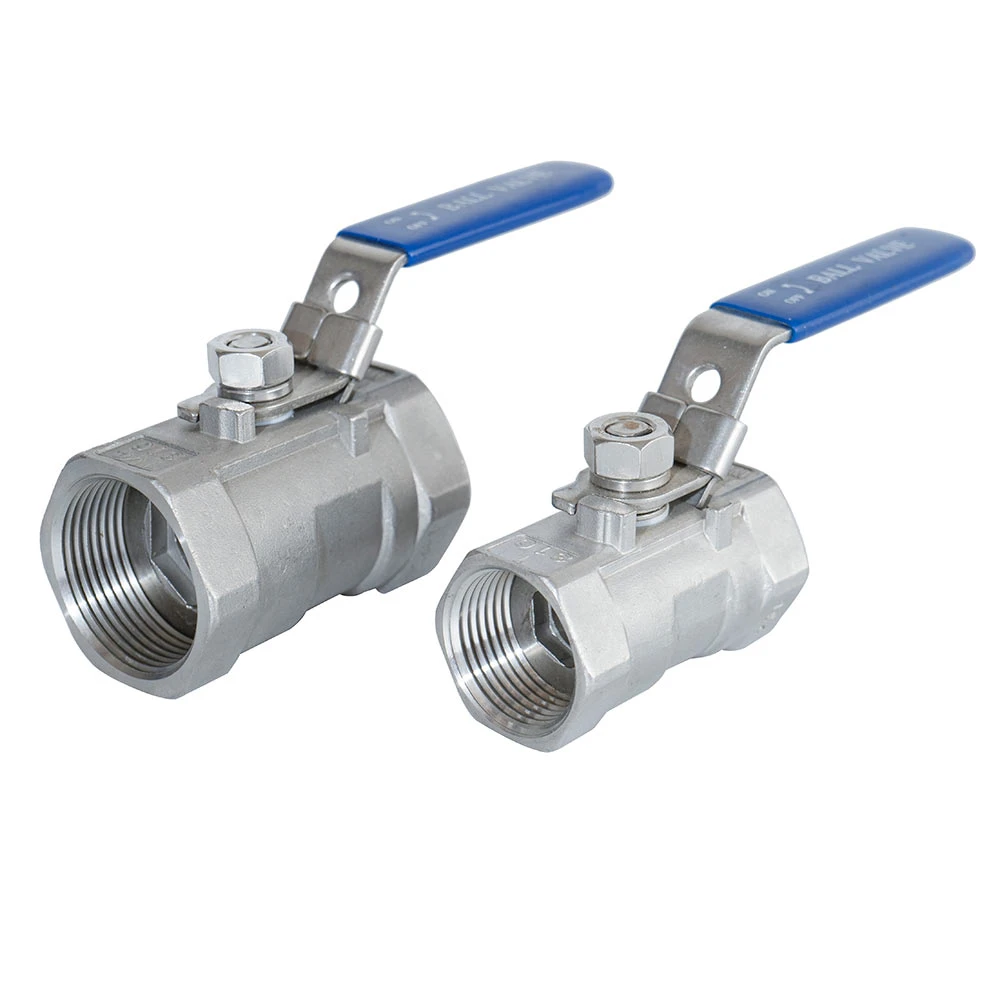
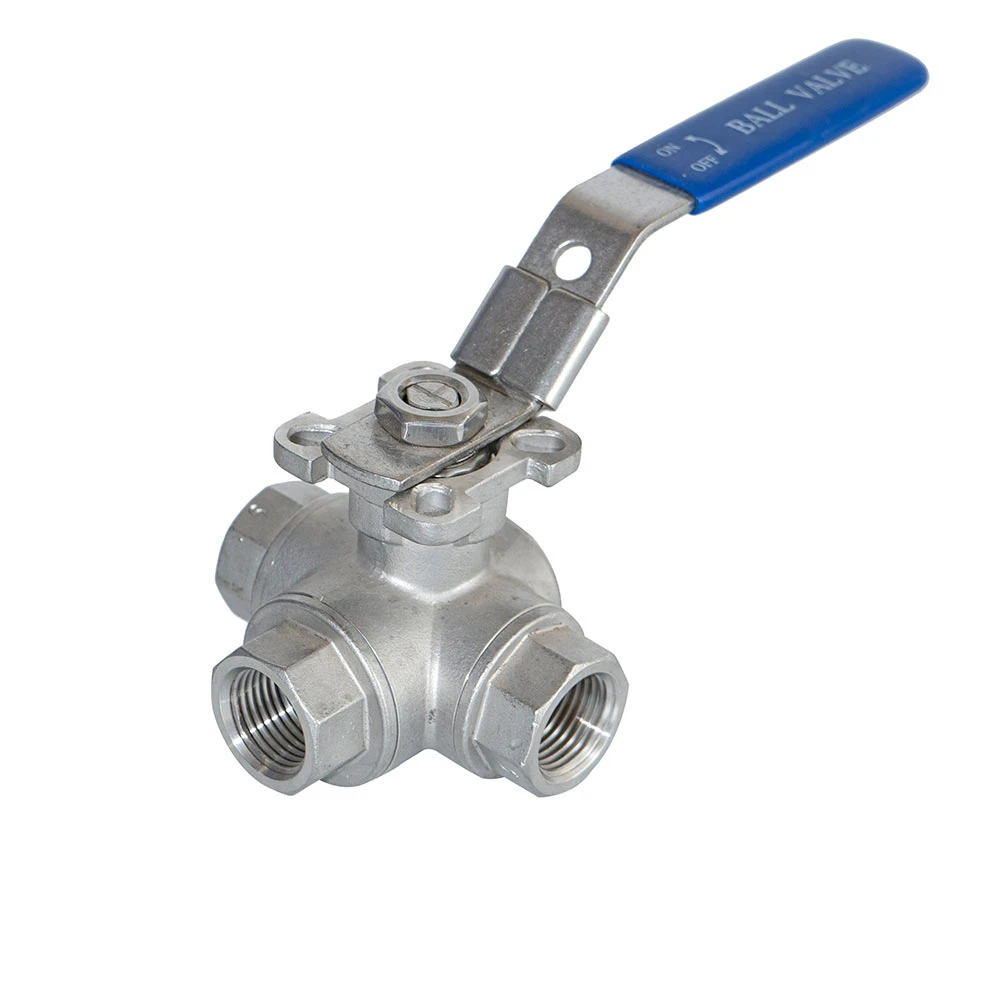
A 1.25 ball valve is a quarter-turn valve that uses a hollow, perforated, and pivoting ball to control fluid flow. The "1.25" refers to the nominal pipe size – meaning it’s designed to connect to pipes with a 1.25-inch diameter. When the ball’s hole is aligned with the pipe, flow occurs. Rotating the ball 90 degrees closes the valve, effectively stopping the flow. The simplicity of this design, coupled with its durability, makes it a popular choice for numerous applications. They're known for providing a tight seal and minimal pressure drop.
Key Features: Quarter-turn operation, tight shut-off, durable construction, and versatile application.
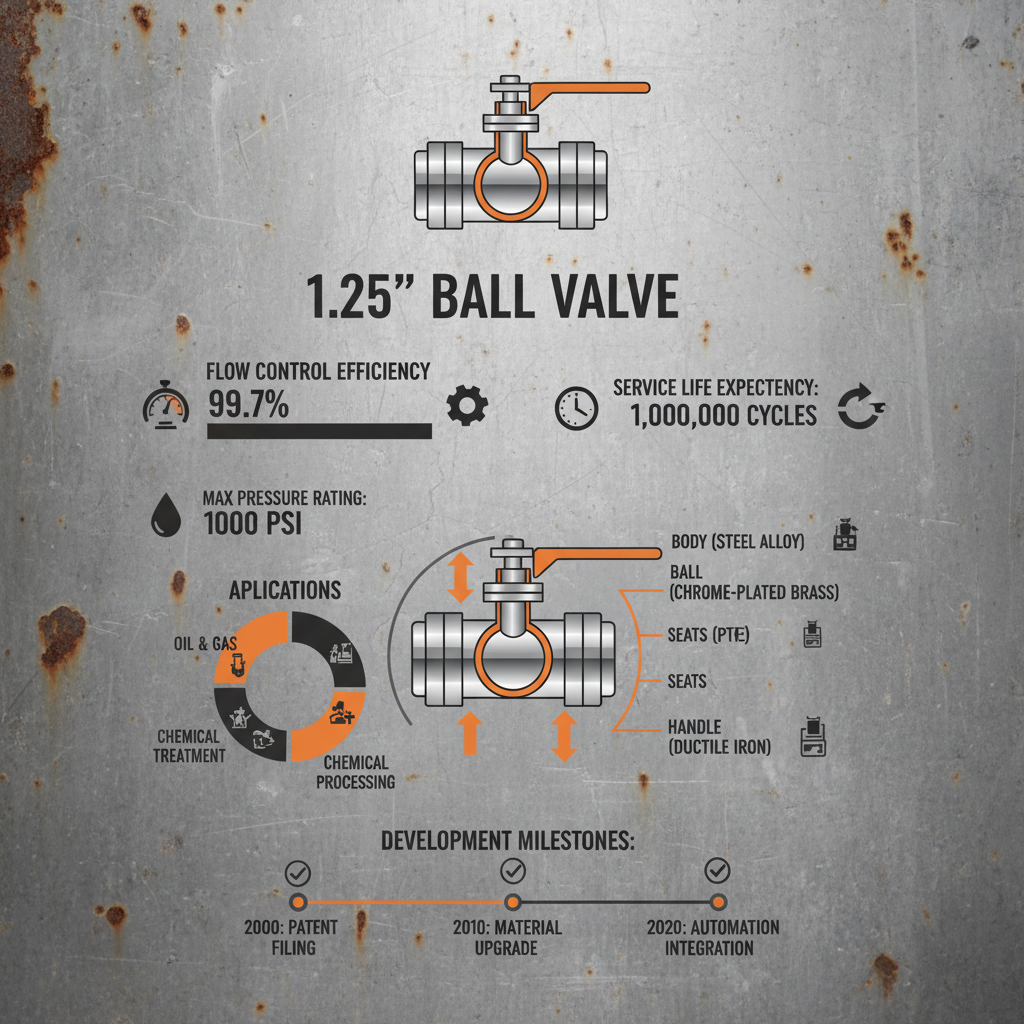
Applications of 1.25 Ball Valves
These valves are extremely versatile and can be found in many sectors. Common applications include:
- Residential Plumbing: Shutting off water supply to sinks, toilets, and washing machines.
- Irrigation Systems: Controlling water flow to different zones in gardens and farms.
- HVAC Systems: Managing coolant flow in heating and cooling systems.
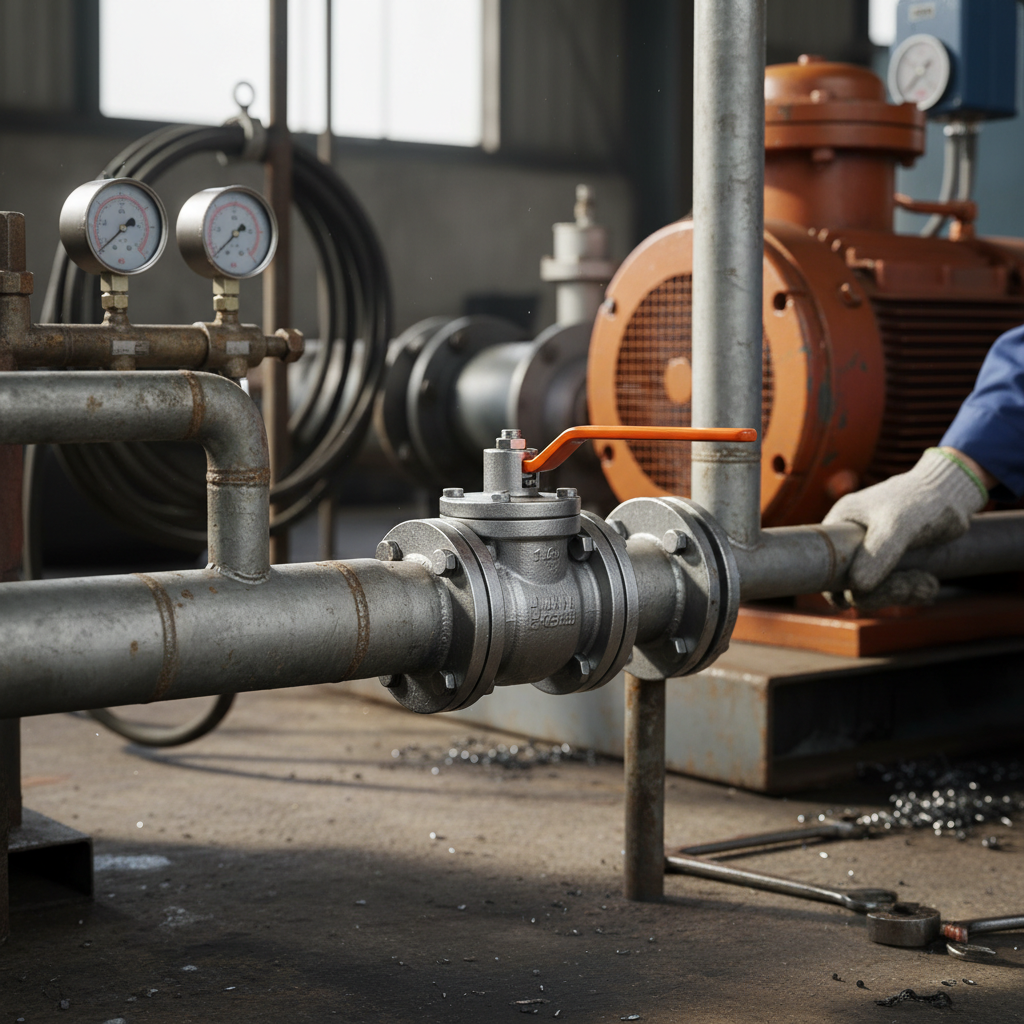
- Industrial Processes: Controlling the flow of various fluids, including chemicals, oil, and gas.
- Oil and Gas Industry: Utilized in pipelines and processing facilities.
Materials Used in 1.25 Ball Valve Construction
The material of a 1.25 ball valve is crucial to its performance and longevity, depending on the fluid it will handle and the operating conditions. Common materials include:
1.25 Ball Valve vs. Other Valve Types
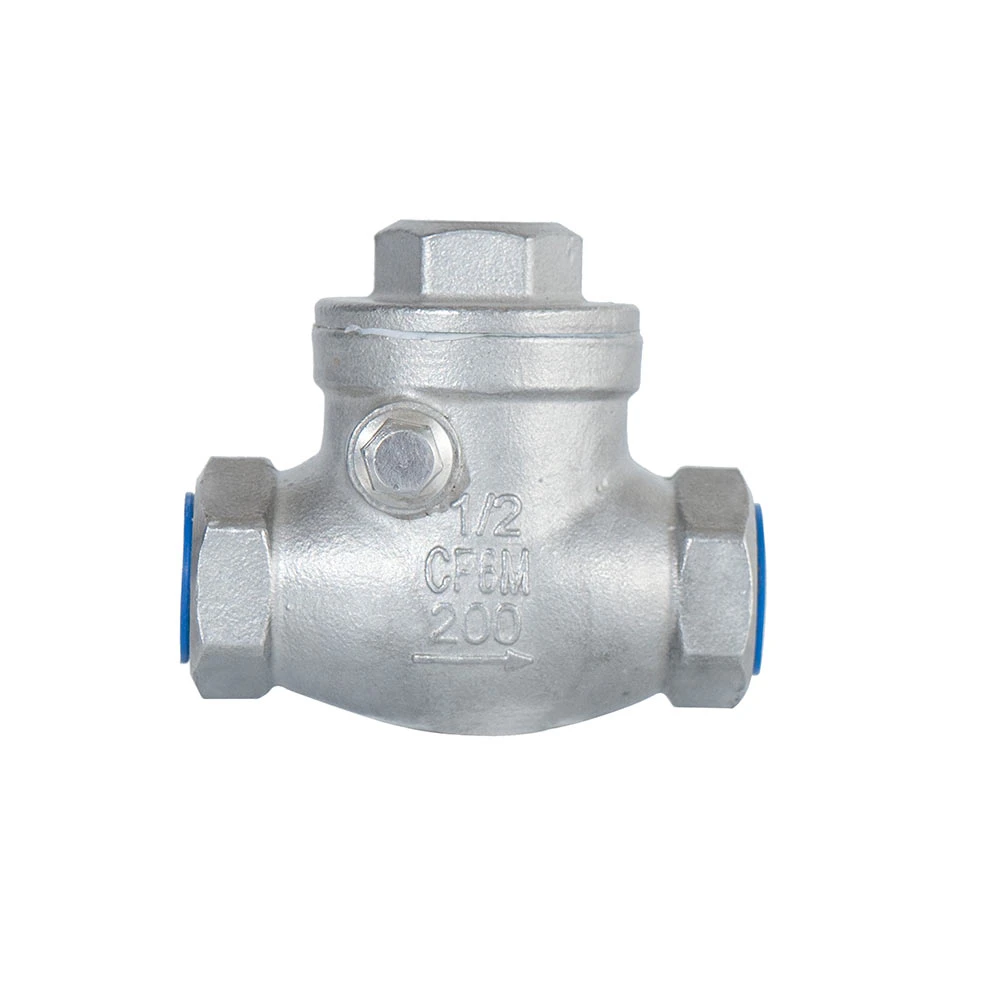
Compared to gate valves and globe valves, 1.25 ball valves offer several advantages. Gate valves are slower to operate and not ideal for frequent on/off cycles. Globe valves have higher pressure drops. Ball valves provide quick quarter-turn operation and minimal obstruction to flow, making them more efficient for applications requiring frequent switching. Houdevalve provides a wide range of valve solutions for diverse needs.
Selecting the Right 1.25 Ball Valve
Choosing the right 1.25 ball valve depends on several factors:
- Fluid Type: Ensure the valve material is compatible with the fluid being handled to prevent corrosion.
- Pressure Rating: Select a valve with a pressure rating that exceeds the maximum system pressure.
- Temperature Range: Choose a valve designed to operate within the expected temperature range.
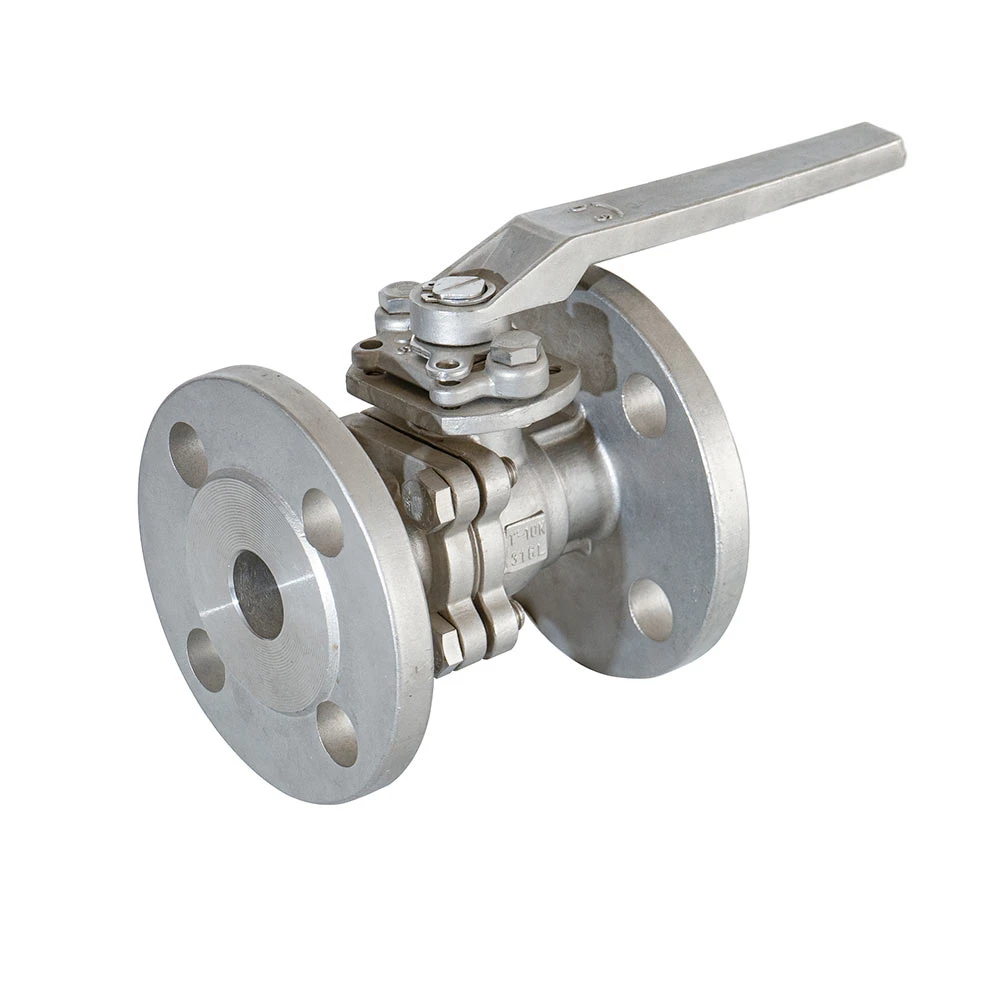
- Connection Type: Consider the type of connection required (threaded, flanged, socket weld, etc.).
Conclusion: Choosing Quality for Reliable Performance
Investing in a high-quality 1.25 ball valve from a reputable supplier like Houde Valve ensures reliable performance, long-term durability, and safety. Careful consideration of your application's specific requirements will guarantee you select the ideal valve for your needs.
Frequently Asked Questions (FAQs)
What is the typical lifespan of a 1.25 ball valve?
The lifespan of a 1.25 ball valve varies depending on the material, the fluid it handles, and the frequency of use. Generally, a well-maintained brass ball valve can last 10-20 years, while stainless steel valves can last even longer, up to 25 years or more. Regular inspection and proper maintenance, such as lubrication and cleaning, can significantly extend the valve’s lifespan. Harsh chemicals or abrasive fluids will shorten the life span.
How do I identify a faulty 1.25 ball valve?
Common signs of a faulty 1.25 ball valve include leaks around the stem or body, difficulty in turning the handle, or a noticeable decrease in flow. A leaking valve indicates seal failure, while a stiff handle suggests internal corrosion or damage. If you observe any of these symptoms, it’s important to replace the valve immediately to prevent further issues and potential safety hazards.
Are 1.25 ball valves suitable for high-pressure applications?
While 1.25 ball valves are generally reliable, their suitability for high-pressure applications depends on the specific valve’s pressure rating and the materials used. Stainless steel valves are typically more robust and can handle higher pressures than brass or PVC valves. Always check the valve’s pressure rating and ensure it exceeds the maximum system pressure to prevent failure. Consult with a valve specialist for guidance if you have a high-pressure application.