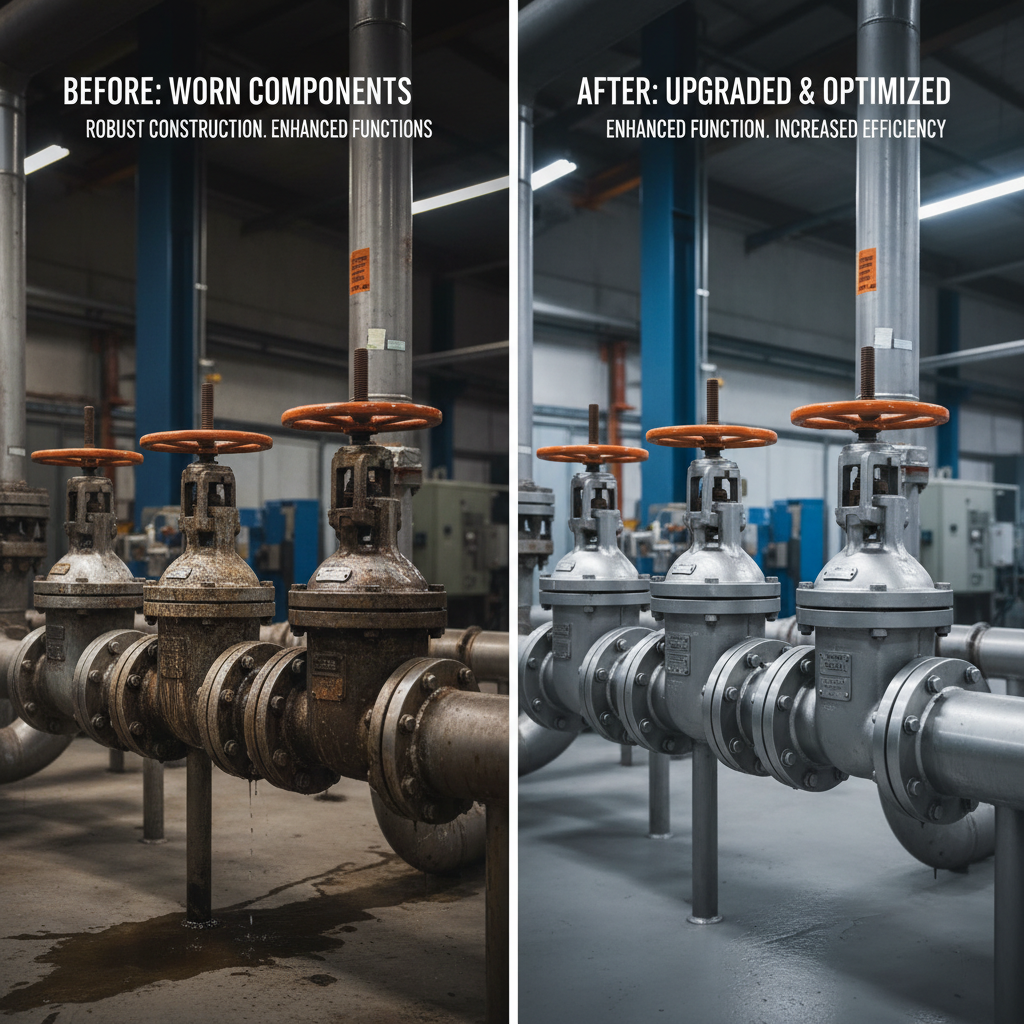
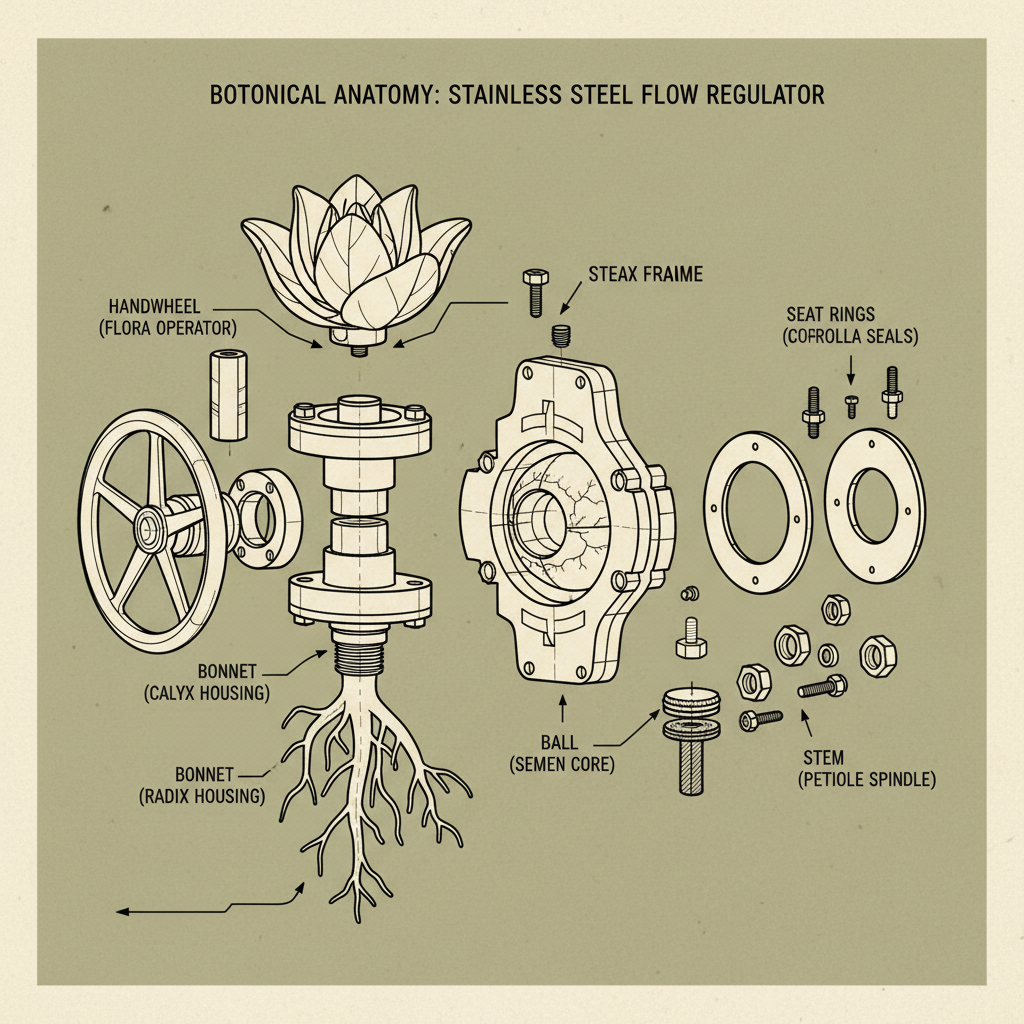
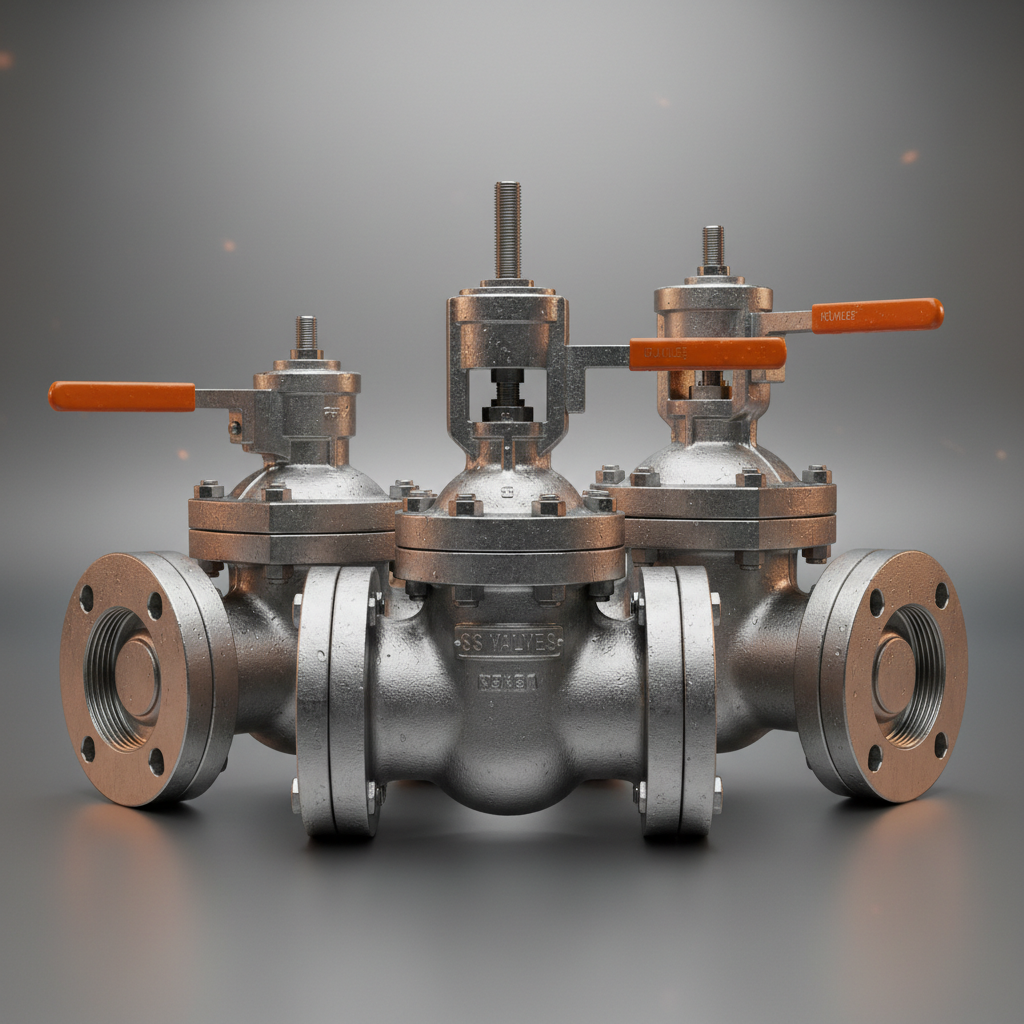
The global demand for reliable fluid control solutions drives the importance of the 2pc ball valve factory industry. These valves are crucial components in a vast array of sectors, from oil and gas to water treatment and chemical processing, impacting infrastructure and industrial operations worldwide. A robust and efficient 2pc ball valve factory ensures the smooth and safe operation of critical systems, minimizing downtime and maximizing productivity. This has become increasingly vital in a world demanding greater resource efficiency and safety standards.
The rise of industrialization in emerging economies, coupled with stringent environmental regulations, is further amplifying the need for high-quality 2pc ball valves. Factories specializing in their production must adhere to international standards like ISO 9001 and API 6D, guaranteeing consistent performance and durability. The market is characterized by continuous innovation, with a focus on materials science, automation, and digital integration to optimize manufacturing processes and enhance product capabilities.
Understanding the intricacies of a 2pc ball valve factory – its manufacturing processes, quality control measures, and supply chain dynamics – is essential for businesses reliant on these valves and for investors seeking opportunities within the industrial sector. The ability to source reliable, cost-effective, and high-performing 2pc ball valves directly impacts operational efficiency and overall profitability.
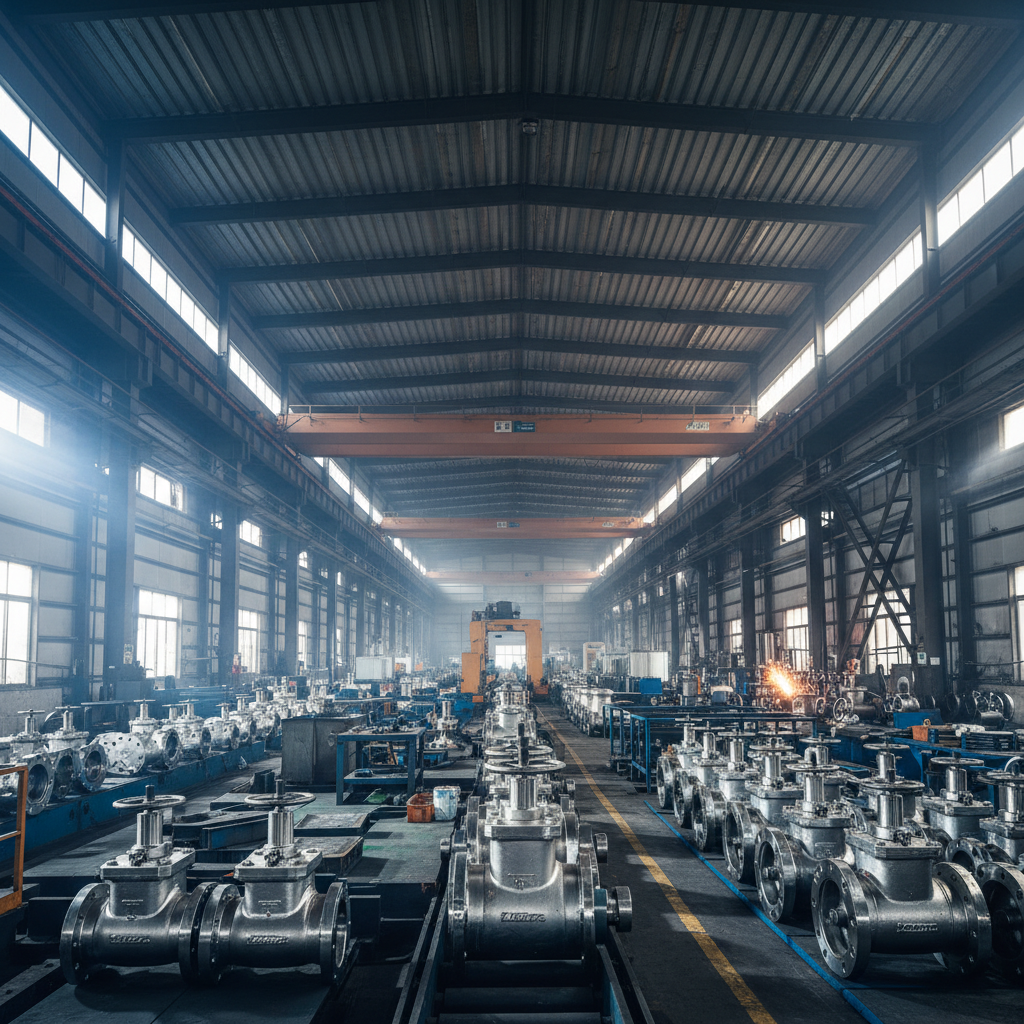
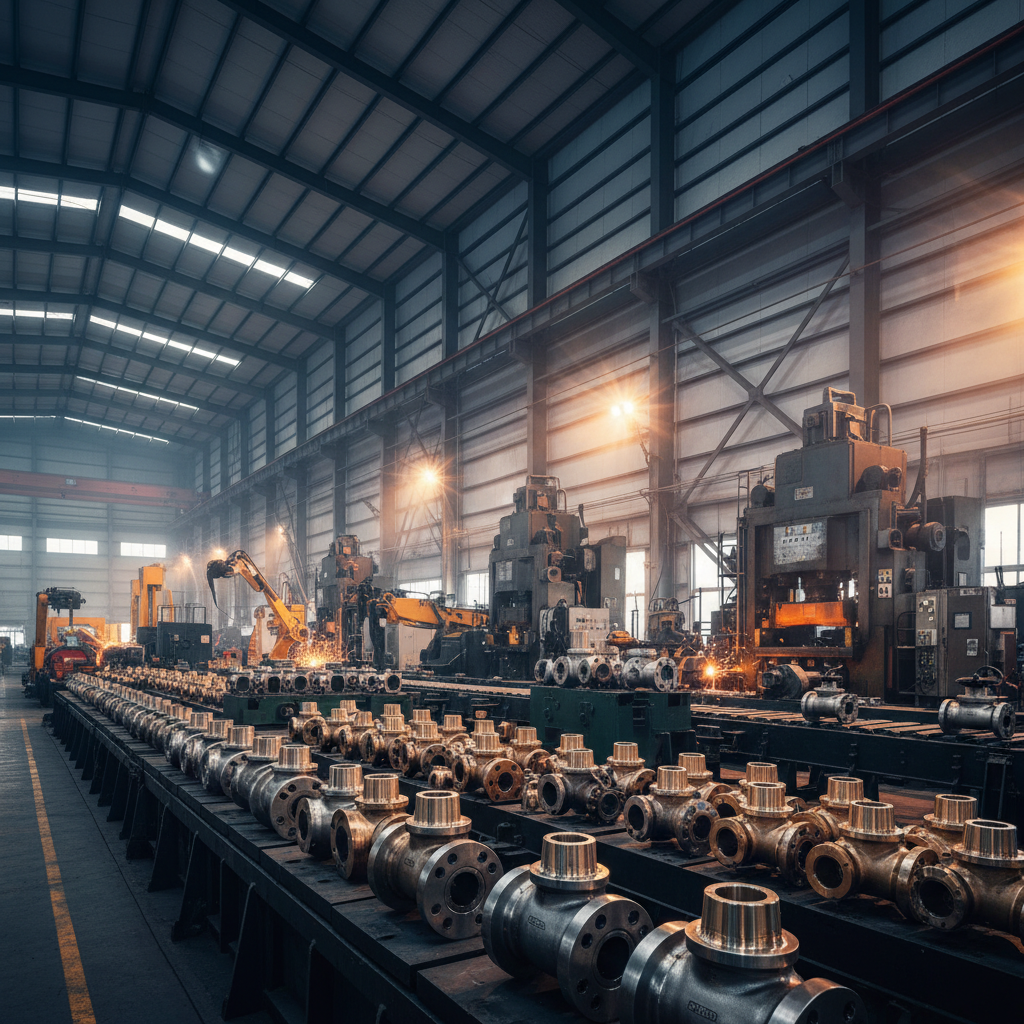
2pc ball valve factories are the backbone of numerous critical industries. Their ability to consistently produce valves that meet rigorous standards for pressure, temperature, and material compatibility directly impacts the safety and efficiency of systems across the globe. A well-managed factory prioritizes quality control, ensuring that each valve delivered meets exacting specifications.
The economic impact of a thriving 2pc ball valve factory extends beyond the factory walls. It supports jobs in manufacturing, engineering, logistics, and related service industries. Moreover, the reliable supply of these valves contributes to the stability and growth of the industries they serve, facilitating economic development and innovation.
A leading 2pc ball valve factory should possess certifications like ISO 9001 for quality management, demonstrating a commitment to consistent product quality and customer satisfaction. API 6D certification is crucial for valves used in oil and gas applications, ensuring they meet stringent industry standards for design, manufacturing, and testing. CE marking may be required for products sold within the European Economic Area, confirming compliance with health, safety, and environmental protection standards. Having these certifications offers confidence in the factory’s adherence to international best practices.
Common materials include stainless steel (304, 316) for corrosion resistance, carbon steel for high-pressure applications, and brass for potable water systems. PTFE (Teflon) is frequently used for valve seats and seals due to its excellent chemical resistance and low friction coefficient. The choice of material depends heavily on the application's fluid type, temperature, and pressure requirements. A quality 2pc ball valve factory will offer a range of material options to cater to diverse needs, and properly document material traceability.
Robust quality control starts with raw material inspection, followed by in-process checks during machining, assembly, and testing. Hydrostatic testing verifies the valve body's pressure integrity, while leak testing confirms the seal's effectiveness. Non-destructive testing methods like radiography or ultrasonic testing may be used for critical components. A 2pc ball valve factory should also maintain detailed records of all quality control procedures and results, ensuring full traceability.
Lead times can vary significantly based on the complexity of the order, material availability, and the factory’s current production schedule. A standard custom order might take 4-8 weeks, while more complex or high-volume orders could require 12 weeks or longer. Factors impacting lead time include material sourcing, machining time, assembly time, and quality control procedures. Clear communication and proactive planning with the factory are essential for managing expectations.
2pc ball valves excel in applications requiring quick on/off control, minimal pressure drop, and tight shut-off. They are widely used in water distribution systems, irrigation, gas pipelines, and general industrial applications. Their simple design and relatively low cost make them a preferred choice for many applications where complex flow control isn’t necessary. They are also well-suited for media that may contain particulates that could damage other valve types.
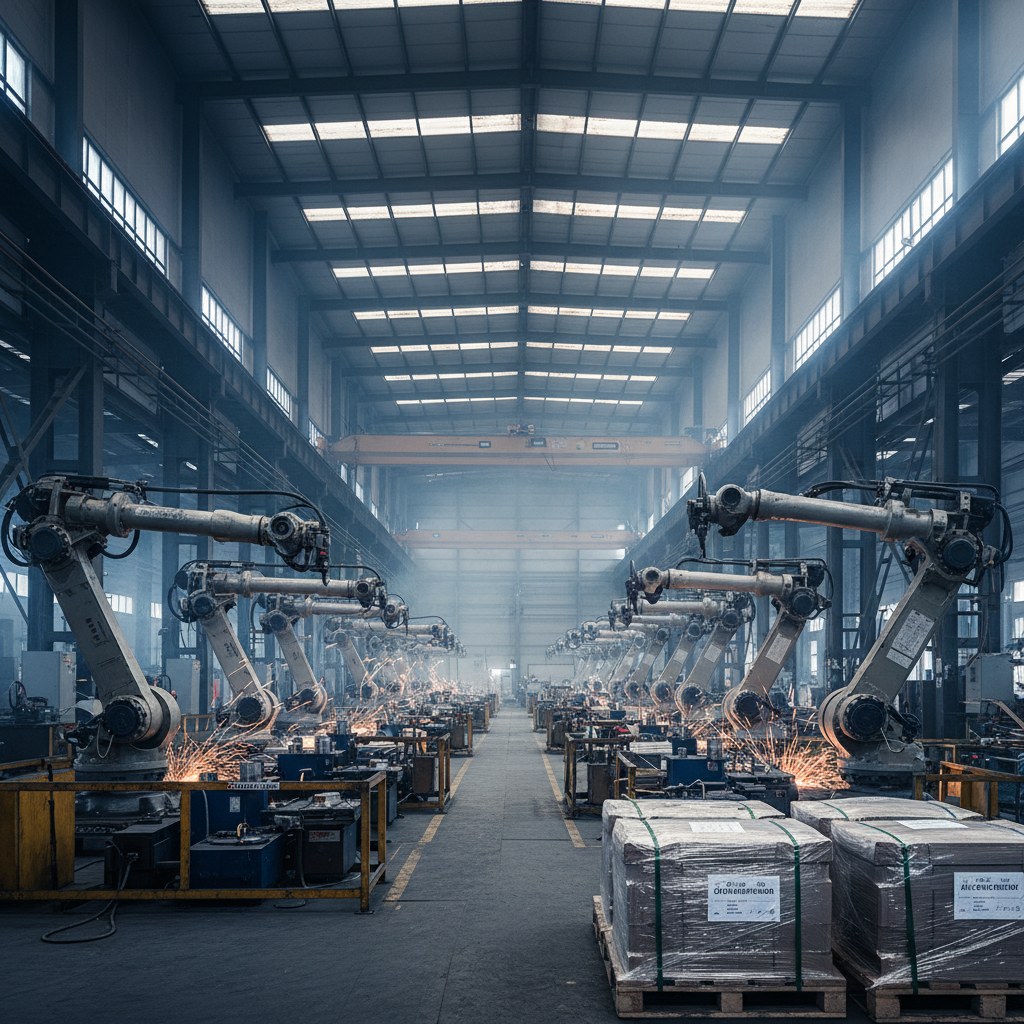
Automation is increasingly prevalent, impacting several areas of production. CNC machining ensures precision and repeatability, while automated assembly lines reduce labor costs and improve efficiency. Automated inspection systems use vision technology to identify defects. Furthermore, automated material handling systems streamline the flow of materials through the factory. This integration enhances overall productivity, reduces errors, and improves product quality.
In conclusion, the 2pc ball valve factory plays a vital, often unseen, role in the functionality of countless industries worldwide. Their capacity to deliver reliable, cost-effective fluid control solutions impacts everything from energy production and water treatment to chemical processing and manufacturing. A focus on quality, innovation, and sustainability is paramount for these factories to thrive in a competitive global market.
Looking ahead, the integration of advanced technologies, such as IoT and AI, will further optimize production processes and enhance valve performance. Investing in employee training and adopting circular economy principles will be essential for building a resilient and environmentally responsible 2pc ball valve industry. For reliable and high-quality 2pc ball valves, visit our website: www.houdevalve.com.