Look, I've been running around construction sites all year, knee-deep in dust and concrete, dealing with every kind of valve you can imagine. And honestly, the biggest thing I'm seeing lately is this push for everything to be ‘smart.’ Smart valves, smart actuators, smart everything. It’s good, I guess, more control, more data... but it also means more things that can break. You get a little too reliant on the screens and forget how to actually feel if something's right.
It's funny, engineers design these things in labs, perfectly calibrated, but then you bring them onto a site with vibrations, temperature swings, guys dropping tools on them… and suddenly those perfect specs don’t mean much. Have you noticed that? It's a constant battle.
And to be honest, a lot of these "innovations" are just reinventing the wheel. Sometimes the old-fashioned stuff is just… more reliable.
The Latest Trends and Potential Pitfalls
So, everyone’s talking about IoT and remote monitoring. Which is great for big operations, sure. But I’ve seen projects where they over-engineer the data collection, spend a fortune on sensors… and then the guys on the ground ignore it because they don't understand it or it’s just another thing to look at on a screen. It's strangely counterproductive. There’s a tendency to get caught up in the tech and forget about usability. You really need to think about how the valve will be operated daily and design around that, not the other way around.
Another trap? Trying to save a few bucks on the internal components. You think, “Oh, it’s stainless steel, it’ll be fine.” But the seals, the bearings, the actuator – that’s where things fail. Especially if you’re dealing with corrosive fluids. It’s always those small parts…
Materials: What We’re Actually Using
Stainless steel, obviously. 304 and 316 are the workhorses. You can smell the difference, honestly. 316 has a bit more… richness to it, if that makes sense. It's the molybdenum, I think. 304 is good for general use, but if you’re dealing with chlorides or seawater, 316 is the way to go. No question. I encountered this at a desalination plant last time - they tried cutting corners with 304, and everything corroded within months.
Then you get into the exotics – duplex stainless steels, super austenitic… those are for really demanding applications, high pressures, extreme temperatures. They’re expensive, but sometimes you have to use them. And then there’s the seals – PTFE, Viton, EPDM… each has its pros and cons, depending on the fluid. I’ve learned the hard way to always double-check compatibility.
And don't even get me started on the thread seal tape. You'd be surprised how many leaks are caused by a bad wrap. It's the little things, right?
Real-World Testing, Not Just Lab Reports
Lab tests are fine, but they don’t tell you everything. I mean, how many labs simulate a guy dropping a wrench on a valve? Or someone accidentally welding too close to it? We do a lot of hydrostatic testing on-site, pressure testing, cycle testing. But we also do what I call "abuse testing." Basically, we try to break it in ways that it might break in the real world.
I remember one time, we were installing a large valve at a wastewater treatment plant, and a worker accidentally backed a forklift into it. Bent the handle right over. The valve still functioned, amazingly enough, but it was a good reminder that things happen. You need to account for human error and unexpected events.
That’s why I always push for a robust design, with a good safety factor. Better to overbuild than to have a failure that shuts down the whole operation.
How Users Really Use Stainless Steel Valves
This is the thing. Engineers design them for a specific flow rate, pressure, temperature… but users adapt. I've seen guys use valves as makeshift hammers, as leverage points, even as steps to reach something higher. It's not what they're designed for, but it happens. They'll partially open them to regulate flow instead of using a dedicated flow control valve.
They'll also ignore the warning labels. Seriously, you can put a giant sticker on there saying "Do Not Operate Under Pressure," and someone will still try. It’s frustrating, but you have to design for that level of… creativity.
Stainless Steel Valve Supplier Performance Metrics
The Good, The Bad, and The Customizable
Stainless steel valves are durable, corrosion-resistant, and relatively easy to maintain. That's why they're so widely used. But they’re also heavier and more expensive than other materials. And if you get the wrong grade, they can fail spectacularly. Anyway, I think the biggest advantage is the customization.
We had a client last year who needed a valve with a very specific flange connection and a custom actuator. It wasn’t a standard item, but we were able to work with a supplier to get exactly what they needed. That’s the beauty of stainless steel – it’s machinable, weldable, and can be formed into almost any shape.
A Customer Story From Shenzhen
Last month, that small boss in Shenzhen who makes smart home devices insisted on changing the interface to . He wanted everything to be ‘modern.’ We explained that the standard threaded connections were more reliable, easier to find parts for, and cheaper. But no, he wouldn’t listen. He said was the future. We built it for him, and two weeks later, he was back complaining that the valves kept leaking because the connectors weren't sealing properly. The connectors themselves were fine, it was just that the installation on-site was… less than ideal. It’s a classic case of form over function, really. I spent half a day helping him re-plumb the whole system back to threaded connections.
A Quick Look at Common Valve Types
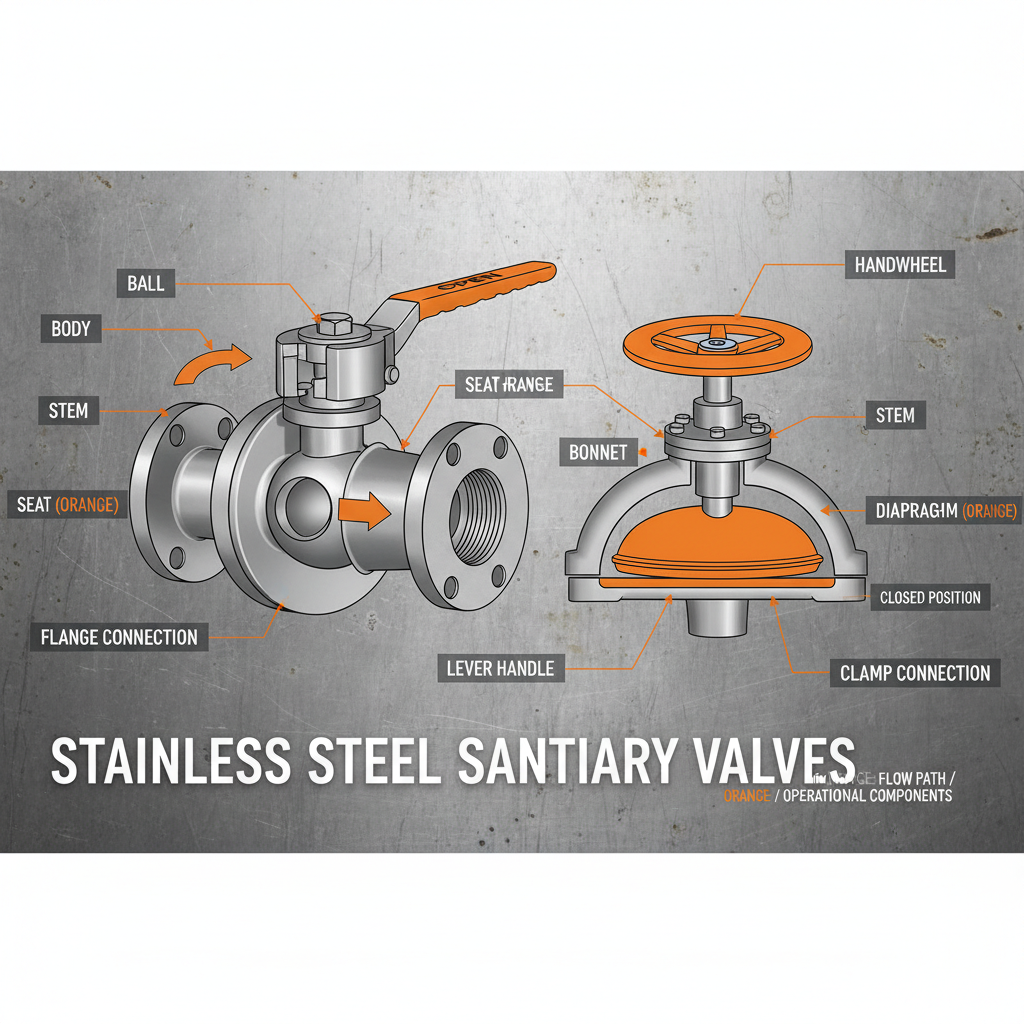
We deal with a lot of ball valves, gate valves, globe valves, butterfly valves… each has its sweet spot. Ball valves are great for quick shut-off. Gate valves are good for isolation. Globe valves for throttling. And butterfly valves are lightweight and compact. It all depends on the application.
Check valve are always interesting. They’re simple, passive, but they can fail if debris gets stuck in them. I’ve seen that happen more times than I care to remember. It is a really common situation in water treatment plants.
And then there are the control valves, with all their fancy actuators and positioners. Those are a whole different beast.
Common Stainless Steel Valve Types & Their Applications
| Valve Type |
Typical Application |
Pressure Rating (PSI) |
Common Materials |
| Ball Valve |
Water distribution, oil & gas |
Up to 10,000 |
304/316 Stainless Steel |
| Gate Valve |
Isolation of pipelines |
Up to 5,000 |
304/316 Stainless Steel |
| Globe Valve |
Flow regulation |
Up to 3,600 |
304/316 Stainless Steel |
| Butterfly Valve |
Large diameter pipelines |
Up to 720 |
316 Stainless Steel |
| Check Valve |
Preventing backflow |
Up to 6,000 |
304/316 Stainless Steel |
| Control Valve |
Automated flow control |
Variable |
316 Stainless Steel |
FAQS
Honestly, it's not considering the fluid. People just assume stainless steel can handle anything, which isn't true. You need to know the pH, temperature, and chemical composition of the fluid. A seemingly minor mismatch can lead to rapid corrosion and a costly failure. Always, always check the compatibility charts.
It depends on the application, but generally, very important. Certifications like ISO 9001, CE marking, and pressure vessel certifications demonstrate that the valve has been tested and meets certain quality standards. Especially for critical applications, don’t skimp on certification. It provides peace of mind and can save you a lot of headaches down the road.
It varies wildly, but a properly selected and maintained stainless steel valve can easily last 20-30 years, sometimes even longer. Regular inspection, lubrication, and replacement of seals are crucial. Neglect it, and you'll be replacing it a lot sooner. The environment also plays a huge role - a valve in a clean water application will last much longer than one in a harsh chemical environment.
Many stainless steel valves can be repaired, especially those with replaceable seats, stems, or seals. However, it often depends on the extent of the damage and the cost of repair versus replacement. For complex failures or heavily corroded valves, replacement is usually the more practical option. It's a cost-benefit analysis.
Experience, responsiveness, and a willingness to work with you. You want a supplier who understands your application and can recommend the right valve for the job. Check their certifications, ask for references, and visit their facility if possible. A good supplier will prioritize quality and customer service.
Extreme temperatures, both high and low, can affect the mechanical properties of stainless steel. High temperatures can reduce strength and creep resistance, while low temperatures can make the material brittle. It's crucial to select a grade of stainless steel that's appropriate for the operating temperature range. Always consult the manufacturer’s specifications.
Conclusion
So, yeah. Stainless steel valves are a complex topic. There’s a lot more to it than just picking the shiniest one. It's about understanding the application, choosing the right materials, and working with a reliable supplier. The smart stuff is good, but don't forget the basics.
Ultimately, whether this thing works or not, the worker will know the moment he tightens the screw. They’ll feel if it’s smooth, if it’s binding, if something just isn't right. That’s the real test. And if you can make their job easier, you’re doing something right. stainless steel valve suppliers