When sourcing industrial valves, the search for a competitive ball valve 3 4 price often leads procurement managers to balance initial expenditure against long-term operational reliability. In complex fluid control systems, a 3/4 inch valve is a standard size, but the pricing variance usually reflects the underlying material grade and the precision of the casting process. Understanding what drives these costs is essential for maintaining system integrity without overspending on unnecessary specifications.
The economic impact of valve selection extends far beyond the purchase order. A low-cost valve that fails prematurely in a corrosive chemical environment can lead to catastrophic downtime, far outweighing any initial savings. For professionals dealing with Ball Valves, Check Valves, Hot Products, and Strainers, the goal is to identify the "sweet spot" where material durability, such as SS316 stainless steel, meets a sustainable price point for the specific pressure and temperature requirements of the plant.
This analysis examines the technical drivers of value in stainless steel valve procurement, focusing on how manufacturing techniques like precision casting influence the final cost. By evaluating the relationship between material science and fluid dynamics, we provide a framework for optimizing your investment in ball valve 3 4 price configurations to ensure maximum ROI and system safety.


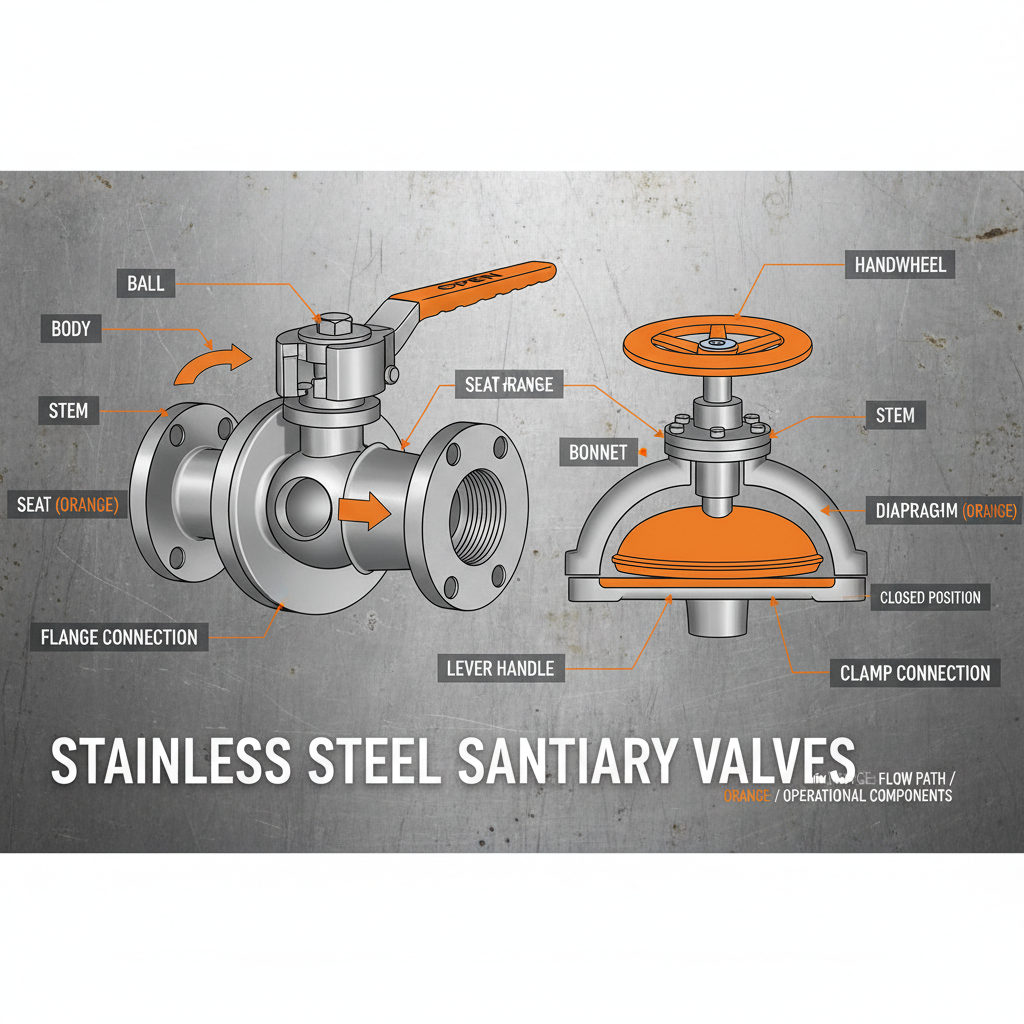
A 3/4 inch ball valve is engineered for precise on-off control and flow regulation within a pipeline. Its core mechanism involves a spherical disc with a hole through the center; when the hole is aligned with the flow, the valve is open, and when rotated 90 degrees, it blocks the fluid. For industrial applications, the distinction between L-shaped and T-shaped flow channels is critical. L-shaped channels are primarily used for diverting flow between two ports, while T-shaped structures allow for mixing or three-way circulation, adding versatility to the system layout.
The mechanical integrity depends on the seating material and the valve stem design. High-performance valves utilize PTFE (Polytetrafluoroethylene) seals to ensure bubble-tight shut-off, preventing leakage even under significant pressure. Furthermore, the integration of anti-static and anti-blowout stem designs is a mandatory safety feature for high-pressure environments, ensuring that the valve remains operational and safe under extreme stress conditions.
The choice of metallurgy is the primary driver of the ball valve 3 4 price. Stainless steel grades like SS304 and SS316 are industry standards due to their oxidation resistance. SS316, which includes molybdenum, offers superior resistance to chlorides and marine environments, making it indispensable for chemical processing. The cost increase from 304 to 316 is a direct investment in the prevention of pitting and crevice corrosion, which can otherwise lead to premature valve failure.
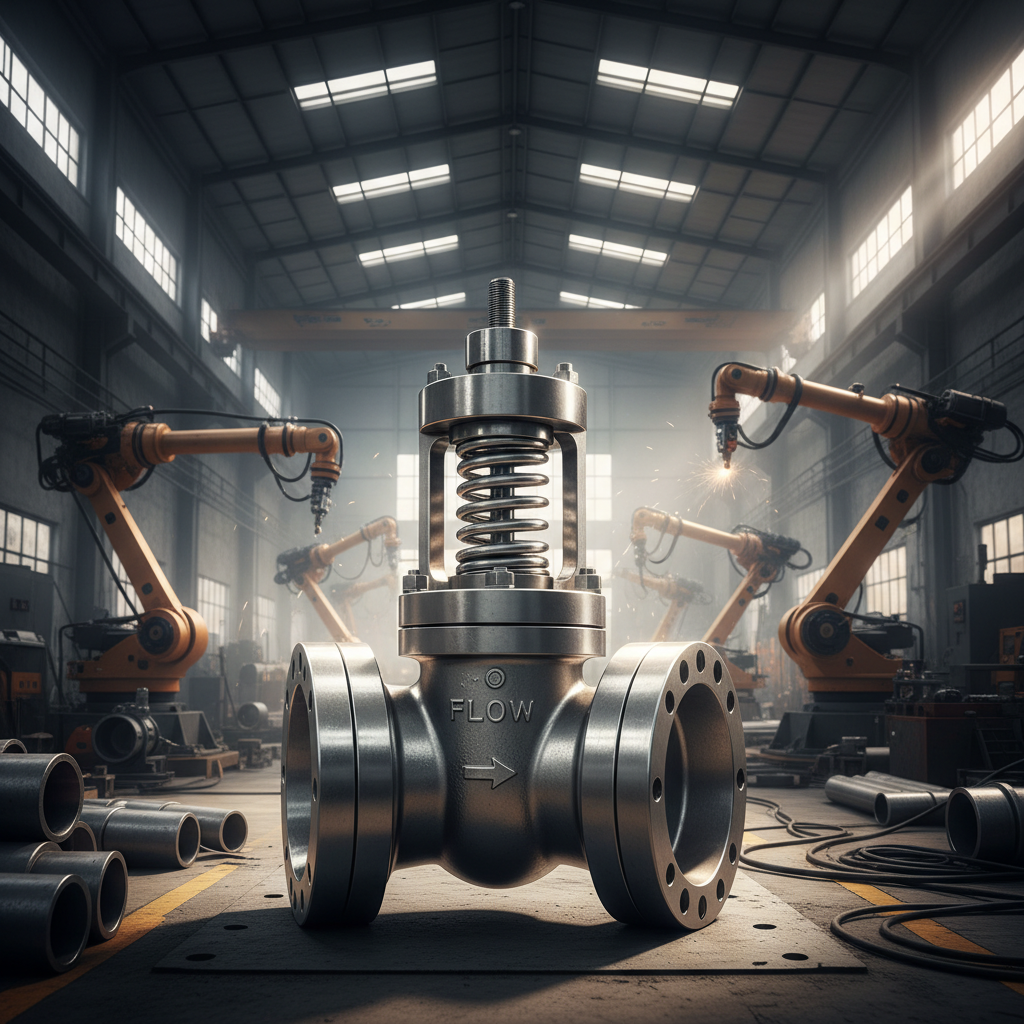
The actual value of a valve is determined by the synergy between the casting process and material purity; silicon sol lost wax precision casting reduces internal porosity, which allows the valve to handle higher pressure ranges (up to PN40 or 1000 PSI) without risking structural fatigue.
Beyond the body material, the connection method significantly affects the final installation cost. Threaded connections (NPT/BSP) are economical and fast for low-pressure systems, whereas flange or welding connections are required for high-stability, leak-proof industrial setups. Selecting the correct combination of material grade and connection type ensures that the valve performs its intended function without introducing weak points into the fluid control network.
True operational value is measured by the reduction of total cost of ownership (TCO). A precision-engineered valve reduces pressure loss through full-bore designs, which decreases the energy required for pumping fluids. When a valve is matched perfectly to the media—whether it be steam, oil, or corrosive chemicals—the frequency of replacement cycles drops, leading to significant labor and material savings over a five-year operational window.
Reliability is not a vague attribute but a measurable outcome of sealing performance and mechanical strength; a bidirectional pressure-bearing design ensures that the valve maintains a zero-leakage seal regardless of the flow direction, critical for safety-critical shut-off systems.
Furthermore, modular structures facilitate rapid maintenance. The ability to disassemble a valve for seal replacement without removing the entire pipe section minimizes downtime. For plants operating 24/7, the value of a valve that allows for quick maintenance far exceeds the cost of a cheaper, non-modular alternative that requires full system shutdowns for simple repairs.
When comparing valve options, engineers must look at the relationship between temperature limits and seal materials. PTFE seals are generally effective up to 200°C, but for higher temperature steam applications, metal-to-metal hard seals may be required. This technical trade-off directly impacts the valve's lifespan and its ability to maintain a seal under thermal expansion and contraction.
The following data illustrates the relative pressure handling capacity based on the casting precision and material grade, highlighting how high-precision CNC machining enhances the valve's ability to operate at the upper end of the PN16 to PN40 spectrum.
In the chemical and pharmaceutical sectors, the use of SS316L valves is non-negotiable due to the requirement for high-purity fluids and resistance to aggressive reagents. These valves are typically deployed in chemical reaction vessels and mixing equipment where multi-directional control (via three-way ball valves) simplifies the pipeline layout, reducing the number of required components and potential leak points.
The energy sector, particularly in oil and gas transportation and boiler control, demands valves that can withstand extreme temperature fluctuations and high pressures. Here, the focus is on the explosion-proof stem and the precision of the sealing surface. By integrating pneumatic or electric actuators, these manual valves are transformed into automated control elements, enabling remote operation in hazardous environments where manual intervention is risky.
The industry is moving toward a "zero-leakage" standard, driven by stricter environmental regulations regarding fugitive emissions. This shift has pushed manufacturers to adopt more advanced surface treatments, such as electrolytic polishing (EP grade), which reduces surface roughness and prevents the accumulation of contaminants in food and medical pipelines.
Automation is another dominant trend. The integration of smart actuators that provide real-time feedback on valve position and seal health allows for predictive maintenance. Instead of scheduled replacements, operators can now use data to replace components only when wear is detected, optimizing the lifecycle of the valve installation.
Furthermore, there is an increasing demand for customizable, non-standard dimensions to fit complex, compact machinery. The ability of a manufacturer to provide deep and complex cavity casting, combined with high-precision CNC machining, allows for the creation of valves that fit exactly into restricted spaces without sacrificing flow efficiency.
One of the most common challenges in valve implementation is the mismatch between the valve's pressure rating and the actual system surges. If a valve is rated for PN16 but the system experiences periodic spikes to PN25, the seals will fail prematurely. Ensuring a safety margin in the pressure specification is critical for long-term stability.
Another frequent issue is the incorrect choice of seal material for the medium. Using standard PTFE in environments with highly abrasive particles can lead to rapid scoring of the ball and seat. In such cases, reinforcing the seal or opting for a hard-faced metal seal is the only way to prevent leakages.
Finally, improper installation torque can either lead to leaks or permanent deformation of the seat. Following manufacturer specifications for tightening and using calibrated tools is essential to ensure that the valve operates within its designed performance envelope.
| Application | Recommended Material | Seal Type | Priority Metric |
|---|---|---|---|
| General Water | SS304 | PTFE | Cost-Efficiency |
| Chemical Process | SS316 | PTFE/Metal | Corrosion Resistance |
| High-Temp Steam | SS316 | Hard Seal | Thermal Stability |
| Food & Beverage | SS316L (EP) | PTFE | Surface Purity |
| Oil & Gas | SS316/WCB | Reinforced PTFE | Pressure Rating |
| Pharmaceutical | SS316L | Virgin PTFE | Zero Contamination |
The price is primarily driven by the grade of stainless steel (e.g., SS316 is more expensive than SS304), the casting method (precision lost wax casting adds value over sand casting), and the seal material. Additionally, the port configuration (two-way vs. three-way) and the connection type (threaded vs. flanged) contribute to the final cost.
Choose an L-shaped flow channel when you need to divert flow from one source to one of two different outlets. Choose a T-shaped channel when the system requires the ability to mix two sources into one outlet, or to allow straight-through flow while bypassing a section of the pipeline.
Standard PTFE seals are generally rated for temperatures between -29°C and +200°C. If your application exceeds these limits, particularly on the high end, you should consider metal hard seals or specialized high-temperature polymers to avoid seal deformation and subsequent leakage.
Yes, most industrial ball valves can be automated. While they come with manual levers by default, they are designed to accept pneumatic, electric, or hydraulic actuators. This allows for integration into PLC-controlled systems for automated fluid management.
Precision casting, such as the silicon sol lost wax process, produces components with much tighter tolerances and a smoother surface finish. This reduces the need for extensive secondary machining and eliminates internal voids, which significantly improves the valve's pressure-bearing capacity and reliability.
Maintenance intervals depend on the media and cycle frequency. However, a general rule is to perform a visual inspection and seal check every 6 to 12 months. In highly corrosive environments, quarterly inspections are recommended to identify pitting or seal wear before a failure occurs.
Selecting the right valve requires a shift in focus from the initial ball valve 3 4 price to the total lifecycle value. By prioritizing material compatibility, such as SS316 for corrosive media, and ensuring the manufacturing process meets precision casting standards, operators can significantly reduce downtime and maintenance costs. The integration of correct flow channel designs and sealing materials ensures that the fluid control system remains efficient, safe, and compliant with industrial standards.
For organizations seeking high-reliability stainless steel valve solutions tailored to specific pressure and temperature demands, partnering with a manufacturer capable of precision CNC machining and rigorous testing is key. You can explore a full range of technical specifications and customization options at www.houdevalve.com to find the optimal configuration for your industrial pipeline.