Understanding the 3 Way Threaded Ball Valve: A Versatile Industrial Staple
In a world that increasingly depends on complex piping systems—from water treatment plants to oil refineries and even humanitarian relief efforts—the 3 way threaded ball valve quietly plays an essential role. But why should you, or anyone outside of industrial operations, care about this valve? Well, it’s all about efficient flow control, safety, and adaptability packed into a neat, easy-to-install device. Understanding these valves helps us appreciate how critical infrastructure works seamlessly, ensuring safe, reliable distribution of fluids and gases globally.
Growing Global Importance of the 3 Way Threaded Ball Valve
Worldwide, industries rely on robust valve solutions, with over 200 billion USD in valve market size projected by 2025 (sources like ISO and market analytics). The 3 way threaded ball valve is specifically prized for directing media flow between multiple outlets. In large chemical plants or municipal water systems, this part reduces downtime, minimizes leak risks, and prevents contamination. Oddly enough, its significance grows as pipelines become more complex and environmentally regulated.
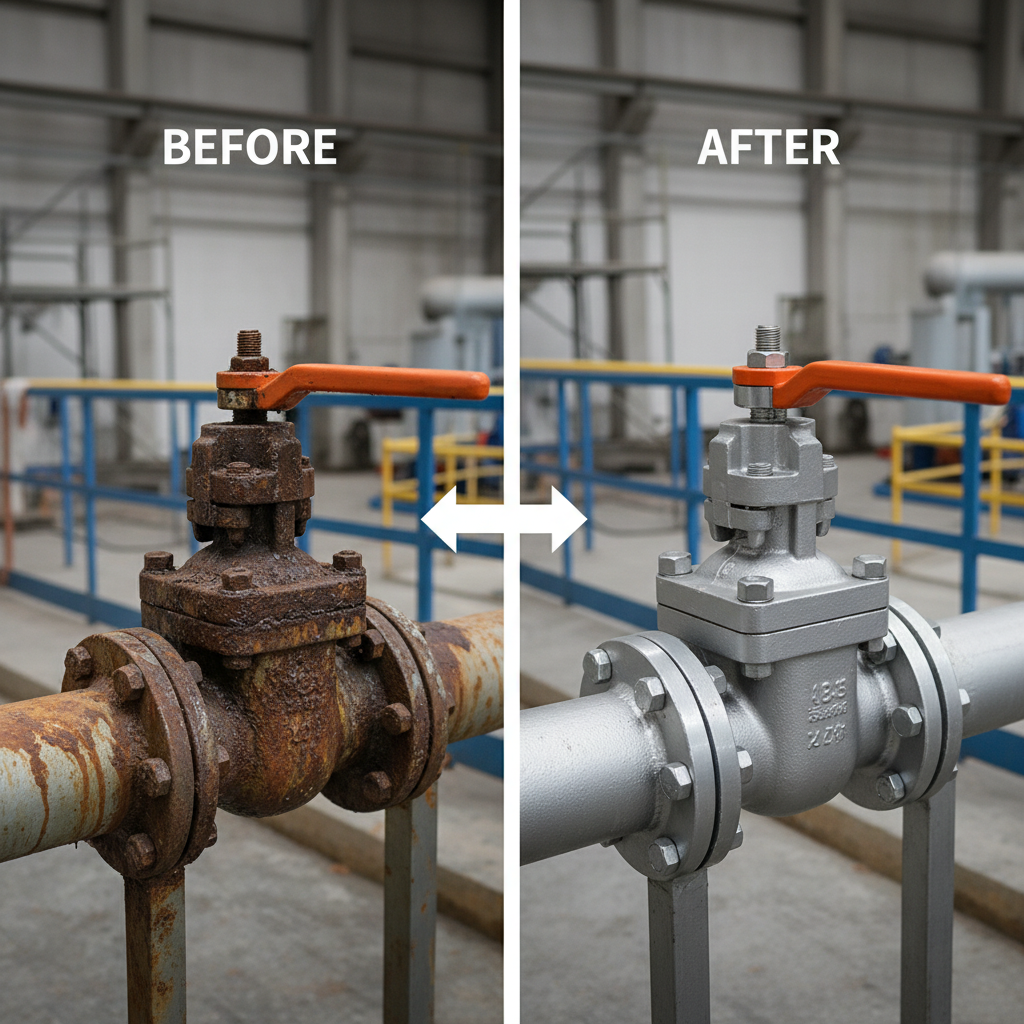
However, challenges remain: legacy valves often clog or corrode, causing inefficient system performance and even hazardous conditions. The 3 way threaded ball valve offers a practical solution by combining multiple flow paths into one compact, maintainable unit.
Definition & Meaning: What Exactly is a 3 Way Threaded Ball Valve?
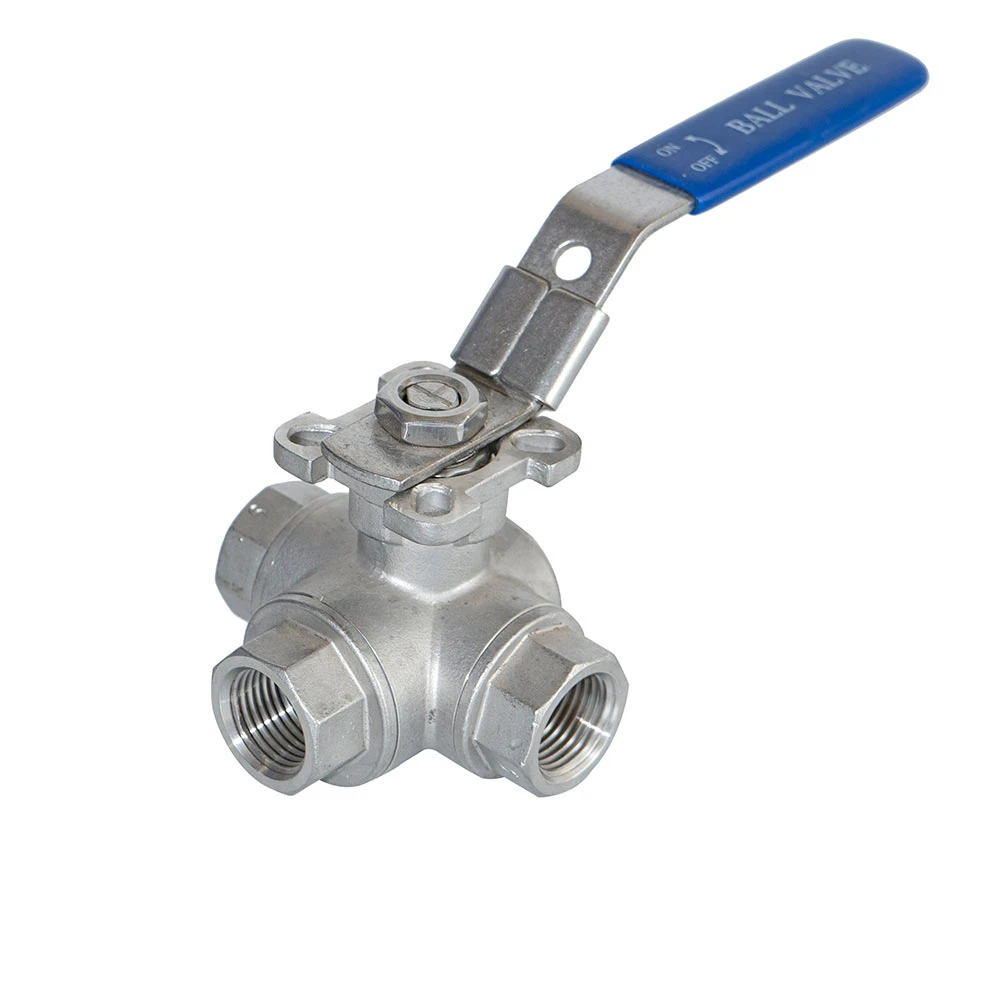
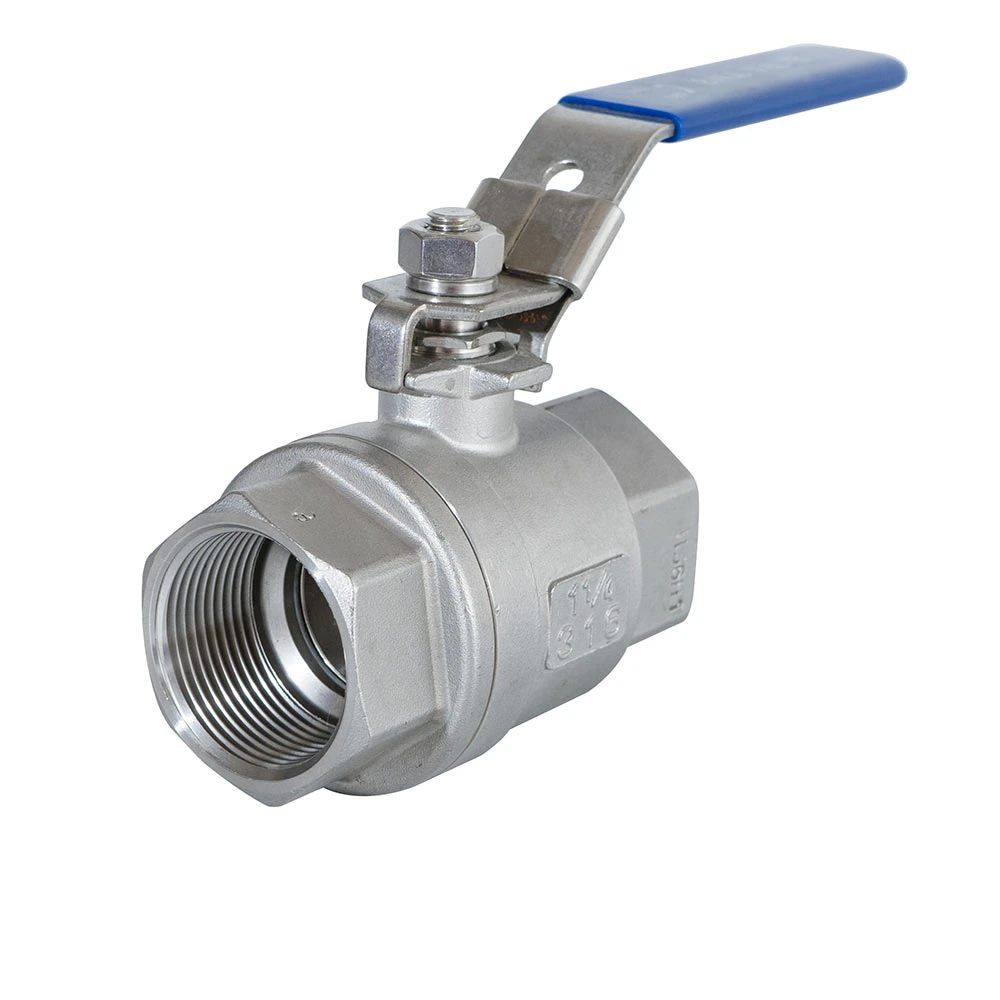
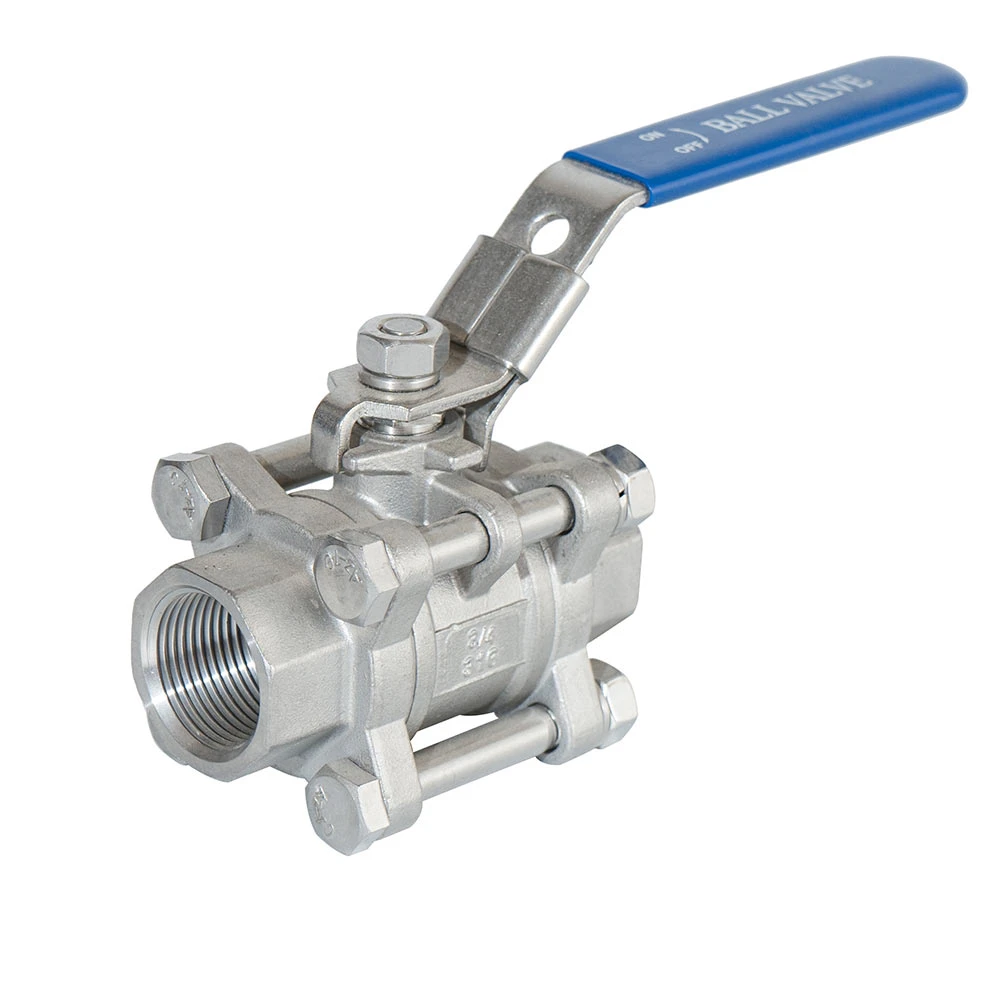
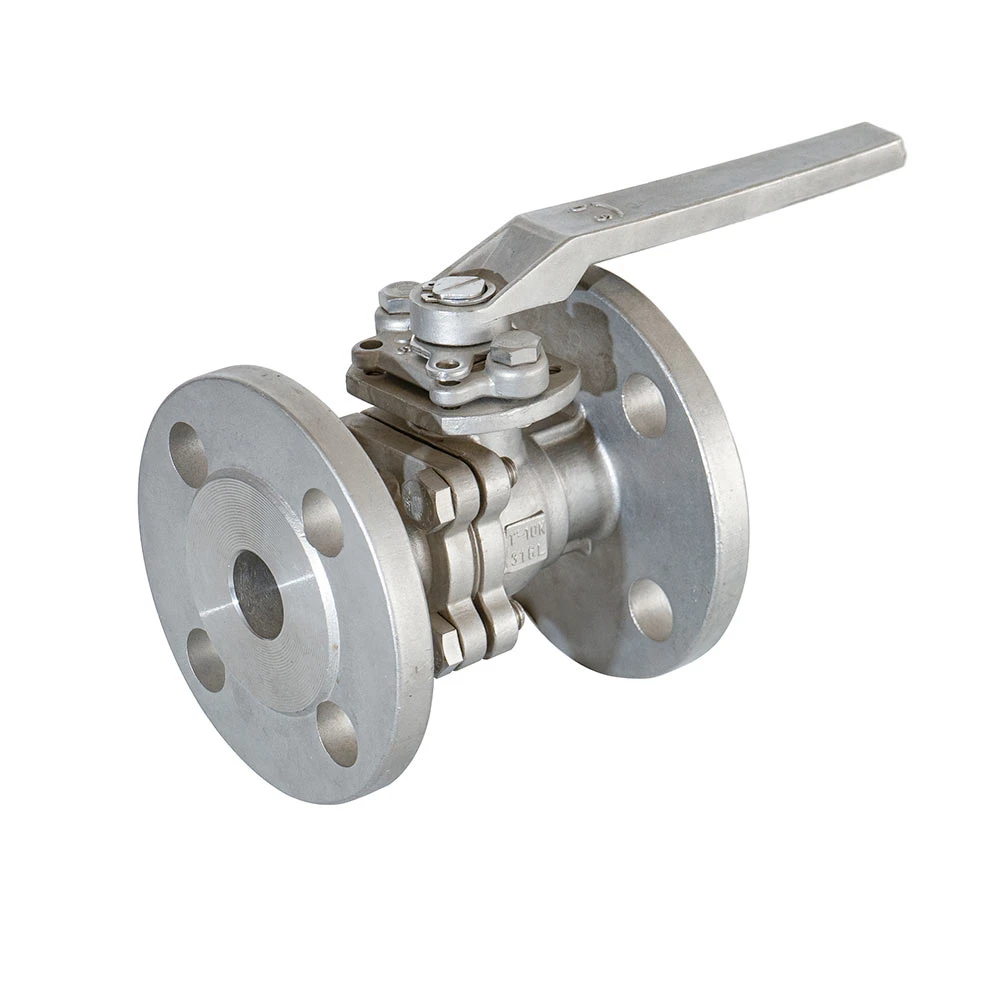
Put simply, it’s a type of ball valve distinguished by three ports and threaded connections, allowing easy installation without welding or flanges. The central ball inside rotates to channel flow through one of the two pathways or both simultaneously, depending on the configuration. They’re excellent for switching flows or mixing fluids in industries such as HVAC, oil and gas, and pharmaceuticals.
This valve, fascinatingly, bridges basic mechanical control with modern industrial needs, offering operational flexibility in constrained spaces. Humanitarian agencies even use them in field water systems where quick assembly and reliability are crucial.
Key Factors of a Quality 3 Way Threaded Ball Valve
1. Durability
Resistance to corrosion and wear is paramount since valves often handle aggressive chemicals or salty water. Materials like stainless steel or brass ensure longevity.
2. Scalability
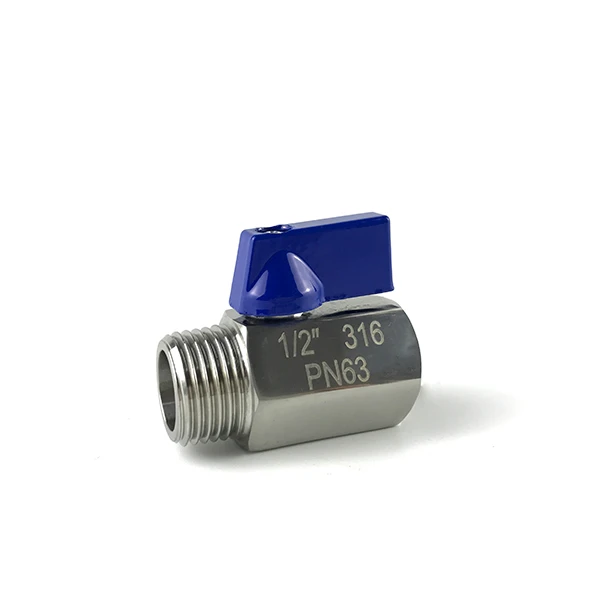
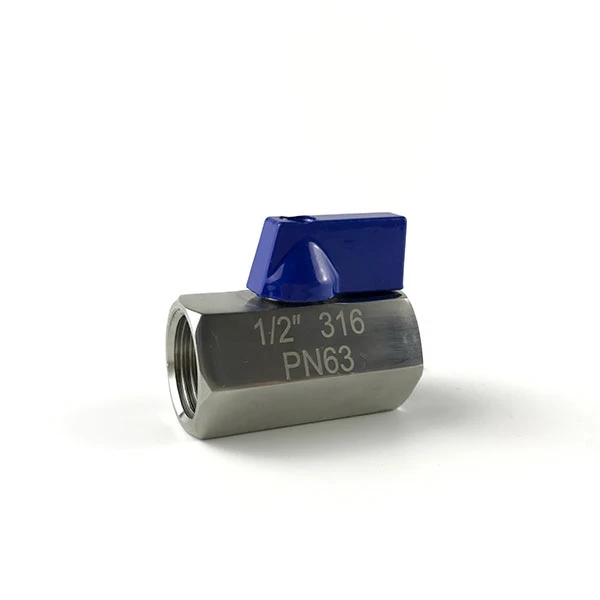
They come in sizes ranging from ½ inch to several inches, making them suitable for everything from laboratory setups to large pipelines.
3. Leak-proof Design
Precision-machined balls combined with PTFE seats minimize leaks—crucial for environmental safety and operational efficiency.
4. Ease of Installation & Maintenance
Threaded ends enable tool-free assembly in many cases, speeding up repairs and reducing costs.
5. Cost Efficiency
While initial prices vary, the reduced downtime and maintenance translate to savings in the long run.
6. Versatility
Varied flow path configurations (L-port, T-port) address different system needs, from diverting flow to mixing applications.
Mini Takeaway: The 3 way threaded ball valve is a smart blend of durability, adaptability, and efficient flow control—qualities that make it indispensable for modern piping systems.
Global Applications & Use Cases
- Industrial Plants: Chemical, petrochemical, and pharmaceutical industries use these valves to switch process streams efficiently.
- Water Treatment Facilities: Valves regulate flow in filtration and distribution systems for safe water supply.
- HVAC Systems: Manage heating or cooling circuits with precise control.
- Humanitarian Relief: In disaster-hit areas, these valves enable rapid, modular water distribution.
- Remote Industrial Zones: Facilities in harsh environments favor robust valves requiring minimal maintenance.
For example, during a 2020 flood relief operation in Southeast Asia, quick-deploy water systems with such valves ensured clean water access to thousands within days.
Product Specification Table
| Specification | Details |
|---|---|
| Material | Stainless Steel 316 / Brass |
| Connection Type | Threaded NPT / BSP |
| Port Configuration | L-port, T-port |
| Operating Pressure | Up to 1000 PSI |
| Operating Temperature | -20°C to 180°C |
| Seal Material | PTFE / FKM |
Advantages & Long-Term Value
The benefits of using a 3 way threaded ball valve go beyond simple flow control. Firstly, cost savings arrive through less downtime and simple maintenance routines—imagine not needing to shut down an entire system just to switch lines. Then, there’s environmental impact: the leak-proof design reduces spill risks, which is vital for chemical or oil handling industries. Reliability builds trust with operators who depend on consistent performance over years, and with good reason.
On a more intangible level, safety and dignity come into play. Whether delivering clean water in developing communities or maintaining HVAC for hospitals, these valves help systems that support lives. It’s compelling to see how a seemingly minor component can influence big-picture sustainability and well-being.
Vendor Comparison Table
| Vendor | Material Options | Price Range (USD) | Customization | Lead Time |
|---|---|---|---|---|
| Houde Valve Co. | SS316, Brass | $40 - $150 | Yes, sizes & seals | 2-3 Weeks |
| Valvex Corp. | Brass Only | $35 - $120 | Limited | 4-5 Weeks |
| Global Flow Systems | SS304, SS316 | $50 - $180 | Extensive | 3-4 Weeks |
Future Trends & Innovations
Technology marches on. The 3 way threaded ball valve is no exception. Emerging trends lean toward smart valves equipped with digital monitoring for predictive maintenance, reducing unexpected failures. Materials research is also pushing boundaries—think advanced composites and coatings that withstand even harsher chemicals or extreme temperatures.
Moreover, environmental regulations continue to tighten worldwide, driving manufacturers to innovate around zero-leak designs and greener manufacturing processes. The rise of automation means integrating these valves into IoT (Internet of Things) systems, delivering remote control and diagnostics. These innovations could turn what used to be a humble mechanical part into an intelligent system cornerstone.
Challenges & Solutions
Despite many strengths, 3 way threaded ball valves face challenges: threaded joints occasionally suffer from thread galling (where threads seize due to friction). Also, improper installation can lead to leaks. Over time, wear seals degrade, needing replacement. However, expert users mitigate these issues by using proper lubricants, selecting compatible materials, and employing universal thread standards (like NPT or BSP) to ensure interchangeable parts.
Manufacturers often offer customization for seal materials and thread types to fit specific applications, further reducing risks. Training installation teams also helps extend valve life cycles in the field.
FAQ: Frequently Asked Questions About 3 Way Threaded Ball Valve
- What is the difference between a 3 way ball valve and a 2 way ball valve?
- Simply put, a 3 way ball valve has three ports enabling flow to be directed between two outlets or mixed, while a 2 way valve controls flow between one inlet and one outlet. The 3 way adds flexibility for more complex piping setups.
- Can 3 way threaded ball valves handle high-pressure industrial applications?
- Yes, most stainless steel 3 way threaded ball valves can handle pressures up to 1000 PSI or more, depending on design and material. Always verify with vendor specs for your exact use case.
- Are 3 way threaded ball valves easy to maintain on-site?
- Generally yes. Threaded connections facilitate quick removal, and many valves have replaceable seats and seals. Proper maintenance routines will extend service intervals.
- How do I choose the right port configuration—L-port or T-port?
- L-ports are typically used for diverting flow, allowing selection between two paths. T-ports can mix or split flows. The choice depends on your system’s operational needs.
- Is thread sealing tape enough to prevent leaks on threaded ball valves?
- Thread sealing tape (PTFE) is widely used and effective when applied correctly. However, for critical or hazardous fluids, additional sealants or flange connections might be advisable.
Conclusion & Call to Action
The 3 way threaded ball valve stands as a deceptively simple but indispensable piece of industrial infrastructure. With its ease of installation, versatility, and robust design, it supports a wide range of applications worldwide, from factories to disaster relief zones. Understanding this valve means appreciating the small cogs that keep our modern world flowing smoothly and safely.
If you want to explore additional details or purchase high-quality valves, be sure to visit https://www.houdevalve.com—a trusted source for reliable, customizable solutions.
In the end, it’s these valves that quietly ensure efficiency, safety, and sustainability in countless operations every day.
Final takeaway: A 3 way threaded ball valve may feel like a small detail, but mastering its functions is key to managing complex flow systems smarter and safer.