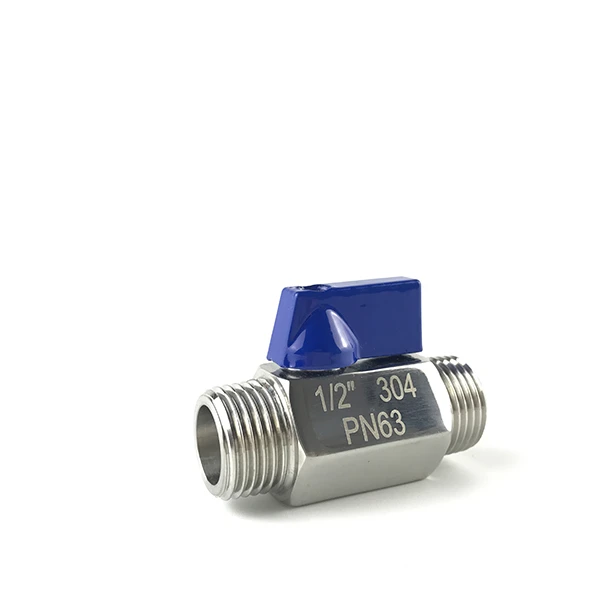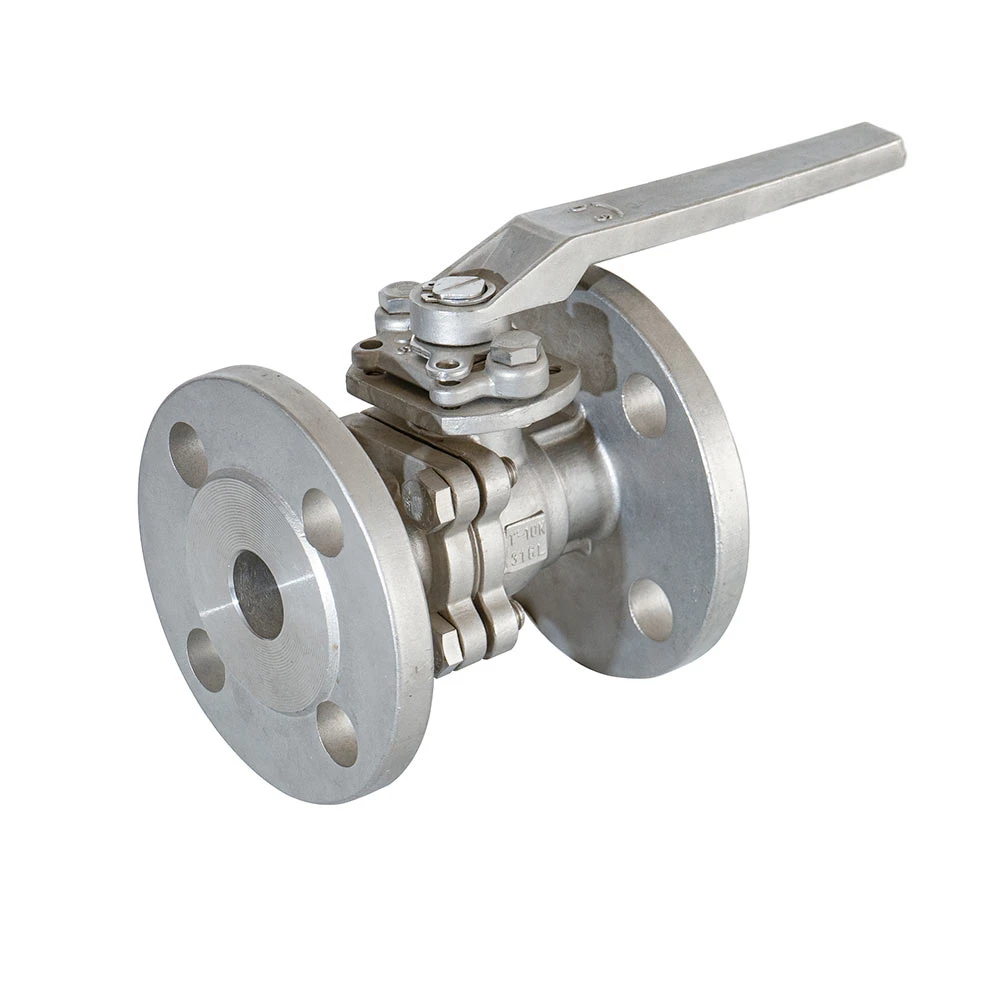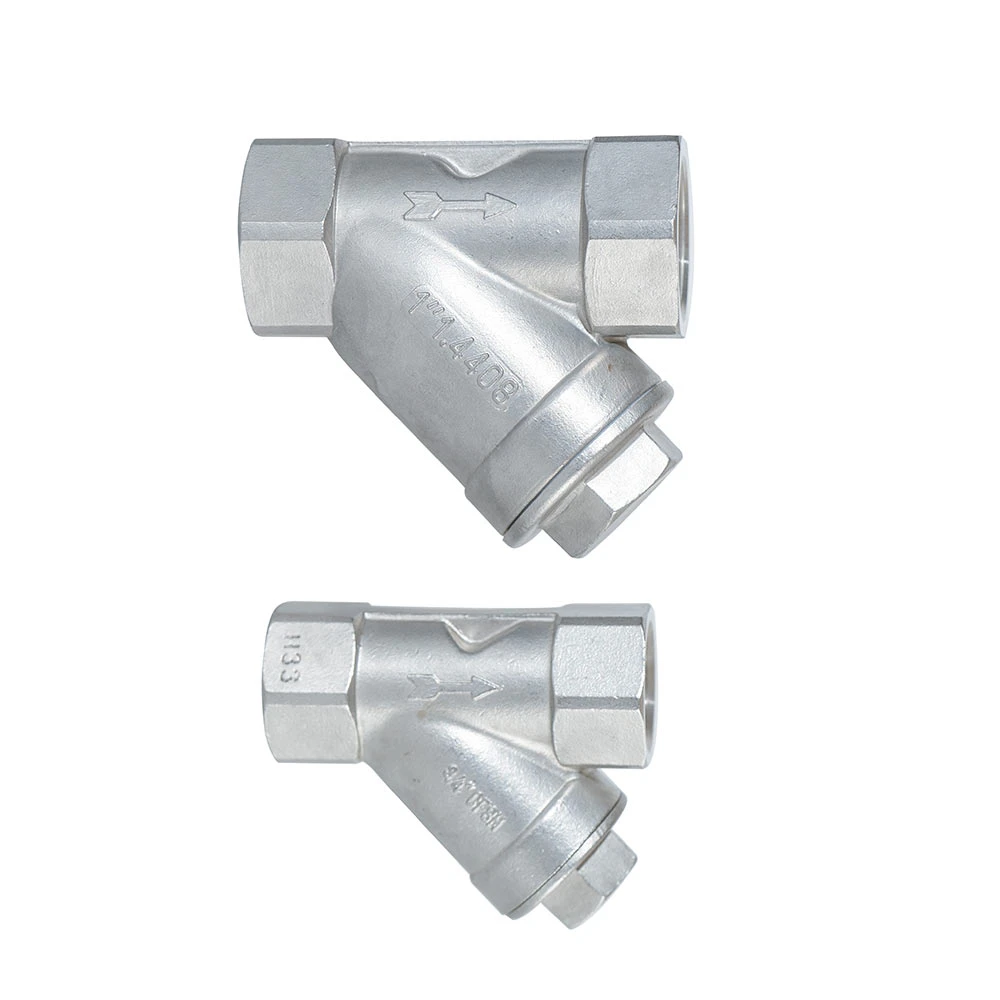
Understanding the 3 Way Valve 1 4 Inch: Small Device, Big Impact
When you hear “3 way valve 1 4 inch,” you might imagine some obscure industrial part tucked away in complex machinery. But frankly, these valves play a surprisingly pivotal role across many industries and applications worldwide. From ensuring precision fluid control in manufacturing plants to their use in water treatment systems critical for humanitarian aid, understanding these compact components can reveal a lot about modern engineering and global challenges.
Introduction: Why Global Relevance Matters
Globally, industries that rely on fluid dynamics and process control are growing rapidly. According to the International Organization for Standardization (ISO), valves represent roughly 13% of the total industrial component market, and the 1/4 inch 3 way valve is a ubiquitous piece of this puzzle. In places like Southeast Asia and parts of Africa, valves like these aid in water management and efficient irrigation—a keystone in supporting food security amid climate risks.
Yet, the challenge remains: how do you offer durable yet reliable valve solutions that cater to diverse environments—from freezing cold climates to dusty deserts? This is where the 3 way valve’s design and adaptability come into full focus.
Defining the 3 Way Valve 1 4 Inch
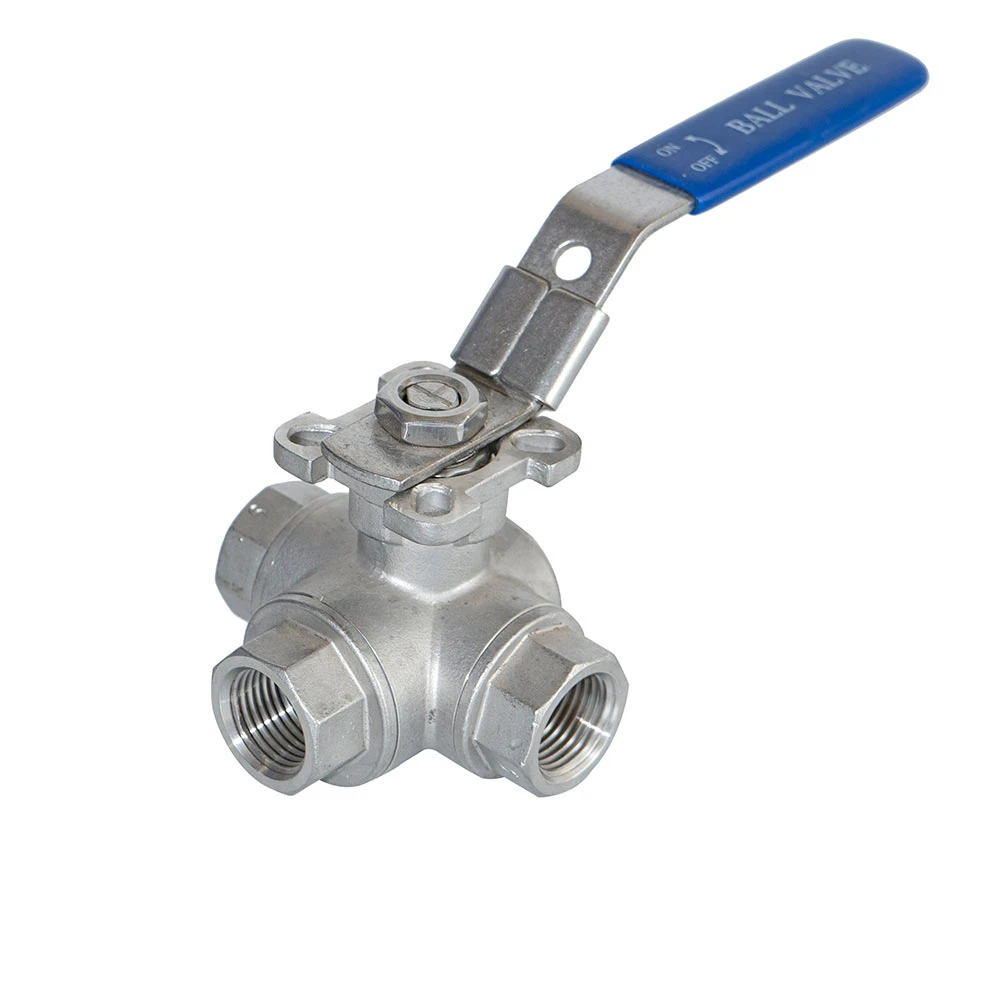
So, what exactly is a 3 way valve 1 4 inch? Simply put, it is a valve that allows fluid or gas to flow through three different ports, enabling flow diversion or mixing. Its “1 4 inch” dimension refers to the size of the valve ports, generally indicating the threaded pipe size it can connect to. These valves are invaluable where you want to switch flow between two different outputs or mix fluids with precision.
In modern industrial setups or humanitarian efforts—say, water purification in emergency shelters—these valves allow precise flow control without needing bulky equipment. It’s almost like having a tiny traffic controller for fluids.
Core Components & Key Factors
1. Durability and Material Composition
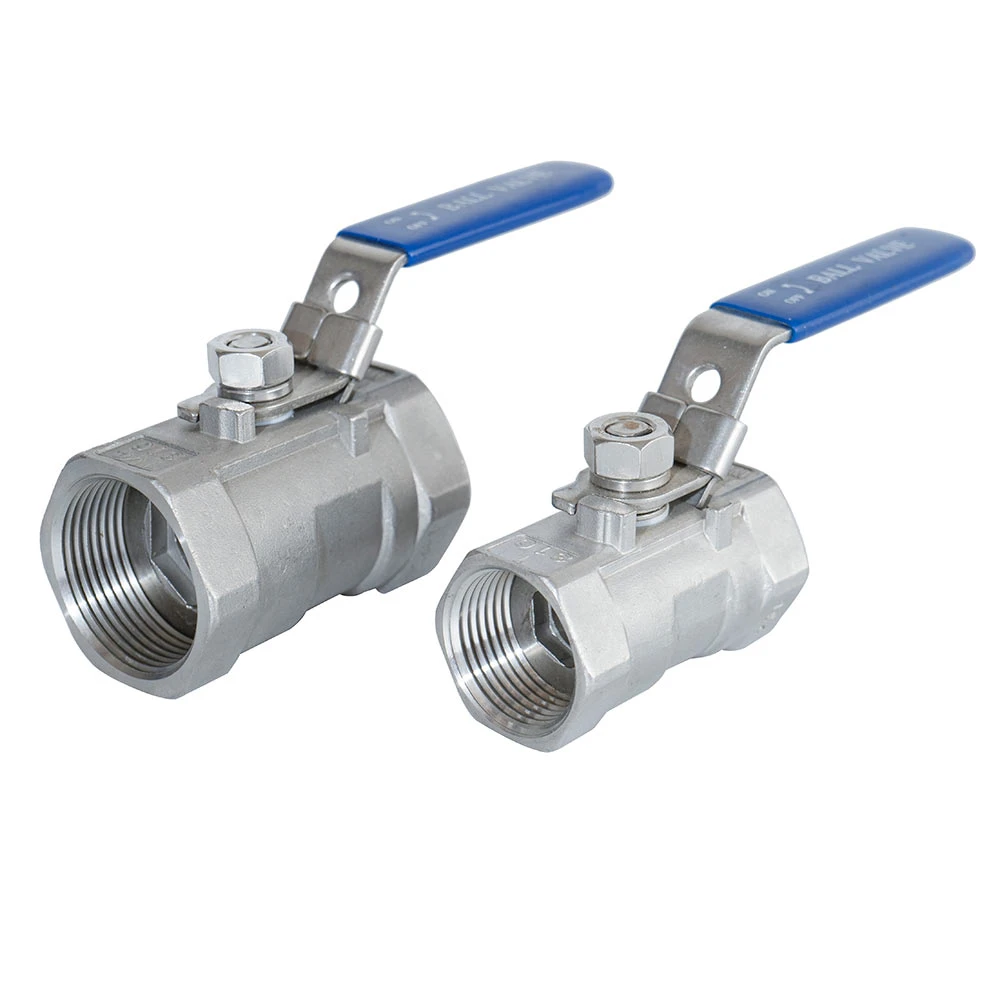
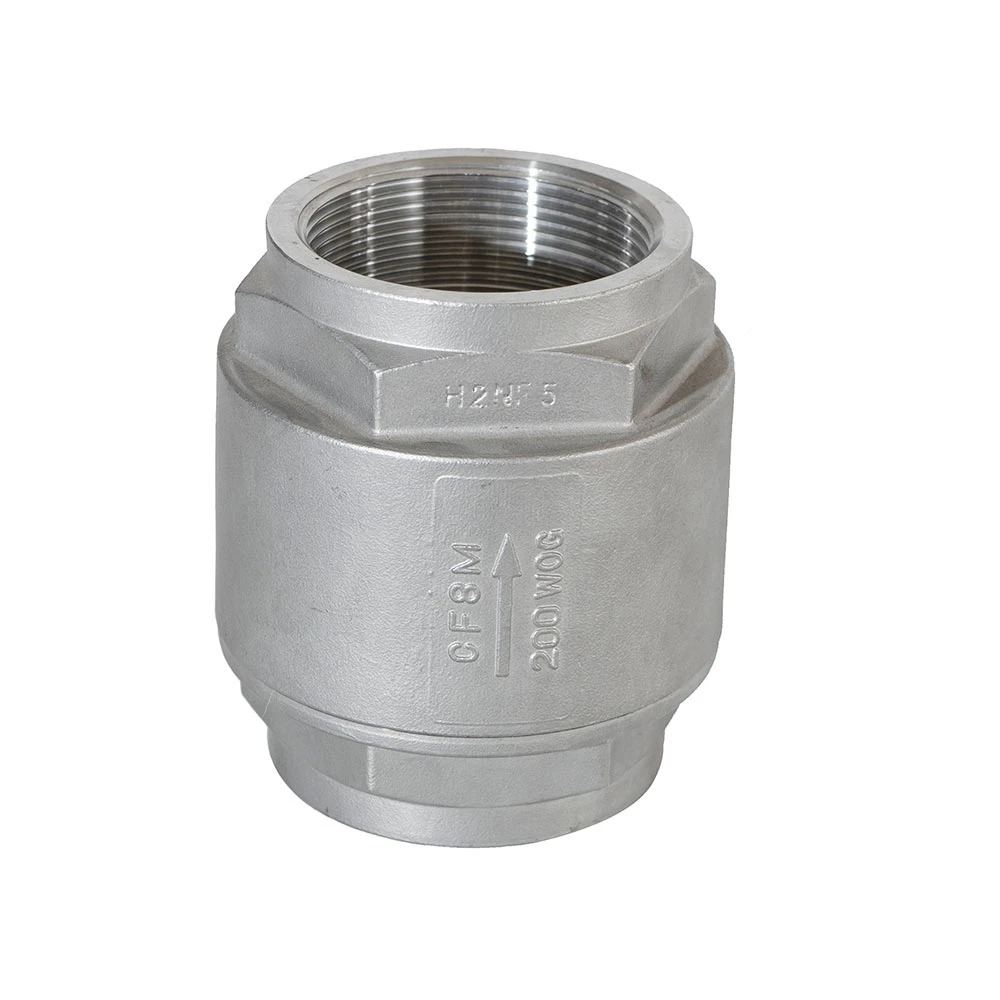
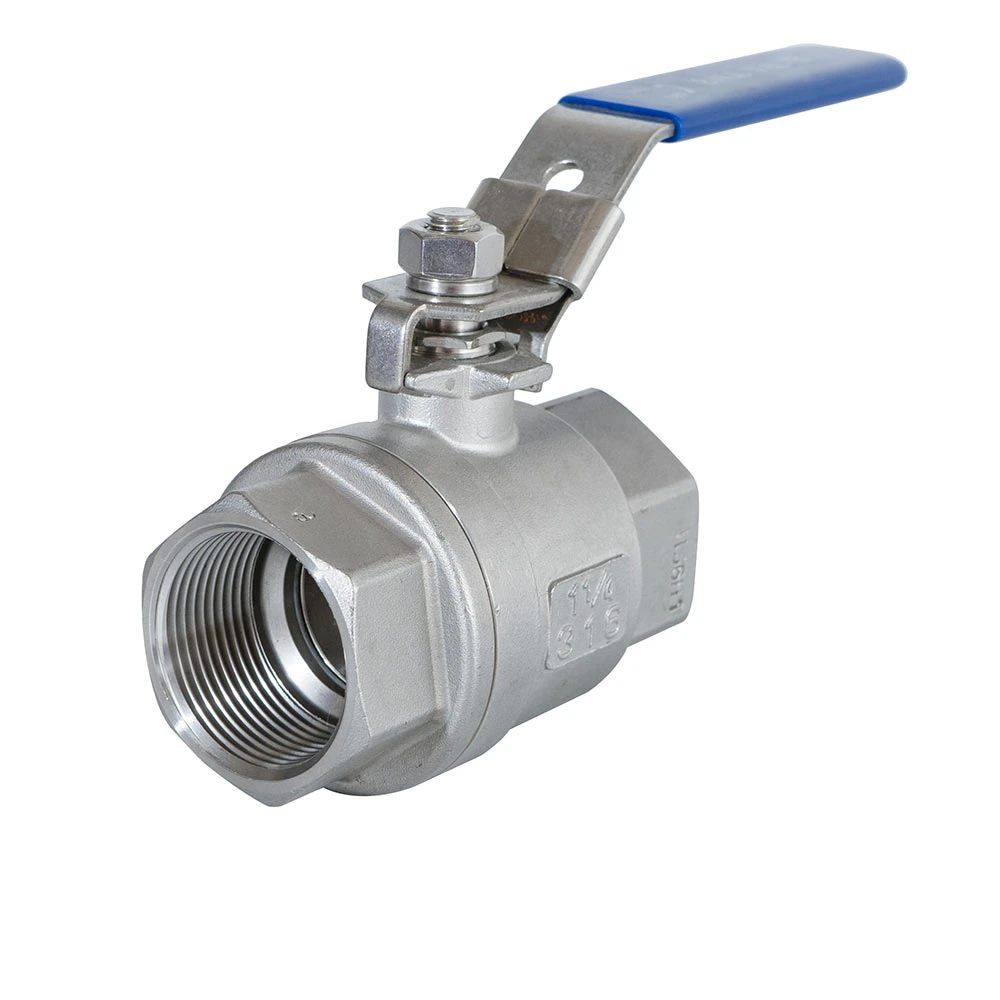
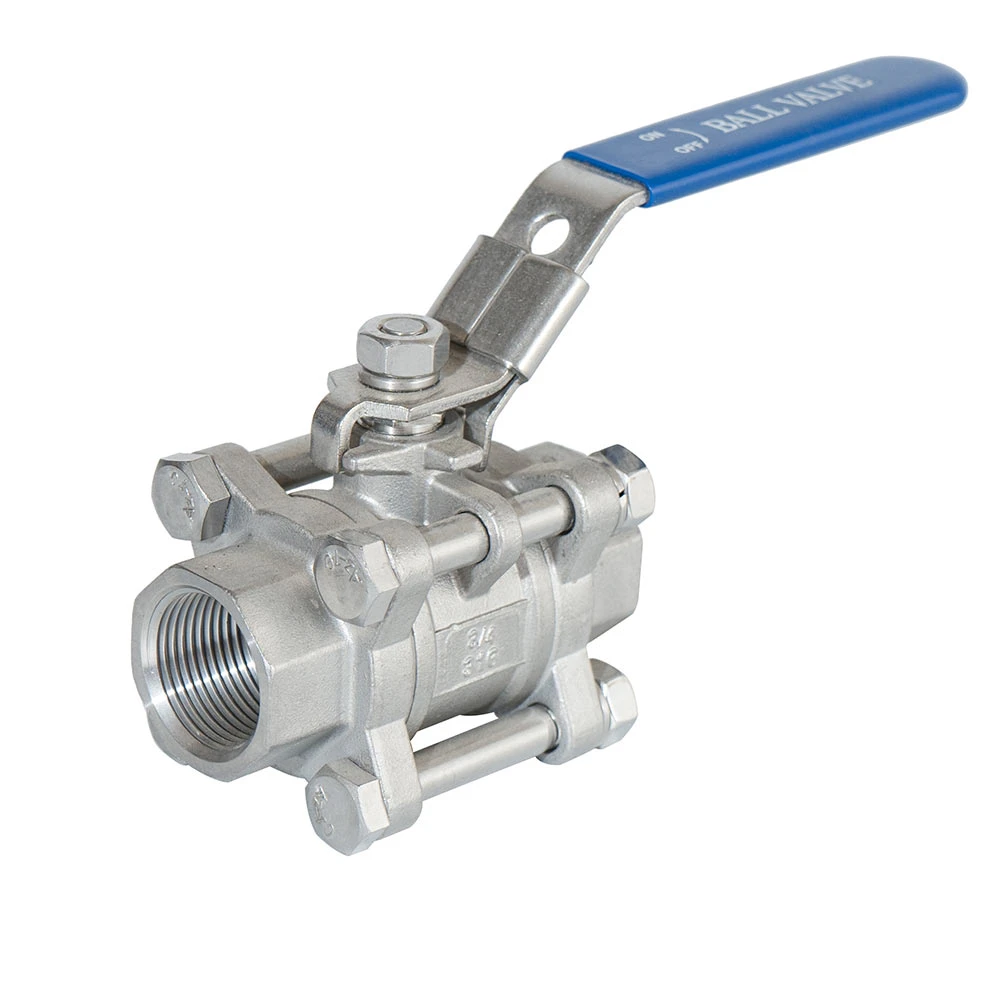
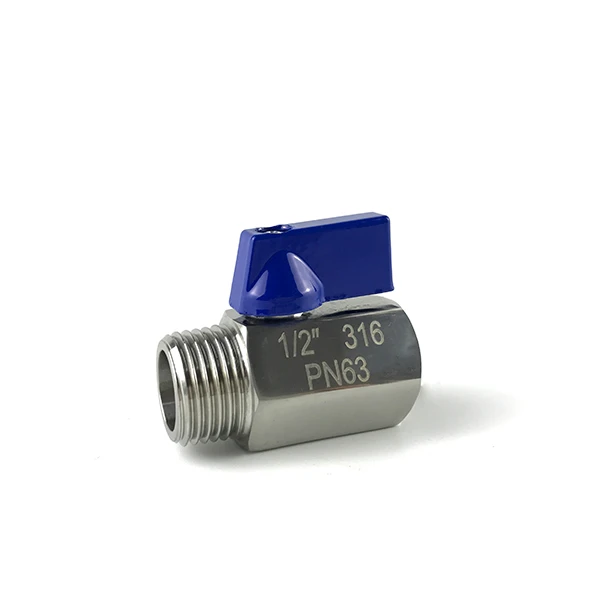
In a nutshell, these valves often come made of brass, stainless steel, or robust plastics. Brass models are popular for their corrosion resistance and longevity, particularly in water systems. Stainless steel variants suit harsh chemical environments where resistance to acids or solvents is essential.
2. Compactness and Scalability
Oddly enough, what makes the 1/4 inch size special is its balance between small footprint and reliability. Compact enough for tight spaces, yet scalable for integration in larger systems—think precise dosing pumps or laboratory setups.
3. Cost Efficiency
Compared to bigger piping systems and valves, the smaller 3 way 1/4 inch valves reduce material costs and installation time. This translates into significant overall savings, especially in large-scale projects requiring hundreds of valves.
4. Versatility of Operation
These valves can be manual, solenoid-operated, or pneumatic, letting engineers pick what suits their automation needs best. In automated water treatment plants, for example, solenoid valves can rapidly switch flows without human intervention.
5. Easy Maintenance and Accessibility
Many designs emphasize quick disassembly. Maintenance teams appreciate that the valve’s internals are simple enough to be serviced on-site, minimizing downtime.
Typical Specifications of a 3 Way Valve 1 4 Inch
| Specification | Details |
|---|---|
| Port Size | 1/4 inch (6.35 mm) |
| Material Options | Brass, Stainless Steel, Nylon |
| Operating Pressure | Up to 150 psi (varies by model) |
| Temperature Range | -20°C to 100°C (general use) |
| Actuation Methods | Manual, Pneumatic, Electric (Solenoid) |
| Connection Type | Threaded (NPT or BSP) |
Mini takeaway: The 3 way valve 1 4 inch stands out for its flexible functionality—and that’s why engineers keep favoring it across applications big and small.
Global Applications and Use Cases
It’s a small component but with disproportionately widespread impact, from:
- Water Treatment Facilities: In Southeast Asia, precise flow control using 3 way valves helps manage scarce water resources efficiently.
- Pharmaceutical Manufacturing: Here, batch production lines rely on compact 3 way valves to switch between different chemical streams without contamination.
- Industrial Automation: Across Europe and North America, these valves integrate into automated systems for lubricants, air, and oil control.
- Humanitarian Aid: In disaster-stricken regions, portable water-purification units use these valves to direct filtered and unfiltered water safely.
Let’s take a recent example from Uganda: a nonprofit installed water kiosks incorporating these valves, simplifying maintenance and drastically reducing downtime during floods.
Comparing Popular Vendors of 3 Way Valve 1 4 Inch
| Vendor | Material Options | Price Range (USD) | Lead Time | Notable Features |
|---|---|---|---|---|
| Houde Valve Co. | Brass, Stainless Steel | $15–25 per unit | 2–3 weeks | Custom sizes, rapid prototyping |
| ValveCorp | Plastic, Aluminum | $8–15 per unit | 1–2 weeks | Lightweight models for pneumatics |
| FlowTech Systems | Stainless Steel only | $20–30 per unit | 3–4 weeks | High pressure, chemical resistance |
3 way valve 1 4 inch from Houde Valve Co. is often the go-to for those needing quality paired with fast delivery.
Advantages and Long-Term Value
In real terms, the benefits go beyond the technical specs:
- Cost Savings: Efficient routing reduces waste, energy, and maintenance costs.
- Reliability: Fewer moving parts in some models mean longer life cycles.
- Safety and Trust: Reducing manual intervention in dangerous setups keeps workers safer.
- Sustainability: Small valves require less material to produce and enable more precise resource management.
Future Trends & Innovations
Looking ahead, expect see-through valves fitted with sensors for real-time flow monitoring. Digitally connected valves are starting to become a reality—think IoT (Internet of Things) applied to small industrial valves, enabling predictive maintenance and remote control, a boon for remote industrial zones.
Materials are also evolving, with bioplastics and corrosion-resistant coatings promising longer life with reduced environmental footprint. These innovations align perfectly with global sustainability goals, like those championed by the UN.
Challenges & Solutions
Like any tech, 3 way valves have their quirks: potential leaks, valve seat wear, or actuation failure. But continuous improvements in CNC machining, sealing materials, and quality control minimize these risks. Experts suggest routine maintenance combined with choosing the right valve material for your application is key.
FAQ About 3 Way Valve 1 4 Inch
Q1: What industries most commonly use the 3 way valve 1 4 inch?
A1: These valves are popular in water treatment, laboratory equipment, and industrial automation. Their compact size makes them ideal where space and weight are constraints, such as in pharma and food processing.
Q2: How do I choose between brass and stainless steel for my valves?
A2: Consider your fluid type and environment. Brass performs well with freshwater or non-aggressive media, while stainless steel excels in corrosive or high-temperature settings.
Q3: Can a 3 way valve 1 4 inch be automated?
A3: Absolutely. Many come in solenoid or pneumatic-actuated versions, enabling integration in automated systems for remote or precise control.
Q4: Are 3 way valves easy to maintain?
A4: Yes, many designs allow quick internal access for cleaning or replacing seals, reducing equipment downtime.
Q5: Where can I buy reliable 3 way valve 1 4 inch suppliers?
A5: Trusted vendors like Houde Valve Co. offer a range of materials and fast delivery, serving industries worldwide.
Conclusion
Ultimately, the 3 way valve 1 4 inch is a deceptively simple yet crucial component bridging precision engineering and everyday practical needs globally. Its adaptability, cost-effectiveness, and growing innovations promise to keep it indispensable in the years ahead.
If you want to explore more or purchase reliable valves tailored to your needs, do not hesitate to visit our website. The future is flowing, and these valves help steer it just right.
Folks often underestimate these small tools—but they quietly keep the wheels of industry and humanitarian efforts turning.
- International Organization for Standardization (ISO) – Valve Market Report, 2022
- Wikipedia: Valve (Mechanical Device)
- United Nations Sustainable Development Goals (SDG) – Goal 6: Clean Water and Sanitation