Understanding the L Port Valve: A Versatile Component in Modern Industry
The l port valve is more than just a simple mechanical part; it’s a key player in industries ranging from water treatment to chemical processing. Globally, the demand for efficient flow control and reliability in piping systems makes l port valves fundamental. Their design offers flexibility in directing flow, which solves complex routing challenges and reduces downtime — benefits that ripple across manufacturing, infrastructure, and even humanitarian logistics.
In a world pushing towards smarter, more sustainable infrastructure, grasping how this valve operates is a solid step towards both innovation and resilience.
Global Context: Why the L Port Valve Matters
According to the International Organization for Standardization (ISO), industry valves are pivotal for maintaining safe and effective flow management, with the global market expected to grow steadily due to urbanization and industrial expansion. An estimated 30% of process inefficiencies stem from flow control problems—something an optimized valve design like the l port valve can help mitigate.
Challenges such as fluid contamination, leak risks, and operational complexity drive the push for valves that offer precision and versatility. The l port valve directly addresses these issues, improving system durability and operational safety. This valve’s adaptable design is especially critical where space constraints or process complexity demand clever routing solutions.
What Exactly Is an L Port Valve?
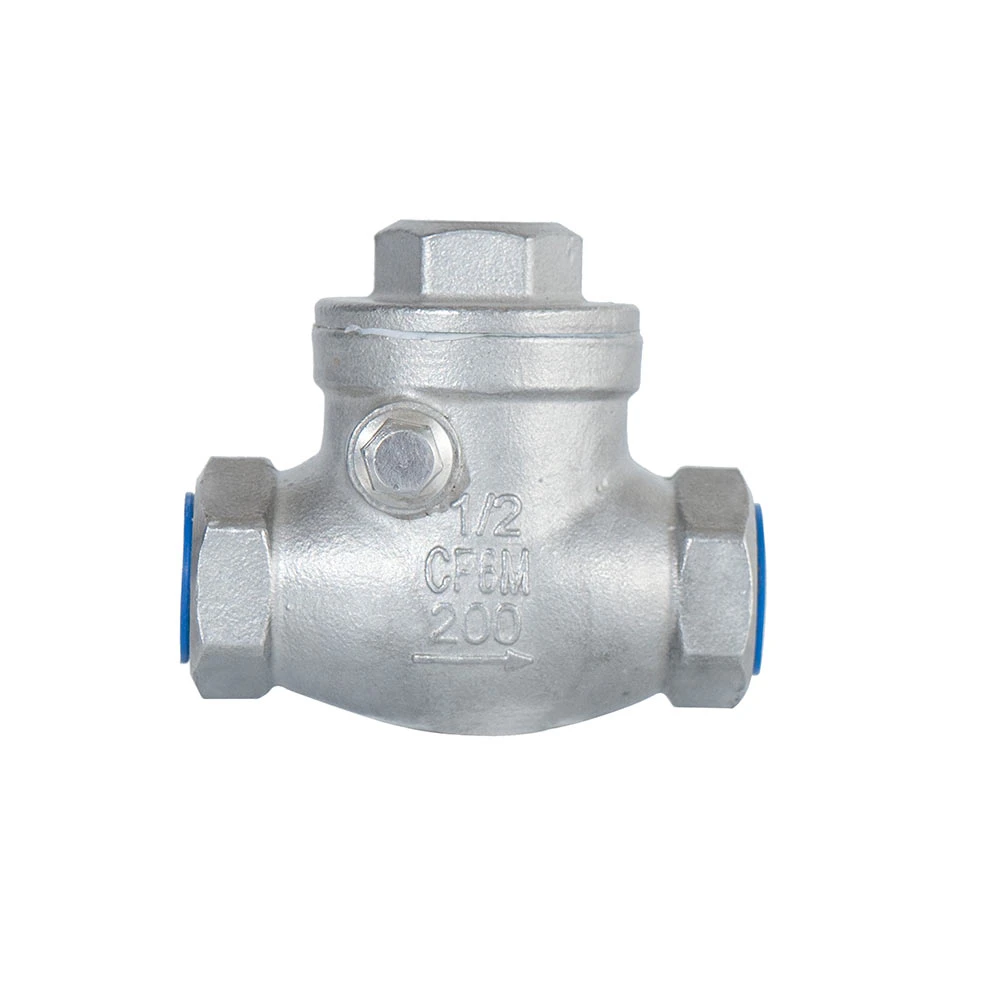
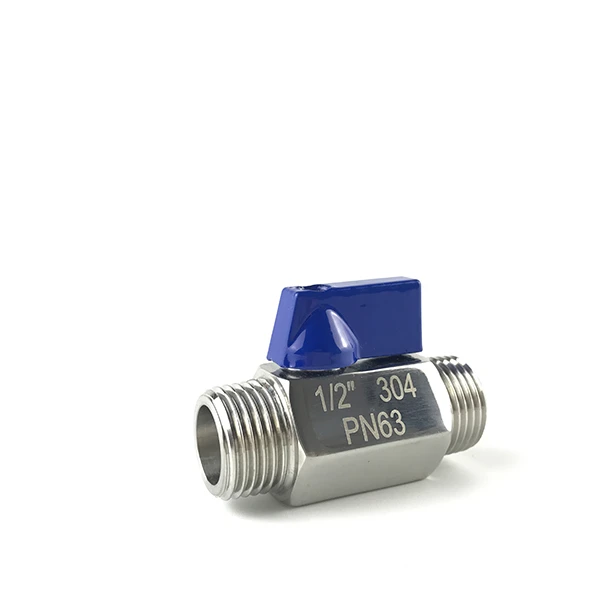
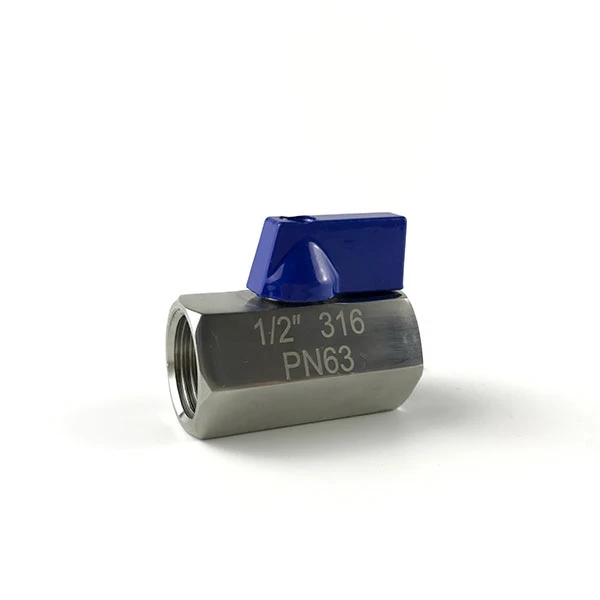
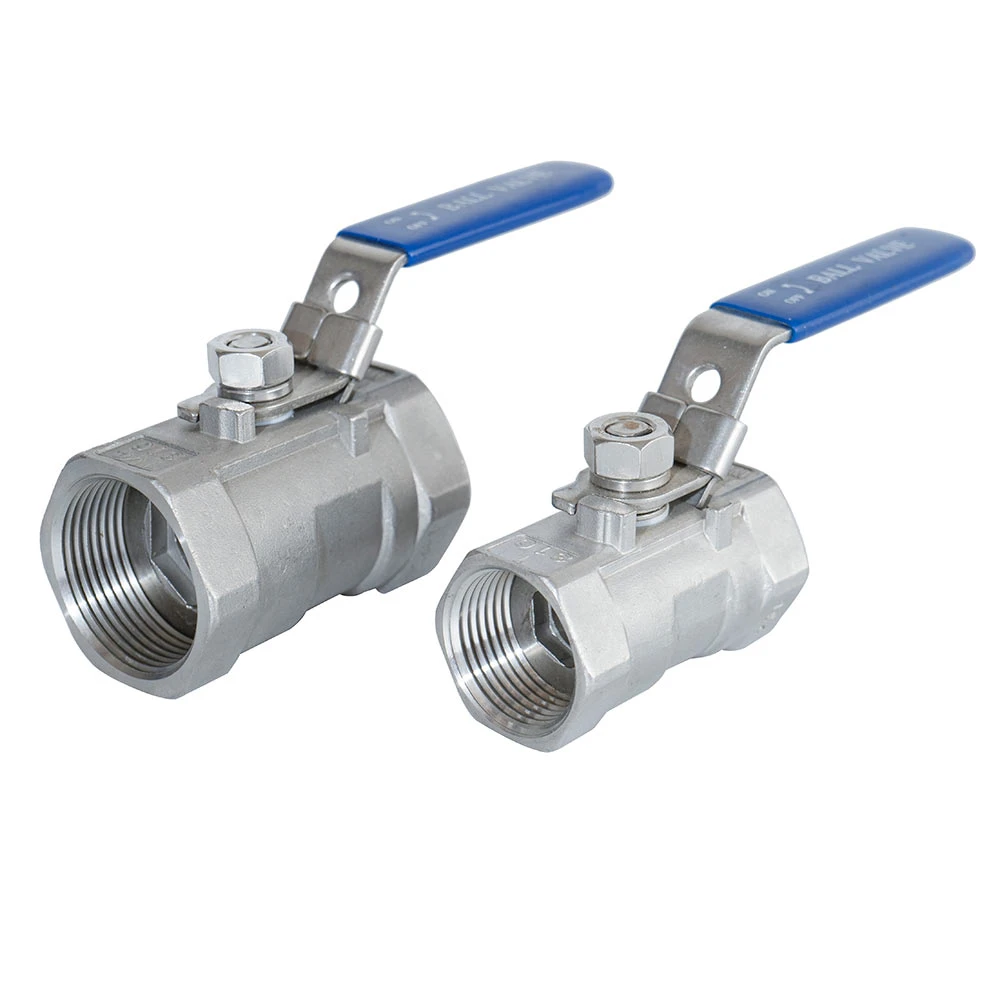
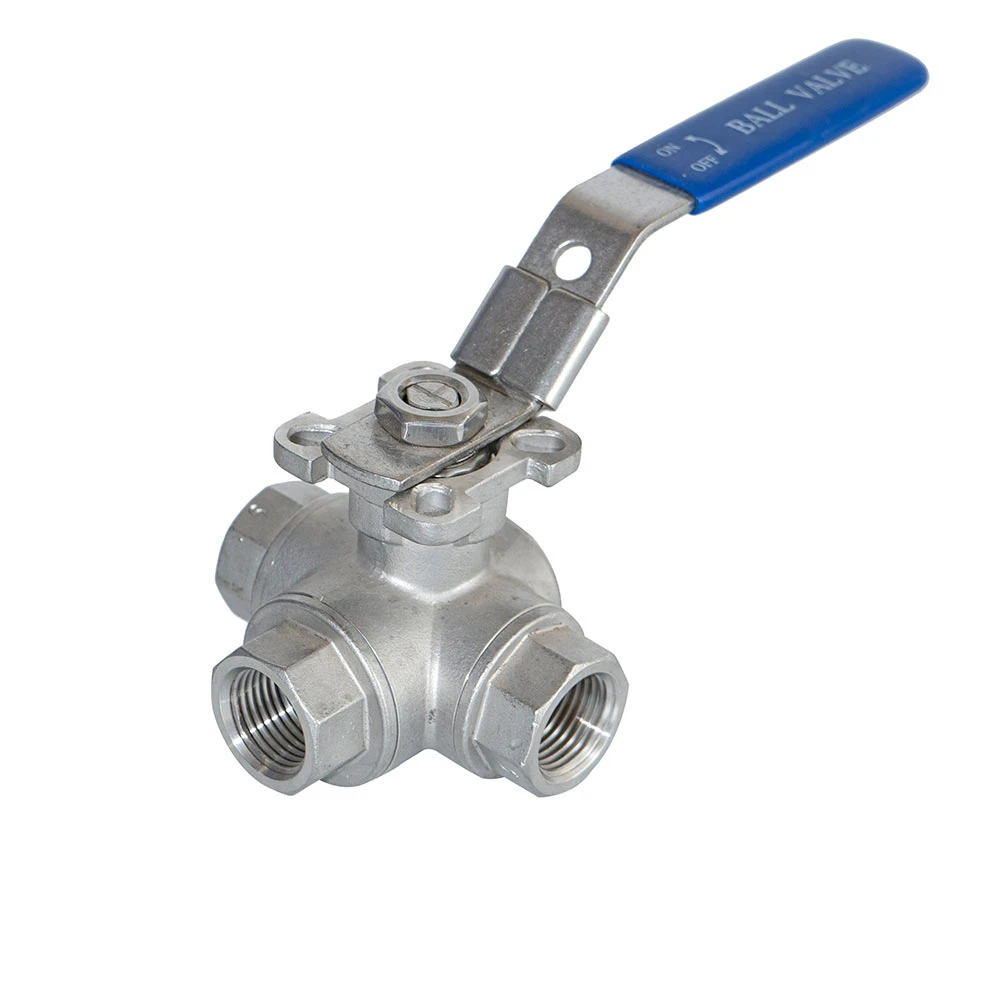
An l port valve is a type of multi-port valve featuring an internal L-shaped passage (hence the name) that routes flow between ports. Imagine the valve’s internal path as a right angle—this redirects fluid either straight through or around, allowing two different flow directions depending on the valve position. It’s often used where systems require two flow options, like switching between outlets or isolating sections without additional pipework.
In practical terms, it’s akin to a traffic director for fluids, giving operators a simple way to change routes through interconnected pipelines. Such functionality is indispensable in industries that demand flexible process control, including oil & gas, pharmaceuticals, and municipal water management.
Key Features and Components of the L Port Valve
1. Durability
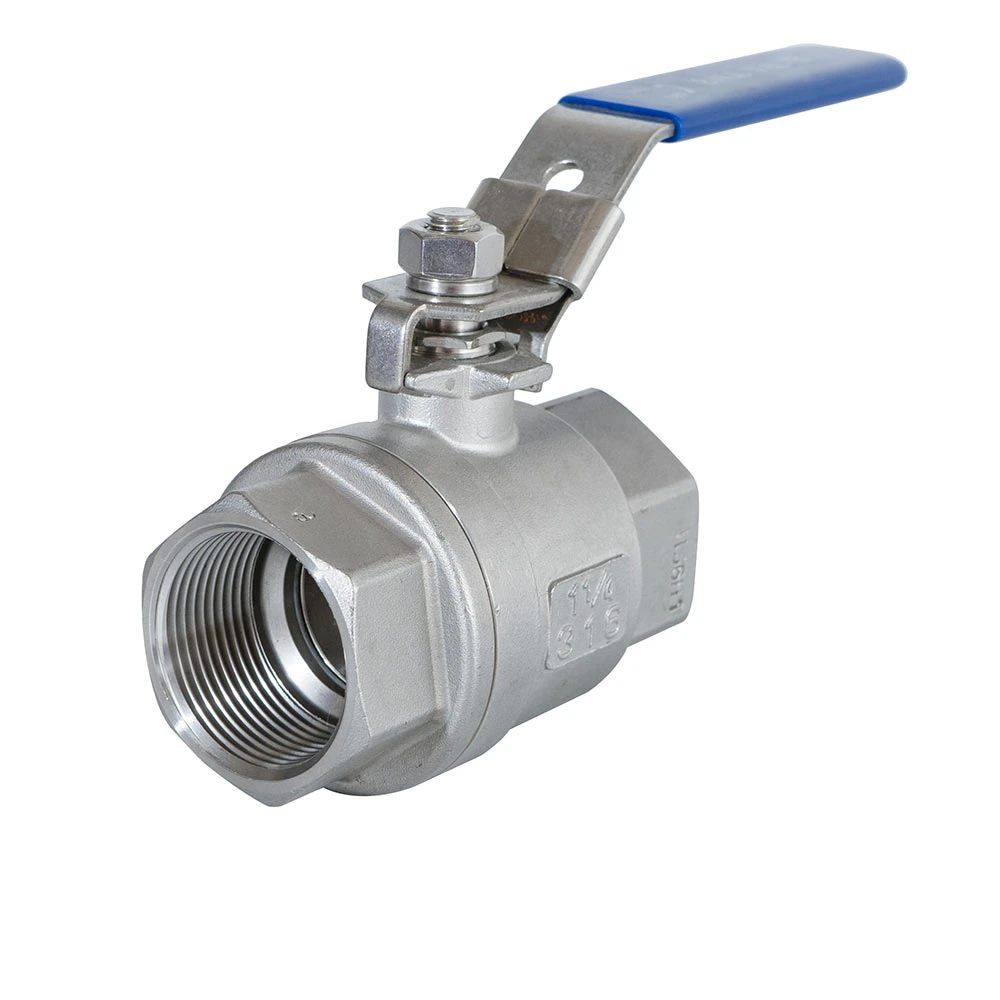
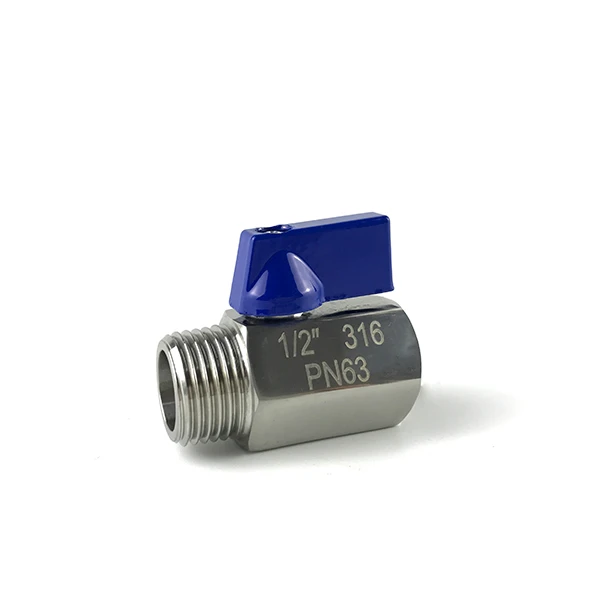
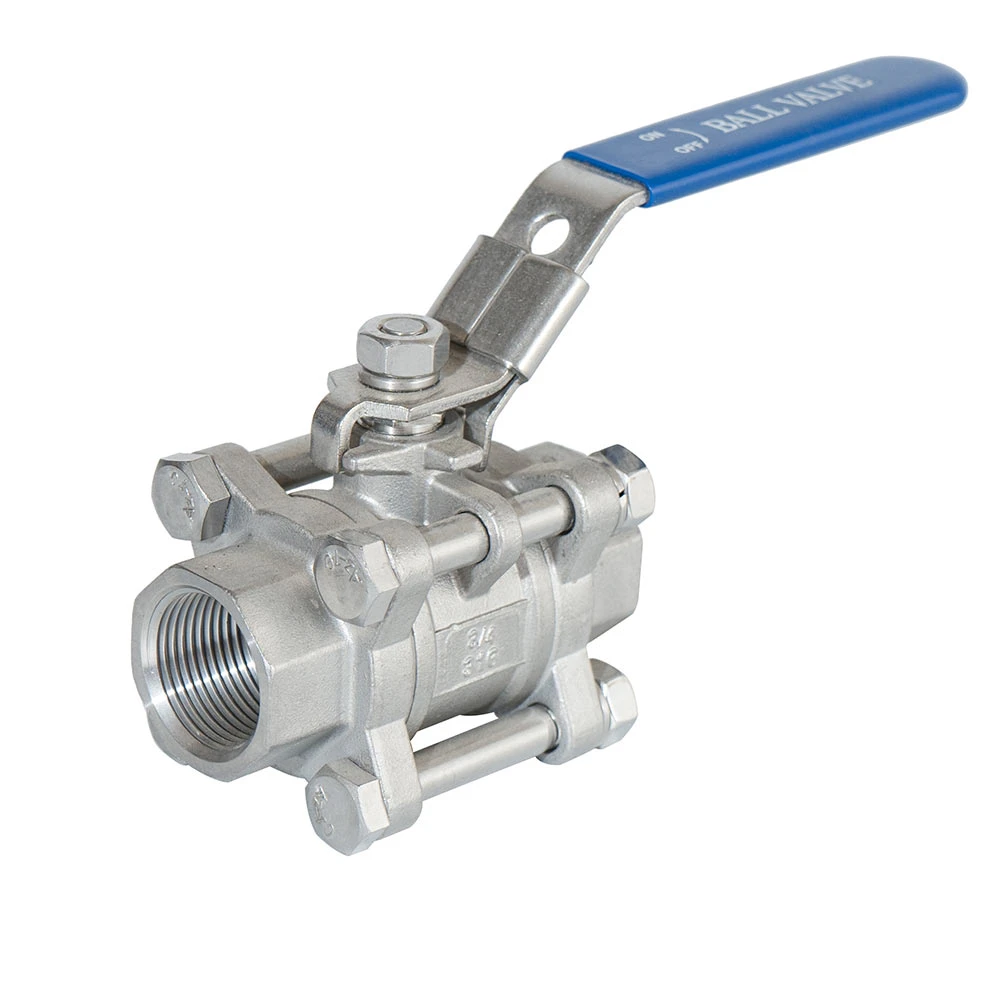
L port valves are designed to endure harsh working conditions. Depending on the application, they are built from stainless steel, brass, or even plastic composites. This matters significantly in corrosive or high-pressure environments where valve failure could be catastrophic.
2. Versatility and Flow Control
The defining L-shaped port allows for simple switching between two paths without complicated external piping. This versatility means fewer valves and junctions in a system, reducing potential failure points.
3. Ease of Operation
Typically, these valves are quarter-turn operated, making them quick and intuitive to use — a critical factor in emergency or time-sensitive scenarios.
4. Maintenance & Compatibility
Thanks to standardized sizing and modular designs, l port valves integrate seamlessly into most piping systems, facilitating replacement and reducing downtime.
Comparison Table: Typical L Port Valve Specifications
| Specification | Details |
|---|---|
| Material | Stainless steel, brass, PVC |
| Pressure Rating | Up to 600 psi (varies by model) |
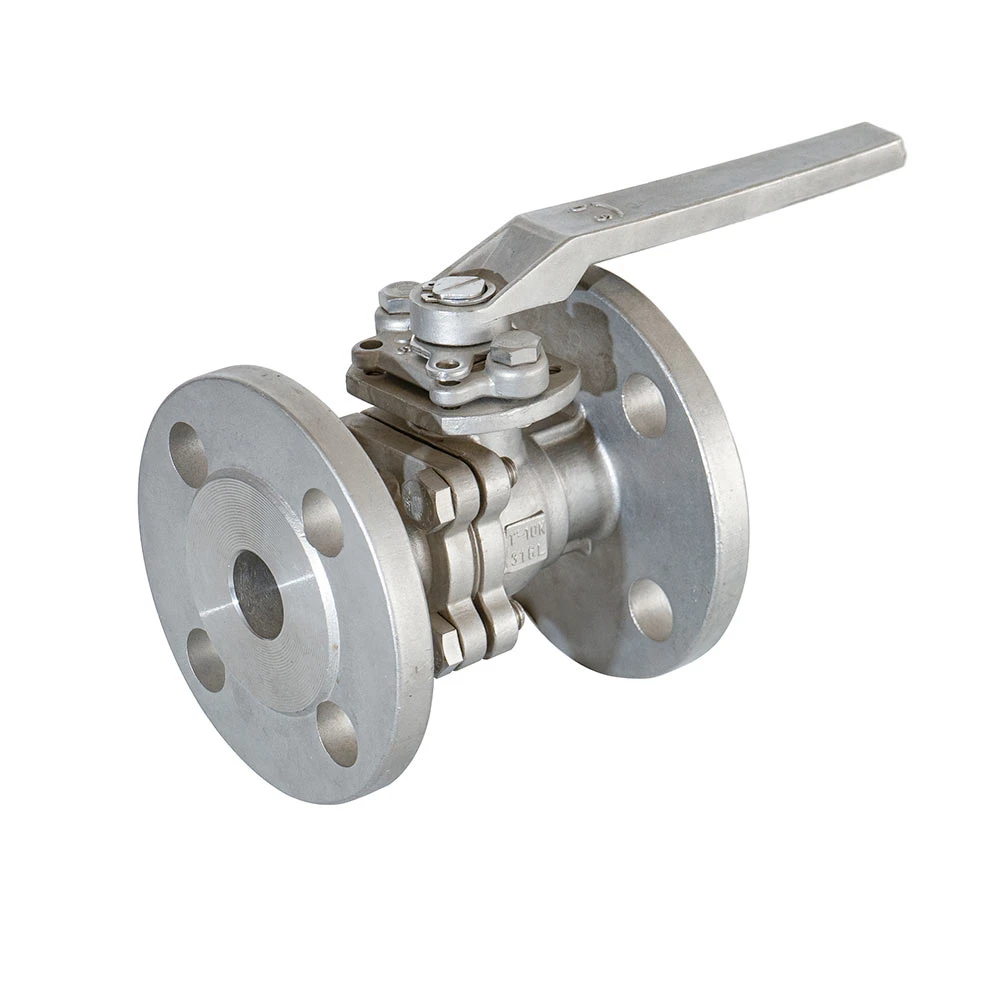
| Connection Type | Threaded, flange, socket weld |
| Flow Paths | Two (typically 90° angle) |
| Operation | Manual quarter turn or automated |
Real-World Applications Across the Globe
The l port valve finds its way into a surprising variety of settings:
- Water Treatment Plants: Enables switching between treatment stages without disrupting flow.
- Oil & Gas Pipelines: Provides safe redirection of crude or gas flow, critical in leak prevention.
- Chemical Processing: Allows operators to switch processing lines efficiently while maintaining tight sealing.
- Disaster Relief: In temporary water distribution systems, l port valves help quickly re-route supply to affected areas.
Oddly enough, many engineers report that in remote industrial zones, where maintenance crews are limited, the simplicity of an l port valve reduces operational risks dramatically.
Why Choose an L Port Valve? Advantages That Matter
Besides the obvious functional benefits—like flexible flow control and durability—these valves save real cash over time. Fewer additional pipes mean less installation cost and lower leak risk. Plus, they promote sustainability by reducing material waste.
On an emotional level, operators appreciate the peace of mind that comes from reliable shut-off and routing capabilities—safety first, after all. In industries dealing with hazardous fluids, that trustworthiness can’t be overstated.
Looking Ahead: Innovations in L Port Valve Technology
Green technologies are creeping into valve design. New materials like bio-based polymers are being tested to cut environmental footprints. Digitization is another exciting trend—smart l port valves equipped with sensors now enable remote monitoring and predictive maintenance, which frankly could be a game changer for large-scale facilities.
Automation integration means these valves will soon be part of larger, AI-driven control systems, enhancing response times in dynamic environments.
Challenges and How Experts Are Solving Them
While l port valves are reliable, certain limitations persist: for example, in extremely viscous fluids, the L-shaped path can cause pressure drops or wear. Engineers now often pair these valves with flow conditioners or specify larger port sizes to mitigate such issues.
On the installation side, precise alignment is essential; otherwise, valves may leak or wear unevenly. Training and improved design tolerances are addressing this with noticeable success.
Vendor Comparison: Popular L Port Valve Manufacturers
| Feature | Houde Valve | GlobalTech Valves | FlowMaster Corp. |
|---|---|---|---|
| Material Options | Stainless steel, brass, PVC | Stainless steel, carbon steel | Brass, plastic composites |
| Pressure Rating | Up to 600 psi | Up to 750 psi | Up to 500 psi |
| Automation Compatibility | Yes | Limited | No |
| Global Shipping | Yes | Yes | Regional |
Frequently Asked Questions About L Port Valves
- What industries commonly use l port valves?
- They’re prevalent in water treatment, oil & gas, chemical manufacturing, and even food processing where reliable directional flow control is essential.
- How does an l port valve differ from a t port valve?
- An l port valve has an internal pathway shaped like an "L," allowing two flow directions, while a t port valve lets you connect three ports in a T-shape, offering greater versatility in routing.
- Can l port valves handle corrosive substances?
- Yes, when made from suitable materials like stainless steel or specialized plastics, they can reliably handle corrosive fluids without degradation.
- Are these valves suitable for automation?
- Many models are available with actuators for automation, enabling precise control and integration into smart systems.
- How do I choose the right size l port valve?
- Consider the flow rate, pressure requirements, and pipe size for your system; manufacturers often provide sizing guides to match specific applications.
Conclusion
Understanding the versatility and functionality of the l port valve unlocks smarter, more efficient process control across countless applications. Whether for a city’s water system or a remote industrial site, these valves help reduce costs, enhance safety, and pave the way for future-ready infrastructure.
If you’re exploring reliable valve options, I encourage you to explore the offerings at l port valve specialists like Houde Valve. Their expertise could be the edge your operation needs for better flow management.
Mini takeaway: The l port valve is quietly reshaping how engineers approach fluid routing—simple in concept, powerful in impact.
References: