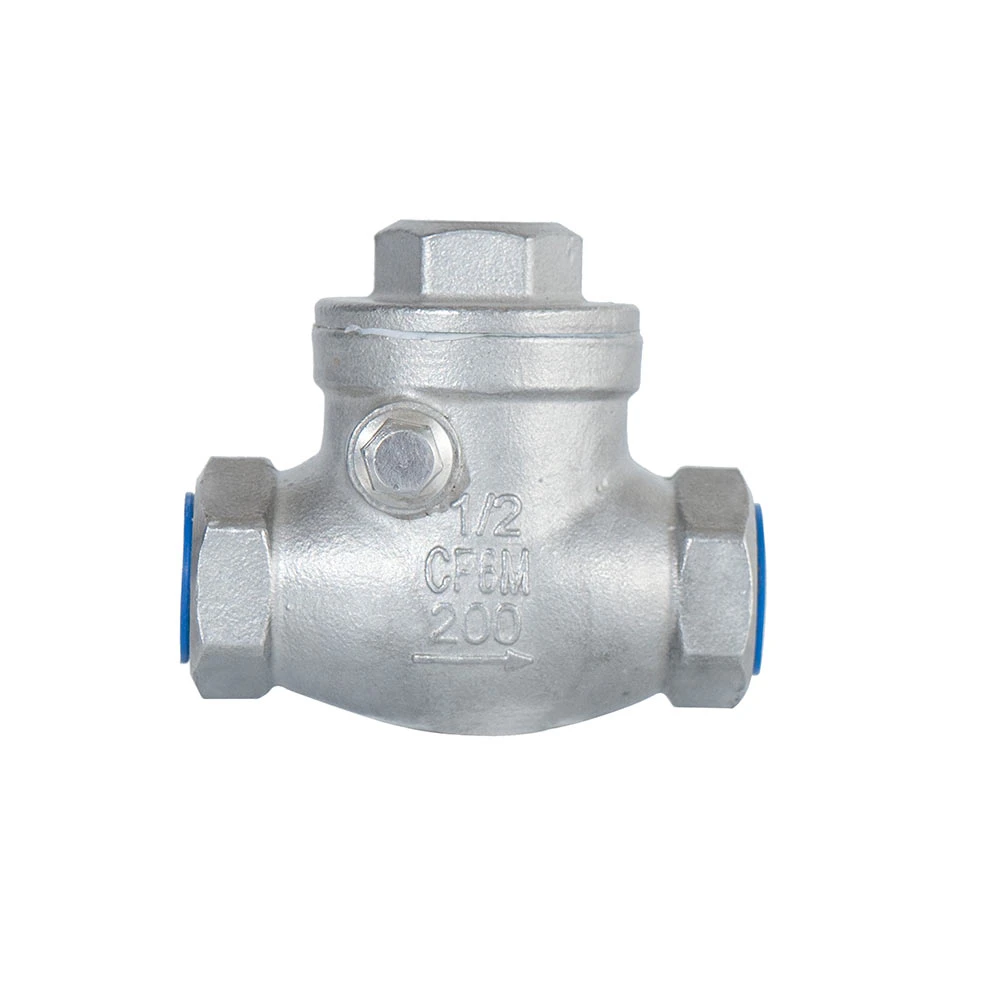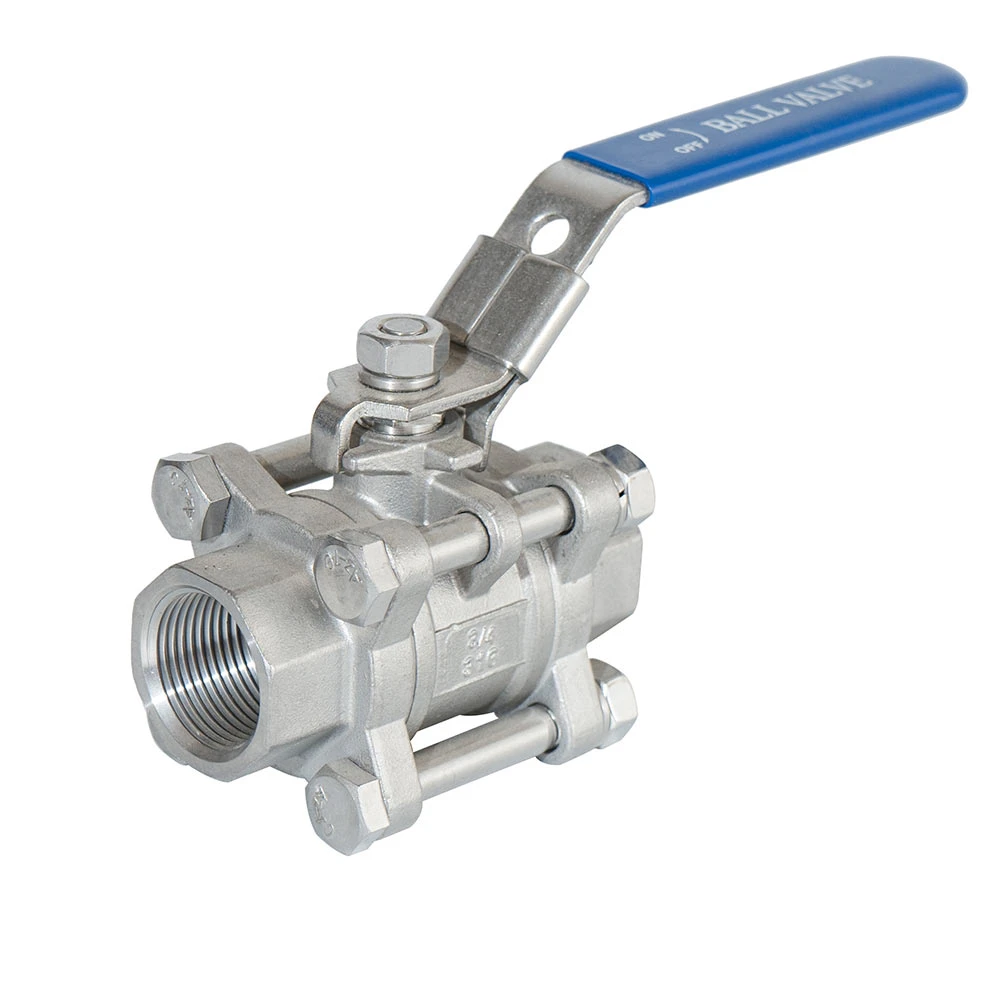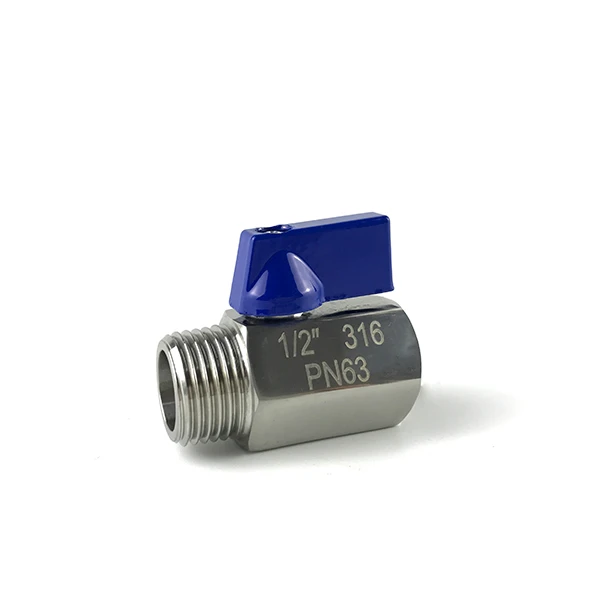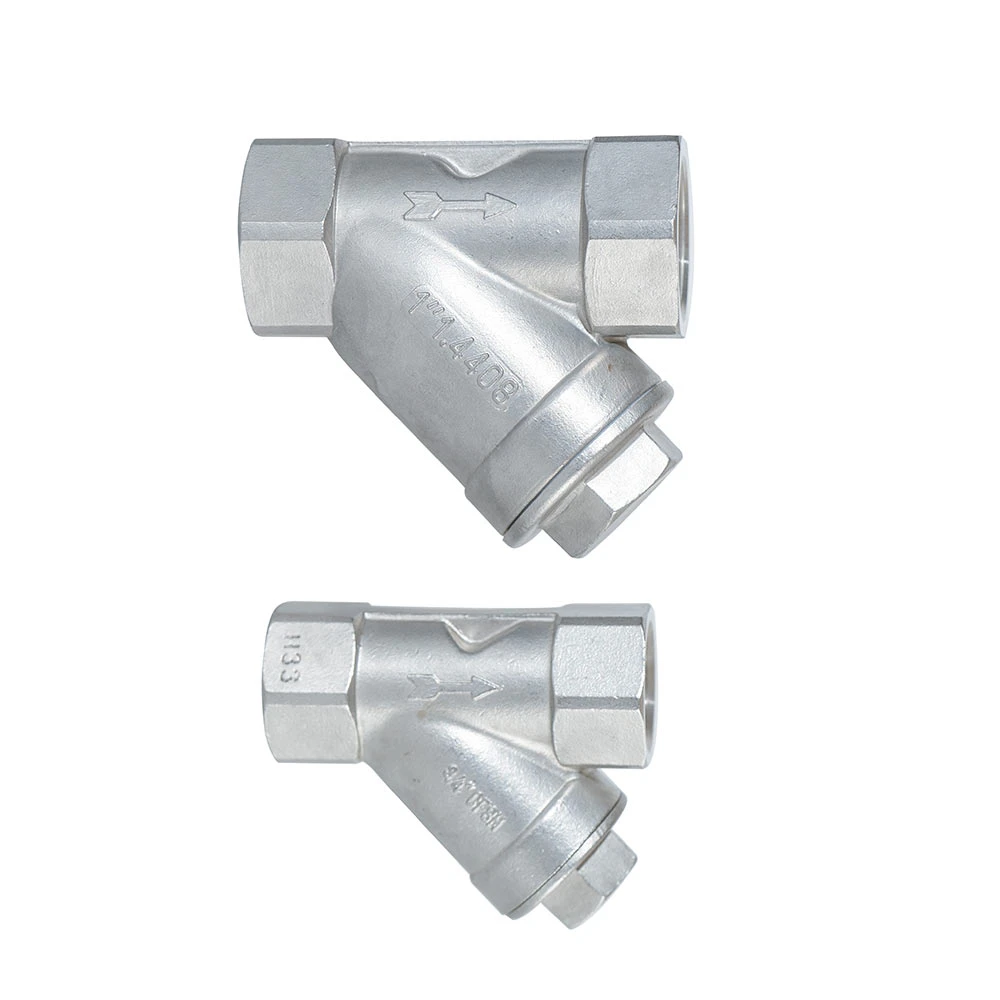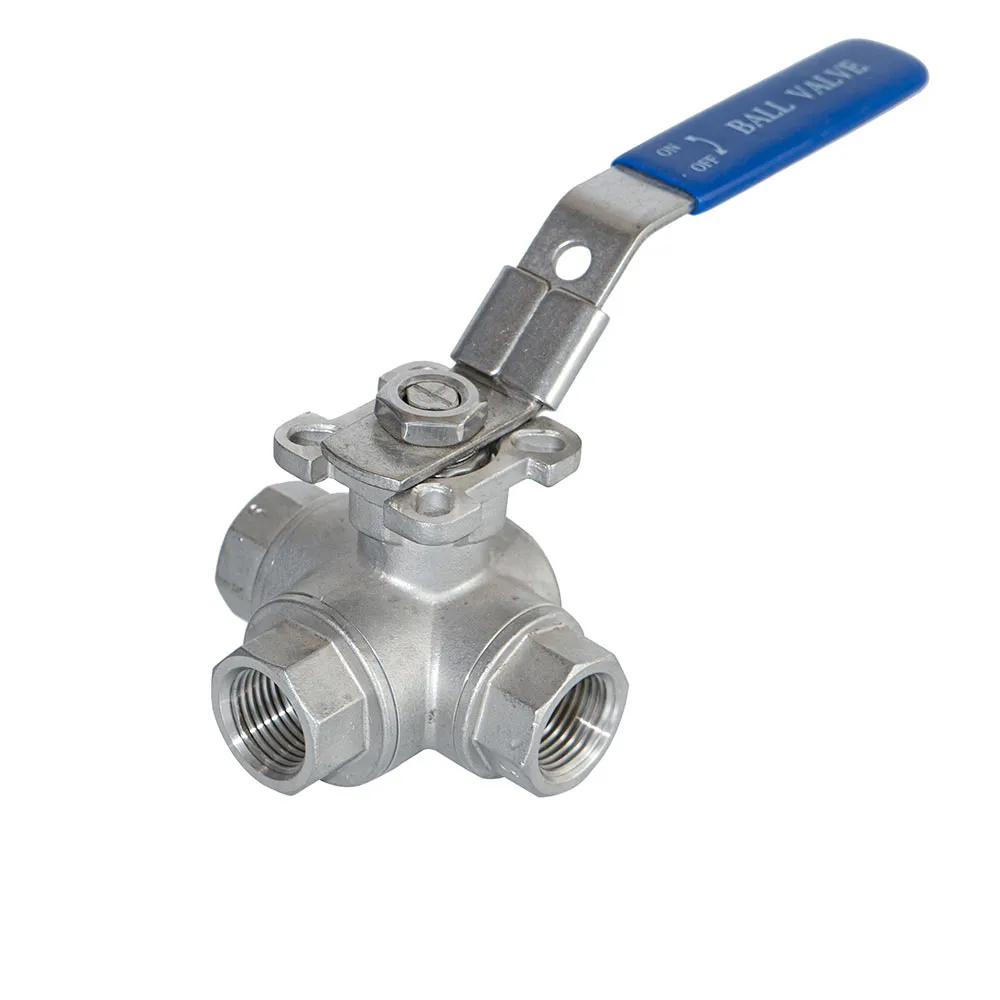
Understanding the SS 3 Way Valve: A Key to Industrial Flexibility
When you dig into the heart of fluid control systems, one component pops up again and again: the ss 3 way valve. It sounds technical—and it is—but in reality, this valve plays a huge role in industries around the world, from manufacturing plants in Asia to water treatment facilities in Europe. Why should we care about a valve? Well, these devices control the flow of liquids and gases, ensuring systems run smoothly, reliably, and safely. Understanding what these valves do—and why stainless steel (SS) is often the material of choice—can offer surprising insights into global industrial efficiency, environmental goals, and even humanitarian impacts.
Global Context: Why the SS 3 Way Valve Matters
Globally, industries face tightening regulations on safety and environmental footprints. According to the International Organization for Standardization (ISO), valves are critical in managing everything from chemical manufacturing to water sanitation systems (ISO 21013-1). An improperly chosen valve can mean leaks, downtime, or worse. Oddly enough, stainless steel 3 way valves have emerged as a dependable solution, offering durability and chemical resistance that many other materials can’t match.
In developing countries, access to reliable valve technology affects water supply infrastructure and energy production, two sectors flagged by the UN as crucial for sustainable development (UN SDG 6 and 7). So when engineers specify or upgrade controlling devices—like ss 3 way valve systems—the ripple effect can be substantial in terms of safety, efficiency, and even reducing carbon emissions.
What is an SS 3 Way Valve?
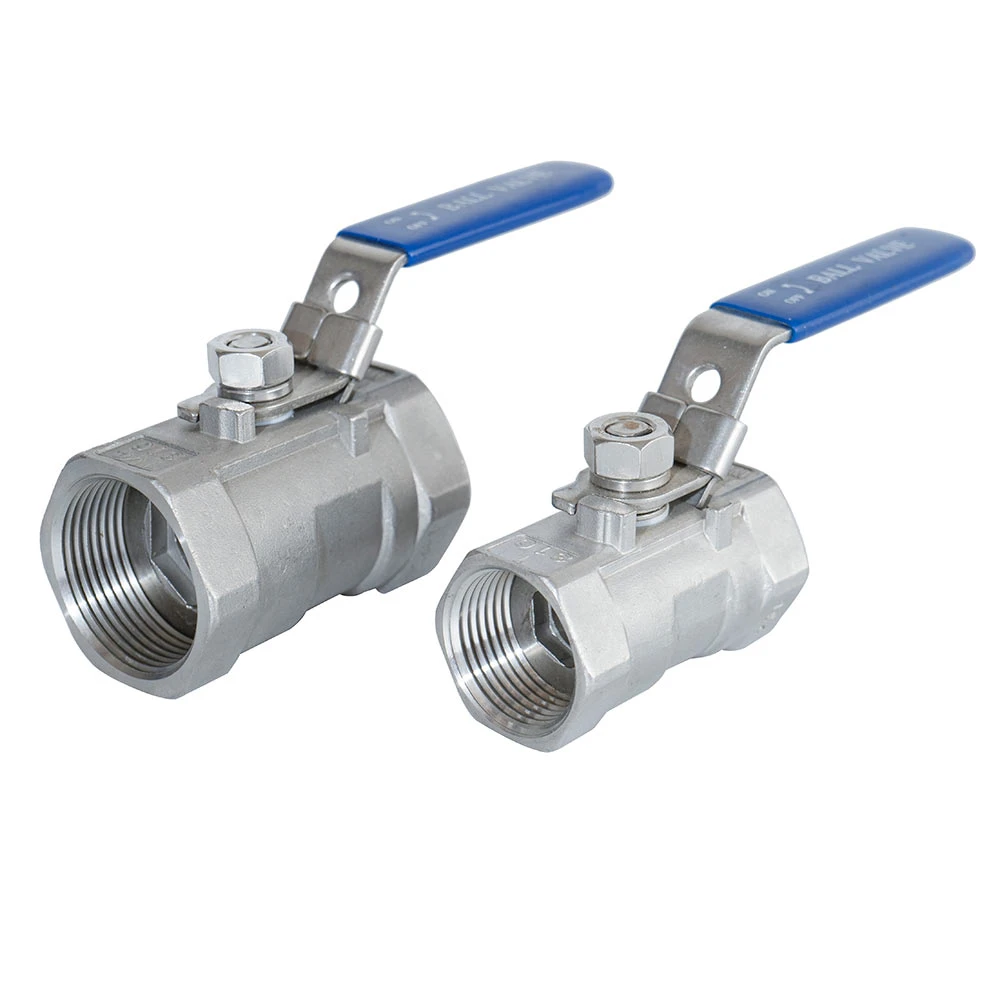
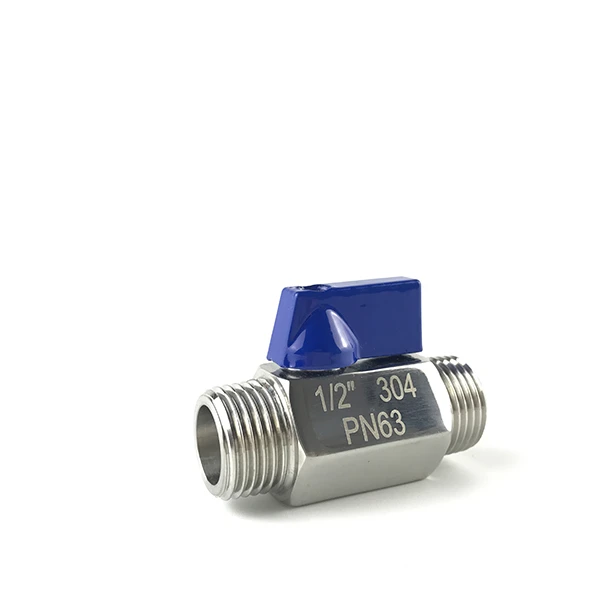
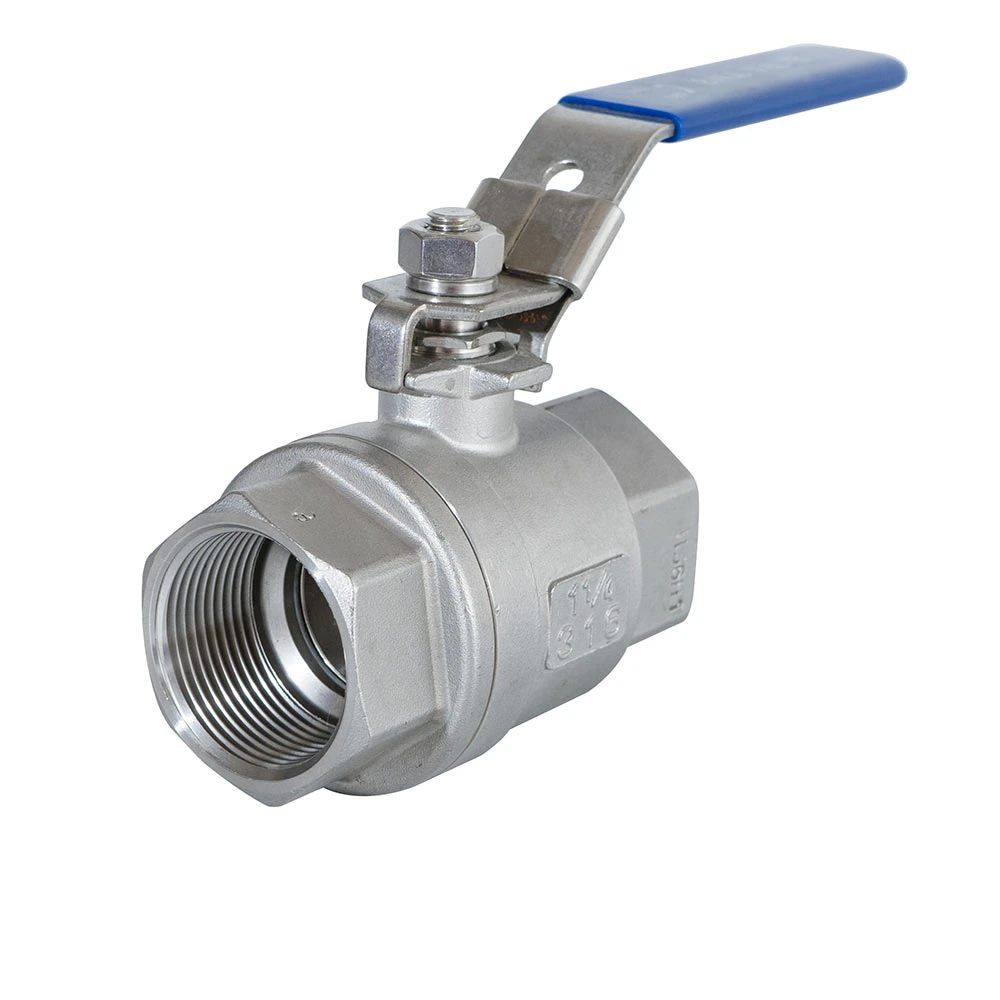
Put simply, an SS 3 way valve is a stainless steel valve designed with three ports which can direct fluid flow in more than one direction. This differs from traditional two-way valves which only provide on/off functions. The “three-way” capability lets operators divert flow, combine streams, or shut off flow selectively. Because these valves are often made of stainless steel—a material revered for corrosion resistance and strength—they’re well-suited for harsh or sanitary environments.
In industries such as pharmaceuticals, petrochemicals, and food processing, this valve allows for precision flow management where purity and resistance to contamination are critical. It’s interesting to note how a simple design tweak can have vast outcomes across so many vital sectors.
Key Aspects of SS 3 Way Valves
Durability
Stainless steel composition inherently offers lasting durability. This is crucial for valves exposed to corrosive chemicals, extreme temperature variations, or continuous cycling. Longevity reduces replacement costs and downtime.
Versatility
The three ports allow varied flow paths, making these valves adaptable to diverse fluid routing schemes. In complex systems, this cuts down on the number of valves needed, simplifying maintenance.
Precision Control
Unlike simpler valves, 3-way configurations permit fine control of flow distribution—essential when mixing fluids or changing process streams without interruption.
Sanitation & Compliance
The polished stainless surfaces comply with food-grade and pharmaceutical standards, reducing contamination risk. This is a game-changer in sensitive applications.
Cost Efficiency
Though initially pricier than plastic or non-metallic models, the long-term savings in repair, replacement, and safety-related costs make SS 3 way valves a sound investment.
Typical Specs of a Stainless Steel 3 Way Valve
| Specification | Details |
|---|---|
| Material | 304 or 316 Stainless Steel |
| Port Size | ½" to 4" (Custom sizes available) |
| Pressure Rating | Up to 1500 PSI (varies by model) |
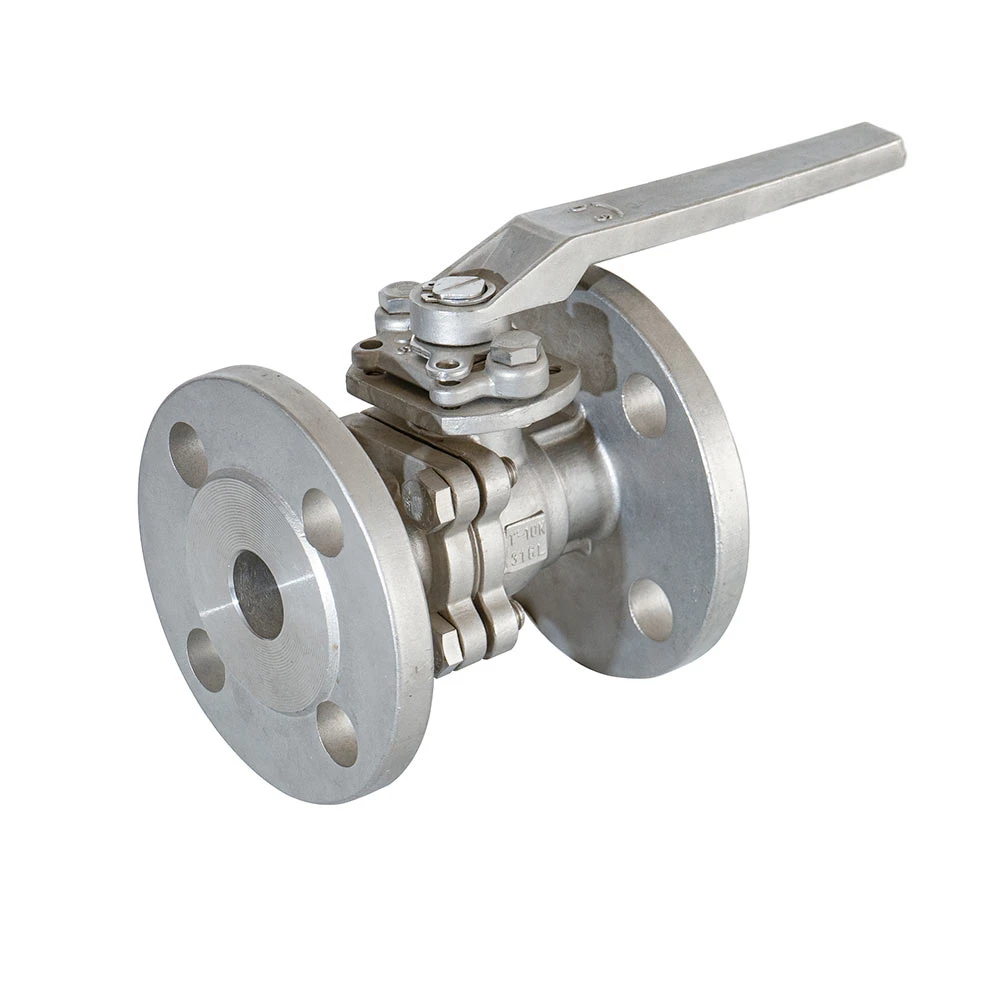
| Connection Types | Threaded, Flanged, Welded |
| Actuation | Manual, Electric, Pneumatic |
Global Applications & Use Cases
From the oil fields of the Middle East to the food factories in Europe and the water purification plants in Africa, you find ss 3 way valves keeping things flowing right. For instance:
- Oil and Gas: These valves switch pipelines safely between different processing paths or shut off sections for maintenance.
- Pharmaceuticals: They ensure sterile conditions by diverting cleaning agents without stopping production lines.
- Water Treatment: 3 way valves route water streams to filtration or recycling units depending on system demands.
- Food and Beverage: Sanitary stainless steel valves control mixing and filling processes without contamination risks.
Regions with expanding industrial infrastructure—Southeast Asia, South America—have seen growing valve orders to upgrade aging equipment and meet stricter quality demands.
Mini Takeaway:
The ss 3 way valve is more than a tiny part; it’s a linchpin enabling diverse industries to juggle complex flow requirements reliably.
Vendor Comparison: Top SS 3 Way Valve Suppliers
| Feature | Houde Valve | Global Valve Inc. | ValveTech |
|---|---|---|---|
| Material Grades | 304, 316L SS, Duplex SS | 304, 316 SS | 316L, Hastelloy |
| Pressure Rating (max) | 1500 PSI | 1200 PSI | 1600 PSI |
| Customization Options | Wide (port size, actuation, materials) | Moderate | Limited |
| Lead Time | 4-6 weeks | 5-7 weeks | 3-4 weeks |
| Certifications | ISO 9001, CE, FDA (for sanitary valves) | ISO 9001 | ISO 13485 |
Advantages and Long-Term Value
In real terms, investing in a stainless steel 3 way valve produces strong ROI beyond just price. The longevity wards off frequent replacements. The corrosion resistance reduces risks of leakage and contamination — a paramount factor in safety-critical industries. There's also a sustainability angle: better-performing valves minimize waste and downtime, fitting nicely into circular economy efforts that many companies now pursue.
Moreover, on an emotional level, facility managers often report peace of mind ("we know this won’t fail during critical runs"). Operators feel empowered with the flexibility these valves offer, which in turn drives innovation and operational confidence. It’s less about just turning the knob and more about trust in your infrastructure.
Future Trends in SS 3 Way Valve Technology
Looking ahead, valve manufacturers are embracing automation and digital integration. Imagine valves with sensors that predict wear or leakage and communicate with plant control systems in real-time. The push for greener energy also encourages materials that handle biofuels or hydrogen effectively — stainless steel variants are often ideal here due to chemical inertness.
Additionally, additive manufacturing (3D printing) is starting to enable more complex valve internal geometries that optimize flow and reduce weight without sacrificing strength. These trends hint at an exciting decade where valves won't just be passive parts but smart components of intelligent industrial ecosystems.
Challenges and Expert Recommendations
Oddly enough, while stainless steel offers many benefits, challenges remain. For instance, SS valves can be heavy and more expensive than plastic alternatives, which occasionally deters smaller operations. Another limitation: in certain highly aggressive chemical environments, even stainless steel may corrode over time if not properly specified.
The solution? Working closely with suppliers to select the right alloy grade and valve design based on your specific chemical mix and pressure needs is critical. Also, implementing proactive maintenance schedules and employing monitoring tech can extend valve service life dramatically.
FAQ: Practical Questions About SS 3 Way Valve
- Q: How does a 3 way valve improve process efficiency?
A: By allowing fluid to be directed to multiple outlets or combined from different inlets without extra piping, 3 way valves reduce the need for multiple separate valves, saving space and simplifying system design. - Q: Are stainless steel 3 way valves suitable for food-grade applications?
A: Absolutely. When made from proper grades like 316L and polished for sanitation, they meet FDA and other standards essential in food and beverage processing. - Q: Can these valves handle high-pressure steam?
A: Yes, many SS 3 way valves are rated for pressures exceeding 1000 PSI and are designed to function safely under high-temperature steam environments. - Q: What maintenance is recommended for these valves?
A: Routine inspection for leakage, actuator operation checks, and periodic lubrication are typical. The hardy SS material lowers corrosion-related wear compared to other materials. - Q: How can companies source custom SS 3 way valves?
A: Many vendors—including ss 3 way valve suppliers—offer custom sizes, connection types, and actuation options. Early consultation helps ensure the valves meet project specs and compliance needs.
Conclusion: Why Choose SS 3 Way Valves?
Ultimately, choosing a stainless steel 3 way valve is about investing in reliability, flexibility, and long-term operational savings. This valve, quietly powering countless processes, keeps vital systems safe and efficient. If you're upgrading or designing flow control systems, it’s definitely worth a closer look—particularly as industries gear up to meet future demands on safety and sustainability.
For those interested, the experts at Houde Valve provide a broad range of ss 3 way valve solutions tailored to various applications worldwide.
Final thought:
In a world that runs on controlled flow—be it water, chemicals, or gases—the humble stainless steel 3 way valve is a surprisingly big-enabler closer than you think.