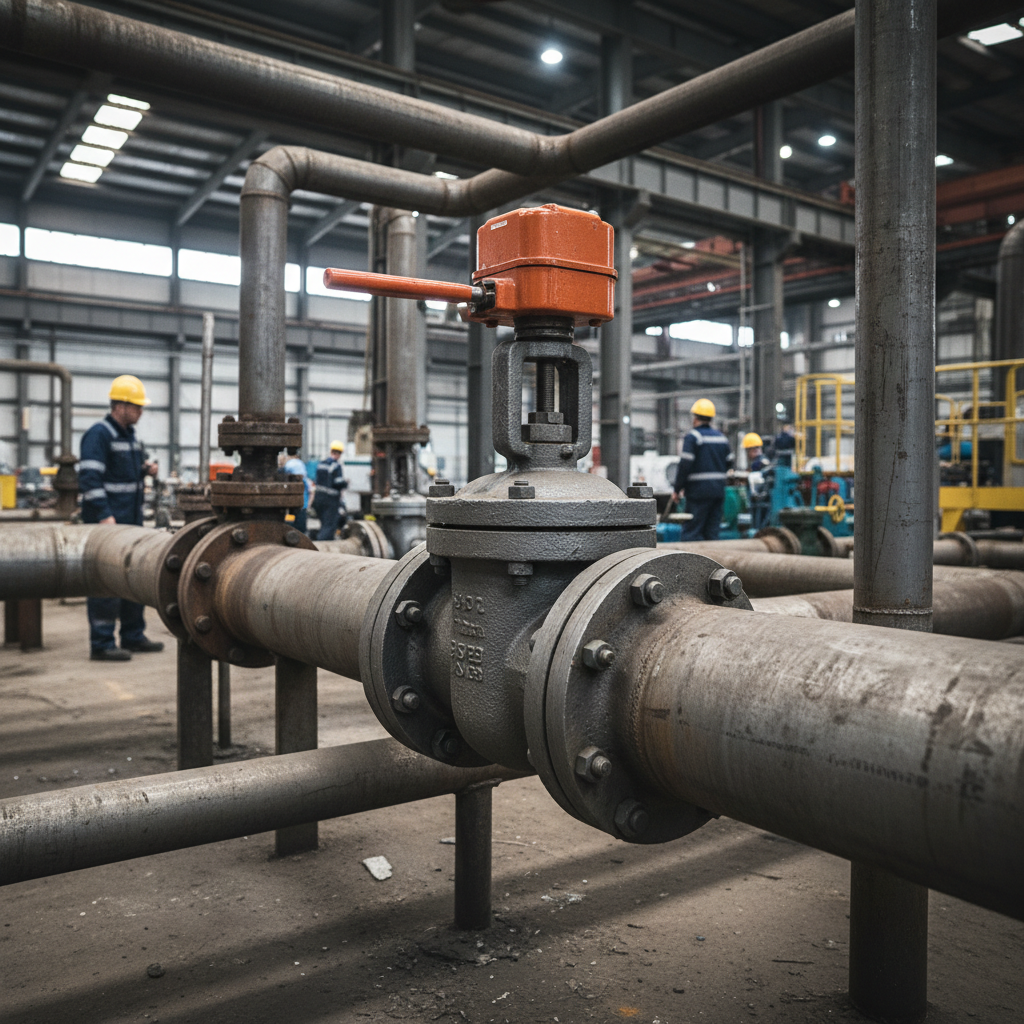
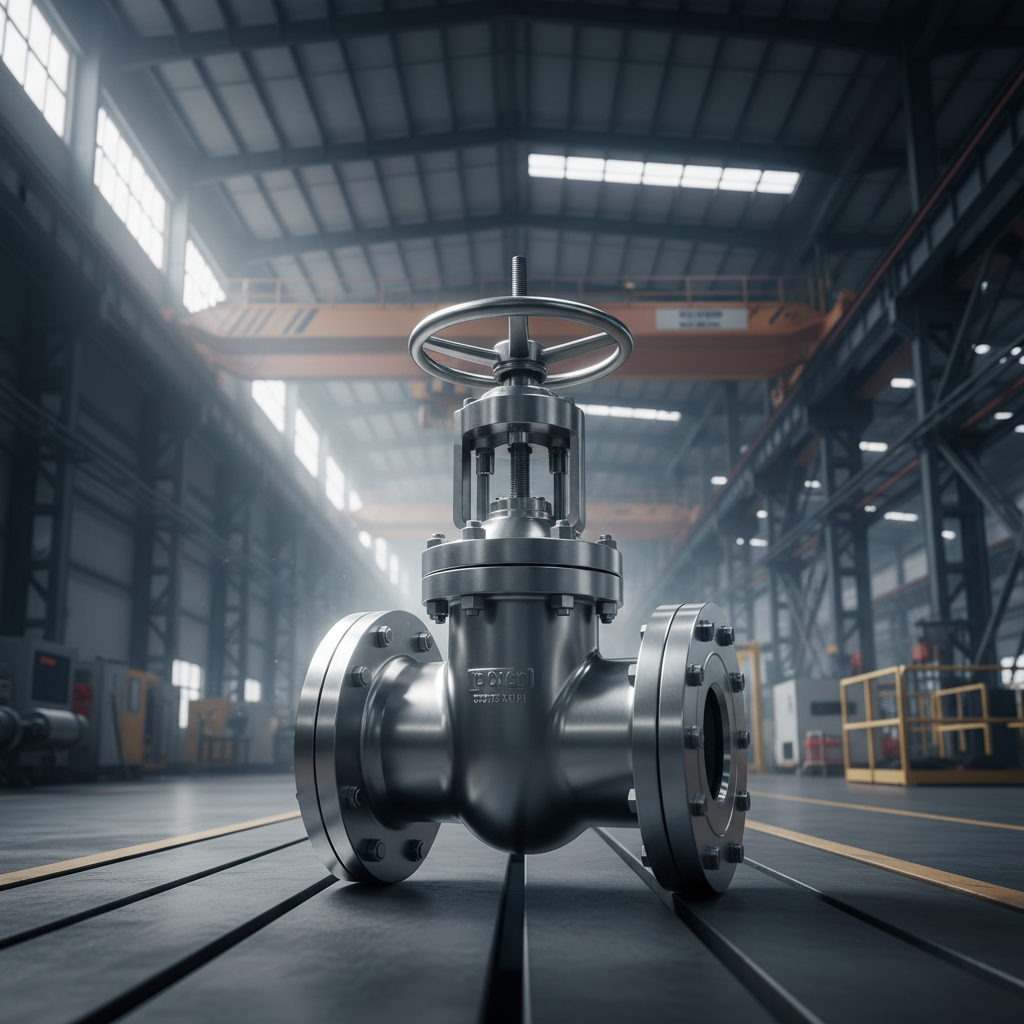
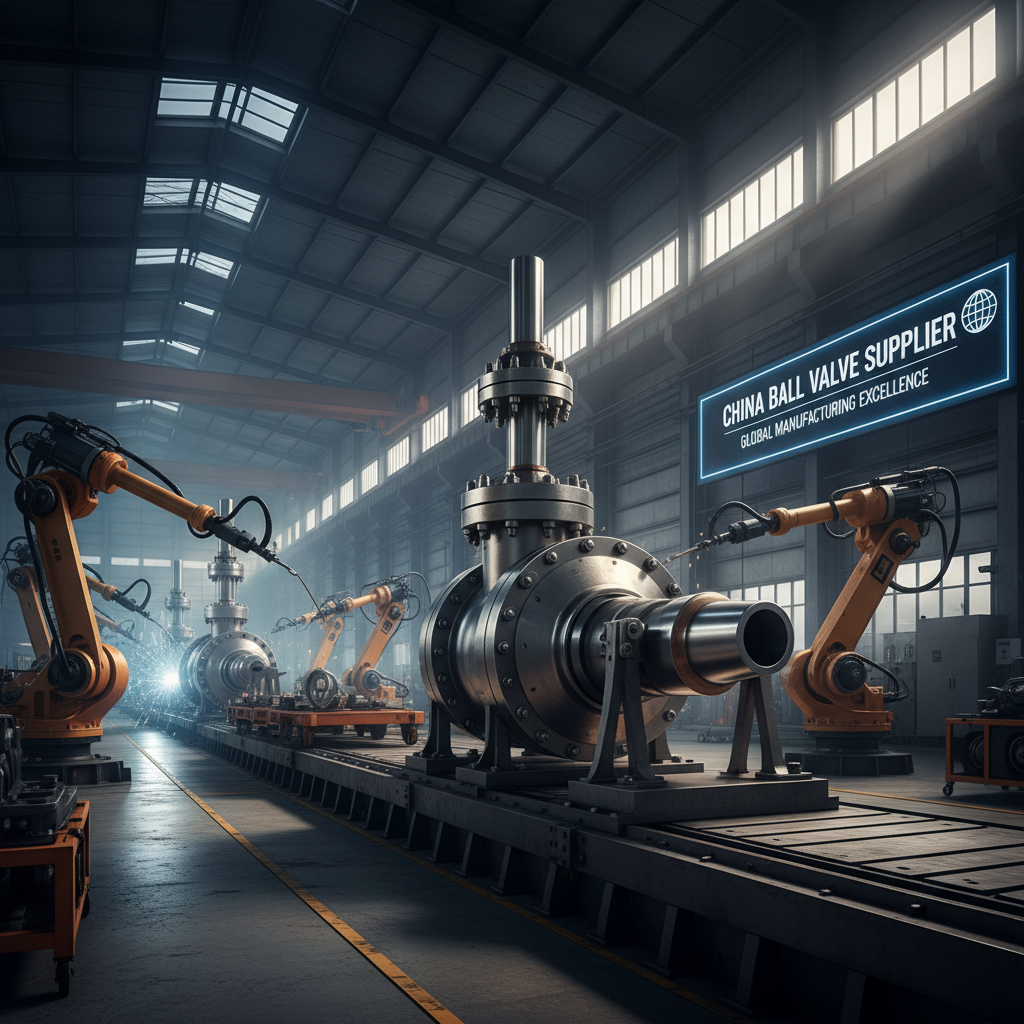
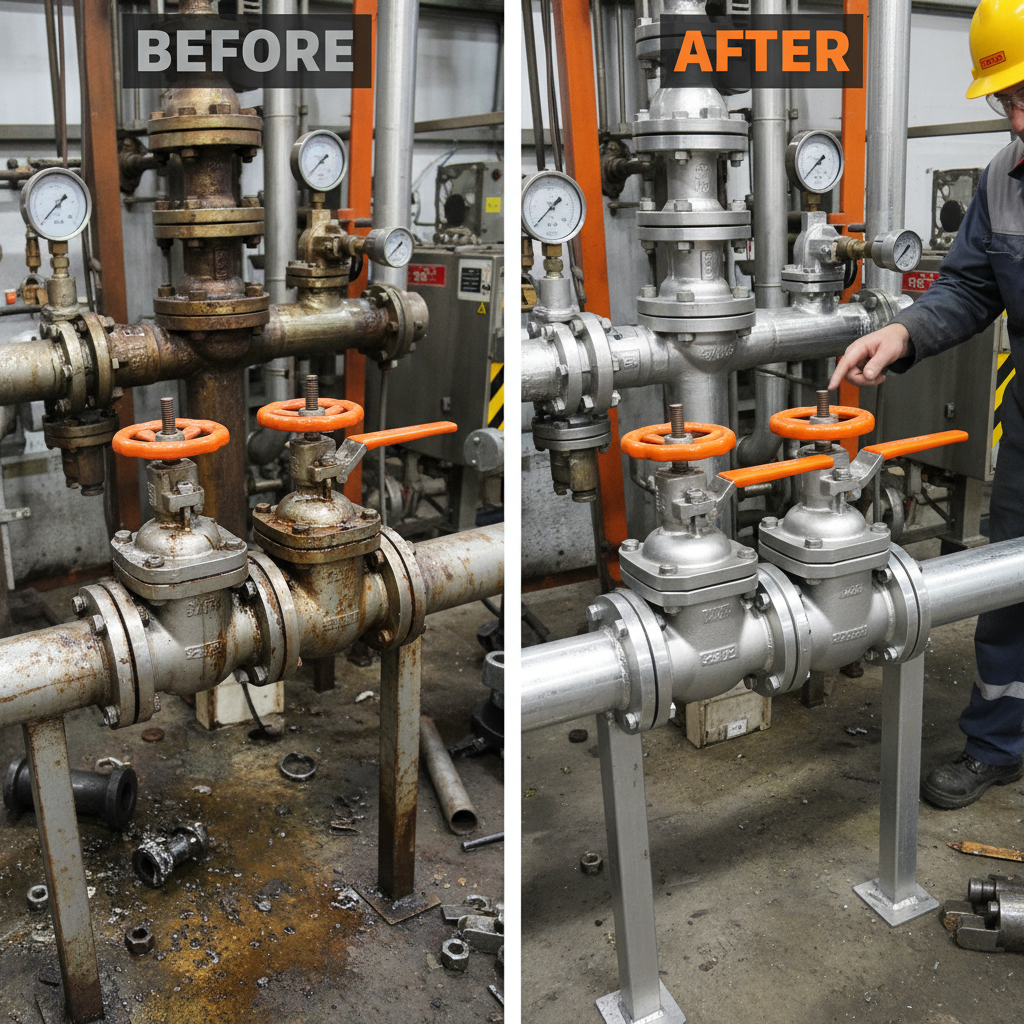
The industrial landscape relies heavily on the precision and reliability of flow control components, and the cast steel ball valve stands as a cornerstone of this infrastructure. By combining the structural integrity of cast steel with the efficient quarter-turn operation of a ball mechanism, these valves ensure the safe transport of critical fluids across diverse environments. Understanding the technical nuances of these components is essential for engineers and procurement managers aiming to optimize system uptime and safety.
Globally, the demand for high-pressure and high-temperature fluid handling has surged, pushing the boundaries of traditional valve design. From the depths of oil refineries to the complex piping of chemical processing plants, the ability to achieve a bubble-tight seal quickly and reliably is not just a technical requirement but a safety imperative. The transition toward more robust materials has solidified the role of cast steel in demanding industrial applications.
By exploring the engineering principles, material advantages, and practical applications of the cast steel ball valve, operators can significantly reduce maintenance costs and mitigate the risk of catastrophic leaks. This guide provides a comprehensive analysis of why cast steel remains the preferred choice for heavy-duty industrial flow control and how recent innovations are enhancing its longevity and performance.
Global Industry Context of Cast Steel Ball Valves
The global industrial valve market has seen a steady shift toward high-performance alloys to meet ISO and ASME standards. The cast steel ball valve is central to this shift, as industries in North America, Europe, and Asia-Pacific scale up their energy and chemical production. With the global push for tighter environmental regulations, the industry is facing the challenge of eliminating fugitive emissions while maintaining high flow coefficients.
Current market data suggests that the adoption of cast steel over forged alternatives in specific mid-to-high pressure ranges is driven by the need for cost-effective scalability without compromising structural integrity. As emerging economies expand their industrial zones, the reliance on standardized, durable valves that can withstand corrosive media has become a prerequisite for infrastructure stability and worker safety.
Defining the Cast Steel Ball Valve and Its Purpose
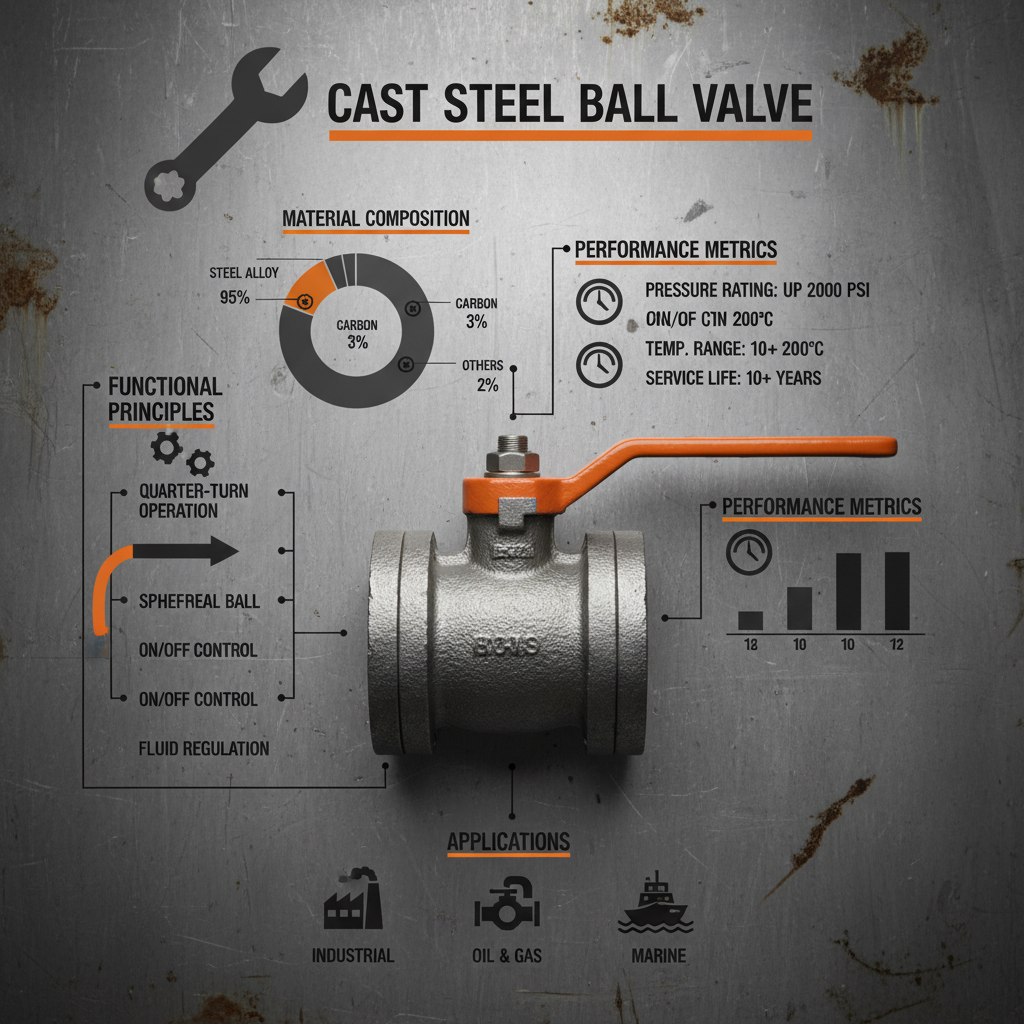
In simple technical terms, a cast steel ball valve is a shut-off valve that uses a hollow, perforated, and pivoting ball to control the flow of liquids or gases. The "cast steel" designation refers to the manufacturing process where molten steel is poured into a mold, creating a robust body capable of handling significant pressure differentials. Unlike gate valves, the ball valve provides a rapid shut-off with a simple 90-degree turn, making it ideal for emergency isolation.
Beyond the mechanical definition, these valves serve a critical humanitarian and industrial purpose by preventing hazardous leaks in urban industrial zones. When a valve fails in a chemical plant, the environmental and social consequences can be devastating. Therefore, the purpose of utilizing cast steel is to provide a balance between the ductility of the metal and the hardness required to prevent erosion and wear over thousands of cycles.
Modern industry views the cast steel ball valve as a primary line of defense in process piping. Whether it is managing steam in a power plant or hydrocarbons in a refinery, the primary objective is to achieve a "bubble-tight" seal. This ensures that downstream equipment is fully isolated during maintenance, protecting technicians and ensuring the longevity of the entire piping network.
Core Components and Engineering Factors
The durability of a cast steel ball valve begins with its body material. Using high-grade cast carbon steel (such as WCB) allows the valve to withstand extreme temperatures and pressures. The casting process enables complex geometries that optimize flow and reduce turbulence, which is critical for preventing cavitation and internal erosion in high-velocity streams.
The seating mechanism is the most vital component for leak prevention. In a cast steel ball valve, the seats are often made from reinforced PTFE or metallic alloys depending on the temperature. A floating ball design is typically used for smaller sizes, while a trunnion-mounted ball is employed for larger diameters to reduce the torque required for operation, ensuring scalability across different plant sizes.
Lastly, cost efficiency and maintainability are integrated into the design through standardized stem seals and packing. By utilizing a cast steel ball valve, companies can implement a modular maintenance schedule. The ability to replace seats and seals without removing the entire valve body from the pipeline significantly reduces downtime and operational expenditures.
Performance Metrics and Comparative Efficiency
When evaluating the efficiency of a cast steel ball valve, engineers look at the Flow Coefficient (Cv) and the operating torque. Because the ball provides a straight-through flow path when open, pressure drop is minimized compared to globe or butterfly valves. This efficiency translates directly into lower pumping costs and higher throughput for the industrial facility.
Furthermore, the reliability of cast steel in varying thermal conditions makes it superior for steam and oil applications. While plastics may melt and forged steel may be prohibitively expensive for large-bore applications, cast steel provides the optimal middle ground for industrial-scale deployment.
Comparative Performance of Cast Steel Ball Valve Variants
Global Applications and Industrial Use Cases
The versatility of the cast steel ball valve allows it to be deployed in a staggering array of environments. In the petrochemical sector, these valves are used to isolate high-pressure hydrocarbon streams, where a fail-safe closure is mandatory for disaster prevention. In remote industrial zones, such as oil sands operations in Canada or shale gas fields in the US, the ruggedness of cast steel ensures that valves can withstand extreme ambient temperature swings without seizing.
Beyond energy, the food and pharmaceutical industries utilize specialized cast steel valves in their utility lines for steam sterilization (SIP). For instance, in large-scale brewery plants or vaccine production facilities, the ability to quickly switch between cleaning agents and pure water without cross-contamination is facilitated by the precise sealing of the ball mechanism. This reliability ensures that global supply chains for essential medicines and nutrition remain uninterrupted.
Long-Term Value and Operational Advantages
Investing in a high-quality cast steel ball valve yields significant tangible benefits over a 20-year lifecycle. The primary advantage is the reduction in "Total Cost of Ownership" (TCO). While the initial procurement cost is higher than lower-grade alternatives, the extended intervals between seal replacements and the absence of leakage-related shutdowns provide a massive return on investment.
From a logical and emotional standpoint, the use of cast steel provides peace of mind. In high-risk environments, the "trust" placed in a valve is what allows operators to work safely. Knowing that a valve is rated for the pressure it handles eliminates the anxiety of catastrophic failure, fostering a culture of safety and professional dignity within the plant workforce.
Furthermore, the sustainability angle cannot be ignored. A cast steel ball valve is almost entirely recyclable at the end of its service life. By reducing fugitive emissions—which often consist of greenhouse gases—these valves contribute to the global effort of mitigating industrial environmental impact, aligning corporate profits with planetary health.
Future Trends and Material Innovations
The future of the cast steel ball valve is being shaped by the digital transformation of the industry. "Smart Valves" are now emerging, where cast steel bodies are integrated with IoT sensors to monitor seat wear and leakage in real-time. This move toward predictive maintenance allows companies to replace components just before they fail, rather than following a rigid, often inefficient, calendar-based schedule.
Material science is also evolving, with the introduction of nano-coatings and advanced tungsten carbide overlays. These innovations reduce friction and virtually eliminate the "galling" effect often seen in high-temperature cast steel applications. By enhancing the surface hardness of the ball, the lifespan of the valve is extended even when handling abrasive slurries or corrosive chemicals.
Additionally, the shift toward green hydrogen energy presents a new challenge and opportunity. Hydrogen embrittlement is a serious risk for many steels; therefore, the next generation of cast steel ball valve designs will likely feature specialized alloy compositions and internal linings to ensure safe transport of hydrogen, supporting the global transition to zero-carbon energy.
Technical Comparison of Cast Steel Ball Valve Material Grades
|
Material Grade
|
Pressure Rating
|
Corrosion Resistance
|
Ideal Application
|
| ASTM A216 WCB |
High |
Moderate |
General Oil & Gas |
| ASTM A351 CF8 |
Medium |
Very High |
Chemical Processing |
| ASTM A351 CF8M |
Medium |
Extreme |
Pharmaceuticals |
| Alloy Steel (WCC) |
Very High |
Low |
High-Temp Steam |
| Duplex Steel |
High |
Extreme |
Offshore Marine |
| Low Carbon Steel |
Moderate |
Moderate |
Water Treatment |
FAQS
For larger pipe diameters, casting is significantly more cost-effective and allows for the creation of complex, integrated shapes that would be difficult or impossible to forge. While forged valves have a denser grain structure, a high-quality cast steel ball valve provides more than enough strength for the vast majority of industrial pressure ratings while reducing the overall weight and procurement cost.
The lifespan depends heavily on the steel grade and the trim used. A standard WCB cast steel valve in a mildly corrosive environment may last 10-15 years, but when upgraded to stainless steel cast or coated with specialized alloys, the lifespan can extend to 25 years or more. Regular inspection of the seats and stems is recommended to maximize longevity.
Yes, provided the correct material and seat selection are made. For high-temperature steam, we recommend alloyed cast steels and metallic seats instead of PTFE, as soft seats can deform at extreme temperatures. When specified correctly, these valves offer excellent shut-off capabilities and durability in power plant steam lines.
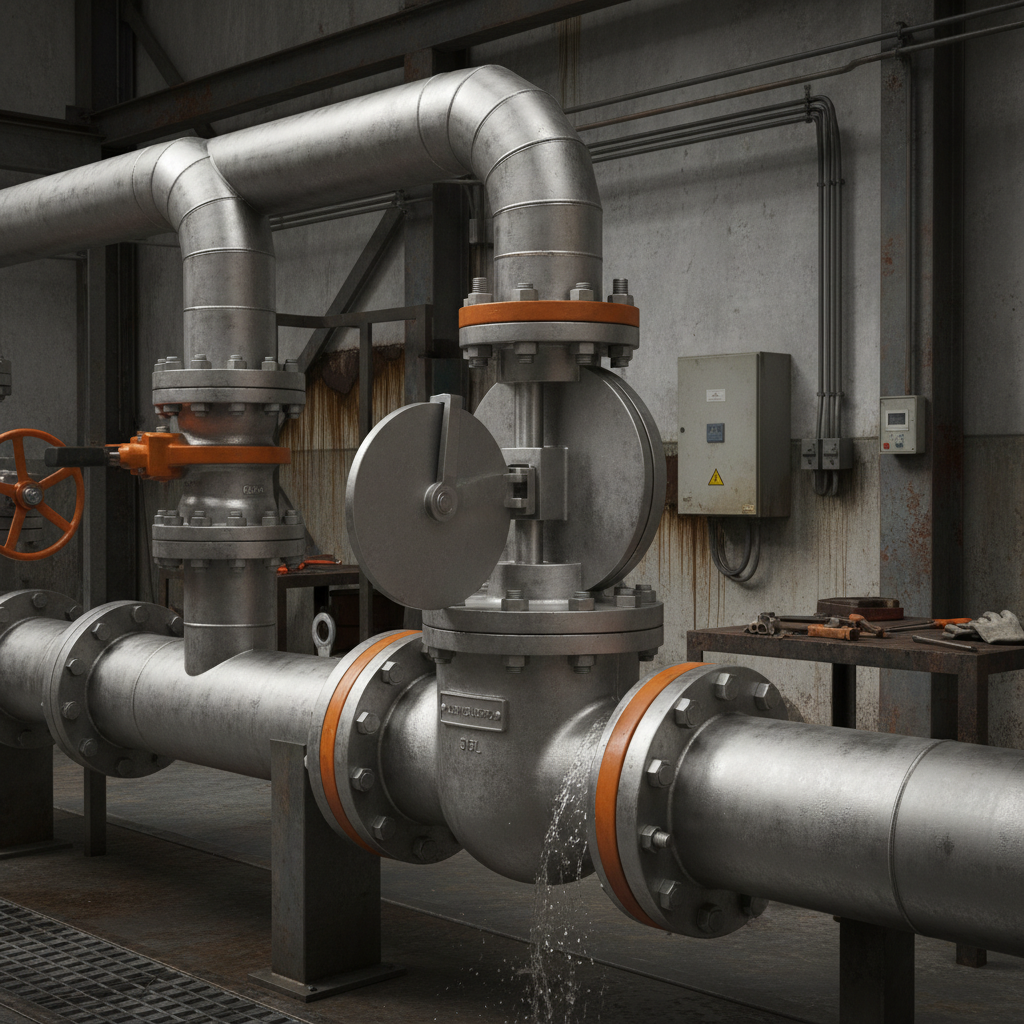
Prevention starts with proper installation and the use of high-quality packing. Ensuring the valve is not over-torqued during installation and implementing a periodic lubrication schedule for the stem prevents the most common leak paths. Additionally, choosing a valve with an anti-static device and fire-safe certification ensures safety during abnormal operating conditions.
In a floating design, the ball is pushed slightly downstream by the fluid pressure to create a seal against the downstream seat; this is ideal for smaller, lower-pressure pipes. A trunnion-mounted ball is supported by a shaft at both ends, meaning the ball doesn't move. This drastically reduces the torque needed to turn the valve, making it the only viable option for very large cast steel ball valve installations.
Absolutely. Cast steel ball valves are perfectly suited for automation via pneumatic, electric, or hydraulic actuators. Because of the 90-degree quarter-turn motion, they are much easier to automate than multi-turn valves like gate or globe valves, allowing for rapid response times in automated safety shutdown systems (ESD).
Conclusion
The cast steel ball valve remains an indispensable tool in the global industrial toolkit, offering an unparalleled combination of strength, efficiency, and reliability. From its ability to handle extreme pressures in petrochemical plants to its role in maintaining sterile environments in pharmaceutical production, its engineering versatility ensures it meets the most stringent ISO and ASME standards. By focusing on high-grade materials and precise seating mechanisms, these valves minimize operational risks and maximize long-term profitability for industrial operators.
Looking ahead, the integration of smart monitoring and the adaptation to hydrogen-ready materials will further cement the relevance of cast steel in a sustainable future. For companies looking to upgrade their infrastructure, prioritizing quality and material compatibility is the most effective way to ensure plant safety and efficiency. To explore the best solutions for your specific piping needs, we invite you to visit our website: www.houdevalve.com