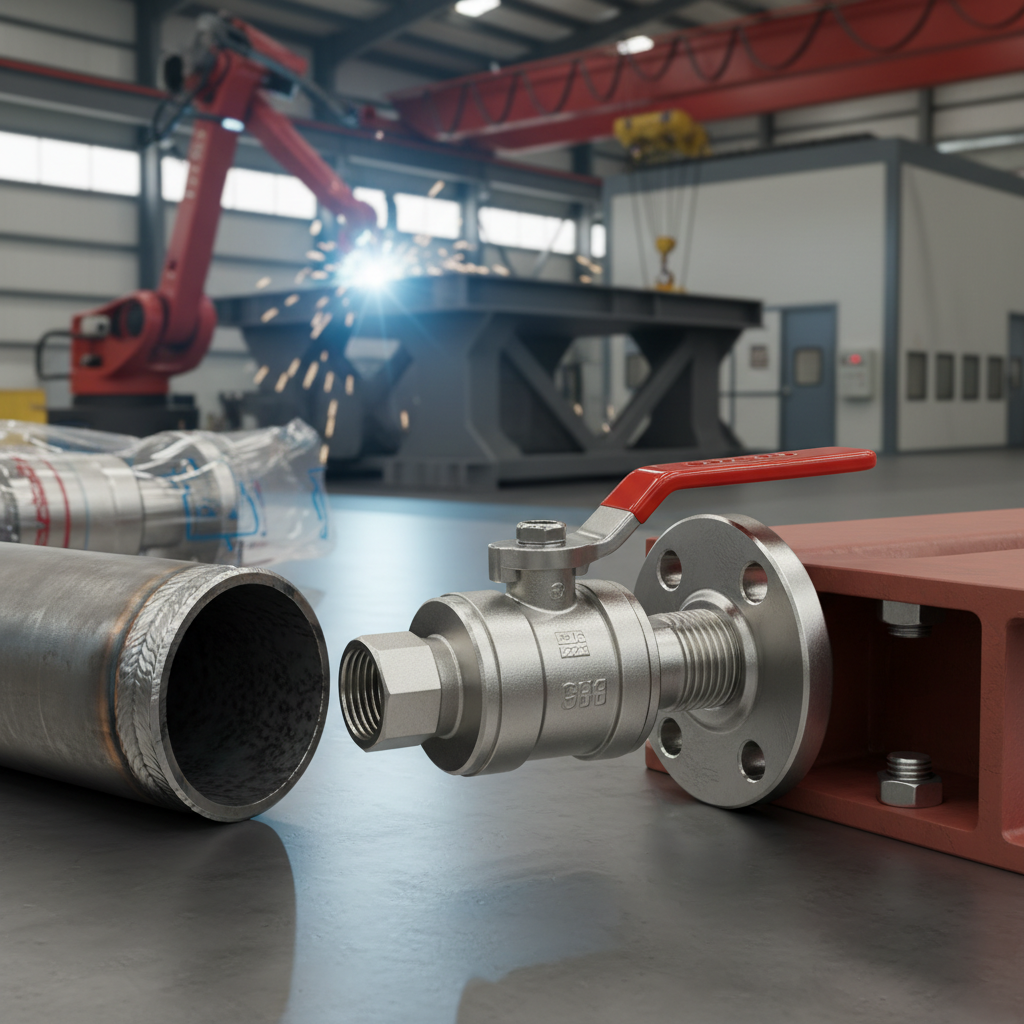
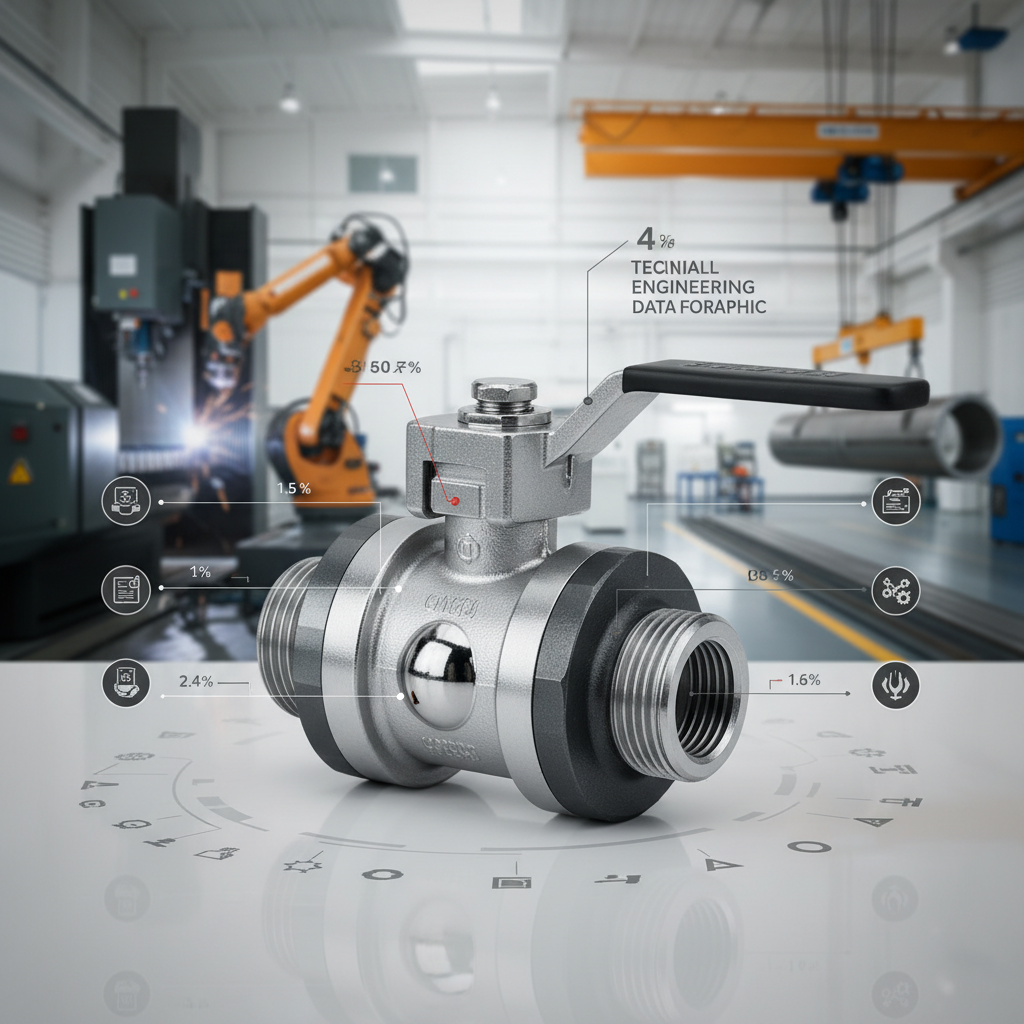
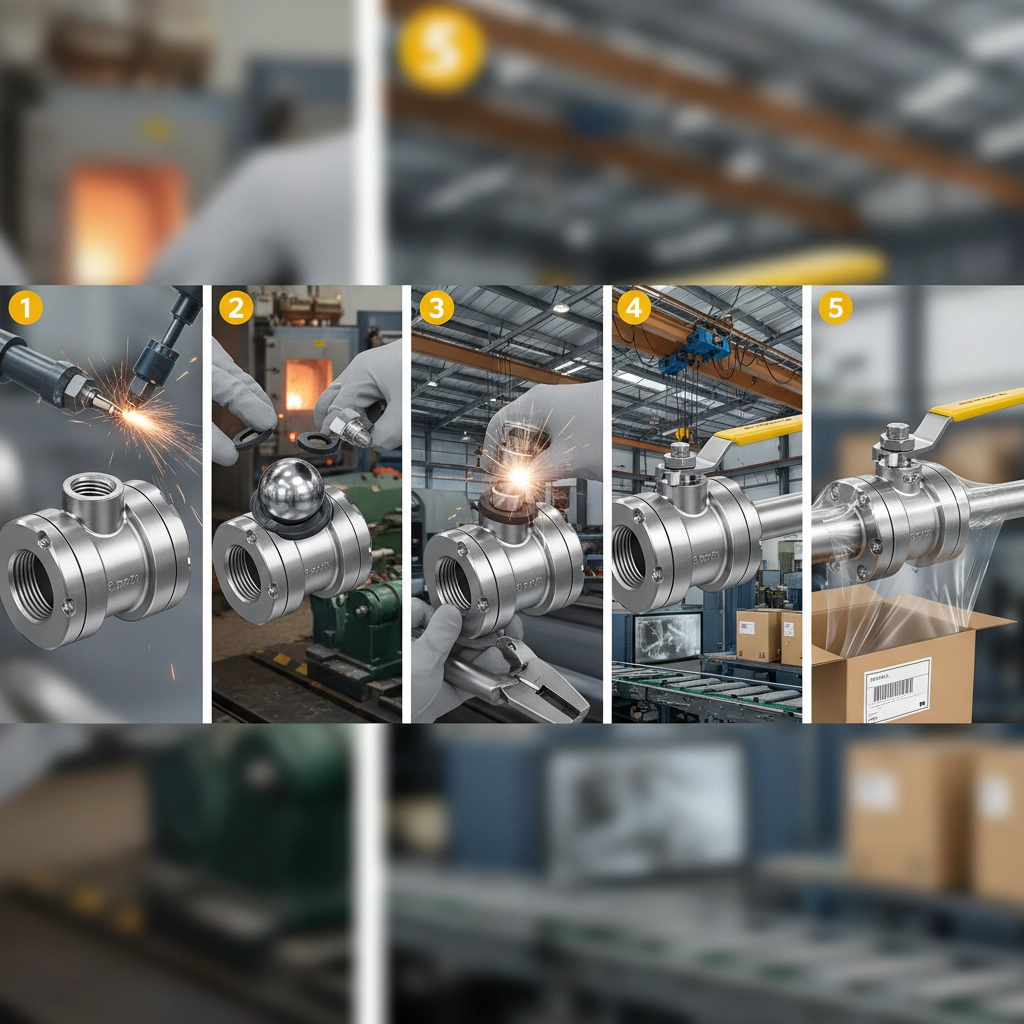
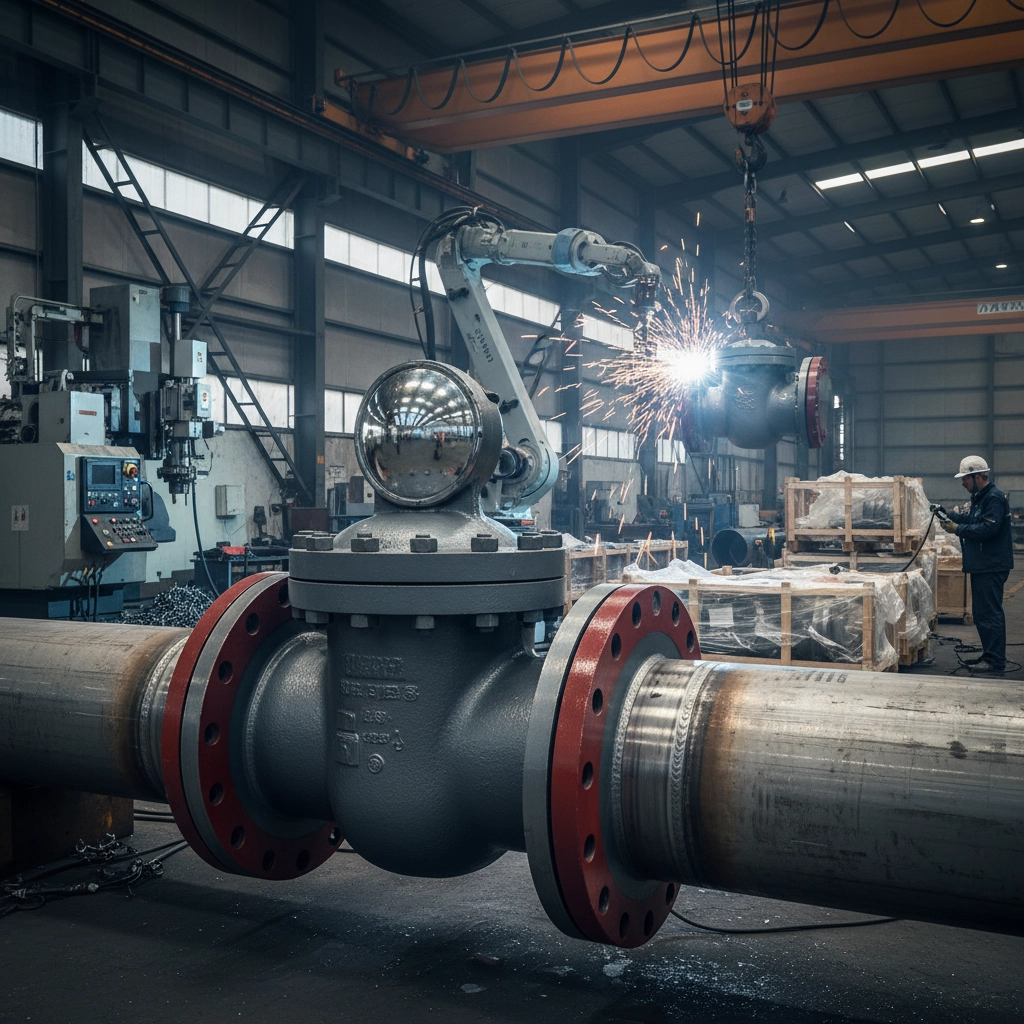
In the complex world of fluid control, the mini ball valve serves as a critical component for precision engineering, offering a compact yet powerful solution for isolating flow in tight spaces. These specialized valves are designed to provide a bubble-tight seal while occupying a fraction of the space required by standard industrial valves, making them indispensable in modern machinery.
Understanding the nuances of a mini ball valve is essential for engineers and procurement specialists who aim to optimize system efficiency without compromising on safety or durability. From medical devices to aerospace instrumentation, the ability to control small-bore piping with high reliability is a cornerstone of operational success in diverse technical environments.
Globally, the demand for miniaturized flow control is surging as automation and modular design become industry standards. By integrating a high-quality mini ball valve into a system, operators can achieve precise shut-off capabilities, reduce overall weight, and lower installation costs, ensuring that even the most intricate fluid networks remain manageable and secure.
Global Industry Context of Mini Ball Valves
The global industrial landscape is shifting toward "lean" and "compact" configurations, where the mini ball valve plays a pivotal role. As ISO standards for fluid power and piping evolve to favor higher precision and lower footprints, manufacturers are increasingly replacing bulky traditional valves with these streamlined alternatives to meet stringent space requirements in urban infrastructure and high-tech factories.
Despite their small size, these components must withstand pressures and temperatures comparable to their larger counterparts. The challenge for the industry has been maintaining the "zero-leakage" mandate while reducing the mass of the valve body, leading to a revolution in metallurgy and precision machining that ensures a mini ball valve can operate reliably in the most demanding global environments.
Defining the Mini Ball Valve in Modern Engineering
At its core, a mini ball valve is a quarter-turn rotational valve that uses a small spherical disc to control the flow of a liquid or gas. Unlike standard ball valves, the "mini" designation refers to a specific range of reduced bore sizes and compact body dimensions, typically designed for instrumentation lines, sampling systems, and pilot-scale operations where space is at a premium.
In the context of modern industry, these valves are more than just "smaller versions" of standard hardware; they are precision instruments. They provide an immediate, positive shut-off that is critical for safety protocols in chemical processing and pharmaceutical manufacturing, where the precise dosing of reagents requires absolute control over micro-flows.
The connection to humanitarian and specialized needs is also evident in the deployment of portable medical equipment and water purification kits in remote areas. A reliable mini ball valve ensures that these life-saving systems remain leak-proof and easy to operate, regardless of the technician's location or the harshness of the surrounding environment.
Core Components and Technical Factors
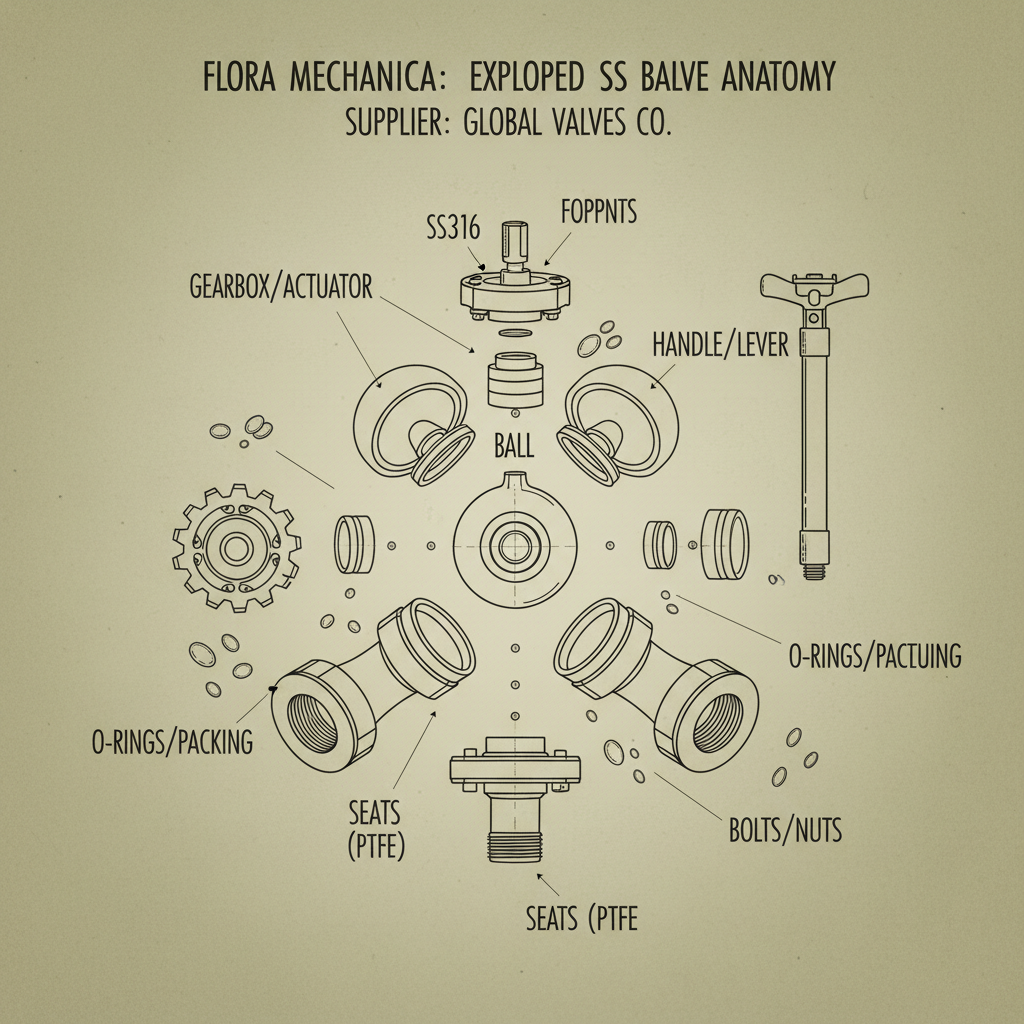
The durability of a mini ball valve begins with its material selection. Whether constructed from 316 stainless steel for corrosive environments or brass for general utility, the integrity of the valve body ensures that it can handle high-pressure spikes without deformation, maintaining a consistent seal over thousands of cycles.
Scalability and compatibility are key factors; a high-performance mini ball valve must integrate seamlessly with various threading standards (NPT, BSPP, etc.). This allows engineers to scale their systems from laboratory prototypes to full-scale production lines without having to redesign the entire flow architecture.
Cost efficiency is achieved through the optimization of the ball-and-seat interface. By utilizing advanced PTFE or PEEK polymers, the mini ball valve reduces friction during operation, which not only extends the life of the valve but also lowers the torque required for actuation, making it ideal for automated robotic arms.
Performance Metrics and Efficiency Analysis
When evaluating the effectiveness of a mini ball valve, engineers look at the Coefficient of Flow (Cv) and the leak rate. A high-efficiency mini valve minimizes pressure drop across the bore, ensuring that the fluid maintains its velocity and temperature, which is critical in high-precision thermal management systems.
The trade-off between size and torque is another critical metric. Modern designs have managed to increase the sealing force while keeping the handle size compact, allowing for a mini ball valve that is easy to operate manually yet robust enough for industrial automation.
Efficiency Ratings of Various Mini Ball Valve Configurations
Global Applications and Specialized Use Cases
In the pharmaceutical industry, the mini ball valve is frequently used in chromatography systems and sampling manifolds. Because these systems require absolute sterility and no "dead legs" where bacteria could grow, the compact, smooth internal bore of a mini valve is the gold standard for preventing contamination.
Beyond the lab, these valves are critical in remote industrial zones, such as offshore oil rigs or geothermal plants. In these settings, the mini ball valve is used in instrumentation tubing to isolate pressure gauges and sensors, allowing technicians to calibrate equipment without shutting down the entire production line.
Long-Term Value and Operational Advantages
The long-term value of investing in a premium mini ball valve manifests in reduced downtime. While cheaper alternatives may leak after a few hundred cycles, a precision-engineered valve maintains its seal, preventing costly product loss and reducing the frequency of maintenance interventions in hard-to-reach areas.
From a sustainability perspective, the reduced material usage in a mini ball valve contributes to a lower carbon footprint during manufacturing and transportation. Furthermore, the energy efficiency gained by optimizing flow paths leads to lower operational costs for the end-user over the lifecycle of the equipment.
Psychologically, the reliability of these components fosters trust between the system designer and the operator. Knowing that a mini ball valve will provide a secure shut-off in an emergency adds a layer of safety and dignity to the workplace, ensuring that innovation does not come at the cost of human security.
Future Trends and Innovation in Miniaturization
The future of the mini ball valve is inextricably linked to the digital transformation of industry. We are seeing the rise of "smart" mini valves equipped with micro-sensors that can detect flow rates or leakages in real-time, transmitting data to a central AI that predicts when the valve needs replacement before a failure occurs.
Material science is also pushing boundaries, with the introduction of additive manufacturing (3D printing) for valve bodies. This allows for the creation of a mini ball valve with internal geometries that were previously impossible to machine, further reducing turbulence and increasing flow efficiency.
As the world moves toward green hydrogen and advanced carbon capture, the requirement for ultra-compact, leak-proof valves will only grow. The mini ball valve will be at the forefront of these energy transitions, enabling the complex micro-fluidic controls necessary for next-generation fuel cells and chemical scrubbers.
Comparative Analysis of Mini Ball Valve Material and Application Specs
| Material Type |
Corrosion Resistance |
Max Pressure Rating |
Primary Industry |
| SS 316 Stainless |
Excellent |
High (10/10) |
Pharmaceutical |
| Forged Brass |
Moderate |
Medium (7/10) |
HVAC/Plumbing |
| Titanium Grade 2 |
Superior |
High (9/10) |
Aerospace/Marine |
| CPVC Plastic |
High (Chemical) |
Low (4/10) |
Water Treatment |
| Hastelloy C276 |
Extreme |
High (10/10) |
Chemical Processing |
| Carbon Steel |
Low |
Very High (10/10) |
Oil & Gas |
FAQS
The primary difference lies in the dimensions and the intended application. A mini ball valve is specifically engineered for small-bore piping and instrumentation, focusing on a reduced footprint and high precision. While standard valves handle bulk fluid transfer, mini valves are designed for sampling, pilot controls, and tight assembly spaces where every millimeter counts.
Yes, provided the material is correctly specified. A mini ball valve made from 316 stainless steel or Hastelloy can withstand significant pressure ratings, often matching the performance of larger valves. The key is ensuring the wall thickness and seal integrity are rated for the specific PSI requirements of your system.
For highly corrosive media, we recommend 316 stainless steel or Titanium. For extreme chemical applications (such as strong acids), Hastelloy is the superior choice. For non-metallic requirements, CPVC or PTFE-lined mini valves provide excellent chemical resistance while maintaining a compact profile.
Leaks are typically prevented by using high-quality sealing tapes or anaerobic sealants compatible with the fluid. Additionally, ensuring that the mini ball valve is tightened to the correct torque specification prevents seat deformation, which is a common cause of internal leakage in miniaturized components.
Absolutely. Many mini ball valves are designed with ISO mounting pads or stems that can be easily coupled with pneumatic or electric micro-actuators. This allows for precise, remote-controlled flow management in automated manufacturing lines.
The lifespan depends on the cycle frequency and the medium. A high-quality mini ball valve with PEEK seats can last for tens of thousands of cycles in clean environments. In abrasive conditions, regular inspection of the ball surface and seat is recommended to ensure continued bubble-tight shut-off.
Conclusion
In summary, the mini ball valve is a vital engineering tool that bridges the gap between bulk flow control and precision instrumentation. By offering a combination of durability, space-saving design, and high-reliability sealing, these valves enable the advancement of industries ranging from pharmaceutical production to aerospace exploration. The transition toward miniaturization does not mean a sacrifice in power, but rather an evolution toward more efficient, sustainable, and precise system architectures.
As we look forward, the integration of smart sensors and additive manufacturing will continue to redefine what a mini ball valve can achieve. We encourage engineers and plant managers to prioritize material quality and precision specifications to ensure long-term operational safety and efficiency. For more information on our high-performance flow control solutions, visit our website: www.houdevalve.com.