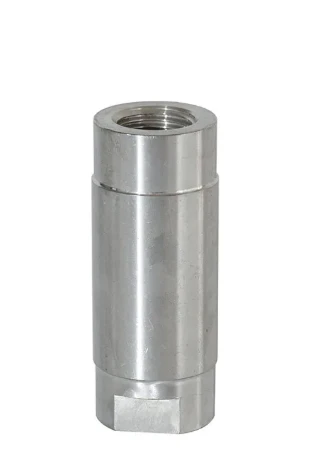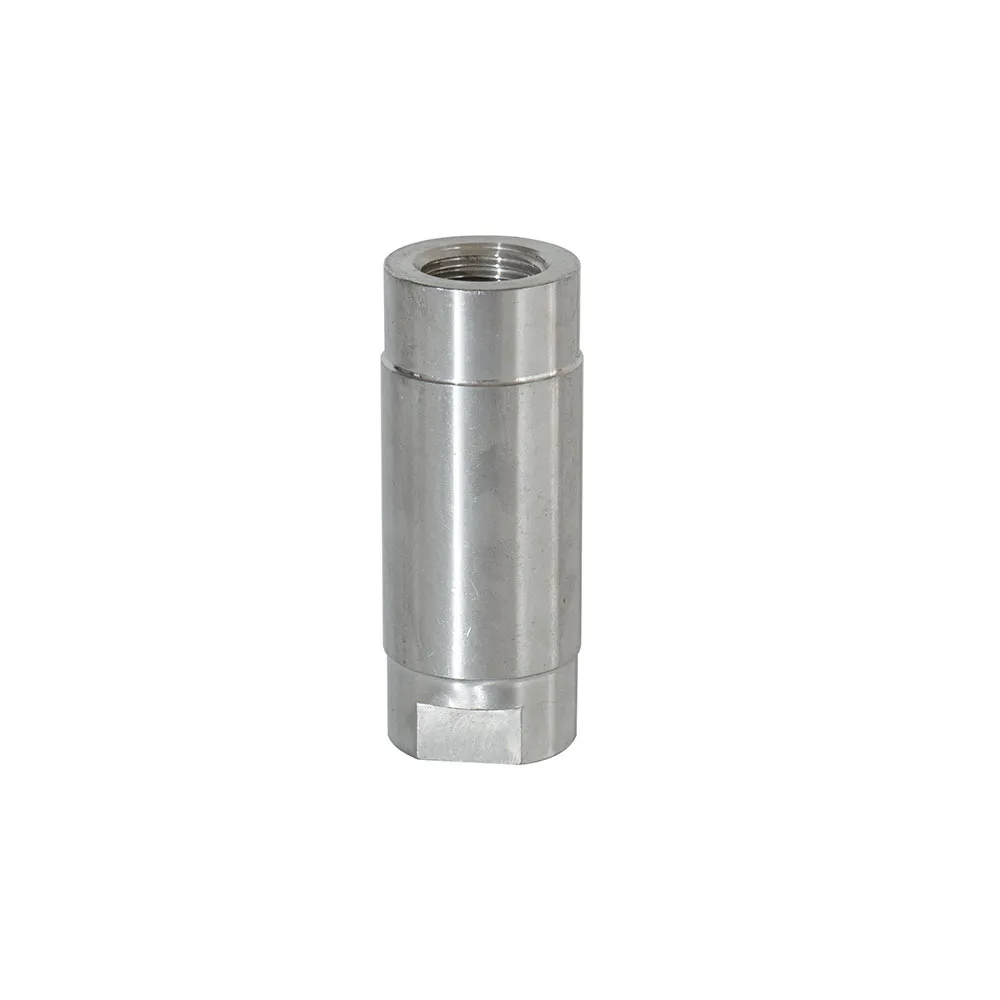
The Role of the 3 8 Full Port Ball Valve in Modern Industry
You might wonder why a seemingly small part like a 3 8 full port ball valve deserves this much attention. Well, these valves serve as tiny yet critical gatekeepers in countless systems—from water treatment plants to sophisticated manufacturing lines. Understanding how they work and their advantages connects you directly to the heart of industrial efficiency. The world increasingly depends on streamlined, reliable fluid control, and this valve is a remarkable piece of that puzzle.
Global Importance: Small Valve, Big Impact
Globally, valves control an estimated $600 billion worth of fluid handling annually, spanning water utilities, oil & gas, and HVAC industries — according to ISO/TC 153 standards and industry reports. The 3 8 full port ball valve gains importance especially in sectors requiring minimal pressure drop and uncompromised flow rates. It’s no exaggeration to say that without dependable ball valves, our infrastructure—ranging from energy to hygiene—would slow or break down.
One big challenge this valve addresses: how to maintain full capacity flow in compact spaces, where every inch and degree of reliability counts. For regions developing new water systems or retrofitting plants with eco-friendly considerations, these valves often make the difference between success and expensive downtime.
What Exactly Is a 3 8 Full Port Ball Valve?
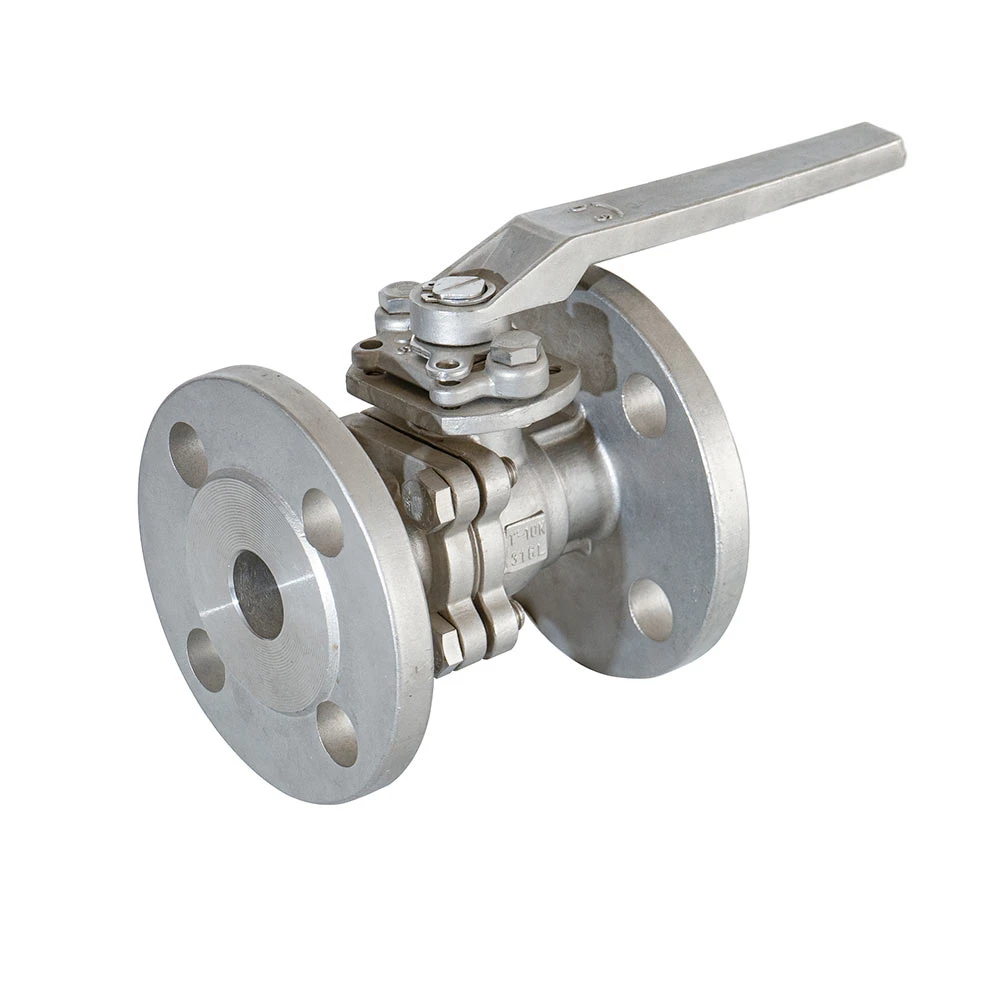
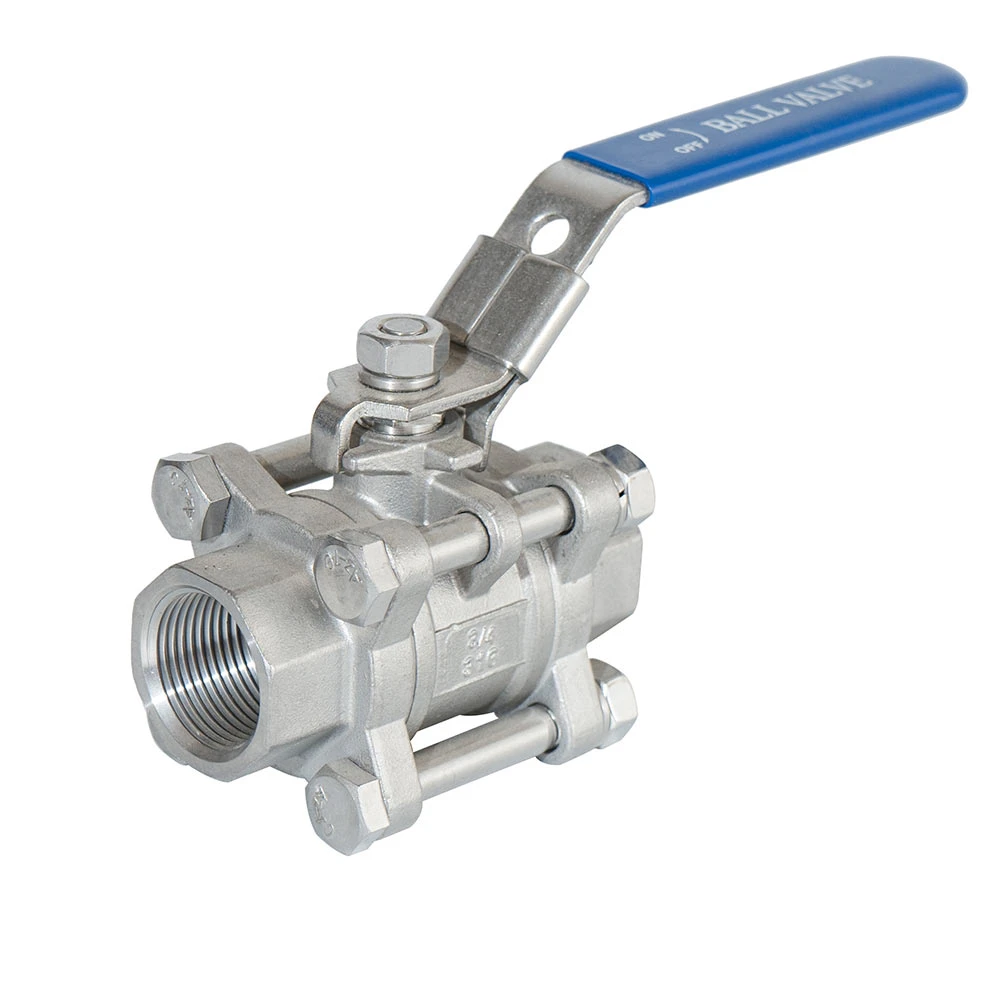
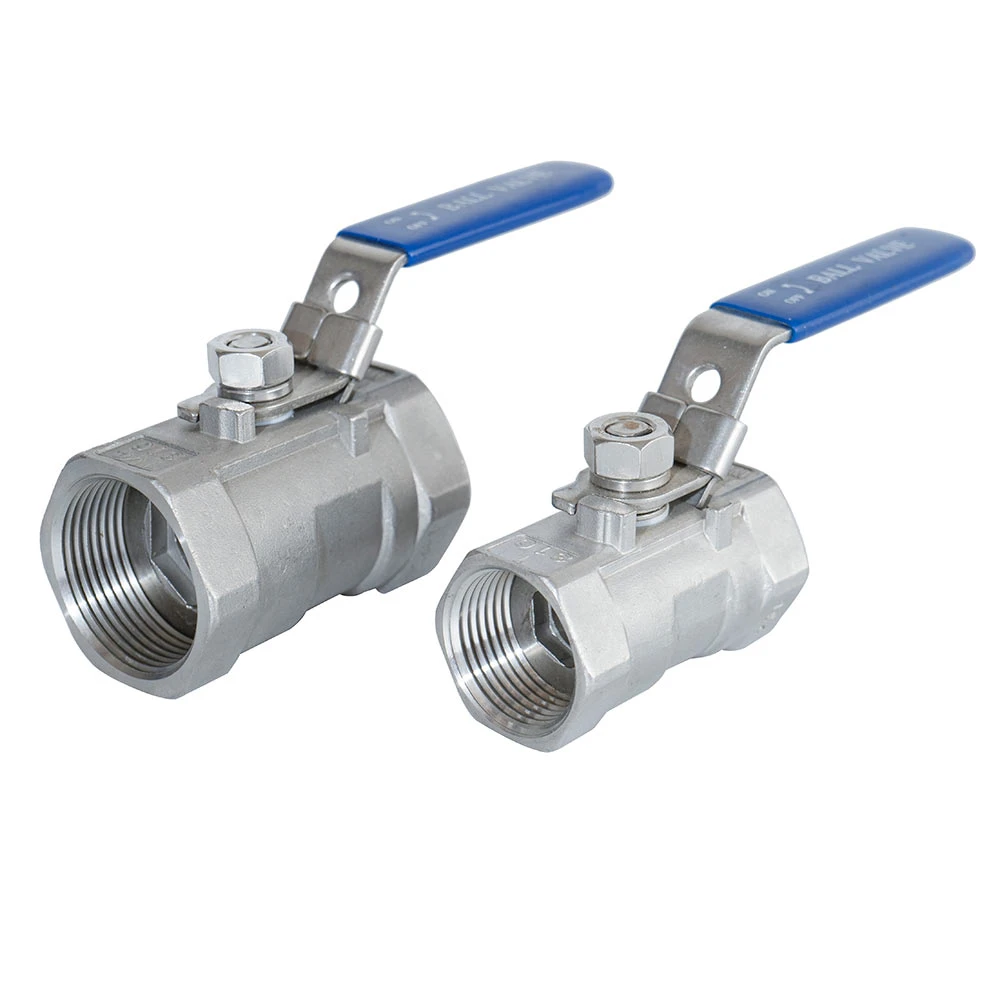
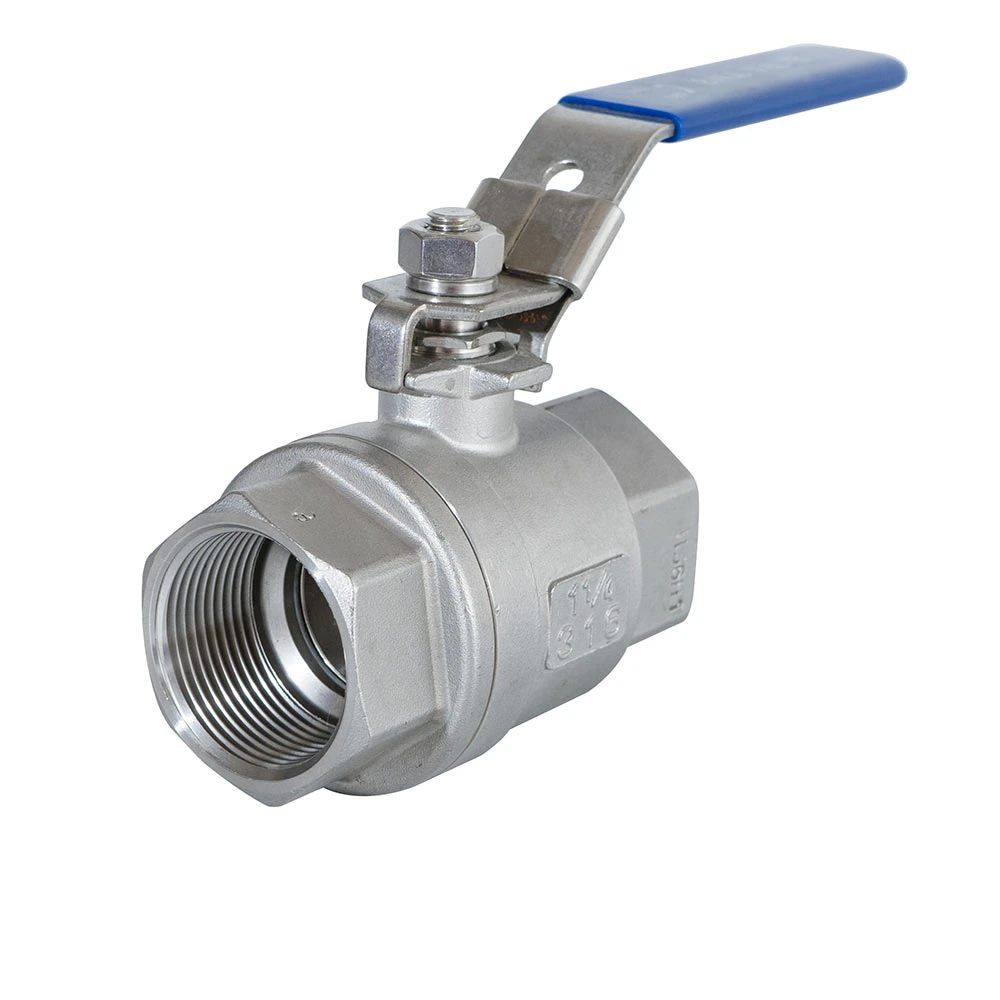
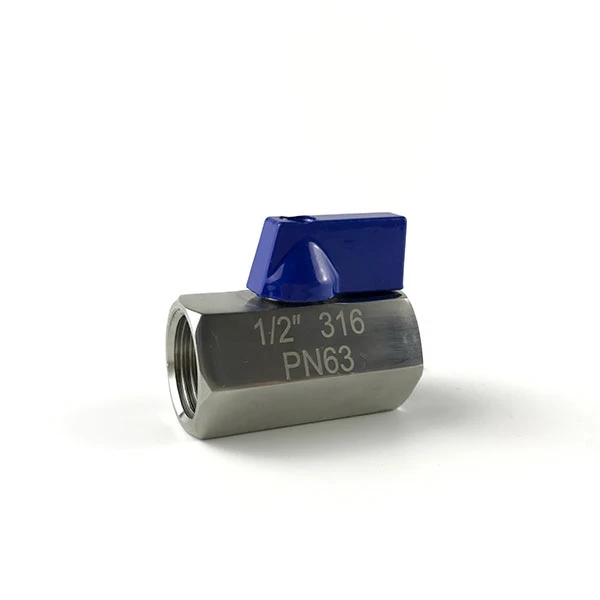
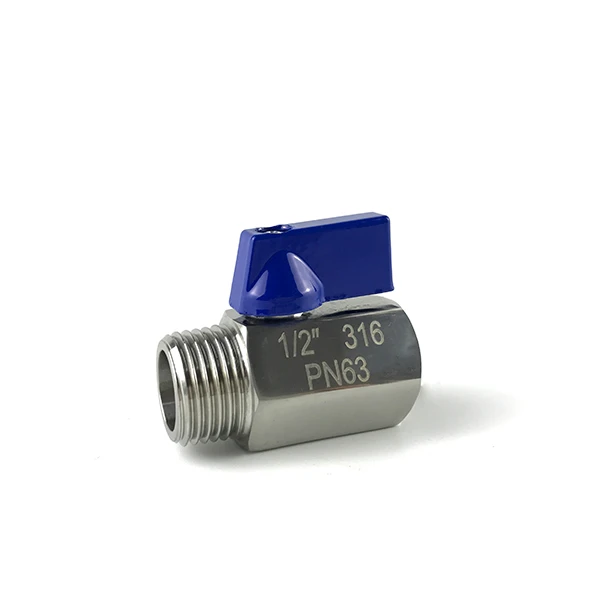
Simply put, a 3 8 full port ball valve is a quarter-turn valve consisting of a spherical disc (the ball) with a hole through the center. The "3 8" refers to the valve’s nominal pipe size—meaning it fits a 3/8 inch diameter pipe. “Full port” indicates that the valve’s internal bore matches the pipe’s diameter, allowing flow without restriction.
Connecting this to things you might care about: in water supply systems, the valve lets fluids pass with almost no drop in pressure. In industries, it offers both quick shut-off capabilities and durability, essential for minimizing leakage and halting hazardous leaks—an increasingly important concern in modern environmental safety efforts.
Key Design Factors of a 3 8 Full Port Ball Valve
1. Durability & Material Quality
Stainless steel and brass are common body materials, boasting corrosion resistance even in harsh chemical or marine environments. I once worked on a project in Florida’s coastal zone where the salt air destroyed cheaper valves within months. Choosing the right alloy quickly became a no-brainer.
2. Flow Efficiency
Since the ball’s bore matches pipe size, pressure drops are minimal, usually less than 2%. This is a noticeable upgrade over reduced port designs, which restrict flow and increase energy consumption.
3. Ease of Operation
Just a 90-degree turn opens or closes the valve fully, often with a simple lever or automated actuator option. This simplicity enhances safety for operators, especially in emergency shut-offs.
4. Compatibility & Customization
Whether your system pipes are NPT, BSP, or welded, there’s usually a fitting option. Vendors often customize seals for temperature or media-specific requirements, such as high-temperature steam or aggressive acids.
5. Testing & Certification
Reliable valves come tested per APIs and ISO 5208/ISO 15848, ensuring tight shutoff and leak prevention for demanding environments.
Mini-Takeaway:
In practical terms, the 3 8 full port ball valve is versatility and reliability packed into a small footprint—qualities that industry veterans appreciate especially when downtime isn’t an option.
Applications Around the World: Where and How They Matter
Curiously, these valves pop up everywhere—from the simplest household water lines to complex offshore rigs. Here’s a glimpse:
- Water Treatment Plants: Precise flow control for clean water delivery in urban and rural zones.
- Oil & Gas Industry: High-pressure pipelines use full port valves to avoid bottlenecks in fluid transport.
- Food & Beverage Processing: Hygienic stainless steel valves help maintain purity and easy cleaning.
- Disaster Relief Efforts: Emergency water distribution systems rely on quick and sure valve operation.
- Renewable Energy Plants: Biofuel and geothermal projects increasingly embrace specialized ball valves designed for extreme environments.
If you get into specifics, NGOs running water hygiene projects in East Africa often select full port valves to minimize maintenance—critical when spare parts take weeks to arrive. Likewise, European petrochemical manufacturers swear by them for reliability and flow consistency.
Advantages and Their Lasting Value
Let’s face it: few engineers would pick a valve that restricts flow or demands frequent maintenance. Full port ball valves minimize pressure losses, so pumps and compressors work less hard—saving energy and costs in the long run. More emotional, if you will, is the peace of mind when operators know shutdowns or leaks won’t cause accidents or damage symptoms downstream.
Environmentally, these valves contribute to sustainability by reducing wasted energy and limiting leak risks—a double win that supports safer water supplies and cleaner production. Oddly enough, the feeling of ‘trust’ in a piece of metal is quite real in critical industries. Innovation here is subtle but crucial.
Future Trends to Watch
What’s next for the 3 8 full port ball valve? Automation and IoT integration are advancing, with sensors allowing remote status monitoring and predictive maintenance. Imagine a valve that “calls” maintenance before failing—that’s becoming common in large plants.
Material scientists are also working on high-performance polymers and composite materials to lower weight while enhancing chemical resistance—perfect for green energy industries. Plus, with rising climate concerns, valves certified for extreme temperature swings or zero leakage are trending strongly.
Challenges & Smart Solutions
One sticking point is often the initial cost—full port valves tend to be pricier than reduced port counterparts. But when factoring in energy savings and downtime reductions, the investment quickly pays off. Another challenge is proper installation; these valves must be correctly sized and matched to pipes. Smart solution? Vendor consultation and pre-shipment testing are key.
Product Specifications: A Typical 3 8 Full Port Ball Valve
| Specification | Details |
|---|---|
| Size | 3/8 inch (Nominal Pipe Size) |
| Body Material | Stainless Steel 304/316, Brass options |
| Seal Type | PTFE/PTFE with Reinforcement, Viton |
| End Connections | Threaded NPT, BSP, Socket Weld |
| Pressure Rating | Up to 1000 PSI (69 bar) |
| Temperature Range | -40°C to 200°C (-40°F to 392°F) |
| Operation | Manual Lever, Automation-ready |
Vendor Comparison: Selecting the Right Partner
| Feature | Houde Valve | Competitor A | Competitor B |
|---|---|---|---|
| Product Range | Extensive (sizes 1/4"–4") | Limited (up to 2") | Moderate (up to 3") |
| Customization | High – special seals & materials | Low | Medium |
| Lead Time | 2–3 weeks | 4–6 weeks | 3–4 weeks |
| Certifications | ISO 9001, API, CE | ISO 9001 only | API Certified |
| Price (Est.) | $$$ (Value-focused) | $$ (Budget) | $$$ (Premium) |
FAQ: Your Top Questions About 3 8 Full Port Ball Valves
Q1: How does a full port ball valve improve flow compared to other valves?
A full port valve’s bore matches the pipe diameter, so fluid passes straight through without constriction. This reduces pressure drop and helps pumps consume less energy, improving system efficiency—a big plus in continuous operations.
Q2: Can a 3 8 full port ball valve handle corrosive substances?
Yes, if it’s made from appropriate materials like stainless steel 316 and uses chemically resistant seals (such as Viton), it can handle many corrosive media. Always confirm compatibility with your specific fluids to avoid premature wear.
Q3: Are these valves easy to automate?
Definitely. Most full port ball valves are designed to accept pneumatic or electric actuators, enabling remote or automatic flow control, essential in modern plants for safety and precision.
Q4: What maintenance does a typical 3 8 full port ball valve require?
They’re generally low-maintenance but periodic inspection of seals and lubrication of stems is recommended. In harsh environments, more frequent checks ensure leak-free, smooth operation.
Q5: Where can I purchase quality 3 8 full port ball valves with reliable after-sales support?
Suppliers like Houde Valve specialize in quality valves with comprehensive warranties, certification, and global shipping—helping you avoid surprises down the line.
Final Thoughts
The 3 8 full port ball valve may seem like a small player, but its impact echoes loudly across water safety, industrial efficiency, and global development. Its design optimizes flow, durability, and ease of use, making it indispensable for anyone serious about reliable fluid control. For engineers, operators, or purchasers, investing time to understand its specs and sourcing quality products pays dividends in long-term savings and peace of mind.
Curious to find out more or ready to make an informed choice? Visit Houde Valve’s website for an extensive catalog and expert advice tailored to your project’s needs.