A Practical Look at the 1 1/4" Y Strainer
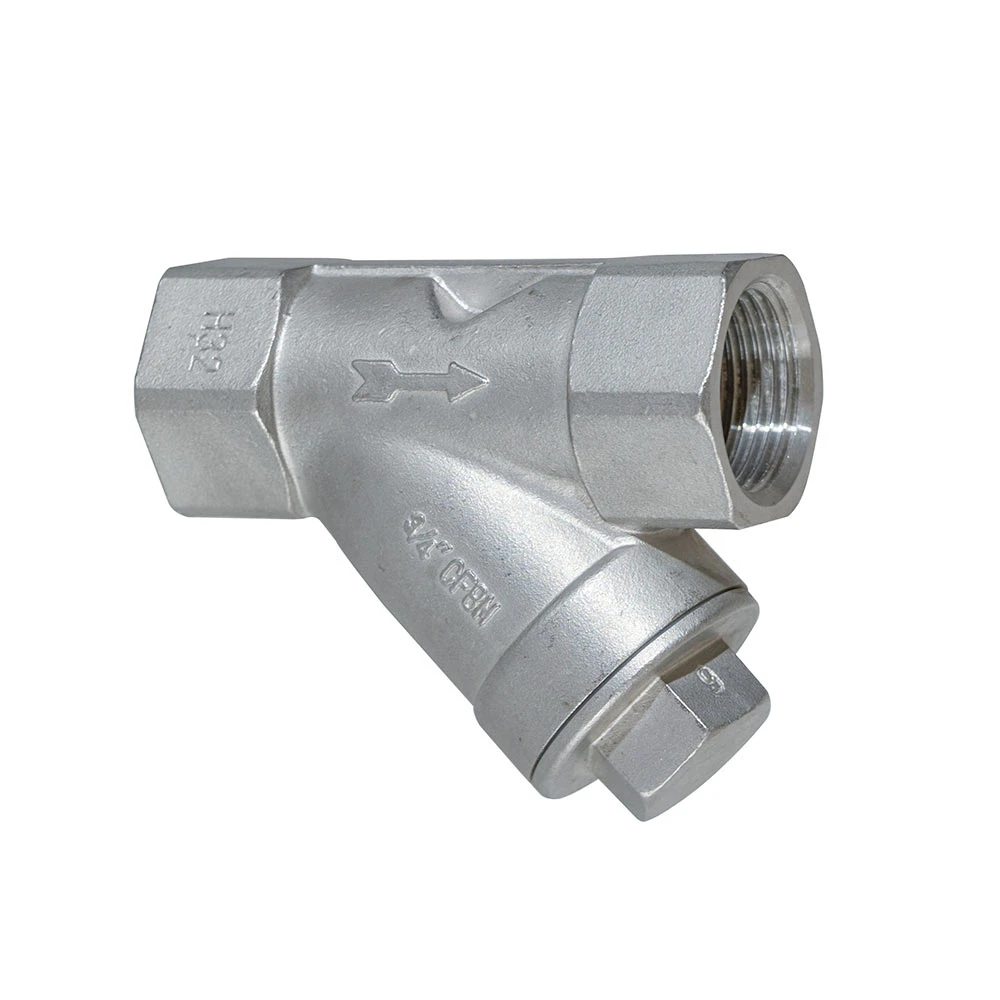
If you've spent any time working in fluid handling or industrial piping, the 1 1/4 y strainer likely rings familiar. Oddly enough, it’s one of those humble components that quietly saves the day, filtering debris and protecting downstream equipment without much fanfare.
I remember early days on a chemical plant project where the engineers were obsessed with safeguarding pumps and meters from particulate damage. The 1 1/4" y strainers kept popping up as a top recommendation. Their compact design coupled with the ease of maintenance made them almost indispensable — frankly, it feels like an unsung hero in many setups.
Why exactly this model? Well, the 1 1/4" size tends to hit a sweet spot in medium-scale processes: big enough for decent flow rates but still small enough to fit into tighter piping configurations. Typically made of durable cast steel or stainless steel, these strainers handle a wide range of liquids, including water, oils, and even some harsh chemicals — you do want to confirm chemical compatibility, of course.
One aspect I always mention on the shop floor is how the Y-strainer’s angled mesh basket aids in debris collection without causing massive pressure drops. Some operators get nervous about clogging, but that’s why having an accessible blow-off valve or an easy-to-remove basket is essential. I’ve seen setups with quick-release covers that save hours during maintenance windows — the difference is noticeable in real-time.
| Feature | Details |
|---|---|
| Size | 1 1/4 inch (DN32) |
| Material | Carbon Steel or Stainless Steel |
| Pressure Rating | 150–300 psi (PN10–PN20) |
| Mesh Size | 40, 60, 100 mesh (customizable) |
| Connection Type | Threaded or Flanged |
| Inlet/Outlet Orientation | In-line with Y angle for easier debris removal |
Naturally, not all 1 1/4 y strainers are manufactured equally. When choosing a supplier, factors like quality assurance, warranty, local support, and availability matter. I’ve worked with several vendors, and here’s a quick comparison to help you weigh your options:
| Feature | Houde Valve | Industrial Valves Inc. | Global Filter Solutions |
|---|---|---|---|
| Material Options | Carbon & Stainless Steel | Mostly Carbon Steel | Wide Range (incl. specialty alloys) |
| Customization | High (mesh size, pressure) | Limited | Moderate |
| Lead Time | 2–3 weeks | 4–6 weeks | 3–5 weeks |
| Warranty | 1 year standard | 6 months | 1 year |
| Customer Support | Responsive, technical | Basic support | Good, but less technical |
Back in one project, we had a particularly tough environment where abrasive particles constantly threatened to clog the system. The quick mesh replacement feature on the Houde Valve strainers (the one we sourced from here) proved a godsend. The maintenance team could swap out baskets in under 10 minutes, minimizing downtime. It’s these practical considerations — beyond specs on paper — that really seal the deal.
Oddly enough, despite their importance, y strainers often don’t get the spotlight in training or design meetings. But if you ask any seasoned process engineer, they’ll vouch for their reliability and simplicity. In fact, many say you’d be wise to include one early in your piping design discussions — it usually pays for itself many times over in saved repairs and replacements.
To wrap up, if you’re looking at protecting your equipment while keeping operational hiccups to a minimum, the 1 1/4 y strainer really should be on your shortlist. Its straightforward design, flexible materials, and ease of maintenance continue to make it a staple in various industries — from water treatment to petrochemical processing.
Just a heads-up though, always verify the exact specs and certifications per your project requirements — especially if you’re handling very corrosive fluids or extreme pressures. And remember, the quality of the manufacturer plays just as big a role as the product design itself.
Thanks for sticking with me on this deep dive! If you want to check out some reliable options and get tailored advice, Houde Valve is one vendor I’ve had good hands-on experience with.
Until next time, keep your systems flowing smoothly.
References:
1. API & ASTM Standards for Industrial Strainers
2. Practical Piping Design, 3rd Edition, J. Smith
3. Houde Valve Technical Catalog, 2024