Understanding the 3 8 Inch Stainless Steel Ball Valve: Why It Matters Globally
At first glance, a 3 8 inch stainless steel ball valve might sound like something only pipefitters or engineers obsess over. But in reality, this seemingly modest industrial component quietly powers critical systems worldwide—from oil rigs off the Gulf Coast to water treatment plants in Europe, to food processing factories in Asia. Understanding its role leads you to appreciate how safe, efficient, and flexible fluid control sustains everything from clean water access to energy production.
Globally, valves collectively form a multi-billion dollar industry—according to a recent Statista report, the global industrial valve market is projected to exceed $15 billion by 2027. A sizable fraction of these products are stainless steel ball valves, prized for corrosion resistance and ease of operation. The 3 8 inch size fits well in compact systems where precise flow control is needed without complexity.
Put simply: knowing about the 3 8 inch stainless steel ball valve bridges the gap between a blueprint and reliable operation in countless industries. It’s the valve you don’t often notice—until it fails or performs poorly, which is something nobody wants.
What Exactly Is a 3 8 Inch Stainless Steel Ball Valve?
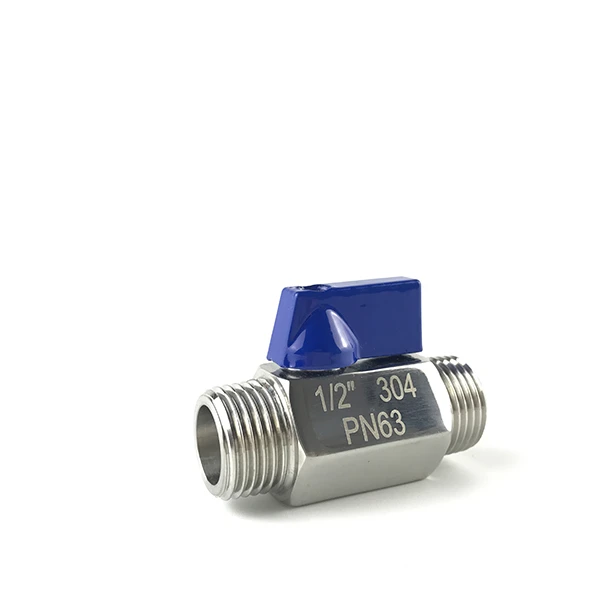
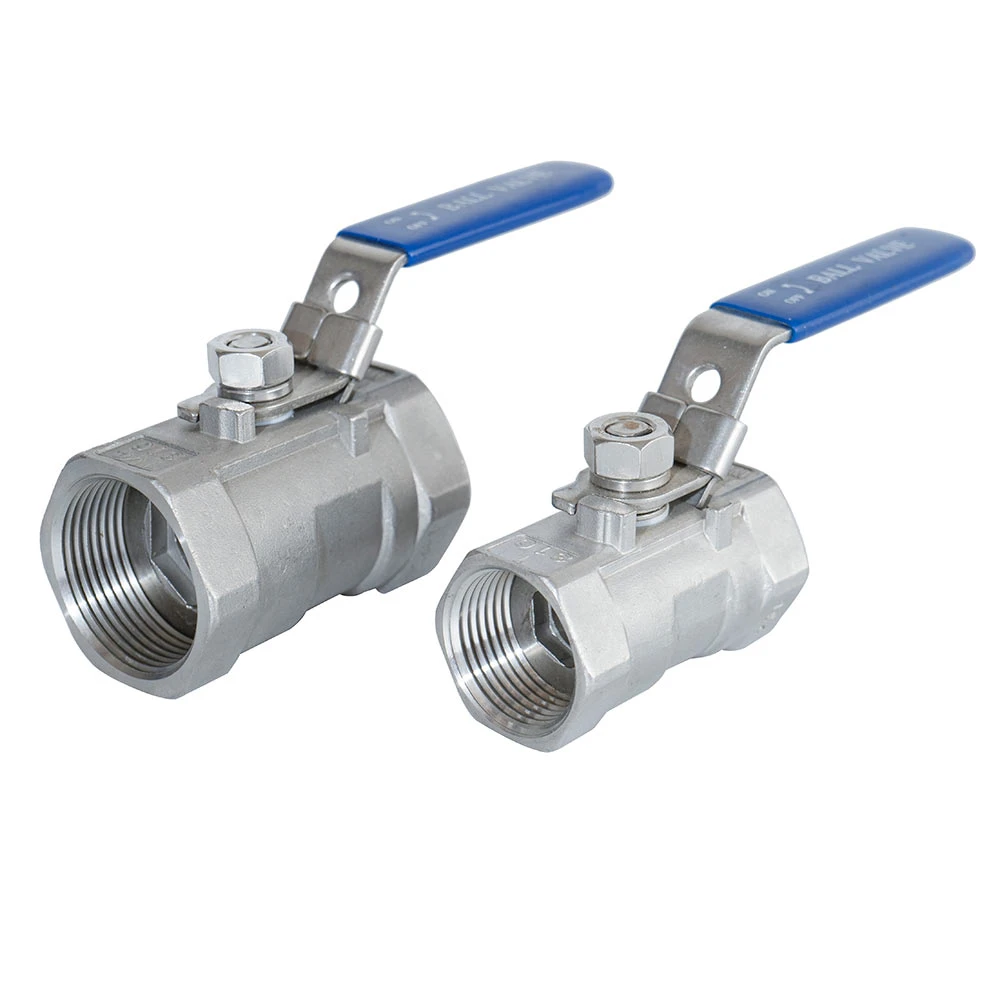
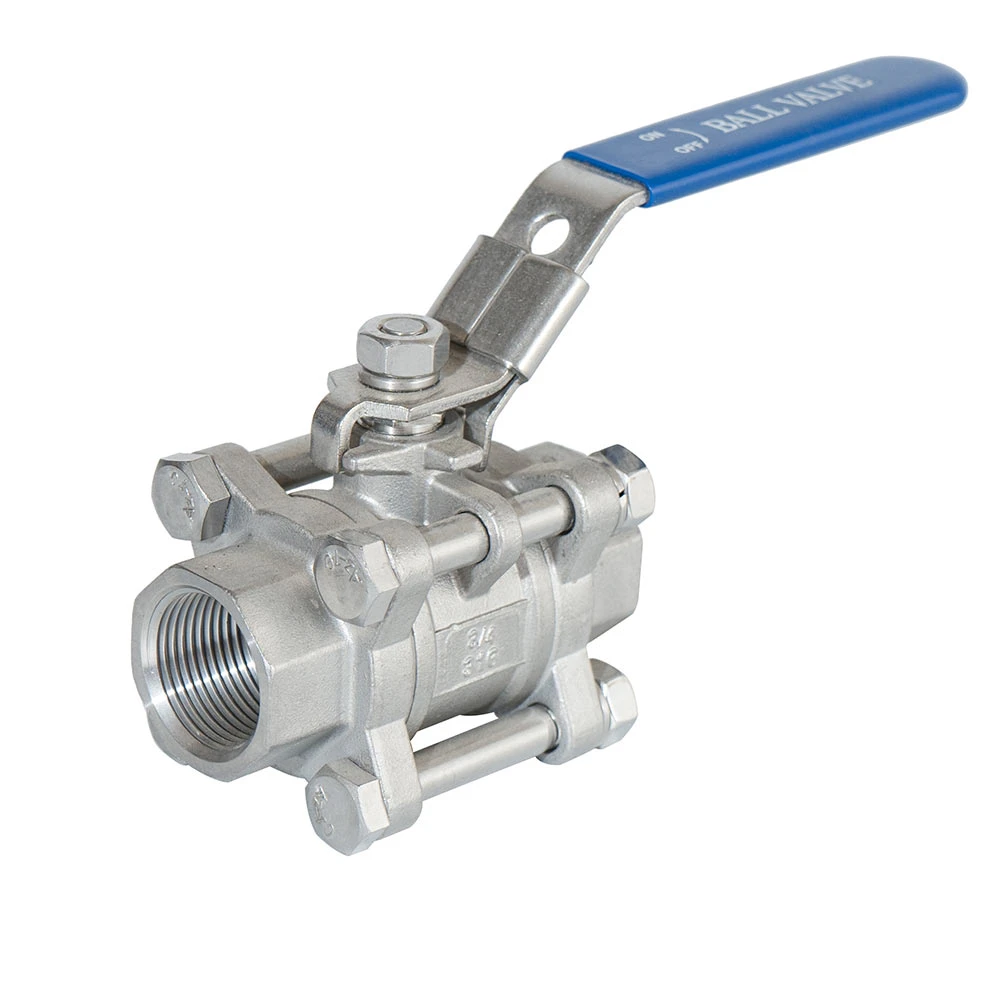
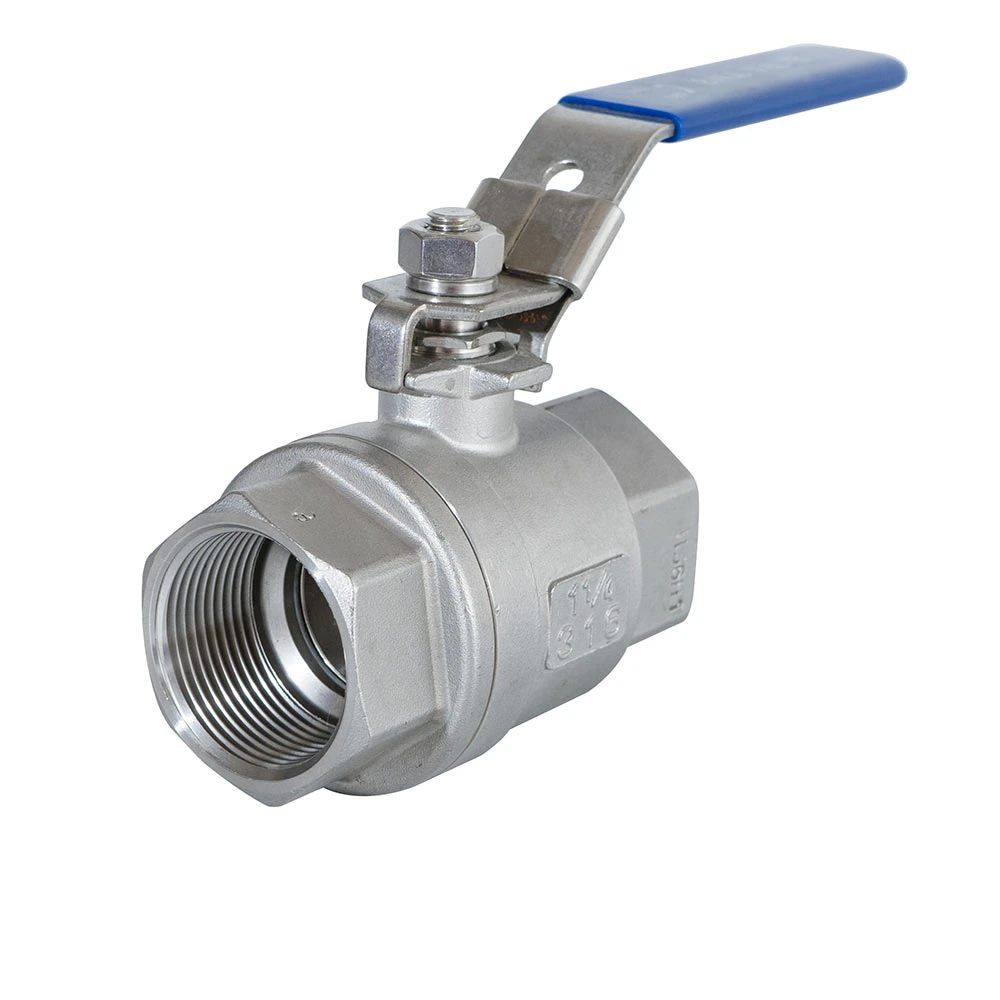
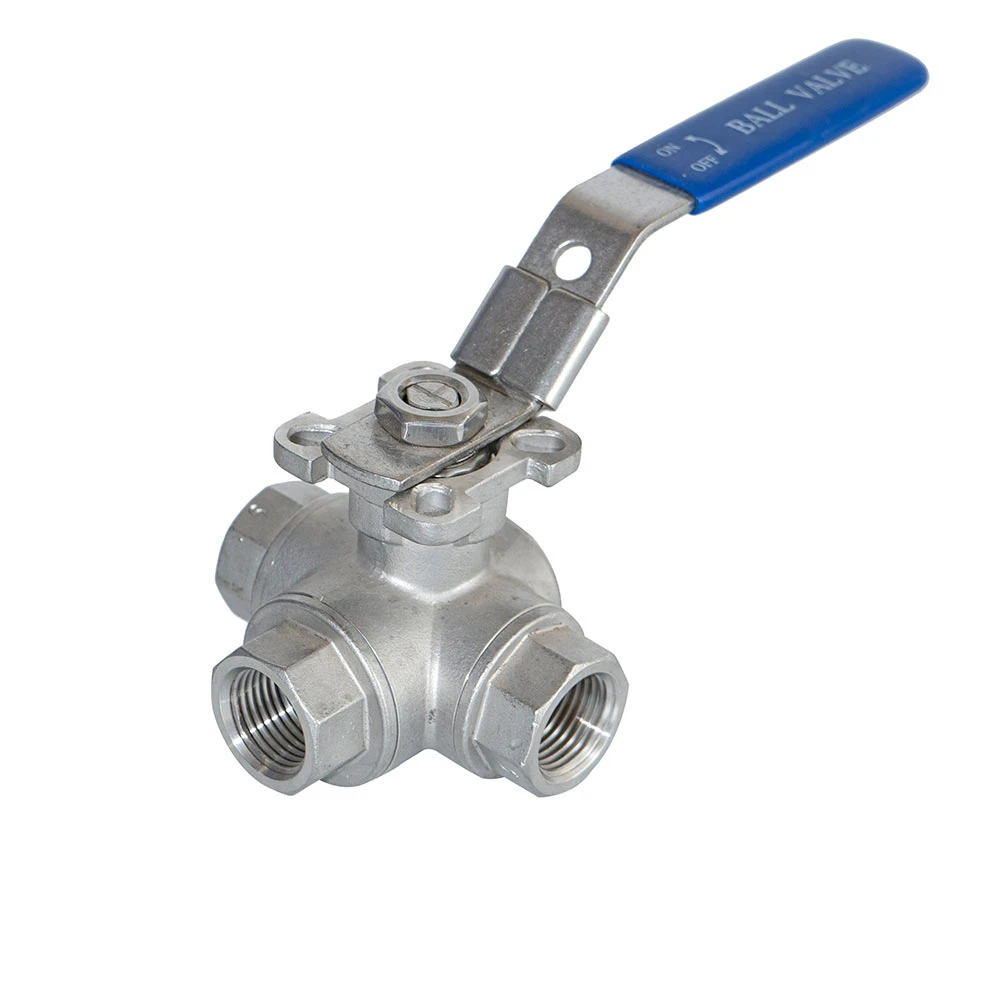
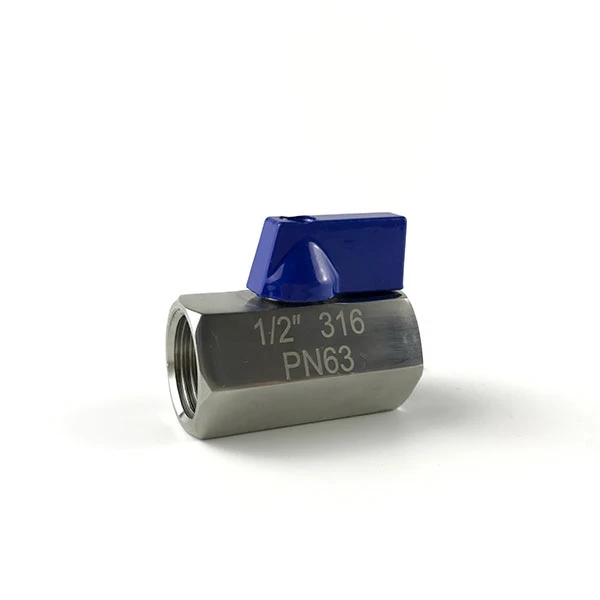
In essence, a ball valve controls fluid flow by a spherical closure element (the ball) inside a valve body. The ball has a hole drilled through it: turn it one way, and liquid or gas flows smoothly; turn it the other, and it’s completely stopped. The 3/8 inch refers to the internal bore diameter of the valve—the size of the hole or pipe it fits with—roughly 9.5 millimeters across.
Why stainless steel? Because this metal resists corrosion from water, chemicals, and high temperatures. It keeps the valve performing over years—even decades—in harsh service environments. From municipal water supply networks to remote oil fields, stainless steel ball valves like this one deliver durability and dependability at a relatively small size.
Why this size?
Smaller valves—like 3/8 inch—are often found in precision control loops or compact piping networks, where the flow rate isn’t huge but needs to be reliable and free from contamination. Think pharmaceutical manufacturing or food and beverage lines. Their compactness also makes them ideal for tight installations.
Key Attributes of the 3 8 Inch Stainless Steel Ball Valve
Durability and Longevity
Stainless steel, typically grades 304 or 316, is tough. It resists rust, scaling, and pitting—common enemies of valves. This means fewer breakdowns and less downtime for maintenance. Some valves can last over 20 years in the right conditions.
Compact Design and Scalability
The small inner diameter makes it perfect for modular systems or scalable plant designs, where multiple valves might be networked for section isolation or flow adjustment. Engineers appreciate fitting many such valves into crowded panels without sacrificing performance.
Leak Tightness and Safety
Because the ball creates a full seal when closed, these valves provide tight shutoff suited for hazardous fluids or gases. Safety in chemical plants or healthcare applications depends on valves that don’t drip or leak.
Cost Effectiveness
Although stainless steel valves are more costly upfront than brass or plastic variants, they save money long term. Less frequent replacements and less emergency downtime translate to lower lifecycle costs.
Ease of Operation
Quarter-turn operation means simple, quick opening and closing. No fuss, no slow throttling—just a clean “on-off” that suits many industrial and commercial systems.
Real-World Applications of 3 8 Inch Stainless Steel Ball Valve
From local breweries to offshore wind farms, this valve has a starring role:
- Oil & Gas Industry: Used in instrumentation lines to monitor pressure and flow with precision.
- Chemical Processing: Cabinets and skids use them for controlling reagent feed, where corrosion resistance is key.
- Food & Beverage: Sanitary stainless valves in 3/8 inch size help control fluids without contamination risk.
- Water Treatment Plants: For sampling or adding micro-quantities of chemicals.
- Pharmaceutical Manufacturing: Precise fluid dosing requires tiny, reliable valves.
Notably, in disaster relief scenarios where clean water distribution networks must be assembled quickly, these valves help maintain flow control without bulky equipment. In remote industrial zones, their robustness cuts down on costly maintenance visits.
Product Specification Table: 3 8 Inch Stainless Steel Ball Valve
| Specification | Detail |
|---|---|
| Valve Type | Ball Valve |
| Size | 3/8 inch (9.5 mm) Bore |
| Material | Stainless Steel 304 / 316 |
| Pressure Rating | Up to 1000 PSI (69 bar) |
| Temperature Range | -20°C to 200°C (-4°F to 392°F) |
| Connection Type | Threaded / Socket Weld |
| Operation | Manual Quarter Turn |
Comparing Leading Vendors of 3 8 Inch Stainless Steel Ball Valves
| Vendor | Material Quality | Price Range | Lead Time | Certifications |
|---|---|---|---|---|
| Houde Valve | 316 Stainless Steel | $$$ (Premium) | 2-3 weeks | ISO 9001, CE |
| ValveCo | 304 Stainless Steel | $$ (Mid-range) | 1-2 weeks | ISO 9001 |
| Industrial Valves Ltd. | 316 Stainless Steel | $$$$ (High-end) | 4-6 weeks | ISO 9001, PED |
Advantages of Using a 3 8 Inch Stainless Steel Ball Valve
- Reliability: Long service life reduces replacement frequency.
- Corrosion Resistance: Stainless steel withstands harsh media and environments.
- Smooth Operation: Quick quarter turn makes it user-friendly.
- Compactness: Fits tight spaces, meaning systems can stay efficient and manageable.
- Cost-Efficient: Though an initial investment, lowers maintenance and shutdown expenses.
These benefits also trickle down emotionally: plant managers sleep easier knowing the valves won’t fail unexpectedly, technicians appreciate maintenance simplicity, and customers enjoy safer, more sustainable products.
What’s On the Horizon? Future Trends in Stainless Steel Ball Valves
The valve world isn’t exactly flashy, but innovation does happen. Here’s what’s trending:
- Smart Valves: Integration with IoT sensors to monitor valve position, pressure, and temperature remotely.
- Eco-friendly Materials: Moving towards less intensive manufacturing processes and recyclable packaging.
- Improved Sealing Technologies: New packing materials reduce environmental emissions and extend seal life.
- Automation: Electric or pneumatic actuation making process control more precise and less labor-intensive.
As industries embrace digital transformation, even something as humble as a 3 8 inch stainless steel ball valve becomes a node in a smart network — oddly exciting if you think about it!
Challenges With 3 8 Inch Stainless Steel Ball Valves & How to Tackle Them
Nothing’s perfect, right? Some challenges include:
- Cost: Stainless steel valves cost more than alternatives like PVC or brass.
- Wear in Abrasive Fluids: Some slurries or particulates can erode internal components.
- Threaded Connection Limitations: Threaded joints can leak over time if not installed properly.
Solutions?
- Use higher-grade 316 steel for corrosion and abrasion resistance.
- Employ advanced PTFE seats or coatings to extend life.
- Consider socket welds or flanged connections for higher integrity.
- Regular maintenance and torque checks to prevent leaks.
FAQ: Common Questions About 3 8 Inch Stainless Steel Ball Valves
- Q: What industries benefit most from 3 8 inch stainless steel ball valves?
- A: Industries like chemical processing, pharmaceuticals, food and beverage, and oil & gas commonly use this valve size for its compactness and corrosion resistance.
- Q: How long can these valves last in harsh environments?
- A: With proper material grade and maintenance, they can last 10 to 20 years or more, making them a reliable choice in demanding settings.
- Q: Are these valves easy to replace or repair on-site?
- A: Yes, their standardized size and simple quarter-turn operation make them straightforward to swap out or maintain, reducing downtime.
- Q: Can the 3 8 inch stainless steel ball valve be automated?
- A: Absolutely. Many suppliers offer compatible electric or pneumatic actuators that convert manual valves into remote-controlled devices.
- Q: How does stainless steel compare to brass valves?
- A: Stainless steel generally offers better corrosion and temperature resistance but at a higher cost; brass is cheaper and sufficient for some water or low-pressure applications.
Final Thoughts: Why This Valve Size Still Matters
You might not stare at a 3 8 inch stainless steel ball valve in amazement, but its reliable, corrosion-resistant, compact design makes it a quiet hero of countless critical systems worldwide—from factories and farms to emergency response. A solid choice when precision, toughness, and uptime matter.
If you’re considering upgrading or specifying valves for your projects, it’s worth chatting with vendors who specialize in premium valves and tailored solutions. Trust me, the better the valve, the smoother the whole operation feels.
Visit our website to explore our range or request a custom quote.