Y Strainer 3/4 Inch: Small but Mighty Filtration for Your Systems
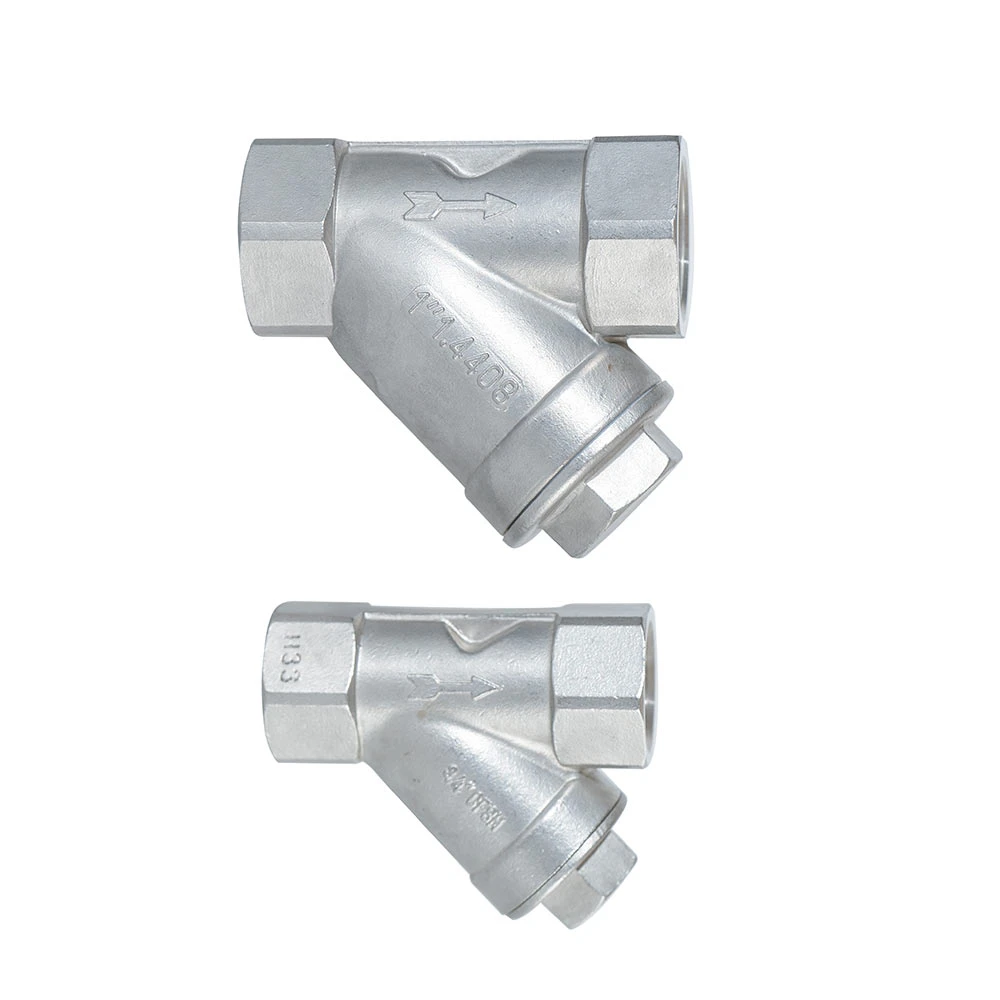
Over my years working in the industrial equipment sector, I’ve seen countless components come and go, but the humble y strainer 3 4 inch really sticks out. It might seem like a minor detail, but this compact strainer often saves the day by protecting pumps, valves, and pipelines from unwanted debris.
Oddly enough, even though it’s just three-quarters of an inch in size, its role is massive—especially in tight spaces where larger strainers simply won't fit or when system designers want to avoid unnecessary pressure drops.
I suppose what intrigues me most is the design simplicity paired with rugged durability. The Y shape isn’t just a namesake—it’s functional, allowing the strainer to trap dirt and grit effectively without interrupting fluid flow too much. Many engineers I’ve worked with swear by this style because it can be easily serviced; just unscrew a cap, clean the mesh, and you're back in business without shutting down the whole line.
Material and Construction—Built to Withstand Real-World Conditions
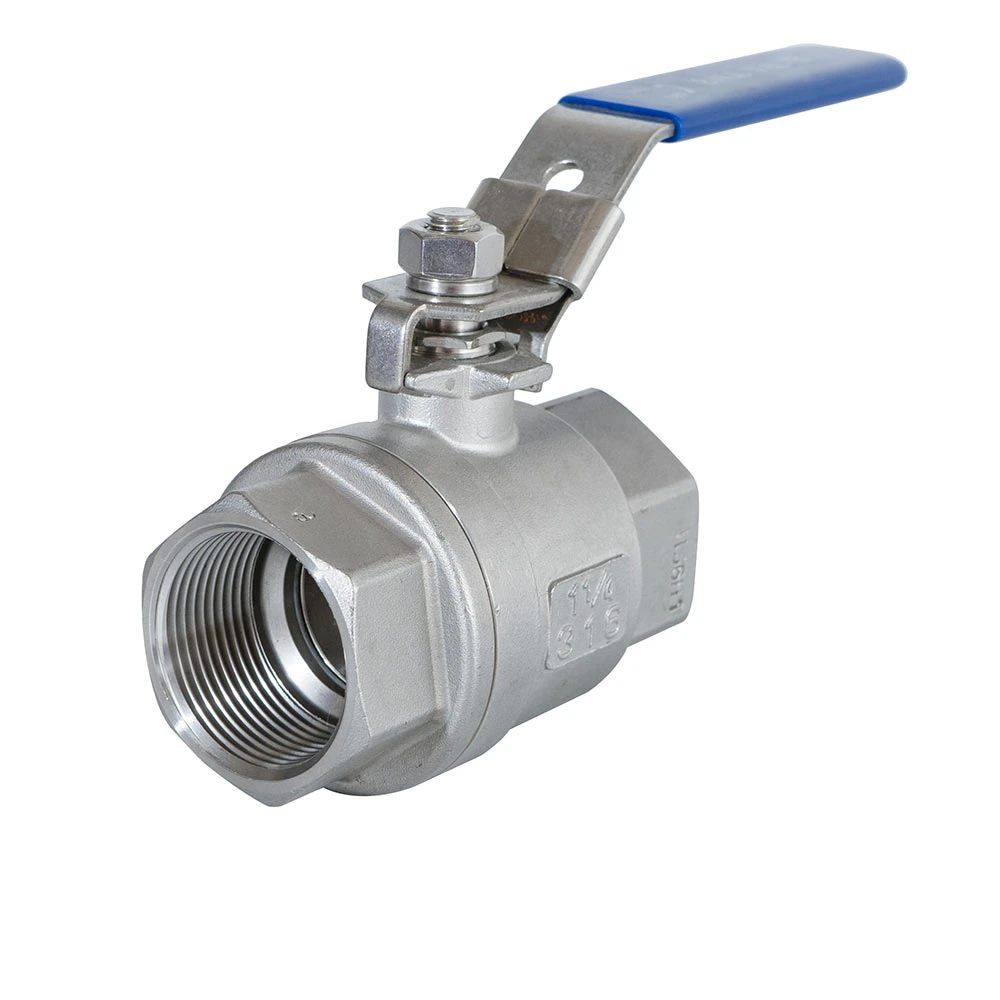
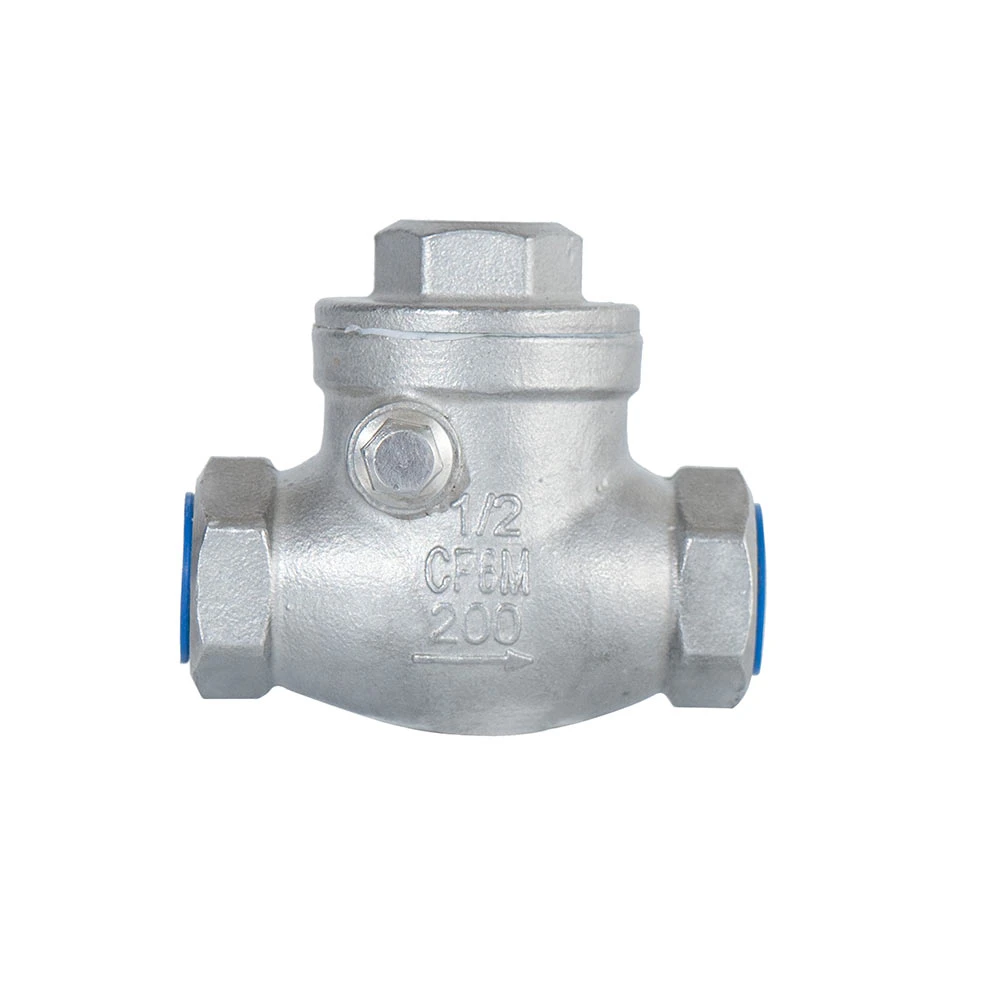
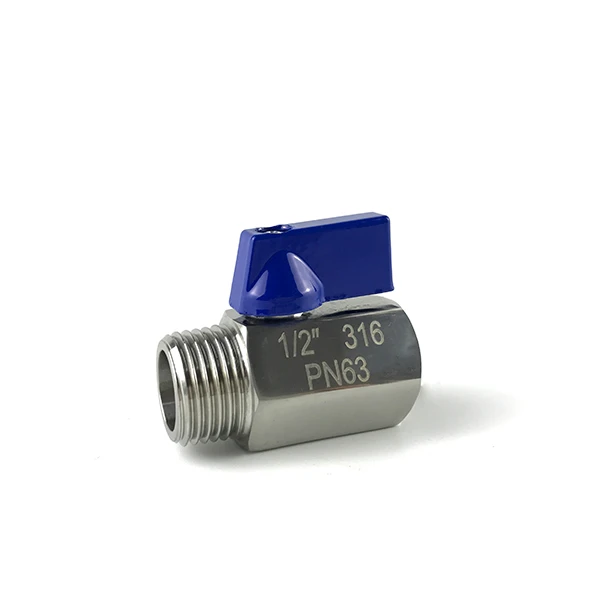
You often notice these strainers come in a variety of materials—bronze, stainless steel, cast iron—and you can guess why. Depending on the environment (corrosive, high-temperature, high-pressure), the choice of metal is crucial. From my experience, stainless steel variants strike a solid balance: corrosion resistance with industrial strength.
The mesh screen inside is another story. Typically made from stainless steel, it filters out particles while resisting wear. You really want that mesh tight enough to catch contaminants but not so restrictive that it chokes flow. It’s a delicate dance in design.
Performance Specs at a Glance
| Specification | Details |
|---|---|
| Size | 3/4 inch (DN20) |
| Material | Stainless Steel / Bronze / Cast Iron |
| Pressure Rating | Up to 16 bar (230 psi) |
| Temperature Range | -20°C to 200°C (-4°F to 392°F) |
| Mesh Sizes | 20 - 200 mesh (customizable) |
| Connection Types | NPT, BSP, Flanged |
Comparing Vendors: What to Look For
Frankly, when I’m advising clients or choosing a y strainer 3 4 inch for a job, the vendor's reliability matters almost as much as the specs. To help clear up the fog, here’s a quick comparison I’ve seen reflect in real project outcomes:
| Feature | Vendor A (Houde Valve) | Vendor B (Generic Supplier) | Vendor C (Budget Brand) |
|---|---|---|---|
| Material Quality | Certified Stainless Steel & Bronze | Standard Stainless Steel | Cast Iron, prone to corrosion |
| Custom Mesh Size | Wide range, order-specific | Limited options | Fixed mesh size only |
| Lead Time | 2-3 weeks | 4-6 weeks | 1-2 weeks (but higher defect rate) |
| Warranty | 2 years | 1 year | No official warranty |
| Customer Support | Responsive, technical expertise | Standard support | Limited support |
Real-World Usage: A Quick Anecdote
I remember a site where a small food processing plant was constantly battling clogging issues in their pipeline. They switched to a 3/4 inch Y strainer from Houde Valve after trying a few generic options. The difference was clear in under a month—their downtime dropped by nearly 40%. It felt like handing them a secret weapon. Sure, it sounds like a sales pitch, but I trust that strainer’s quality because I’ve seen the proof firsthand.
Of course, every system is unique. The right y strainer 3 4 inch depends on application specifics—clean or abrasive fluids, operating pressure, and so forth. However, I tend to encourage clients to invest in durability and vendor support rather than just the cheapest option. You’ll save more in the long run.
Final Thoughts
In real terms, a well-chosen 3/4 inch Y strainer is a small but vital cog in an industrial setup’s machinery. It quietly protects more expensive system components and helps maintain uptime. You can’t really put a price on peace of mind in fluid management, and this little piece of equipment delivers it surprisingly well.
If you’re curious or need to source one, checking out reliable suppliers like Houde Valve ensures you get quality backed by experience and service.
That’s been my two cents—sometimes the smallest pieces are what keep the biggest systems running.
References:
1. Industrial Valves Handbook, 3rd Edition, 2020
2. ASME B16.34 Standards for Valves and Strainers
3. Houde Valve Product Documentation (2023)