Understanding the Y Strainer SS 304 in Industrial Applications
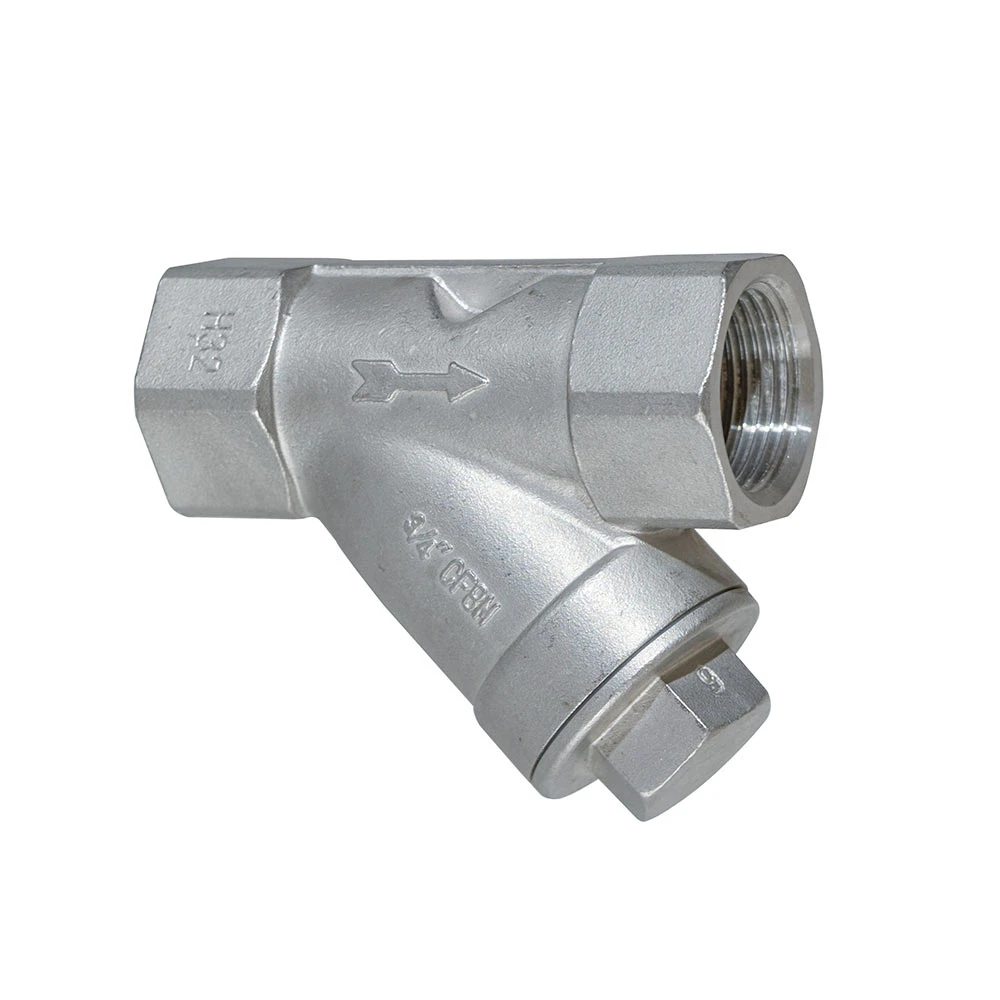
Having spent a fair share of years in the industrial equipment business, one component that keeps popping up — and for good reason — is the Y strainer SS 304. Oddly enough, these little devices rarely get the limelight, but without them, many systems I’ve worked on would be begging for trouble. To put it simply, a Y strainer is like a reliable gatekeeper, stopping debris and unwanted particles from damaging sensitive equipment downstream, delaying costly repairs and downtime. You know, in real terms, that peace of mind is priceless.
Now, the “SS 304” part tells you we are talking stainless steel grade 304. From experience, this is a practical choice — it balances corrosion resistance, durability, and affordability. I recall an oil refinery project where someone suggested a cheaper alternative, but we stuck with SS 304. It felt like a safer bet, especially with fluids that had traces of corrosive elements. For the record, SS 304 offers excellent resistance to oxidation at higher temperatures, which matters if you’re handling hot steam or aggressive chemicals.
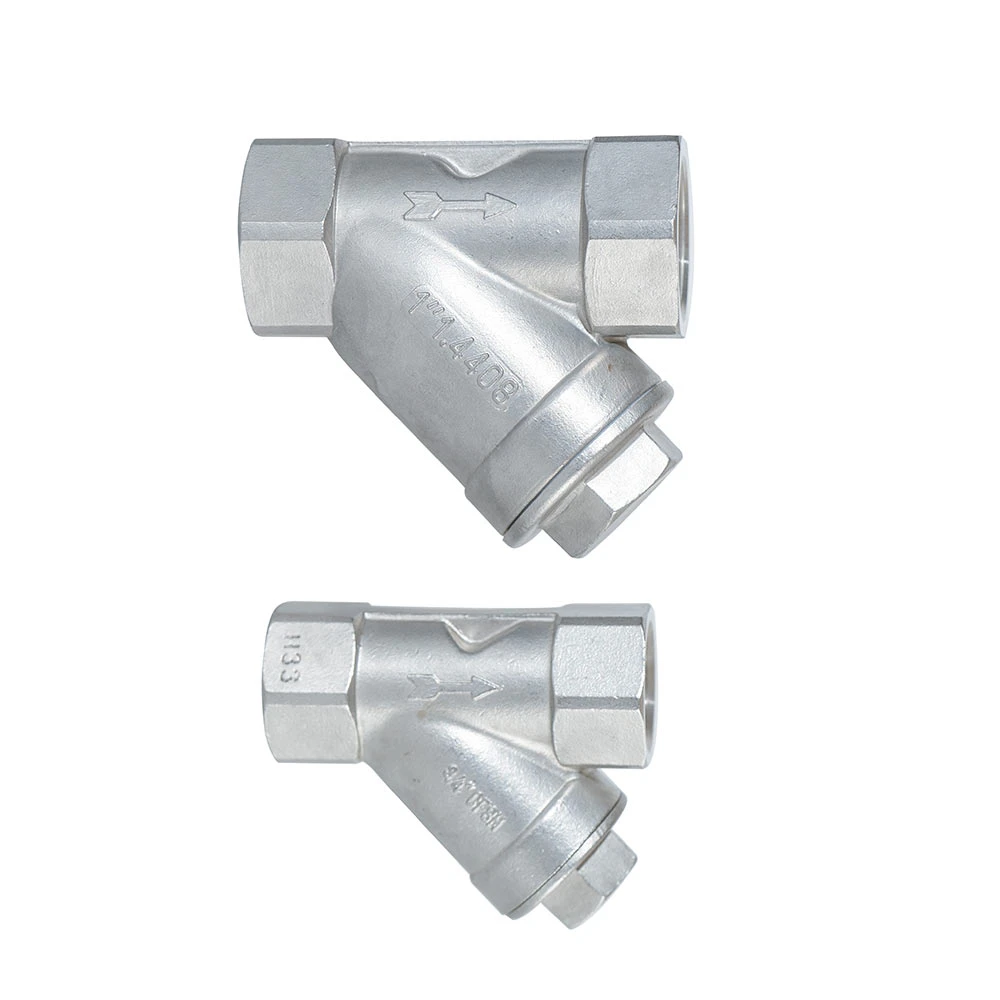
Speaking of design, the Y strainer earns its name from its shape — it resembles a tilted “Y,” which cleverly helps sediment collect in the lower leg, making cleaning easier without stopping the whole operation. Many engineers say it’s less prone to clogging compared to basket strainers, and frankly, I’ve seen fewer headaches with it on complex piping lines. The maintainability factor alone — just a simple screen replacement through a clean-out plug — is a huge time saver on site.
| Feature | Details |
|---|---|
| Material | Stainless Steel 304 |
| Size Range | ½ inch to 12 inches |
| Pressure Rating | Class 150 to 300 (ANSI) |
| Connection Type | Threaded, Flanged, or Welded |
| Screen Mesh | 50 to 200 mesh options |
| Operating Temp | Up to 420°C (788°F) |
From a testing standpoint, stainless steel Y strainers usually undergo hydrostatic pressure tests and sometimes radiography for weld integrity. It’s part of what keeps me confident that these are built tough enough for the grind. I noticed on projects around chemical plants or power stations, customizations often come into play—like special coatings or enhanced screens. The manufacturers are pretty flexible here, which, frankly, is a relief when project specs get tricky.
Speaking of manufacturers, it’s easy to get overwhelmed by options, but here’s a brief rundown of some industry players I’ve dealt with. It’s important to weigh features beyond price — things like delivery time, customization capabilities, and after-sales service. In fact, a good supplier can sometimes halve your maintenance hassles just by offering the right support.
| Vendor | Customization Options | Average Lead Time | Warranty | Price Range |
|---|---|---|---|---|
| Houde Valve | High (mesh, ends, coatings) | 2-4 weeks | 1 year standard | Mid-range |
| Vendor A | Medium | 3-5 weeks | 6 months | Low-end |
| Vendor B | Low | 1-2 weeks | 1 year | High-end |
One time, a mid-sized brewery we supplied had an issue with fines clogging their filling line filters. We recommended switching to a Y strainer SS 304 with a finer mesh screen. Within weeks, their downtime dropped noticeably. It’s the kind of anecdote I like sharing because it’s relatable — it’s about solving real headaches on the ground, not just theoretical specs.
In summary, whether you’re dealing with water lines, petrochemicals, or steam systems, choosing the right Y strainer SS 304 is one of those small decisions that pays off big. Durability, maintenance ease, and the right vendor backup all matter. As someone who’s been around valves and strainers long enough to see fads come and go, I’d say sticking to proven quality, tried materials like SS 304, is generally a solid route. Sometimes the simplest gear keeps the entire system running smooth — and that’s worth a reflection.
References:
- ASME B31.3 Process Piping Standards
- Stainless Steel Grades and Applications – ASM International
- Fluid Filtration and Strainers – Industrial Valve Handbook