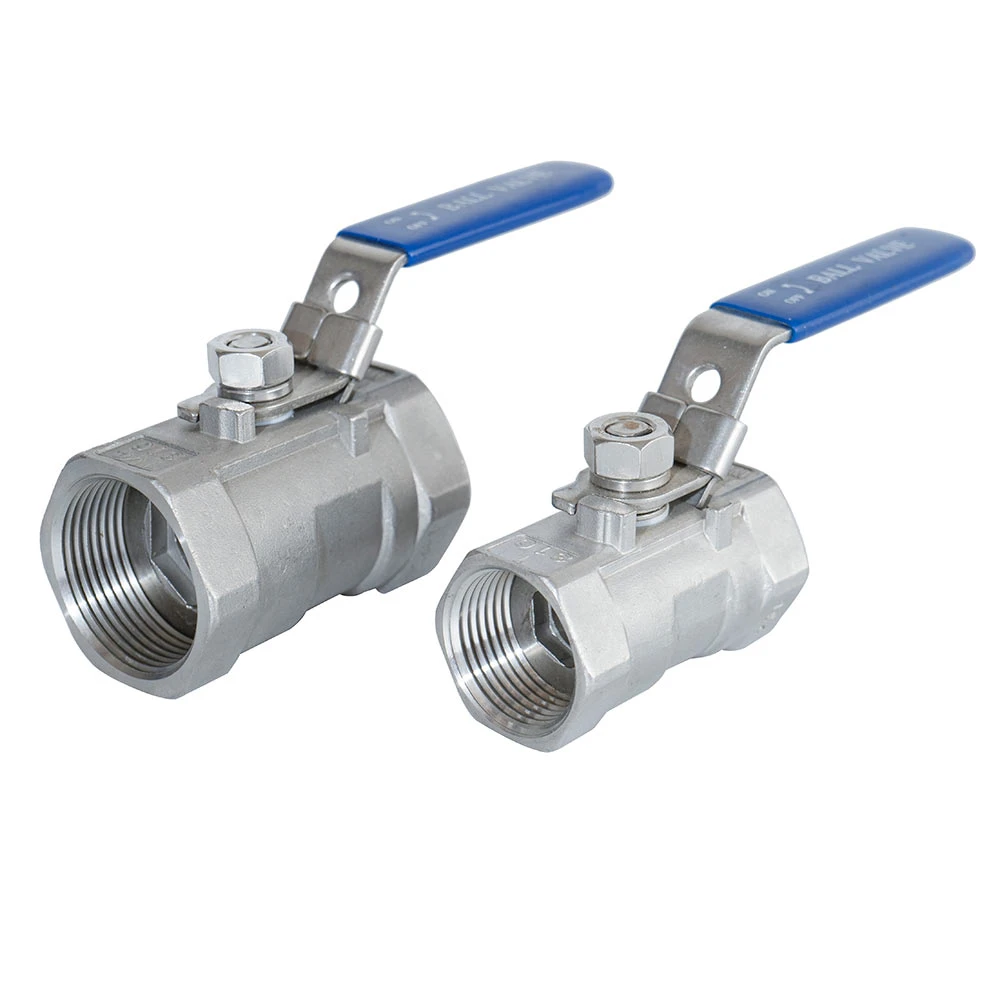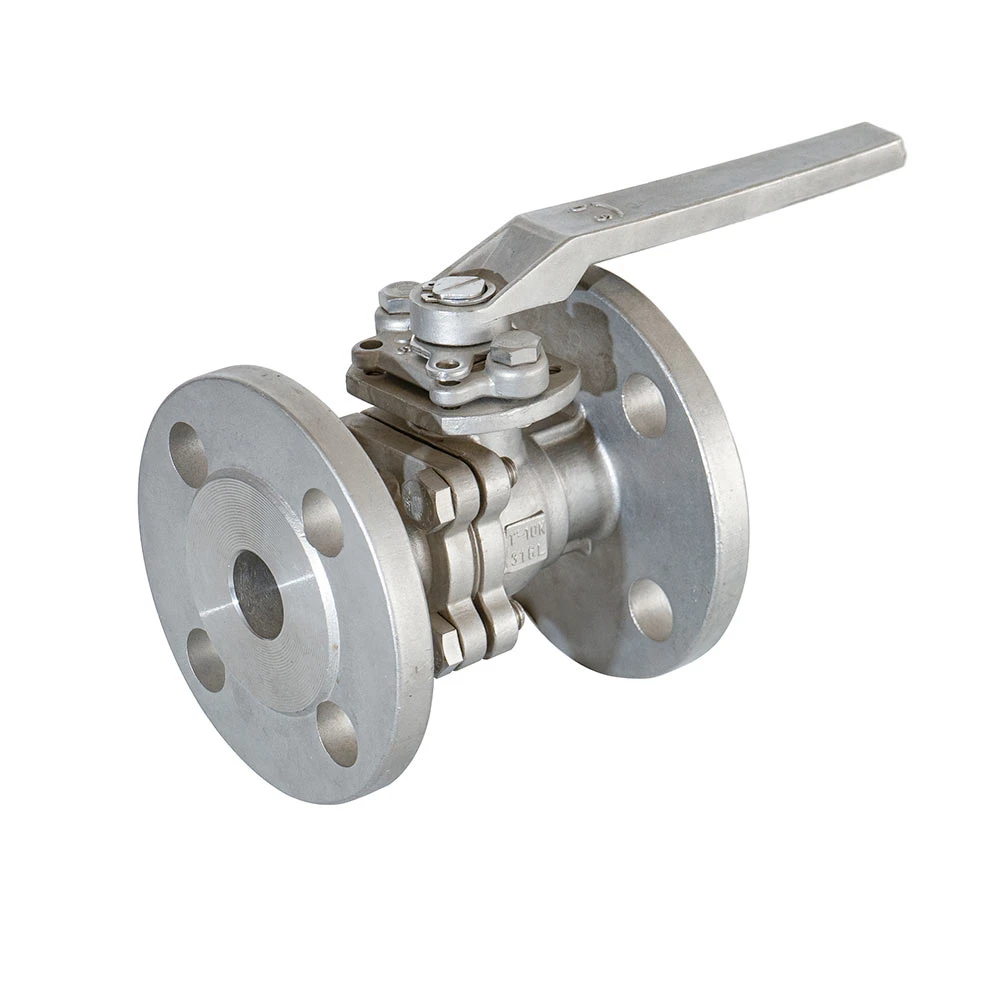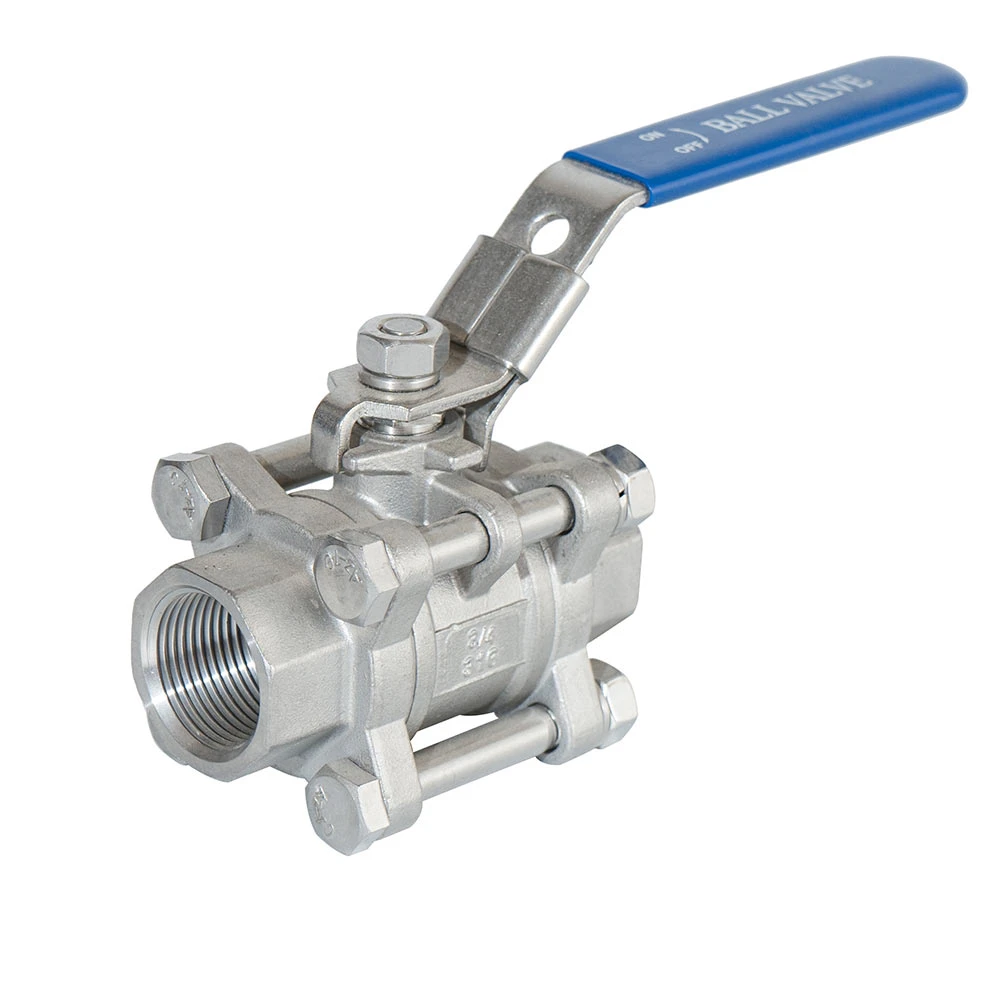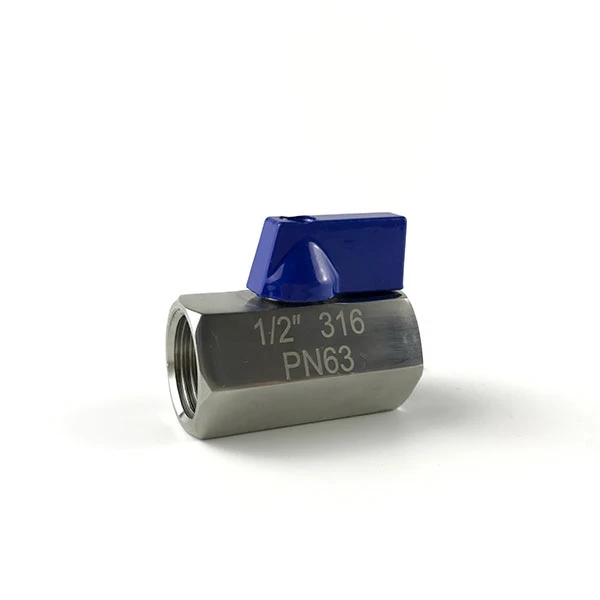
Understanding the 3 Way Manual Ball Valve: Small Part, Big Impact
If you work in industries like chemical processing, water treatment, or oil and gas, you probably have crossed paths with the 3 way manual ball valve — a modest device with versatile uses. Despite its relatively straightforward design, the 3 way manual ball valve holds an outsized role in managing fluid direction, saving space, and cutting operational complexity globally. Knowing how it functions and where it fits can offer surprising insights — whether you’re improving an industrial line in Germany or supporting water infrastructure projects in developing countries.
Why the 3 Way Manual Ball Valve Matters Globally
Demand for robust flow control solutions is spiking worldwide. According to the International Organization for Standardization (ISO), valves represent a critical element in energy, water, and manufacturing sectors, which collectively drive nearly 60% of global industrial output. In fact, the shift toward operational efficiency and environmental compliance has made reliable manual components like the 3 way manual ball valve a quiet hero in many applications.
The challenge? Systems often require flexibility — quickly switching between pipelines or blending flows — without complex automation or digital control. Here, a well-designed 3 way manual ball valve provides a simple, rugged answer. Even with rising automation, manual solutions continue to thrive because they are cost-effective, intuitive, and sometimes, frankly, just easier to fix when things go sideways in remote settings.
Mini takeaway:
- The 3 way manual ball valve supports global industrial shifts by enabling fluid control in flexible, low-tech ways.
What Exactly Is a 3 Way Manual Ball Valve?
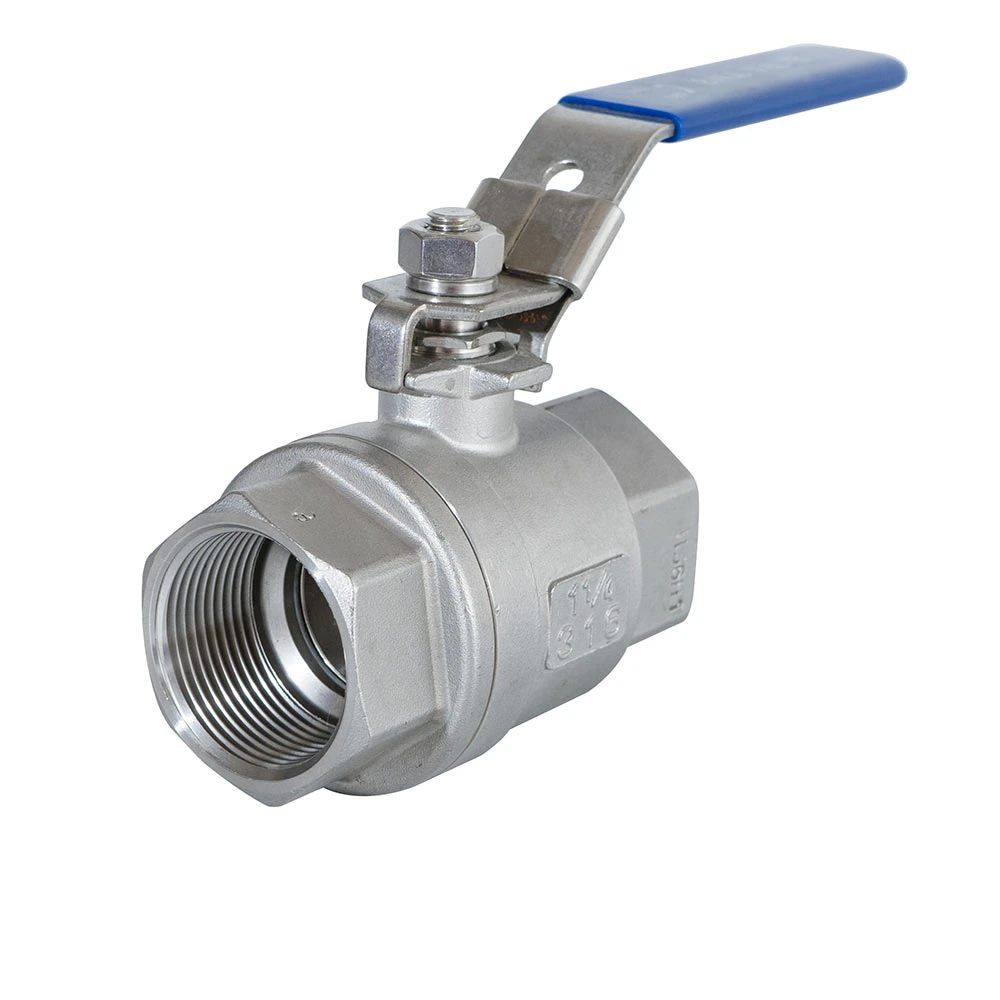
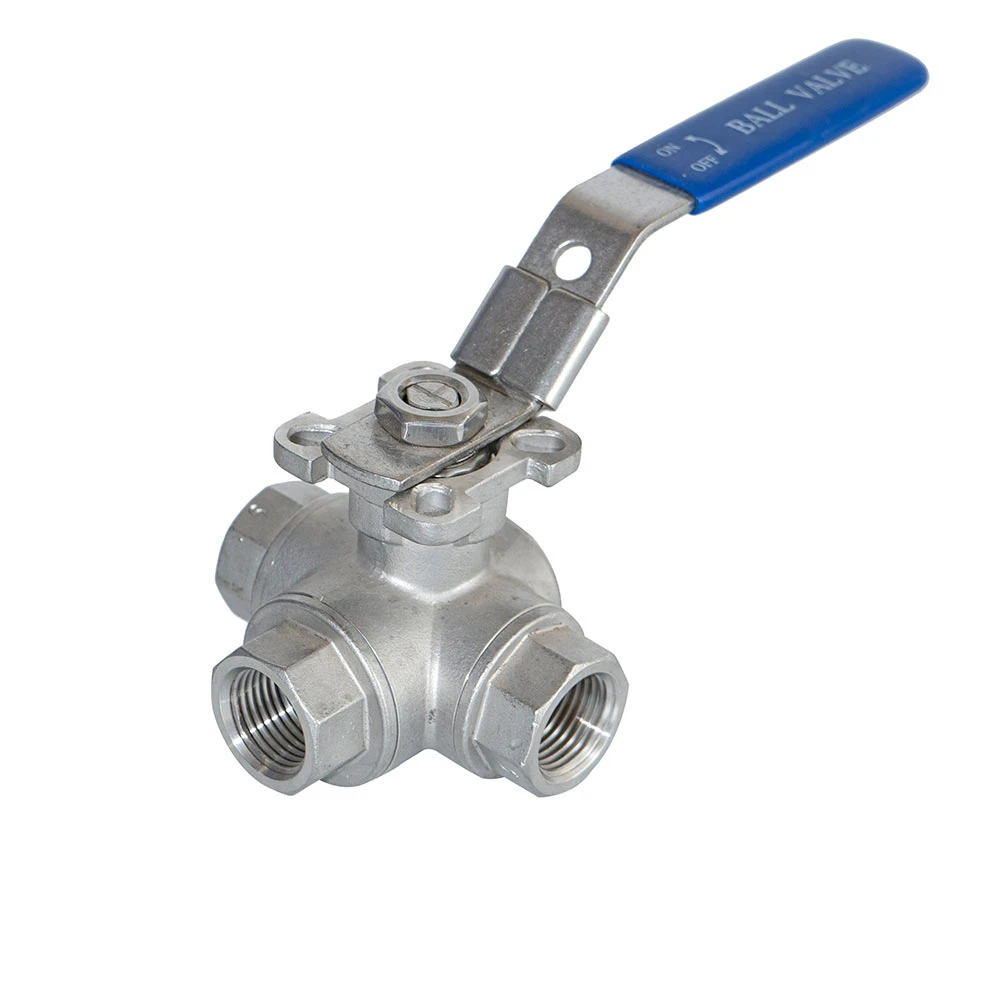
At its core, a 3 way manual ball valve is a mechanical device for controlling fluid direction between three ports: often labeled A, B, and C. Imagine a hollow, rotating ball inside a valve body that, when turned by a lever, aligns port pathways to allow fluid to flow or stop. The operator manually turns the handle to switch flow between two outlets, or divert it from one inlet to multiple outputs.
Such valves are prized for their simplicity and sturdiness. Unlike automated or electrically actuated valves, these hand-operated versions allow users direct tactile control — perfect for environments where digital controls might be vulnerable or unnecessary. They’re widely used in industries from food production to humanitarian water supply infrastructure, a reminder that even basic hardware can serve vital roles in diverse contexts.
Mini takeaway:
- The 3 way manual ball valve mechanically directs flow via a rotating ball, with hands-on control and broad industrial use.
Key Aspects of the 3 Way Manual Ball Valve
1. Durability
Many users swear by the corrosion resistance and long operational life of 3 way manual ball valves crafted from stainless steel or brass. This means fewer replacements and less downtime — crucial for harsh chemical plants or remote water pumping stations.
2. Simplified Operation
The manual lever allows operators to quickly switch flows without needing specialized training or power sources — a big plus in field scenarios.
3. Compact Design
By combining multiple flow paths in one valve, operators can shrink the footprint of piping installations, which saves space and installation costs.
4. Cost Efficiency
Compared to multi-valve setups or complex actuated systems, a single 3 way manual ball valve often comes cheaper and costs less to maintain.
5. Versatility
These valves fit a variety of piping standards and fluids, from water and air to mild chemicals, making them multipurpose tools in global supply chains.
Mini takeaway:
- Durability, ease-of-use, compactness, and cost benefits combine to make 3 way manual ball valves a go-to solution in many industries.
Typical Applications Around the World
Oddly enough, these valves pop up in some pretty interesting places:
- Water treatment plants: Efficiently switching between filtration cycles or diverting flow paths.
- Oil and gas pipelines: In remote zones where automated control is too costly or unreliable.
- Food & beverage: Sanitary-grade 3 way manual ball valves help reroute liquids during production cleaning.
- Emergency humanitarian projects: NGOs often choose manual valves for quick installation in disaster-hit water infrastructure — no need for electricity or complex actuators.
In short, whether in the pumping stations of Scandinavia or water distribution projects in sub-Saharan Africa, the adaptability and no-frills operation make these valves a silent backbone.
Mini takeaway:
- The 3 way manual ball valve is a globally trusted workhorse offering manual control in diverse industries and conditions.
Advantages & What They Really Mean for Users
Beyond technical specs, these valves offer security and peace of mind — users know they can manually control flow anytime. That’s safety, right there. They save money due to low maintenance and spare parts costs, meaning smaller budgets stretch further. Not to mention, the valves reduce environmental risks by helping prevent leaks or improper mixing of fluids.
Many engineers I know also appreciate how these valves ‘just work’ without overcomplicating things. Frankly, in many plants, it’s better to keep a network manual and analog where possible — less chance of bugs and hacking.
3 Way Manual Ball Valve — Product Specification Table
| Feature | Specification |
|---|---|
| Body Material | Stainless Steel 316 / Brass |
| Connection Type | Threaded / Flanged / Welded |
| Operating Pressure | Up to 600 PSI (41 bar) |
| Temperature Range | -40°C to 180°C (-40°F to 356°F) |
| Lever Operation | Manual (quarter turn) |
| Flow Path | L-Port or T-Port Options |
Comparing Key Vendors of 3 Way Manual Ball Valves
| Vendor | Price Range | Material Options | Typical Industries Served | Lead Time |
|---|---|---|---|---|
| Houde Valve | $$ | Stainless Steel, Brass | Water Treatment, Industrial | 4-6 weeks |
| GlobalValve Co. | $$$ | Stainless Steel, Alloy 20 | Oil & Gas, Chemicals | 6-8 weeks |
| EcoFlow Valves | $ | Brass, PVC | Agriculture, NGOs | 2-4 weeks |
Looking Ahead: Innovations Shaping 3 Way Manual Ball Valves
Even a manual valve isn’t immune to innovation. Lightweight composite materials are emerging, improving corrosion resistance and lowering costs. Some firms explore integrating RFID tags for simple digital inventory management — useful if you’re tracking valve maintenance cycles in sprawling industrial sites.
Additionally, sustainability is creeping into valve production, aligning with global green energy trends. More valves are compliant with ISO norms that reduce pollutant leaks, supporting both environmental and safety goals. I suppose the future will see more hybrid solutions — manual valves enhanced with smart sensors for condition monitoring, even in remote areas.
Facing Challenges & How to Solve Them
The biggest challenge, frankly, is wear and tear from abrasive fluids or extreme operating conditions. Over time, manual valves can develop leaks or require more torque to operate.
Luckily, manufacturers now offer enhanced seals and coatings that extend life. Experts also recommend routine manual inspection and lubrication — simple steps, but often overlooked in busy plants. Selecting the right materials based on fluid type and pressure is key to avoiding premature failures.
FAQs: Answering Common Questions About 3 Way Manual Ball Valve
Q1: How do I choose between a T-port and L-port 3 way ball valve?
A: The decision depends on your required flow path. An L-port valve generally connects one inlet to either of two outlets, suitable for diverting flows. A T-port valve can combine or split flows between ports, offering more complex flow control. Think through your pipeline design to pick the right type.
Q2: Can I use 3 way manual ball valves in high-pressure systems?
A: Absolutely, but verify the valve's pressure rating. Many stainless steel 3 way valves handle pressures up to 600 PSI, but always confirm with vendor specs and your operational needs to ensure safety and reliability.
Q3: Are manual valves suitable for automation upgrades later?
A: Yes, you can retrofit manual 3 way ball valves with electric or pneumatic actuators for automation. This lets you start with a simple manual system and scale up control sophistication later.
Q4: How do manual 3 way ball valves compare cost-wise to automated ones?
A: Manual valves are generally much more affordable upfront and cheaper to maintain. Automation adds complexity, control benefits, but also higher costs and maintenance needs. Choose based on your operational priorities.
Q5: Where can I buy reliable 3 way manual ball valves?
A: Established valve manufacturers like Houde Valve offer a range of quality manual 3 way ball valves with customizable options and support, making them a solid choice for industrial projects worldwide.
Conclusion: Why Invest in a 3 Way Manual Ball Valve Today?
To sum up, the 3 way manual ball valve might seem simple, yet it packs power for global industries requiring flexible, reliable fluid control without frills. Its long-lasting design and straightforward operation meet the essential needs of diverse settings — from high-tech plants to fragile humanitarian supply chains. When you choose this valve, you’re picking a proven, cost-effective tool that helps ensure safe and efficient processes over years.
Interested in upgrading your flow control? Visit https://www.houdevalve.com to explore our full range of 3 way manual ball valves designed to fit your industrial needs.
Final thought:
Sometimes, the most unassuming tools quietly shape our world in big ways — the 3 way manual ball valve is one of those unsung heroes.