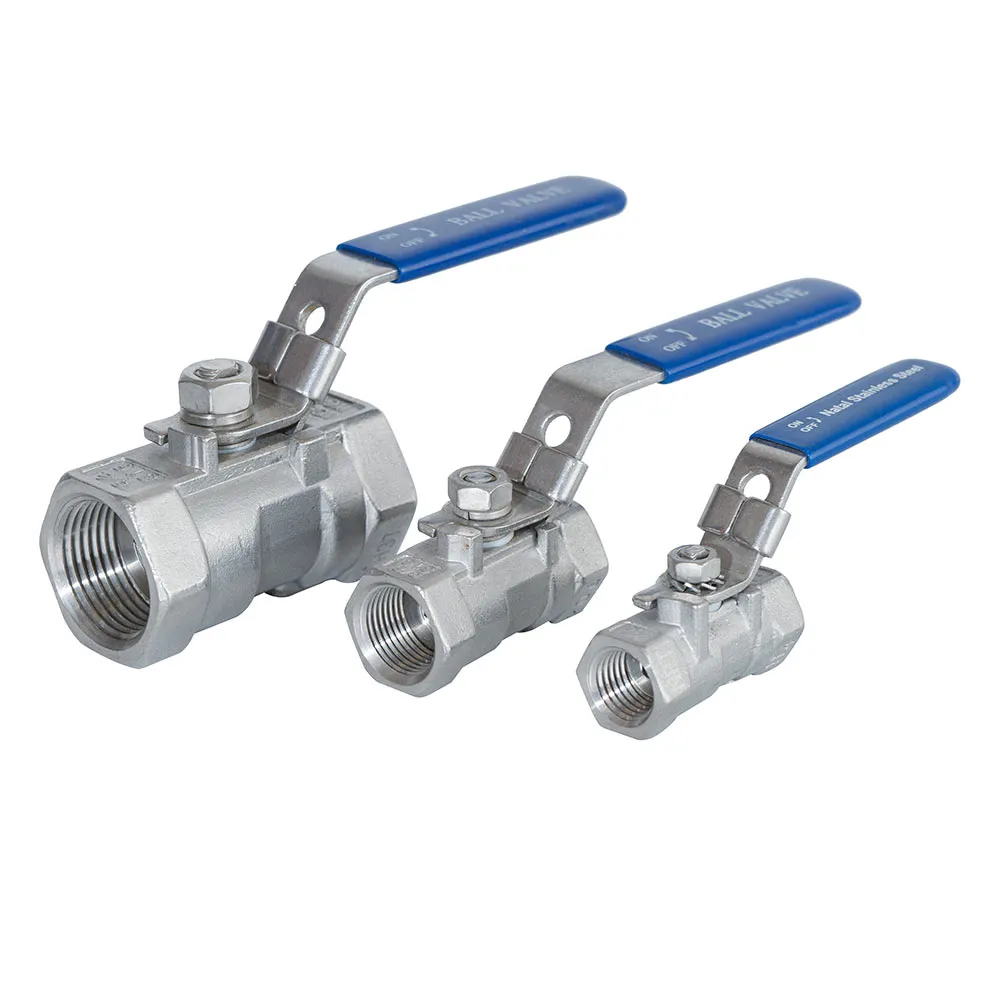
Explore Durable 3 8 Three Way Ball Valve Solutions | HoudeValve
What’s a 3 8 three way ball valve and why should anyone care?
If you've ever worked near pipelines, HVAC systems, or industrial machinery, you've probably come across valves—little gatekeepers controlling flow through a maze of pipes. The 3 8 three way ball valve is one such unsung hero. It’s a compact, multi-functional valve that can channel fluids or gases through different paths efficiently. Globally, with industrial applications stretching from petrochemical plants to water treatment facilities, understanding this tiny yet mighty device can save money, improve safety, and even reduce environmental impacts. Why does it matter globally? Because these valves help optimize complex fluid handling systems that power everything from your home heating to oil pipelines snaking across continents. Peace of mind in handling liquids or gases comes partly thanks to these devices, which maintain flow control without leaks or downtime—critical in industries worth trillions. So yeah, it's a small component with a surprisingly big footprint on modern infrastructure.The global backdrop: Why 3 8 three way ball valves matter now
In 2023, global valve markets were estimated to top over $80 billion, with ball valves being among the top sellers according to reports from the International Organization for Standardization (ISO) and global industrial surveys. New challenges like stricter environmental regulations, energy efficiency goals, and complex automation demands are pushing industries to reconsider their valve solutions. With industries evolving rapidly—energy grids getting smarter, oil and gas fields demanding precision, and water utilities aiming for zero leakages—the 3 8 three way ball valve fits perfectly. Its ability to switch flow paths with minimal friction loss helps plants operate more efficiently while cutting operational costs and decreasing downtime. The challenge? Finding valves that handle diverse fluids, pressures, and temperatures without costing the earth or complicating maintenance.Mini takeaway:
A 3 8 three way ball valve is more than a pipe fitting—it's a tiny revolution in controlling how fluids travel globally through vital systems, making industries leaner and greener.Defining the 3 8 three way ball valve in simple terms
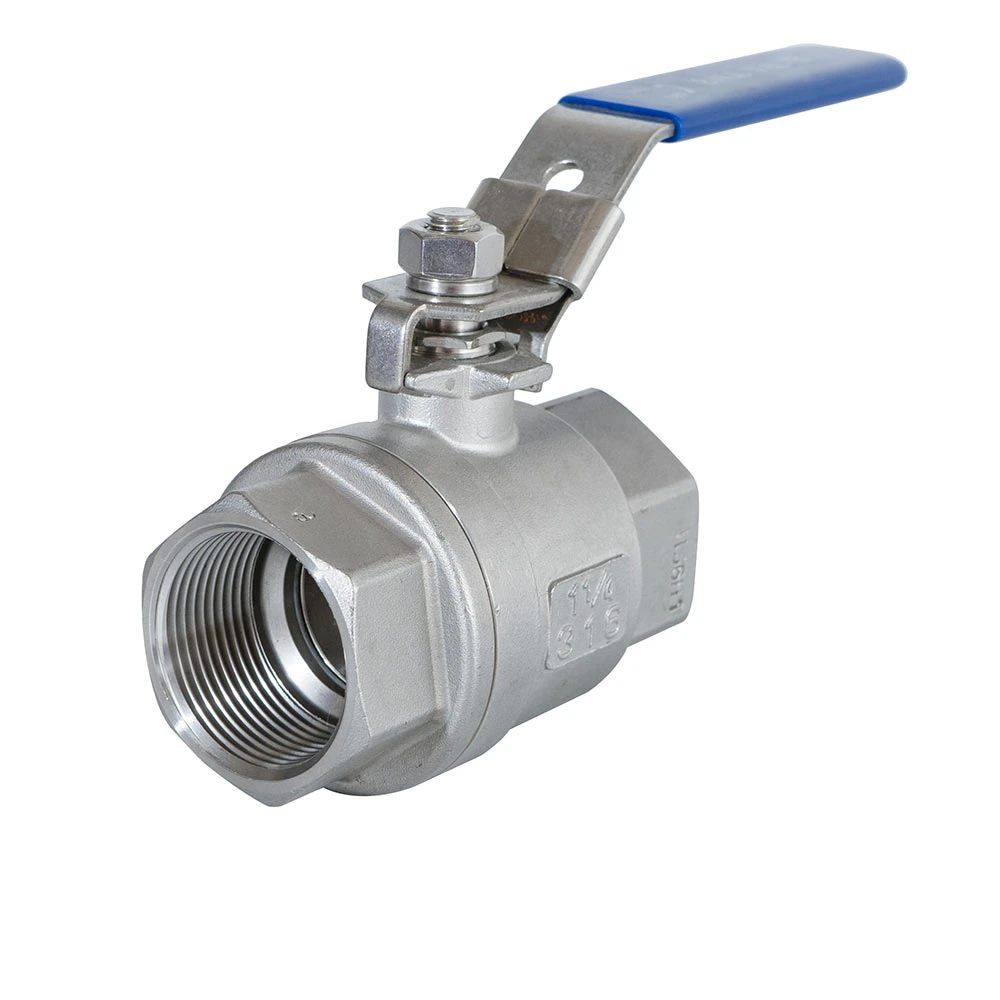
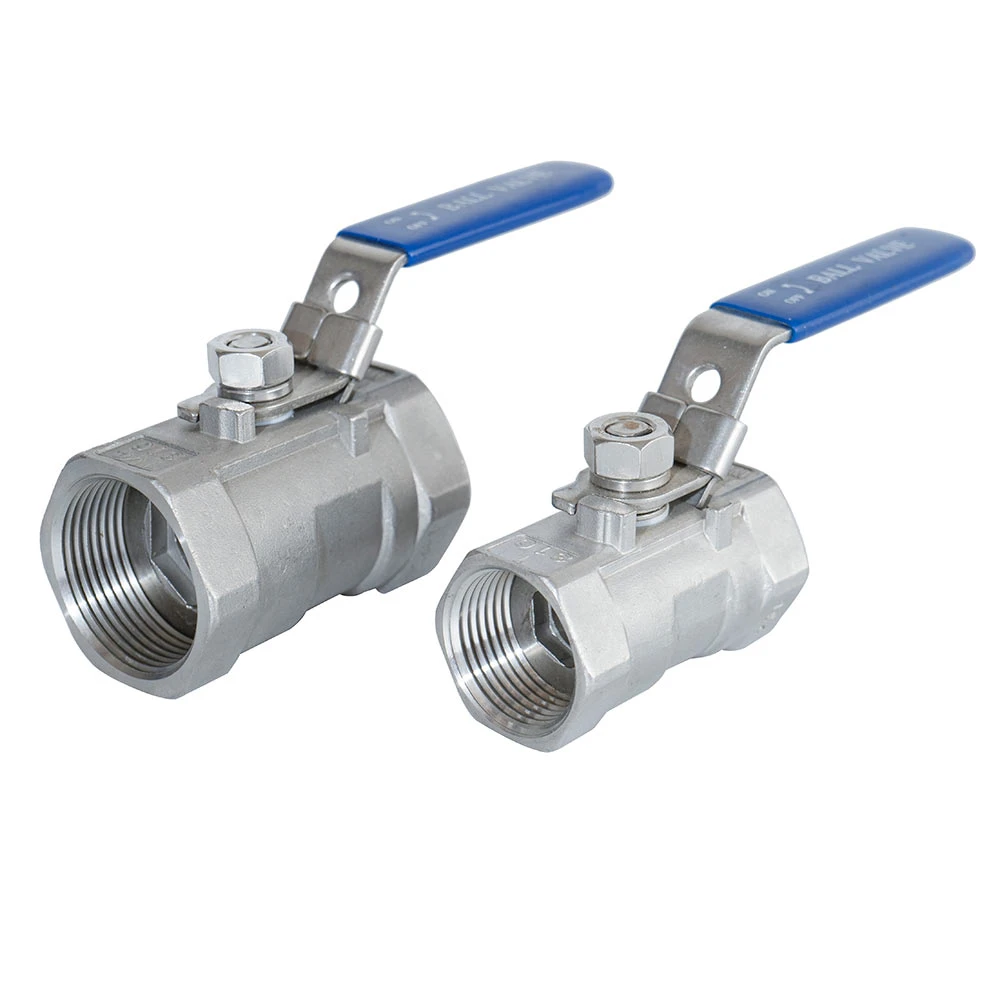
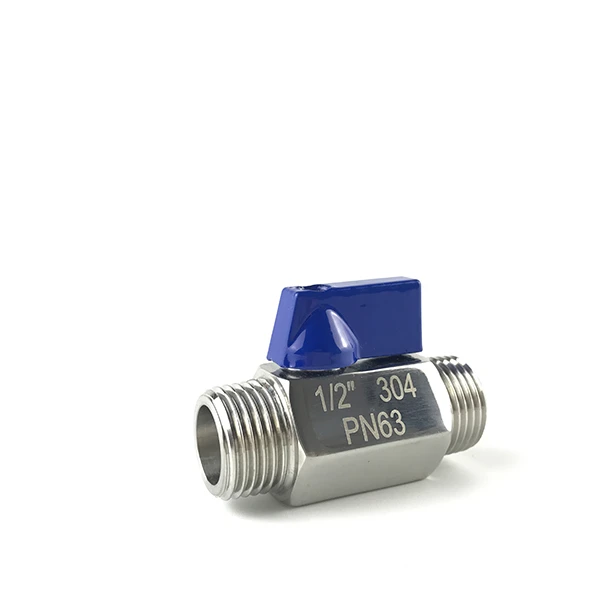
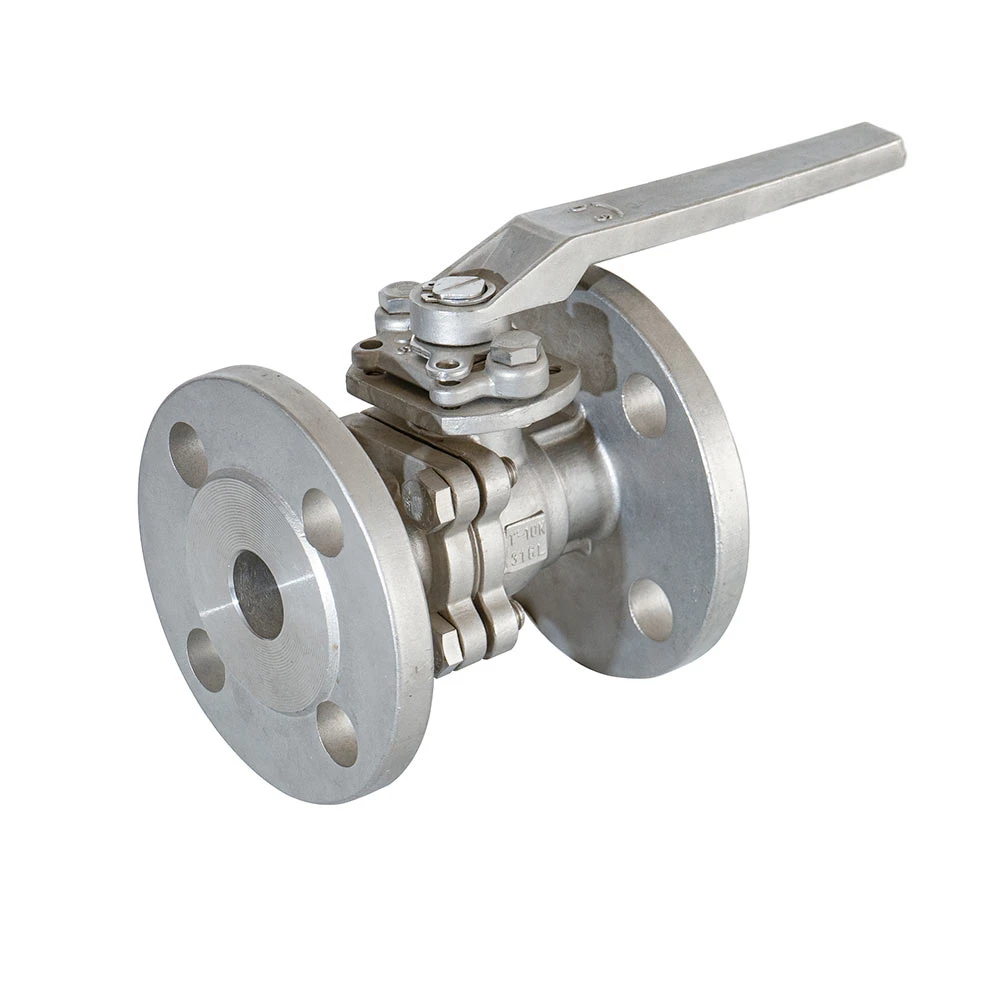
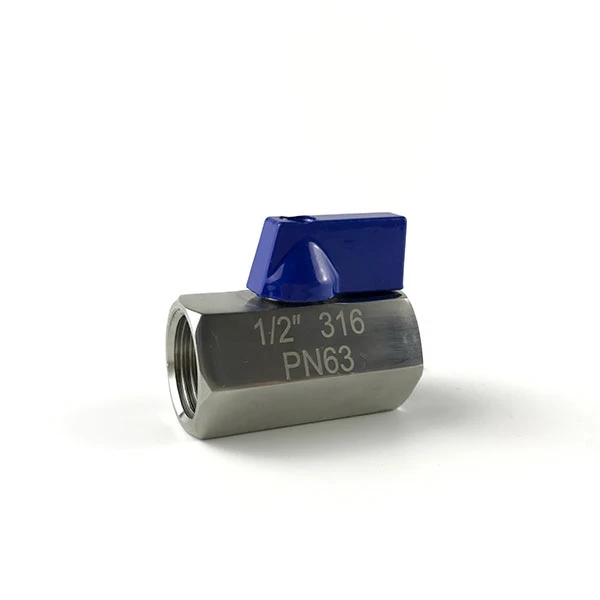
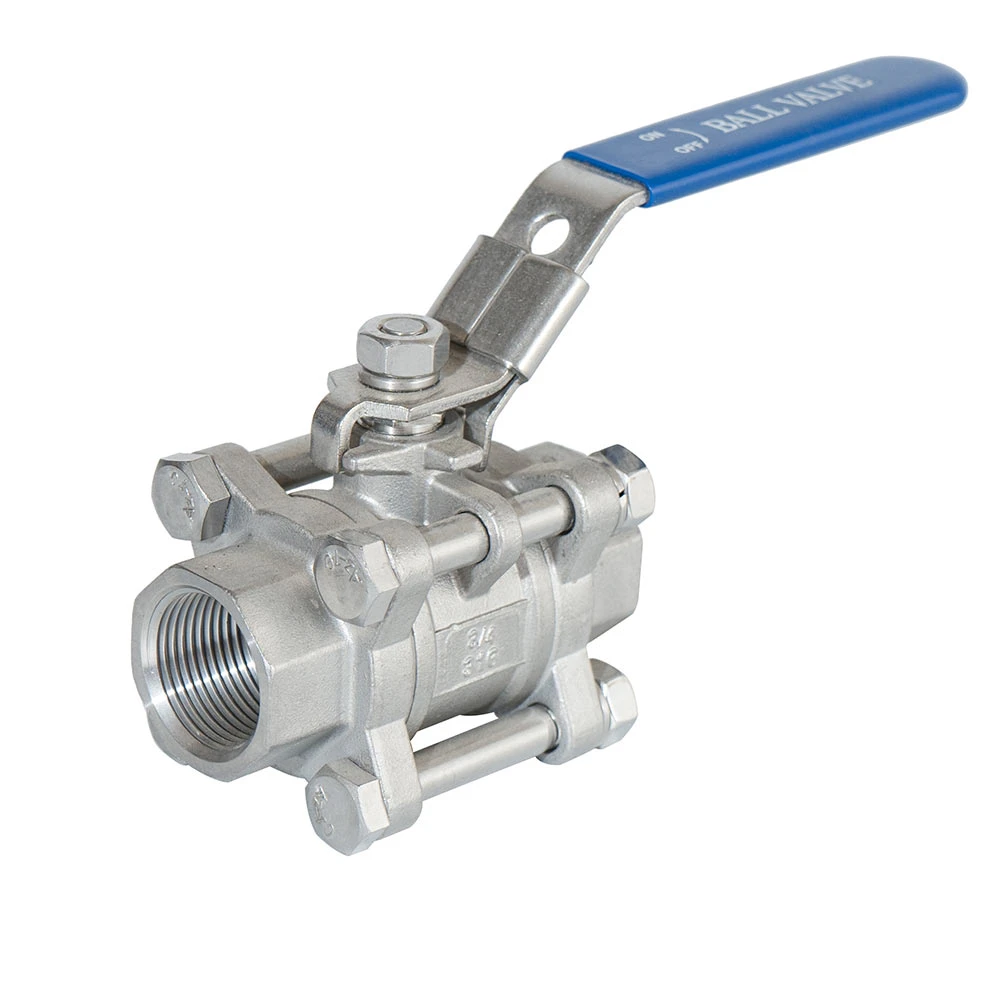
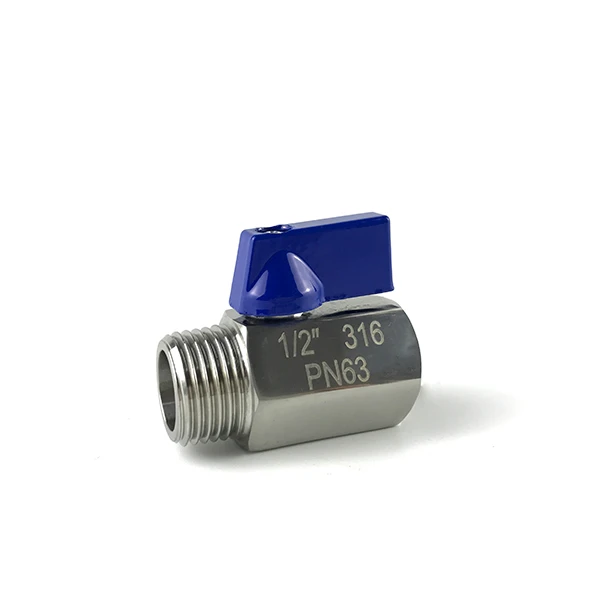
So, what exactly is a 3 8 three way ball valve? Let’s break it down: - 3 8 refers to the nominal pipe size—roughly 3/8 inch, a small but common diameter in many fluid systems. - Three way means the valve has three ports or openings. Unlike a typical two-port valve, it can direct flow between multiple paths—like a T-junction but controllable. - Ball valve means the valve's sealing element is shaped like a sphere with a hole drilled through it. Rotating this ball can block, allow, or redirect flow completely. Put simply, it’s a small valve with three ports and a ball inside that when turned, switches flow routes; think of it as the traffic cop for tiny pipes. They're found everywhere—chemical plants, irrigation systems, compressed air lines, even in HVAC units for heating and cooling.Mini takeaway:
The 3 8 three way ball valve offers versatile flow control in a compact package, perfect when you need to switch fluid paths on demand.4 Key aspects that make the 3 8 three way ball valve tick
1. Durability – Built to Last
These valves often use stainless steel or brass bodies paired with PTFE or reinforced seals. This combo helps them resist corrosive fluids, temperature swings, and rough handling. Many engineers I've talked to swear by their dependability in harsh environments.2. Flow Versatility & Efficiency
Because there are three ports, the valve can direct flow in several ways—mix, divert, or isolate. This flexibility means fewer valves and less piping needed overall. The actual ball inside ensures minimal pressure drop, roughly 5-10% at flow, which is slick compared to older valve designs.3. Compact & Lightweight Design
In crowded process plants or mobile equipment, every inch and ounce adds up. 3 8 three way ball valves fit the bill with tight footprints and manageable weights. This helps reduce installation costs and simplifies maintenance.4. Cost Efficiency & Maintenance
Maintenance? A breeze. These valves rarely need lubrication or frequent seal swapping. Plus, their standardized sizes and construction mean you can get replacements off-the-shelf in many regions. All told, saves money in downtime and service calls.Mini takeaway:
Durability, versatility, compactness, and low maintenance are the four pillars undergirding the practical value of these valves.Where and how are these valves actually used worldwide?
The real-world applications range far beyond the obvious: - Oil & Gas Pipelines: Saudi Arabia, Russia, USA—they all rely on 3 8 three way ball valves to quickly divert flow for maintenance without shutting down entire lines. - Water Treatment Plants: Municipalities in Europe and Asia use these valves in filtration and distribution systems to toggle flows between treatment stages. - Manufacturing Plants: From food processing in Italy to pharma in India, these valves help precisely control ingredient mixing or cleaning cycles. - Remote Energy Sites: Solar thermal plants or small hydropower stations use them to handle fluid loops where space and reliability are critical. - Disaster Relief & Humanitarian NGOs: Portable water purification units often integrate these valves for easy operation in the field, where quick flow adjustments can be life-saving. Oddly enough, despite being small and simple, their presence is a quiet force multiplier in achieving operational resilience—especially in regions where uptime must be nearly 100%.Mini takeaway:
From deserts to factories, their sturdy, simple design is an asset everywhere fluid control matters—whether daily or in crises.Advantages & long-term value of the 3 8 three way ball valve
Let's talk benefits beyond the obvious: - Cost Savings: Lower maintenance and fewer replacement parts mean cash stays in your project budget. - Sustainability: Tight seals reduce leakages, helping plants meet zero emission targets and minimize hazardous spills. - Reliability: When failure happens, it costs. These valves’ long service life reduces unplanned downtime—essential for safety and trust. - Safety & Dignity: In humanitarian contexts, reliable water flow literally supports life and community dignity. When valves fail, the impact is immediate and real. Emotionally, operators often "trust" these valves because they know they can rely on them when systems get stressed. It’s that peace of mind you don’t always appreciate until something breaks.Mini takeaway:
These valves offer solid, lasting value by saving money, protecting people, and supporting sustainable industry.Future trends & innovation in three way ball valves
Technology and materials keep evolving: - Smart Valves: Integration with IoT sensors lets operators track valve position, flow, and leak status remotely. - Advanced Materials: New composite seals and corrosion-resistant alloys extend lifespan in harsh chemical processes. - Eco-friendly Manufacturing: Some vendors now focus on reducing waste and energy in valve production, aligning with global carbon goals. - Automation-ready: Designs that suit robotic actuators and remote control are rapidly becoming standard in chemical and power plants. No doubt, as industries push toward digitization and greener footprints, the humble 3 8 three way ball valve will continue to morph and improve.Common challenges—and how experts fix them
Sure, not everything is perfect: - Seal wear under harsh chemicals: Solved by using upgraded PTFE blends or metal-to-metal sealing in some cases. - Potential flow turbulence: Addressed with careful port design and smoother ball finishes. - Limited sizes: For extremely high-flow or pressure, bigger valves or multiple units might be needed; but for 3/8 inch lines, the typical ranges suffice well. - Compatibility issues: When switching from different valve types, adapters may be needed. Many manufacturers offer custom-engineered solutions and testing services to iron out these issues before installation.Quick FAQ about 3 8 three way ball valves
- Q: What pressure ratings do 3 8 three way ball valves typically handle?
A: Usually around ANSI Class 150 to 600, roughly 150 to 1500 psi, depending on design and materials. Great for moderate industrial pressures. - Q: Can these valves be used with hazardous chemicals?
A: Yes, if made with suitable materials—stainless steel and high-grade seals. Always check with supplier specs. - Q: How easy is it to automate a 3 8 three way ball valve?
A: Very easy. Many come with standardized mounting for electric or pneumatic actuators, ideal for remote control. - Q: What maintenance do these valves need?
A: Minimal. Regular inspections to check seals and actuator operation usually suffice. No lubrication needed in many cases. - Q: Can I use this valve for both liquids and gases?
A: Absolutely. Their sealing system is effective for liquids and gases, but specific applications may require checking with manufacturers.
3 8 three way ball valve: Specification at a glance
| Parameter | Details |
|---|---|
| Nominal Size | 3/8 inch (10 mm) |
| Body Material | Stainless Steel 304 / Brass |
| Seal Material | PTFE / Reinforced Teflon |
| Max Pressure | 1500 PSI (approx) |
| Temperature Range | -20°C to 180°C (-4°F to 356°F) |
| Connection Type | Threaded / Socket Weld / Flanged |
| Actuation | Manual / Electric / Pneumatic |
Comparing the vendors: What to look for
| Vendor | Material Quality | Customization Options | Global Reach | After Sales Support |
|---|---|---|---|---|
| HoudeValve | Premium SS304 & Brass | Full customization | Worldwide (30+ countries) | 24/7 Technical support |
| ValvePro | Standard Grade | Limited sizes | Mostly Europe & Asia | Business hours support |
| FlowEquip | High-grade Alloys | Custom design on request | Focused on Americas | Dedicated project support |
As you can see, 3 8 three way ball valve options vary, but HoudeValve stands out with premium materials and worldwide support—pretty crucial for complex projects or quick replacements.
Wrapping it up: Why choose a 3 8 three way ball valve?
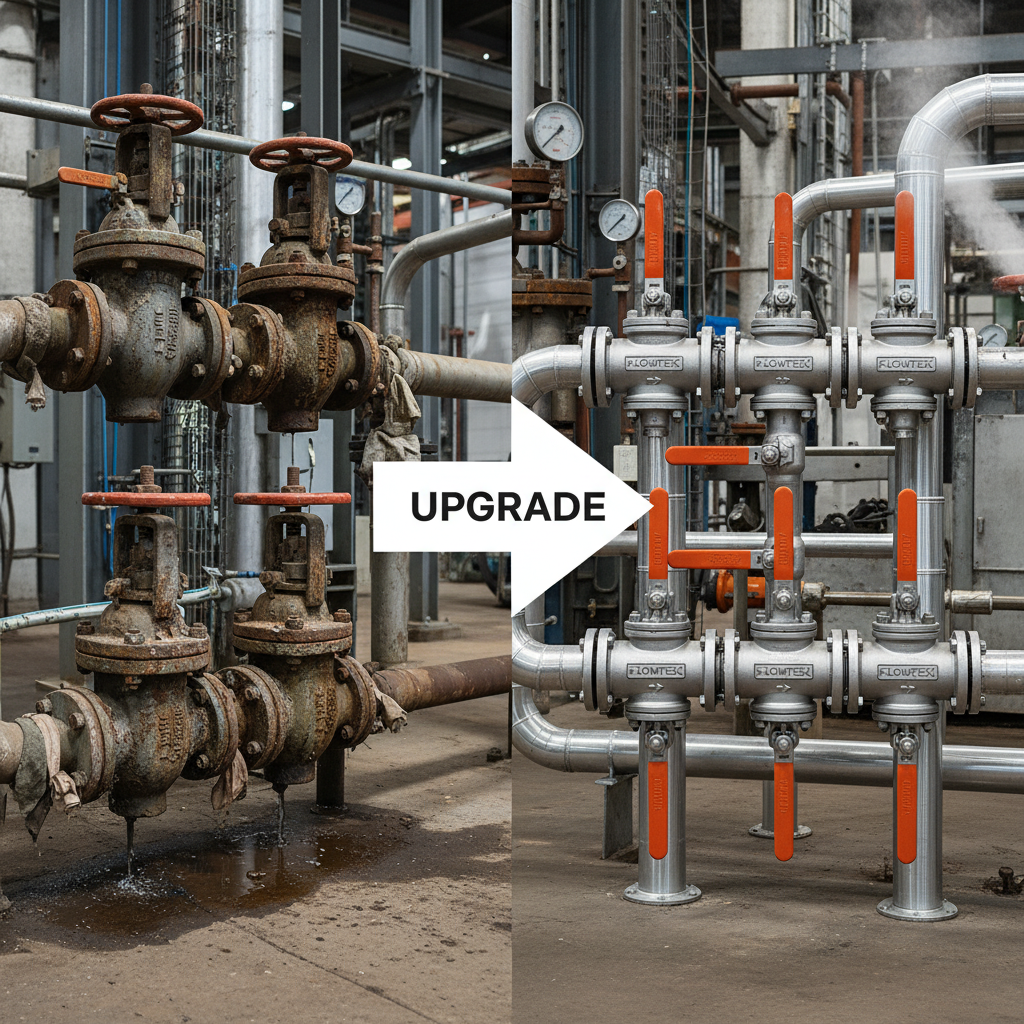
In real terms, it’s the kind of valve that quietly smooths the twists and turns of fluid systems, keeping industries humming and homes comfortable. The blend of durability, smart flow control, and simple maintenance makes these valves especially suited for modern challenges—more automation, sustainability demands, and unpredictable operating conditions. So if you’re thinking of revamping pipeline controls or just upgrading your facility with smart, reliable parts, this valve deserves a look. Don’t just take it from me. Engineers, project managers, and plant operators worldwide are making the switch, saving time and money in ways small components don’t usually get credit for. For more details, technology updates, and expert guidance, visit HoudeValve’s site 3 8 three way ball valve. You’ll find specs, support, and maybe that valve that changes your next project’s game.Final thought:
Small valves, big impact. Who knew?
References:
1. Wikipedia: Ball Valve
2. ISO Valve Standards
3. World Bank: Water Supply & Sanitation