In the intricate world of fluid control, mini ball valves have emerged as indispensable components for precision engineering. These compact yet powerful devices allow for the rapid shut-off and regulation of flow in tight spaces where traditional valve sizes would be impractical, making them a cornerstone of modern instrumentation and modular machinery.
The global demand for miniaturization in industrial equipment has accelerated the adoption of these valves across sectors ranging from pharmaceutical labs to aerospace systems. By combining the reliability of a standard ball valve with a reduced footprint, engineers can optimize system density without sacrificing the critical safety and sealing performance required for high-pressure applications.
Understanding the nuances of selecting the right mini ball valve—considering material compatibility, pressure ratings, and actuation methods—is essential for reducing downtime and ensuring operational longevity. This guide explores the technical depth and commercial value of these components in today's high-precision manufacturing landscape.
Global Industry Relevance of Mini Ball Valves
The global industrial landscape is shifting toward "smart" and "compact" infrastructure, where space is at a premium. According to ISO standards for fluid power and control, the precision of shut-off mechanisms is paramount to preventing leakage and ensuring environmental safety. mini ball valves address this by providing a high-torque, low-leakage solution that fits into the increasingly crowded manifolds of modern industrial plants.
In regions with rapid industrial growth, such as Southeast Asia and North America, the integration of these valves has reduced the overall weight of machinery by up to 15%, directly impacting logistics costs and energy efficiency. The challenge often lies in maintaining a bubble-tight seal within a miniature frame, a problem that has driven significant metallurgical innovation in the valve manufacturing sector.
Defining the Architecture of Mini Ball Valves
At its core, a mini ball valve is a quarter-turn rotational motion valve that uses a spherical disc to control the flow of a liquid or gas. Unlike larger industrial valves, the "mini" designation refers to the reduced bore size and overall body dimensions, typically designed for tubing diameters under 1/2 inch. This allows for precise flow control in sampling systems, pilot plants, and analytical instrumentation.
From a humanitarian and medical perspective, these valves are critical in the production of dialysis machines and oxygen concentrators. In these contexts, the reliability of a mini ball valve can be a matter of life and death, requiring biocompatible materials like 316L stainless steel and PTFE seals that can withstand rigorous sterilization processes without degrading.
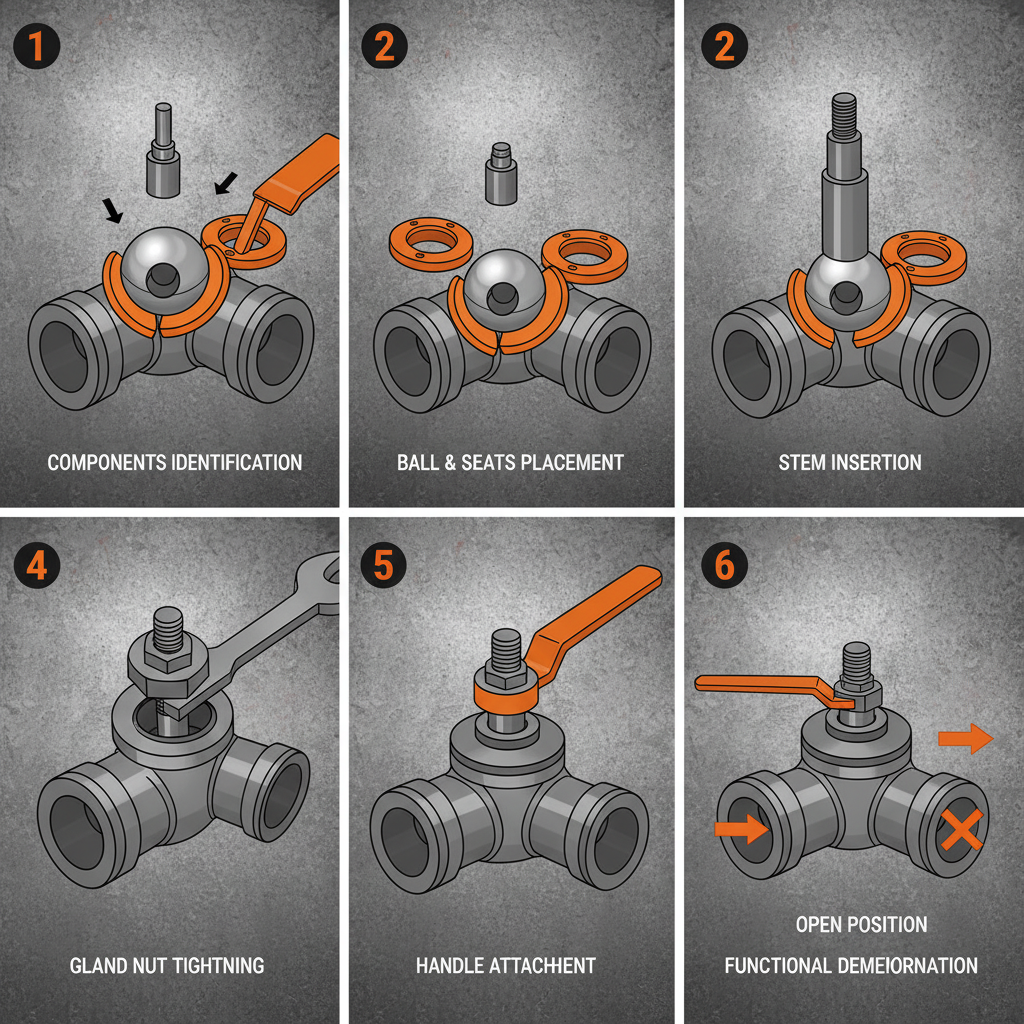
Technically, they function by rotating a ball with a hole through it; when the hole is aligned with the flow, the valve is open, and when it is turned 90 degrees, the flow is stopped. This simplicity is what makes them far more reliable than needle valves for rapid isolation, as they offer a full-bore flow path that minimizes pressure drop.
Core Components and Engineering Factors
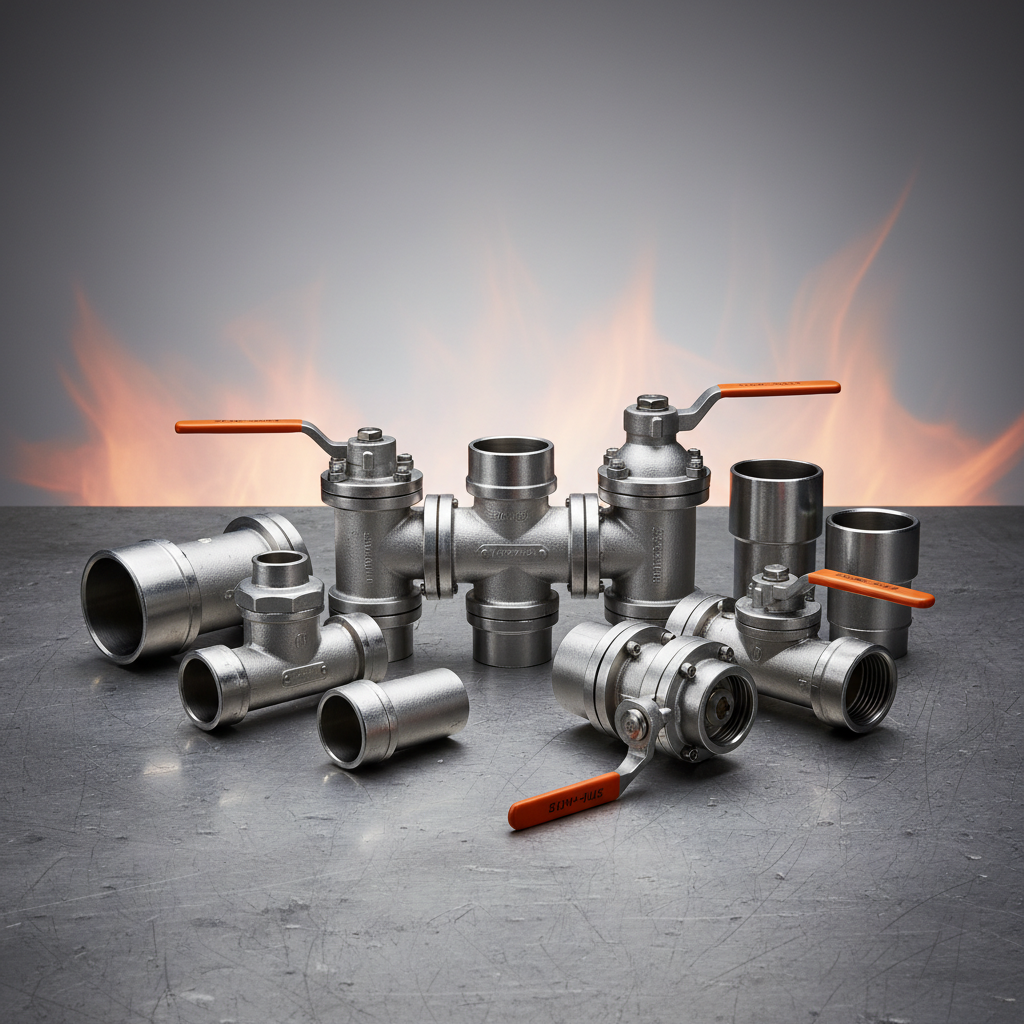
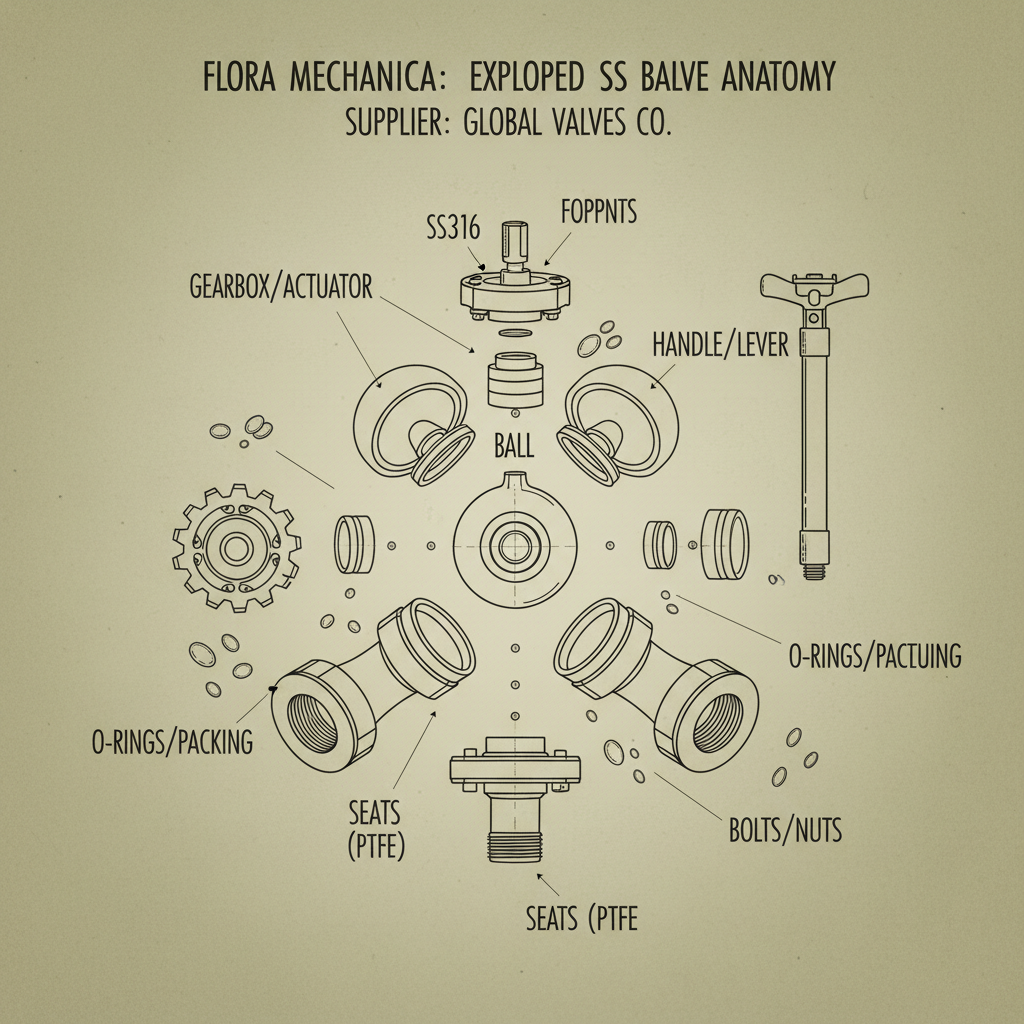
The durability of mini ball valves is primarily determined by the material selection of the ball and the seat. High-grade stainless steel prevents corrosion in aggressive chemical environments, while the precision grinding of the ball surface ensures a tight fit against the seat, reducing the risk of internal leakage over thousands of cycles.
Scalability in design is another key factor. By utilizing modular body constructions, manufacturers can offer various port configurations—such as NPT, BSPP, or compression fittings—ensuring that these miniature components can be seamlessly integrated into existing global piping standards without requiring expensive adapters.
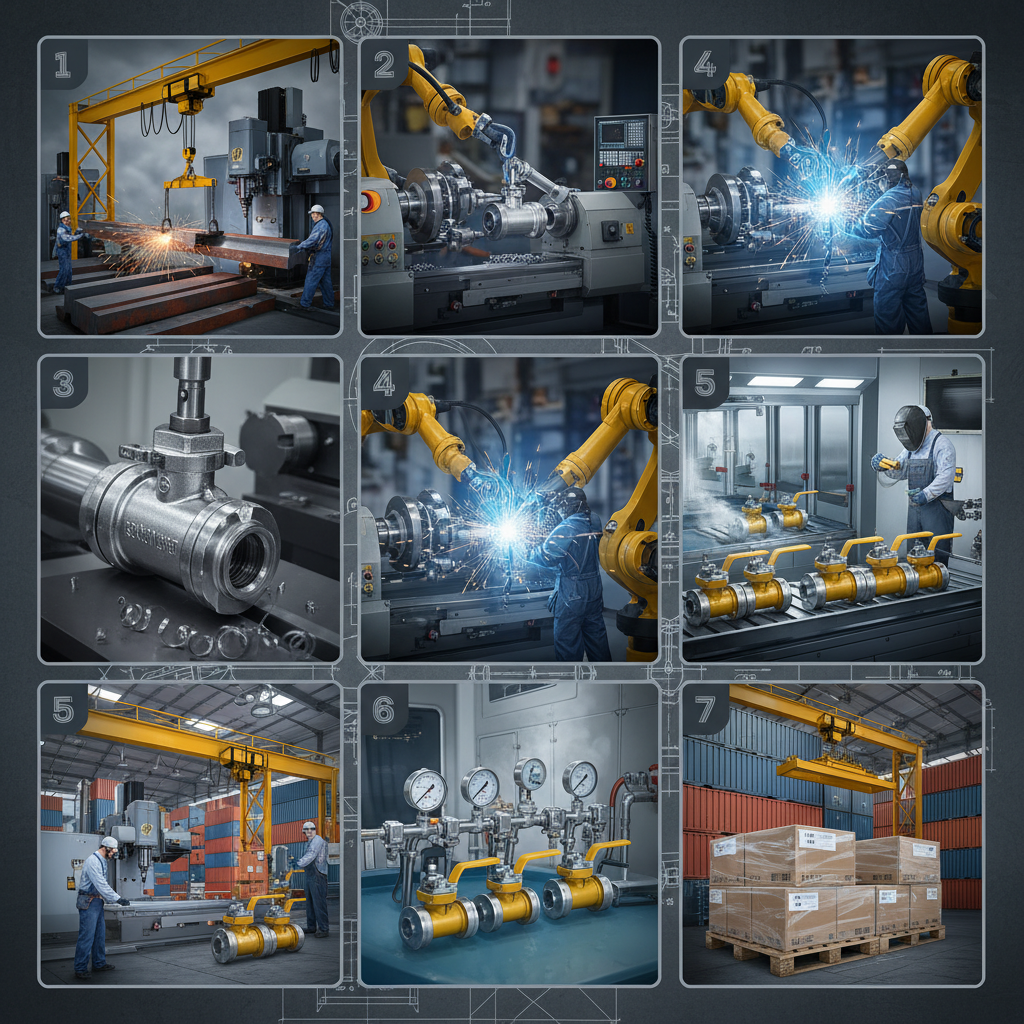
Cost efficiency is achieved through optimized machining processes. By utilizing CNC Swiss-turning for the body of the mini ball valve, manufacturers can reduce material waste and maintain tolerances within microns, ensuring that every valve performs consistently regardless of the production batch size.
Global Applications and Use Cases
In the field of petrochemicals, mini ball valves are extensively used in sampling panels. These panels require a high density of valves to isolate different stream lines for quality testing. By using miniature versions, engineers can fit dozens of isolation points into a single workstation, significantly improving the ergonomics and safety of the laboratory.
Beyond the lab, these valves play a vital role in remote industrial zones, such as offshore oil rigs or remote mining sites. In these environments, the ease of maintenance and the "fail-safe" nature of a quarter-turn valve are critical. For instance, in post-disaster relief operations where modular water purification units are deployed, mini ball valves allow for quick assembly and disassembly of the filtration circuits.
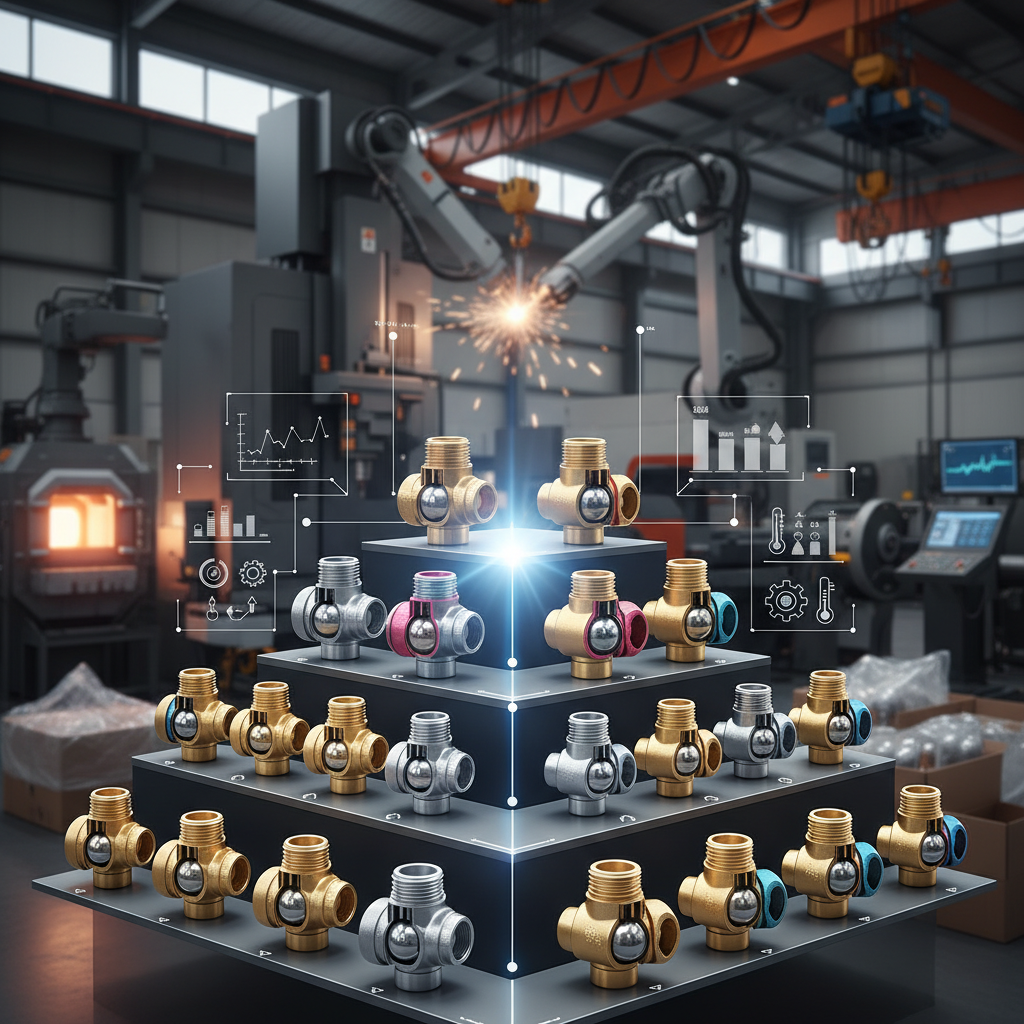
Comparative Performance of Mini Ball Valve Configurations
Tangible Advantages and Long-Term Value
The primary advantage of integrating mini ball valves is the drastic reduction in system footprint and weight. For industries like aerospace or automotive, where every gram counts, switching to miniature flow control components allows for more efficient layouts and reduced fuel consumption during transport of the end product.
From a logical and emotional perspective, these valves instill trust through reliability. When a technician can operate a valve with a simple 90-degree turn and know with absolute certainty that the flow is stopped, it enhances the safety and dignity of the operator. This reliability reduces the stress associated with high-pressure leaks and prevents catastrophic industrial accidents.
Future Trends and Digital Innovations
The future of flow control is leaning heavily toward automation and the Industrial Internet of Things (IIoT). We are seeing the emergence of "smart" mini ball valves equipped with miniature actuators and sensors that can report the valve's position and flow rate in real-time to a centralized control system.
Sustainability is also driving material innovation. New additive manufacturing techniques, such as 3D metal printing, allow for the creation of internal flow paths that are optimized for turbulence reduction, further increasing the energy efficiency of the system. This aligns with global green energy policies aimed at reducing the carbon footprint of industrial manufacturing.
Furthermore, the integration of ceramic coatings is becoming more common. These coatings reduce friction and wear on the ball and seat, extending the service life of the valve in abrasive media, which reduces the frequency of replacement and the overall environmental impact of waste metal.
Overcoming Common Implementation Challenges
One of the most common challenges with mini ball valves is the risk of clogging when used with viscous fluids or particles. Because the bore is so small, any buildup can prevent the ball from rotating fully. The solution is to integrate high-efficiency strainers upstream of the valve to ensure only clean fluid enters the control zone.
Another limitation is the potential for "stiction" after long periods of inactivity. To overcome this, expert engineers recommend implementing a scheduled cycling program where valves are opened and closed periodically to prevent the seals from bonding to the ball.
Finally, choosing the wrong seal material can lead to premature failure. By conducting a thorough chemical compatibility analysis and utilizing high-performance elastomers like FFKM for extreme temperatures, operators can ensure that their miniature valve installations remain leak-free for years.
Material and Performance Analysis for Mini Ball Valve Selection
| Material Type |
Pressure Rating |
Corrosion Resistance |
Typical Application |
| SS316 Stainless |
High (up to 10k psi) |
Excellent |
Chemical Processing |
| Forged Brass |
Medium |
Moderate |
Water/Gas Lines |
| Hastelloy C276 |
High |
Superior |
Acidic Environments |
| PVDF Plastic |
Low to Medium |
Very High |
Pharmaceuticals |
| Titanium |
High |
Exceptional |
Marine/Aerospace |
| Carbon Steel |
High |
Low |
Oil & Gas Pipelines |
FAQS
The primary difference is scale and application. Mini ball valves are designed for small-bore tubing (typically under 1/2") and are used in precision instrumentation and compact manifolds. While they share the same quarter-turn mechanism, mini valves often require tighter manufacturing tolerances and specialized materials to ensure a leak-proof seal in a much smaller physical footprint.
Yes, provided the correct material and pressure rating are selected. Stainless steel mini ball valves, for example, can be engineered to handle several thousand psi. It is critical to check the manufacturer's pressure-temperature rating chart to ensure the valve can withstand the peak operating pressures of your specific gas system.
Prevention starts with choosing a seat material (like PTFE or PEEK) that is chemically compatible with the fluid. Additionally, ensuring proper installation torque on the fittings and implementing a regular maintenance schedule to clear debris from the bore can significantly reduce the likelihood of leaks in mini ball valve installations.
Yes, but they must be made from food-grade materials, typically 316L stainless steel, and have a polished internal surface to prevent bacterial growth. Ensure the valves meet FDA or EHEDG standards for sanitary design, focusing on the absence of "dead legs" where product could accumulate and spoil.
Absolutely. Many mini ball valves are compatible with miniature pneumatic or electric actuators. These actuators convert an electrical or air signal into the 90-degree rotation required to open or close the valve, allowing for integration into automated PLC-controlled systems for precise timing and safety shut-offs.
Lifespan varies by environment, but a high-quality stainless steel mini ball valve can last for tens of thousands of cycles. The lifespan is primarily limited by the wear on the seat and the ball. Using high-performance coatings and ensuring the fluid is filtered can extend the operational life significantly.
Conclusion
In summary, mini ball valves represent the perfect intersection of compact design and industrial-strength performance. By addressing the critical need for space-saving flow control without compromising on sealing integrity or durability, these components have become vital in the evolution of precision manufacturing and high-tech instrumentation. From their application in life-saving medical devices to their role in complex petrochemical sampling, the value they provide lies in their simplicity, reliability, and versatility.
Looking forward, the integration of smart sensing and sustainable materials will continue to push the boundaries of what these miniature devices can achieve. For engineers and procurement managers, the key to long-term success lies in rigorous material selection and a proactive approach to maintenance. By investing in high-quality mini ball valves, industries can ensure safer operations, lower overhead costs, and a more agile infrastructure ready for the digital transformation of the future. Visit our website: www.houdevalve.com