0%

Table of Contents

Honestly, the whole ss ball valve supplier market's gone a bit crazy lately. Everyone's chasing 'smart' valves, IoT integration… which is fine, I guess, but a lot of folks forget the basics. You spend all day wrestling with pipe threads and feeling the grit under your nails, and suddenly some engineer’s talking about predictive maintenance algorithms. It's… a disconnect.

What I've noticed is, everyone wants 'high performance,' but nobody wants to pay for it. They want the fancy alloys, the tight tolerances, the whole nine yards…but then they balk at the price. It's a constant battle. And you know what? They often don't even need all that fancy stuff. It's overkill for a lot of applications.

The biggest problem I see? Over-engineered designs. Guys get too clever. Too many moving parts. Things that look good on CAD but are a nightmare to actually assemble in the field. I swear, half my job is fixing stuff that was designed by someone who's never actually been on a construction site.

Navigating the Complexities of the ss ball valve supplier Market

The Current Landscape of ss ball valve supplier

Navigating the Complexities of the ss ball valve supplier Market

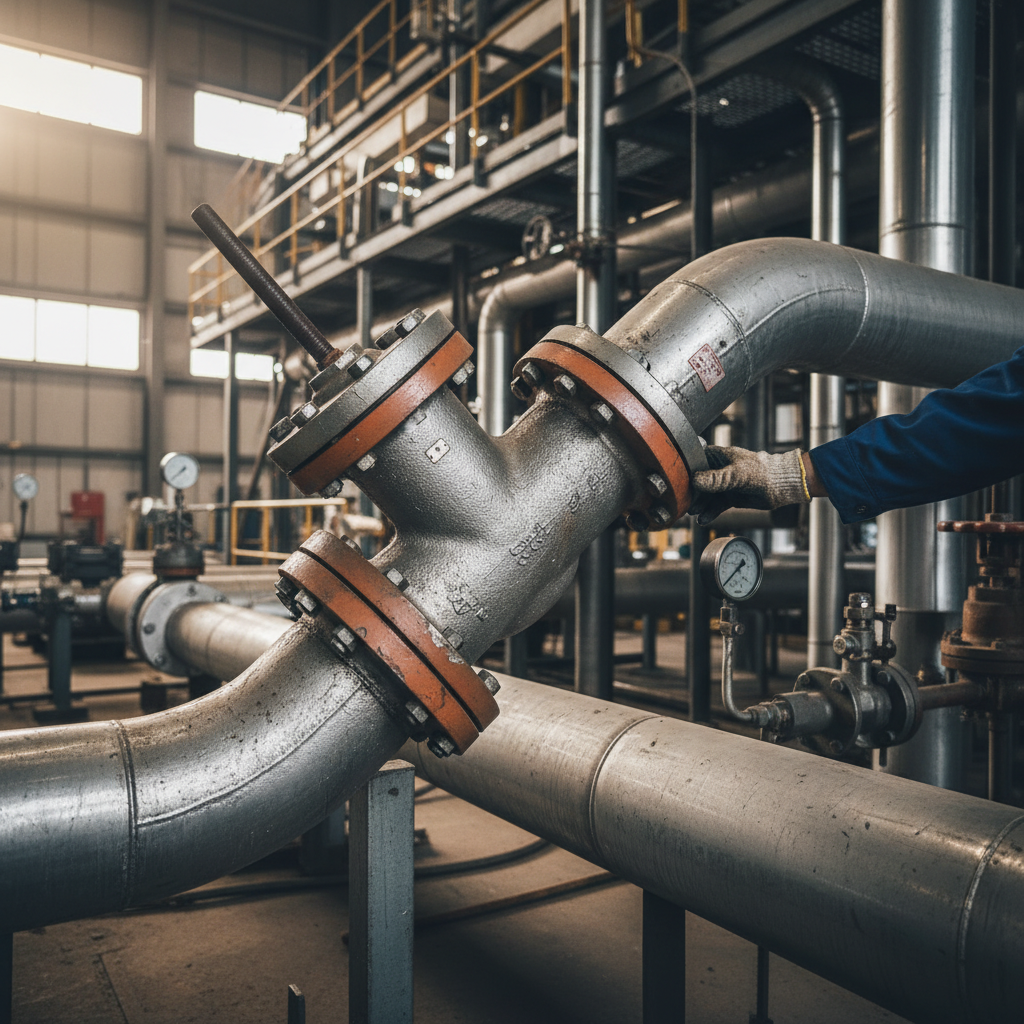
Right now, there's a huge push towards digitalization in everything, and ss ball valve supplier is no exception. Everyone's talking about remote monitoring, predictive failure analysis, and integrating valves into larger control systems. It's all well and good, but a valve still needs to seal. You can have all the data in the world, but if it leaks, it's useless. I encountered this at a petrochemical plant last time, they spent millions on a fancy monitoring system, but their basic valve seals were failing, causing huge downtime.

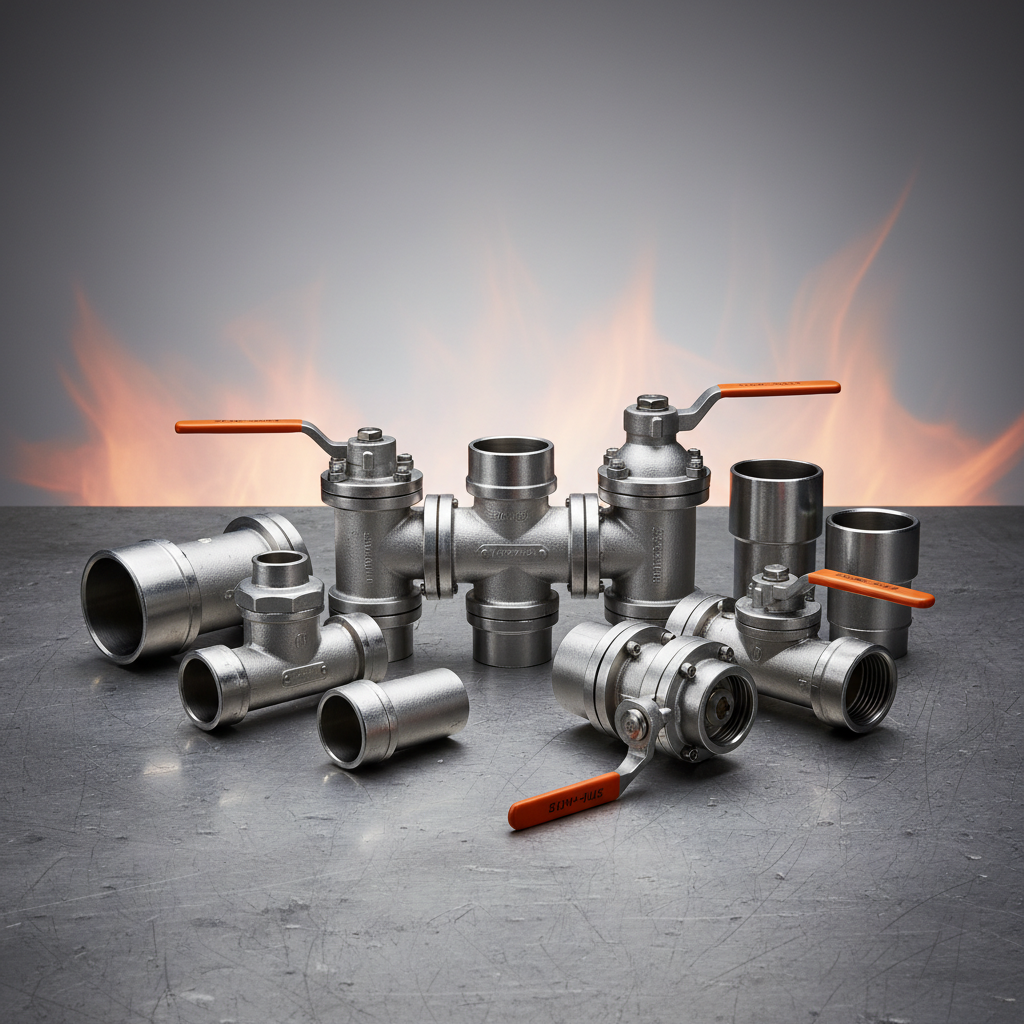
The demand for specialized alloys is also rising, particularly for highly corrosive environments. 316 stainless steel is standard, of course, but we're seeing more and more requests for duplex stainless steels and even some exotic nickel alloys. It’s a sign of the times – processes are getting harsher, and the stakes are higher.

Design Pitfalls and Common Mistakes

Honestly, the biggest design flaw I see is complexity. Guys try to be too clever, adding features that aren’t needed and making things unnecessarily complicated. A simple ball valve, well-designed and well-manufactured, is often more reliable than a complex valve with a dozen different components. Have you noticed that?

Another issue is improper material selection. Using the wrong gasket material, for example, can lead to premature failure. Or designing a valve for a certain pressure rating and then trying to use it in a higher-pressure application. Strangely, it always seems like cost-cutting measures end up causing more problems in the long run.

And the threads... oh, the threads! Too fine, not enough support, poorly machined... it's a constant source of headaches. You’d think in this day and age, getting threads right would be a given.

Materials: From Feel to Function

316 stainless steel is the workhorse, no doubt about it. It’s got good corrosion resistance and is relatively easy to machine. You can tell a good piece of 316 just by the feel – it’s got a certain weight to it, a smoothness. Cheap stuff feels… flimsy.

Then you get into duplex stainless steels. These are tougher, stronger, and more resistant to chloride stress corrosion cracking. They smell different too, if you’re actually handling the raw material. A bit more metallic, sharper. They’re a pain to weld, though, so you need skilled welders.

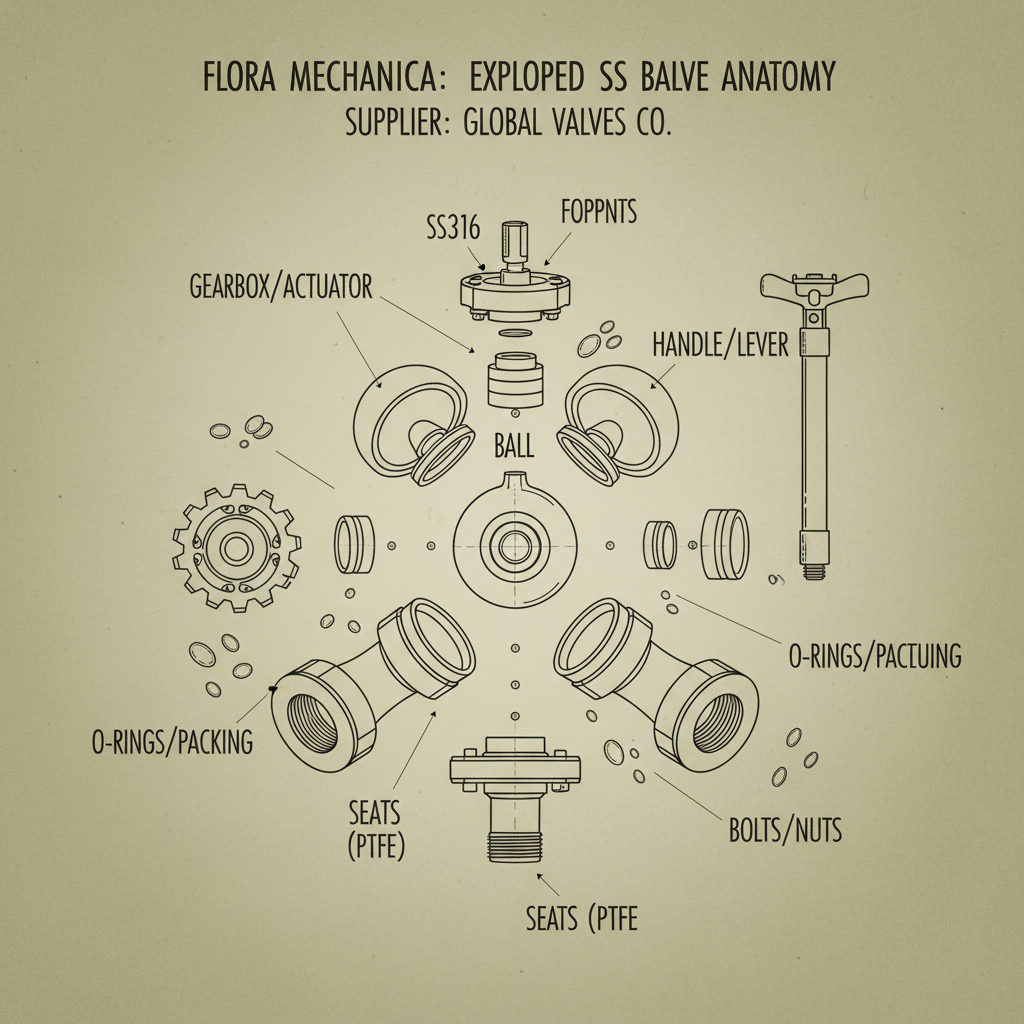
And then there are the plastics. PTFE, PEEK, all that stuff. They're great for seals and seats, but they need to be the right grade. Cheap plastic seals will fail quickly. I always check the durometer reading – that tells you a lot about the quality of the material.

Real-World Testing and Validation

Lab testing is fine, but it doesn’t tell you everything. You need to see how these things perform in the real world. I've seen valves pass all the lab tests and then fail miserably on a job site.

We do a lot of hydrostatic testing, of course, but we also do cycle testing, opening and closing the valve thousands of times to simulate years of use. And we put them through vibration testing, because a lot of applications involve constant vibration. We even bury them in dirt to simulate underground installations. It sounds crazy, but it catches a lot of problems.

Testing Metrics for ss ball valve supplier


User Behavior: The Unexpected Truths

You know, people don’t always use things the way you expect them to. I've seen guys use valves as hammers, as makeshift supports... you name it. They're resourceful, that's for sure.

And they often ignore the instructions. They’ll overtighten connections, use the wrong tools, and generally abuse the equipment. It’s frustrating, but it’s reality. That's why you need to design for abuse – build in a margin of safety.

Advantages, Disadvantages, and Customization

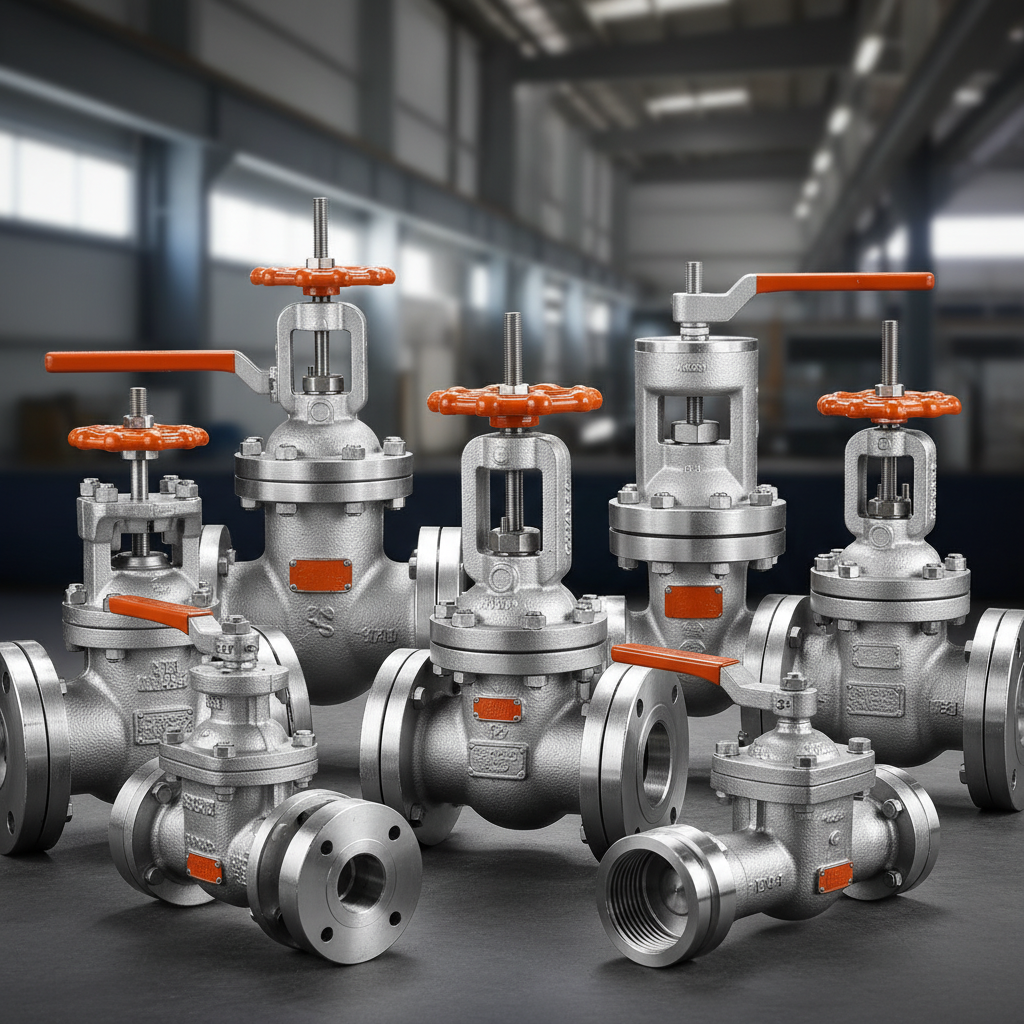
The big advantage of ss ball valve supplier is simplicity. They're easy to operate, easy to maintain, and relatively inexpensive. They provide a tight shutoff, and they can handle a wide range of fluids. But they're not ideal for throttling flow – you can damage the seats.

Customization is definitely possible. We recently had a customer who needed a valve with a special coating to withstand extremely high temperatures. We worked with a materials scientist to develop a custom coating that met his requirements. Anyway, I think the biggest challenge is finding a balance between performance and cost.

A Case Study: The Shenzhen Smart Home Saga

Last month, that small boss in Shenzhen who makes smart home devices insisted on changing the interface to , thinking it would make his valves “more modern.” It looked great in the marketing materials, no doubt, but it turned out the connectors were incredibly susceptible to corrosion in their humid climate.

He lost a whole batch of valves, and nearly missed a major product launch. He finally caved and went back to the standard threaded connections. Lesson learned, I guess. It’s a reminder that sometimes the simplest solution is the best.

Later... Forget it, I won't mention the issue with the thread sealant he used.

Key Performance Indicators for ss ball valve supplier

Valve Type Leakage Rate (ppm) Operating Torque (Nm) Cycle Life (Turns)
Full Bore Ball Valve 0.1 5 5000
Reduced Bore Ball Valve 0.05 3 4000
3-Piece Ball Valve 0.2 7 3000
Flanged Ball Valve 0.01 10 6000
Trunnion Mounted Ball Valve 0.005 15 8000
Cryogenic Ball Valve 0.02 8 4500

FAQS

What is the typical lifespan of an ss ball valve in a wastewater treatment plant?

In a wastewater environment, lifespan depends heavily on the fluid composition and frequency of operation. Generally, a properly specified and installed ss ball valve can last anywhere from 5 to 15 years, but regular inspection and maintenance are crucial. We've seen valves fail much sooner due to abrasive solids or corrosive chemicals, which is why material selection is so important.

What are the key differences between a 2-piece and a 3-piece ball valve?

The main difference is maintainability. A 3-piece valve allows you to remove the ball and seats without disconnecting the valve from the pipeline, making repairs much easier. 2-piece valves require complete removal for servicing. 3-piece valves are also generally more robust and can handle higher pressures, but they’re typically more expensive.

How important is the valve’s Cv factor when selecting a ss ball valve?

The Cv factor is critical. It determines the flow capacity of the valve. You need to match the Cv factor to your system's flow requirements to avoid pressure drops and ensure efficient operation. Undersizing a valve will restrict flow, while oversizing can lead to erosion and cavitation. It's a fundamental calculation.

What are the common causes of seat leakage in ss ball valves?

Seat leakage is a frequent problem. Common causes include debris lodged between the ball and seat, wear and tear on the seat material, improper tightening of the gland, or corrosion. Regular inspection and cleaning are essential. Sometimes, replacing the seats is the only solution, but a good preventative maintenance program can extend their lifespan.

Can ss ball valves be used with slurry liquids?

It depends on the slurry composition and concentration. Slurries can be abrasive and cause rapid wear on the ball and seats. We recommend using valves specifically designed for slurry service, with hardened balls and seats, and a larger flow passage to minimize erosion. The type of slurry needs careful consideration.

What certifications should I look for when purchasing ss ball valves?

Look for certifications like ISO 9001 for quality management, and certifications relevant to your specific application, such as API 6D for petroleum and natural gas industries, or DVGW for gas applications. These certifications demonstrate that the valve has been tested and meets industry standards. Don't skimp on quality.

Conclusion

So, yeah, the ss ball valve supplier world is more complicated than it looks. It's not just about the valve itself; it’s about understanding the application, the materials, the environment, and even how people are going to use it. A lot of guys think it’s simple… just a ball and a seat. But trust me, there's a lot more to it than that.

Ultimately, whether this thing works or not, the worker will know the moment he tightens the screw. And if he has to tighten it twice, you've got a problem. If you need a reliable ss ball valve supplier, or just want to talk shop, check out our website: www.houdevalve.com.
Robert Johnson

Robert Johnson

Robert Johnson is the Quality Control Manager at Cangzhou Houde Stainless Steel Products. Robert leads a team responsible for maintaining the highest quality standards across all product lines. He oversees the use of sophisticated testing equipment, including the Swiss ARL spectrograph and metallurgical microscopes, to verify material composition and structural
Previous Expert Insights on Modern ss Valve Manufacturer and Practical Application
Next Expert ss ball valve manufacturer Delivering Reliable Valve Solutions
Copyright © 2026 Cangzhou Houde Stainless Steel Products Co., Ltd. All Rights Reserved. Sitemap | Privacy Policy | Top Blog