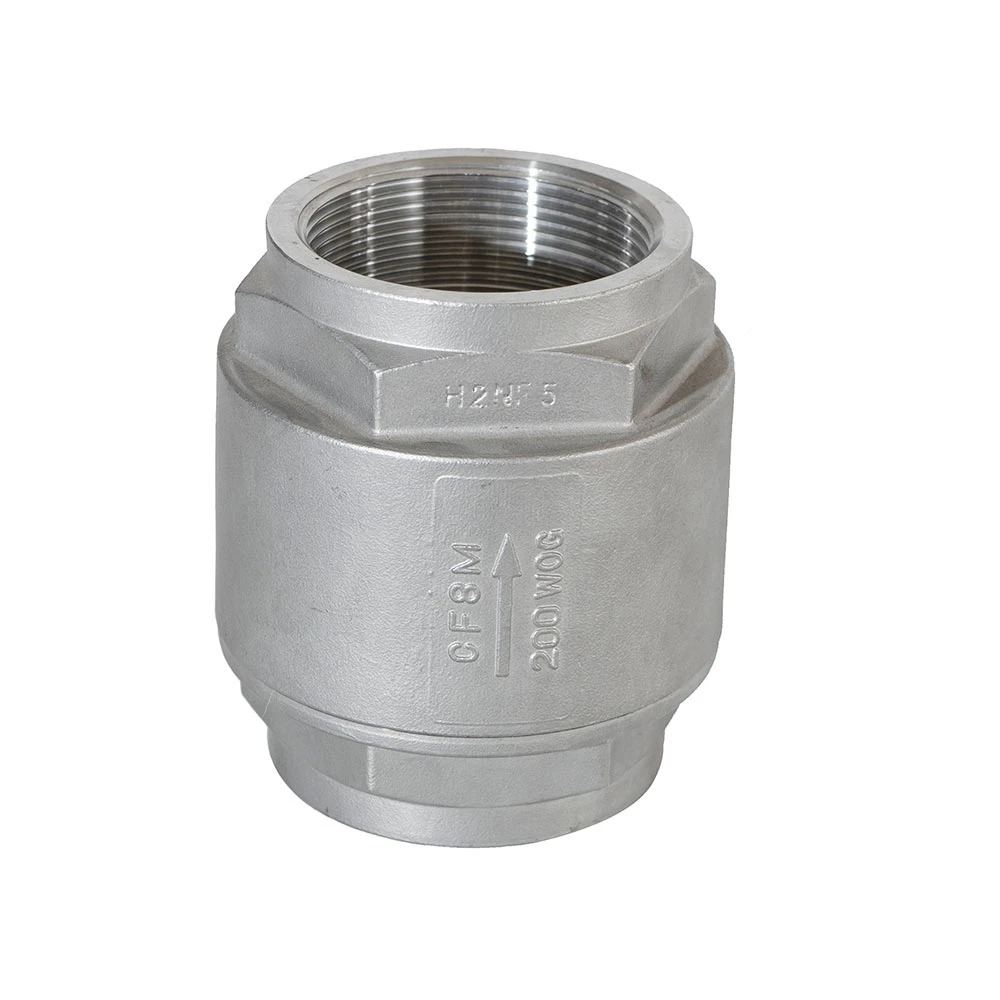
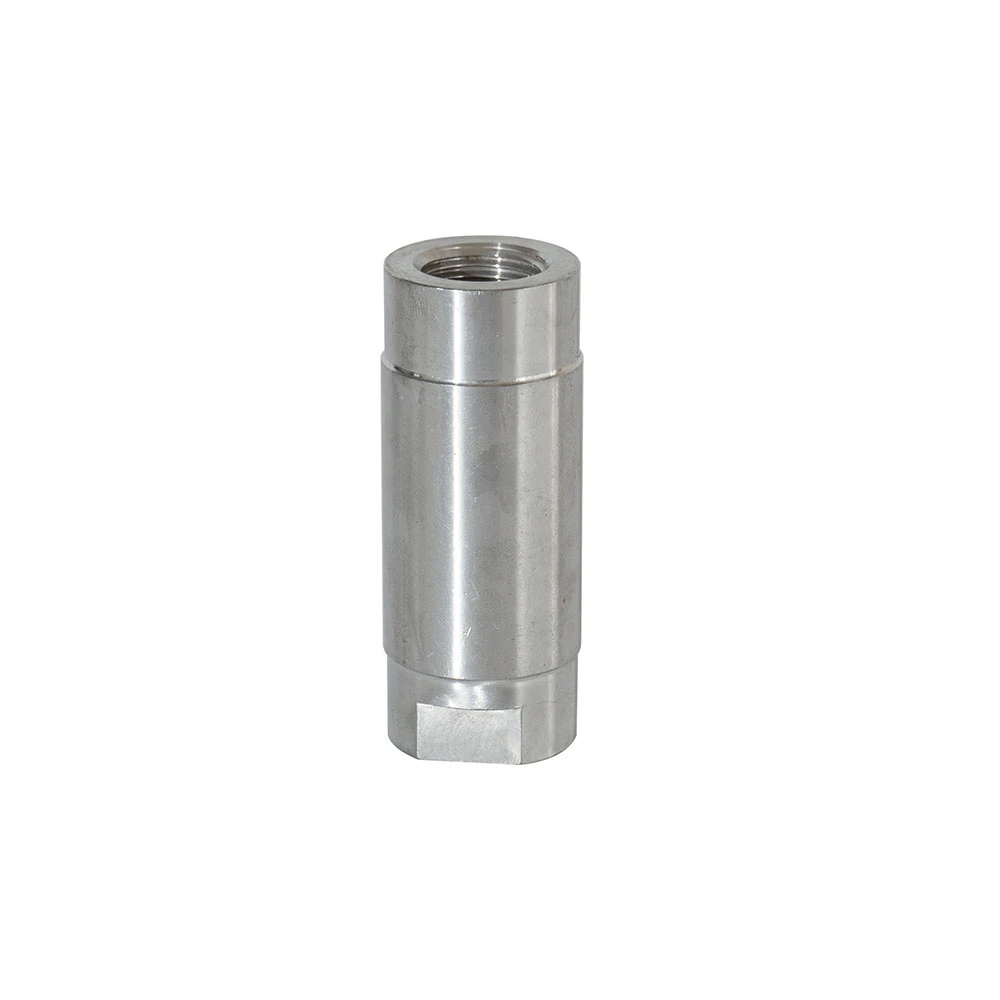
The industrial landscape of Kazakhstan is characterized by extreme temperature swings, ranging from severe winters to scorching summers. This thermal cycling puts immense stress on pipeline components, making the demand for a high-quality steel check valve critical to prevent backflow and system failure in remote Caspian regions.
Currently, the market is transitioning from legacy Soviet-era carbon steel components to modern corrosion-resistant alloys. The adoption of stainless steel check valves has surged as operators seek to reduce maintenance downtime in the Tengiz and Kashagan fields, where corrosive sulfides are prevalent.
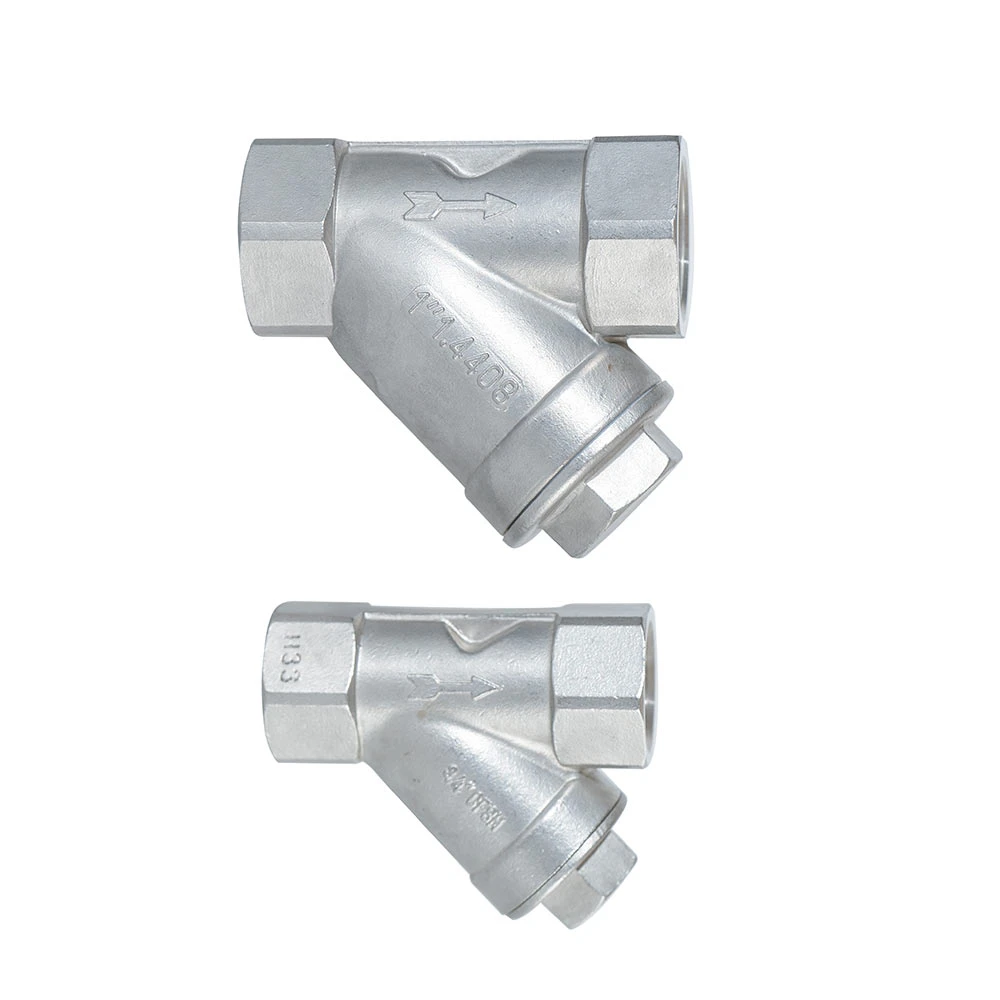
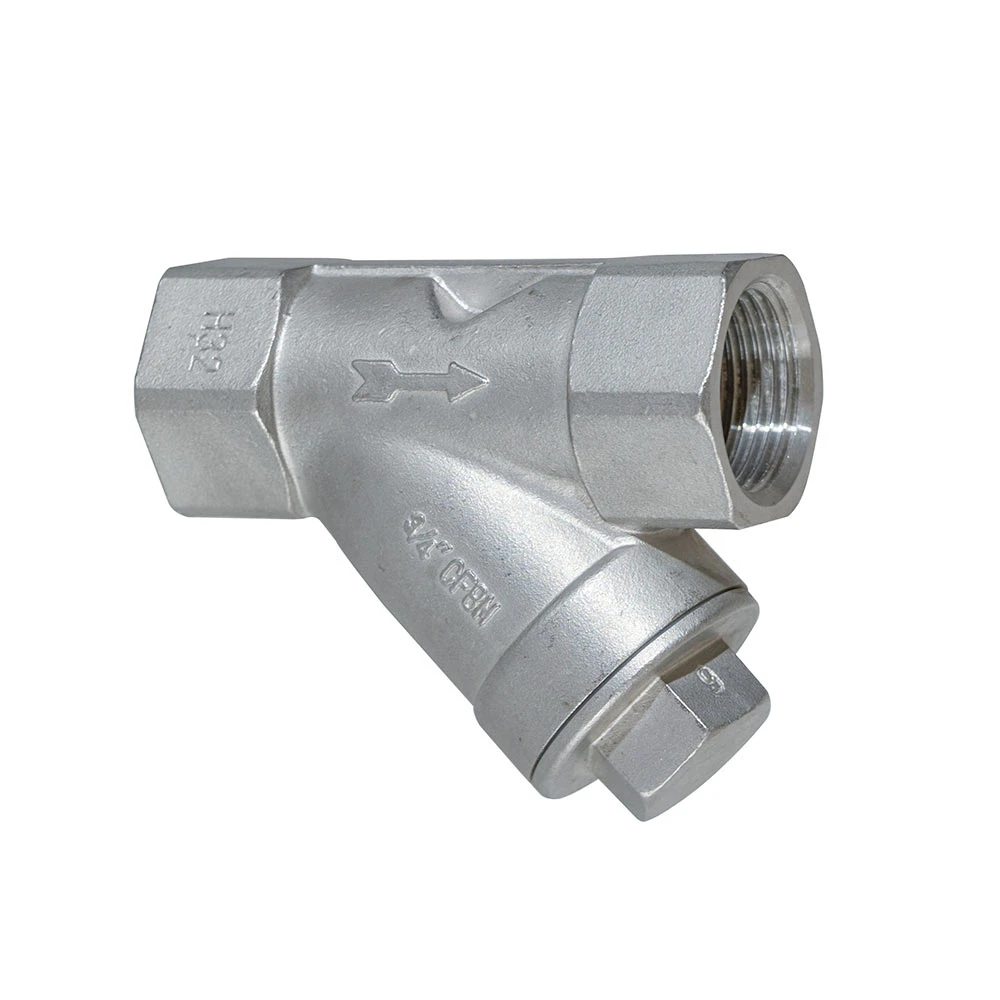
Furthermore, the requirement for precise filtration has led to an increased integration of the ss y strainer in water treatment and petrochemical processing, ensuring that particulate matter does not damage high-cost downstream instrumentation in Almaty and Astana's expanding industrial zones.